We’ll be happy to help via online chat or at: orders@premiumbarefoot.com

Selecting and Maintaining Barefoot Shoes Walking, Movement and Health Children Barefoot
Meet all-season shoes – the most popular type of children’s barefoot footwear your child can wear from spring through to autumn, whether they’re heading to school or tearing around the playground.
Looking for shoes that can handle spring frosts, summer morning dew, autumn showers and even a milder winter? Meet all-season shoes – the pair you’ll reach for most often in your child’s shoe cupboard. What does that actually mean? Shoes that can cope with (almost) anything. In theory, yes – in practice, not quite. The key thing is that your little one can manage most weather surprises in all-season shoes throughout the year, because (with the right care) they’re water-resistant. In the next few lines, you’ll learn more about them and we’ll help you choose the right partners for your shared adventures.
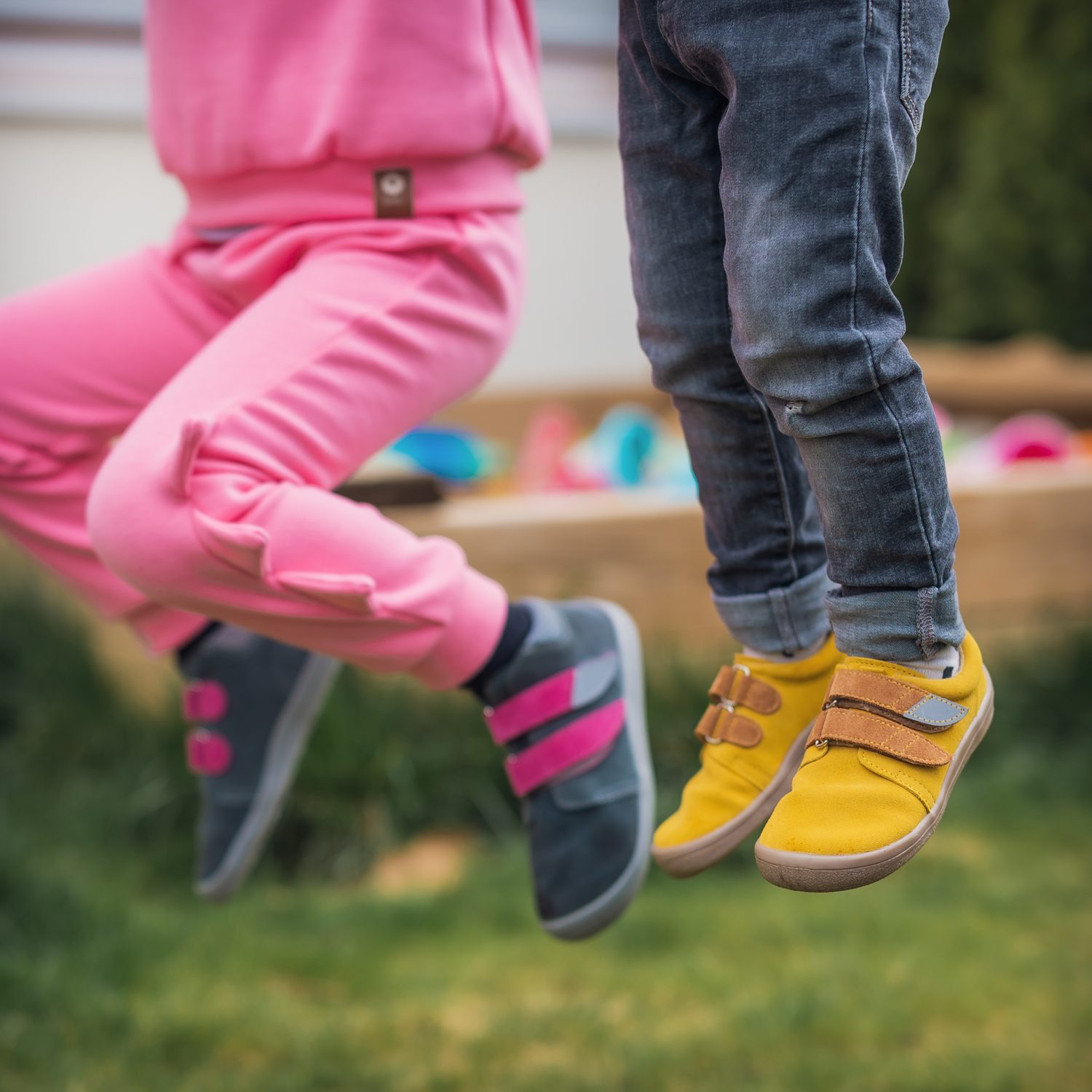
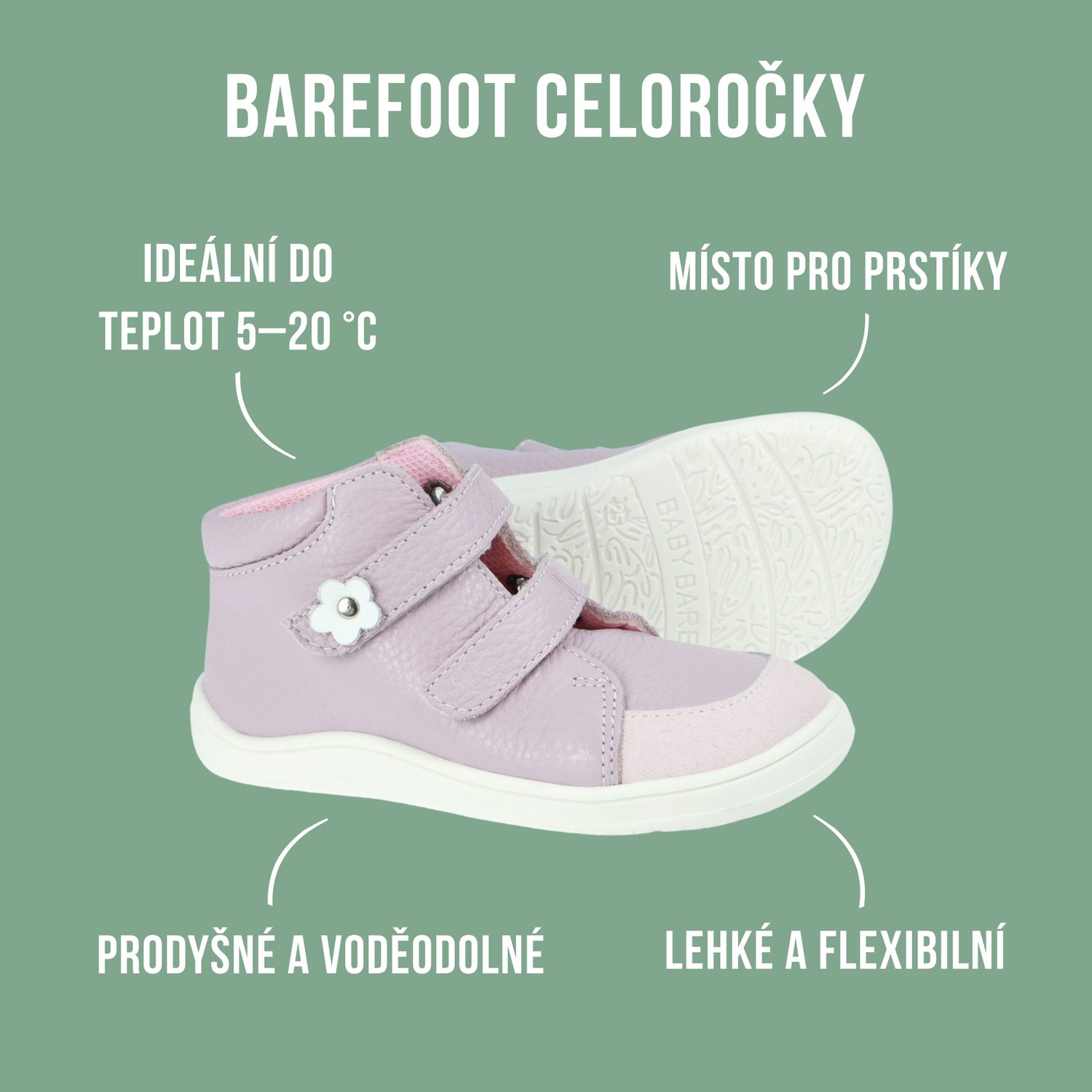
What people value most about all-season shoes is that they cope well with the most common temperatures and typical weather changes throughout the year – roughly from 5 to 20 °C – plus light rain and morning dew. It’s worth keeping this in mind, because it’s very common to expect comfort in conditions they simply aren’t designed for.
These shoes have their limits too – a bit like choosing a sleeping bag. All-season shoes can be comfortable even at five degrees, but you’ll also need a warm sock (ideally merino) and it helps if your child is on the move. That’s usually not a problem – unless they’re sitting in a pushchair. When the foot isn’t active, it can’t regulate temperature properly and it cools down quickly. So do take care: below five degrees, it’s better to choose proper winter boots.
In warmer months, stick to the 20 °C limit. On a sunny warm day, all-season shoes can get uncomfortably hot. This is where it’s important to think about your child’s natural temperature regulation.
All-season shoes are ideal for rainy weather and for trips out. That’s why they deserve a place in the shoe cupboard all year round. After all, winter isn’t only frost, and summer isn’t only sunshine.
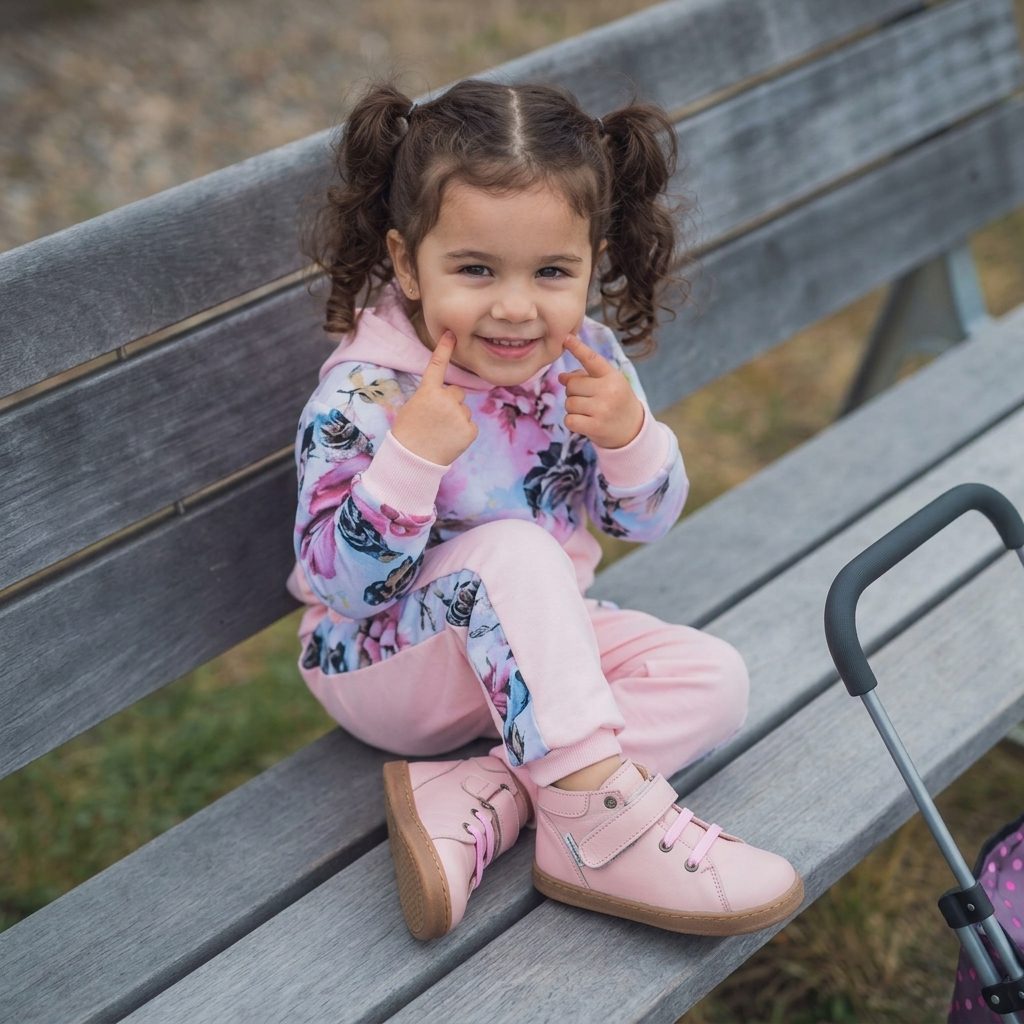
Let’s quickly recap the basic barefoot rules, so you know how to choose the right shoes for your little one. The most important rule is that barefoot shoes must not restrict the foot in any way while walking or interfere with its natural development. A raised heel or a narrow toe box is a complete no-go. So what features should proper barefoot shoes have?
As we know, a barefoot shoe mustn’t restrict the foot in any way. So it needs to be roomy enough – but not too big. How do you choose the right size and type? The best advice comes from our trained, friendly team in specialist naBOSo stores.
The basics: the shoe mustn’t press on the instep and it should fit well around the heel. Getting the right size can be tricky, because different manufacturers often vary slightly in their measurements. To choose correctly, you need to know the foot length and width as accurately as possible – ideally also the instep height. And of course, remember the growing room. For all-season shoes, it should be no more than 12 millimetres in length and 2 mm on each side.
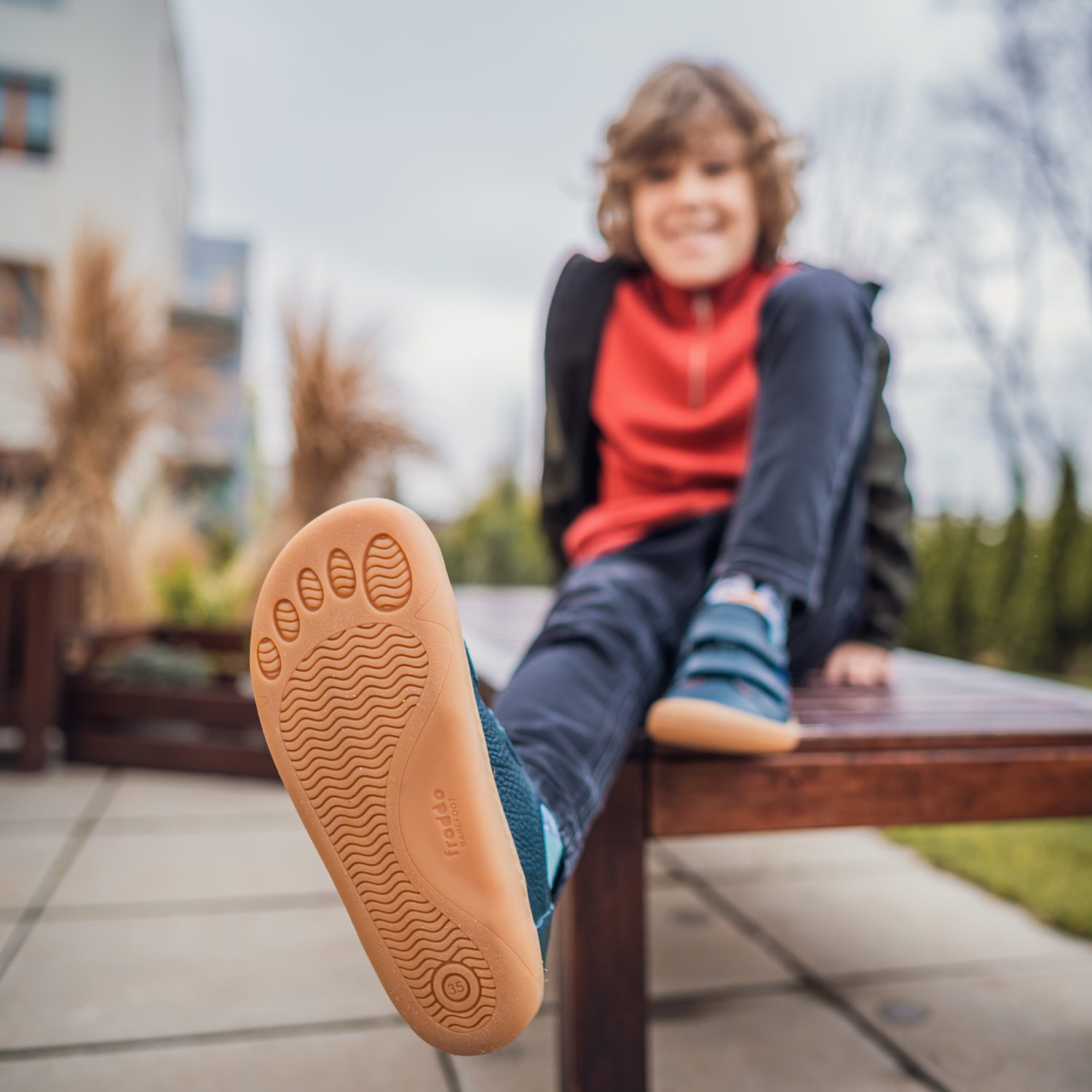
If you’re not sure, take a look at this article: The complete guide to measuring children’s feet: tips and mistakes to avoid.
The ideal growing room, shoe width and how snug it is around the ankle are all essential parameters – but the most important guide when choosing the right size is observation. Watch how your child walks when completely barefoot – once you put shoes on, their walking style and overall movement should look similar. Some children walk perfectly well even with 20 mm of growing room, while others struggle even with just the (generally recommended) 12 mm.
Remember: children’s feet grow quite quickly, so measure them regularly and check that the shoes aren’t pressing or constricting the foot. It’s not unusual for a little one to outgrow shoes in as little as three months.
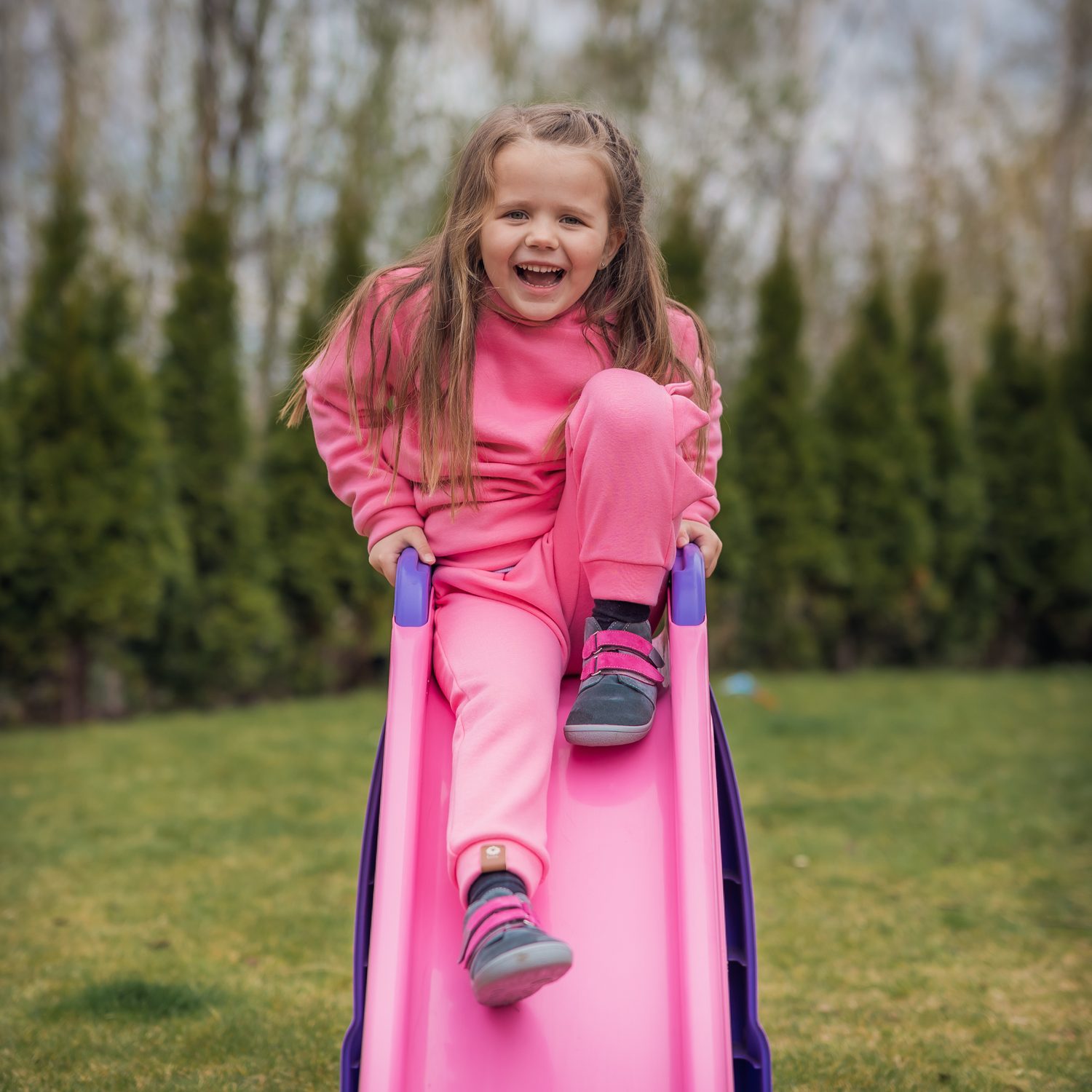
Choosing the right all-season shoes that fit your little one like a glove can be a bit of a puzzle. With all the foot measurements to consider – instep height, heel width and more – the best (and most recommended) option for choosing a first pair of all-season shoes is a visit to a specialist shop. Of course, you can also choose on your own and online – that’s exactly why we’re here, and why this article exists: to help you.
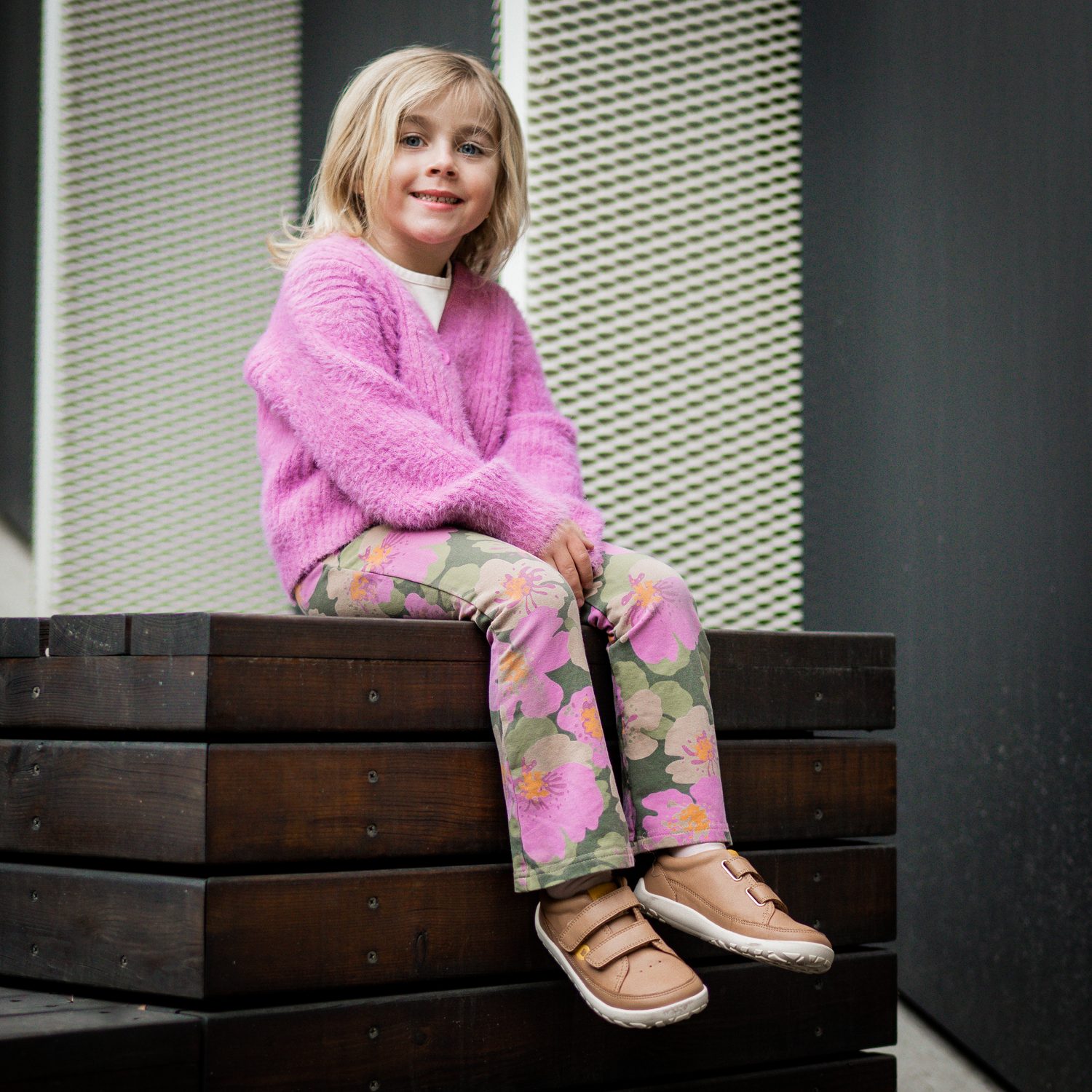
When choosing all-season shoes, it’s important to think about the season you’re buying them for. There are lots of options: ankle-high all-season shoes are often better for early spring or autumn, but in summer they can unnecessarily enclose the foot. That doesn’t mean you won’t use them in summer – morning dew can catch you out too. Low-cut all-season shoes are more useful in warmer months. You can also consider materials – let’s take a closer look.
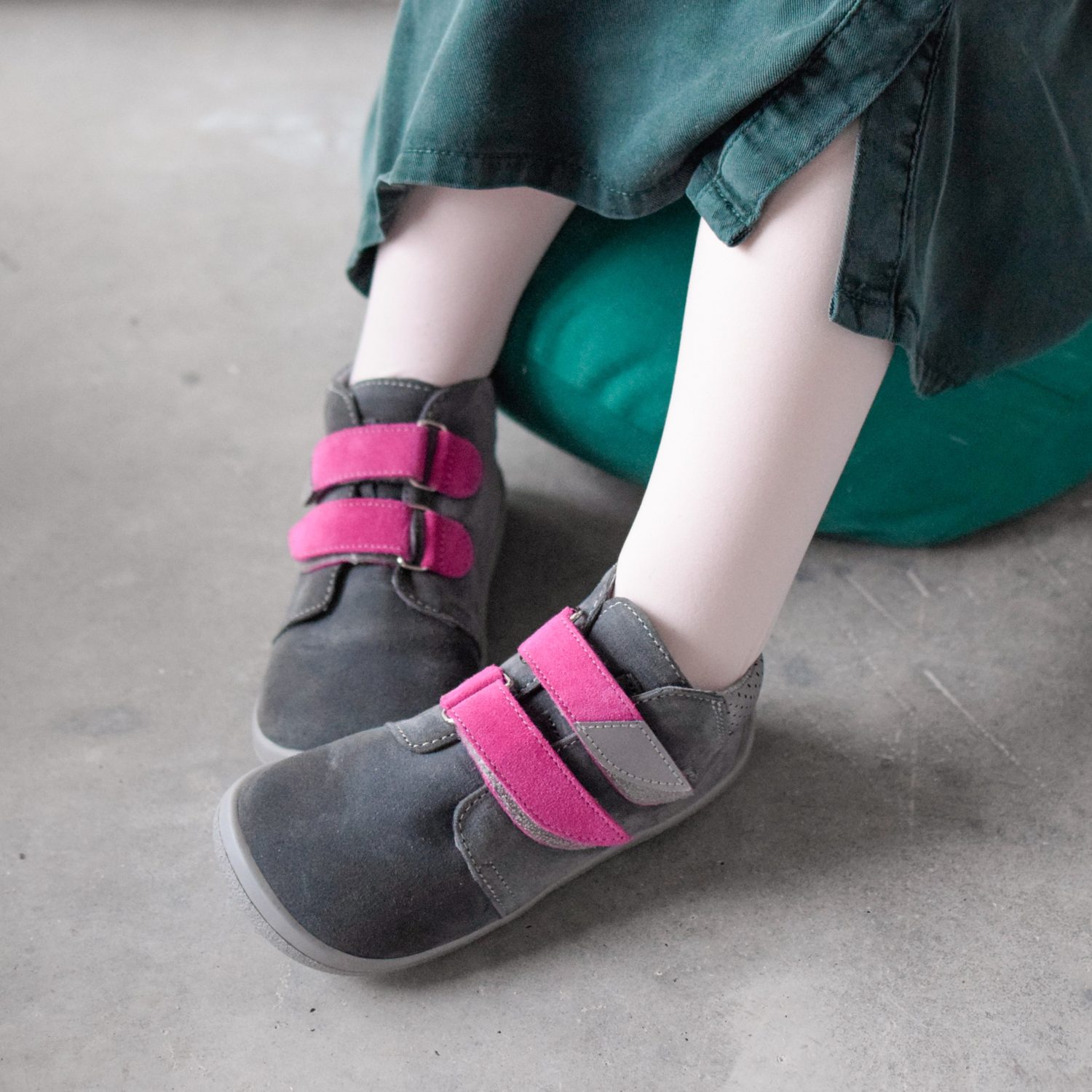
Most commonly, they’re leather – smooth (full-grain), suede or nubuck. They may or may not have a protective membrane. You’ll also find pairs made from synthetic or other natural materials (e.g. wool), which usually do have a membrane. All of these shoes have similar properties. Once treated with an impregnating spray, they become water-repellent and can handle the odd quick dash through a small puddle very well. A membrane acts as a final barrier against water getting in through the shoe. But ideally, water shouldn’t get through a well-impregnated shoe at all. That’s why it’s important to remember regular waterproofing and to care for the shoes so they perform as well as possible for as long as possible.
Breathability matters. It’s not unusual for small children to have sweaty feet, so we recommend avoiding synthetic materials. Natural materials (ideally leather) are a great choice, as they let the skin breathe freely.
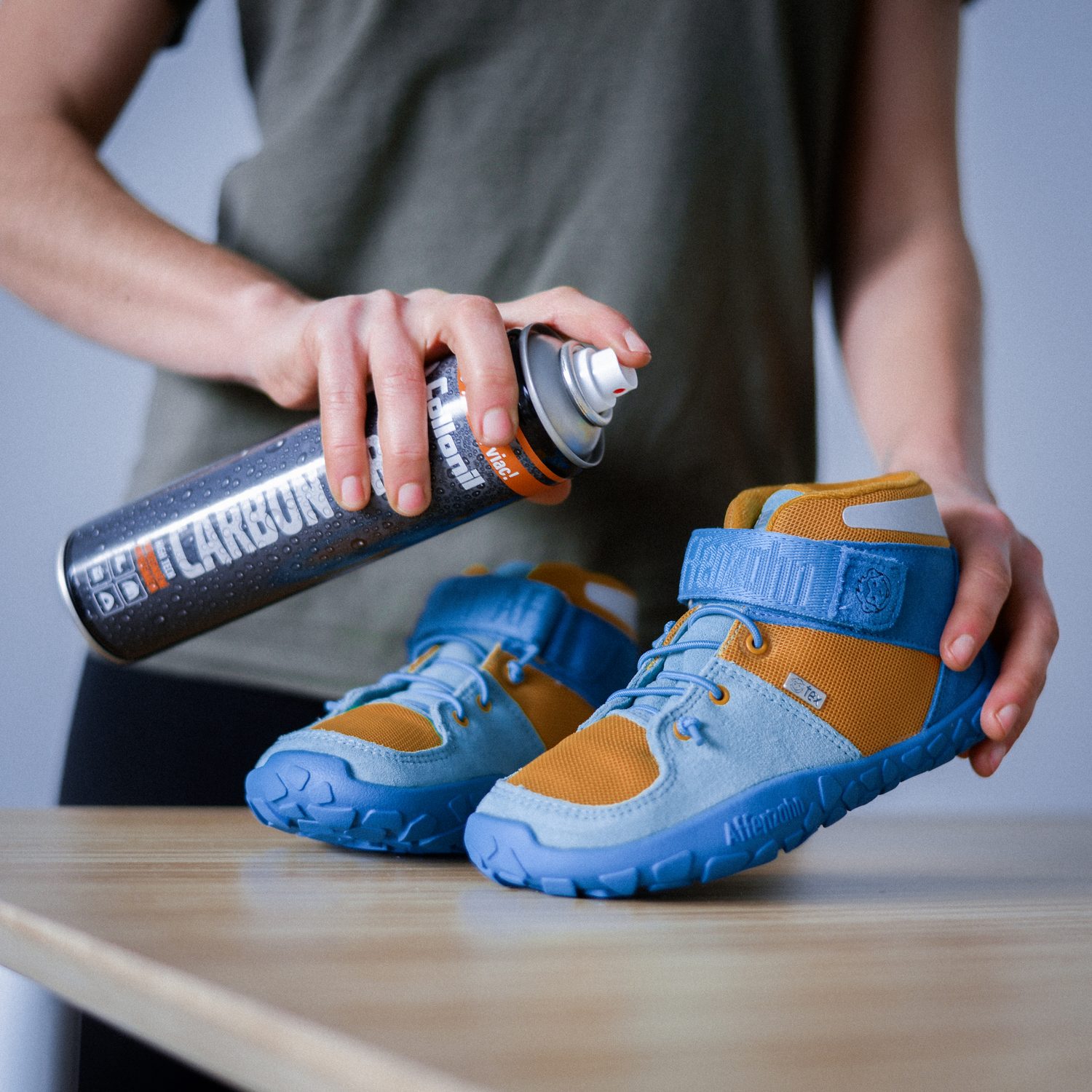
A great option is waterproofing sprays, which make water bead and roll off the shoe like droplets. Always let the waterproofing soak in and dry fully. That really is important. If you put the shoes on straight after spraying, dirt and dust will stick to them.
Only ever waterproof suede or nubuck leather with a spray. If you use conditioning creams or wax, you’ll flatten the nap and the shoe will look dirty – and you won’t be able to raise the fibres again. These shoes should only be cleaned dry with a brush or a cleaning block, for example from Collonil. Remove any remaining dirt with a special cleaning foam until clean.
You can learn more about caring for leather shoes in this article: How to care for leather shoes properly.
If you have a child who’s been walking for at least six months, you can happily start choosing their first proper all-season shoes. Why wait six months? For those very first steps, it’s generally recommended to keep the foot free – completely barefoot, ideally without socks too. That’s so your little one learns to use the whole foot as effectively as possible when walking, without anything restricting them. Of course, there are situations where that isn’t possible – and that’s exactly what the first barefoot shoes known as prewalkers are for. They’re offered by brands such as Bobux, Pegres or Froddo.
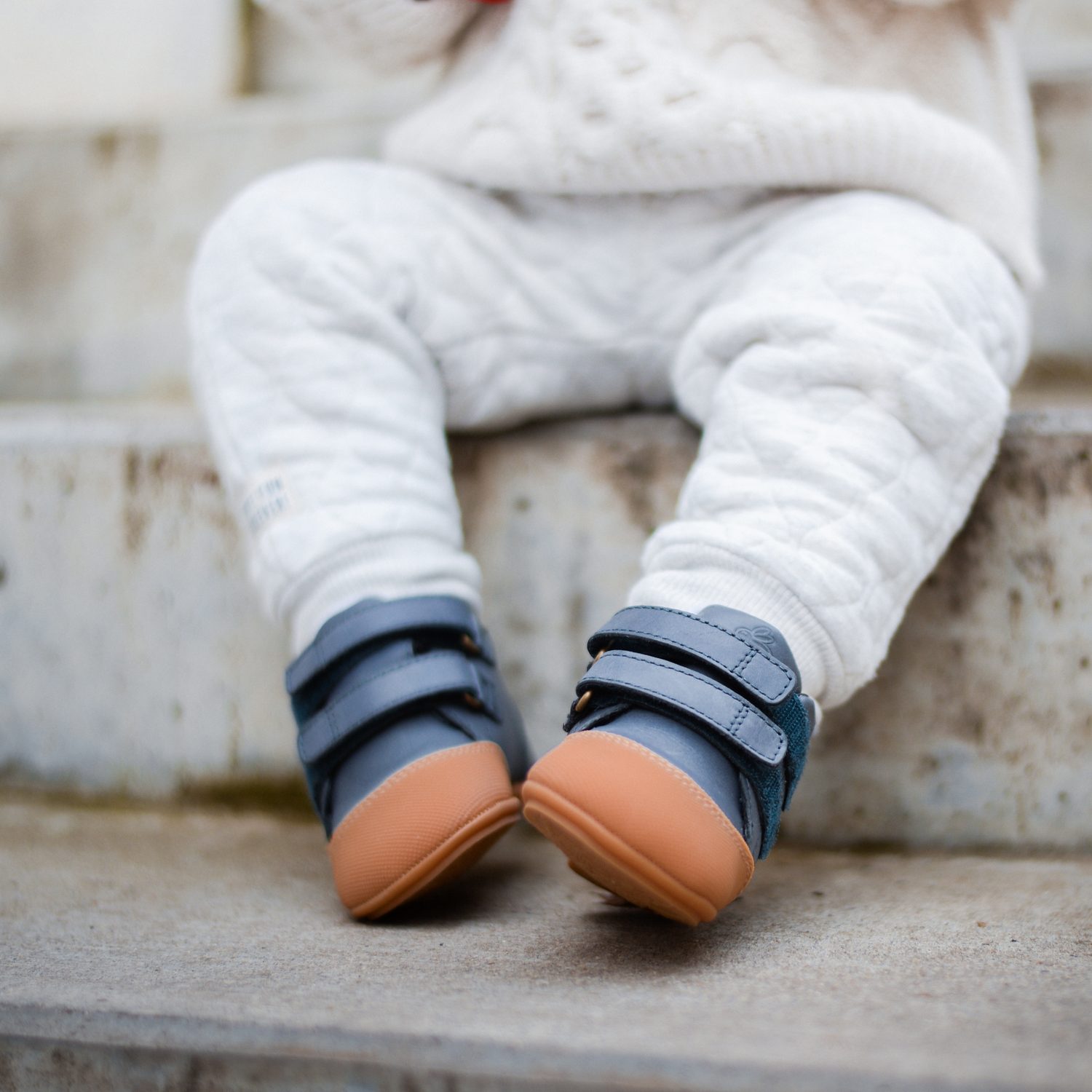
Once your little one is an unstoppable, confident walker, you’ve measured their feet carefully, and you have a clearer idea of what you’re looking for, you can get shopping. We’ve picked a few tips for specific brands and highlighted their strengths.
All-season shoes from our own naBOSo workshop. A refined design in smooth leather, available in various colour options, fits medium to wider little feet. They have comfortable padding around the ankles and offer two fastening options: elastic laces for a lower instep, and three Velcro straps for a higher instep. A brilliant companion in fair weather and foul. The shoes come in two heights – low-cut and ankle-high – so everyone can choose what suits their style and needs.
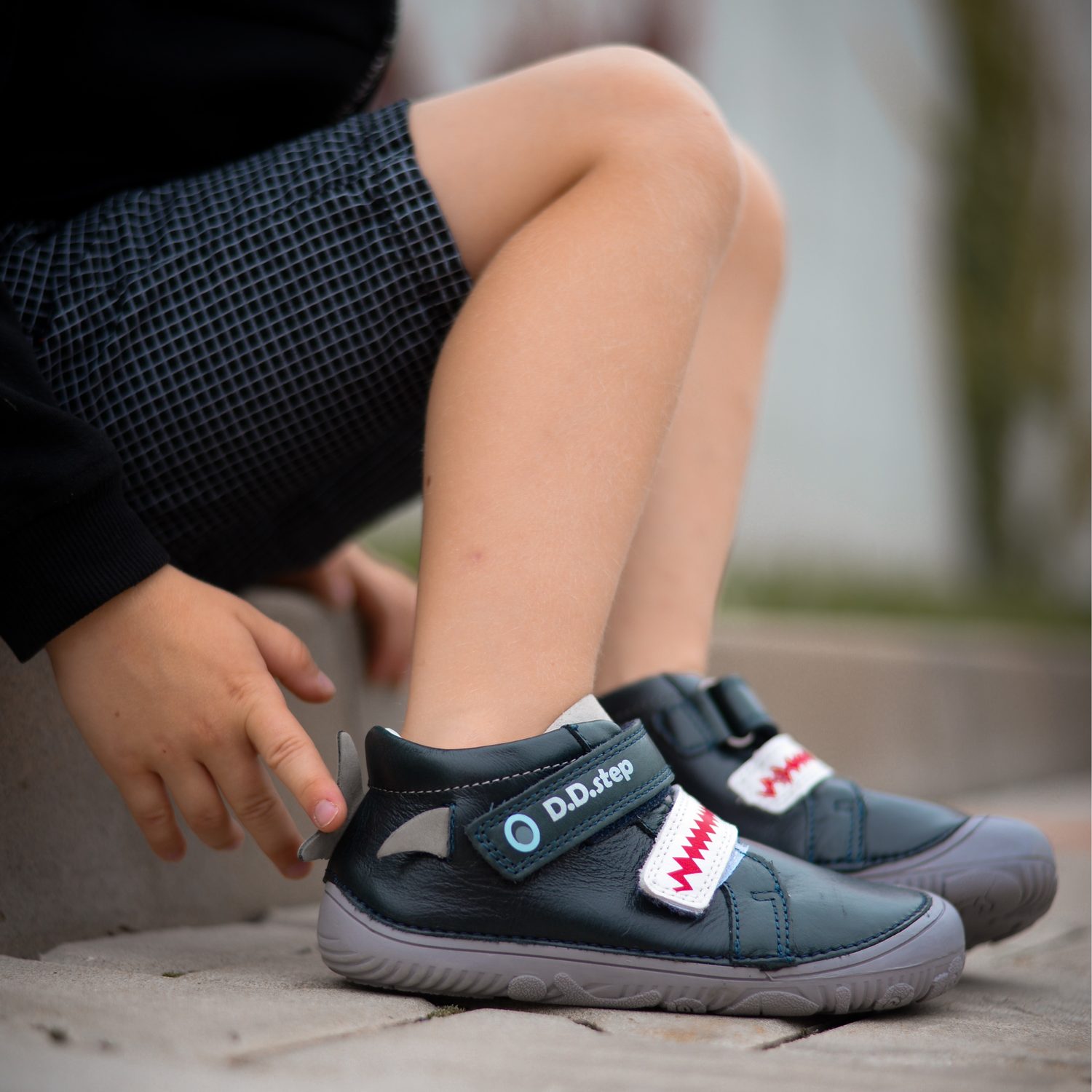
The popular D.D.STEP brand offers lovely soft shoes with truly fantastic flexibility. They’re ideal for wider feet – and they’ll give a little more in width too. They’re usually made from smooth leather and include a protective toe bumper to help the shoes survive serious rough-and-tumble play. Plus, kids love their original look and playful details.
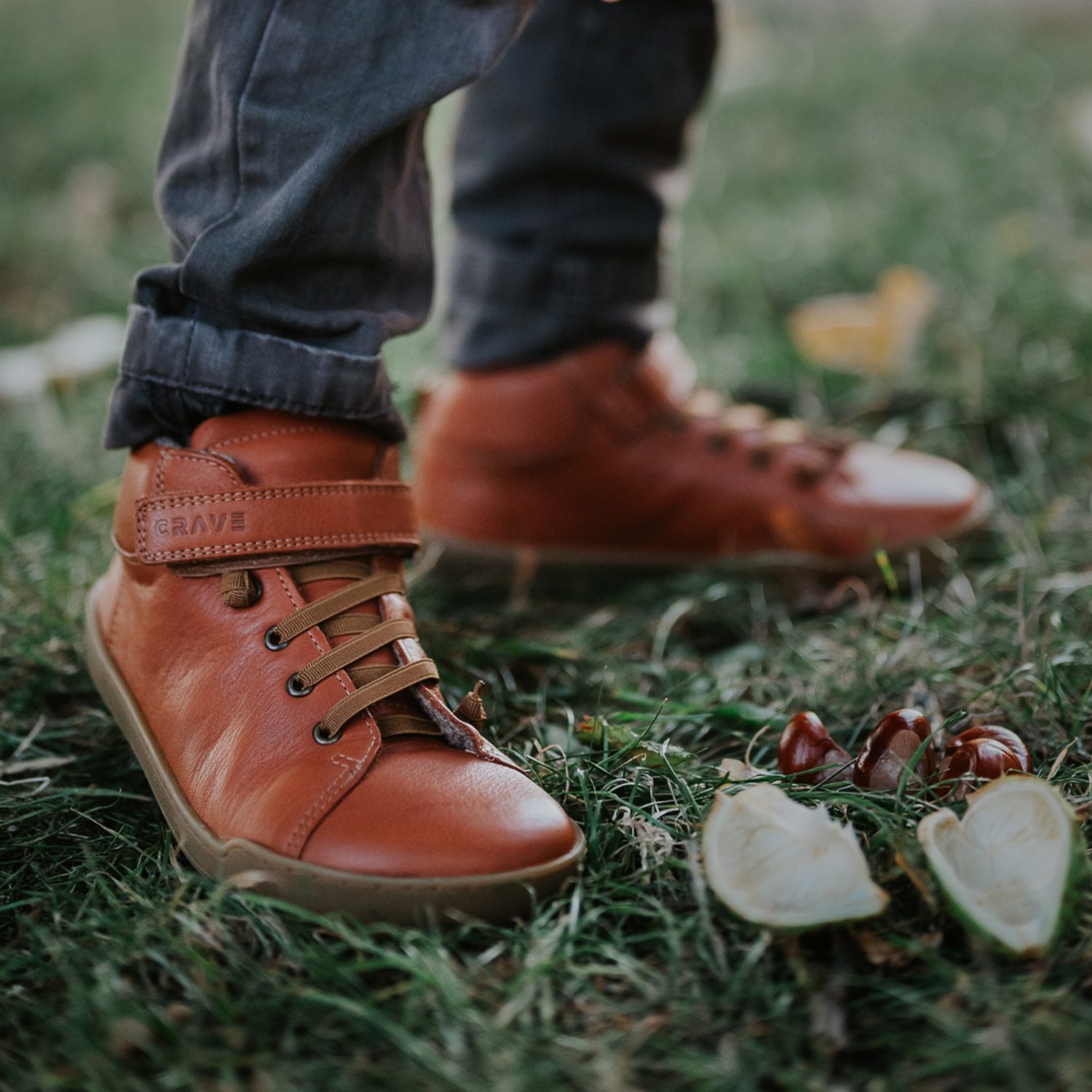
All-leather barefoot shoes from the Croatian brand Froddo are ideal for everyday adventures. They’re lightweight and flexible, with an anatomically shaped toe box that supports maximum comfort and natural movement. There’s also a practical toe bumper. If you’re looking for all-season shoes for an older child or for yourself, we offer some Froddo models up to size 42.
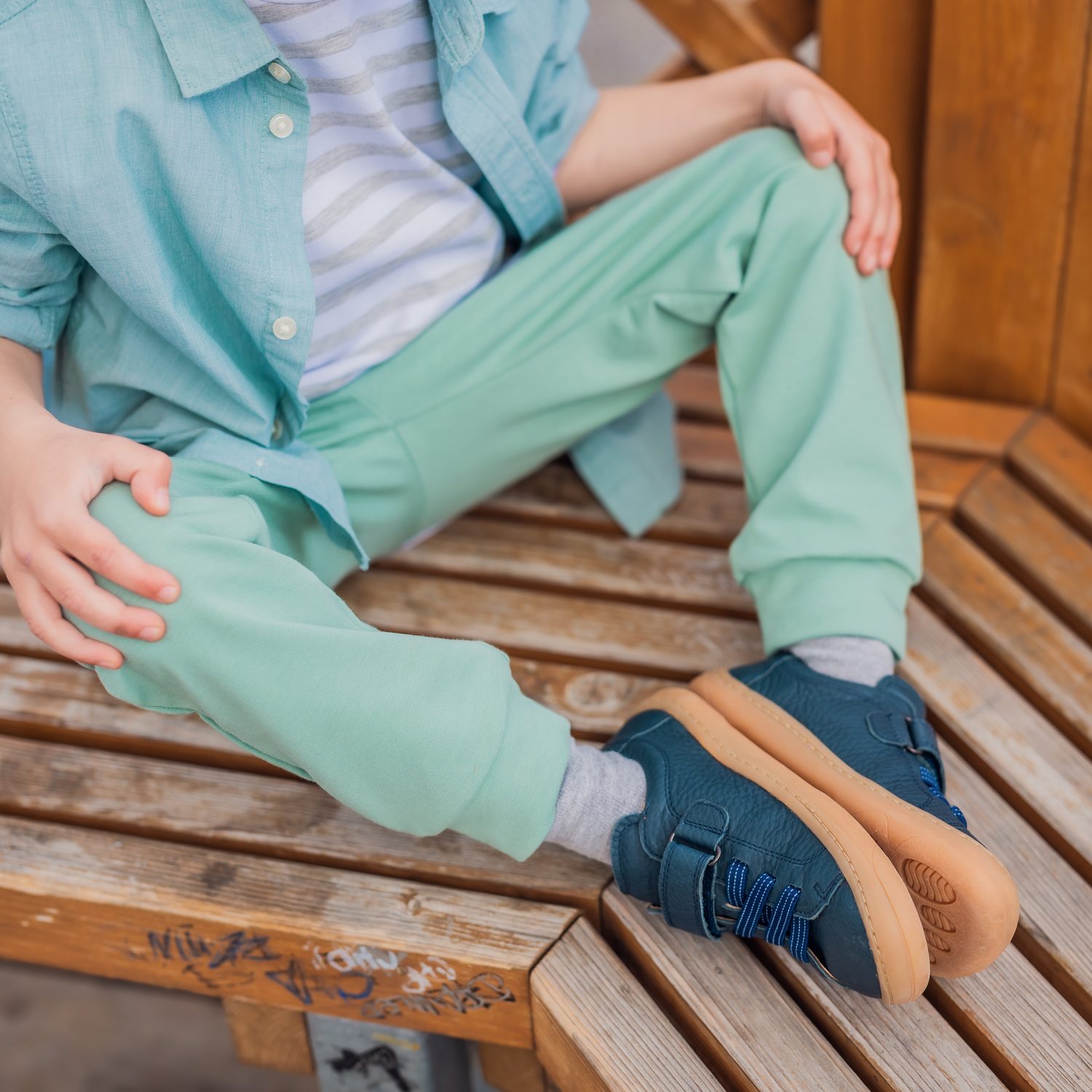
Pegres all-season shoes stand out for their generous toe space and flexibility. They’re made from high-quality certified leathers and have a stitched sole that holds up even during wild games. You can choose from two widths – for medium and wide feet – and versions in smooth or nubuck leather.
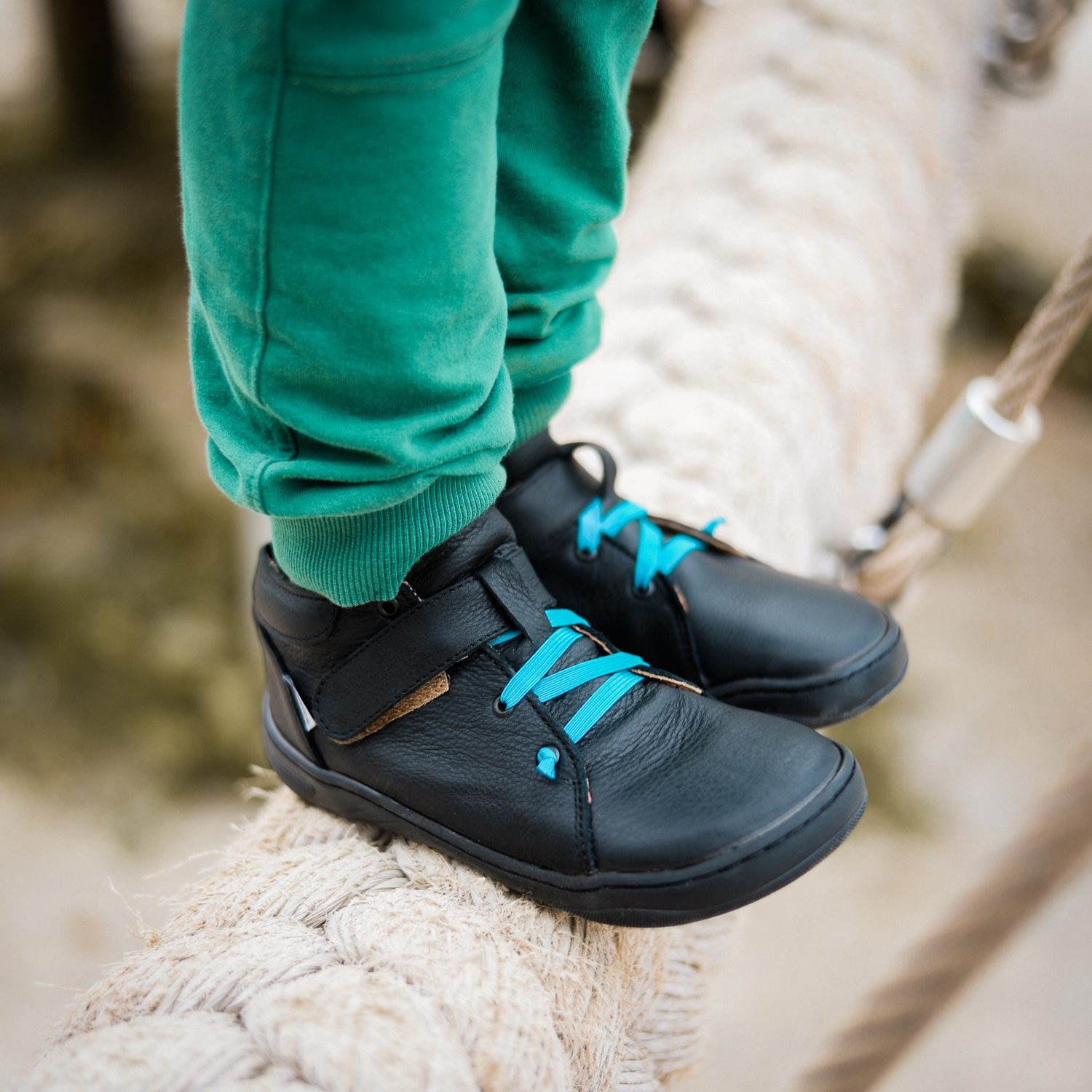
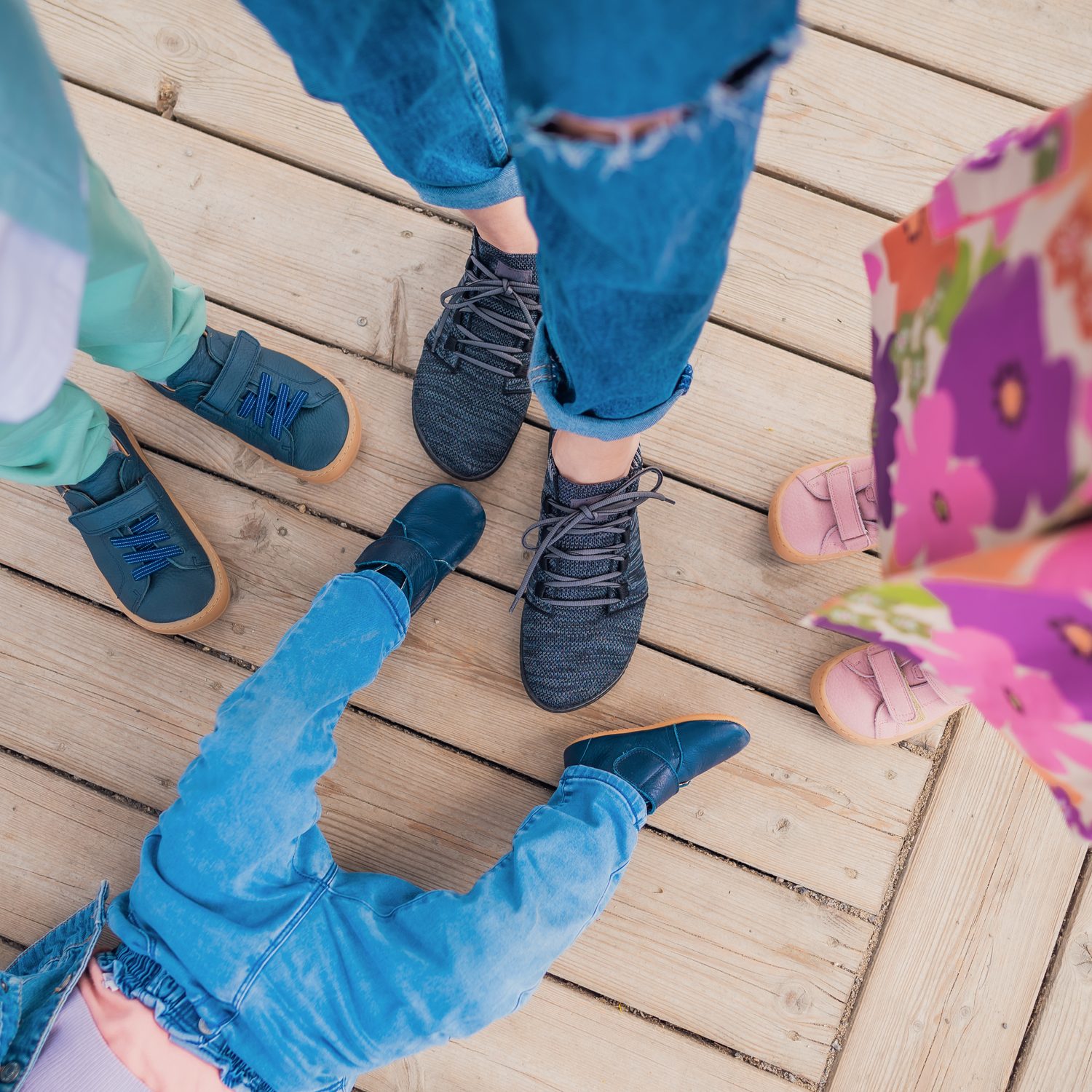
By now, you’ll surely have a clear idea of how to choose the right shoes – or at least you’ll know where to start. We know very well that it’s not just about function and fit, but also about whether your little adventurer (and of course you) actually likes them. We hope our wide selection has been a pleasant surprise. Fingers crossed you find the perfect partners for small and big adventures alike – for the playground, the city, nursery and trips out into nature.


You are currently on www.premiumbarefoot.co.uk


 £ - EN
 Čeština
 English (US)
 Slovenčina
 Magyar
 български
 Polski
 Dansk
Dansk
 Nederlands
 Svenska
 Suomi
Suomi
 Español
 Français
 Slovenščina
 Română
 Português
 Deutsch (DE)
 Deutsch (AT)
 Deutsch (CH)


