We’ll be happy to help via online chat or at: orders@premiumbarefoot.com

The right footwear is key to healthy development of children’s feet. But how do you choose the correct size? First, you need to measure your child’s feet accurately.
In this comprehensive naBOSo guide, we’ll walk you through the entire process of measuring children’s feet. We’ll reveal the most common mistakes parents make, explain why growing room matters, and share practical tips for accurate measuring.
Whether you’re a seasoned parent or choosing shoes for your child for the first time, this article will help you make sure your little one always walks comfortably and healthily.

Did you know that ill-fitting shoes can negatively affect the development of children’s feet and even the way they walk?
Shoes that are too small pinch, deform the toes and prevent healthy growth. On the other hand, shoes that are too big can cause blisters, pressure points and tripping.
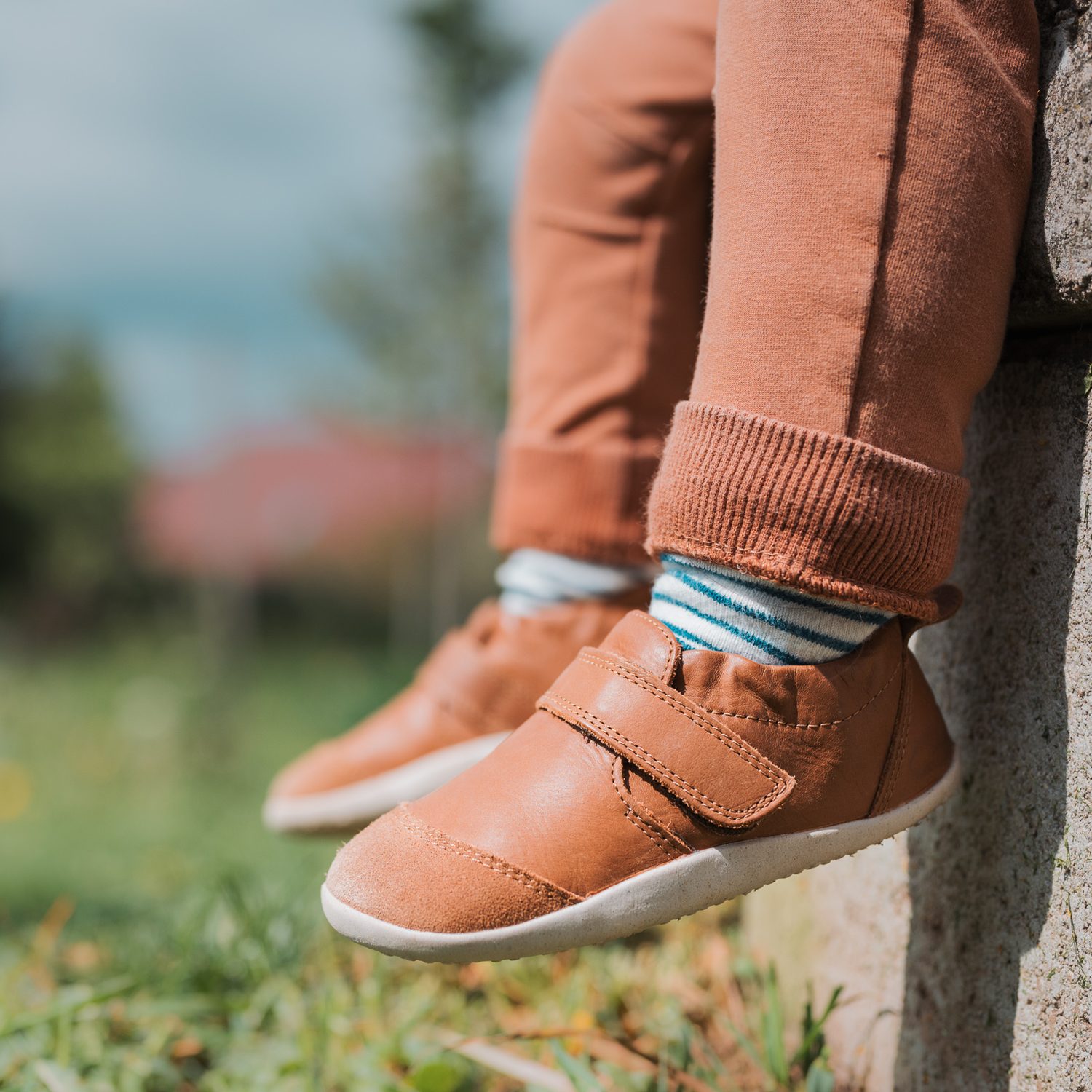
The solution is simple: measure your child’s feet regularly—for younger children, ideally every 2–3 months. When choosing shoes, you should follow the current measurements of the foot rather than your child’s age or the size of other shoes, because sizing can vary between manufacturers. It’s also important not to buy shoes “for later”, as children’s feet grow very quickly and their size can jump in a short space of time.
With these four principles, you’ll always have a clear idea of your child’s current foot size:
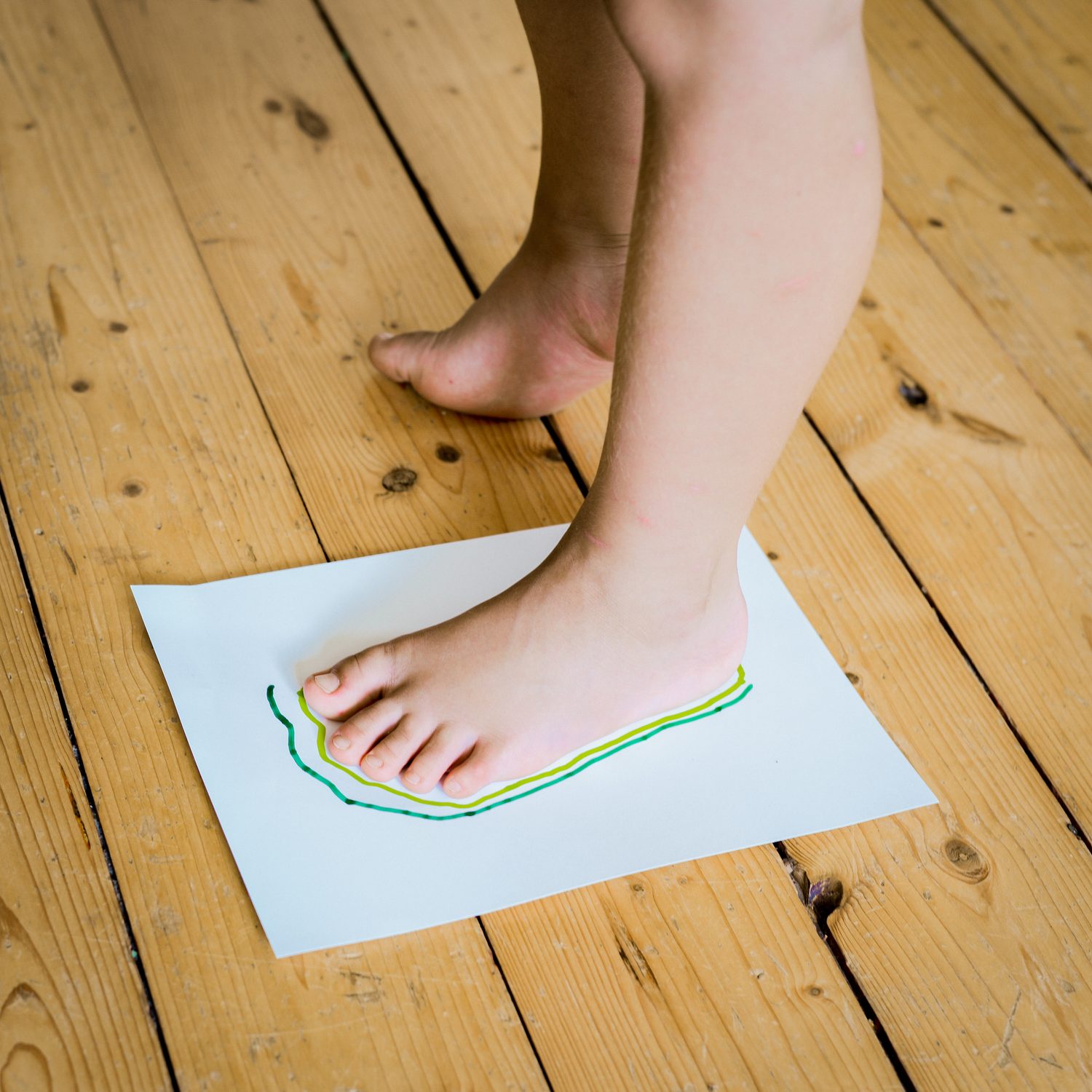
naBOSo tip: Measuring by tracing around the foot or against a wall can be very inaccurate with children, so we don’t recommend it.
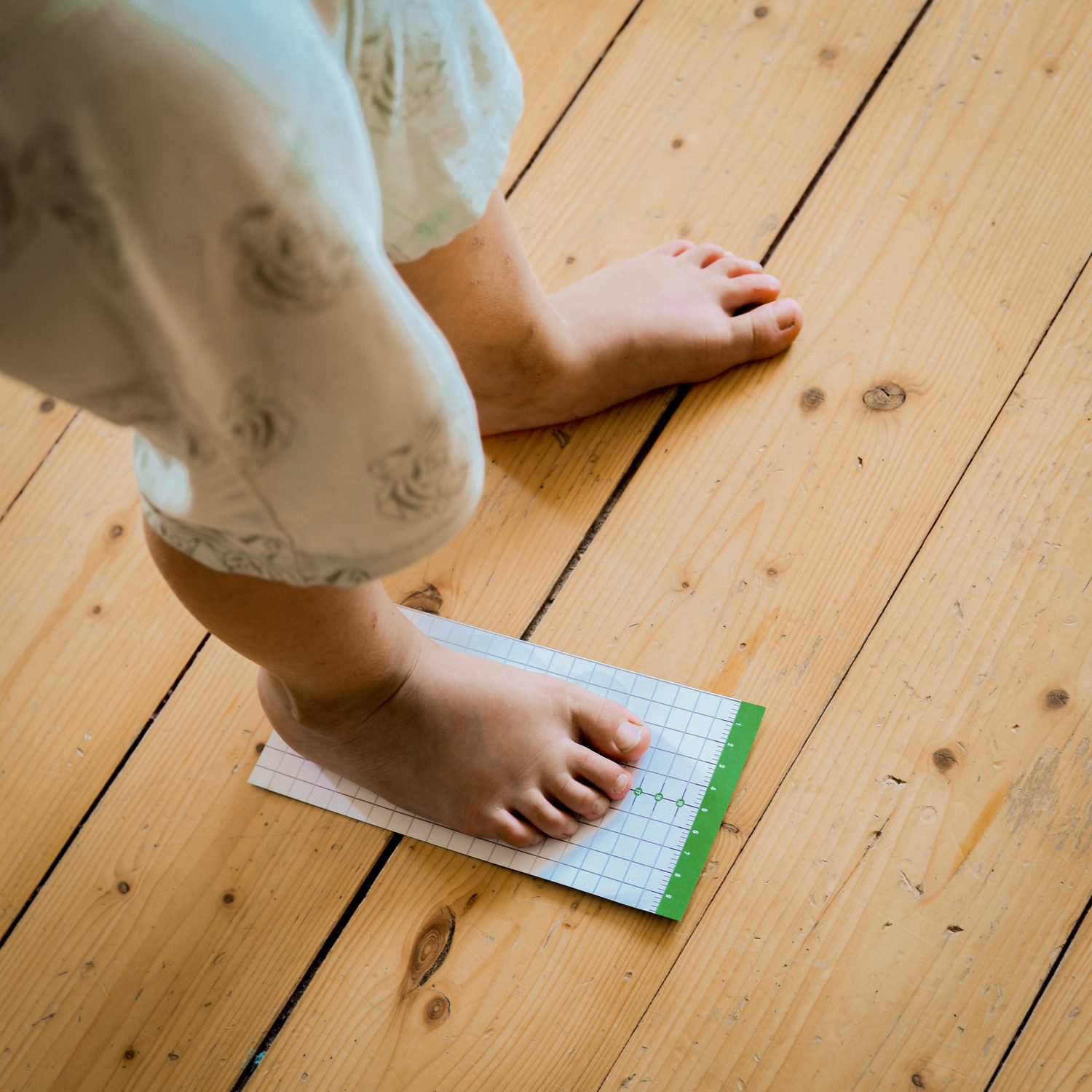
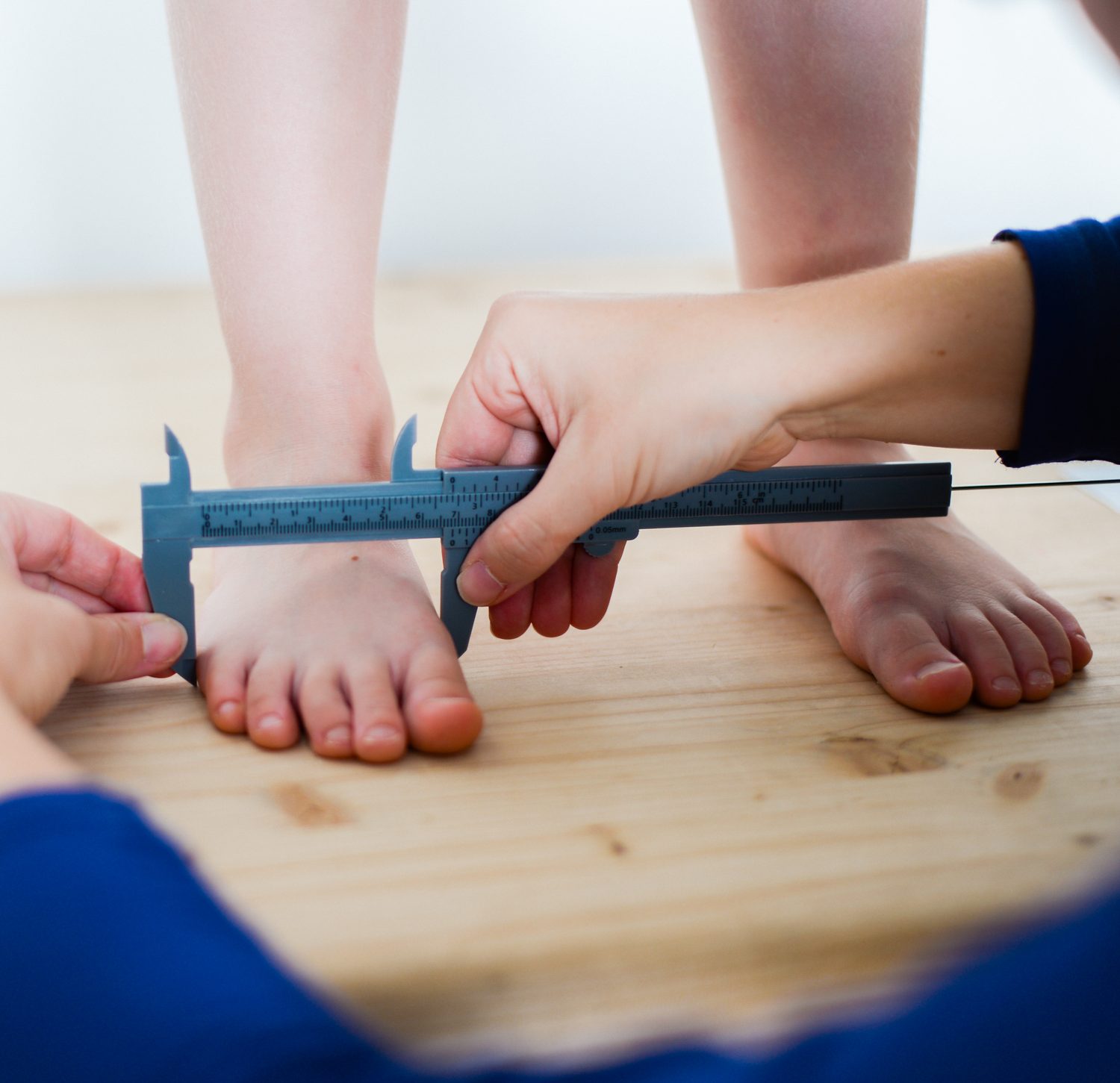
Accurately measuring foot length and width is the foundation for choosing shoes that fit properly and won’t restrict healthy development of children’s feet. At naBOSo, we recommend all parents get the PLUS12 measuring gauge, which lets you measure children’s feet accurately and easily—and also check the internal dimensions of shoes straight away. Considering how often you’ll use it over the coming years and how much stress it will save you, it’s an investment that pays off.
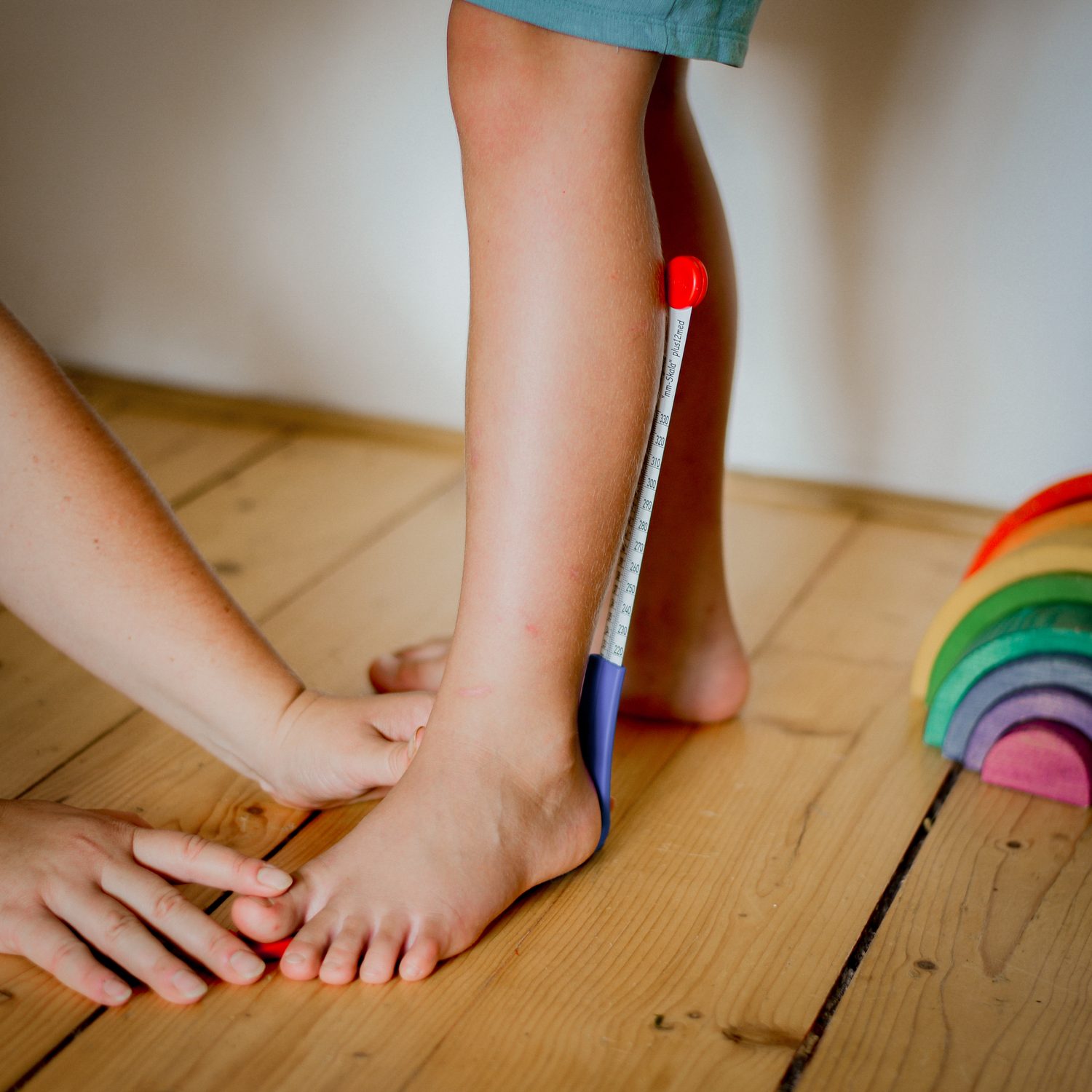
naBOSo tip: If you want your child’s exact foot length, subtract 12 mm from the value measured with the PLUS12 gauge.
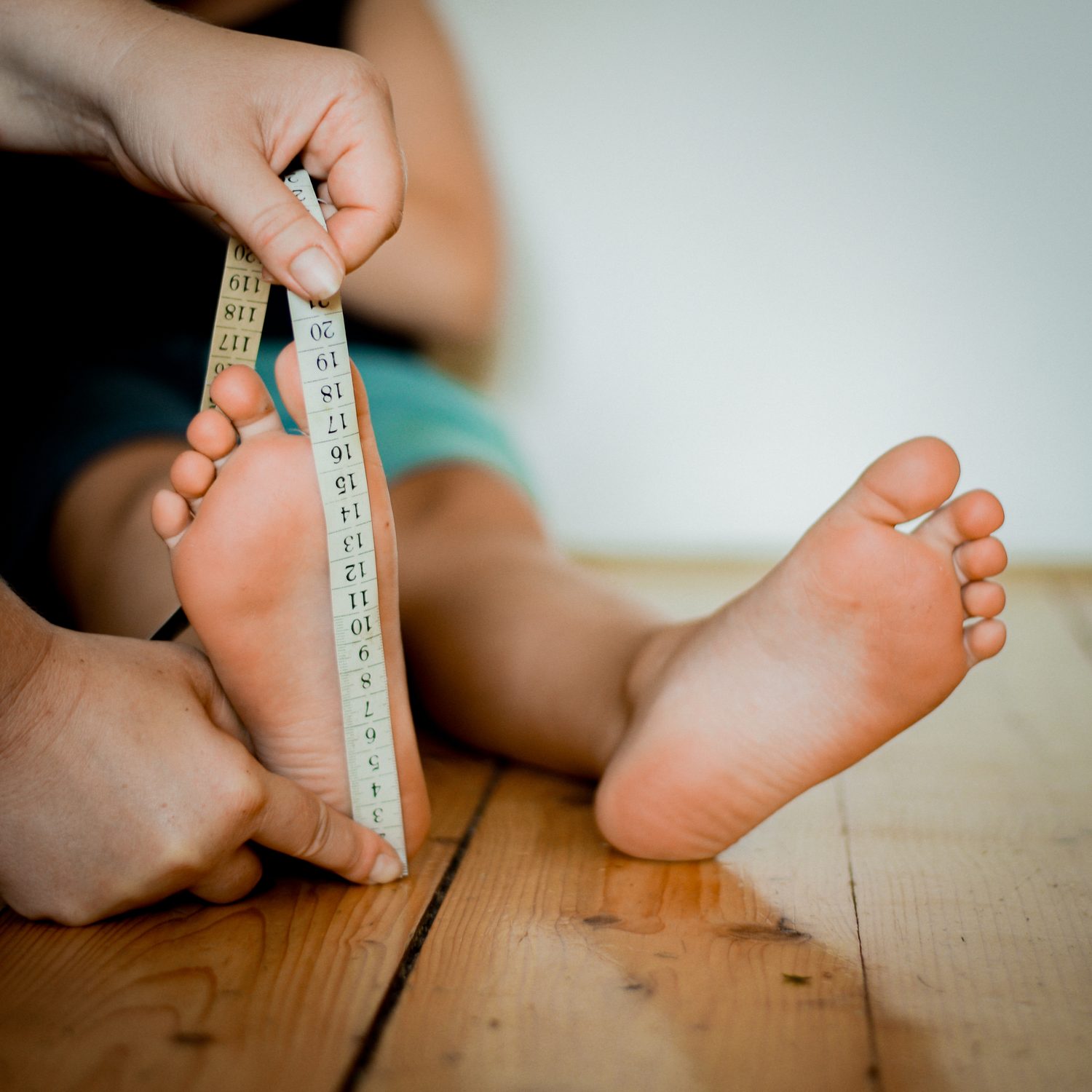
This method is a more accurate alternative to tracing around the foot, where a pencil held at an angle can add or subtract several millimetres. So how do you do it?
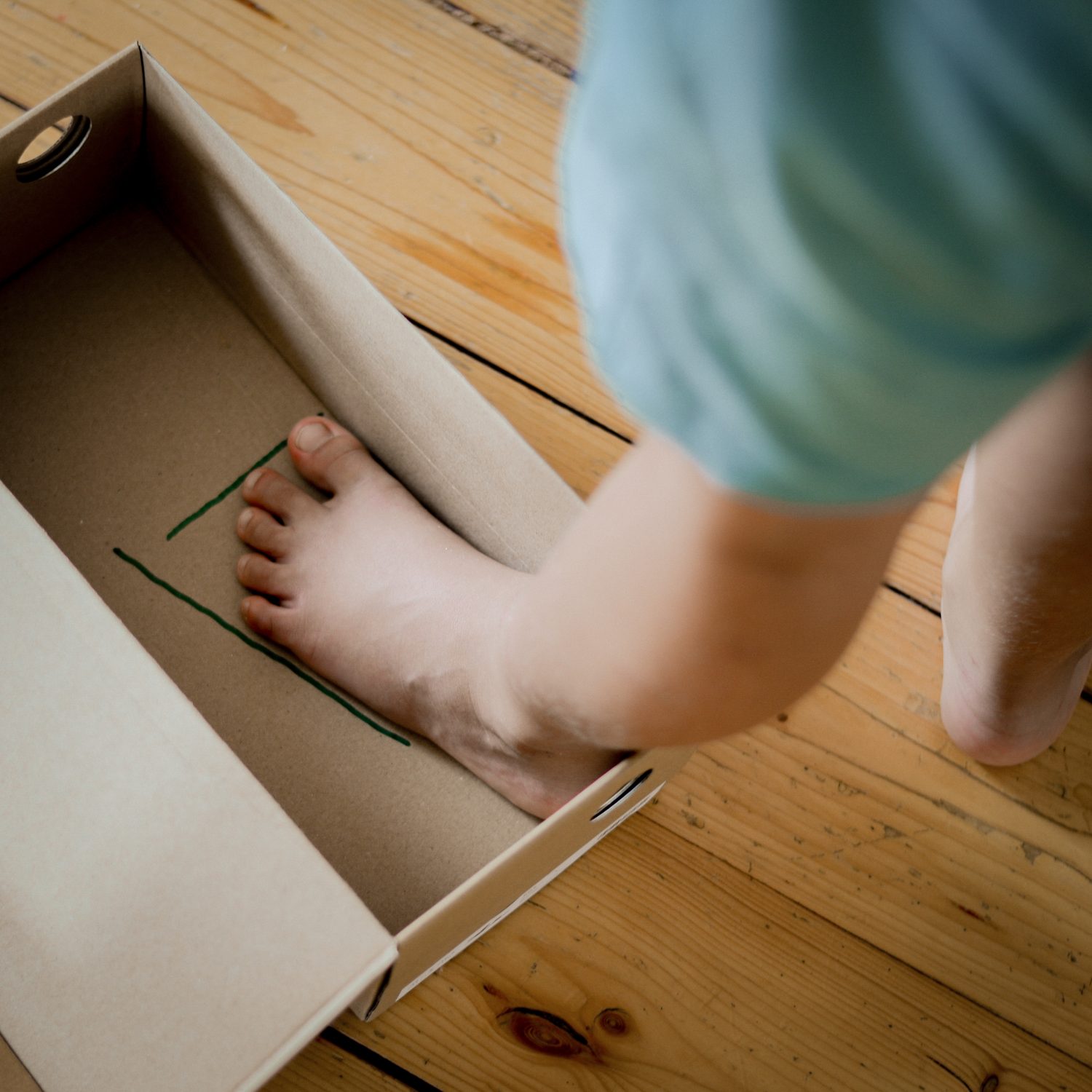
The right shoe width is just as important as length. Shoes that are too narrow deform the toes; shoes that are too wide can cause pressure points.
Important! Measuring width in the toe area makes sense if you want conventional shoes—so children have a chance of fitting into those narrow toe boxes. With barefoot footwear, a wide toe box is the standard, so we always measure width across the joints—both on the feet and inside the shoes.
Does measuring feel too complicated? Don’t worry—you’ve got this. Choose a moment when your child is calm, give yourself enough time, and avoid these common mistakes:
You’ve measured foot length and width—what do you do with the numbers now? How do you choose the right shoe size?
The key is the concept of growing room—extra space inside the shoe that your child needs for comfort and healthy growth. The amount of growing room is individual for each child. Some children can walk comfortably with 20 mm of extra space, while others struggle even with just (the generally recommended) 12 mm. It also varies by shoe type. As a general guide, you can follow the recommendations below:
The right growing room ensures the shoe doesn’t pinch or squeeze anywhere, while still giving enough space for natural toe movement when walking.
Example: A three-year-old child’s measured foot length is 138 mm. The ideal internal shoe length is therefore 138 + 12 = 150 mm.
Growing room isn’t an unnecessary luxury—it’s essential for healthy development of children’s feet.
Measurements such as instep height, ankle width or heel width also matter, but measuring them isn’t necessary. It’s enough to know whether your child has a chubbier or slimmer foot, and a higher or lower instep. Not sure? Visit one of our shops and our barefoot advisors will measure your child’s feet professionally and help identify their foot type too. But if you’re not lucky enough to get a truly knowledgeable assistant, how can you tell whether shoes “fit”?
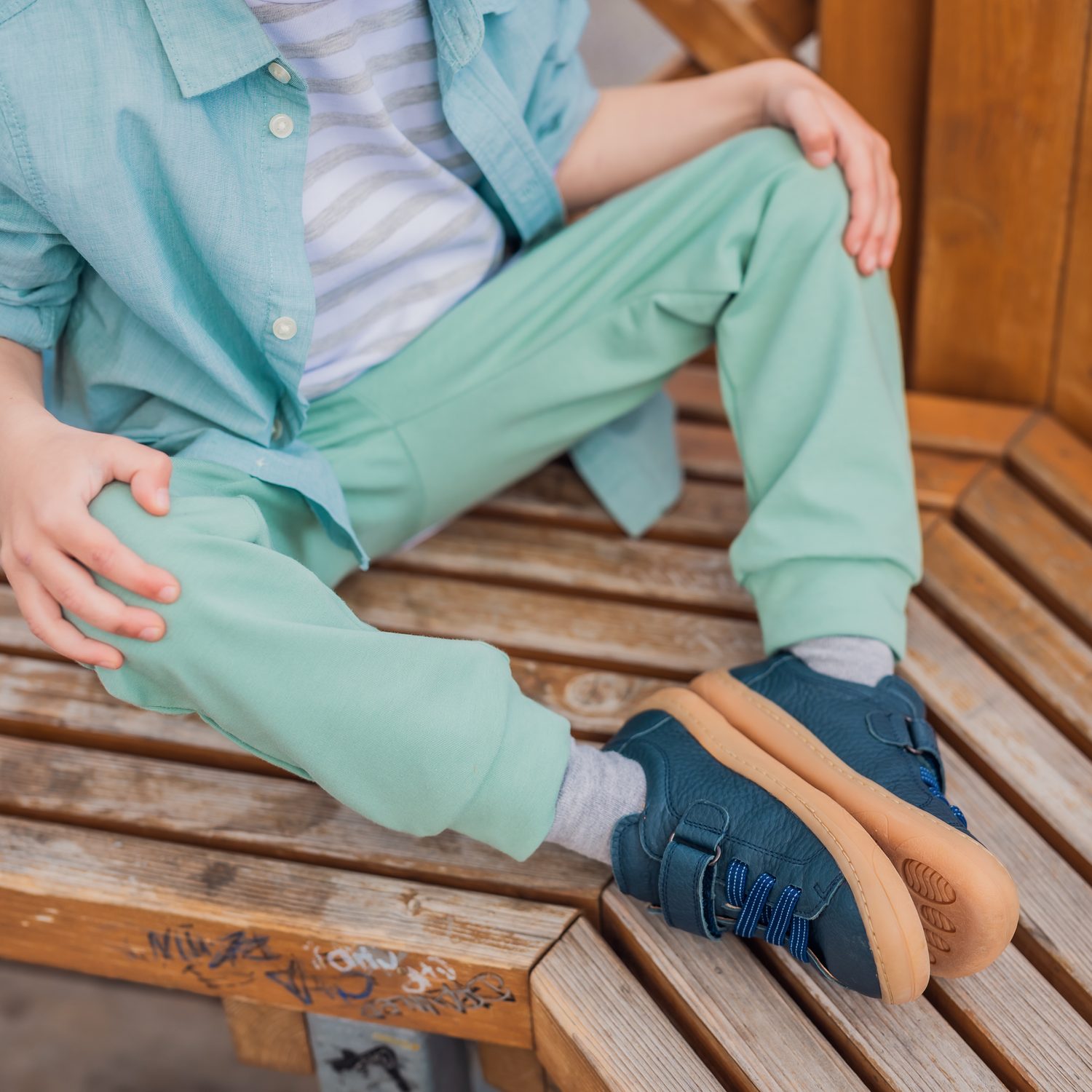
Although growing room, width and overall fit are important, the most important thing when choosing children’s shoes is to watch how your child walks. The right shoe shouldn’t change your child’s natural gait. Pay attention to how your child walks when completely barefoot—once they put shoes on, their walking style and overall body movement should look similar. Some children cope well with more growing room; others struggle even with less.
If possible, have your child try shoes on in a specialist shop, where staff can give you informed advice. They’ll not only measure the foot professionally, but also help you choose the right type of shoes.
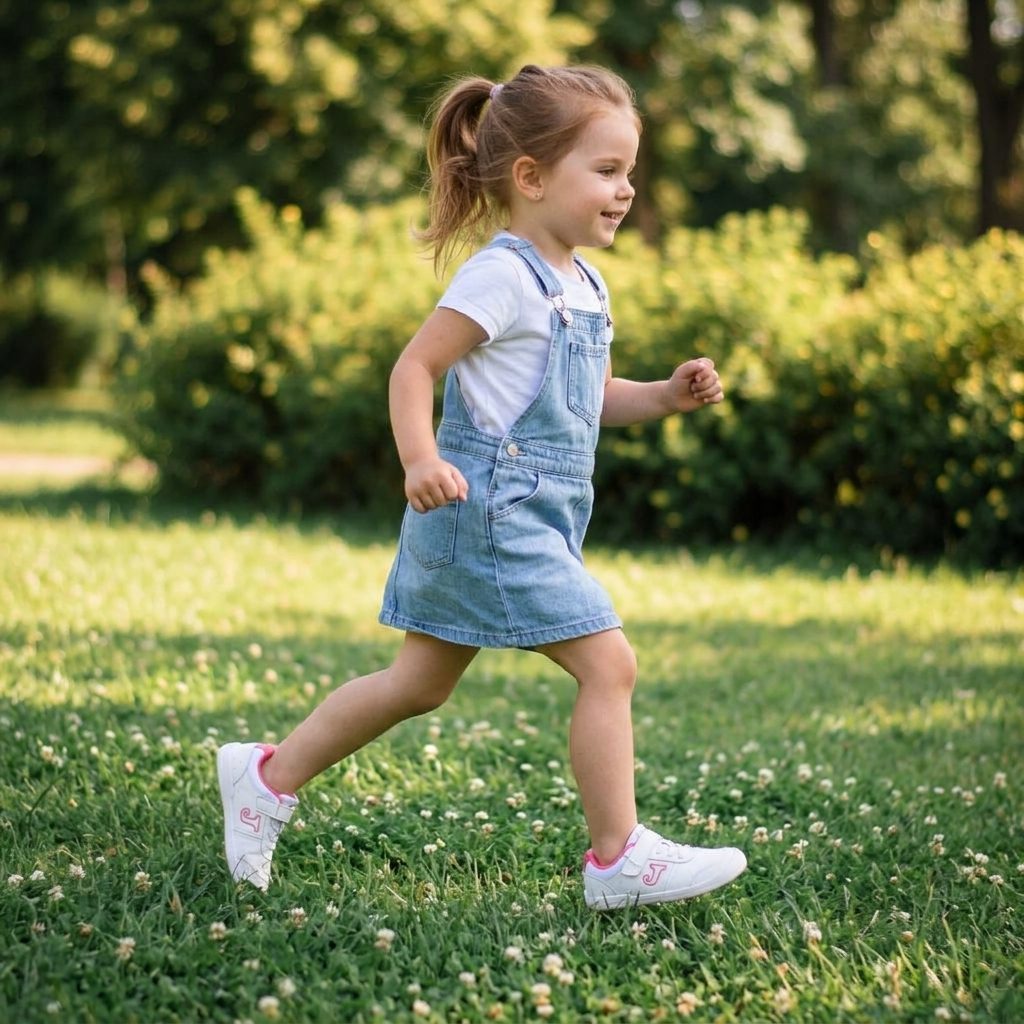
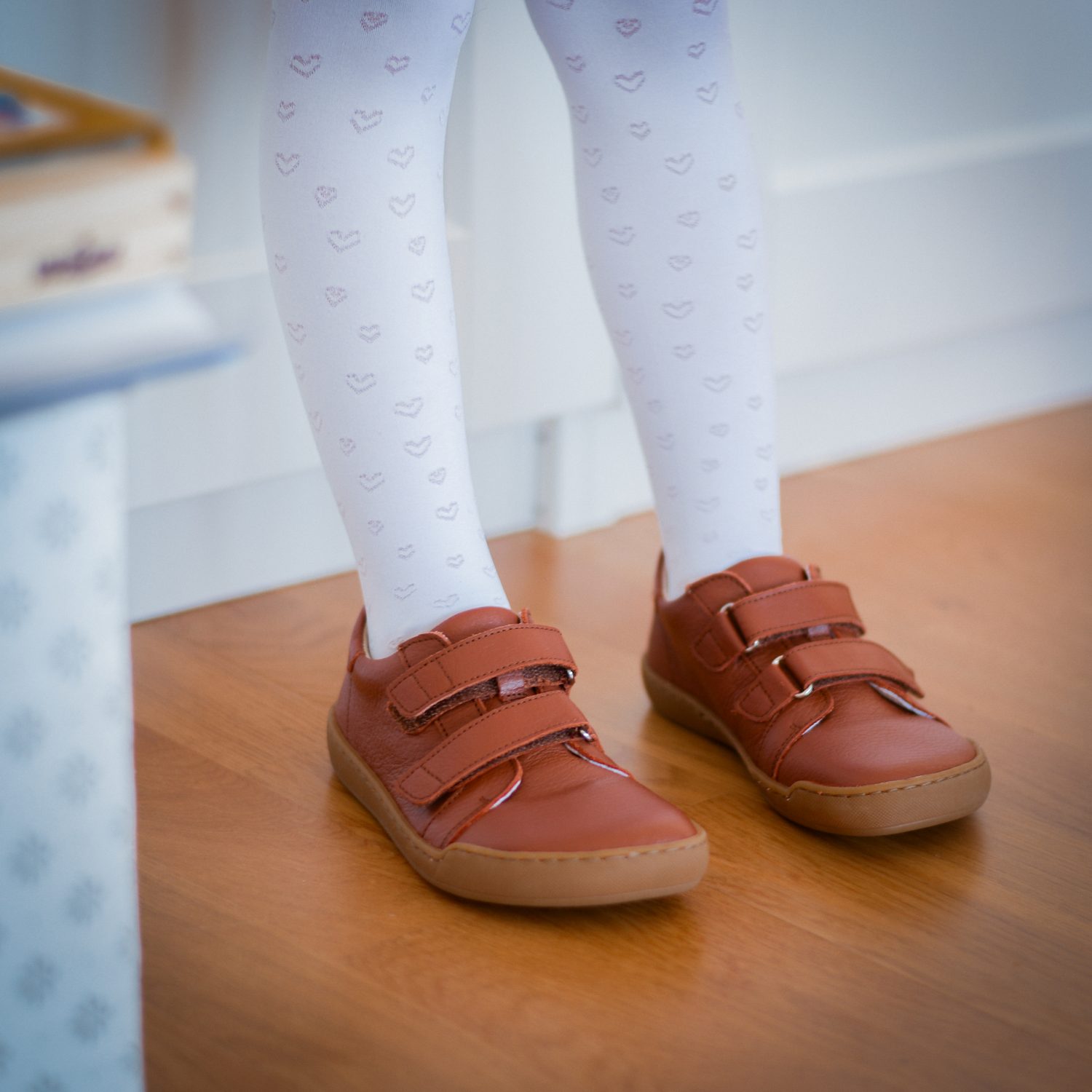
Barefoot shoes mustn’t restrict the foot in any way when walking or interfere with its natural development. Shoes should be above all lightweight and flexible, with a wide toe box and a flat, non-shaped sole. And that’s exactly what you’ll find with us. For the tiniest little ones, choose soft sole shoes or pre-walkers, which are very soft and don’t stiffen the ankles. For older children, you’ll need proper trainers, and for cooler days, durable all-season shoes. And when frost arrives, it’s time for insulated winter boots. For heavy rain or puddles, pop your child in barefoot wellies. Got a school-age child at home? Don’t forget comfortable indoor shoes.
If you’re not sure what to choose, drop by one of our three shops in Prague and we’ll be happy to help. You’ll find more tips in these articles:
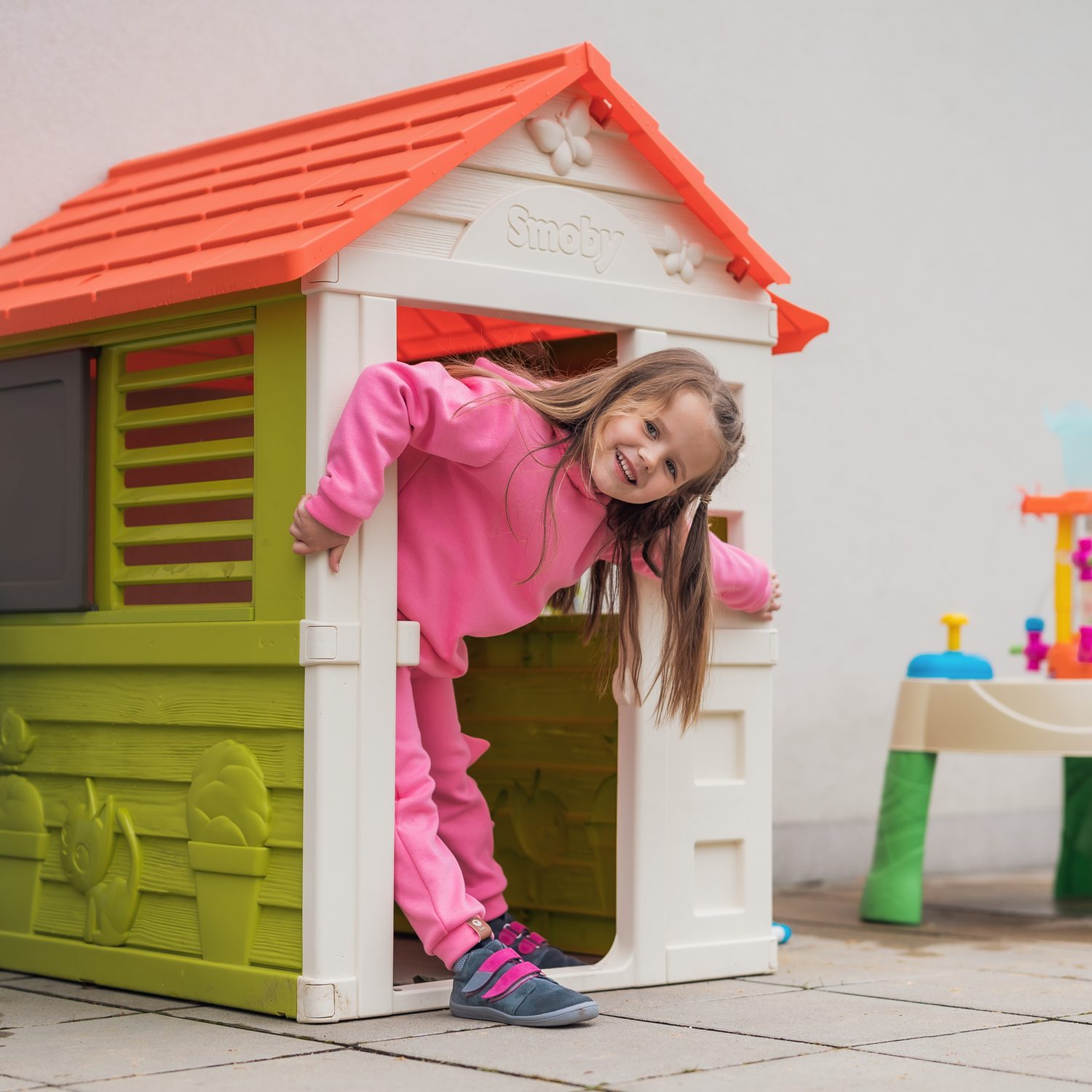
Measuring children’s feet correctly is a crucial step towards supporting healthy foot development. With our detailed guide, you now have everything you need to measure your child’s feet accurately and choose the ideal shoes. Remember that regular re-measuring is essential, because children’s feet grow quickly.


You are currently on www.premiumbarefoot.co.uk


 £ - EN
 Čeština
 English (US)
 Slovenčina
 Magyar
 български
 Polski
 Dansk
Dansk
 Nederlands
 Svenska
 Suomi
Suomi
 Español
 Français
 Slovenščina
 Română
 Português
 Deutsch (DE)
 Deutsch (AT)
 Deutsch (CH)


