We’ll be happy to help via online chat or at: orders@premiumbarefoot.com

Children Barefoot Selecting and Maintaining Barefoot Shoes
What do children need for school? We’ve got tips on choosing barefoot indoor shoes, slippers, PE shoes and wellies.
Have you checked the state of the holes in the school slippers and the forgotten snacks in school bags yet? No? Then now’s the perfect time – so you can calmly fix the damage from last school year and get everything your little ones need for the new one.
Getting ready for school inevitably includes buying stationery, school backpacks and, of course, indoor shoes and footwear. But who feels like dealing with all that…
That’s why we’ve put together a summary of the essentials.
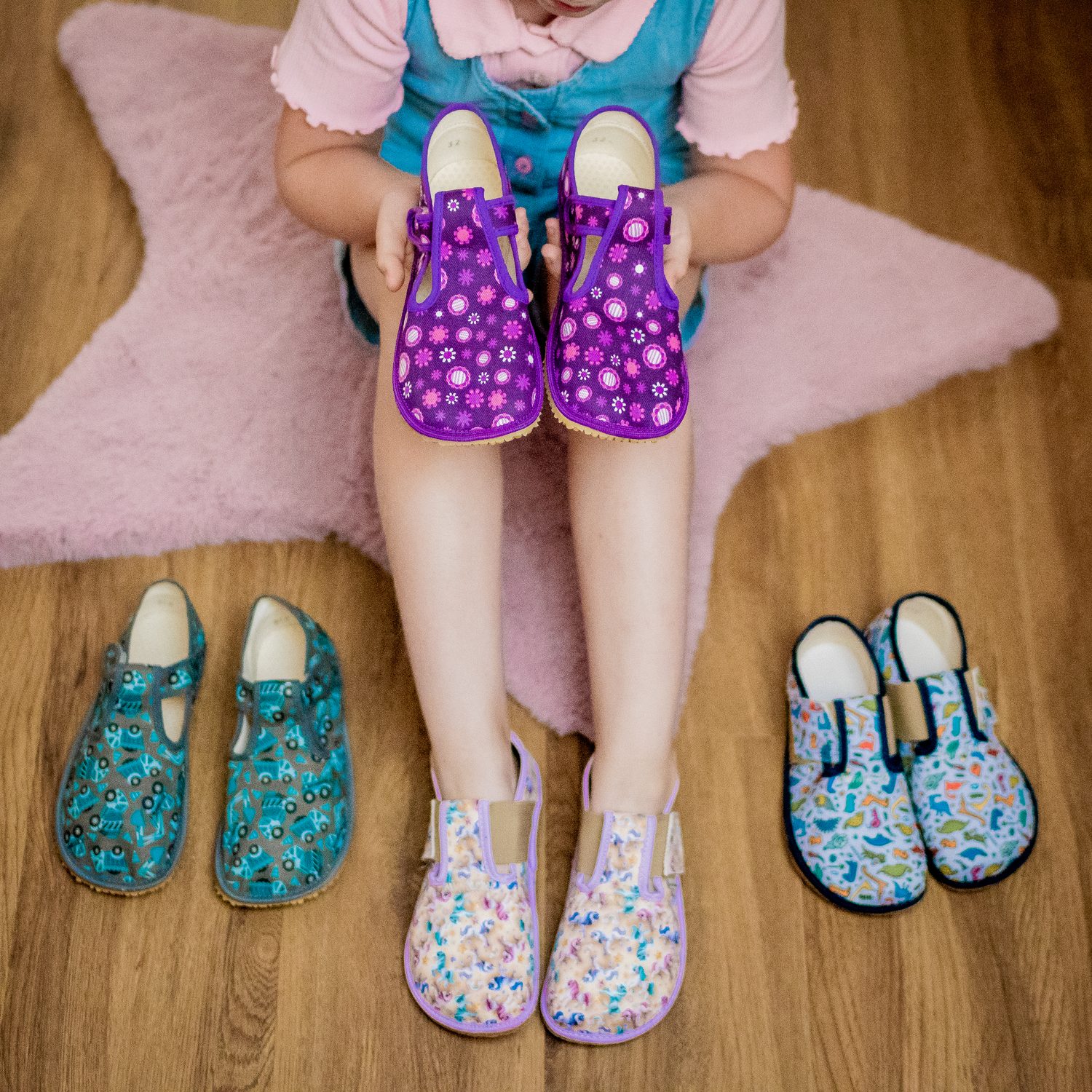
We all know the classic: a big toe poking out of school slippers. It’s worth checking the PE/indoor shoe bags before you send your child back to the classroom. Turning up on day one in scruffy slippers with a hole would be embarrassing.
Looking for a pair that respects the shape of the foot and supports healthy growth? Then you’re in the right place here.

Children spend a lot of time in their slippers, so choosing a suitable brand and keeping an eye on the right size is really important for healthy foot development. Don’t forget that children’s feet can grow in sudden spurts, and shoes that fitted perfectly in spring may start to pinch by September.
For accurate measuring of children’s feet, read our detailed, illustrated size guide. But we’ll summarise the key points here too.
In all naBOSo stores we measure both children’s and adults’ feet with the PLUS12 tool, which is the most accurate of all methods.
We also measure the inside length of the shoe in the stockroom, so your child tries on pairs that have the best chance of fitting perfectly straight away. It saves time and nerves for both parents and children.
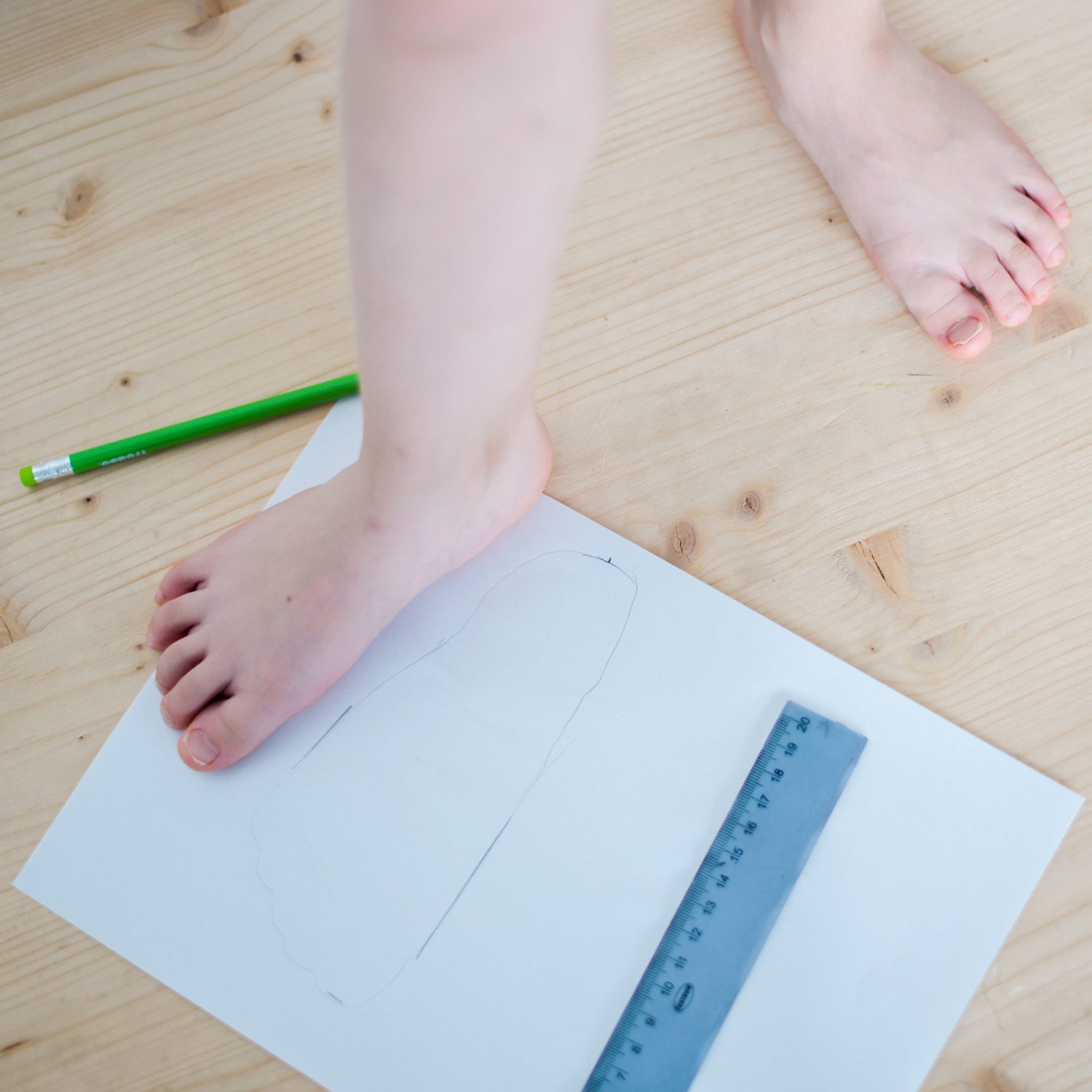
The insole length (the internal length of the shoe) is not the same as the length of the foot. When buying barefoot shoes for children, you need to add what’s known as extra growing room to the foot length. This matters so the foot can work properly while walking and so the toes don’t bump into the front of the shoe with each step.
How much extra space should you allow? Opinions vary, but for children it’s generally recommended to choose an allowance of 9–12 mm.
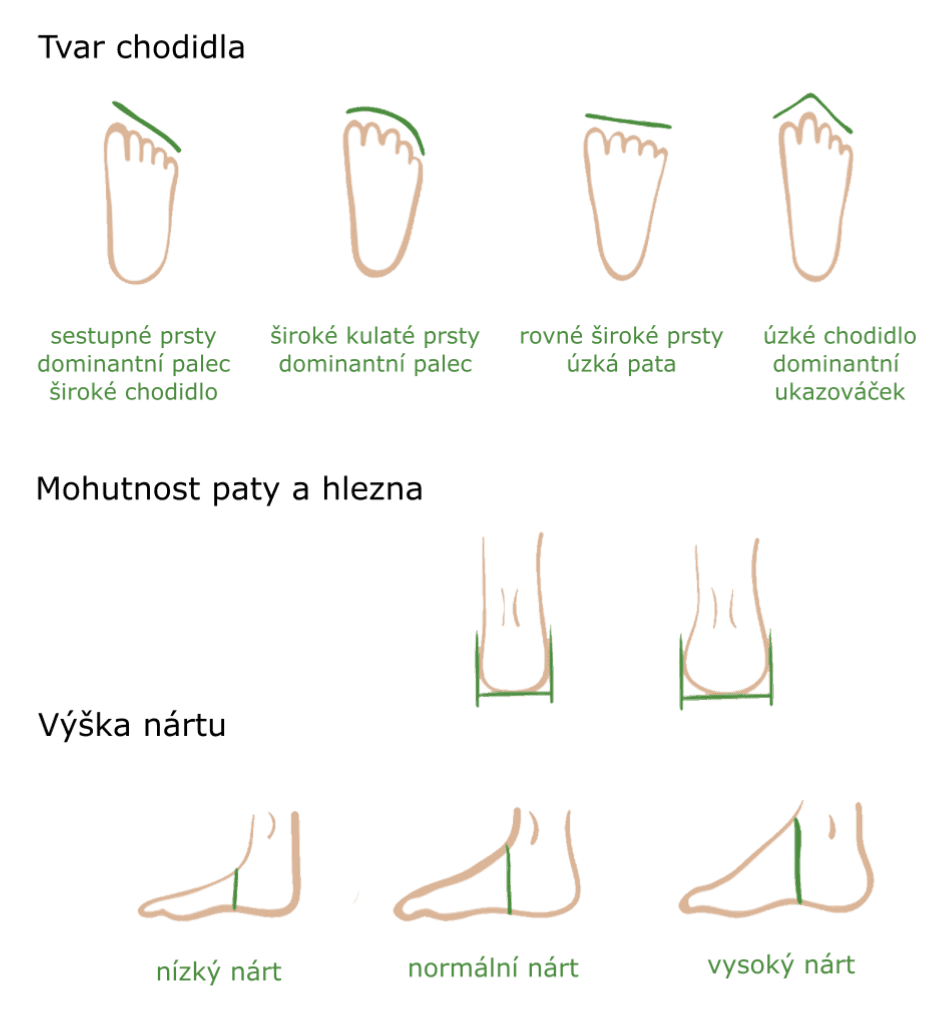
Also consider the shape and width of the foot. Not every shoe fits every foot. That’s why, for a child’s first purchase, we always recommend popping into one of our stores, where our trained staff will help you choose.
You’ll find more detailed information on this topic in the article The complete guide to measuring children’s feet: Tips and mistakes to avoid.
You should then check carefully at least once per season whether the shoes still fit well – for smaller children, even every 2–3 months. For slippers, that means in August and after Christmas.
We stock several types of barefoot indoor shoes from a range of brands. In our selection you’ll find both understated classics and stylish, on-trend slippers.
All of them, of course, meet barefoot requirements 100% – plenty of room for toes, a foot-shaped fit, excellent flexibility – and what else? Cute playful patterns as well as colourful classics.
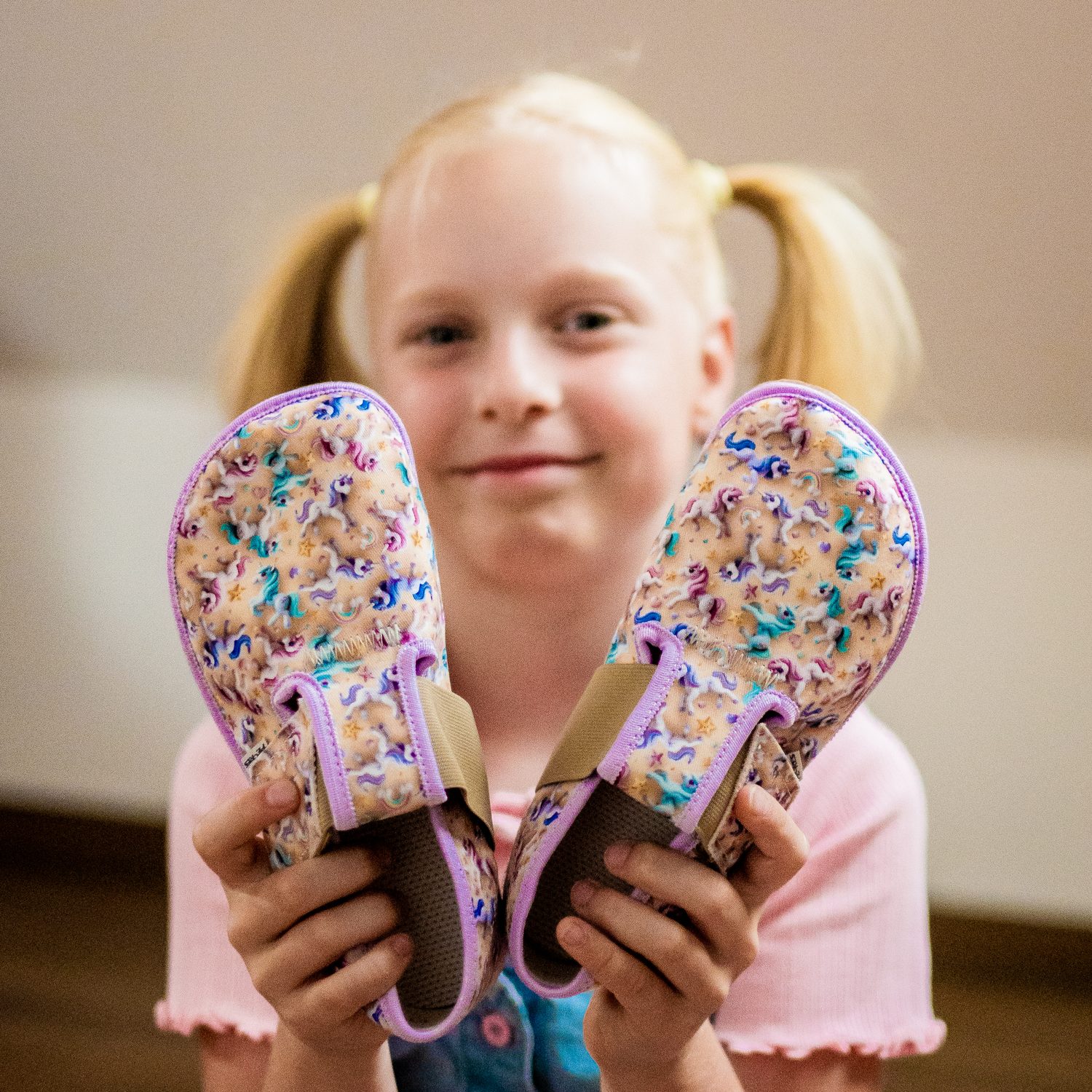
RAYVE slippers – proven quality from our Czech brand! A reinforced heel, wide toe box and anatomical shape for comfort, plus Velcro for easy on and off. They fit brilliantly for narrower feet, a higher instep and a slim heel. Playful designs with unicorns, cats or cars brighten up every step – at home and at nursery.
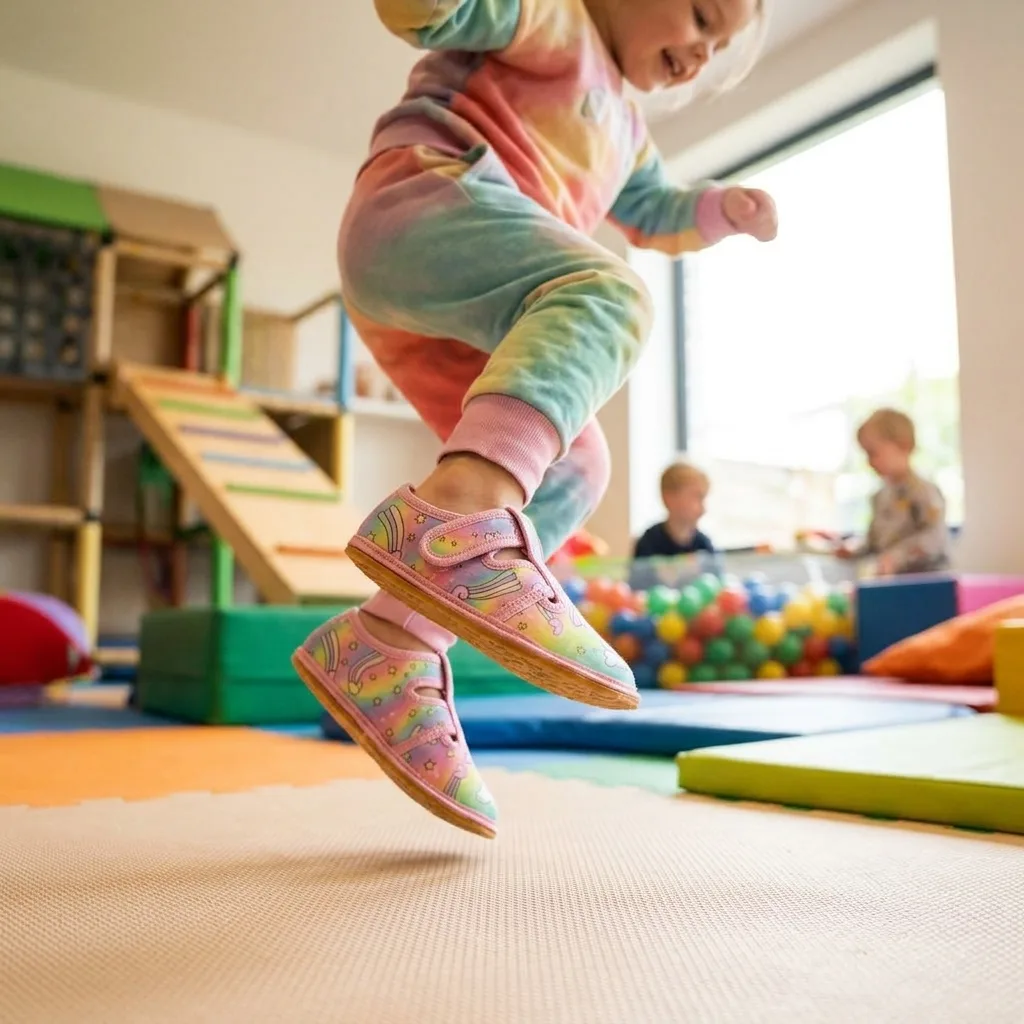
If your child has an average-height instep, you can go for the classic RAYVE SLIPPERS with a textile Velcro strap. The RAYVE SLIPPERS ELASTIC slippers, with a wide sewn-on elastic across the instep and Velcro fastening, adapt better to feet with a low or, on the contrary, a high instep.
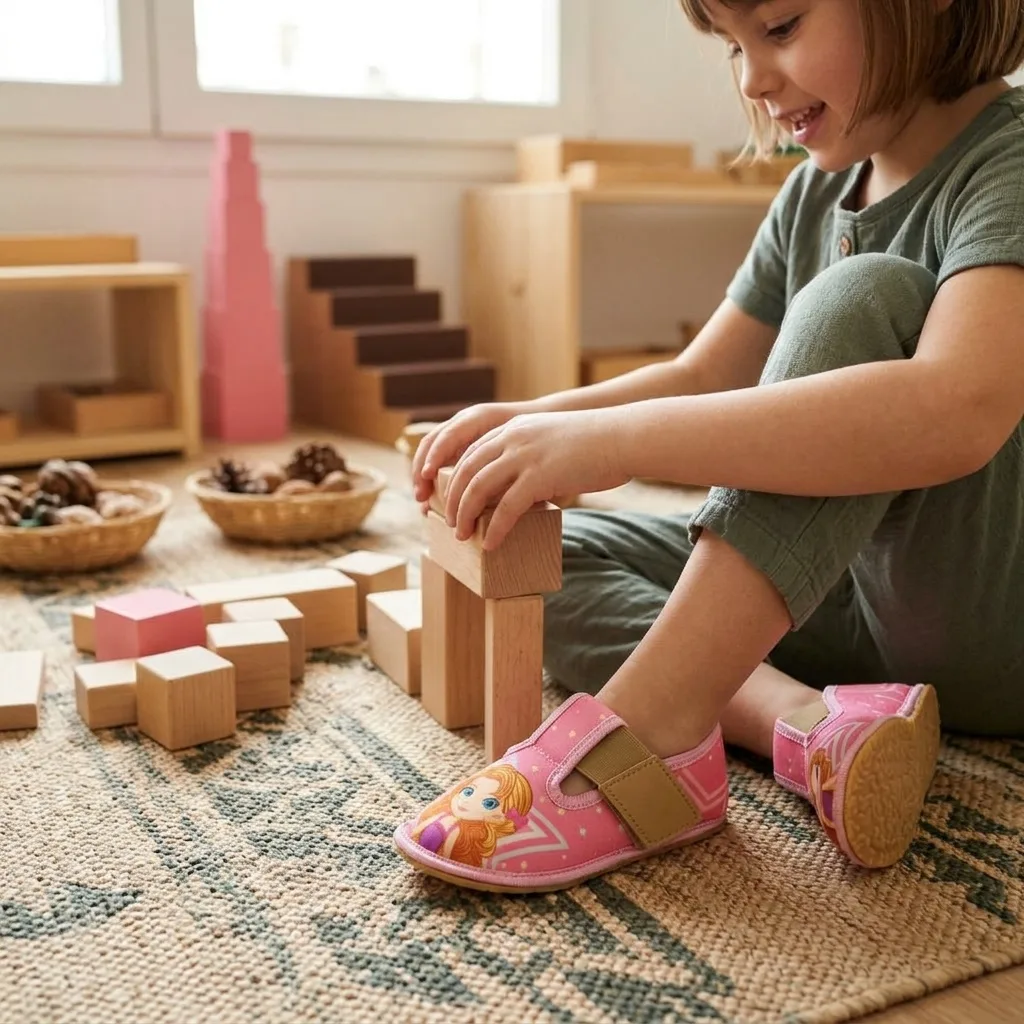
New from RAYVE are the JOY shoes, featuring a durable toe bumper, so they stand up better to scuffs and everyday wear. The cup-shaped sole also protects the lower part of the shoe. These slippers come in 4 colour options with different picture designs, so every child can find a favourite.
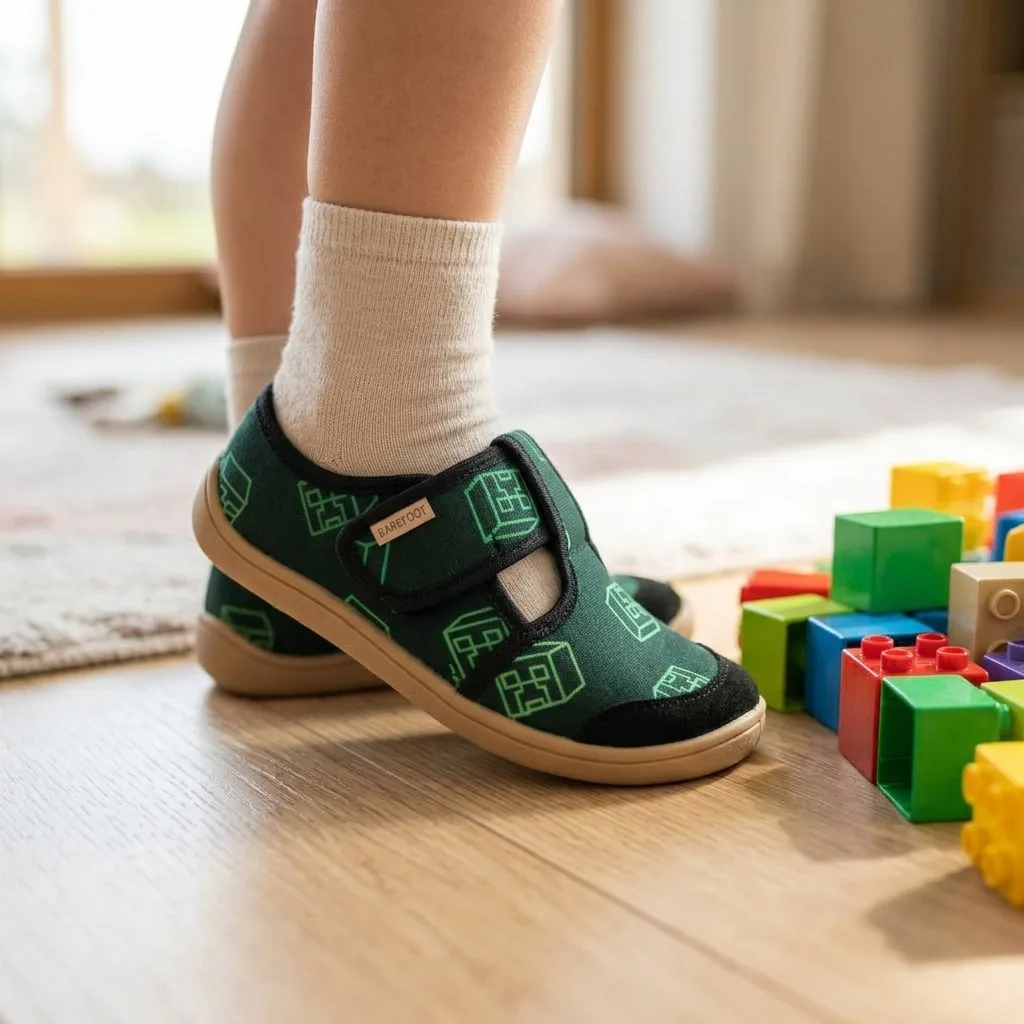
If you want to see your children in cool, stylish barefoot trainers, go for the original LEGUANO. They work as everyday footwear, but can also be used as school slippers. And thanks to the special sole, they won’t slip around on school corridors. Shame. leguano shoes are extremely flexible, comfortable, and that sole we mentioned is exceptionally durable. Ideal for any adventure.
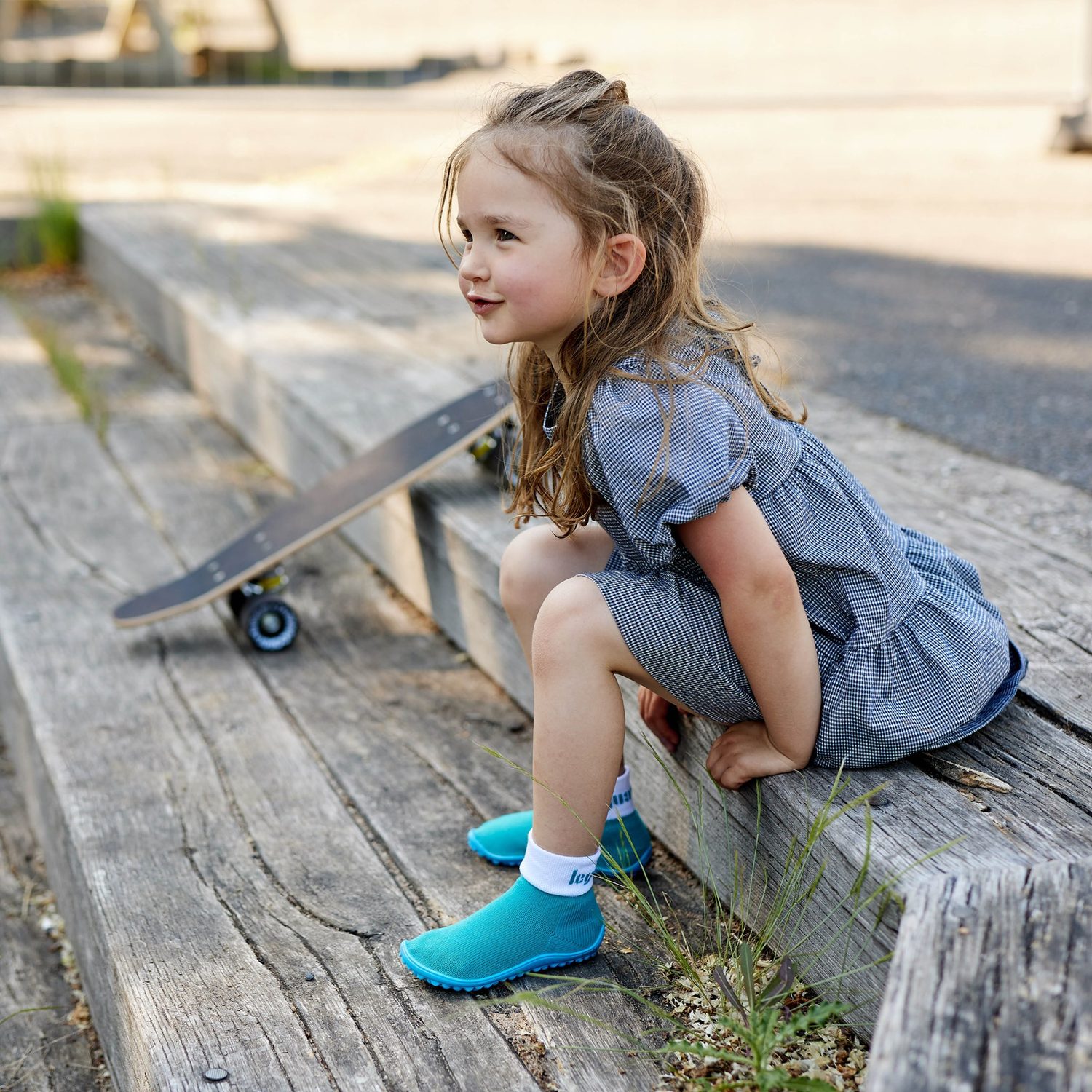
By the way, as slippers you can also happily use sock shoes. Brands like Skinners or leguano are loved by children because they’re easy to put on, stay on the foot, and they can run wild safely in them – or spend a whole day comfortably at nursery.
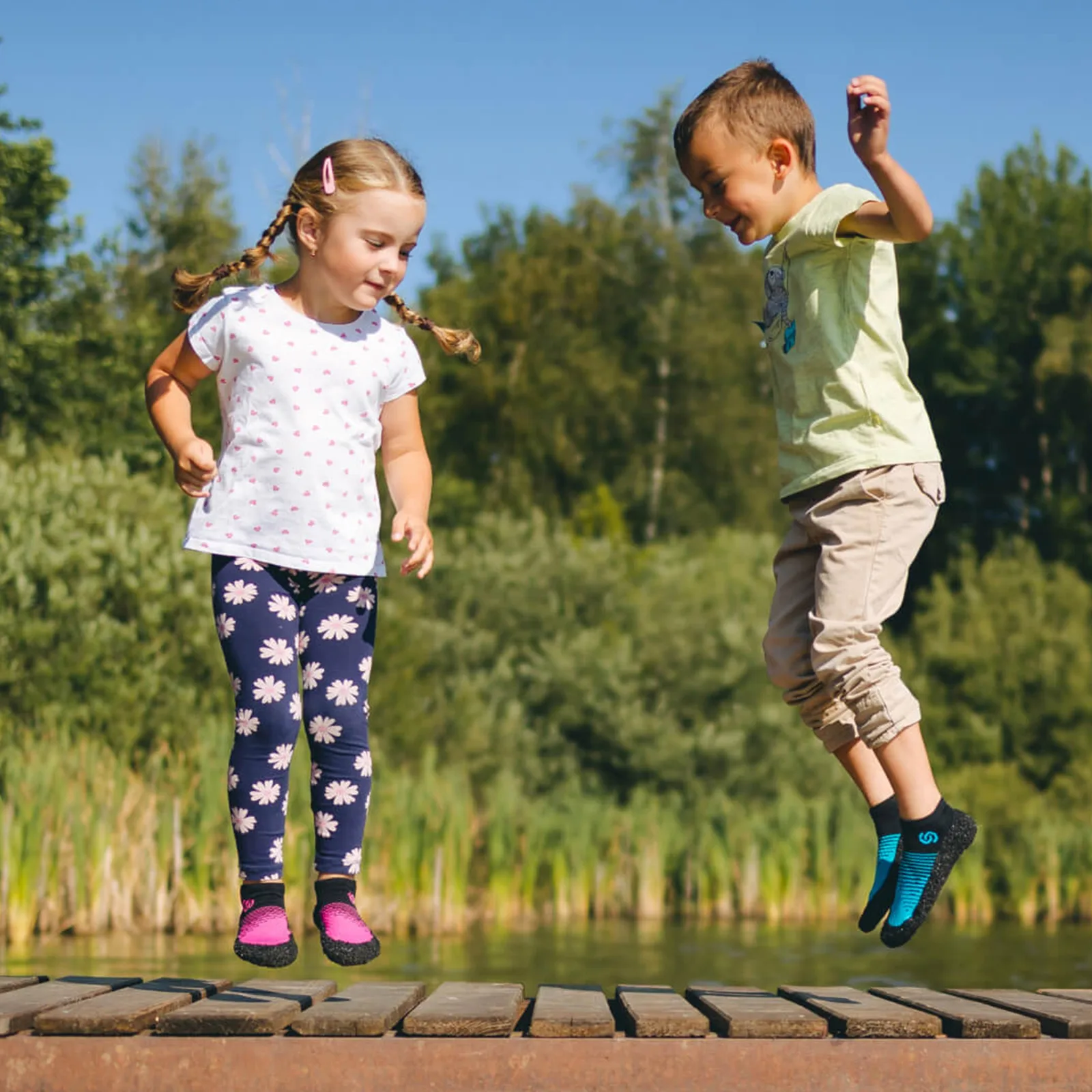
Children’s feet grow unbelievably fast – you barely buy one pair before you’re choosing the next. Starting school, along with the arrival of cooler days, naturally nudges you towards buying new shoes – and rightly so. So let’s take a look at what barefoot options for children you’ll find with us.
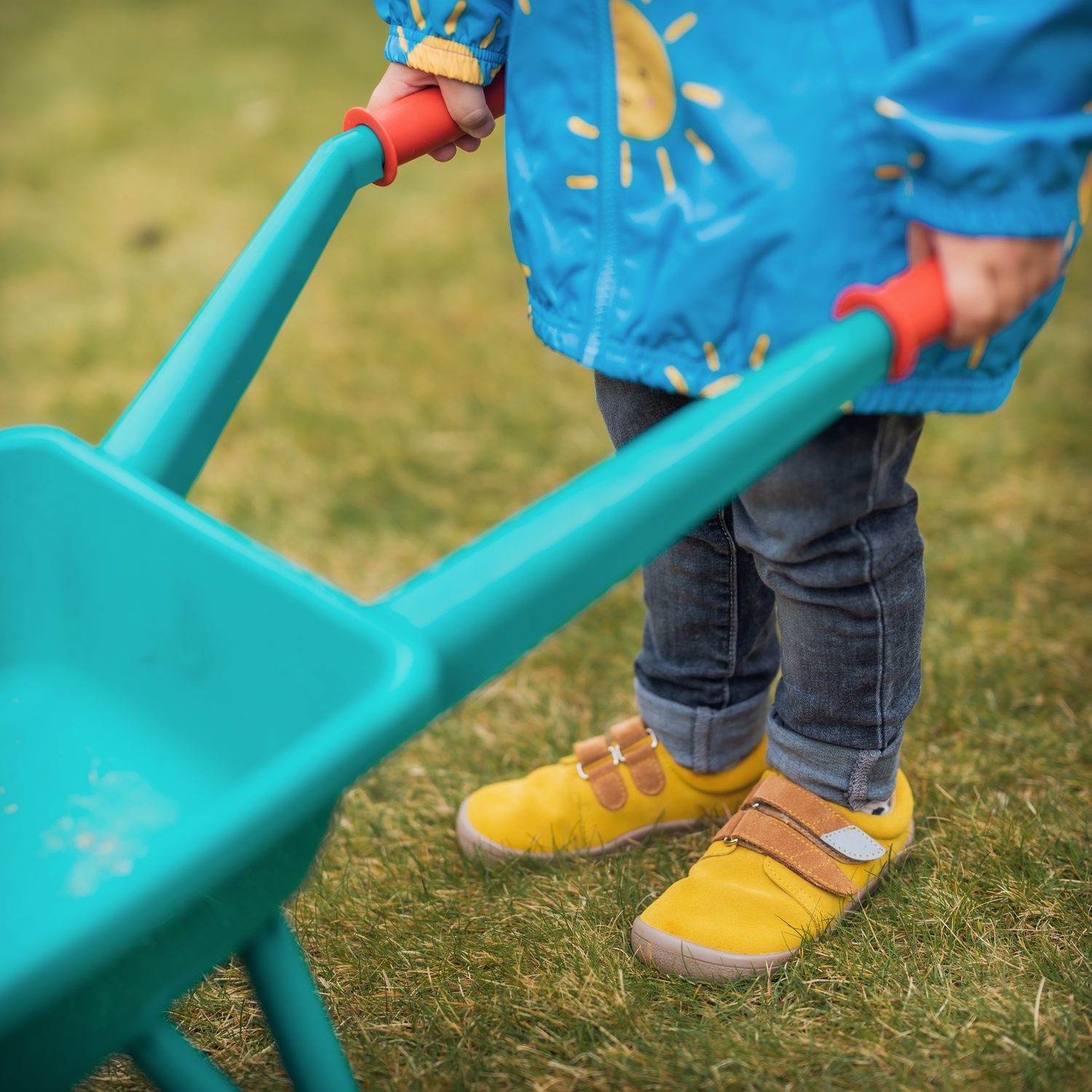
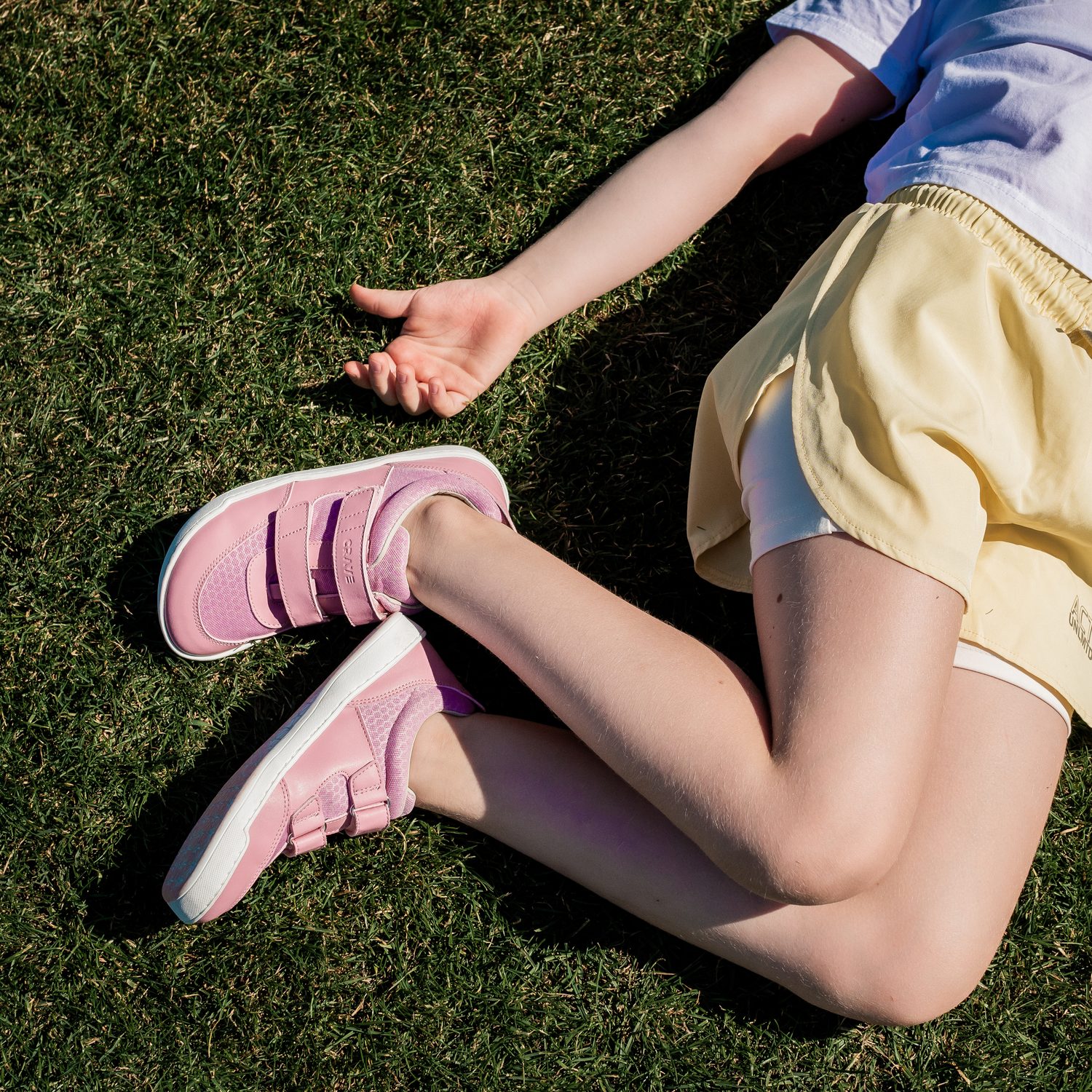
Proper trainers for school and trips are offered by RAYVE (starting from size 23 for the tiniest cuties who’ve only just learned to toddle). Trainers with a light-coloured sole can also be worn for PE. If you’re interested in how RAYVE trainers fit, you can read REVIEW OF RAYVE CUPERTINO: Ideal shoes for active children recommended by a physiotherapist.
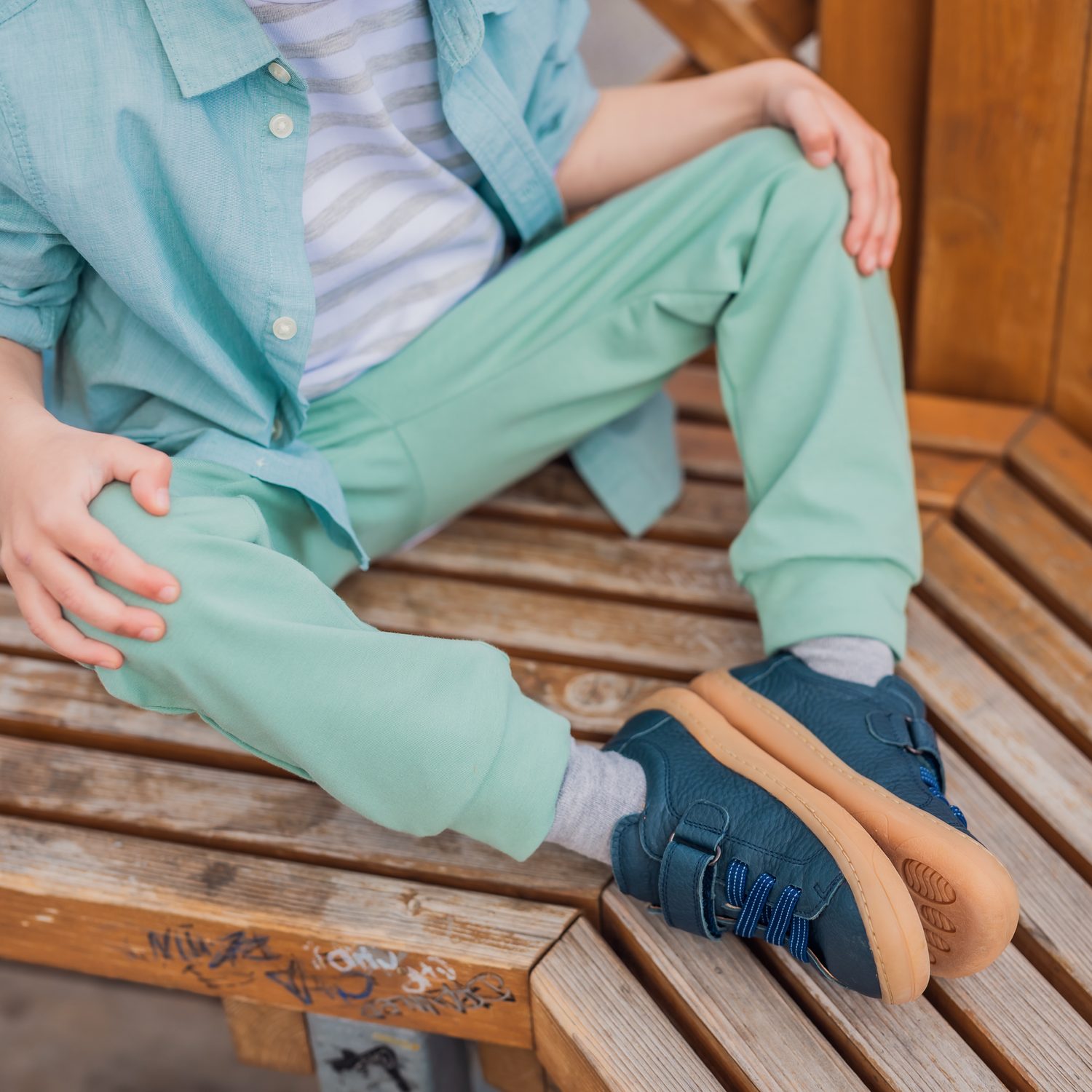
People don’t go to Croatia only for a seaside holiday – they also go for shoes from FRODDO. It’s a trusted brand with a long tradition. You’ll find footwear for the tiniest feet right through to school-age children. They’re known for a raised front part of the sole that partly wraps over the toe, which is very practical because the shoes don’t scuff so easily.
The Czech brand PEGRES makes barefoot trainers and leather all-year shoes for wide, “flipper-shaped” feet – wide at the toes and narrower at the heel. Most models also have a stitched sole that can handle children’s rough and tumble. So if you’re looking for soft, lightweight shoes at a great price, go for it.
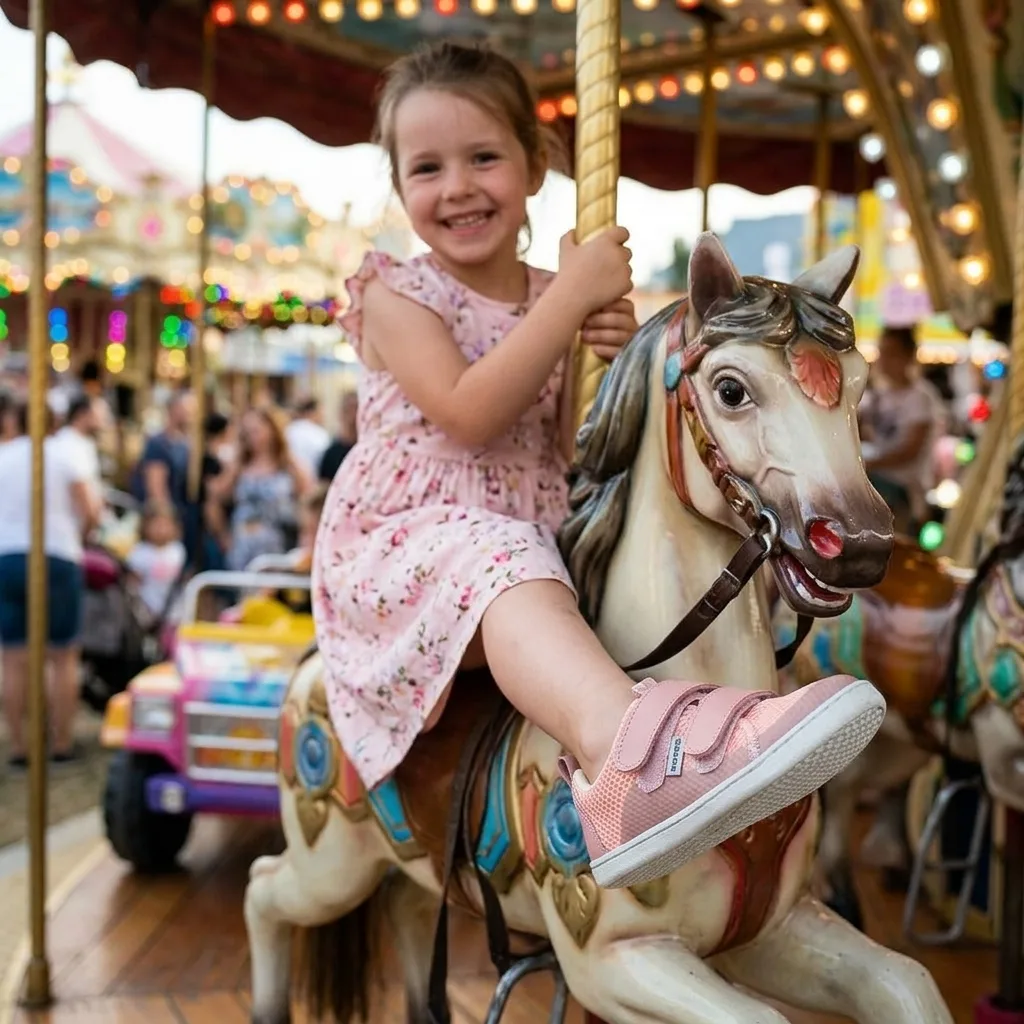
This is really just a brief overview of our children’s footwear – we carry many more brands. Take a look at the full range HERE.
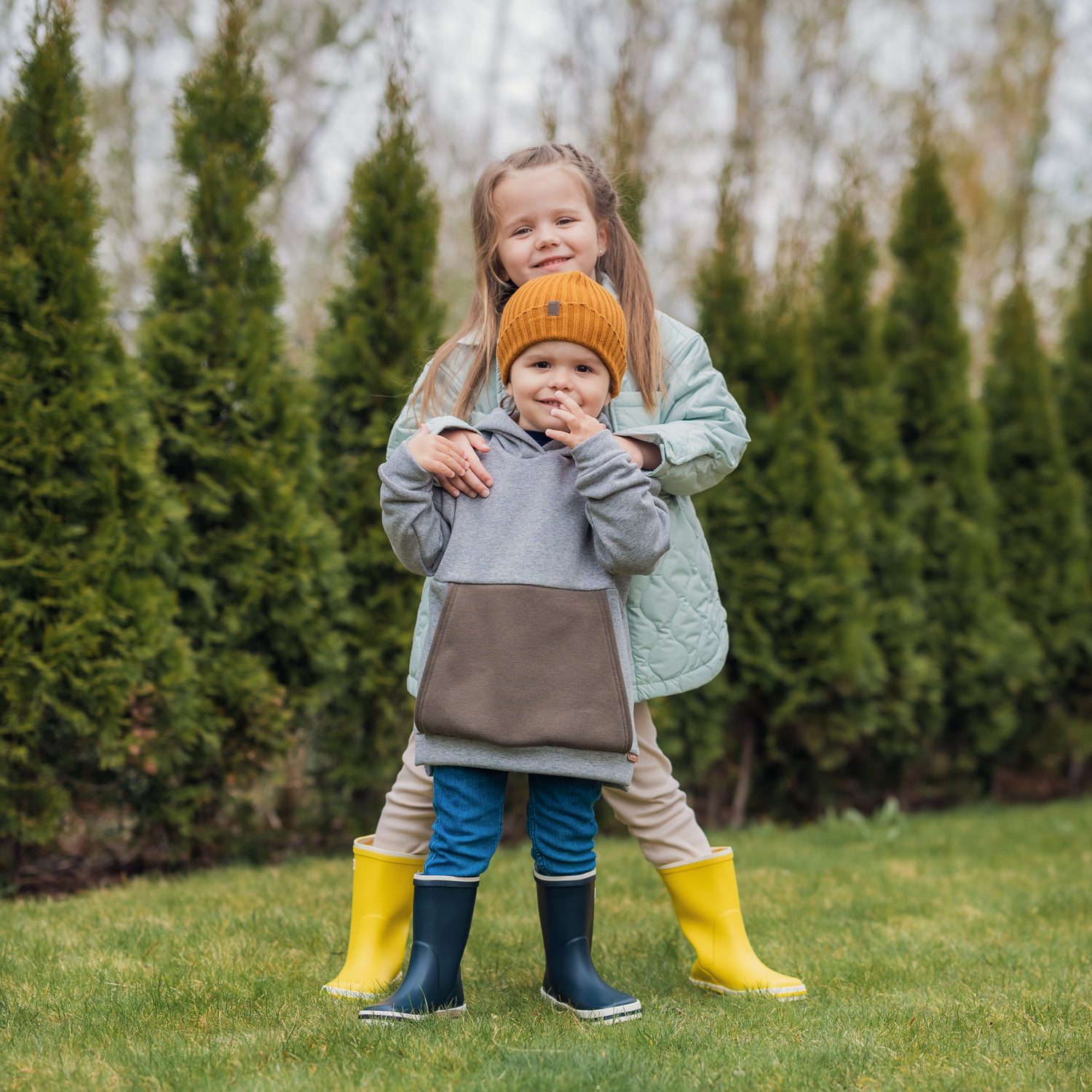
It might surprise you, but we also have barefoot wellies. The brand RAYVE didn’t hang about and came out with several children’s models straight away. So if you thought barefoot wellies didn’t exist, you can stop worrying. They look and work like classic wellies – they’re easy to pull on and some can be tightened at the top. What’s more, they have a thin, lightweight and flexible sole and plenty of space for little toes. These shoes can’t wait to splash around in local puddles. Curious how they performed in everyday use? Take a look at the article REVIEW OF RAYVE MONSOON: Finally, wellies that fit.
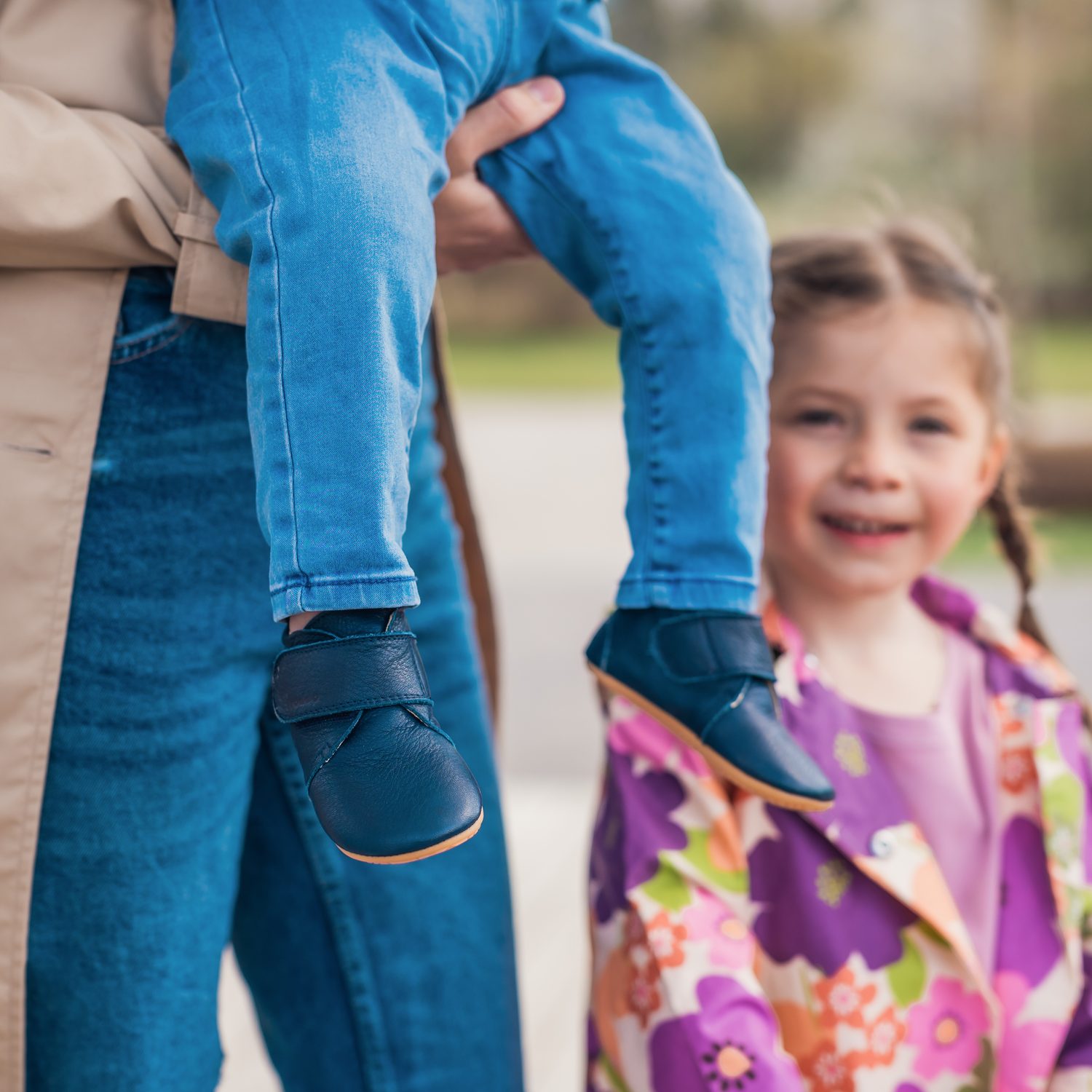
As soon as they can stand, they’ll need shoes. That’s right – once your child stands up for the first time, curiosity won’t let them just sit or lie around. They need to explore, toddle and discover. That’s why it’s important to think about first shoes and choose the right ones – ones that fit well, are healthy and support proper foot development. So: barefoot. We’ve dedicated a whole article to choosing first children’s barefoot footwear, and even a podcast – we recommend giving it a listen.
Children’s footwear for the tiniest feet:
Textbooks still smelling brand new – and then tomatoes from the garden spilled all over them. Nightmare. That’s why it’s worth choosing lunch boxes carefully. It pays off and saves you a lot of hassle and stress. With lunch boxes, the most important thing is a good-quality closure and seal. A big plus is having multiple compartments, so you can neatly separate fruit, veg and a little toastie. And those pictures on the boxes… just a cute bonus!
Drinks bottles are another big topic. They often develop mould, frequently leak, and after longer use can even start to smell. And nobody wants to drink from that. That’s why bottles with replaceable (and readily available) parts are a great choice – especially the drinking spout. To keep a bottle working as long, as well and as hygienically as possible, it’s a good idea to give it a proper deep clean from time to time. By that we mean sterilising it in boiling water and ideally also using a special active-oxygen-based cleaner.
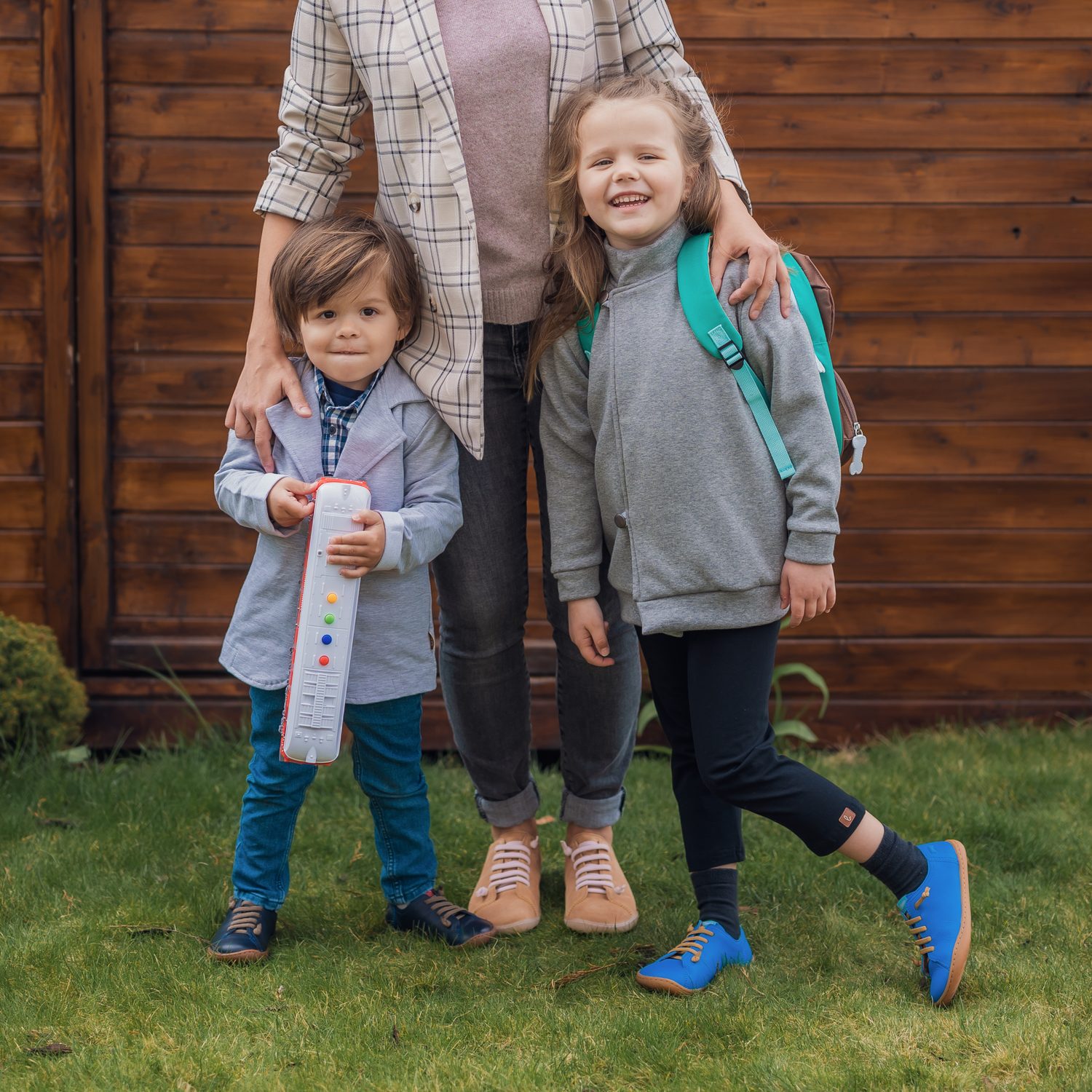
We wish your children a healthy start to the new school year.
What else might interest you on this topic?


You are currently on www.premiumbarefoot.co.uk


 £ - EN
 Čeština
 English (US)
 Slovenčina
 Magyar
 български
 Polski
 Dansk
Dansk
 Nederlands
 Svenska
 Suomi
Suomi
 Español
 Français
 Slovenščina
 Română
 Português
 Deutsch (DE)
 Deutsch (AT)
 Deutsch (CH)


