We’ll be happy to help via online chat or at: orders@premiumbarefoot.com

Children Barefoot Selecting and Maintaining Barefoot Shoes
Why are barefoot shoes a great choice in winter too, and how do you choose the right pair? We’ll share care tips and introduce some of the most popular brands and models.
In winter, children love running through the snow, building snowmen and whizzing down hills on sledges. During these adventures, it’s important to keep their feet warm and dry while giving them plenty of freedom to move. Good-quality barefoot shoes not only protect against cold and damp, but also support natural foot development. Their thin, flexible soles help children feel the ground beneath them, which is key to healthy foot development and overall stability when walking. Winter barefoot shoes help your little ones feel comfortable and secure with every step.

You might wonder why children should wear barefoot shoes in winter. After all, it’s cold and their feet need warmth and extra protection. But children generally move around more, so they tend to feel warmer than adults.
Another issue is that conventional winter shoes often restrict the foot too much and prevent natural movement. This can negatively affect not only foot development, but also walking style and overall posture.

By contrast, winter barefoot shoes offer:
This allows children to develop their natural movement skills and strengthen their foot muscles, even in winter.
Of course, it’s important to choose the right winter barefoot footwear, combining a natural shoe shape with protection from cold and damp.

When your toddler takes their first steps in winter, you may wonder whether they need shoes at all. After all, they’re not walking much yet and spend most of their time in a pushchair or carrier.
The right winter booties or overboots protect little feet from cold, damp and injury, while letting children enjoy their first steps outdoors too.

Whether you choose classic booties or winter overboots, look for quality materials, a roomy fit and a soft, flexible sole.
For more information about barefoot footwear for the youngest children, read From Pushchair to First Steps: How to Get Little Ones Ready for Winter.
Tip: Don’t leave younger children wearing shoes inside a pushchair footmuff. Sweaty feet inside shoes can cool down easily and may be freezing by the time you get home.

Once your child has been walking independently for at least two months, choosing the right winter shoes becomes even more important. A common mistake is to choose stiff shoes with thick soles, believing they offer the best protection for sensitive little feet in winter weather. In fact, these shoes restrict natural foot movement, which can lead to improper development, deformities and poor posture.

What makes a good winter barefoot shoe for first steps?
The right winter barefoot shoes for new walkers should have a soft, flexible sole that a child can bend as they walk. This type of shoe, often called a pre-walker, is specially designed for the needs of children taking their first steps.
One of the most popular pre-walker models is BOBUX XPLORER, available in a range of versions, from all-leather styles to insulated models with a cosy lining. These shoes are an ideal choice for children who start walking during the winter months. Their lightweight, low-cut design allows the ankle to move freely, supporting better stability when walking.

What if it’s really cold outside?
Parents often worry that low-cut shoes won’t protect their children’s ankles enough. However, given today’s milder winters and with suitable performance socks or tights, children can manage a typical winter in town in these shoes without any problems. If you’d still like more ankle protection, you can add woollen leg warmers or use a children’s snowsuit with cuffs to help keep their legs warm.
If you’re planning to spend longer in the snow, you can easily pair winter barefoot shoes with RAYVE overboots for extra protection against damp and cold.

Once your child is always on the go, it’s time to choose shoes that keep up with their increased activity. Children are constantly moving and need shoes that let them jump, run and explore the world.
So, if you’re looking for the ideal winter shoes for your little adventurer, look for lightweight, flexible barefoot styles made from water-resistant materials or with a waterproof membrane.

If you spend a lot of time in the mountains, taller winter barefoot boots may be a good choice, offering better protection in deep snow. If you live in a town or city, however, ankle boots are enough: they’re lighter, more practical and stay on the foot better. Active children whose feet tend to sweat more can also get through winter in all-season shoes paired with a warm wool insole.
Tip: Performance socks containing merino wool are an invaluable choice for the winter months, as merino keeps feet warm and wicks away moisture.

When choosing winter barefoot shoes for children, the most important step is to measure their feet carefully and choose a fit that matches their individual size and shape. We explain how in detail in The Complete Guide to Measuring Children’s Feet: Tips and Mistakes to Avoid. Once you have the measurements, you can start trying shoes on. When choosing a size, remember to allow extra room for warm socks or winter insoles.

We’ve picked out a few brands and highlighted what makes them special. We’re also happy to help you choose in person at any of our shops in Prague, Brno and Zlín.
RAYVE
RAYVE winter barefoot shoes are created by naBOSo and meet all the requirements for comfortable, healthy walking. They fit medium-width and wider feet, giving toes plenty of room even in winter.
To keep your child warm and dry in winter, choose leather ankle boots. Smooth leather is easy to clean, the water-resistant membrane keeps feet dry even in puddles, and the soft wool lining provides cosy warmth. Choose from lace-up and hook-and-loop styles. Laces hold the foot securely, while hook-and-loop fastenings are especially handy for young children who want to put their shoes on themselves. A sturdy toe bumper helps the boots survive a whole winter of jumping, running and playing in the snow.
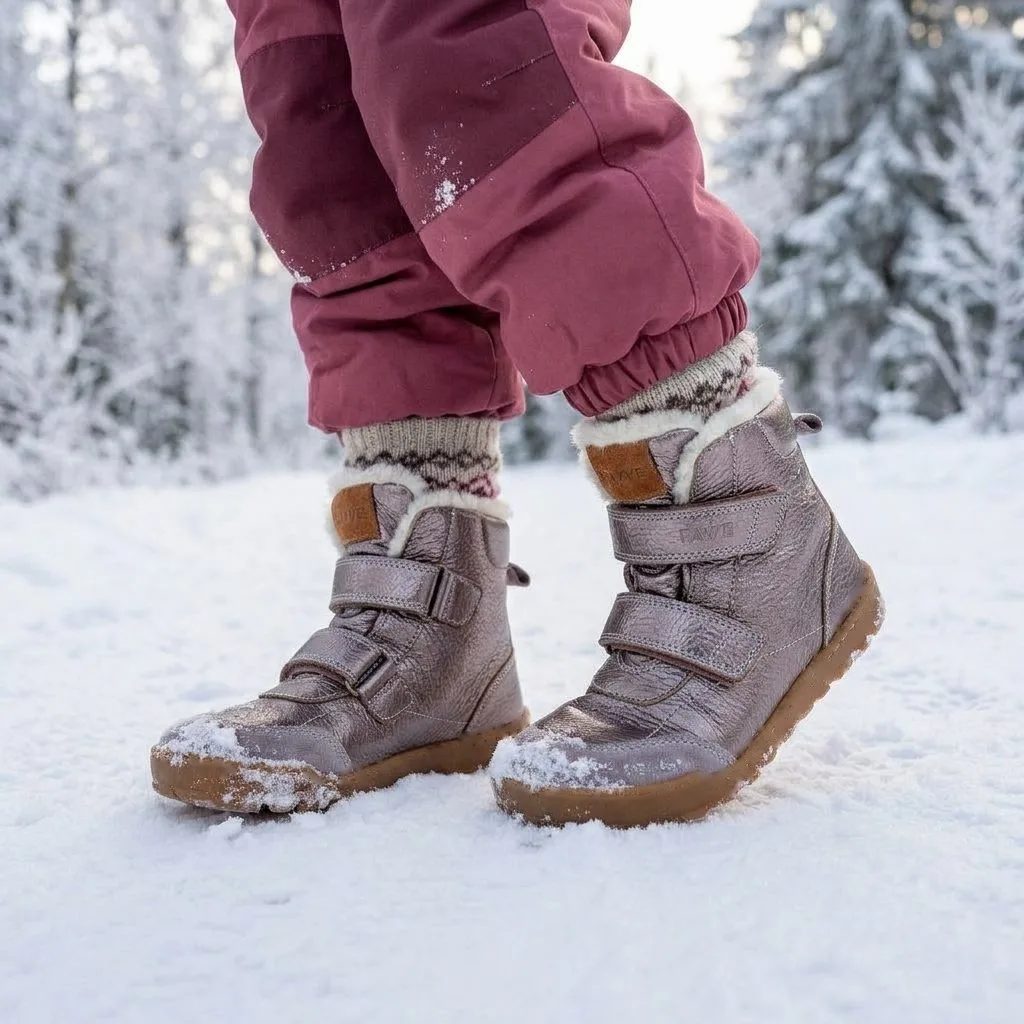
Barefoot snow boots can handle proper winter weather while allowing the foot to work naturally. Toes aren’t squeezed together, so they stay warm. The durable PER-lite rubber sole provides good support, is flexible and offers good grip on winter surfaces. The snow boots come in a range of styles and colours, from understated to bold, so there’s something for every child.

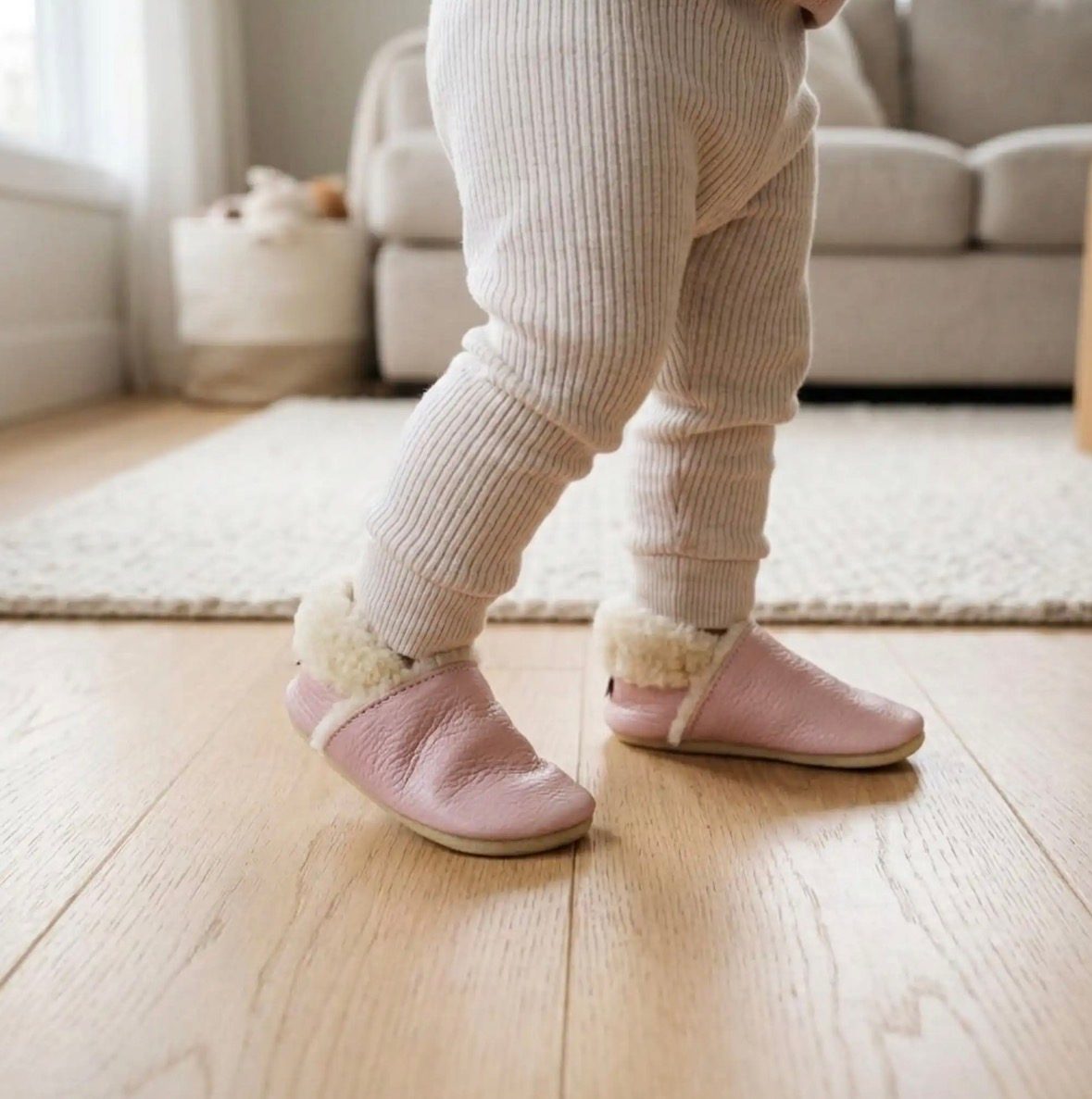
For the youngest children, we also have overboots and insulated booties. For wearing at home, try CRAVITOS booties. They’re lightweight and warm, protecting little feet from cold floors without restricting movement. Children can toddle, crawl and climb comfortably in them. Overboots, meanwhile, help keep little feet warm on walks.
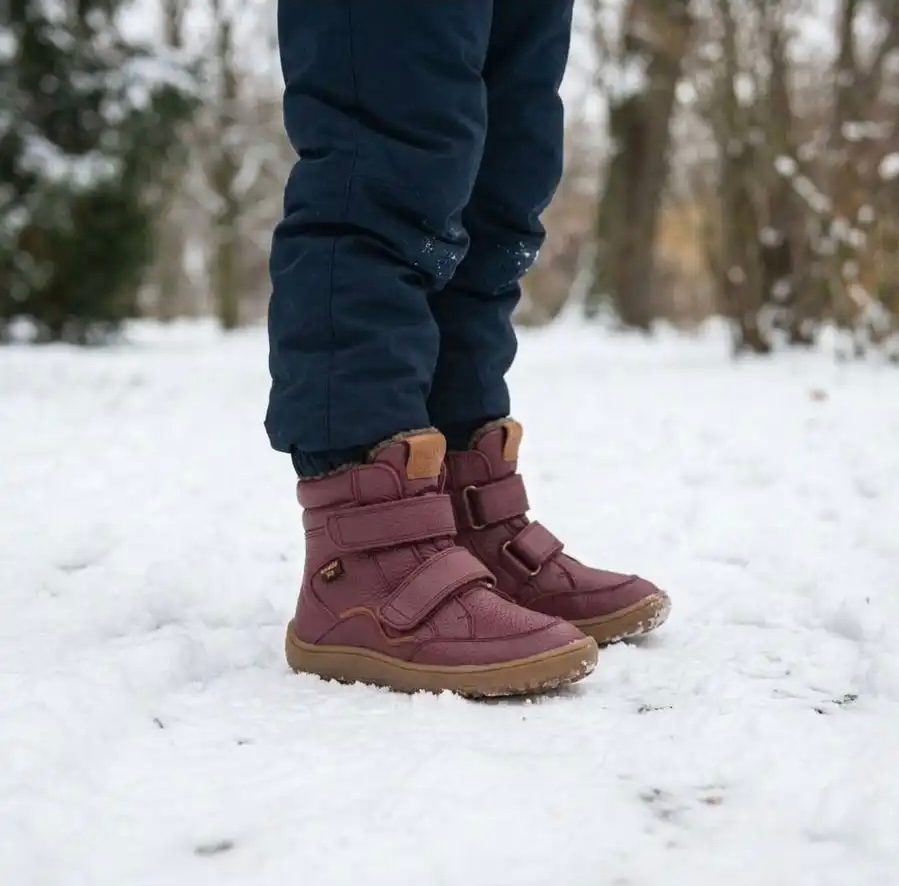
FRODDO
Children’s winter shoes from Croatian brand FRODDO are a great choice for cold days. These quality leather shoes with toe bumpers come in a range of styles, from ankle boots and pre-walkers to snow boots. Some are available up to size 42. A sheep’s wool lining keeps your children’s feet warm. They’re medium-width, providing plenty of room for natural movement, and are affordably priced too.
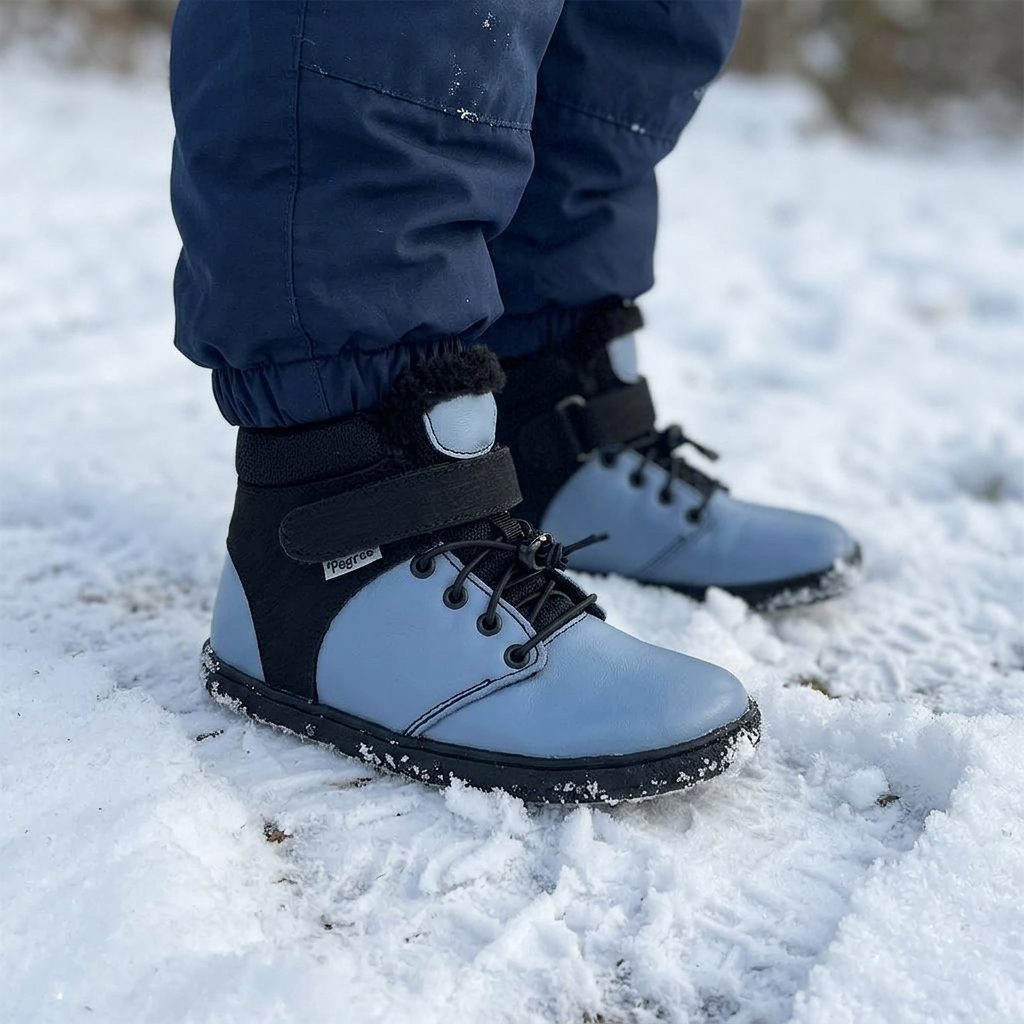
PEGRES
PEGRES winter shoes are ideal for children who need plenty of room for their toes and maximum flexibility. Made from quality certified leather, their stitched soles stand up to even the most energetic play. Choose from smooth or nubuck leather in two widths, for medium and wide feet. The shoes are insulated with wool or faux fur, have a membrane to protect against damp and include a removable insulated insole for extra comfort.
Always remember that, when choosing winter barefoot shoes, it’s important to consider your child’s individual foot shape and specific needs. Each model has its own features that may suit different types of children’s feet.
How long winter shoes last and how well they perform depends not only on their quality, but also on proper care. This is especially true of leather barefoot shoes. A common mistake is using harsh cleaning products or drying shoes too close to a radiator. This can damage the material and affect how well the shoes perform.
Proper care will significantly extend the life of the shoes and preserve their water-repellent properties and breathability.

Choosing the right winter shoes is essential for the healthy development of children’s feet. The key is to choose barefoot footwear that respects the foot’s natural shape and movement while protecting it from cold and damp.
Let your child’s age and activity level guide you, from soft booties for babies to durable, stylish shoes for school-age children. Look for quality materials, an anatomical fit and trusted manufacturers. Don’t forget regular care, which will extend the life of the shoes and preserve their properties.
Always remember that every child is different and has individual needs. At our specialist naBOSo footwear shops, we’re always ready to offer friendly, expert advice on choosing shoes for you and your little ones.


You are currently on www.premiumbarefoot.co.uk


 £ - EN
 Čeština
 Magyar
 Slovenščina
 Română
 български
 English (US)
 Slovenčina
 Polski
 Dansk
 Nederlands
 Svenska
 Suomi
 Español
 Français
 Português
 Deutsch (DE)
 Deutsch (AT)
 Deutsch (CH)

