We’ll be happy to help via online chat or at: orders@premiumbarefoot.com

Selecting and Maintaining Barefoot Shoes
We’ll guide you step by step through caring for barefoot shoes. Each material needs a different approach and products, so your shoes will serve you well for years.
If you’ve invested a fair amount in your barefoot shoes, you’ll naturally expect them to last. No need to worry. Quality, well-made shoes are designed to keep you company for years to come—whether you wear them as office shoes, run in them around the park every morning, or pull them on for exploring the great outdoors. There’s just one condition: they need regular care.

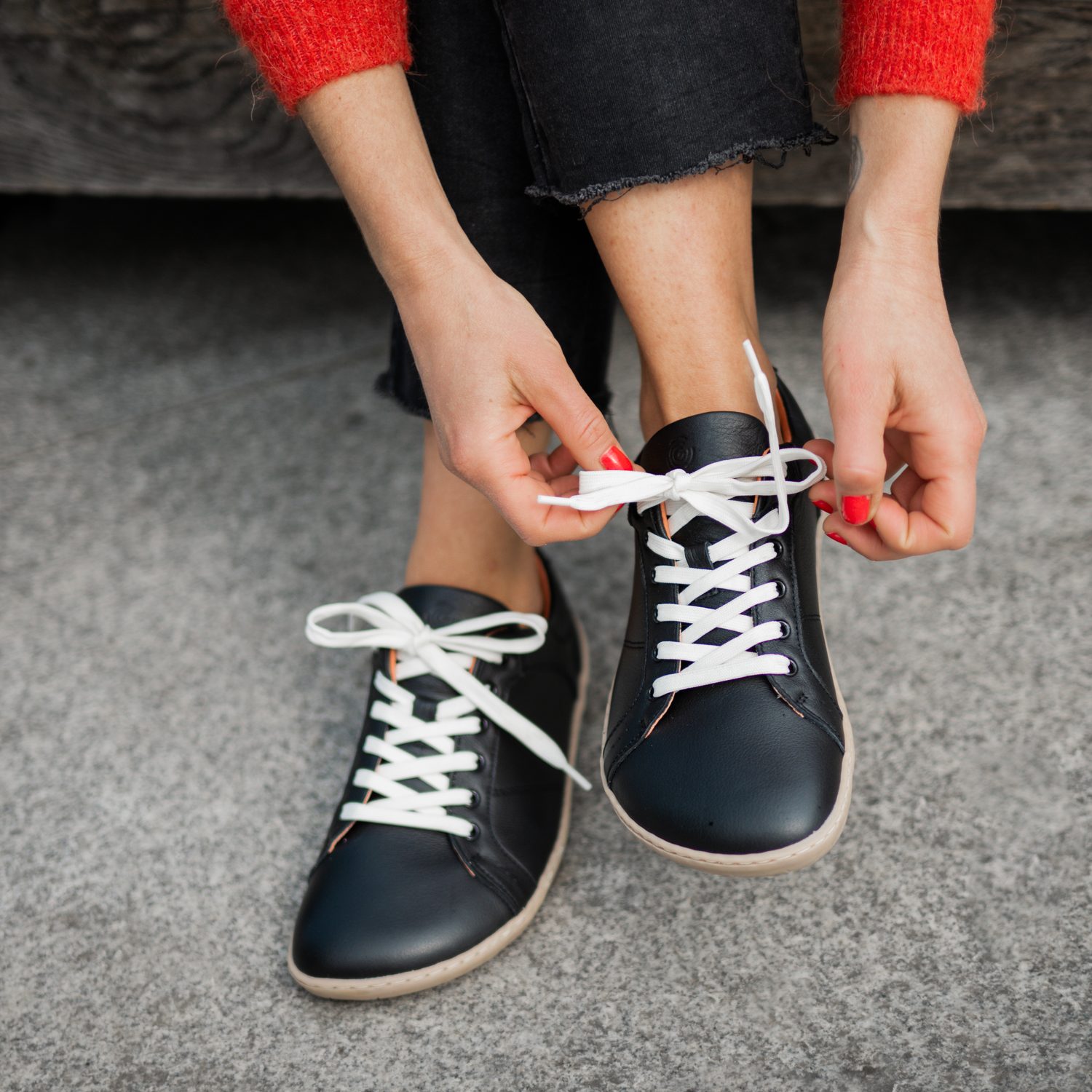
Putting your shoes on properly isn’t rocket science. Still, plenty of people underestimate it and pull their shoes on without a shoehorn—or even with the laces still tightened. But that’s exactly how you risk not only ugly creases, but also scratches or even cracks.
So what should putting on barefoot shoes ideally look like? Undo and loosen the laces properly, slip into the shoes using a shoehorn and only then tie the laces. And if you wear ballet flats or other slip-ons? Even then, you’ll do no harm at all by reaching for a shoehorn.
You don’t need to have just finished a tough gym session or an all-day hike. Sometimes an unpleasant smell can appear even when you’re under a lot of stress. As a preventative measure, you can use special shoe deodorants such as COLLONIL BREEZE, which help prevent unwanted odours from developing. If you wear your shoes barefoot, try COLLONIL SILKY. Your feet won’t slip inside the shoes and won’t sweat as much. The pleasant fragrance also keeps your feet and shoes feeling fresh.
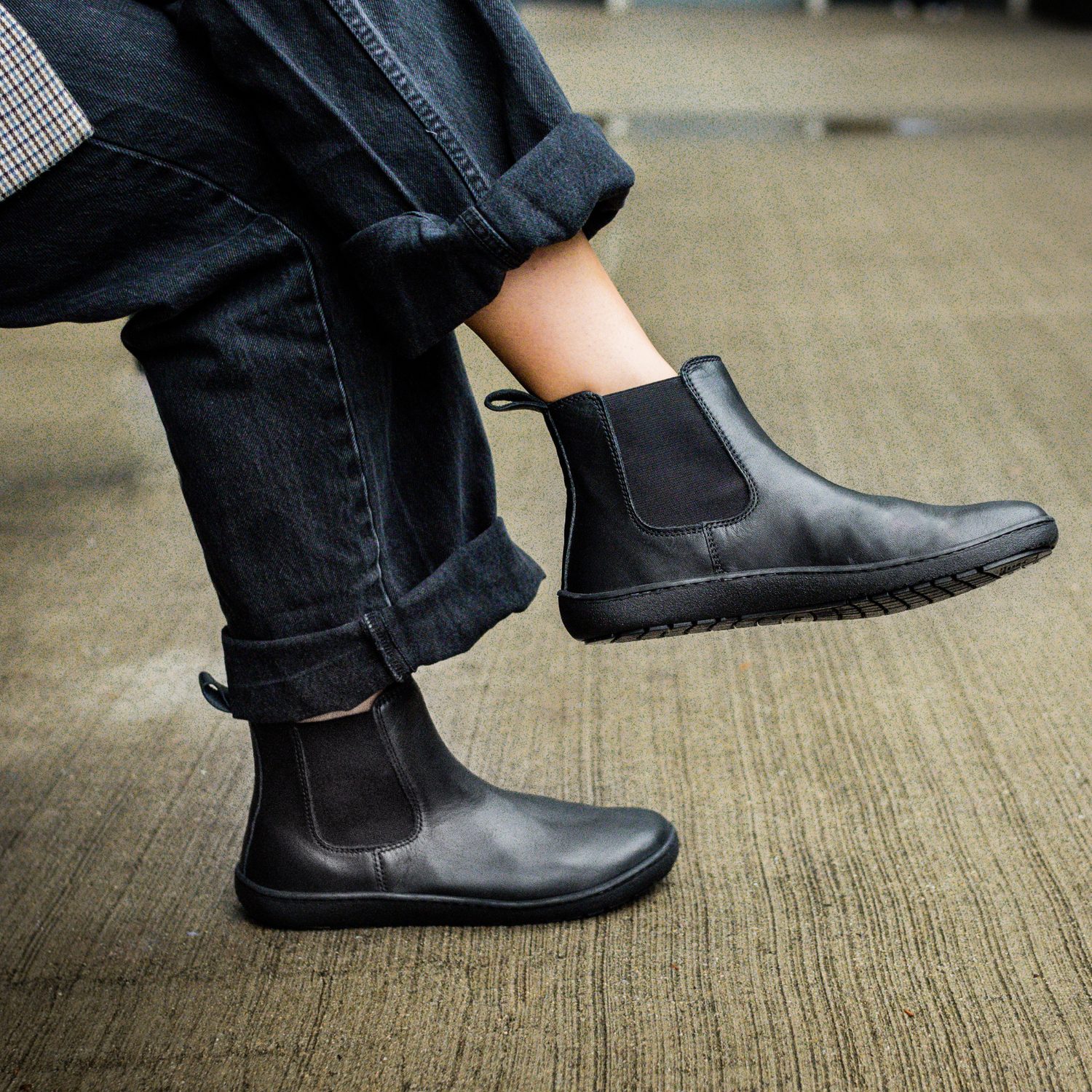
Whether you rotate several pairs of leather barefoot shoes or mostly have textile trainers in your shoe rack, you’ve surely come home at some point with shoes dirty from mud. But keep in mind that using a cleaner and a brush or cloth is far from the end of caring for barefoot shoes—quite the opposite. The next steps just vary a little depending on what you’re wearing.
A handy little tip about laces – take them out before cleaning, and once they’re dry, treat them with a waterproofer. It won’t just extend their lifespan, it’ll also make them easier to look after next time.
Our tip: Cleaning white soles on trainers and other barefoot shoes is noticeably easier with the cleaning foam COLLONIL MIDSOLE CLEANER.
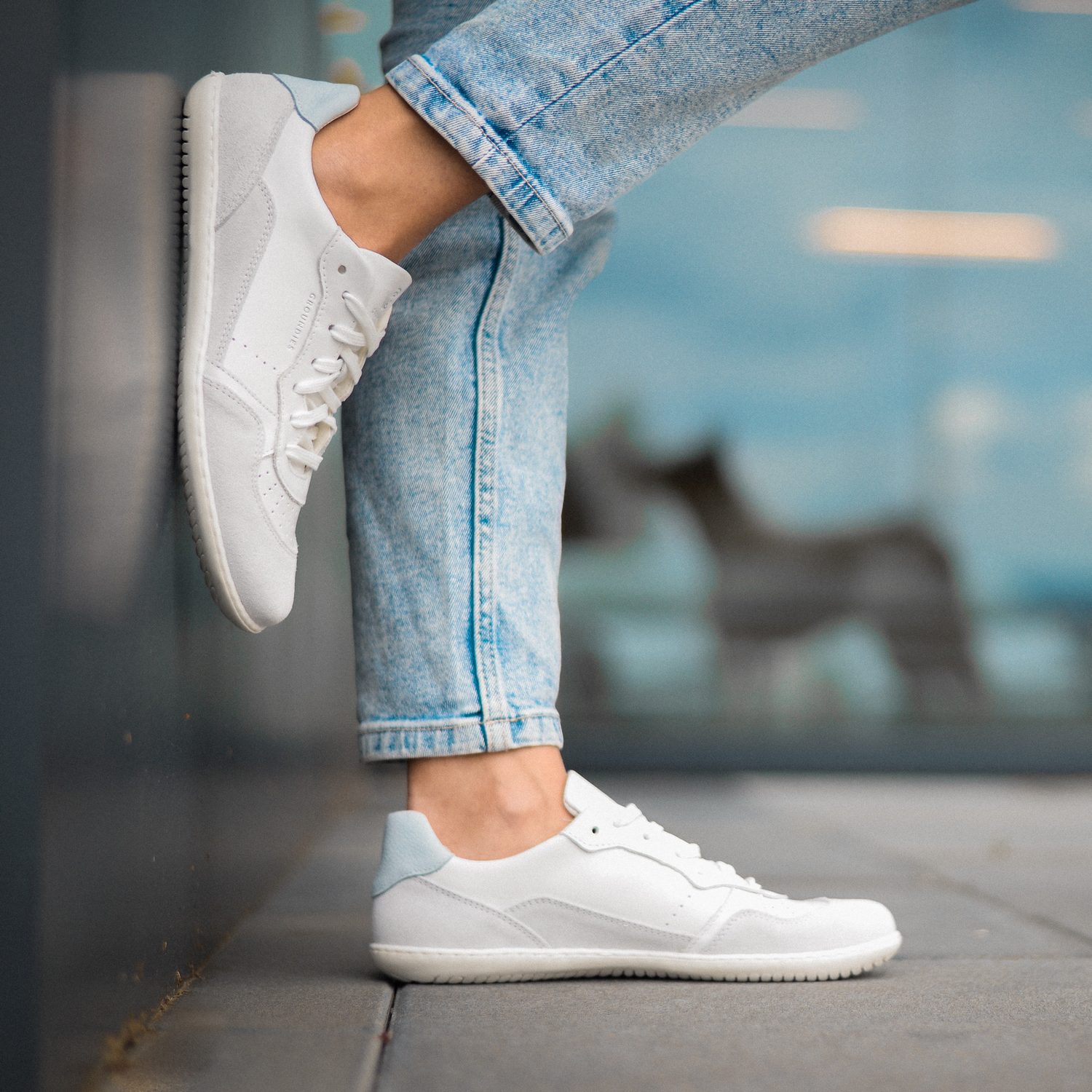
While smooth leather can handle almost anything, suede needs a bit more caution; you can learn more in the article How to care for leather barefoot shoes properly. And what about barefoot shoes made from patent or metallic leather? Here, don’t forget regular care—it’s the key to success.
As soon as you take your shoes off at home, clean them carefully—ideally using a brush with very soft bristles so you don’t create scratches on the surface. For heavier dirt, use a flannel cloth dampened with soapy water. Once the shoes are clean, it’s time to polish them, and you can finish the care routine—just like with other types of leather—with waterproofing.
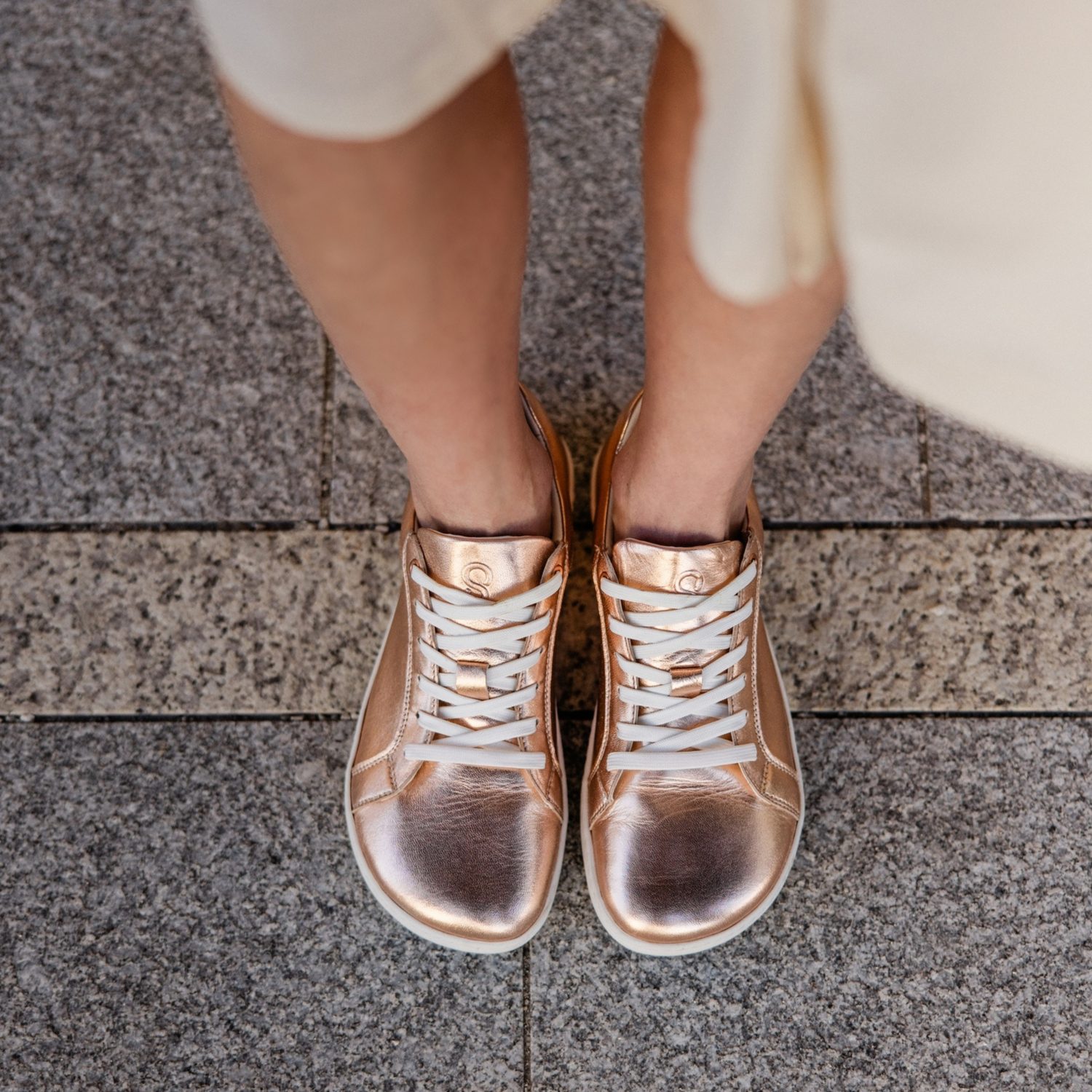
Ethically made Saltic shoes from the Outdoor range, although leather, need slightly different care because they feature a special membrane. Like shoes made from printed or glitter leather, they don’t like nourishing cream or balm. So how do you look after them properly?
First, use a brush to remove coarse dirt, then wipe them with a damp, soft cloth. Once they’re thoroughly dry, apply waterproofing (around twice a month is enough here too).

Whether it’s barefoot shoes made from cotton, hemp canvas or other natural textiles, avoid machine washing and drying in direct sunlight or near heat sources. When cleaning, start with a brush for coarse dirt, then finish with a damp cloth and mild soap —and again, don’t forget regular waterproofing.
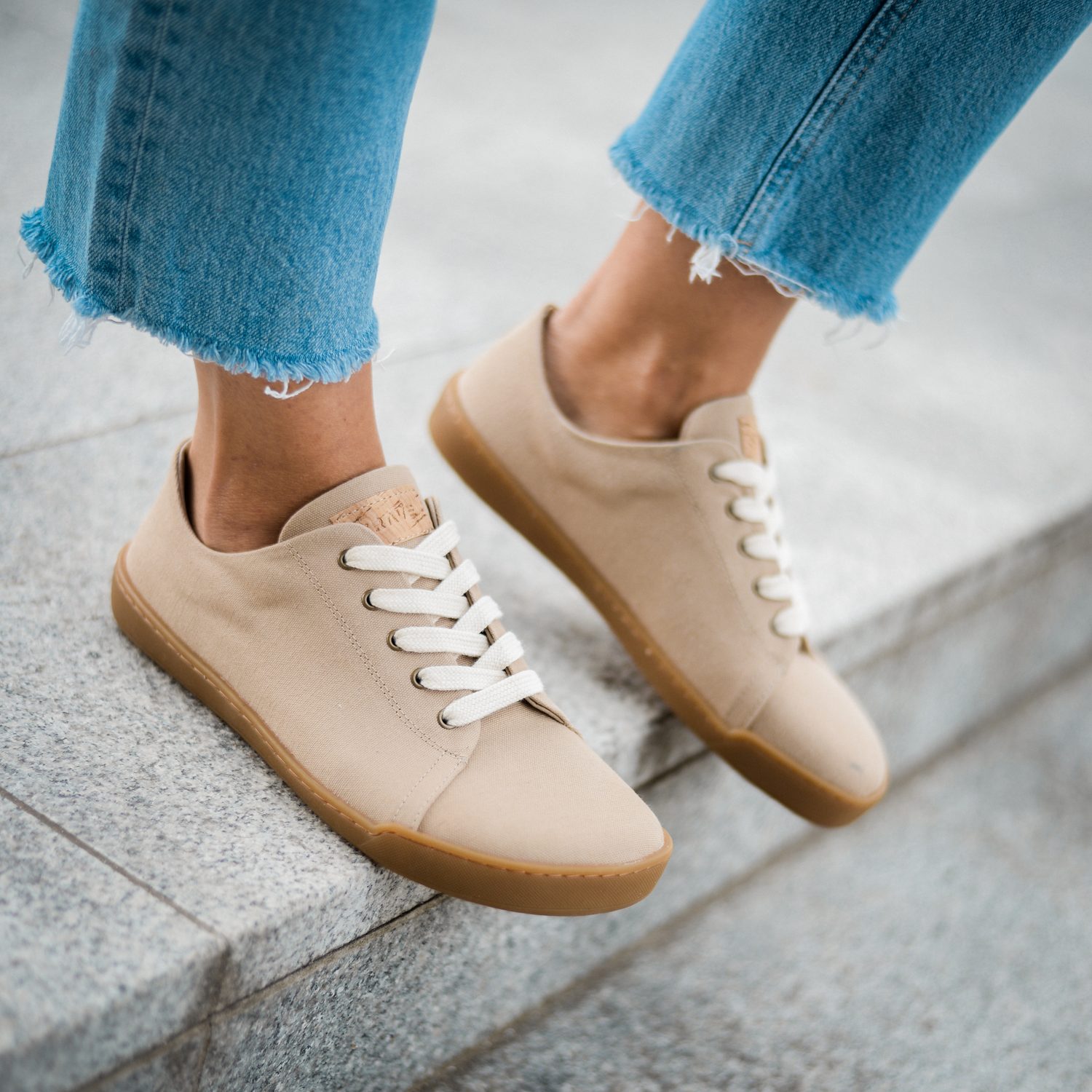
Extremely flexible leguano —except for models where the care instructions explicitly say otherwise—can be machine washed without worrying about losing your warranty. Before washing, use a brush to remove coarse dirt, then wipe them with a damp cloth and finally put them in the washing machine. Choose a gentle cycle at 30 °C, wash them with a special detergent without fabric softener (and don’t use a tumble dryer), and after each wash treat them with waterproofing COLLONIL CARBON PRO.
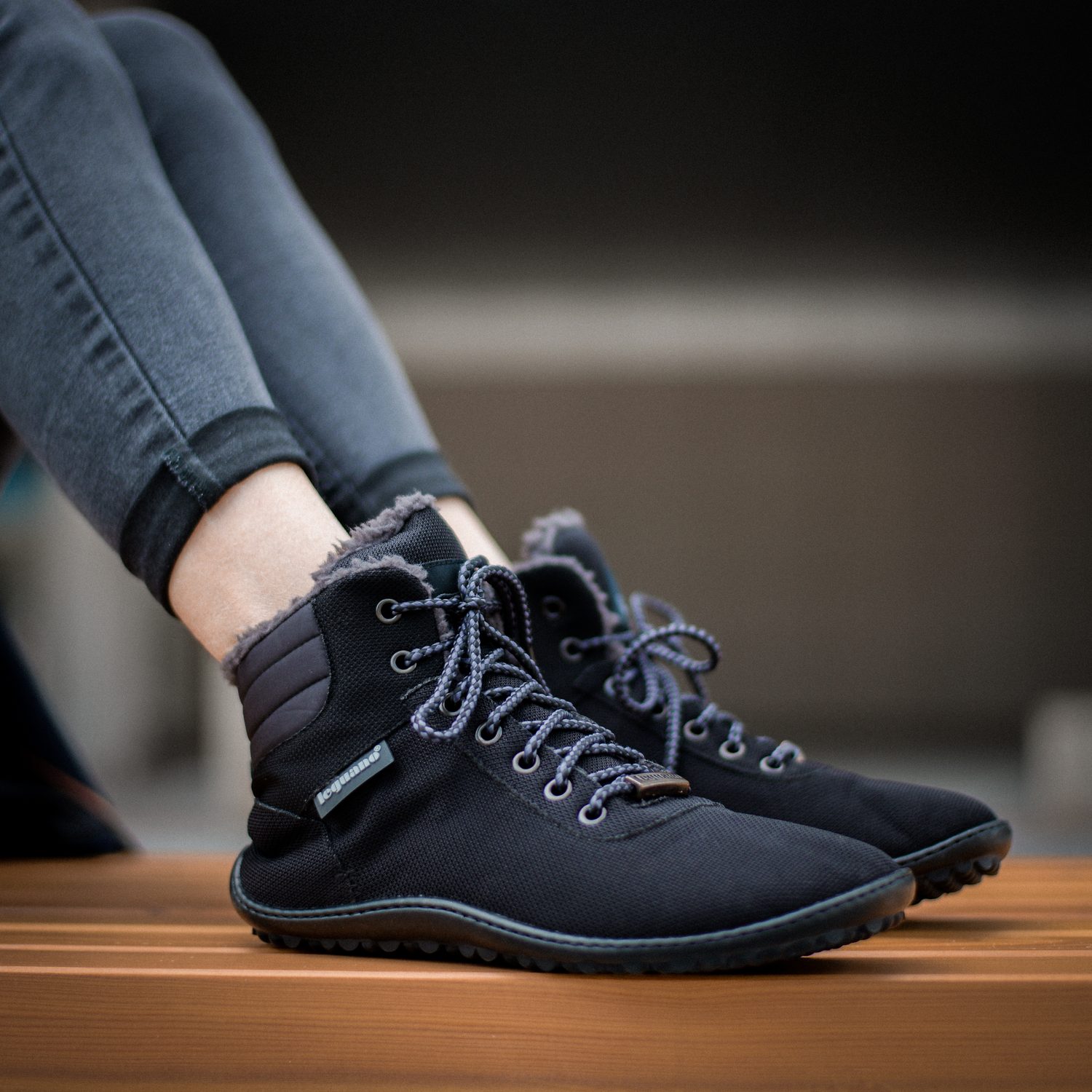
How do you care properly for shoes that are—like Xero Shoes —made from polyester? Clean them by hand only, using warm water and mild soap, and only after you’ve removed coarse dirt with a brush. For more stubborn grime, use the foam COLLONIL CARBON COMPLETE. Nourishing products aren’t needed here either, but don’t skip waterproofing —it will increase the shoes’ resistance.

Vegan ‘leather’ (not to be confused with cheap faux leather) is no longer anything new in the barefoot world. It looks similar to real leather, and is used for example in some models from CRAVE or vegan models from the Groundies brand. Vegan ‘leather’ doesn’t need much care. Simply wipe off mud and other dirt with a damp cloth and then you can go straight in with waterproofing.

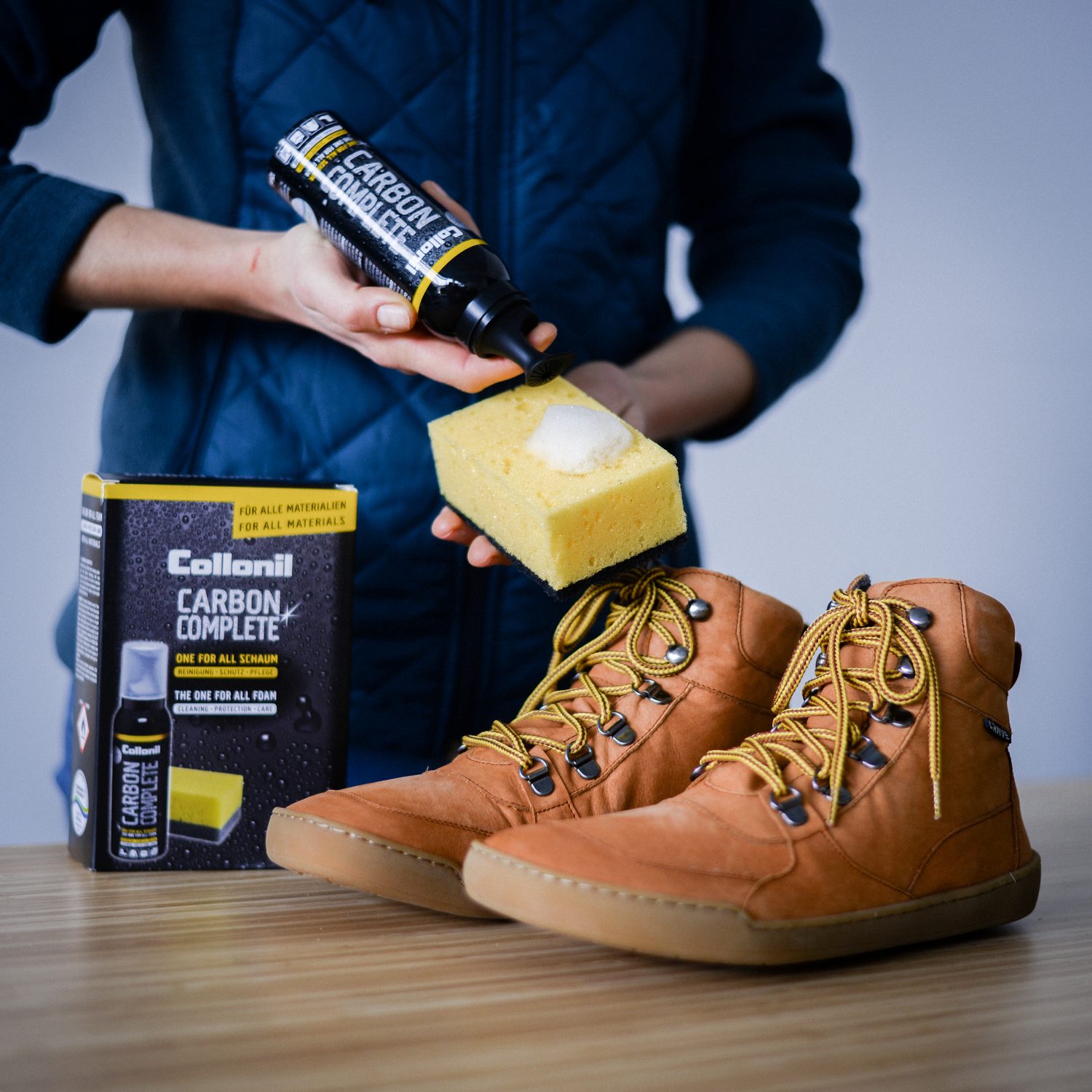
Before any further treatment, barefoot shoes with a membrane also need to be cleaned thoroughly. Use a brush to remove coarse dirt, then wash with lukewarm water using the foam COLLONIL CARBON COMPLETE, which also waterproofs them, and let them dry naturally. If you then want to use a nourishing product (for leather shoes), choose only products that don’t contain fats—these could clog the membrane.
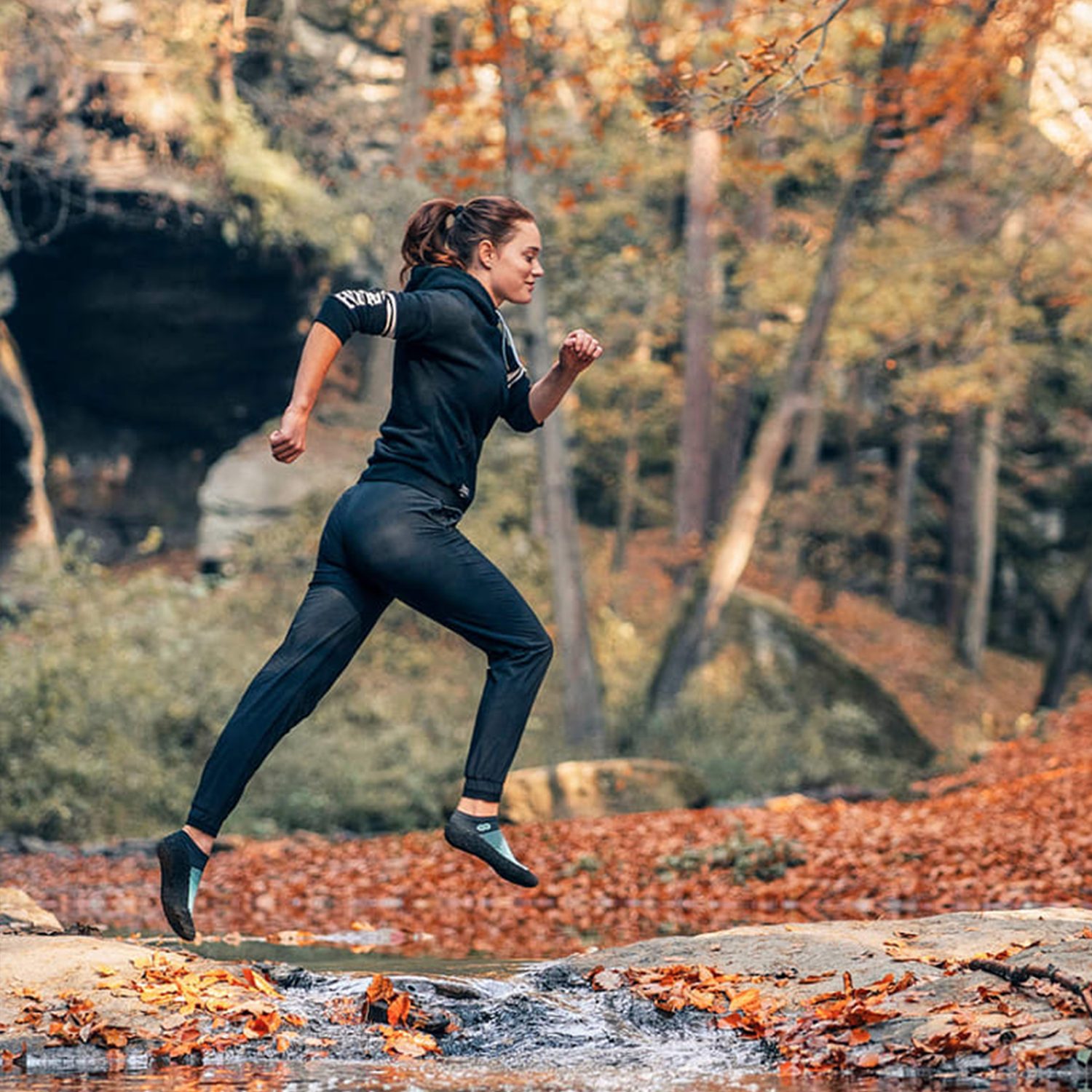
Unlike Slipstops, the versatile minimalist footwear Skinners can be put in the washing machine with complete confidence. Turn them inside out to avoid damaging the fabric, put them in a mesh laundry bag and wash on a delicates cycle at 30 °C (you can wash them with your clothes). Once washed, let them air dry.
Think about it and be honest: how many times have you come home and put your barefoot shoes on a blazing hot radiator, hoping they’d dry quickly? Yes, on a radiator (or in the oven) shoes will dry fast—but you’re also asking for trouble, because radiant heat can make them go stiff, lose their shape, and leather ones can even crack.
So how do you dry shoes without ruining them? Simply stuff them with scrunched-up old newspaper and let them dry slowly at room temperature—if they’re really soaked through, it takes roughly three days.

Regular care including cleaning, waterproofing or waxing only takes a few minutes, but it can noticeably extend the life of your barefoot shoes. Add careful putting-on habits, and your favourite pair will stay loyal long after the warranty period ends.



You are currently on www.premiumbarefoot.co.uk


 £ - EN
 Čeština
 English (US)
 Slovenčina
 Magyar
 български
 Polski
 Dansk
Dansk
 Nederlands
 Svenska
 Suomi
Suomi
 Español
 Français
 Slovenščina
 Română
 Português
 Deutsch (DE)
 Deutsch (AT)
 Deutsch (CH)

