We’ll be happy to help via online chat or at: orders@premiumbarefoot.com

Selecting and Maintaining Barefoot Shoes
Find out how a membrane works in barefoot shoes and how, with the right care and sock choice, you can get the most out of this technology for natural barefoot movement.
Barefoot shoes with a membrane combine natural movement with reliable protection from moisture. Whether your route takes you into the hills, through a rainy city, or across morning dew, you can enjoy all the benefits of barefoot movement while your feet – or your children’s little feet – stay dry.
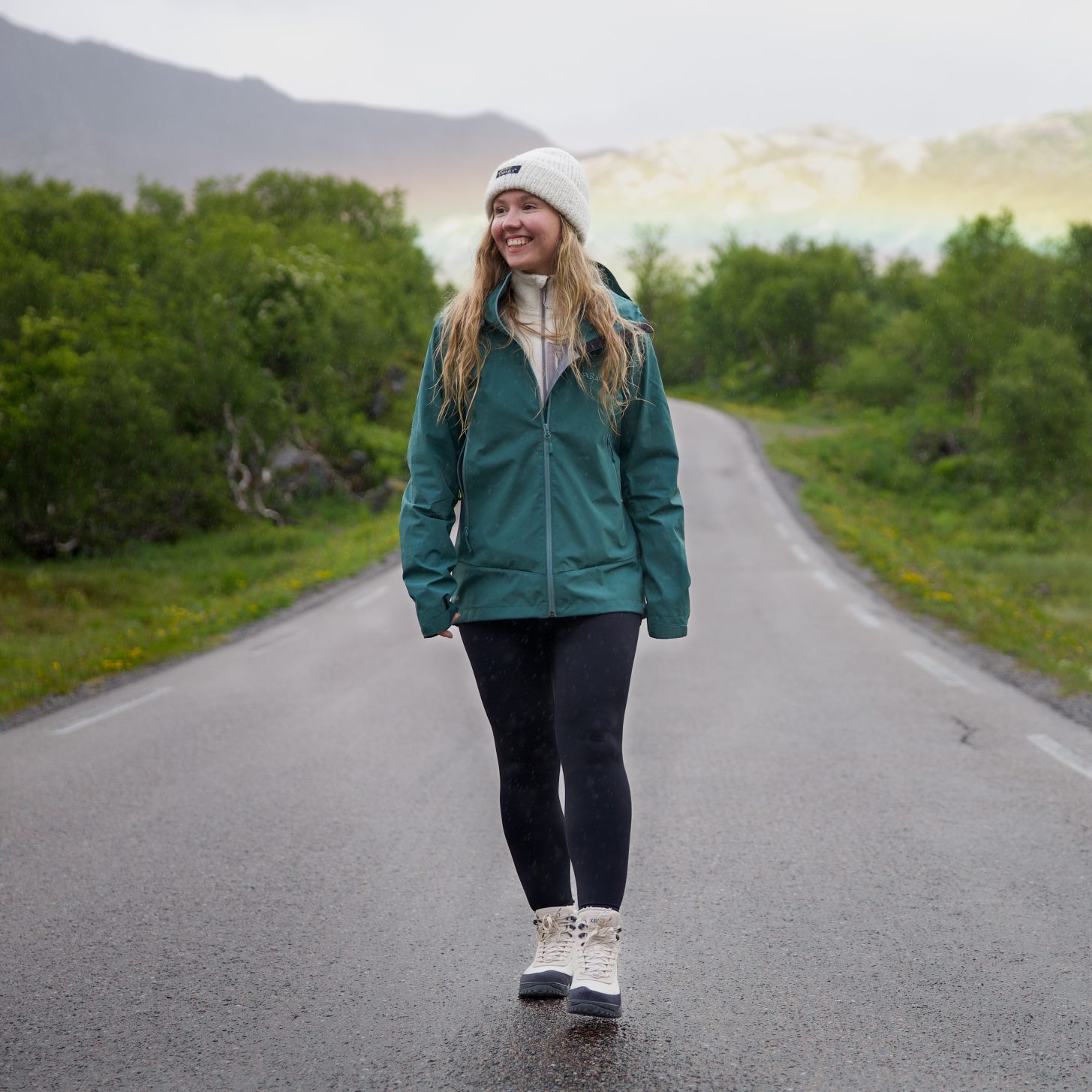
Whether you’re a seasoned barefoot enthusiast or you’re only just discovering the magic of natural walking, a membrane lets you enjoy maximum freedom of movement regardless of rain or morning dew.
A membrane in shoes is a thin, technologically advanced layer of material between the upper and the lining, and it does two key jobs at the same time.
While it reliably prevents water from getting in from the outside, it also allows moisture and sweat to escape from the shoe.
This ‘smart’ material works thanks to its special microporous structure – it contains millions of tiny pores that are much smaller than a drop of water, yet large enough for a water vapour molecule to pass through. It’s also windproof.
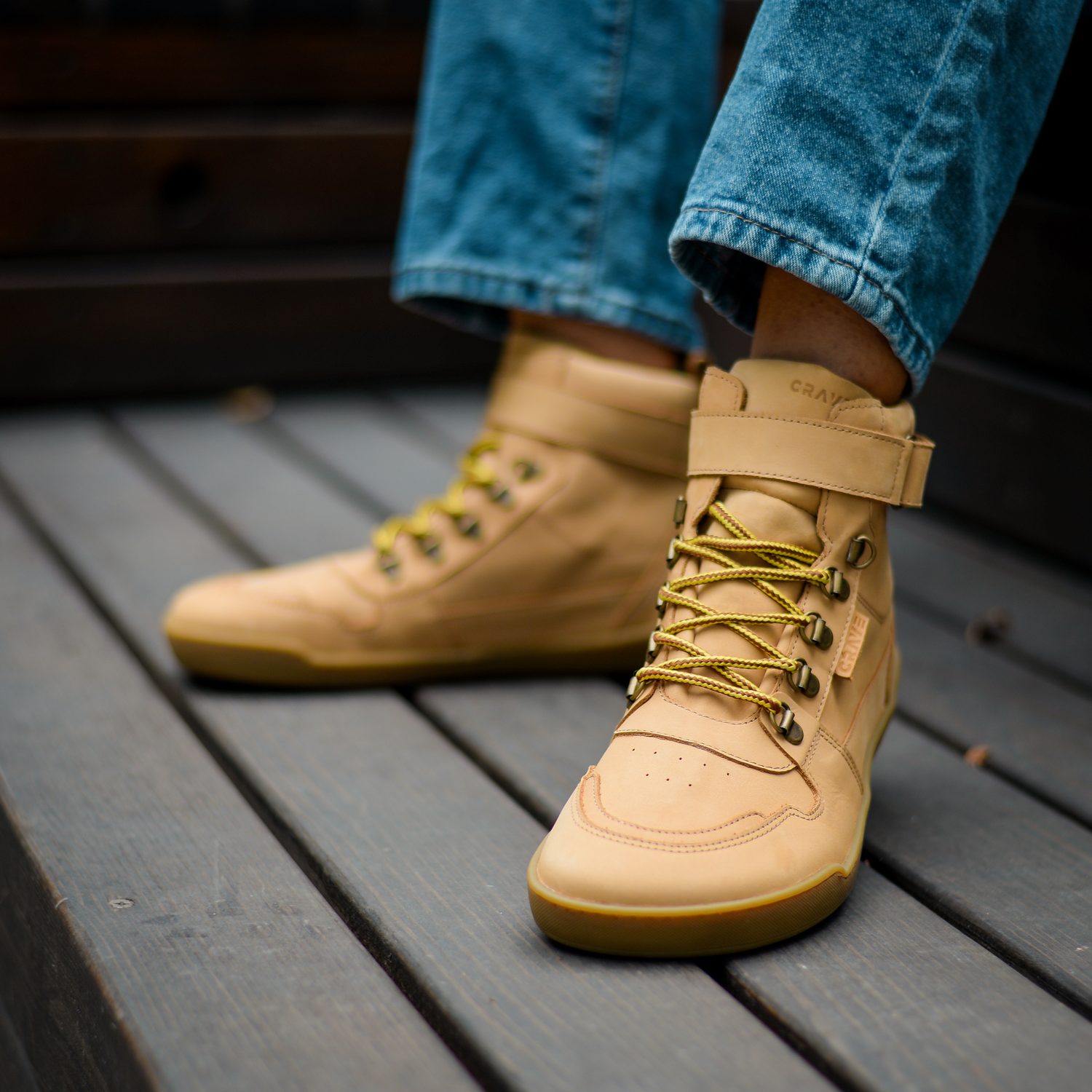
Porous membranes (TEX, Gore-Tex) look like a dense sieve under a microscope. They use a network of microscopic openings that are up to 20,000 times smaller than a drop of water (waterproof) and 700 times larger than a water vapour molecule (breathable).
Non-porous membranes (PTX) work like a washing-up sponge: moisture is transported through the material via a molecular process. From the outside they don’t absorb liquid; from the inside they take in moisture and move it outwards.
In barefoot footwear, you’ll most often come across a TEX membrane, valued for its lightness, flexibility and long lifespan – which makes it a perfect match for the minimalist shoe philosophy. A TEX membrane offers top-level protection against moisture. Thanks to its waterproof technology, it keeps your feet dry on mountain hikes, city walks and in unexpected downpours.
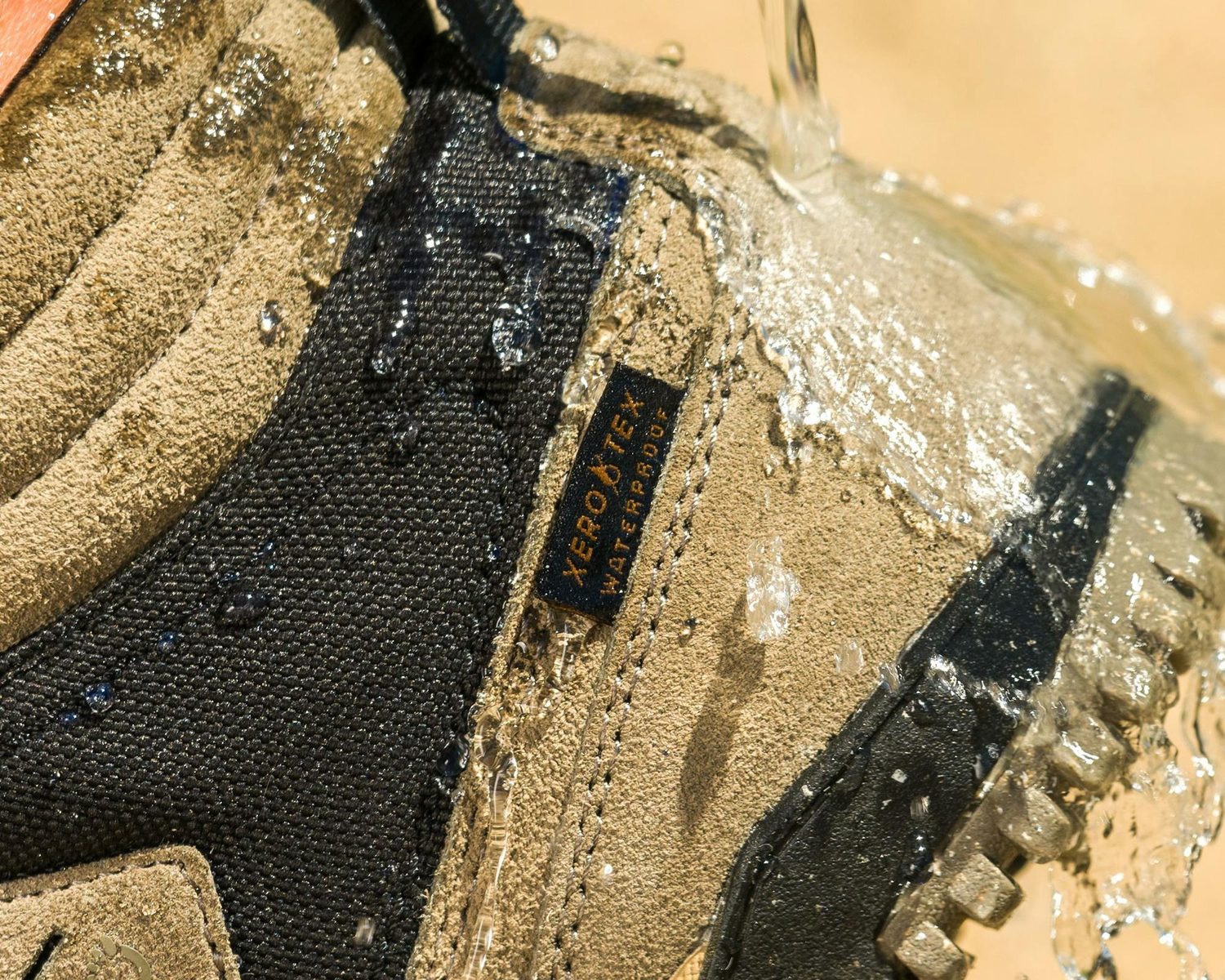
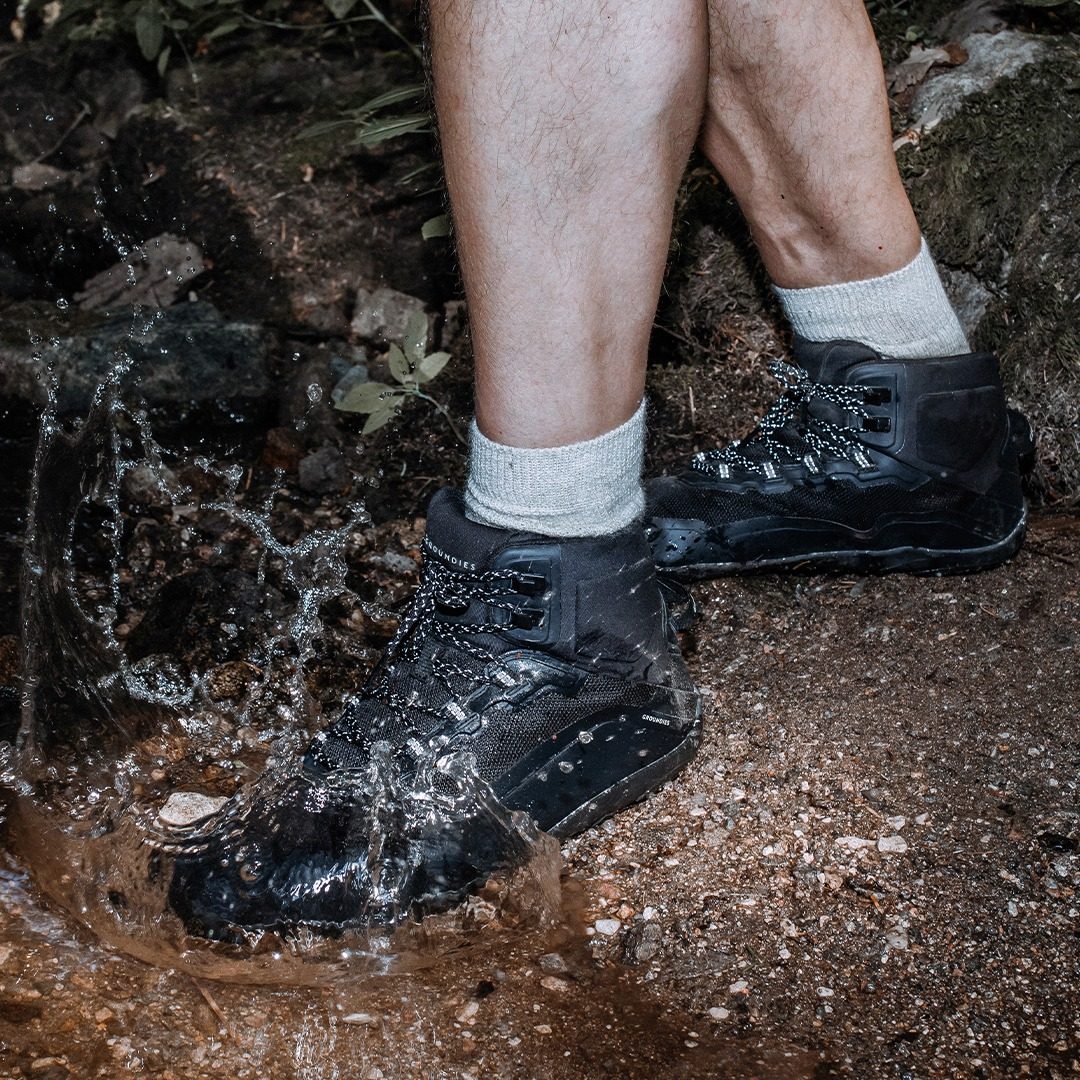
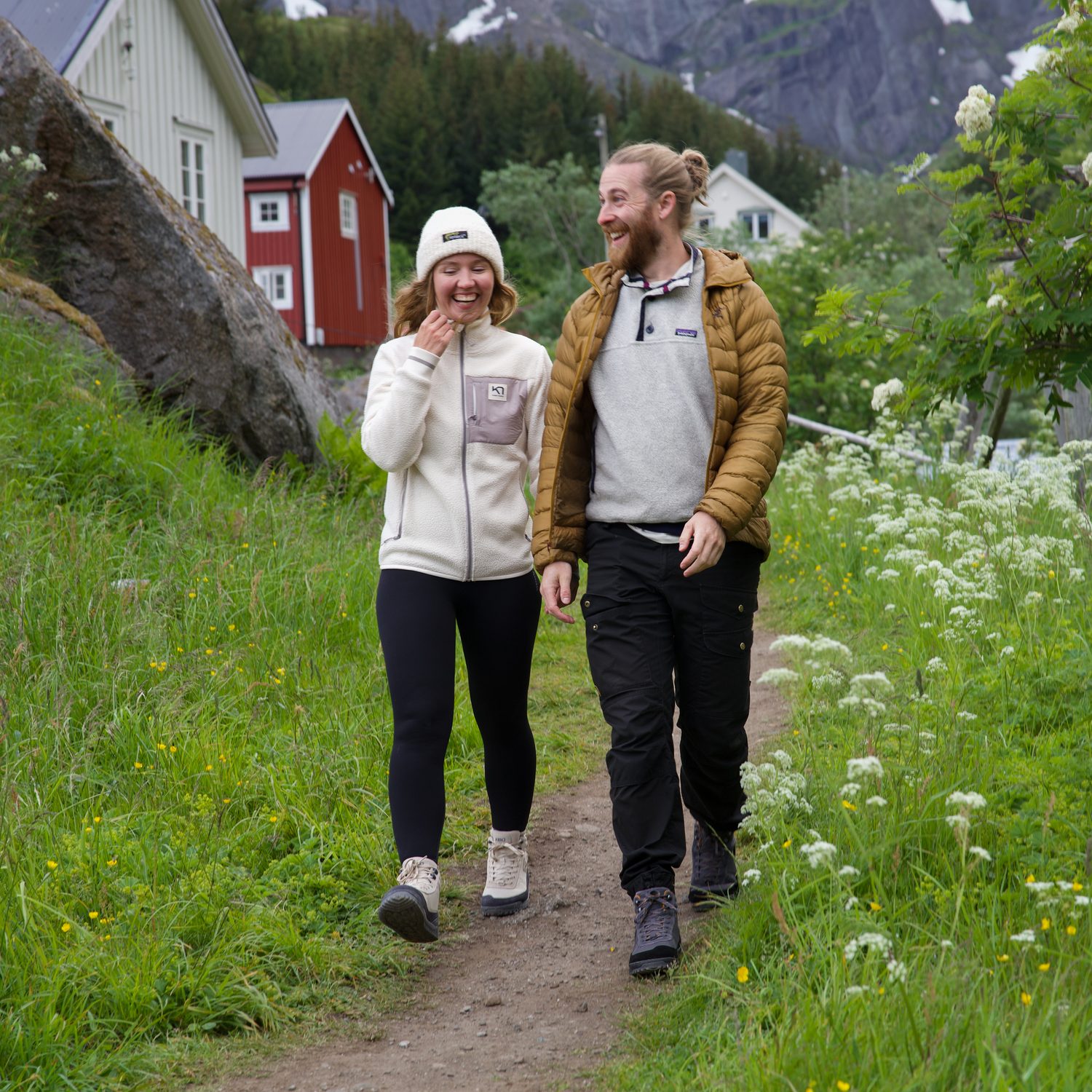
Shoes with a membrane are an ideal choice for year-round outdoor activities, especially when you expect damp conditions, rain or snow. They’re brilliant for hiking in the mountains, long walks in changeable weather, or everyday wear during rainy periods. They’re also a favourite with young barefoot shoe fans.
On the other hand, shoes without a membrane are a better option for very warm days, when you’ll appreciate maximum breathability and lightness. They’re perfect for summer city wear, indoor activities, or whenever you want your feet to ‘breathe’ as much as possible.
NaBOSo tip: When choosing shoes, also consider how much your feet sweat – if you sweat a lot, a membrane-free option can feel more comfortable on warmer days.
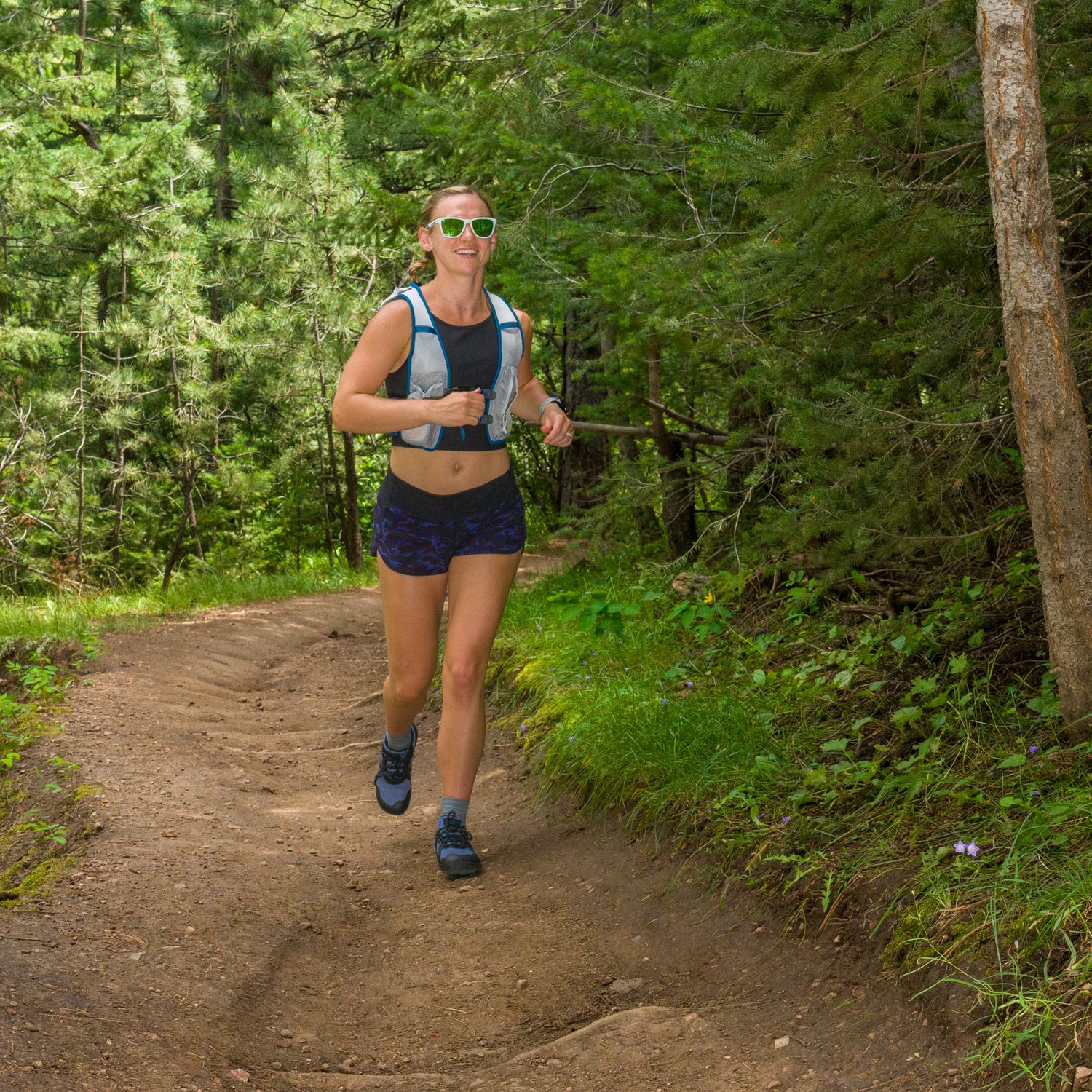
One option is to pair classic barefoot shoes without a membrane with waterproof socks. This solution is very flexible, because you can use waterproof socks with any footwear in your wardrobe. However, bear in mind that in this combination your feet usually sweat more, and comfort may not be ideal for all-day wear.
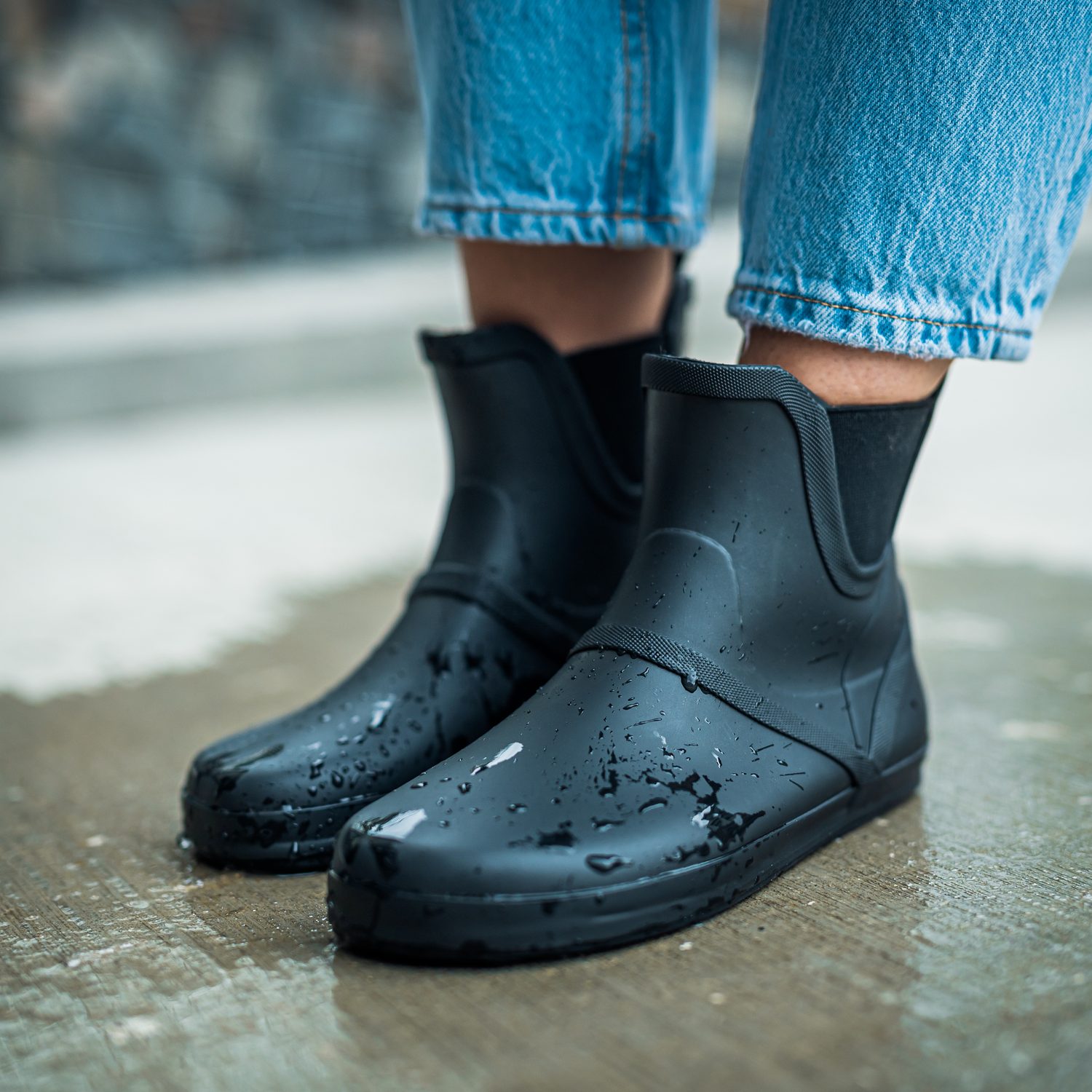
Another alternative is barefoot wellies, which are an ideal solution for extremely wet conditions. They’re a great choice for children and adults when you need maximum protection from water, but you’re planning on shorter wear – for example, a walk in the rain or playing in wet grass.
Wet shoes can be an unpleasant surprise, and to fix it effectively it’s crucial to identify the source of the moisture first.
With membrane shoes, there are two main reasons for dampness – either the membrane has stopped doing its job and is letting water in from the outside, or it’s condensation from sweat inside the shoe. How can you tell the difference?
If your shoes are leaking, a high-quality waterproofing spray will help. If it’s sweat, better ventilation, good-quality performance socks, or rotating shoes during the day can make a difference.
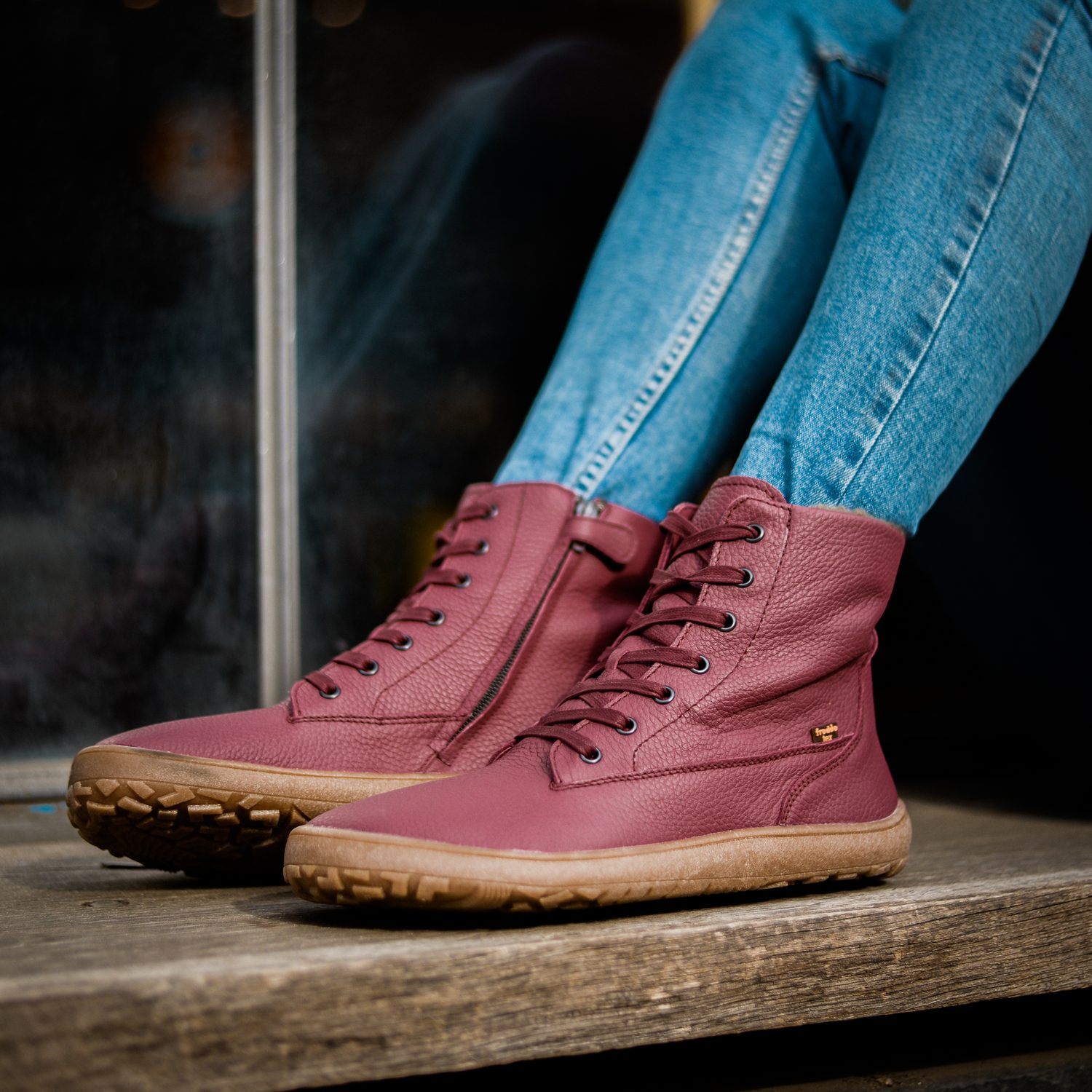
A membrane will work reliably regardless of which socks you choose, but for maximum comfort, the right socks really matter.
In barefoot shoes with a membrane, performance socks made from various synthetic materials work well – for example Coolmax, polypropylene, polyester and elastane.
If you prefer natural materials, like we do at naBOSo, merino wool socks (or socks with a high merino content) pair best with membrane shoes. Among purely natural materials, they offer excellent temperature regulation, are naturally antibacterial, wick sweat well, and keep you warm even when damp.
Avoid cotton socks. Why? Cotton absorbs moisture/sweat easily and dries slowly, which can lead to sweaty feet, blisters and a cold feeling inside your shoes.
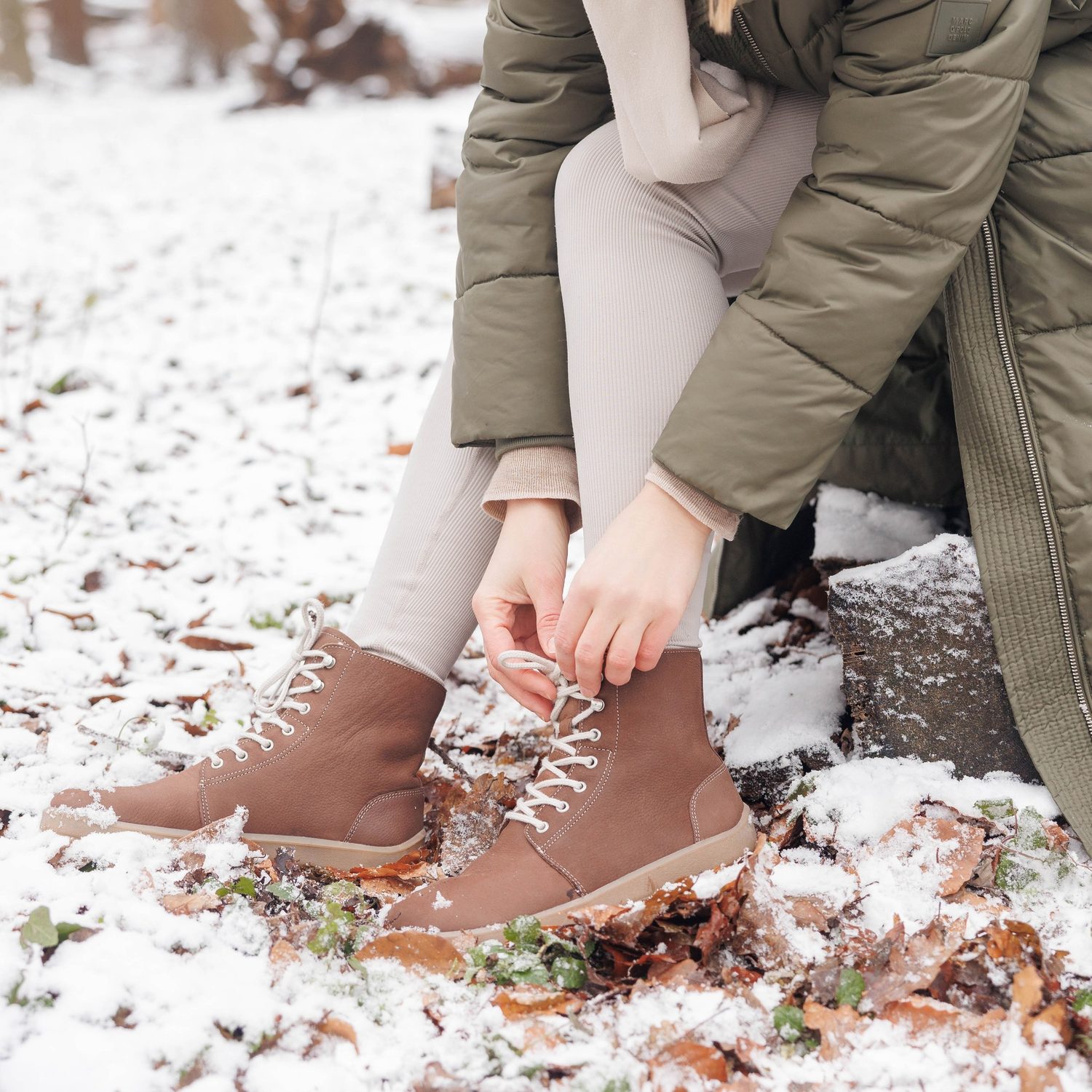
Proper care for barefoot shoes with a membrane not only extends their lifespan, but above all preserves the membrane’s performance.
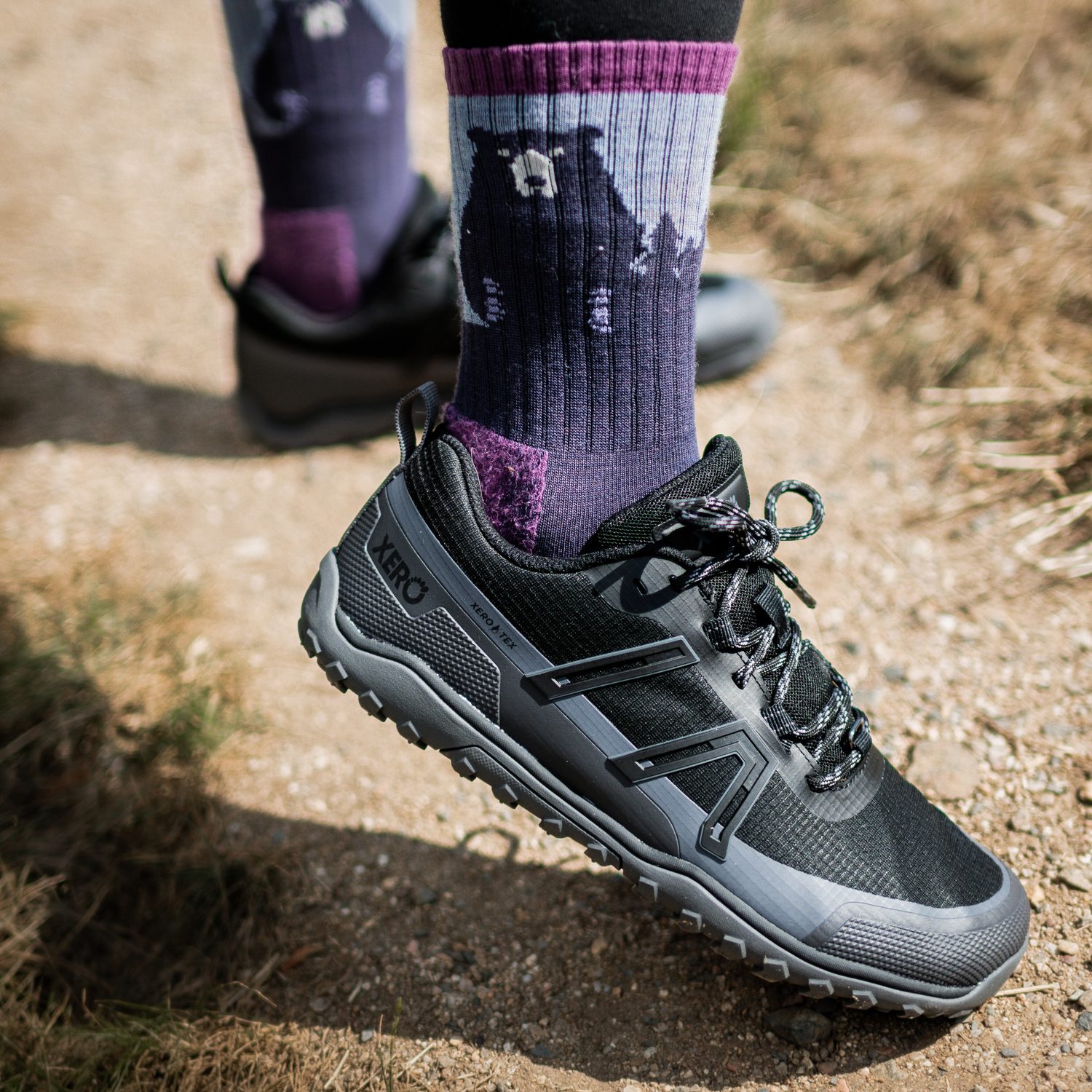
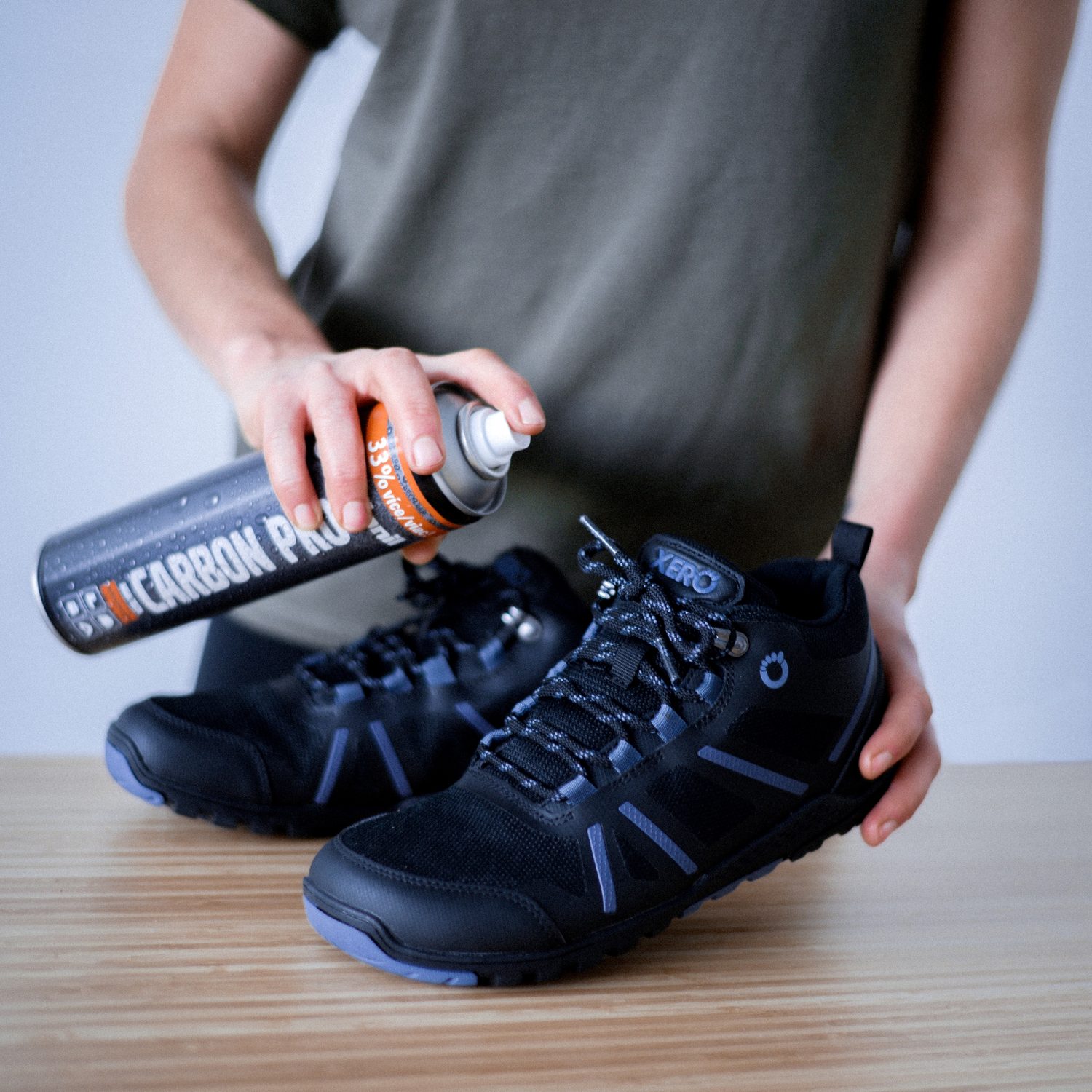
A key part of maintaining membrane shoes is regular waterproofing. It protects the material from water and dirt – and in winter months, from aggressive road salts too.
Always use a waterproofing product specifically designed for membrane materials (TEX). Standard waterproofing products can clog the membrane’s micropores and reduce its performance – especially breathability.
Spray the waterproofing spray from a distance of about 20 cm over the entire surface of clean shoes and leave to dry. Pay special attention to seams and joins, where water most often gets in. Repeat the application according to the specific manufacturer’s recommendations – ideally every 14 days.
Footwear with membrane technology is an essential part of the kit for active people. In our experience, children’s shoes with a membrane are appreciated by all parents for kids of every age – from year-round children’s shoes to cosy winter pairs.
Thanks to the exceptional properties and comfort membrane footwear offers, this technology has gradually made its way into everyday shoes too – from trainers to autumn and winter shoes, right through to boots.
In our range of barefoot shoes with a membrane, you’ll find options for both leather lovers and fans of vegan materials. Filters on the e-shop make choosing easier. Just enter the parameters you want and view only the relevant models.
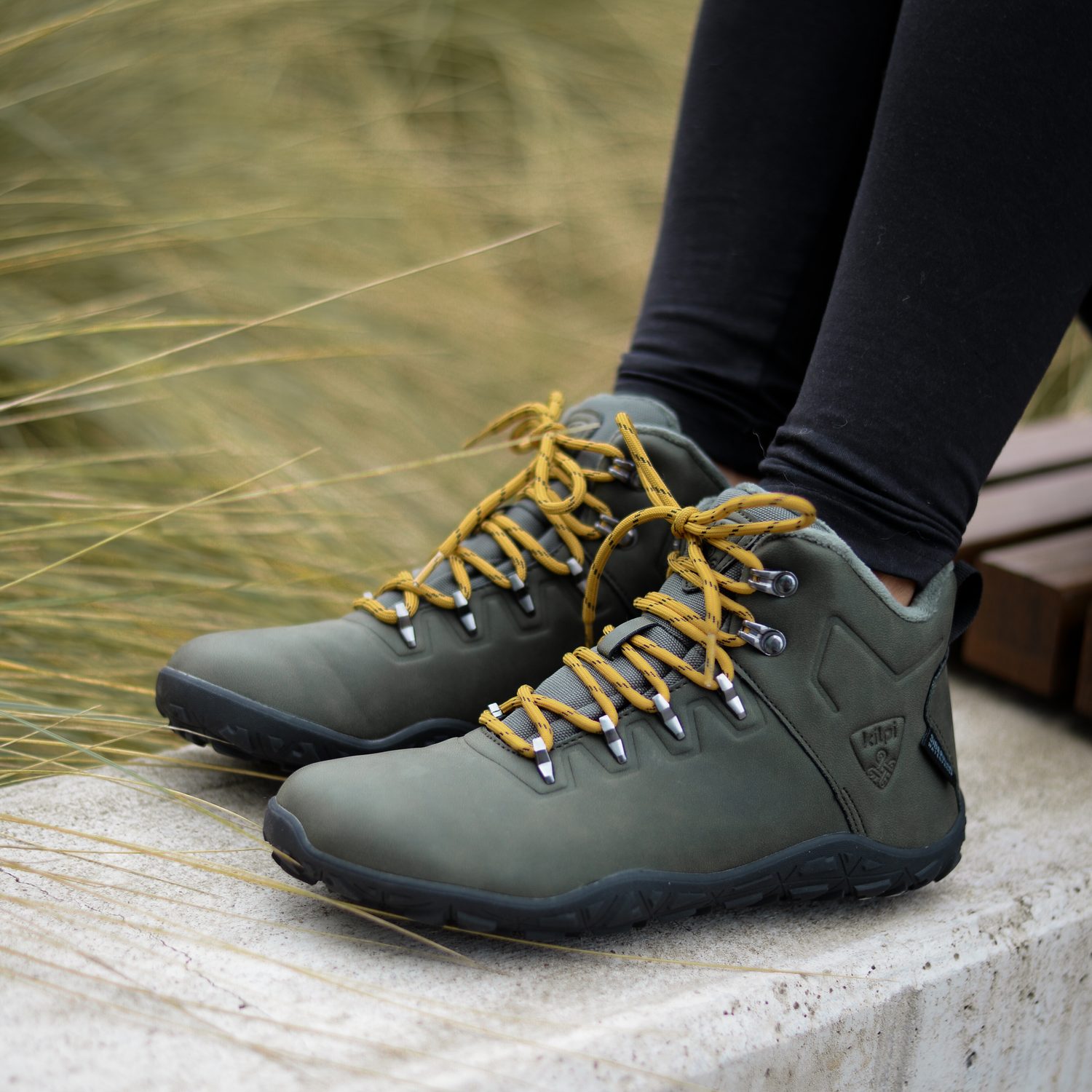
In our brick-and-mortar shops and online, barefoot shoes with a membrane are among the most popular. You’ll find women’s, men’s and children’s models. Shoes for hiking, the city and winter.
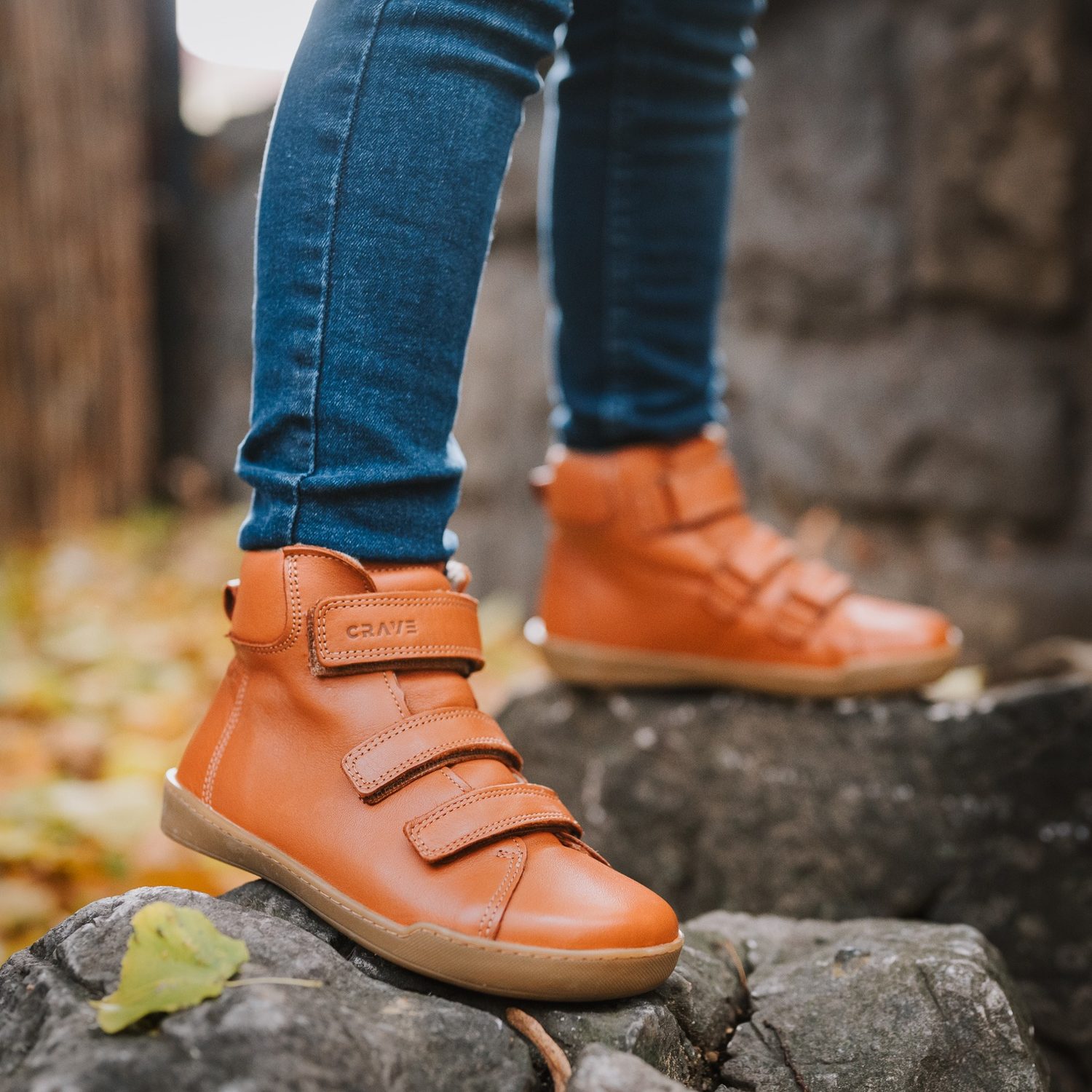
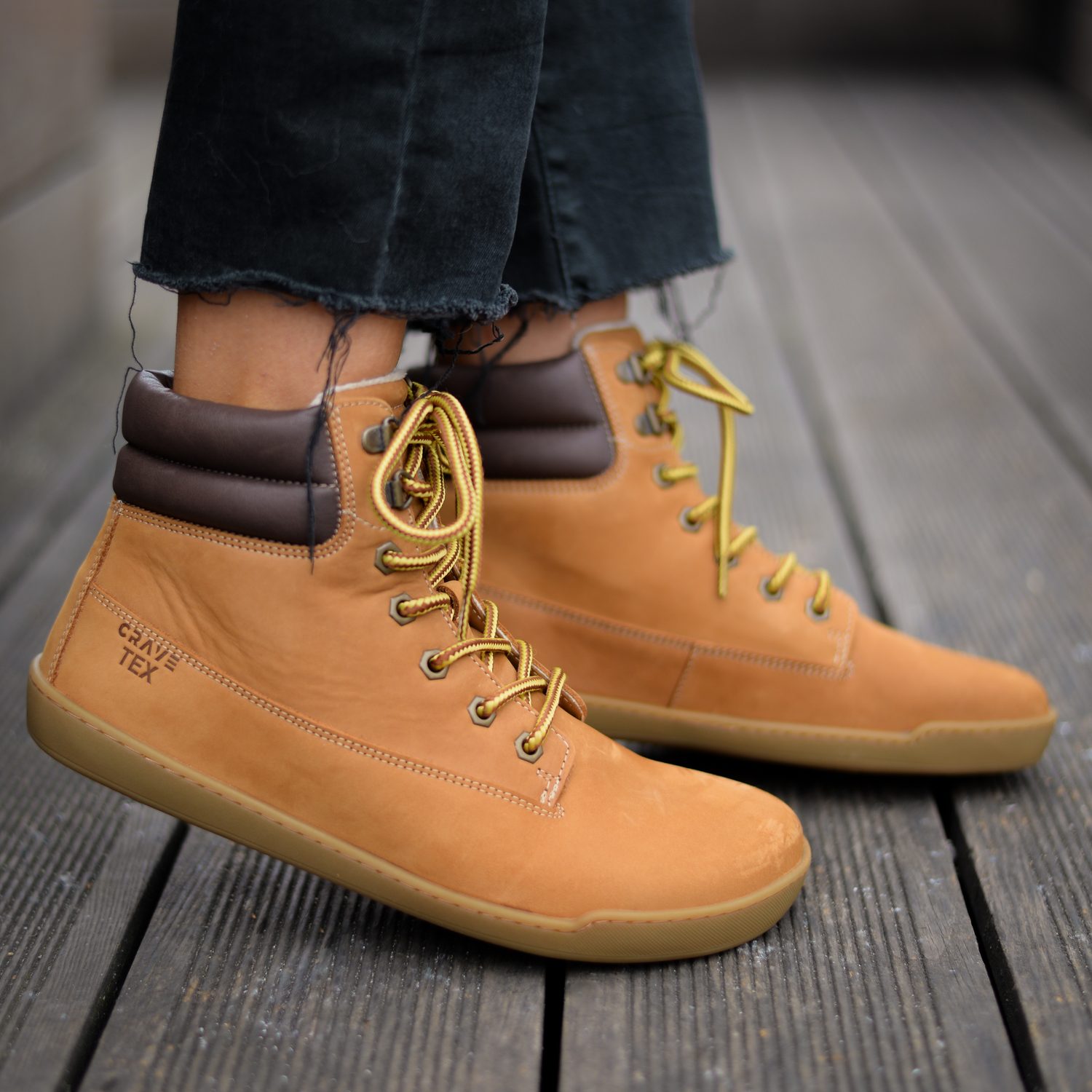
Barefoot shoes with a membrane are a great choice for all children and adults who want to keep their feet dry and warm, while still craving freedom of movement and ground contact 365 days a year.
The key is choosing a quality model from a reputable brand, picking suitable socks, and keeping up regular care with the right waterproofing product. Then your feet will be happy to head outdoors in any weather.


 £ - EN
 Čeština
 English (US)
 Slovenčina
 Magyar
 български
 Polski
 Dansk
Dansk
 Nederlands
 Svenska
 Suomi
Suomi
 Español
 Français
 Slovenščina
 Română
 Português
 Deutsch (DE)
 Deutsch (AT)
 Deutsch (CH)


