We’ll be happy to help via online chat or at: orders@premiumbarefoot.com

Selecting and Maintaining Barefoot Shoes
Have you chosen barefoot shoes and ended up with wet feet in the first proper downpour? We’ll explain the difference between water-repellent and waterproof, and help you pick the right care products.
When we’re choosing new shoes, outdoor clothing or a backpack, we want the best option: something that looks good, feels comfortable and works well in real life. After all, it’s not exactly pocket change — you don’t want to replace things after just a few months. One key parameter that’s well worth checking is water resistance. Let’s take a closer look…
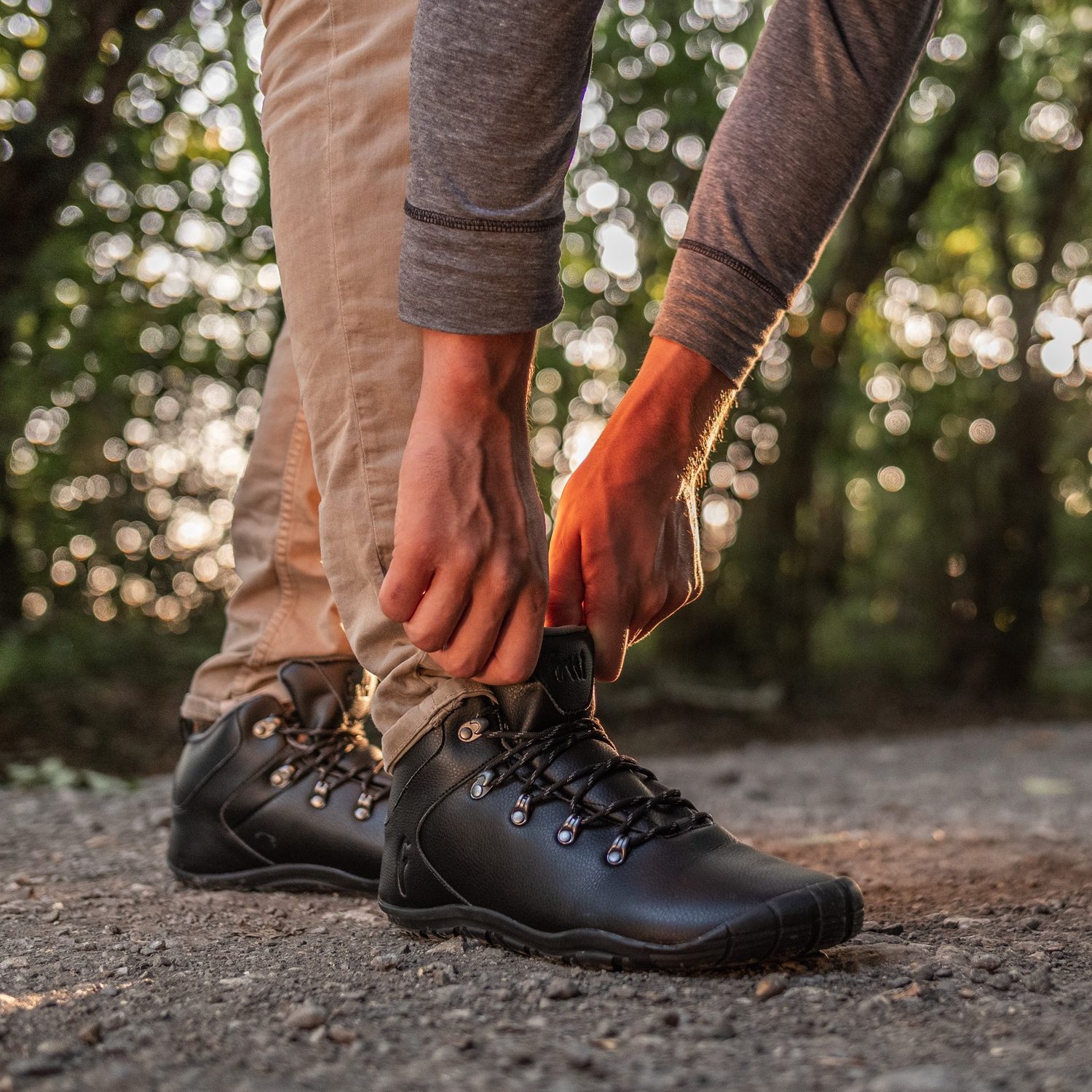
Waterproof or water-repellent? It can sound like splitting hairs. But while the words are close, the difference in meaning is huge. Here’s the simple version — once and for all:
Right — now you know the essentials. Let’s look at it in more detail, specifically for shoes and materials.
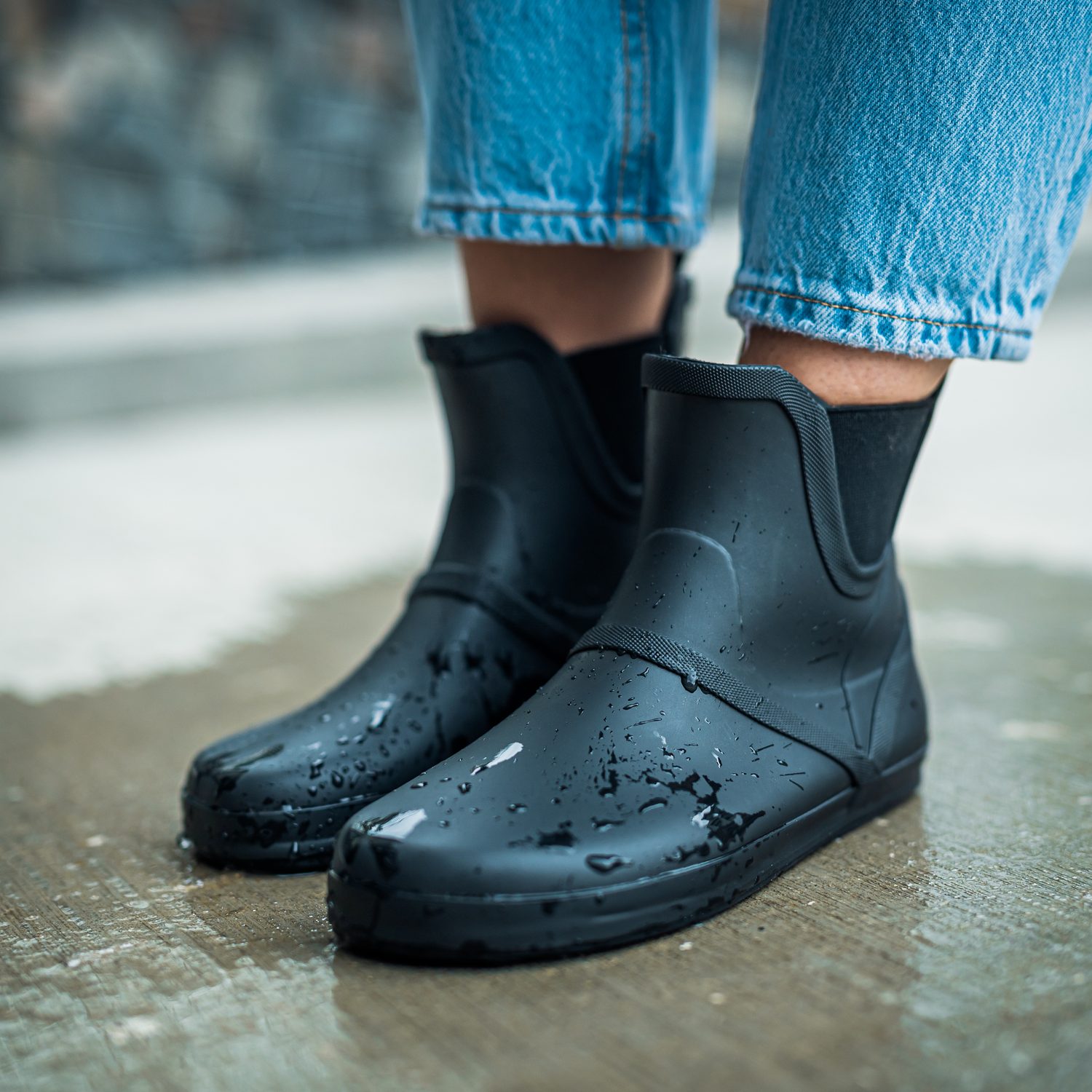
Whether it’s clothing, a backpack or shoes, “waterproof” means it’s the right choice. These special materials can save the day — especially in unpredictable weather. They have a special surface treatment, so water droplets stay on the surface and don’t soak through. In other words, it’s a permanent finish that simply works.
When choosing outdoor clothing, you’ve probably seen something like “water column: 10 000 mm”. That’s exactly it. Water resistance is measured as a water column and the number tells you how many millimetres of water the material can withstand before it starts to leak. Imagine placing a tube on the fabric and pouring water into it. Once you fill it above 10 000 millimetres, the material begins to let water through. By the way, ten metres is a solid water column — you won’t be caught out by just any rain.
Another important feature of waterproof materials is breathability. Remember those super-tough raincoats from childhood that didn’t leak — but after a few minutes felt like a steam room? It doesn’t have to be that way. When shopping, look for breathability information too, i.e. the material’s ability to let body moisture escape. You’ll appreciate it — and so will anyone standing near you.
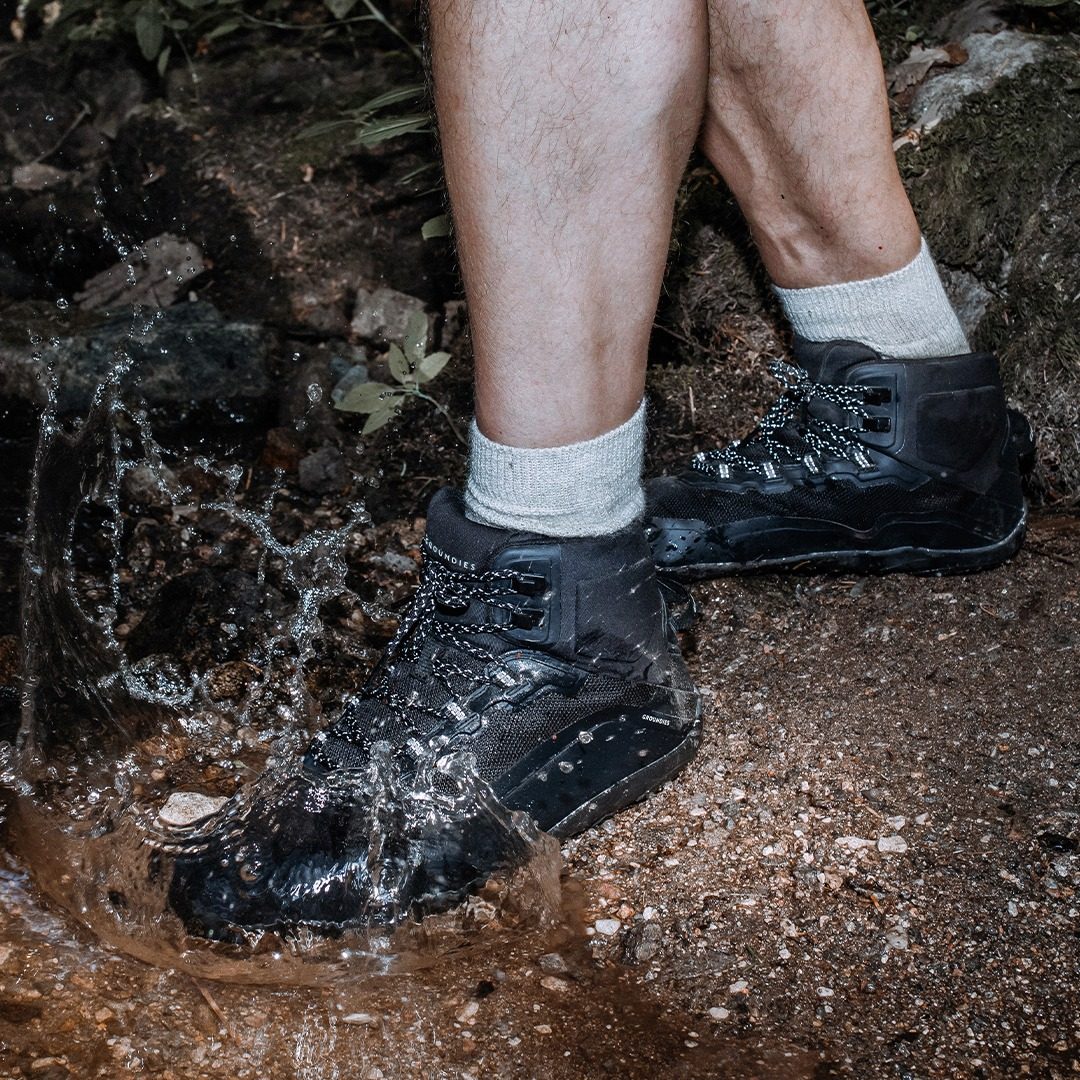
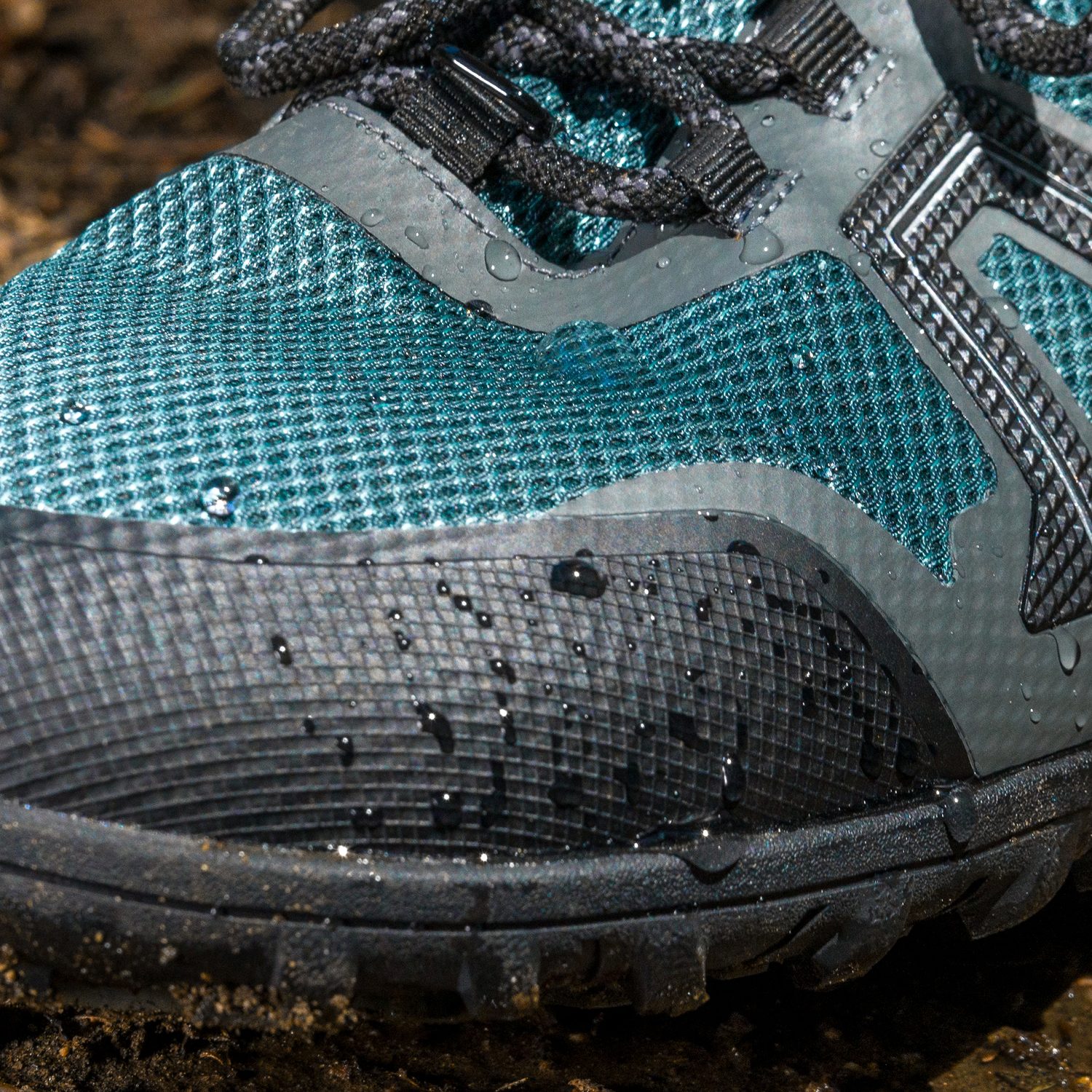
Water-repellent. It sounds tempting — and it’s not a bad thing. Water-repellent materials can handle light showers with no problem at all. But they’re not made for heavy downpours. Water-repellent materials work by forming separate droplets on the surface, which then run off. Have you ever slept in a tent? Morning dew forms droplets that usually run off on their own (or the sun dries them quickly). But brush the wall with your head — and the water ends up inside.
A great support for water-repellent materials is waterproofing spray. With regular waterproofing, you can maintain these properties for years, and your gear will keep performing like new. You probably know this already — it just takes a reminder and actually doing it regularly, doesn’t it?
So how do you choose the right waterproofing spray? We’ll cover that in the next section. But if you don’t want to spend time overthinking it, go for one universal option — for example from the trusted brand COLLONIL.
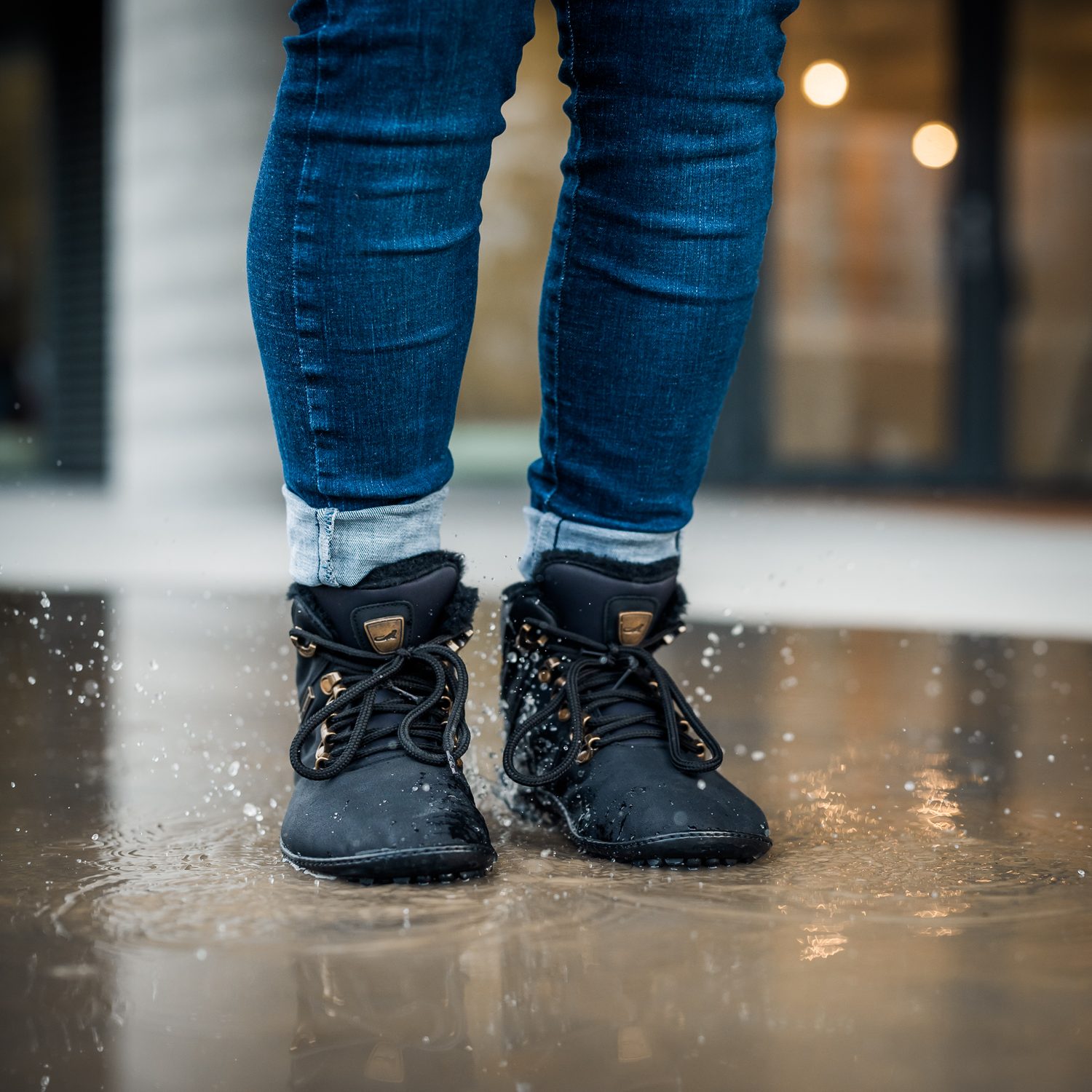
Yes — it’s waterproofing spray. It’s a brilliant helper for keeping your favourite (not only) outdoor textile and leather pieces functional — and it can extend their lifespan by years.
Because we know waterproofing is often overlooked (even though it’s so important), we wanted to go into a bit more detail here — to motivate you to use it regularly.
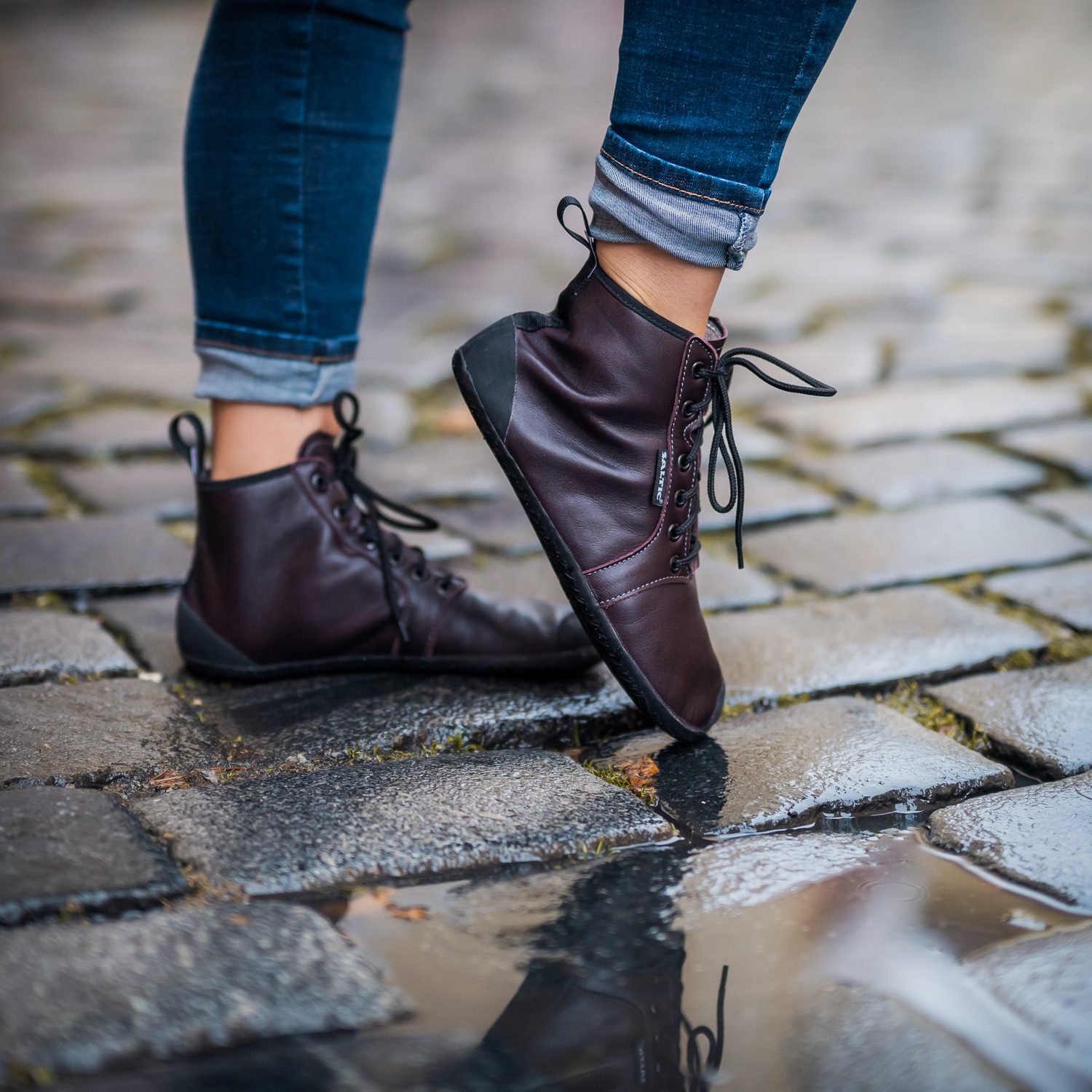
Did you know that even if something does get wet, waterproofing helps it dry faster? A bit magical, isn’t it?
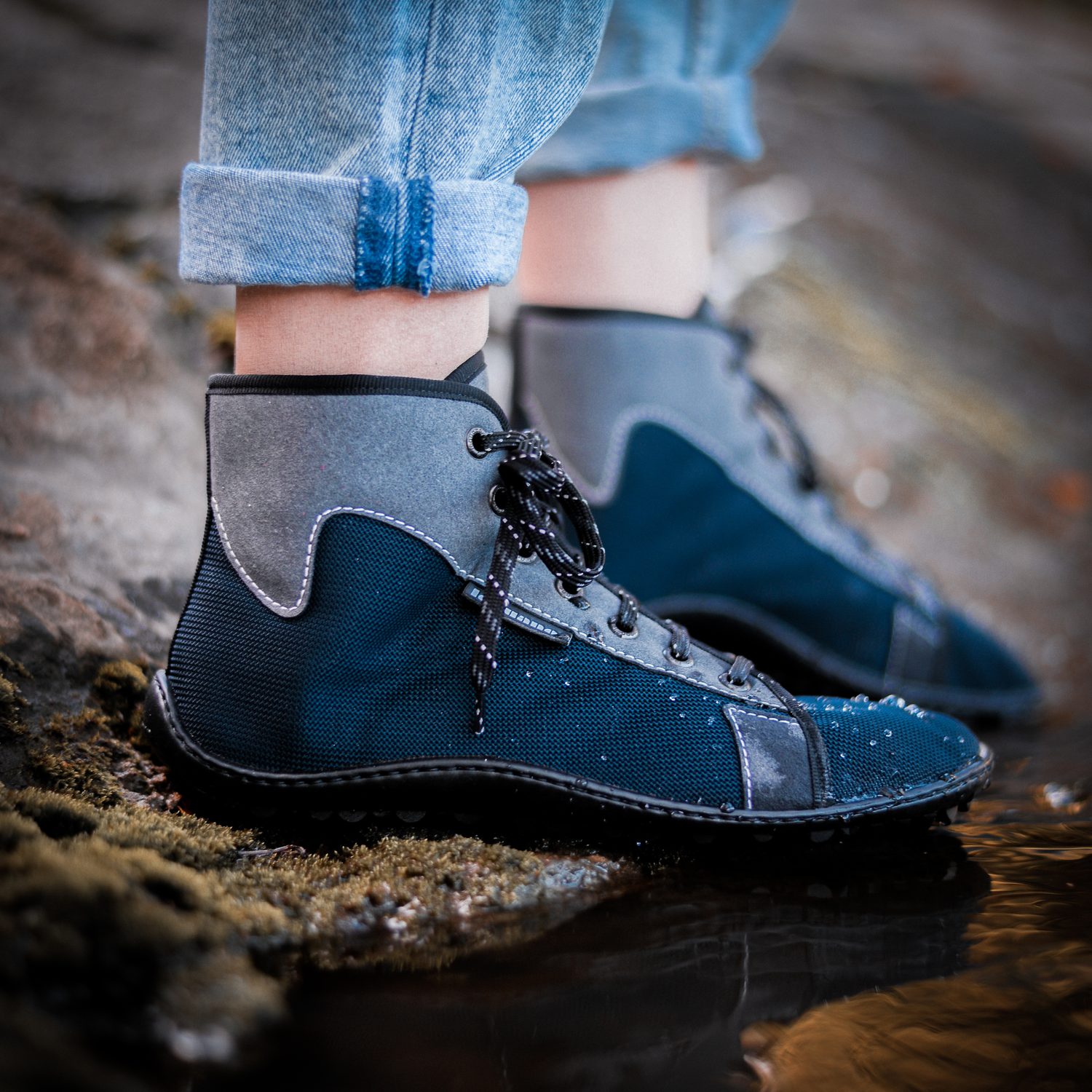
It’s simple — choose based on the material you want to treat. There are specialist waterproofing sprays for textiles, performance footwear/clothing with membranes and leather.
The good news is that most waterproofing sprays can be used on all three material types, so once you pick the right one, you’re set for life. At naBOSo, we’ve had great results with COLLONIL and its carbon technology. It’s also worth mentioning that waterproofing helps protect shoe colour from UV radiation, reducing fading.
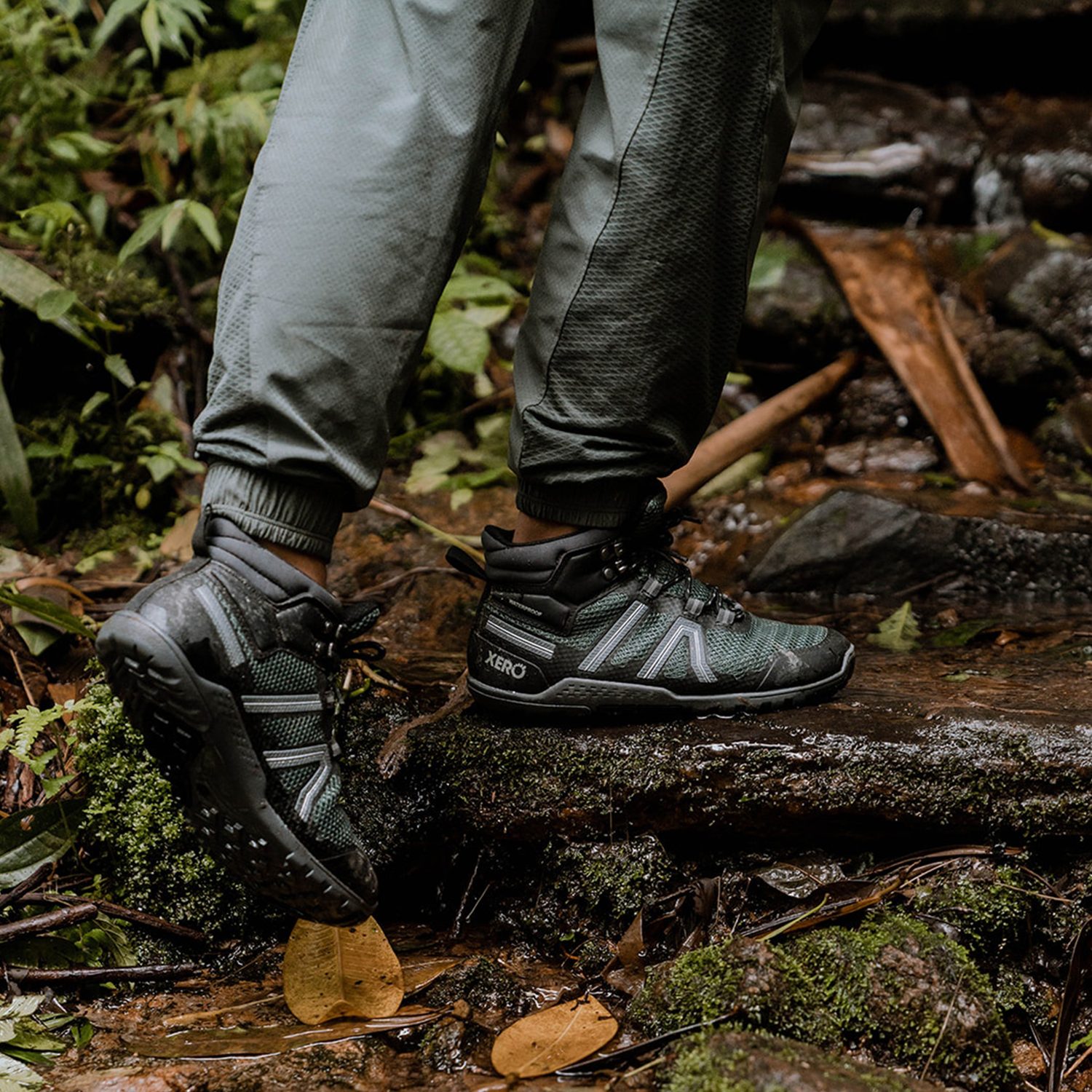
You’ll find a simple general guide for waterproofing sprays below. But we always recommend reading the instructions on the product packaging.
Waterproofing can be done as often as every 14 days. If you remember once a month, that’s great too. Or at least every time the item gets wet or soaked through.
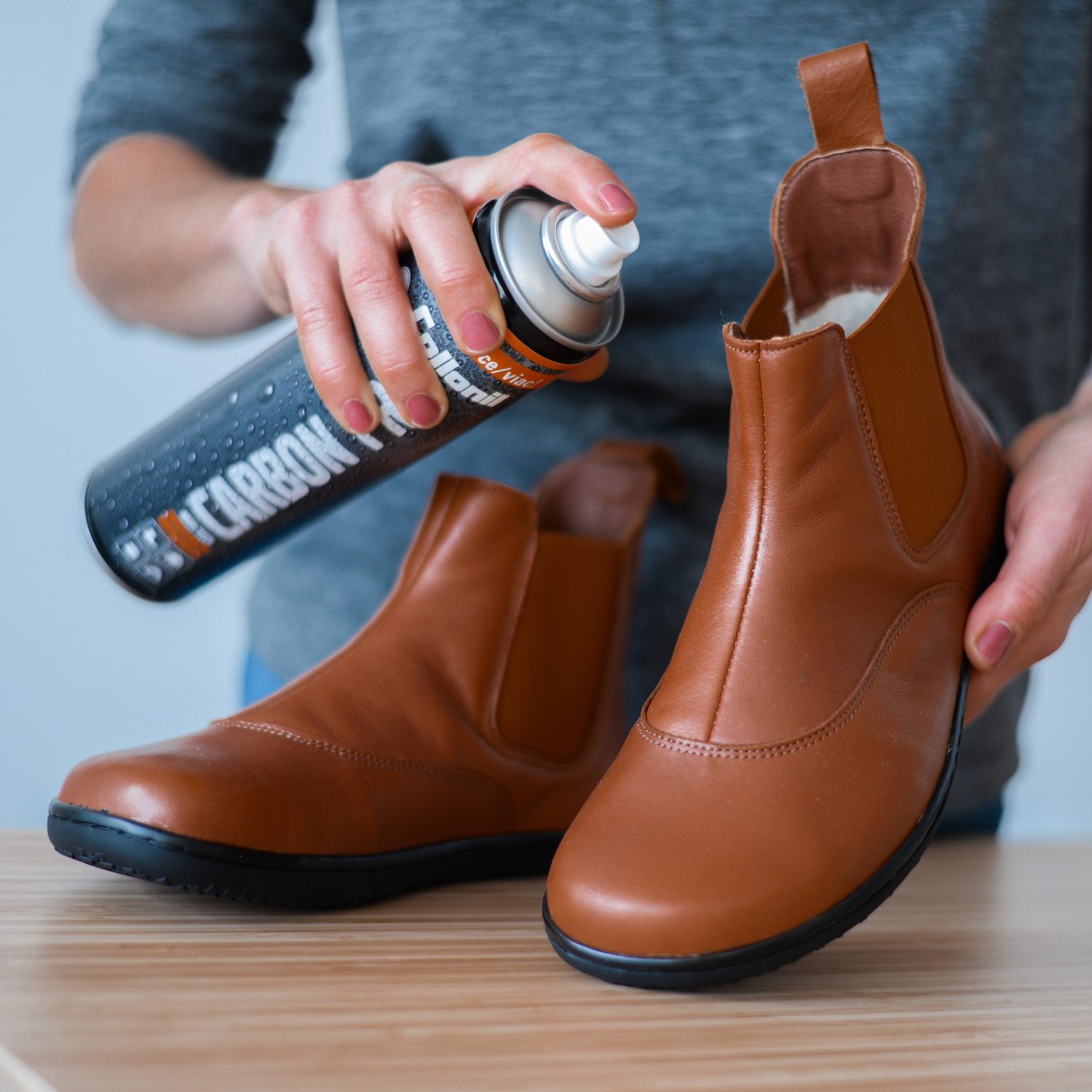
naBOSo tip: Collonil Carbon Pro waterproofing spray with new carbon technology and extremely high effectiveness can be used on all types of materials, including climate membranes. It combines protection with excellent breathability. It protects against moisture, deep dirt, stains and grease. Regular application makes cleaning easier and extends the lifespan of treated products.
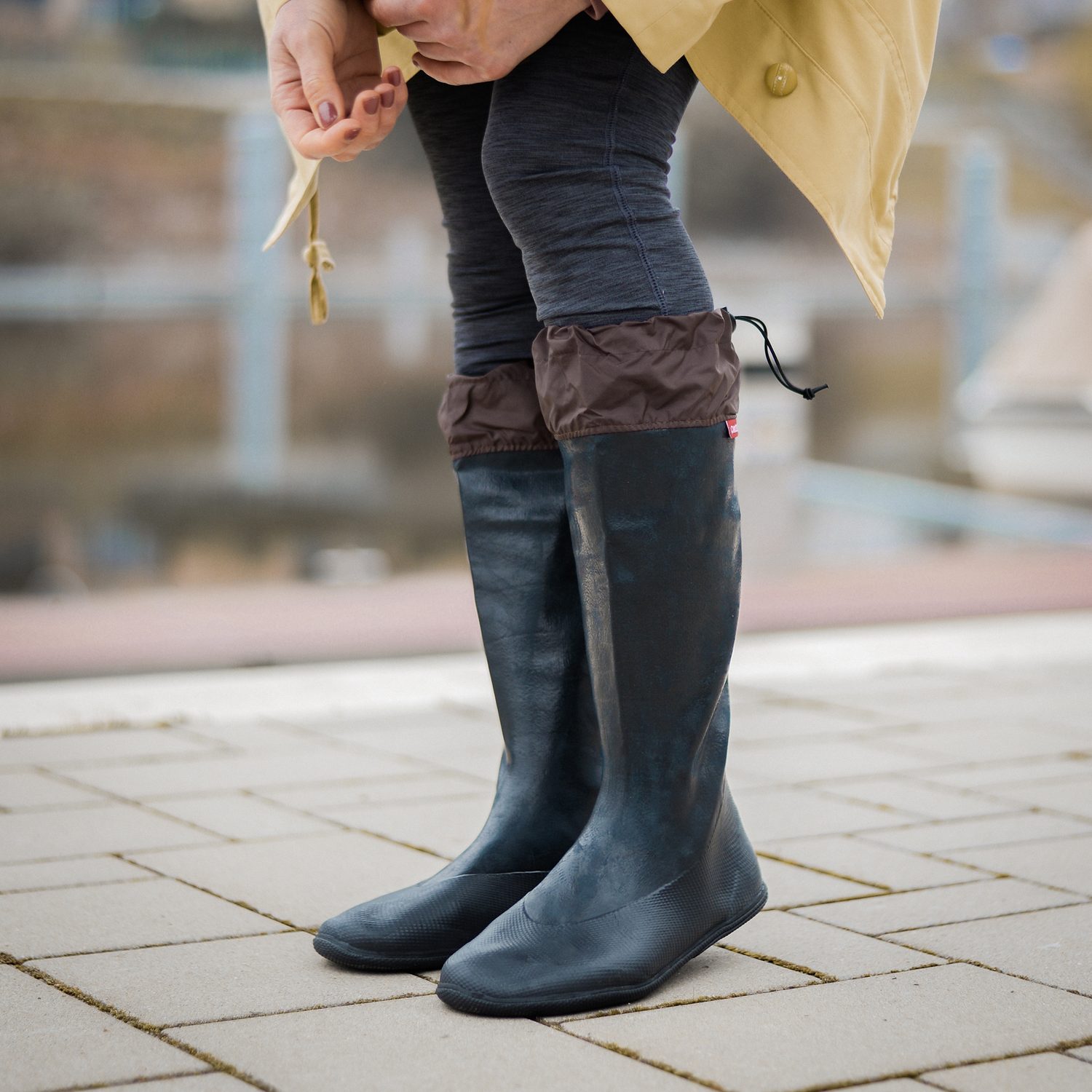
Sometimes there’s no way around it — it’s pouring down, you need to head out, and you know that even waterproofing (and your footwear) won’t be enough for this kind of rain. So here’s an idea: try waterproof socks. Seriously? Seriously. A brilliant travel companion when you don’t know what you’ll run into. These socks don’t give up easily — and not much catches them out. They’re ideal for hikes, running and walks through morning dew.
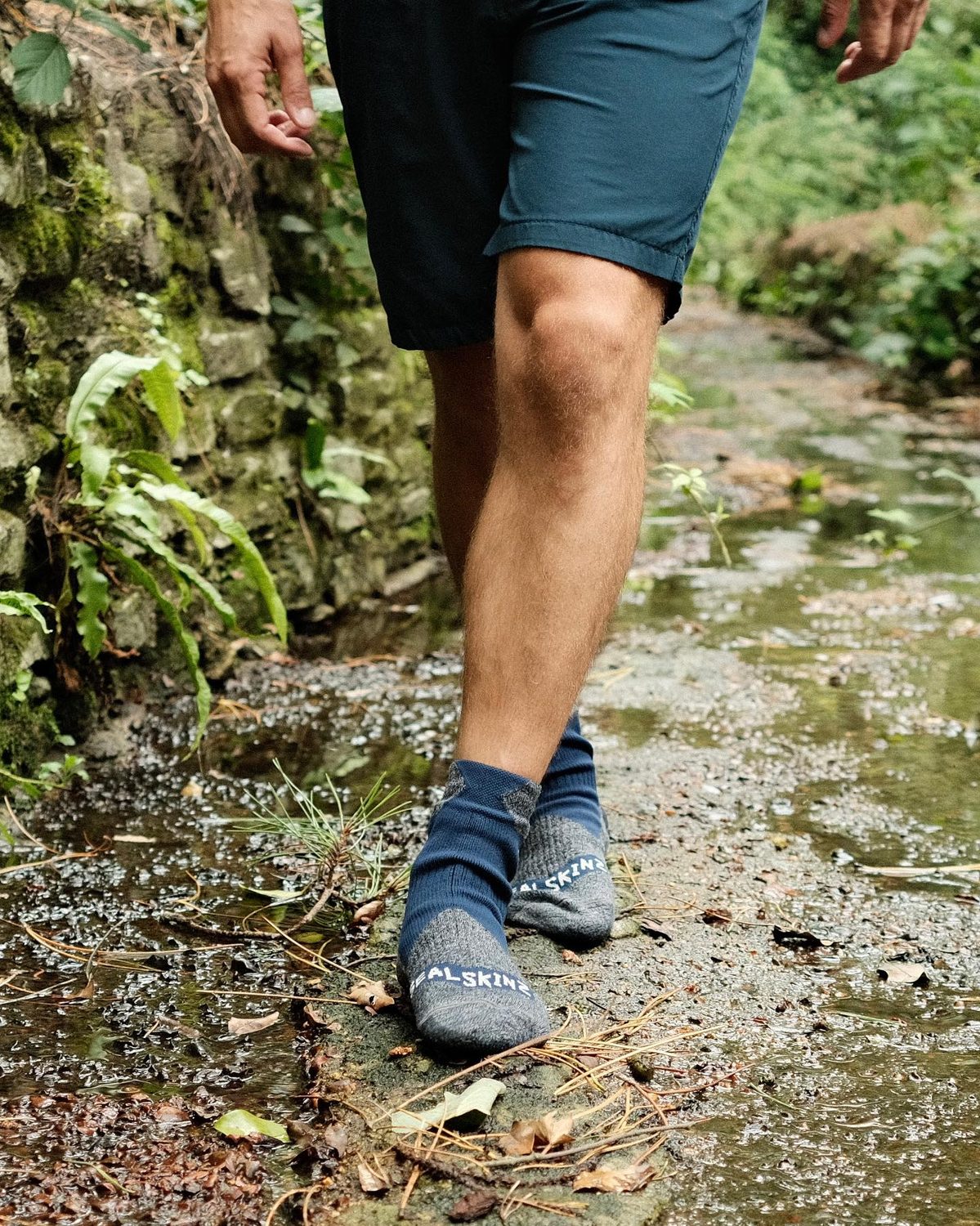
Or if you don’t want to torture your feet in heavy leather hiking boots and prefer breathable textile materials, waterproof socks can save your feet in bad weather. They can also help prevent unpleasant blisters. Dry feet are the foundation of any good day out.
They’re also a great gift idea for athletes, adventurous travellers and anyone who loves exploring mountains and natural beauty.
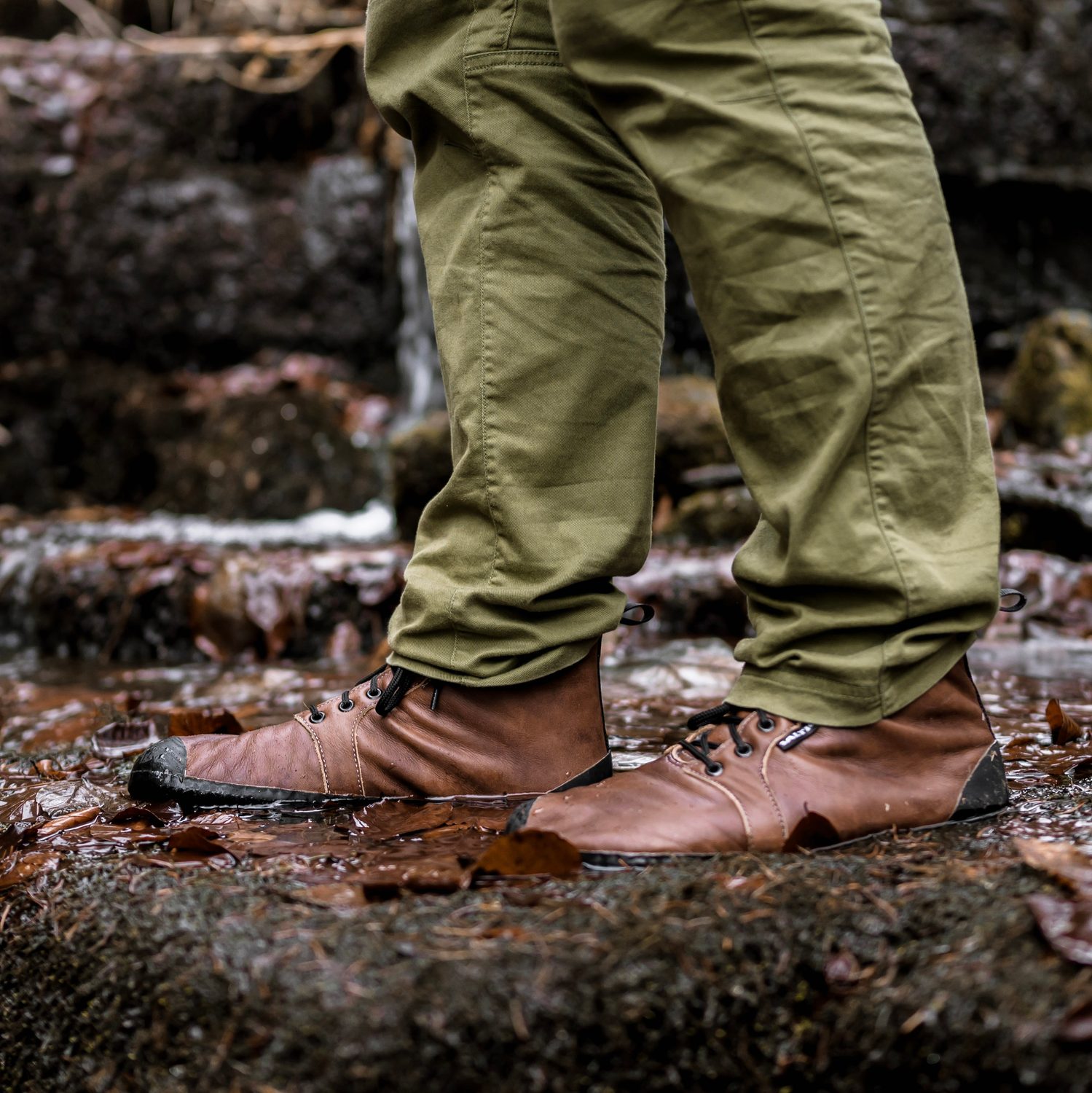
More than one mum has said: Look after your things properly and they’ll last you a long time. And let’s be honest — mums are usually right. Whether it’s your barefoot shoes, a piece of technical kit or a backpack, with good care your gear will serve you well for years.


You are currently on www.premiumbarefoot.co.uk


 £ - EN
 Čeština
 English (US)
 Slovenčina
 Magyar
 български
 Polski
 Dansk
Dansk
 Nederlands
 Svenska
 Suomi
Suomi
 Español
 Français
 Slovenščina
 Română
 Português
 Deutsch (DE)
 Deutsch (AT)
 Deutsch (CH)

