We’ll be happy to help via online chat or at: orders@premiumbarefoot.com

Walking, Movement and Health Stories and Brands
What does orthopaedic prosthetics mean? What are the most common foot issues specialist Petr Kadlec deals with, and what’s his view on barefoot shoes? Read the interview.
Petr Kadlec is an orthotist-prosthetist and has gained hands-on experience in several prosthetics companies, where he focused on making custom orthopaedic aids. What does that include? Prostheses for patients after amputation, limb orthoses for children with disabilities, taking measurements for bespoke footwear, as well as producing orthopaedic and sensomotor insoles.
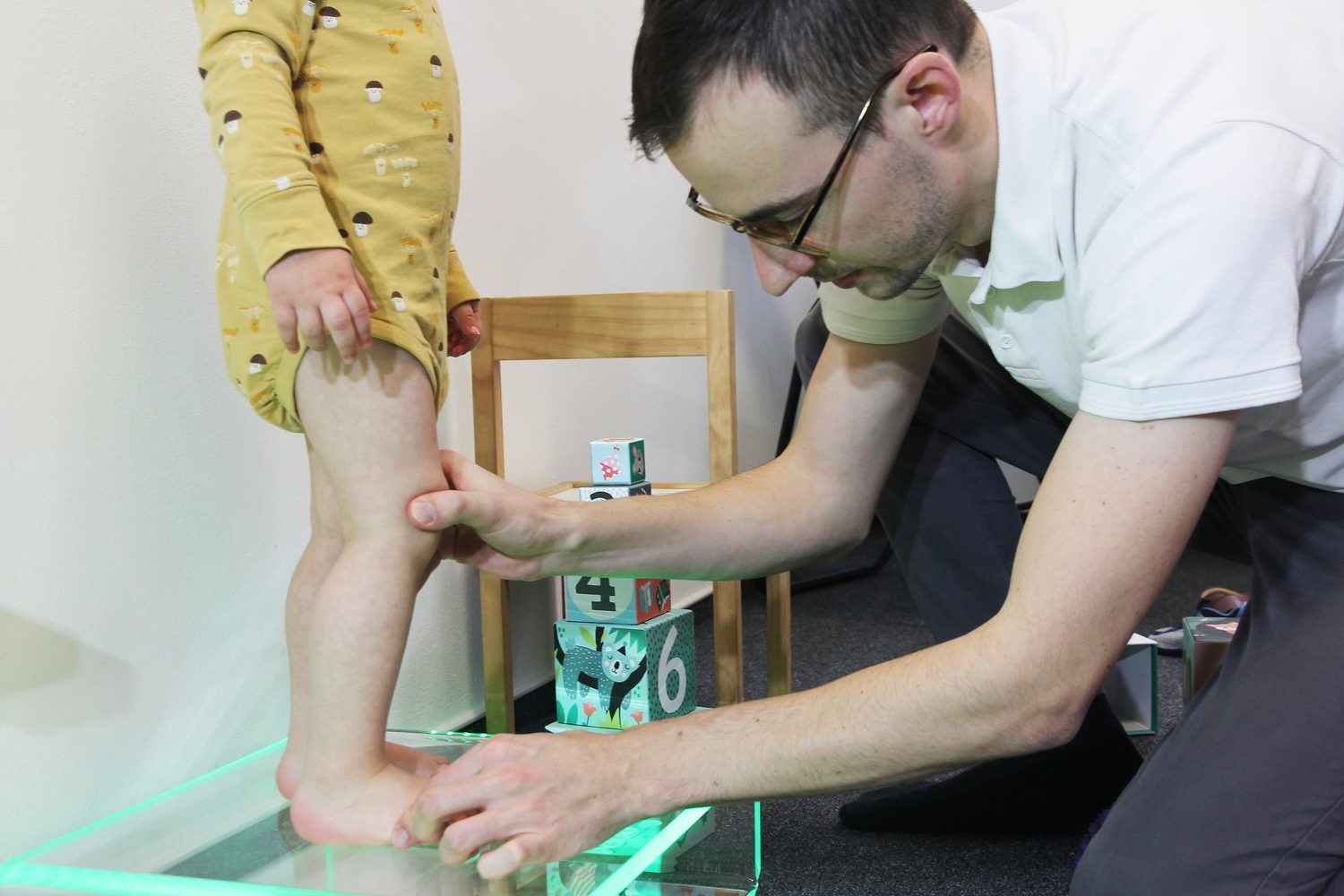
He now applies his knowledge and experience from prosthetics practice in a podiatry clinic in the Zlín Region. Here, he mainly focuses on functional assessment of the feet and gait, with the option of a comprehensive solution including custom insoles and advice on choosing the right footwear. In his work, he stays in contact with physiotherapists and doctors so that clients’ health issues are always addressed in a truly holistic way.
It’s a broad healthcare field with a whole range of sub-specialisms. An orthotist-prosthetist makes, for example, limb or trunk orthoses, prosthetic devices for patients after amputations, orthopaedic insoles, and bespoke orthopaedic footwear and so on. Aids are made either custom-made for the client, or the aids provided are off-the-shelf. Of course, it all depends on the specific health issue and the needs of each individual client.
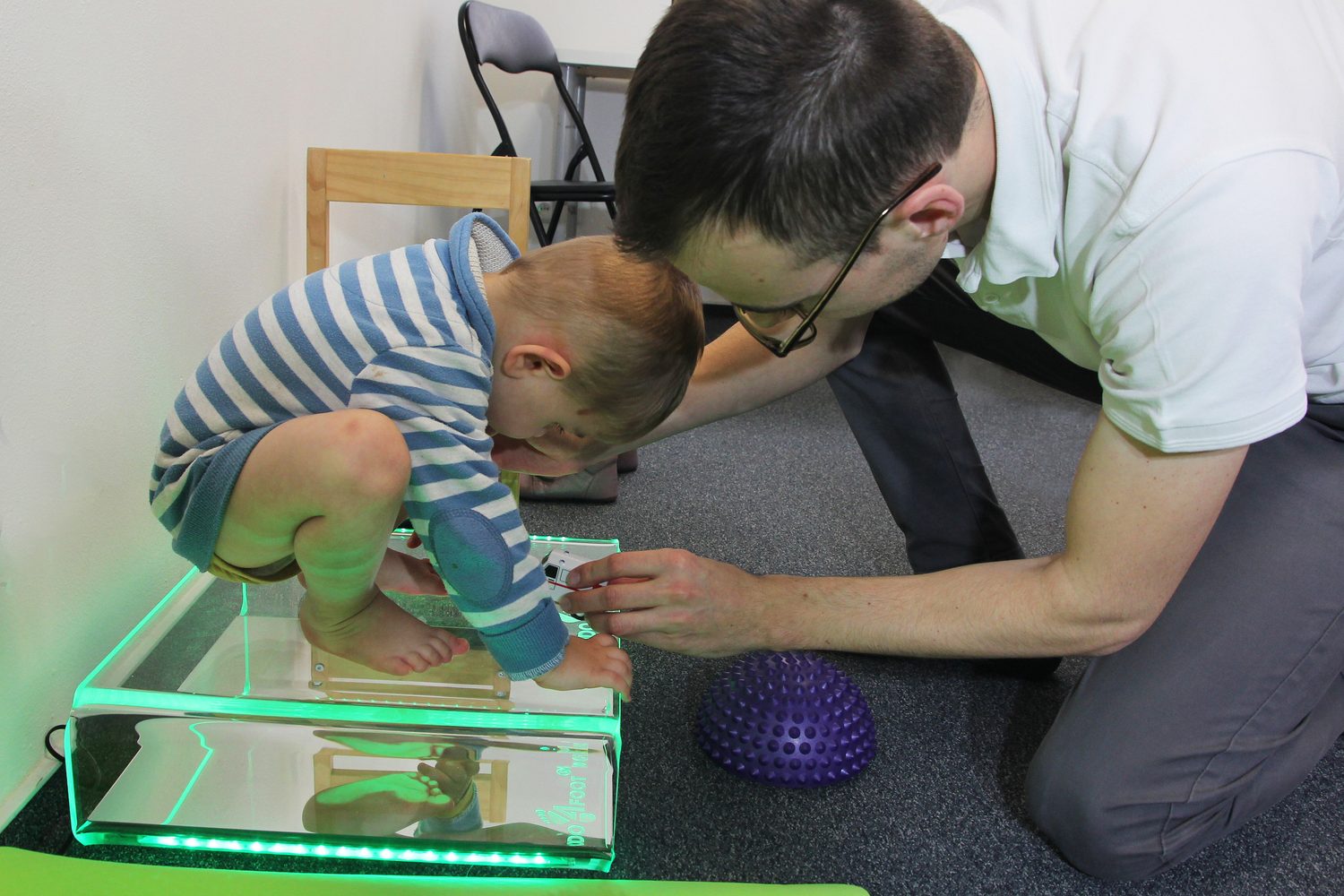
It’s very individual, i.e. it depends on the type of aid you’re looking for and the client’s health condition. If a client needs a simpler aid, such as an off-the-shelf insole, a heel lift, a toe separator, etc., then they can come to orthopaedic prosthetics at any time without any referral from a doctor and they will pay for the aid themselves.
However, most aids are custom-made and very expensive, and without a referral from a specialist doctor the client can’t do without one – it’s about issuing a voucher or request form. The speciality of the prescribing doctor is always determined by the type of the specific aid. Even with more complex aids, though, you won’t go wrong by visiting an orthopaedic prosthetics clinic directly and asking there about the correct procedure.
You’ll learn lots of important information (which doctor you should see, what form you need to bring, how the approval process with the health insurance company will work, how the aid will be made, and so on).
It’s a medical device made specifically to measure for a particular client and it can’t simply be used for someone else. Measurements are taken individually depending on the aid. This might involve plaster casting, scanning, fine-tuning the device to fit, heating and moulding corrections, etc.
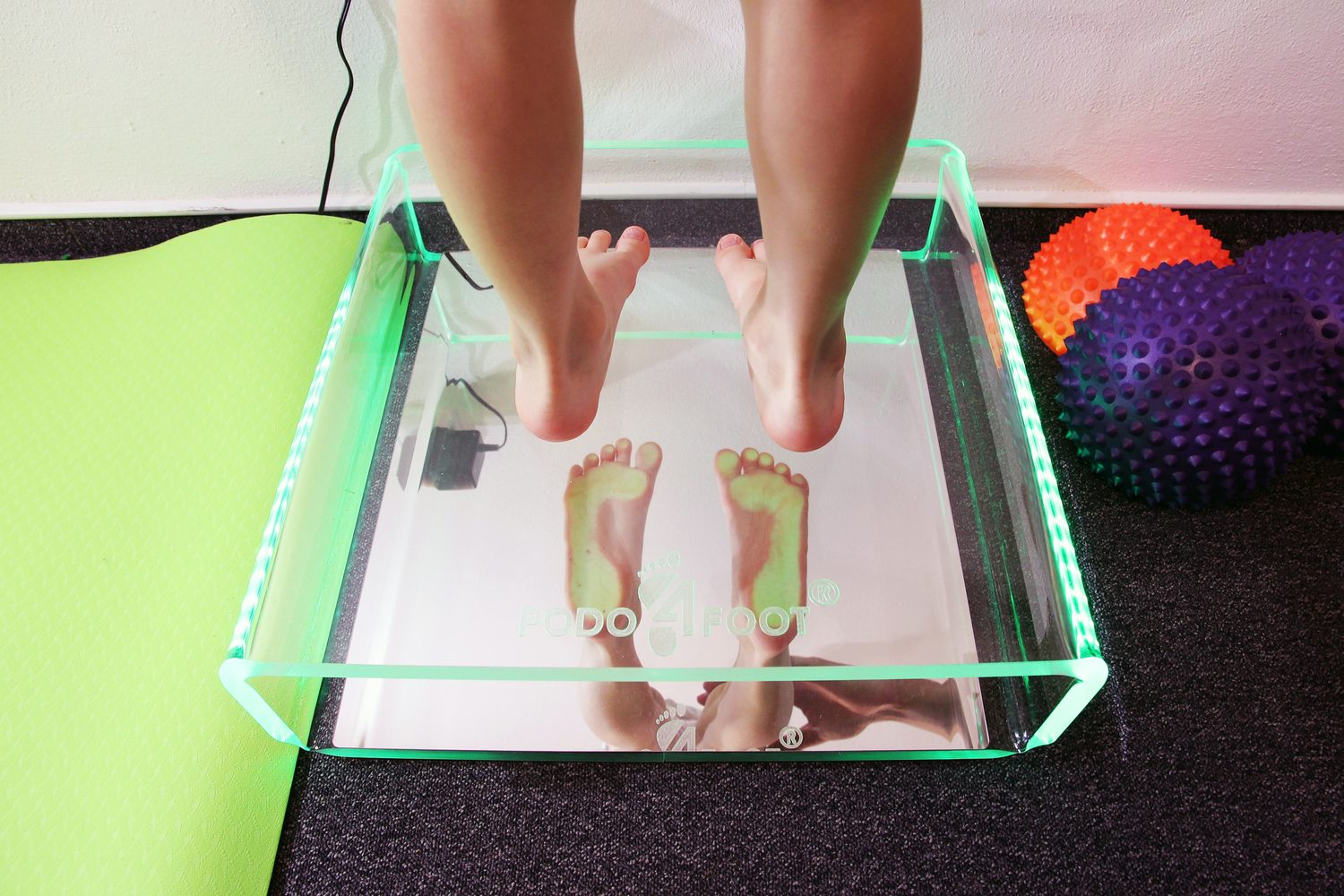
A big one. With most medical aids, the rule is that on their own they solve almost nothing. Put simply, they can be a good servant but a bad master. Any aid needs to be supported with proper education, ongoing check-ups and, above all, regular exercises under the guidance of a physiotherapist.
In terms of the timeline: the doctor prescribes the aid, the prosthetist helps the client with approval from the health insurance company, arranges production and then training on how to use it – but in the end, it’s the physiotherapist who spends the most time with the client. They guide the client, do the exercises with them, discuss everything around the health condition and the aid, and try to make the most of both the client’s potential and the aid provided.
In practice, I’ve found it works well to be in touch with the physiotherapist from the very first consultation with the client. This approach often prevents misunderstandings and, before production even begins, confirms that the planned aid will align with the long-term goal of the therapy.
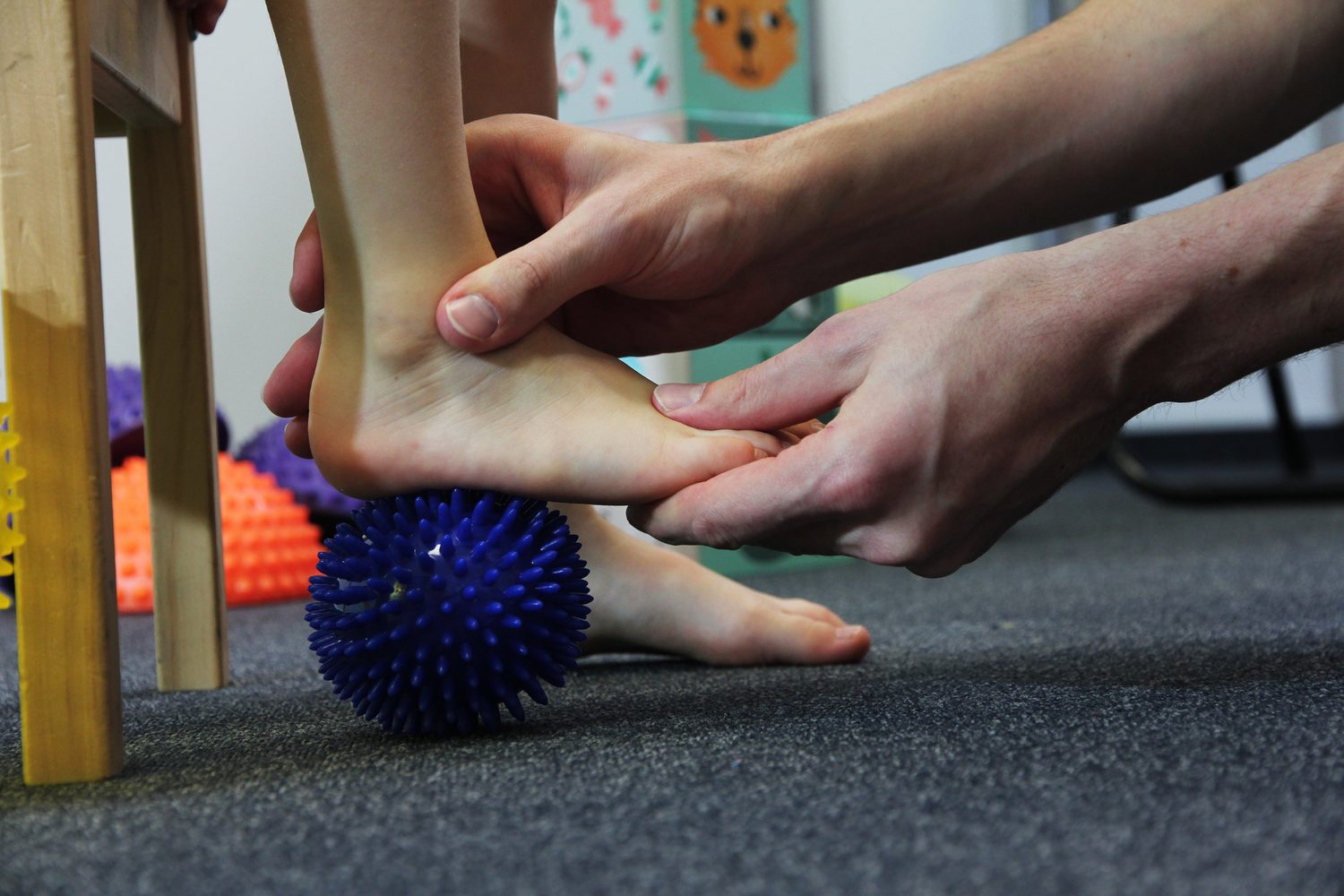
That depends on what type of medical aid you’re dealing with. If it’s, for example, orthopaedic insoles or a post-injury limb brace, then the main goal is to wear the aid only for as long as necessary and, thanks to physiotherapy and the client’s proactive approach, improve their condition to the point where they can do without the orthopaedic aid completely, or only wear it occasionally as needed.
In more complex cases – for example aids for patients after amputation, clients with severe orthopaedic or neurological conditions, etc. – it’s of course true that they can’t manage day-to-day life without a medical aid, and communication between the client and the prosthetist is long-term.
My focus is on children’s limb orthoses, sensomotor and orthopaedic insoles, and the related functional assessment of the feet. A natural extension of these areas is also recommending suitable footwear in which the client will wear the aid.
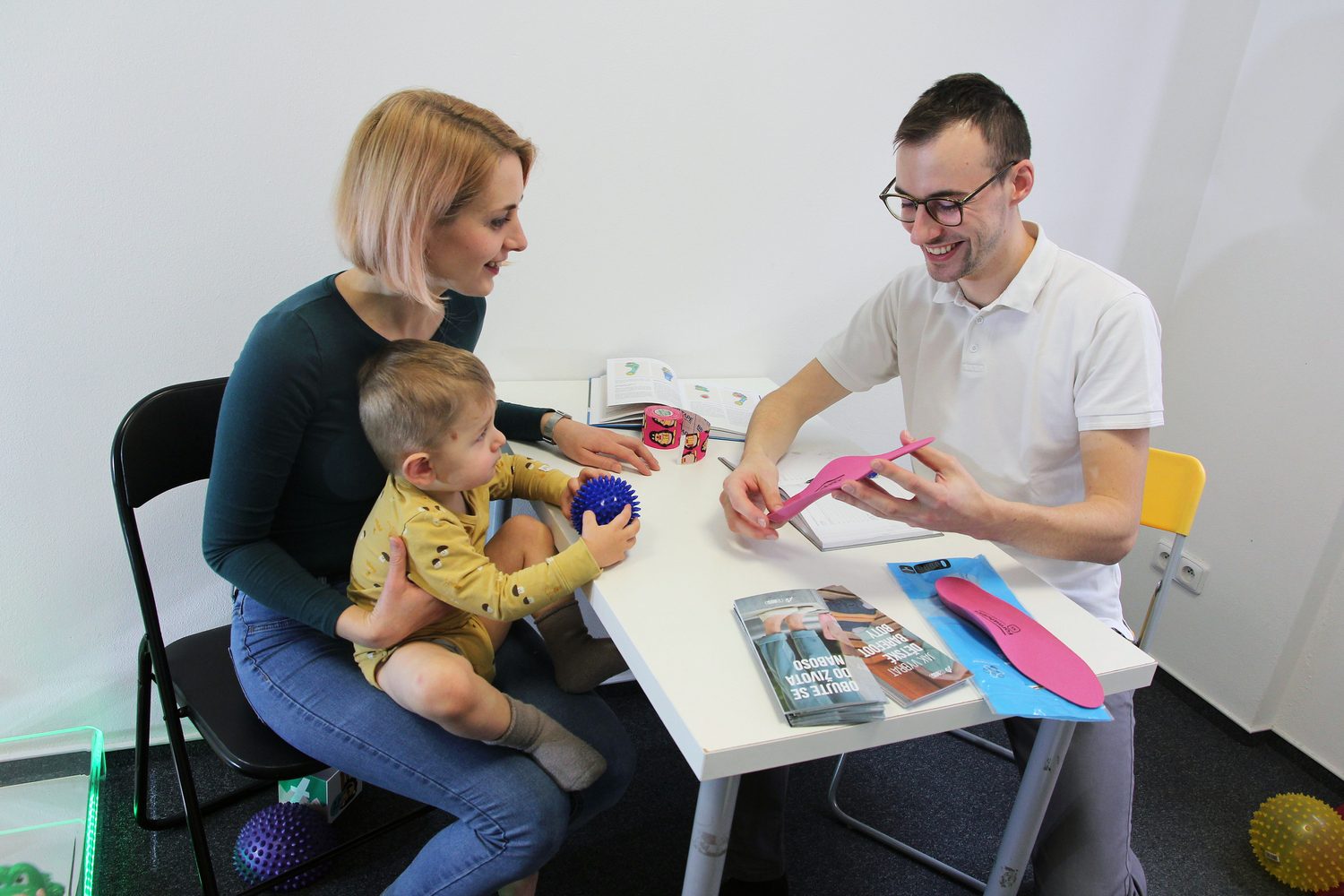
Yes. Last year I started my own practice, which I launched in Luhačovice and more recently also in Vizovice in the Zlín area. In the clinic I work with adult clients as well as children, and the main aim is a comprehensive foot assessment and a proposal for an appropriate individual plan. The solution may involve, for example, lifestyle measures, explaining suitable exercises, making custom insoles, or recommending appropriate footwear.
Most often it’s various deformities and pain in the feet, such as a bunion, hammer toes, a heel spur, arch pain and calluses.
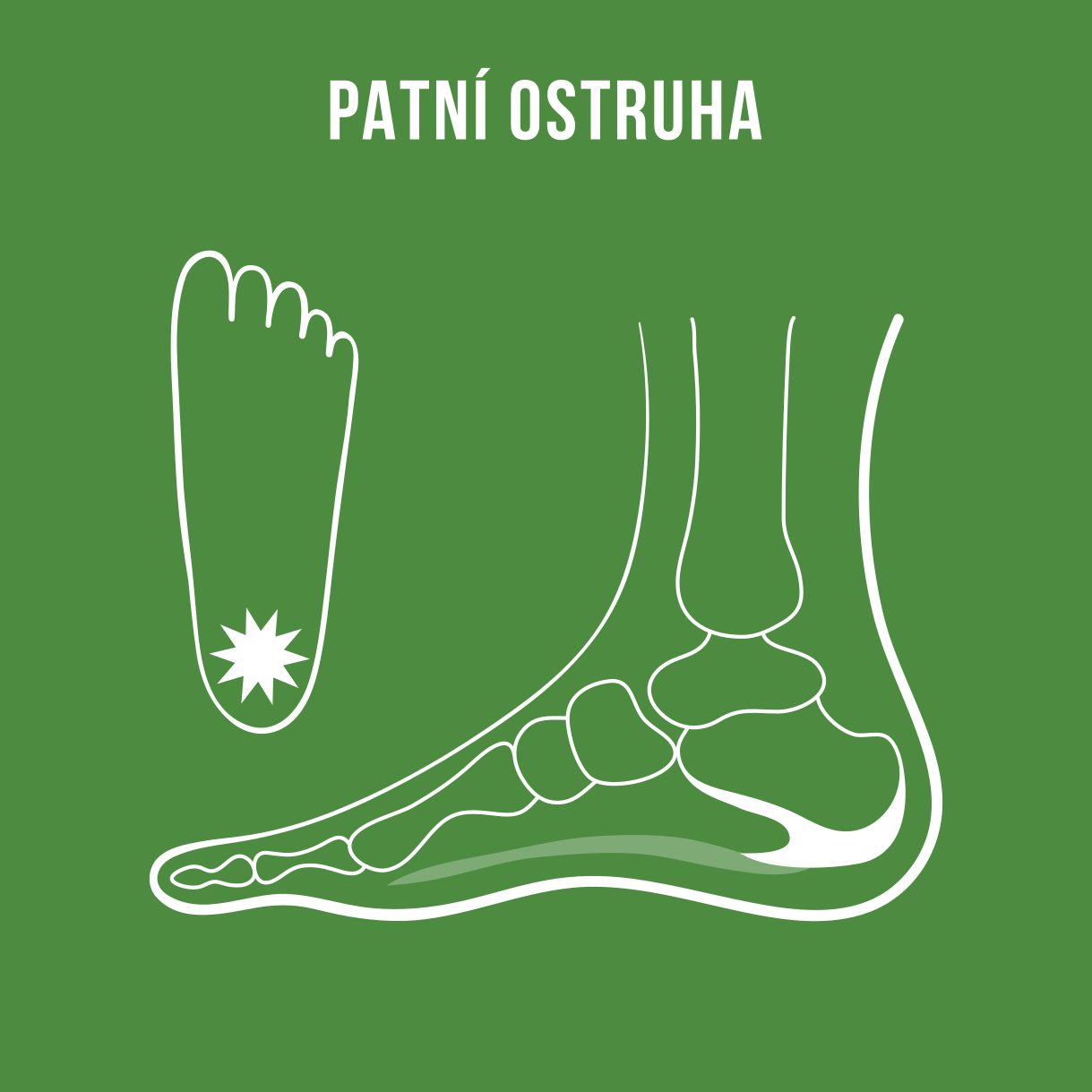
The cause is always individual and depends on many factors that I identify during the assessment. However, the common thread is usually long-term poor habits, where we don’t pay any attention to our feet over the long term and push them into the background – until a problem shows up. Another important factor that often contributes to foot problems is wearing unsuitable footwear. I address these two points with almost every client.
With children, I most often deal with ankle valgus, poor alignment of the entire lower limbs, flat feet and so on. I also place a strong emphasis on choosing suitable footwear, which can have a huge impact on healthy foot development, especially in children. I’d also like to mention that if anything about a child’s movement doesn’t seem right to parents, they should seek out a specialist straight away (a doctor, physiotherapist, podiatrist).
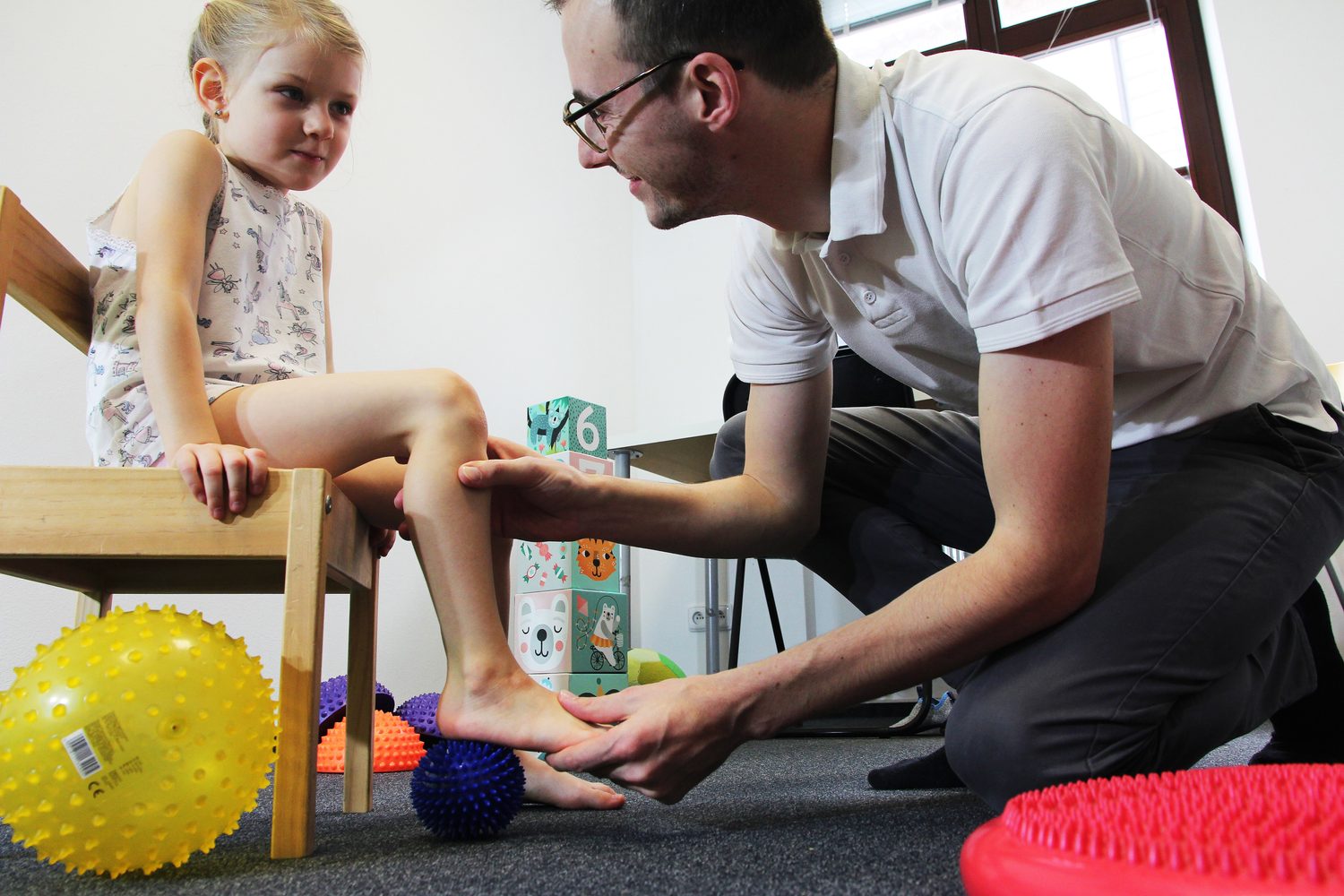
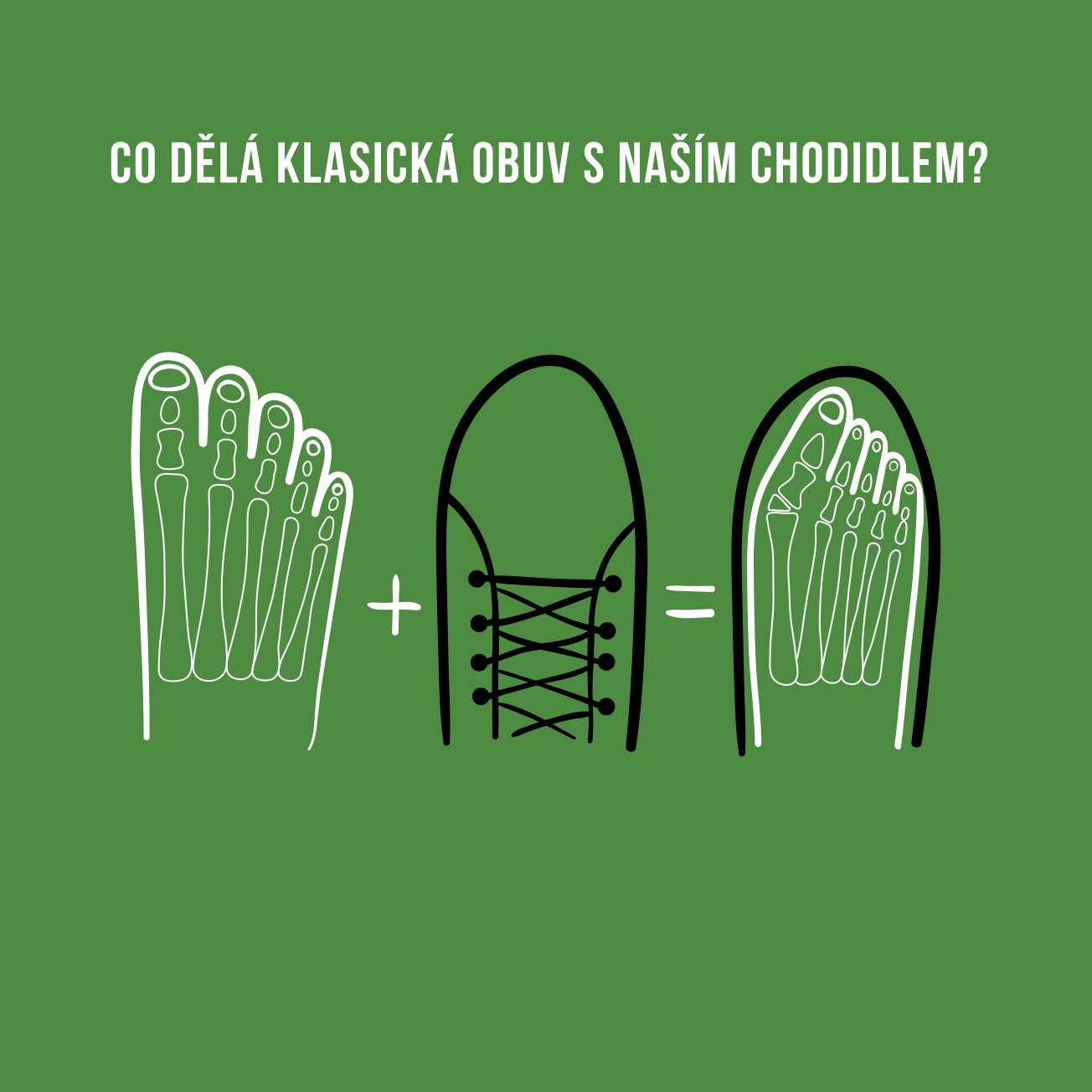
I don’t have a simple answer to that. Foot problems (and not only foot problems) are always multifactorial, so there are always several factors behind them that need to be uncovered during the assessment. Then we work with the client on changing and eliminating them. But it’s true that one common factor is unsuitable footwear, which in the long term can contribute to a whole range of problems.
Yes. Most orthopaedic aids intended for walking also need to be paired with suitable footwear to work properly. Measurements for making such an orthopaedic aid are usually taken using plaster casting or scanning and are typically done under load (standing). And this is where a big problem arises: afterwards, clients have to figure out what footwear to choose so that they can still fit into shoes with the aid inside.
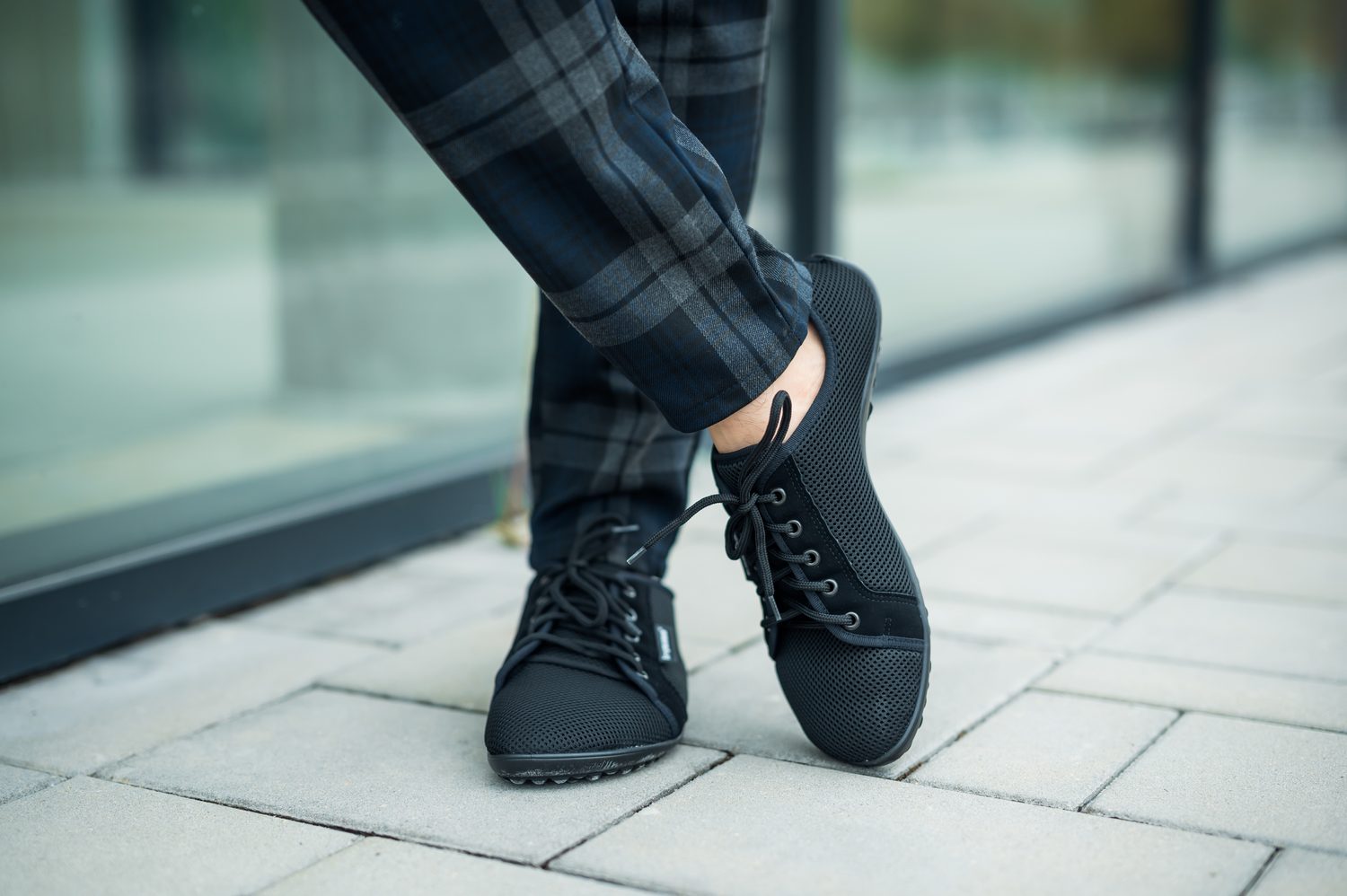
It can actually be beneficial. In practice, I really like combining orthopaedic aids with barefoot footwear, because they complement each other brilliantly. If a client has a health issue and needs to wear an aid (an insole, brace, etc.), it generally applies that the aid provides all the necessary correction for the body – and the requirements for the footwear become narrower.
Footwear worn in combination with an orthopaedic aid should above all be lightweight, flexible and roomy, so the foot and the orthopaedic aid fit comfortably inside. Barefoot shoes meet all of these parameters, which is why they can be nicely combined with orthopaedic aids. However, it’s always a good idea to discuss this with the technician making the aid, who can recommend suitable footwear for that specific aid based on the individual situation.
Compared to conventional shoes, barefoot footwear requires you to concentrate more when walking, control your body during movement, adjust your pace and walking style to the surface, and so on. In my view, barefoot shoes don’t forgive much. The most important thing is proper foot function. Shoes are only a kind of outer layer. That’s why I like recommending barefoot shoes to clients whose feet are completely fine, or only have minor deviations.
However, I’m very cautious with recommendations when foot function is impaired and the shoe can’t simply mirror the foot. This includes clients with an orthopaedic or neurological condition, significant ankle instability, reduced or increased muscle tone, more sensitive feet and so on. In these cases, I often complement barefoot footwear with an appropriate aid that specifically corrects the issue identified. This might be, for example, a heel wedge, an insole, or a brace.
It’s probably true that my children are watched more closely than, say, my friends’ children. Sometimes I even have to rein myself in. We try to do exercises, I pay attention to suitable footwear and suitable physical activities, I’m more bothered by bad habits, and so on. However, I think only an experienced paediatric physiotherapist can identify a problem in children before it even occurs. And that’s not me.
That’s also why I like working with physiotherapists and I refer parents and children to them. I also took my daughter to several physiotherapists – and their advice was priceless. It moved us forward enormously with our issue, and I’m very grateful for those visits.
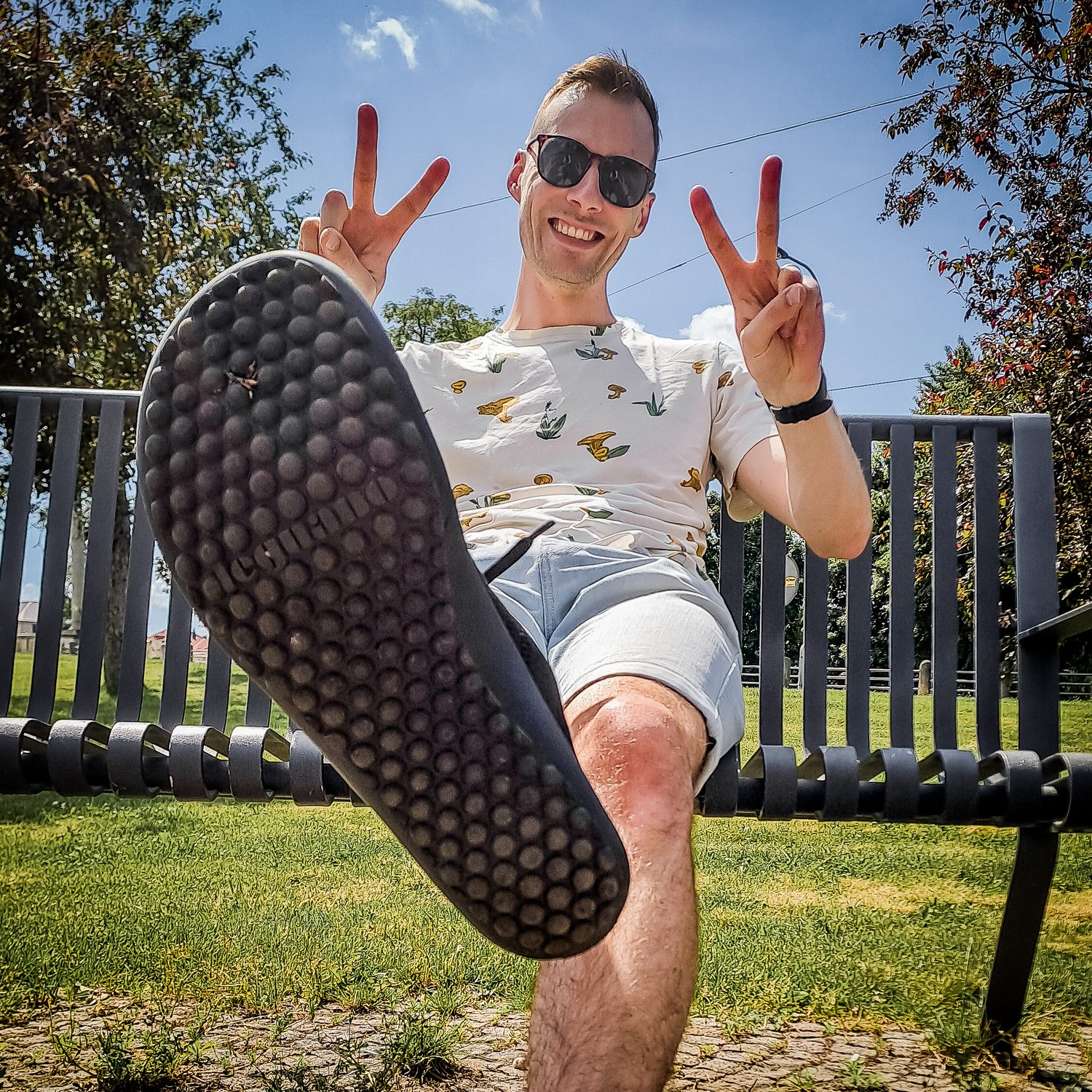
What suits me best is the brand LEGUANO. I’ve had great experiences with the GO and HUSKY models, and at the moment I’ve got my eye on the BEAT model. The LEGUANO brand won me over mainly with its build quality, low weight and flexibility. Sometimes when I’m walking I feel like I’m barefoot… like I’m not wearing any shoes at all. It’s quite addictive.
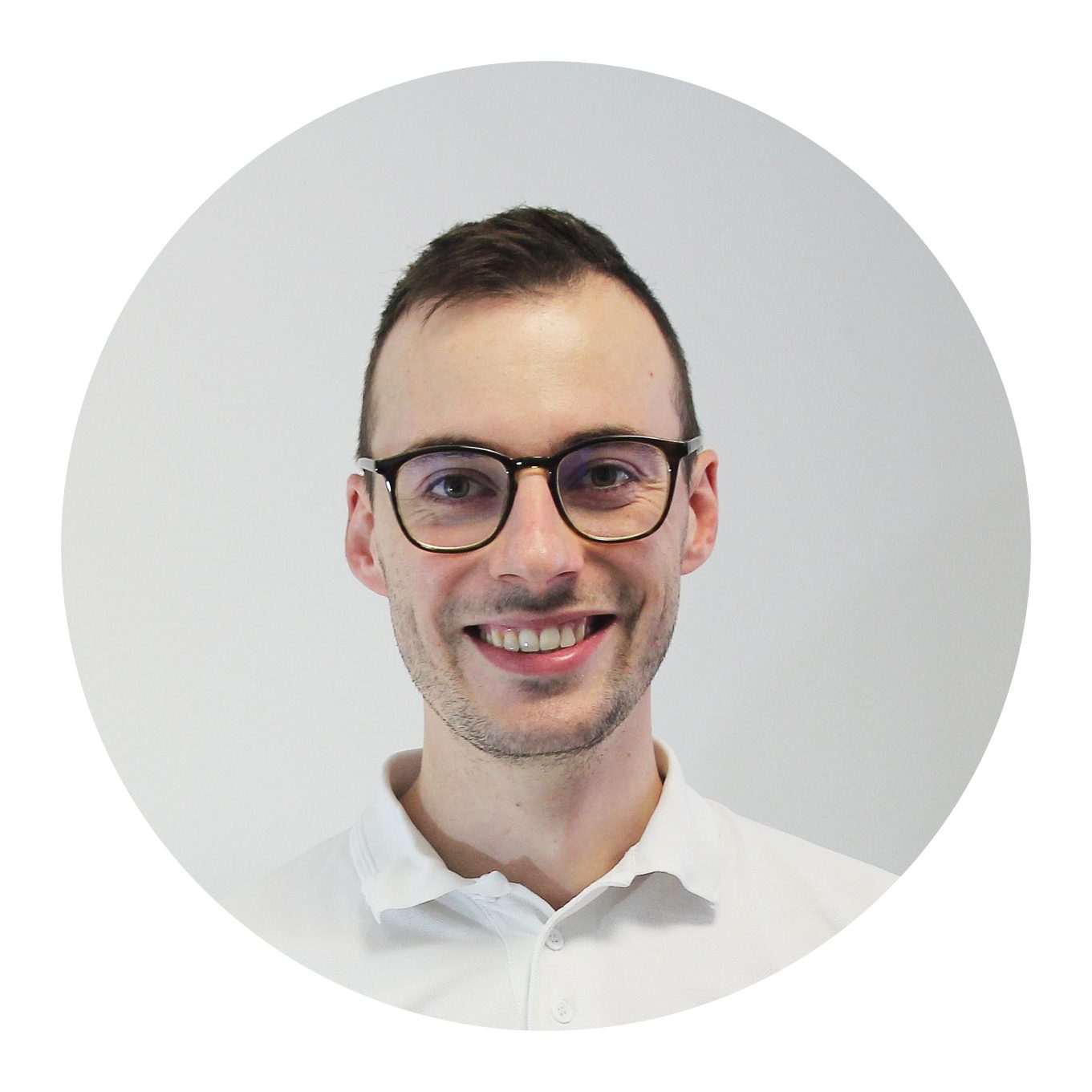 Bc. Petr Kadlec is anorthotist-prosthetist and podiatrist. In his podiatry clinic he focuses on assessing and diagnosing the feet, followed by proposing an appropriate solution. During the assessment, he also advises clients on choosing suitable footwear. He is based in Luhačovice.
Where your next steps might take you:


You are currently on www.premiumbarefoot.co.uk


 £ - EN
 Čeština
 English (US)
 Slovenčina
 Magyar
 български
 Polski
 Dansk
Dansk
 Nederlands
 Svenska
 Suomi
Suomi
 Español
 Français
 Slovenščina
 Română
 Português
 Deutsch (DE)
 Deutsch (AT)
 Deutsch (CH)

