We’ll be happy to help via online chat or at: orders@premiumbarefoot.com

Hammer toes hurt and can deform the foot. Find out what causes them, how to prevent them, and which gentle methods can help you manage them effectively.
At first it’s just mild discomfort in your shoes, then pain when walking, and eventually toes that no longer return to their natural position. We’re talking about hammer toes – one of the most common foot deformities, which often develops gradually but can significantly complicate everyday life.
The good news is that there are effective ways to prevent hammer toes, as well as gentle approaches that can help relieve them.
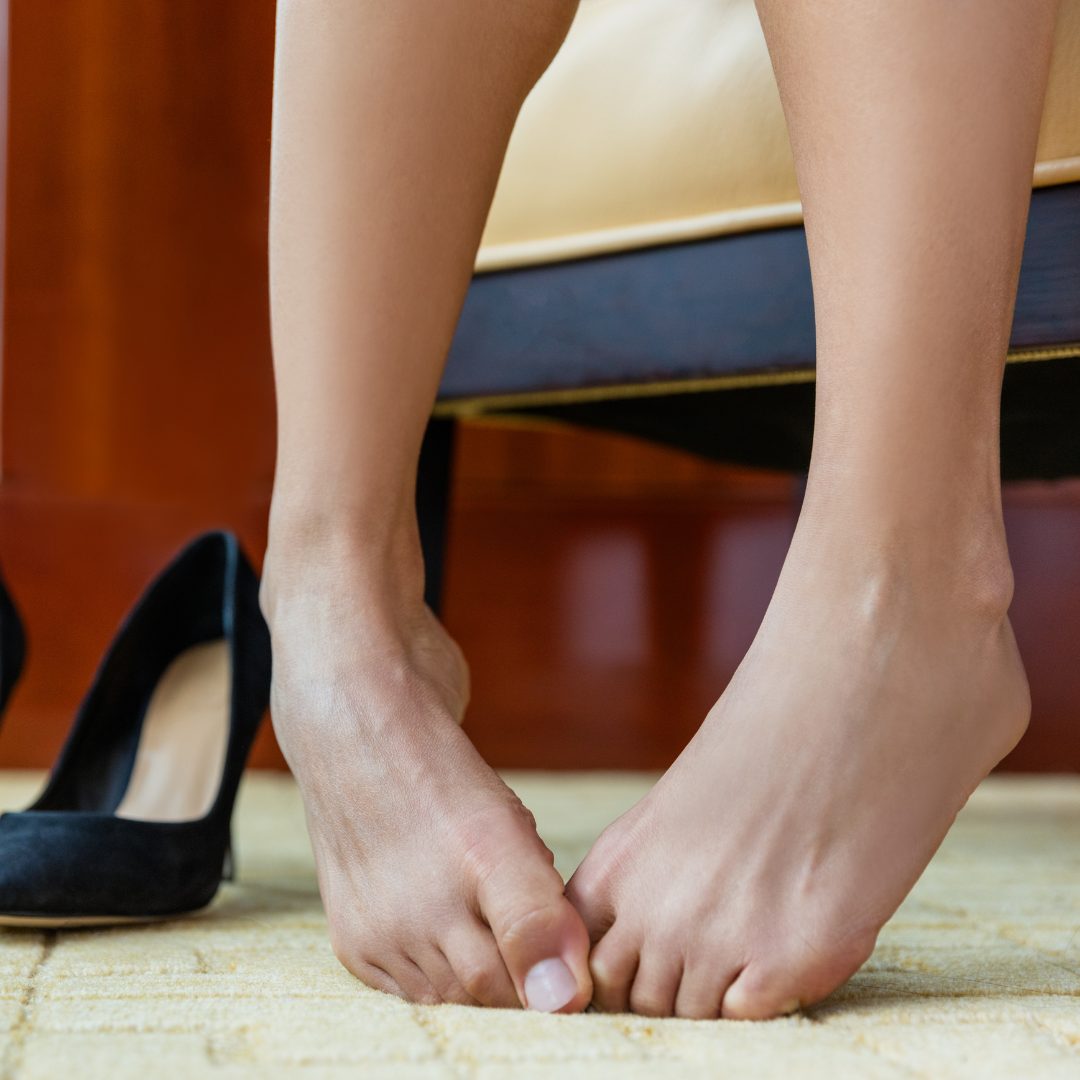
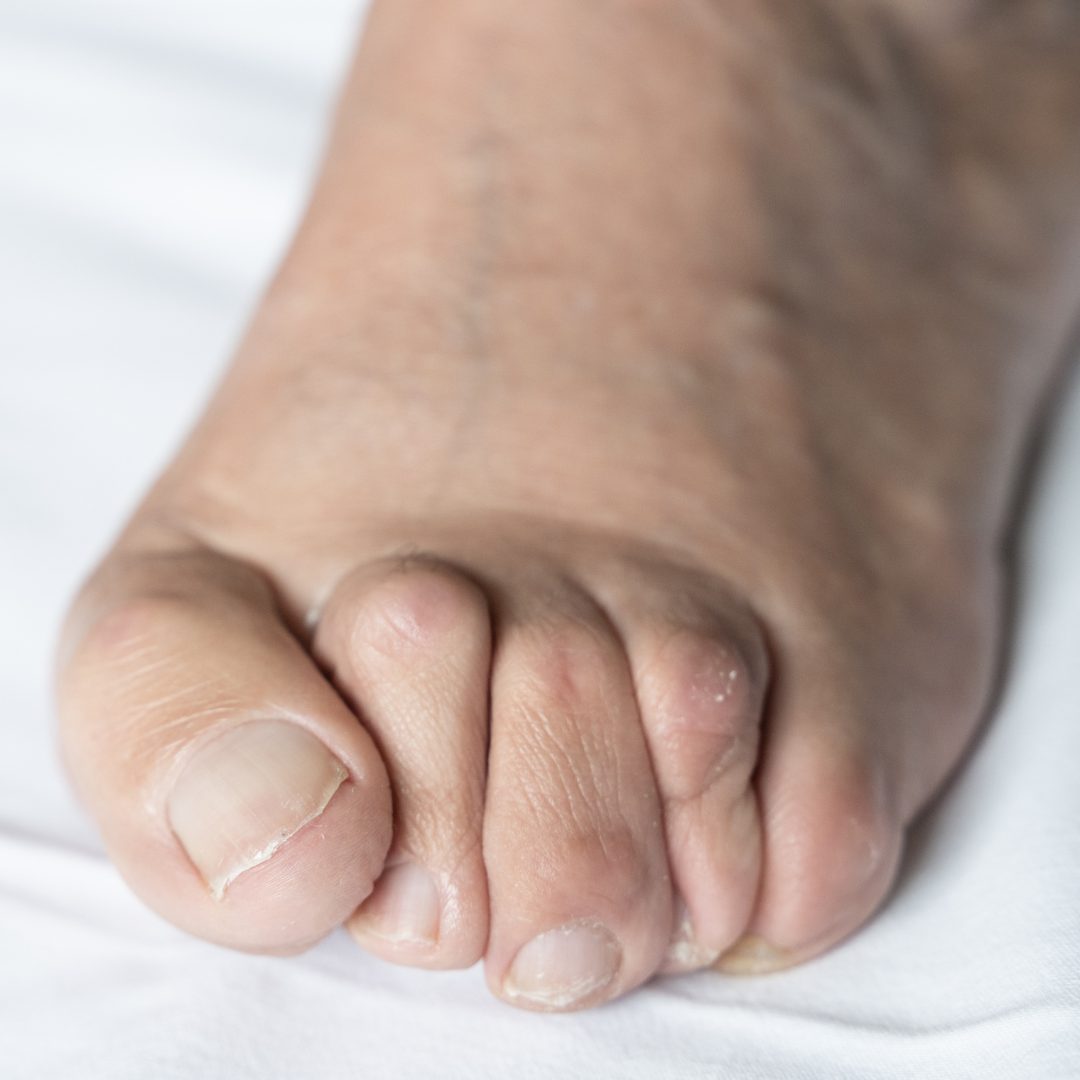
Hammer toes (Latin: digitus malleus) are a toe deformity where the toe bends at the middle joint – most commonly the second to fourth toes. The toes curl downwards and resemble the shape of a hammer.
In the early stages, the toes can still be straightened passively, but over time the deformity becomes fixed. This often brings pain, pressure points and frequently inflammation in the areas where the toes rub against the shoe.
Hammer toes most often develop as a result of muscle and tendon imbalance in the foot and toes. When some muscles weaken and others are overworked, an unwanted pull occurs that bends the toe at the joint… and over time leads to deformity.
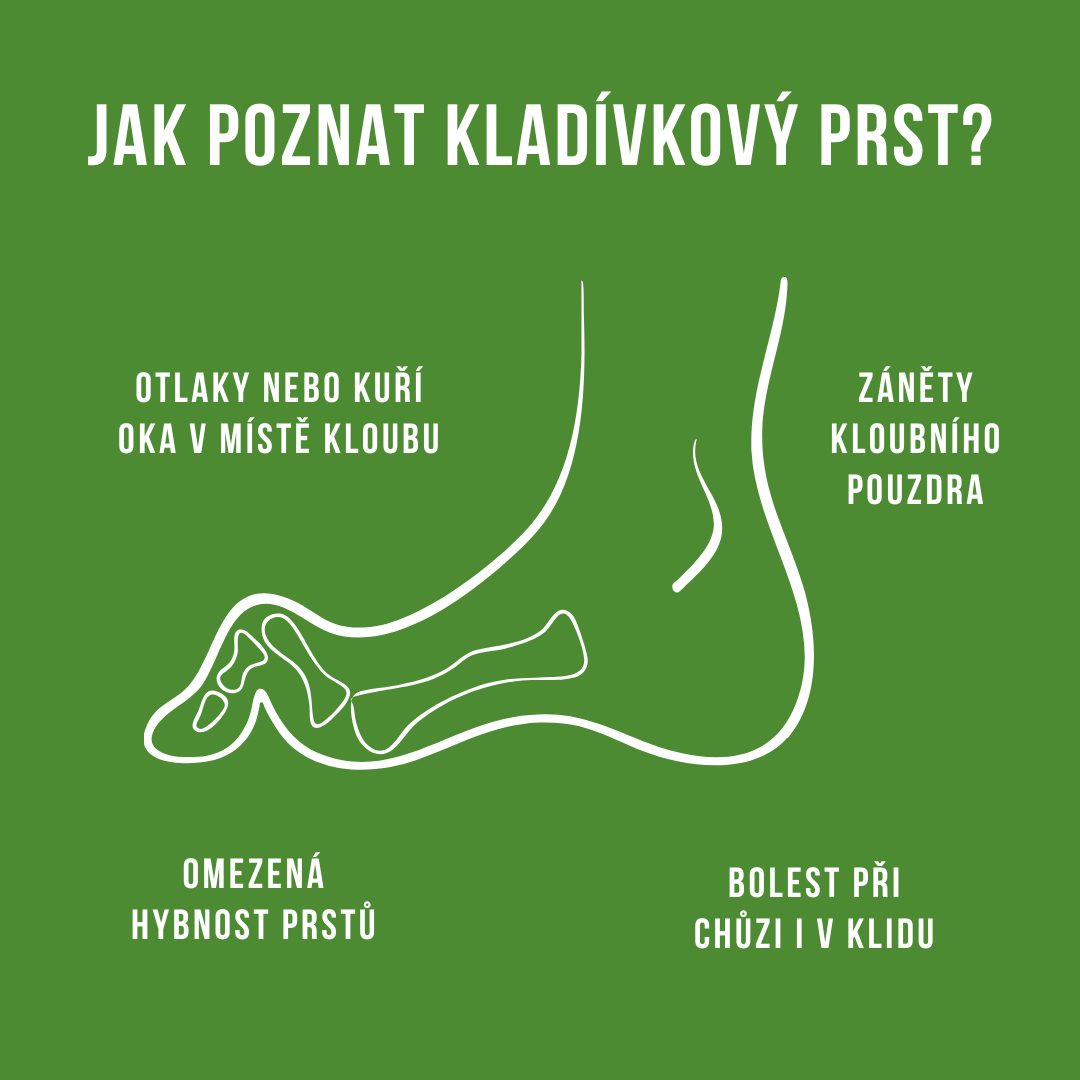
Most commonly, the deformity shows up on the second toe, which starts to curl and press against the top of the shoe. Over time, you may notice:
Closely related to hammer toes are so-called claw toes, which are a similar deformity but with an even more pronounced bend, where the toes are curved not only at the middle joint but also at the base joint.
If you’re not sure whether it’s truly an early-stage hammer toe, we always recommend seeking a professional assessment from a physiotherapist or podiatrist.
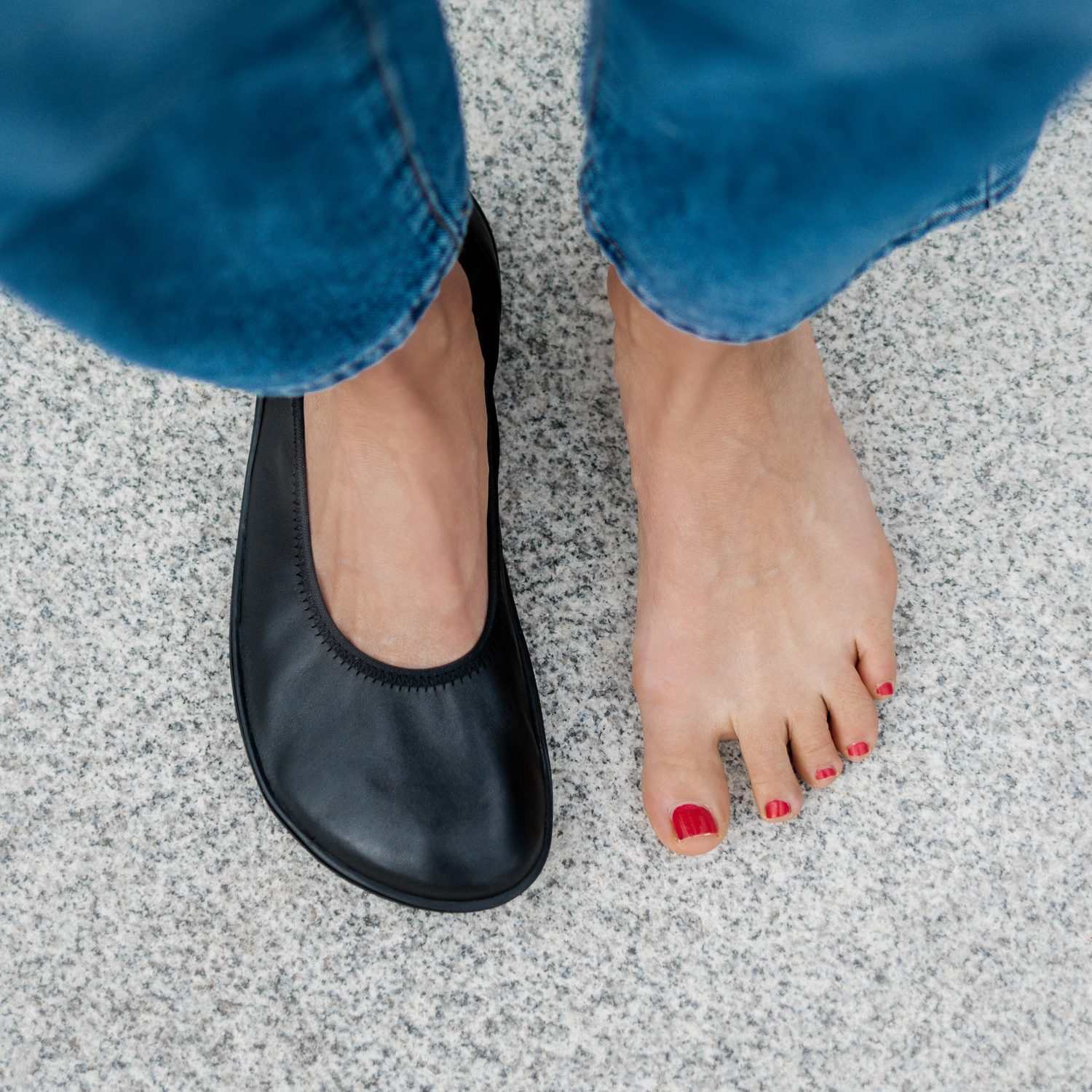
One of the main causes of hammer toes is unsuitable footwear. A narrow toe box, stiff sole and raised heel restrict natural toe movement, and the muscles in the foot gradually weaken.
Barefoot shoes, on the other hand, respect the natural shape of your foot – they have a wide toe box, zero drop (the difference between heel and toe) and a thin, flexible sole that encourages active use of the foot muscles.
That means barefoot shoes:
With a hammer toe diagnosis, transitioning to barefoot shoes can be part of the overall approach. However, it’s important to proceed gradually and follow proper walking technique – ideally under the guidance of a professional.
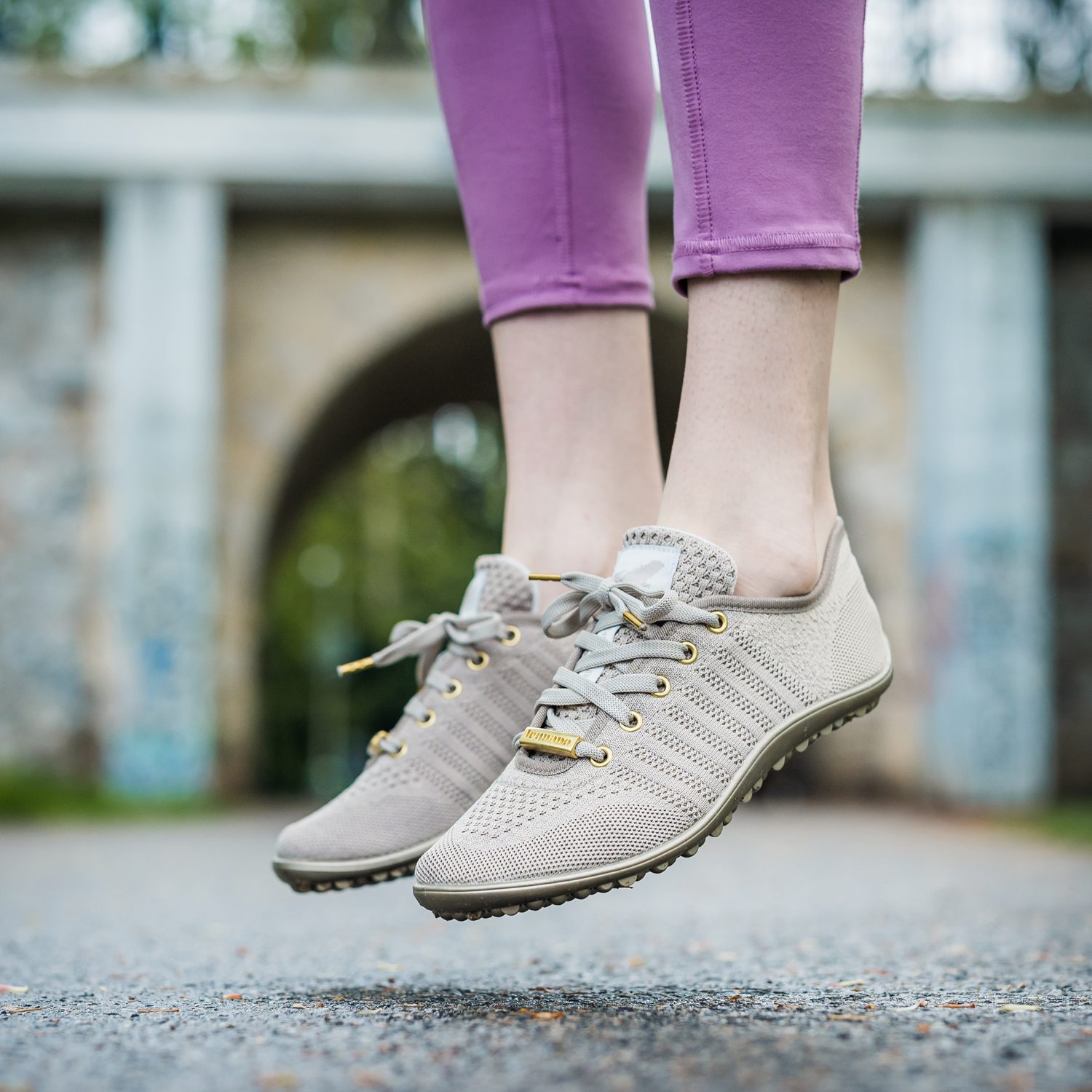
Alongside changing your footwear, we recommend adding targeted exercises to your daily routine and using specialised aids.
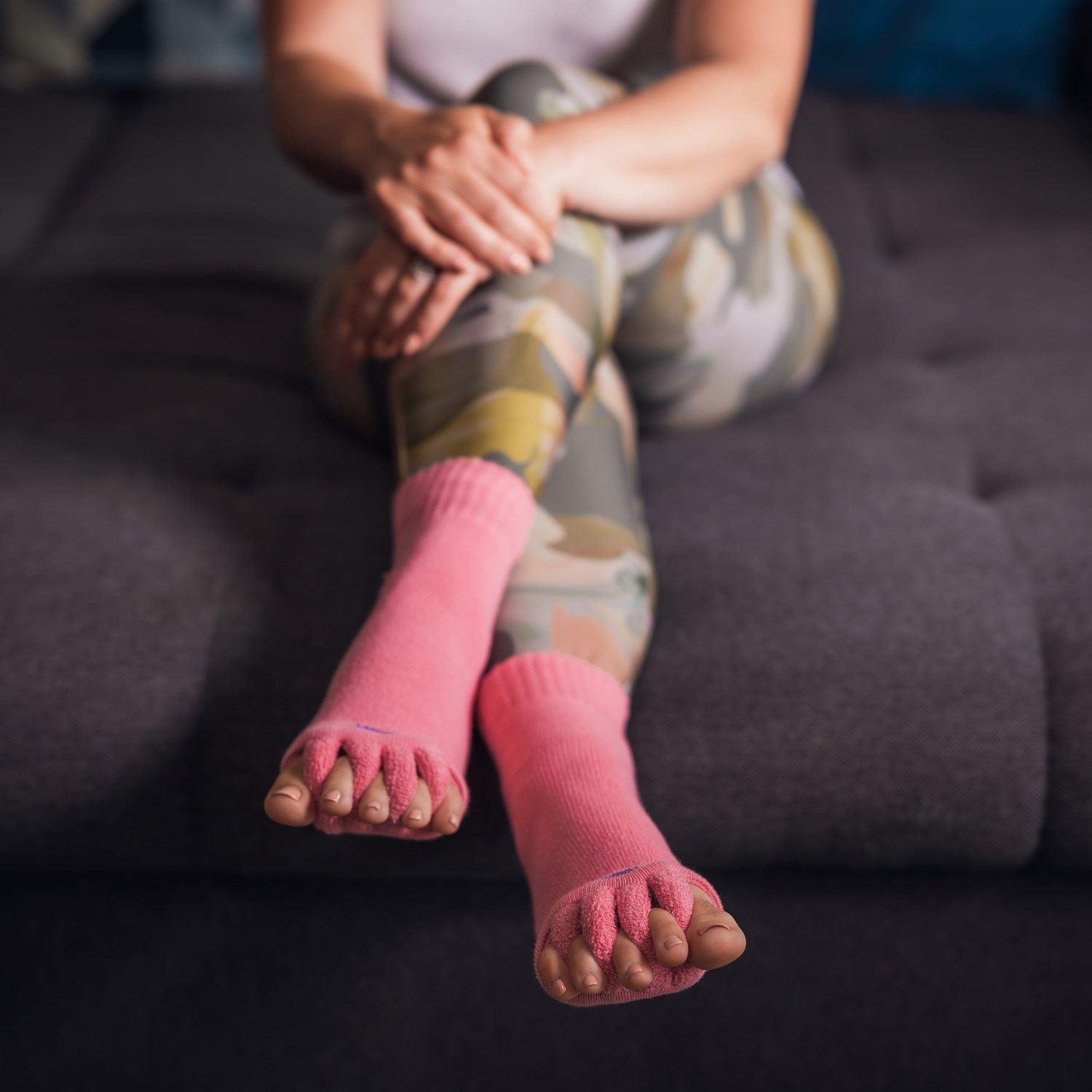
Toe spacers help gently realign the toes and relieve pain caused by pressure. Alignment socks are excellent for prevention and as a supportive tool during treatment – they release tension between the toes, improve circulation and support joint flexibility.
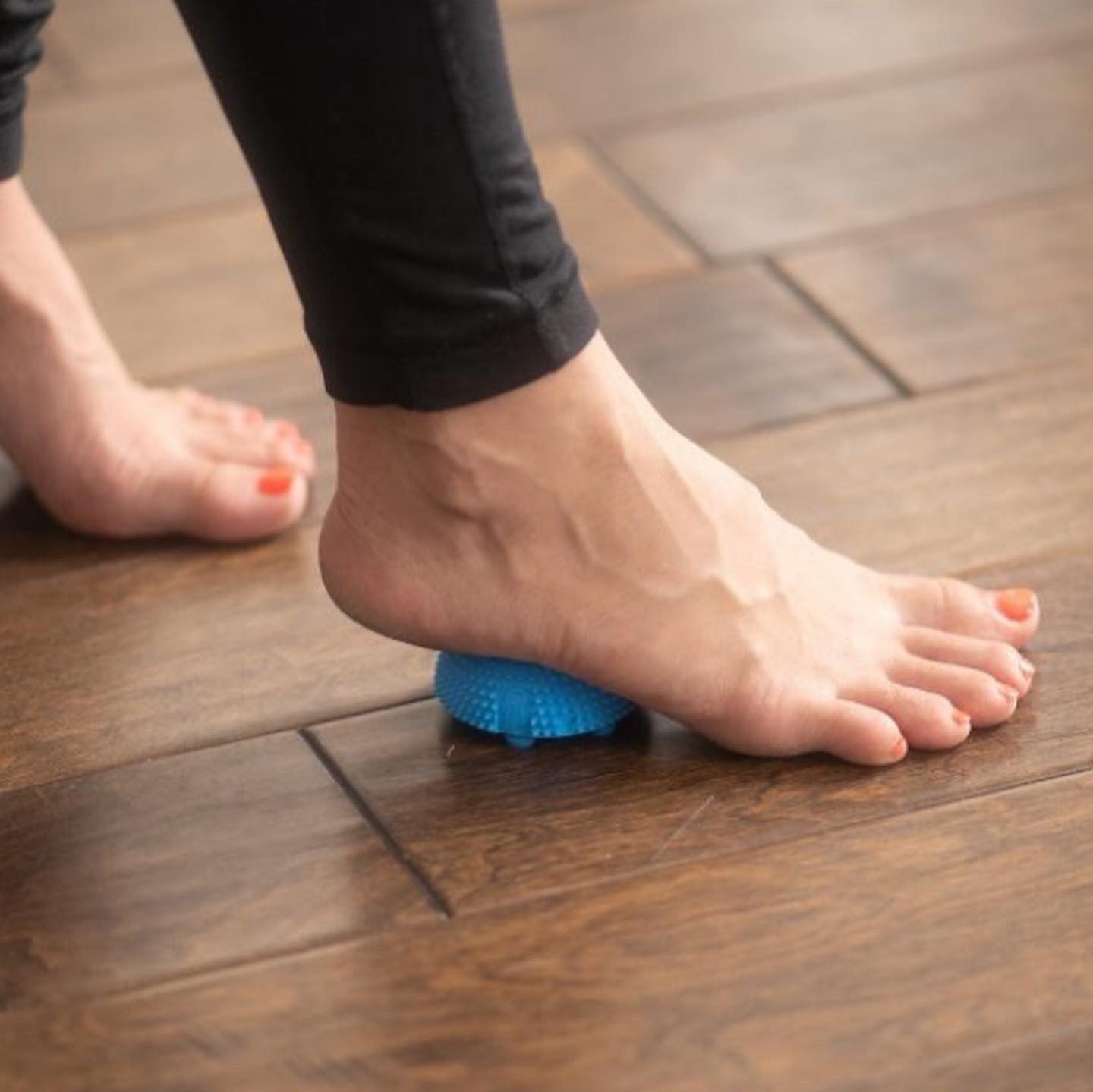
Regular stimulation of the feet supports recovery, improves arch function and helps activate the small intrinsic muscles. Massage balls, spiky balls or balance pads can help release tension, improve proprioception and strengthen weakened structures in the feet.
naBOSo tip: Try the NEURO BALL – a versatile 3-in-1 tool for massage, sensory stimulation and targeted foot release (and hands too). Thanks to its split design and the inner Micro Round ball, you can easily release tension even while sitting at your desk.
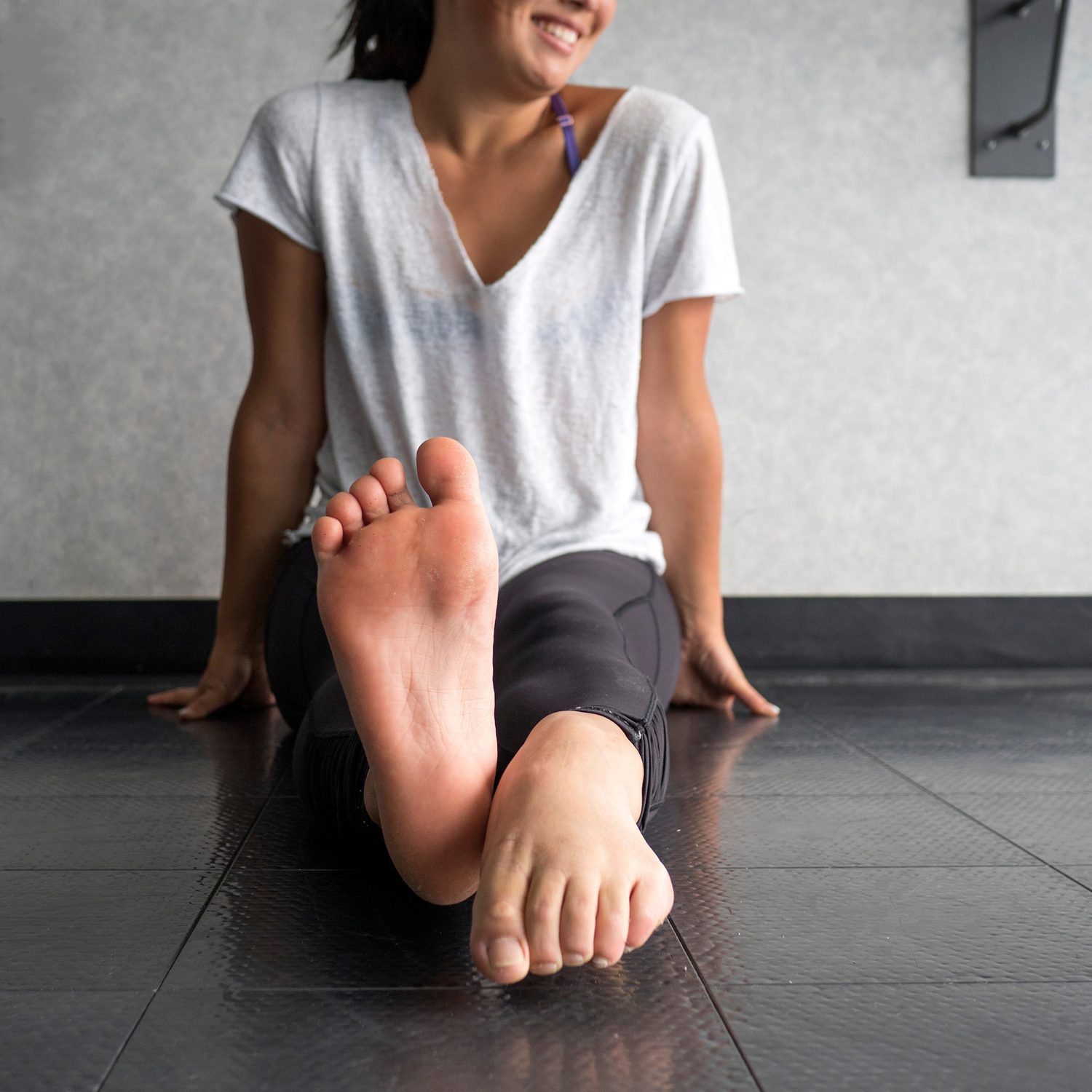
Simple at-home exercises really are for everyone. Try these recommendations from physiotherapist Michaela Píšková from FLOW Rehab Care:
It’s best to do the exercises daily, ideally barefoot.
Hammer toes don’t develop overnight – and improving them also takes time and patience. But every step you take towards healthier feet will pay you back many times over.
 This article was created in collaboration with Míša Píšková from FLOW Rehab Care. Míša Píšková is a medical doctor, physiotherapist and former elite dancer. She focuses mainly on proper walking technique, neurological issues and physiotherapy for dancers. She founded the comprehensive centre FLOW Rehab Care, whose team provides rehabilitation for babies, children and adults with a wide range of needs. Míša also dedicates herself to educating the general public, especially on healthy walking and footwear, women’s health and body awareness.


You are currently on www.premiumbarefoot.co.uk


 £ - EN
 Čeština
 English (US)
 Slovenčina
 Magyar
 български
 Polski
 Dansk
Dansk
 Nederlands
 Svenska
 Suomi
Suomi
 Español
 Français
 Slovenščina
 Română
 Português
 Deutsch (DE)
 Deutsch (AT)
 Deutsch (CH)


