We’ll be happy to help via online chat or at: orders@premiumbarefoot.com

Walking, Movement and Health Selecting and Maintaining Barefoot Shoes
Do you suffer from back, head or knee pain, have toes that have been misshapen by conventional shoes, and are looking for a way to put things right? Choose barefoot shoes and your issues may gradually ease.
If you’re hesitating about trying barefoot shoes and you’re worried whether it’s the right step, we say – don’t be. Without exaggeration, it’s fair to say that barefoot shoes (also known as “barefoot” or “barefoot-style” shoes) are booming. Returning to a more natural way of walking is appealing to more and more people, and that makes us genuinely happy. Everyone has their own reasons for wanting to try barefoot shoes, but the most common is looking for the cause of health issues when walking or running. Which makes perfect sense when you think about how little space your feet have in ordinary shoes.

Barefoot shoes give your feet plenty of room to work properly, starting with the big toe. Gone are the days when barefoot shoes looked eccentric or even a bit ridiculous. Today’s range is huge, with countless shapes, materials and brands to choose from — from sporty styles to smart business models.
Naturally, your foot lengthens, spreads and flexes as you land. Try standing barefoot with your feet side by side, then bend one leg at the knee. Can you see the difference between the foot on the ground and the one in the air? Your foot needs space to move the way it’s designed to. Conventional shoes don’t allow that. They’re usually very stiff, narrow and heeled.

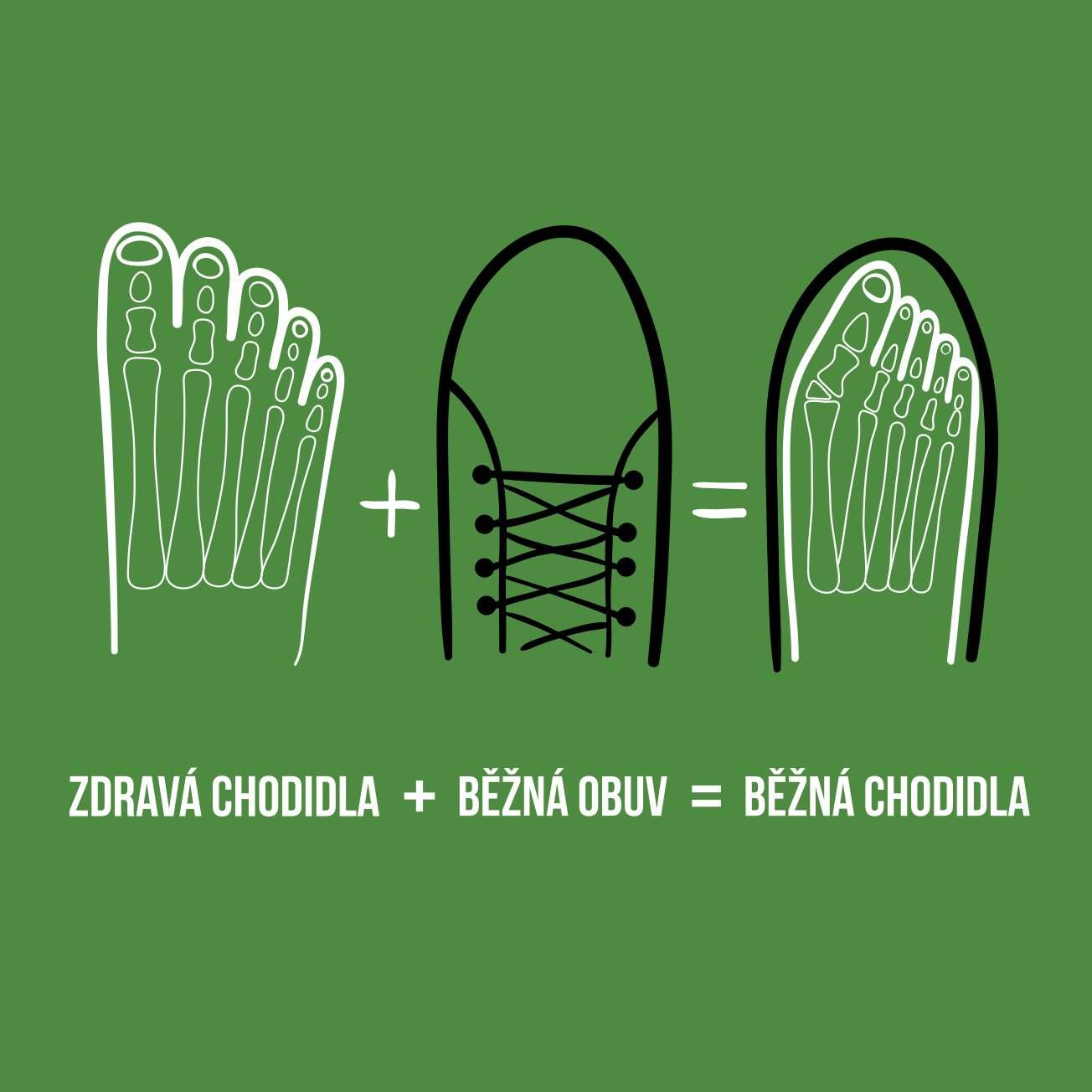
A narrow shoe not only stops your foot from widening, it also pushes the big toe unnaturally towards the other toes and can lead to bunions. It’s a very common issue — and what’s more, it can be pretty painful. The thing is, proper foot strike starts with the big toe. And believe it or not, poor big-toe alignment can contribute to issues all the way up the spine, even to headaches.
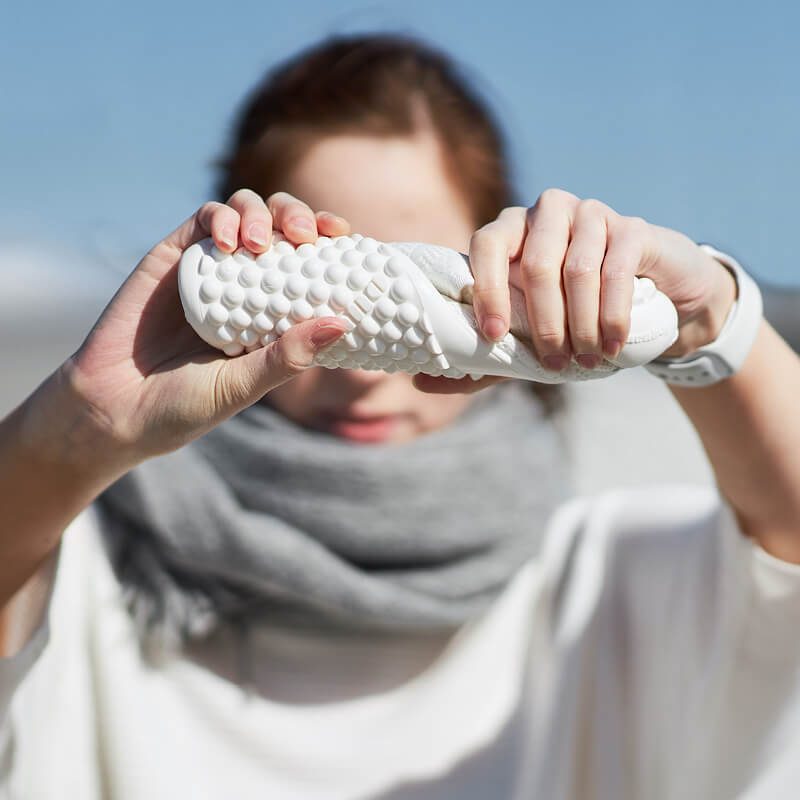
A stiff, inflexible sole is another problem. Your foot loses contact with the ground, stops responding to stimuli and becomes weaker. Your feet can feel both stiff and less sensitive. Your brain doesn’t get enough information about the surface you’re moving on, so your body can’t adapt properly.
Another major difference between conventional footwear and barefoot shoes is the drop — the height difference between the toe and the heel. What happens if you slip even a small wedge under your heel? Your whole body alignment changes. Your knees shift forwards, your pelvis tucks under, and in the end your head moves forwards to keep you balanced. It’s a common posture, but it isn’t natural.
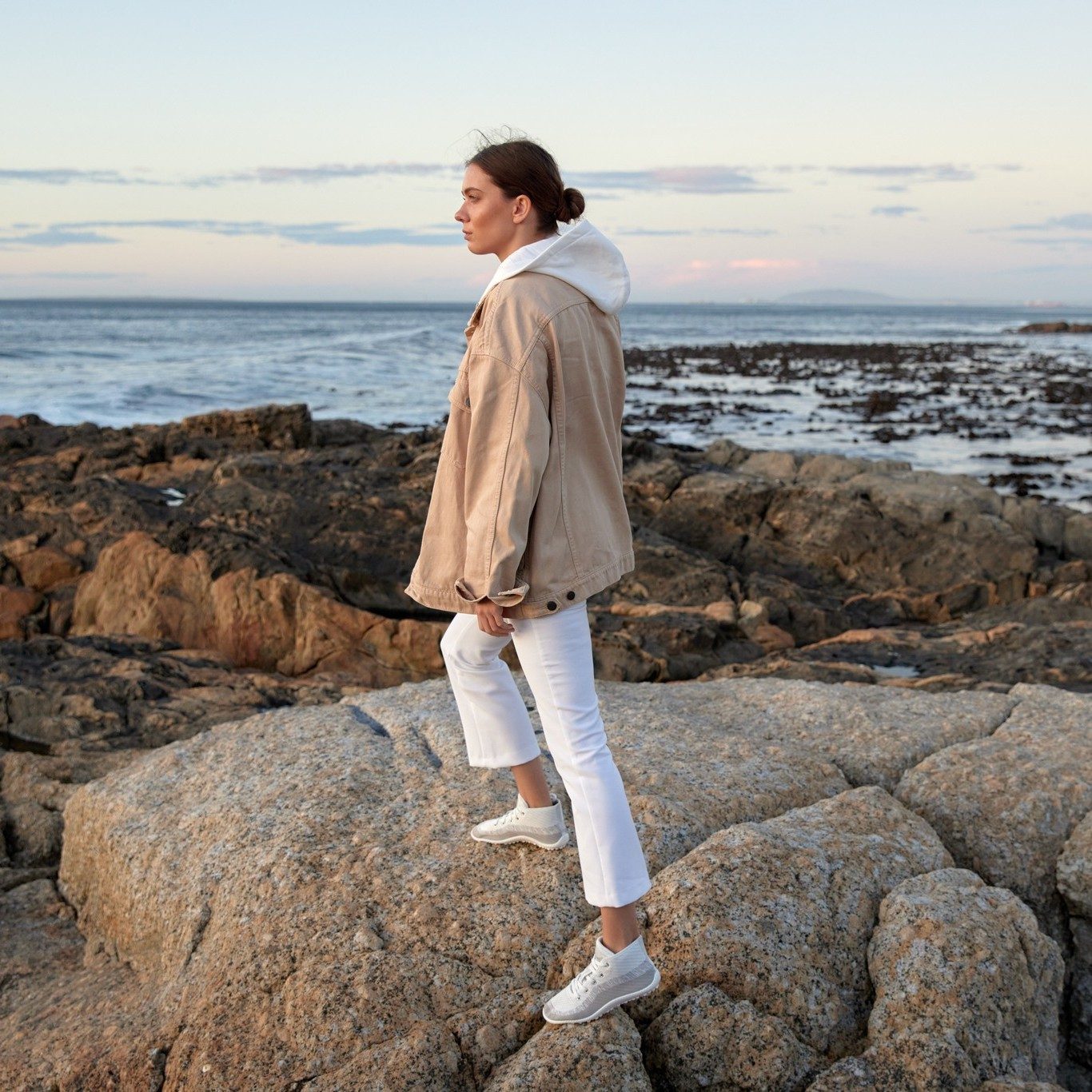
That can lead to various issues — and it’s a topic for a separate article. If your knees hurt when you run, check your shoes. You probably have a higher heel than toe, and even a single centimetre can mean extra strain on the meniscus and ligaments in the knee.
Barefoot shoes give all your toes space and allow your foot to spread as you land. They have a flexible sole that lets you feel the surface you’re walking on, and they have zero drop. So simply changing your shoes can influence several factors that support healthier posture and more natural walking. And that’s well worth a try.
So you’ve decided to try barefoot shoes — but how do you choose the right ones? Replacing your entire shoe collection at once would be tough on your wallet. We recommend starting slowly. If you’ve spent your whole life in conventional footwear, the transition to barefoot shoes will take some time to adapt. Choose a pair for leisure activities — something you won’t wear all day, and that you’ll actually look forward to putting on.
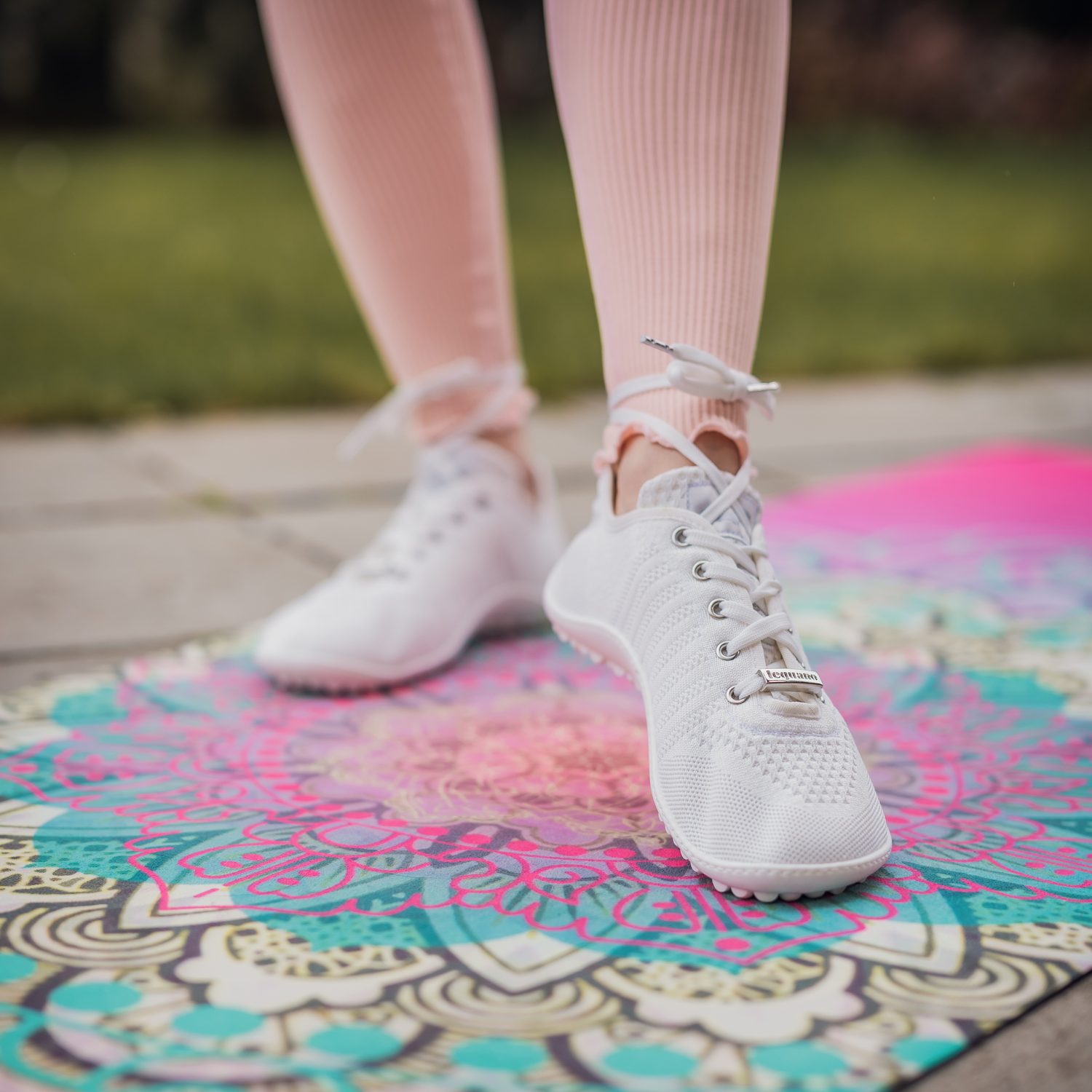
Your foot strike and movement mechanics will be different. At first, walking may feel awkward, unnatural and uncomfortable. Yes — even walking takes practice. The key is to shorten your stride and avoid stomping. In barefoot shoes, the sole isn’t cushioned, there’s no drop, and impacts go straight into your knees — and your ankles can take a hit too.
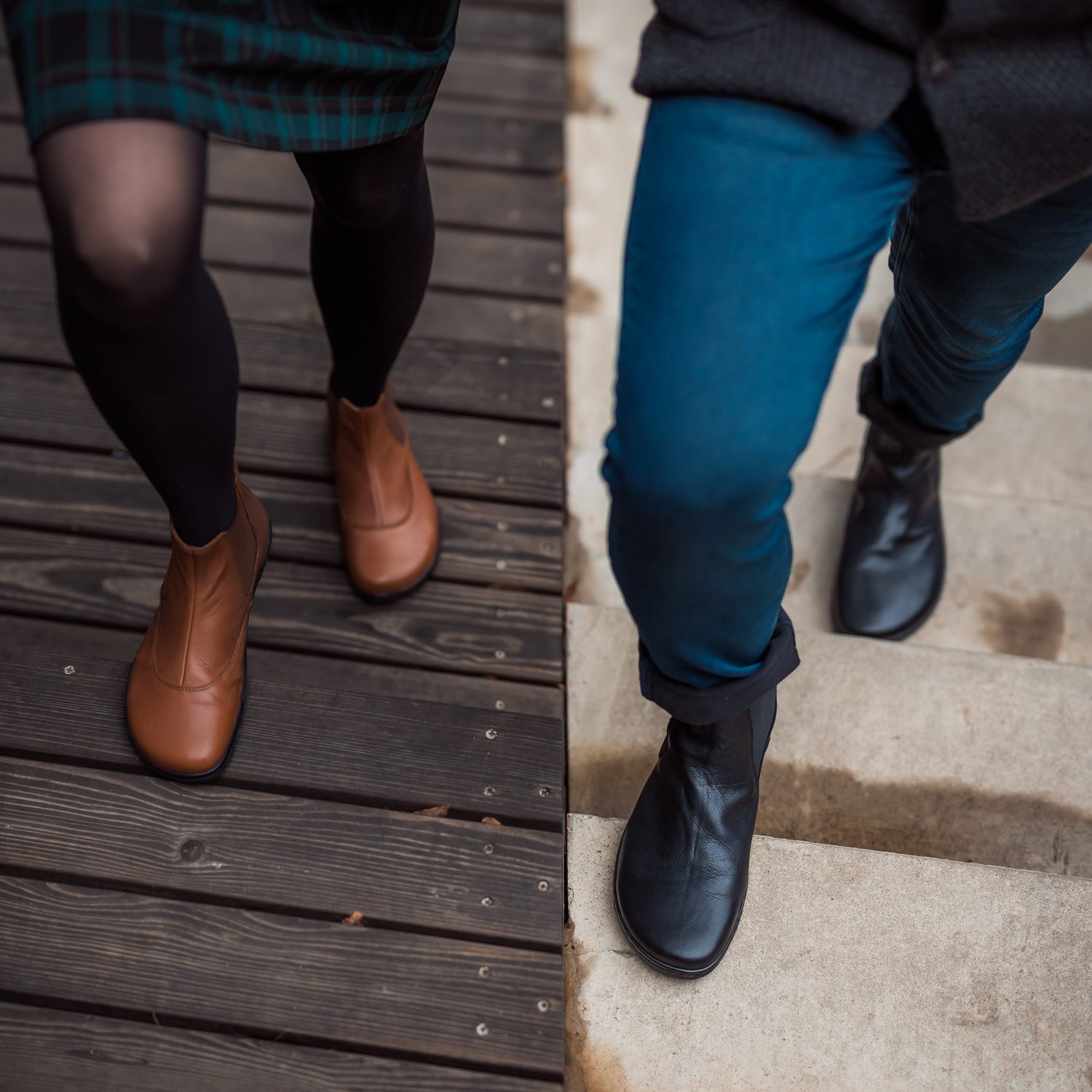
We recommend training your feet on unstable surfaces, with self-massage, textured mats, or by walking barefoot outdoors. If you’re not sure where to start, read the article by physiotherapist Veronika Kristková — How to transition to barefoot without problems and pain, which guides you through everything step by step.
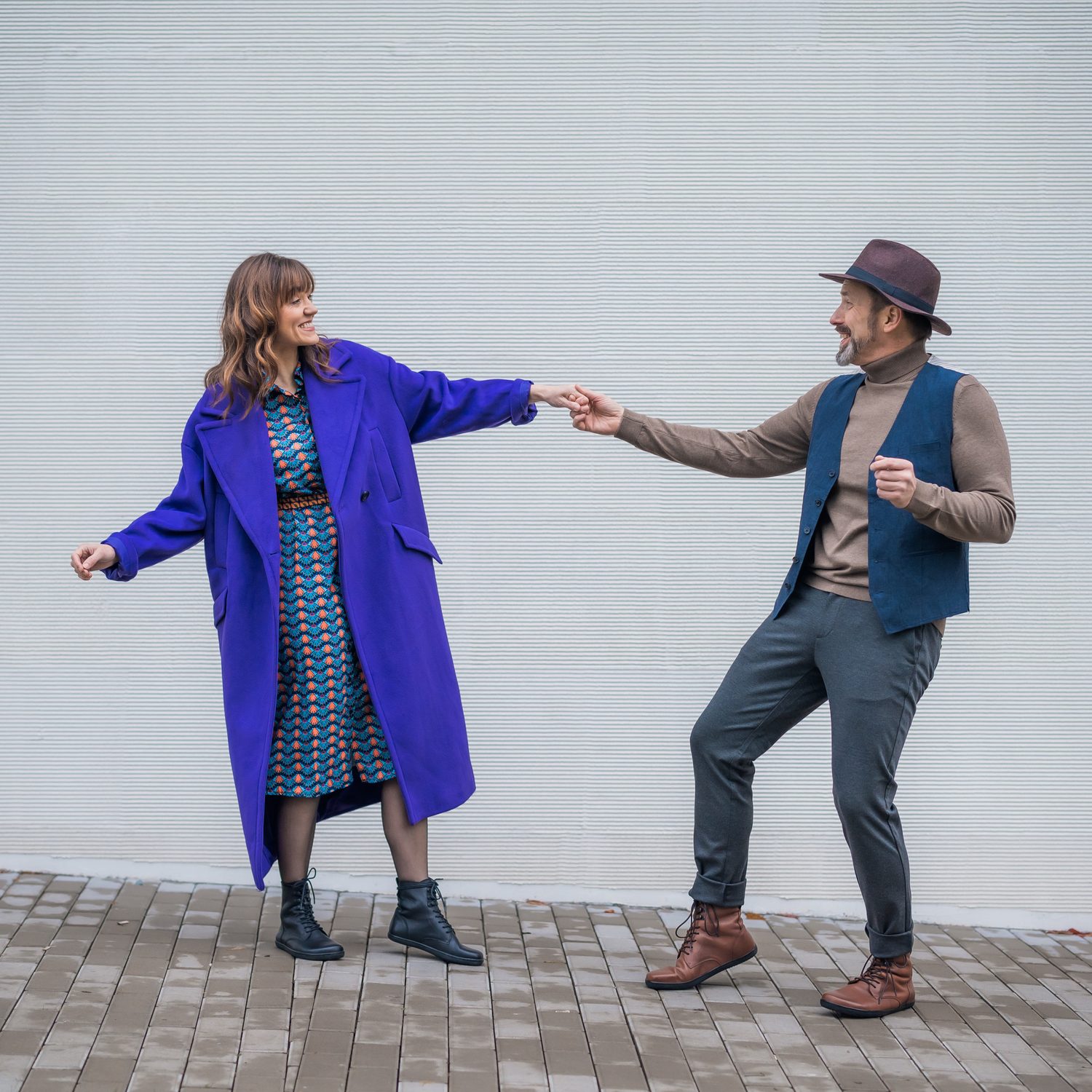
You’ll notice some changes straight away, while others will show up gradually. When transitioning to barefoot shoes, you may feel pain in your feet, ankles, calves or knees. That’s because you’re starting to use your feet through their full range of motion — and for underused muscles and ligaments, it can be a shock.
A change in posture is visible immediately and if you add a bit of stretching, it will be easier to address shortened muscles. You may start to notice knee pain and lower-back pain easing. Be kind to yourself and give it time. Healthier, pain-free walking and running are major benefits of barefoot footwear.
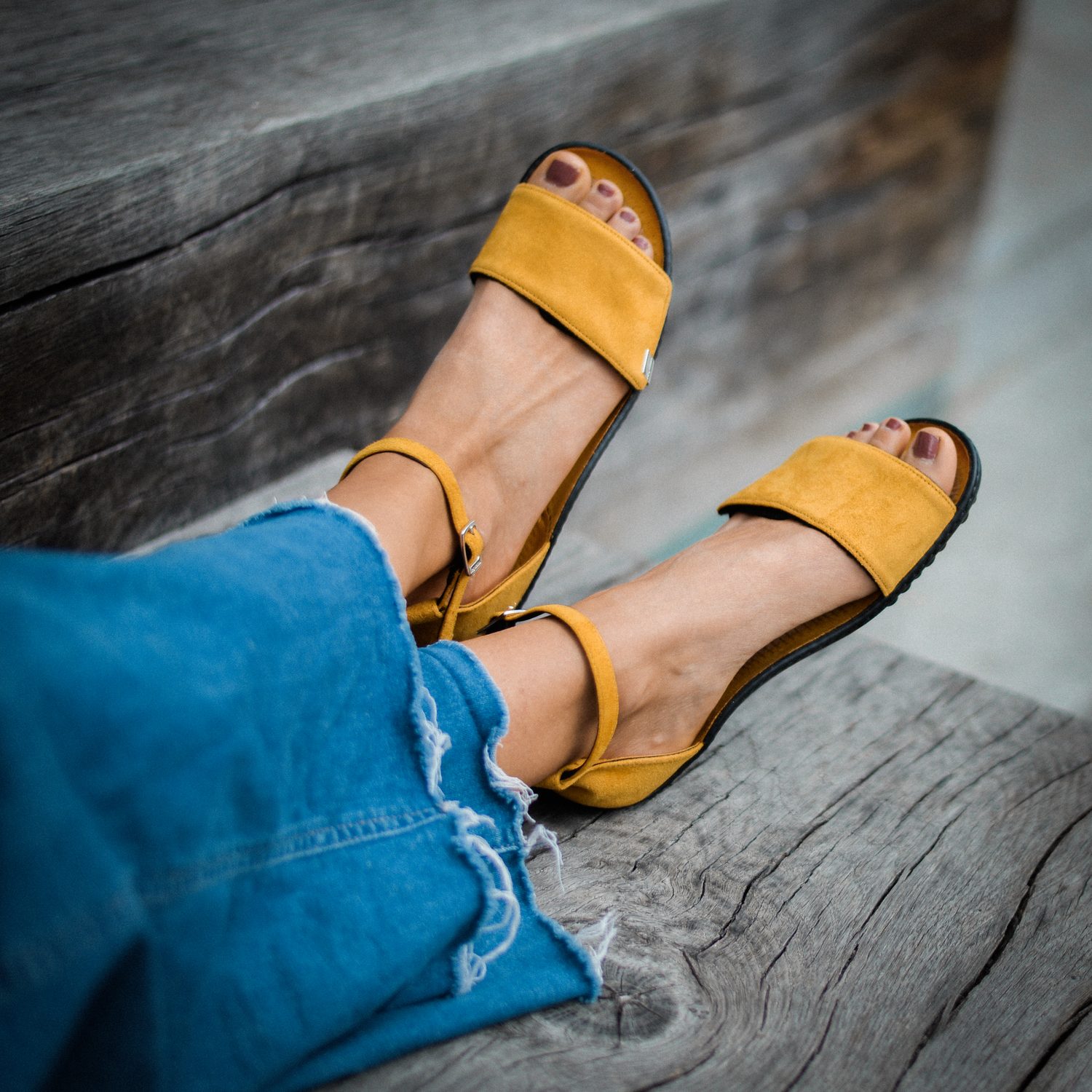
Gone are the days when only a certain “type” of person wore wide, odd-looking shoes. Thanks to the large and ever-growing range, you can choose shoes for any activity and still look stylish. Choose according to your values: some brands use recycled materials, others prefer leather, and you’ll also find vegan footwear.
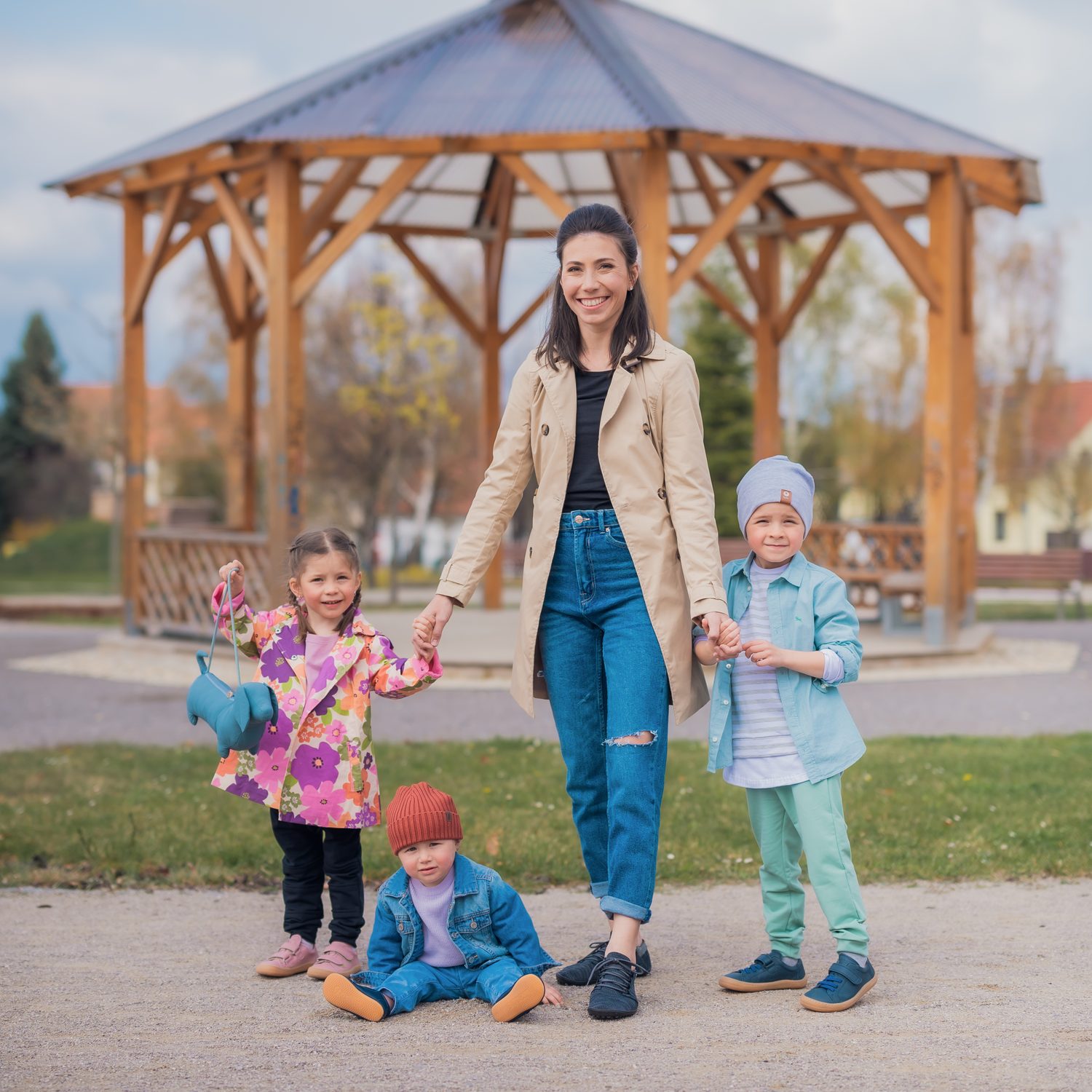
You can also put your little ones in barefoot shoes and support healthy foot development.
Whether you’re heading to the opera or jumping over puddles, you’ll find a pair that fits.
What else might interest you on this topic?


You are currently on www.premiumbarefoot.co.uk


 £ - EN
 Čeština
 English (US)
 Slovenčina
 Magyar
 български
 Polski
 Dansk
Dansk
 Nederlands
 Svenska
 Suomi
Suomi
 Español
 Français
 Slovenščina
 Română
 Português
 Deutsch (DE)
 Deutsch (AT)
 Deutsch (CH)


