We’ll be happy to help via online chat or at: orders@premiumbarefoot.com

Find out what summer does to your feet and how to care for them properly – from poolside hygiene and cracked heels to choosing the right shoes.
Summer is a demanding time for our feet. Ballet flats to work in the morning, sandals for a coffee or a trip to the lido with the kids in the afternoon, then an evening stroll along a sun-baked riverside promenade. It sounds like the perfect summer day – but for your feet, it’s actually quite a workout.
That’s why we teamed up with podiology specialist Bc. Kateřina Malá to share what happens to your feet in summer, what to watch out for, and how to keep them happy even in open summer footwear.

It’s in the summer months that our feet often take more of a beating than at any other time of year. We switch between heat and humidity, wear open shoes or go barefoot – and all of these changes can be quite a challenge for your feet.
What’s more, feet never work in isolation. They’re the foundation of movement and are influenced by a whole range of factors – from foot shape and the way you walk to the footwear you wear every day. “In my practice, I regularly see people struggling with foot pain, ingrown toenails or pressure points. I don’t just treat the visible symptoms – together with the client, we look for the real cause,” says Kateřina Malá.
Summer foot care isn’t a luxury – it’s the basis of comfortable walking, pain prevention and overall comfort. And, as a bonus, it helps you enjoy beautiful, healthy feet in sandals.
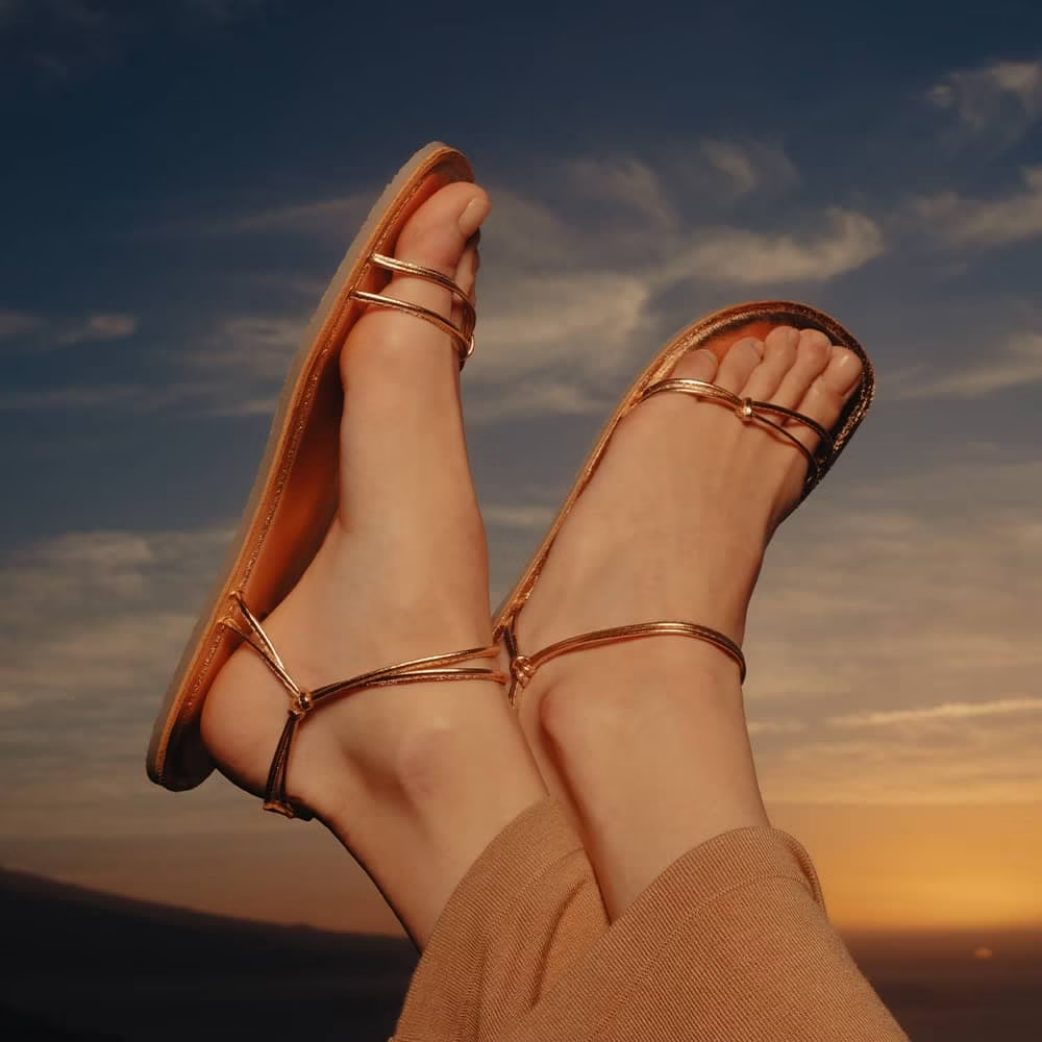
Heat and moisture create the perfect environment for bacteria and fungi to multiply. “I see this most often in people who wear closed shoes all day without socks because it feels more comfortable,” Kateřina explains.
The foundation of prevention is a simple routine: wash your feet regularly and dry them thoroughly, especially between the toes. Moisture lingers longest between the toes, and that’s also where fungal infections most commonly develop.
Choosing the right socks matters too. Natural materials such as cotton or bamboo are best because, unlike synthetic fibres, they wick moisture away from the skin more effectively and let your feet “breathe”.
Don’t forget to care for your shoes themselves. They need time to air out and dry properly, so it’s a good idea to have more than one pair in summer and rotate them regularly. Regular disinfection helps too – for example, the Collonil odour-control spray and absorber, or drying sachets that draw excess moisture out of your shoes and limit the growth of bacteria and fungi.
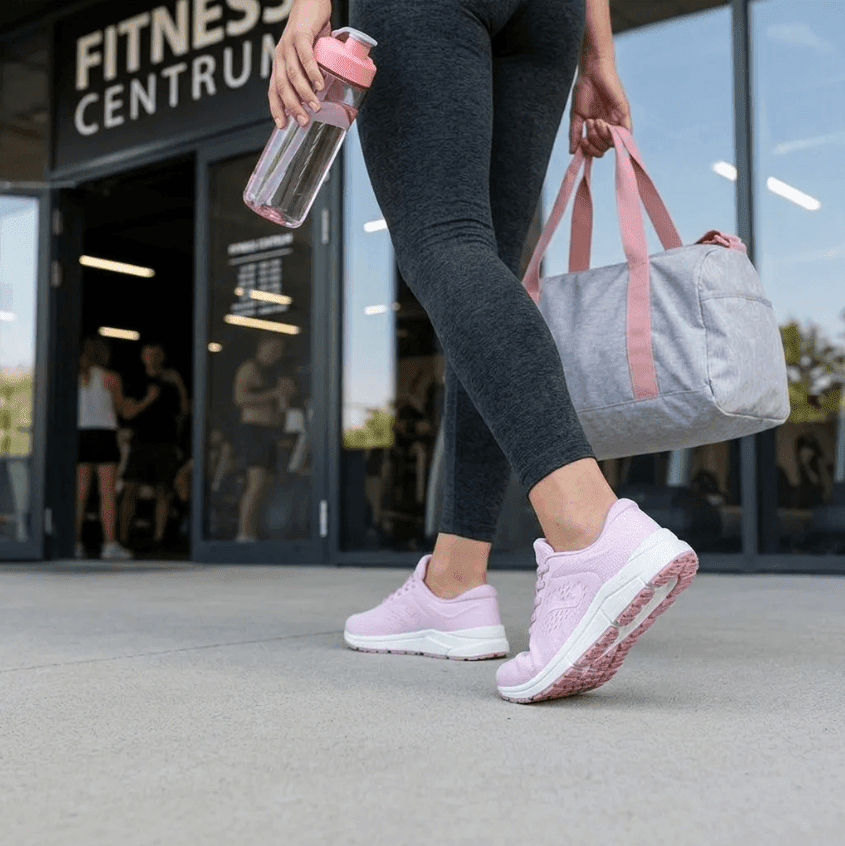
Summer also means time at outdoor pools and lidos. We walk barefoot on wet tiles, share the space with dozens of other people – and that’s exactly what makes these places high-risk areas for the spread of fungal infections and the viruses that cause verrucas. The warm, damp environment around pools is an ideal breeding ground, and unprotected feet are easily exposed.
So it’s worth bringing your own flip-flops or pool slides – not only for hygiene, but also to protect against minor injuries. Before you head home from the pool, it’s a good idea to disinfect your feet as well.
naBOSo tip: for children, we offer special water shoes that protect little feet from hot tiles and minor injuries. To see how they perform in real life, read our review RAYVE SPLASHSAFE: Water shoes that protect little feet at the lido and by the sea.
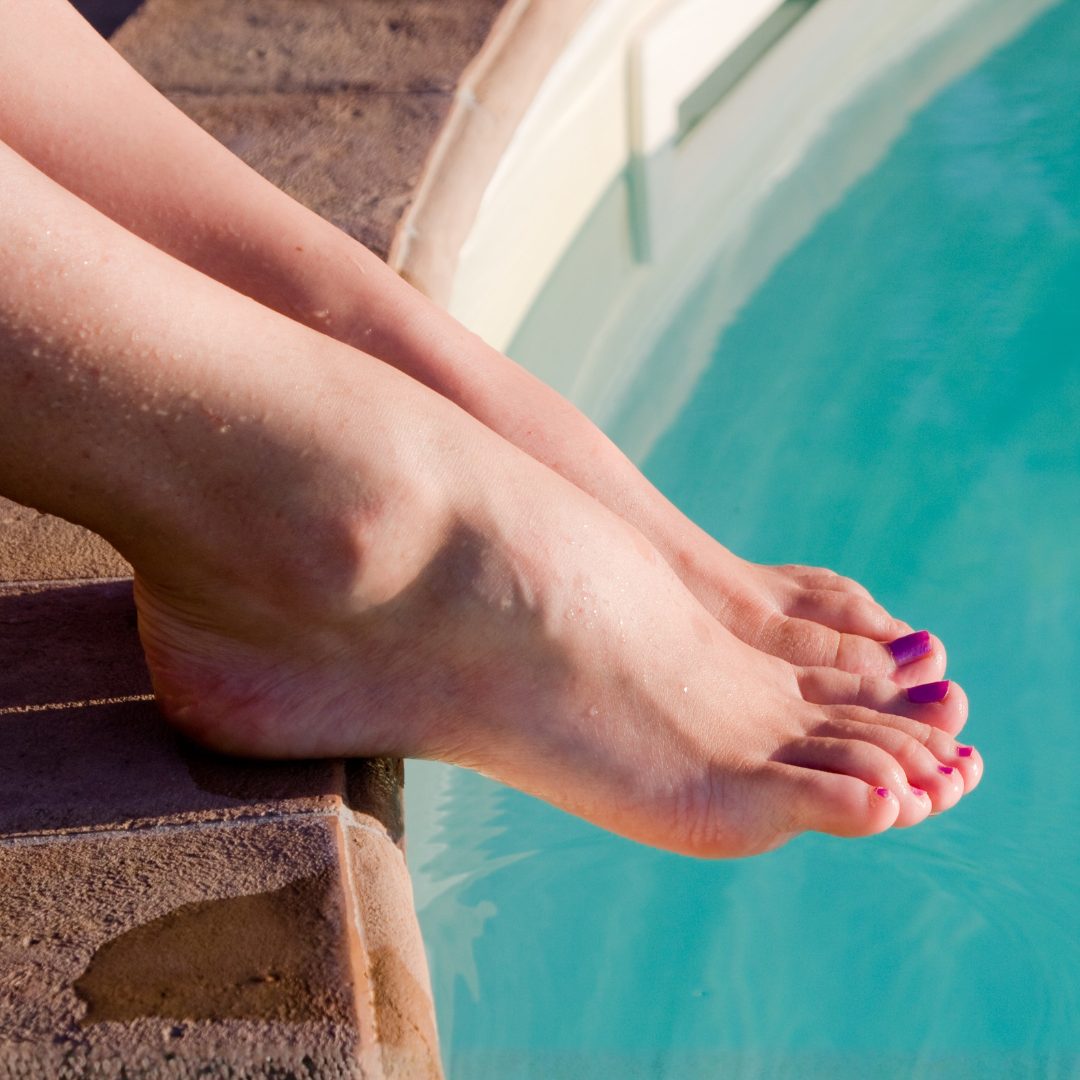
The skin on your heels is naturally thicker than on other parts of the body because it cushions impact. But if it’s exposed to increased pressure over a long period, it responds by building up a thicker callused layer as natural protection. In summer, this is made worse by walking barefoot, wearing open shoes without heel support for long periods, hot weather, swimming in chlorinated or salty water, and spending time on scorching sand. The skin loses its natural moisture, becomes less elastic and, under load, can start to crack. At first, tiny fissures appear, which can gradually deepen without regular care into painful splits. And it’s not just cosmetic – deep cracks hurt with every step and can be an entry point for bacteria and other infections.
Regular at-home care is key: after bathing, dry your feet and apply a suitable cream – ideally a moisturiser containing urea. “Using a pumice stone on dry skin is more effective than after long soaking – the skin tears less and responds better to gentle removal of hard skin,” recommends Kateřina Malá, adding that it’s better to avoid razor blades, which can damage the skin. If cracks are deep or keep coming back, don’t be afraid to see a professional who can treat them properly and recommend products tailored to you.
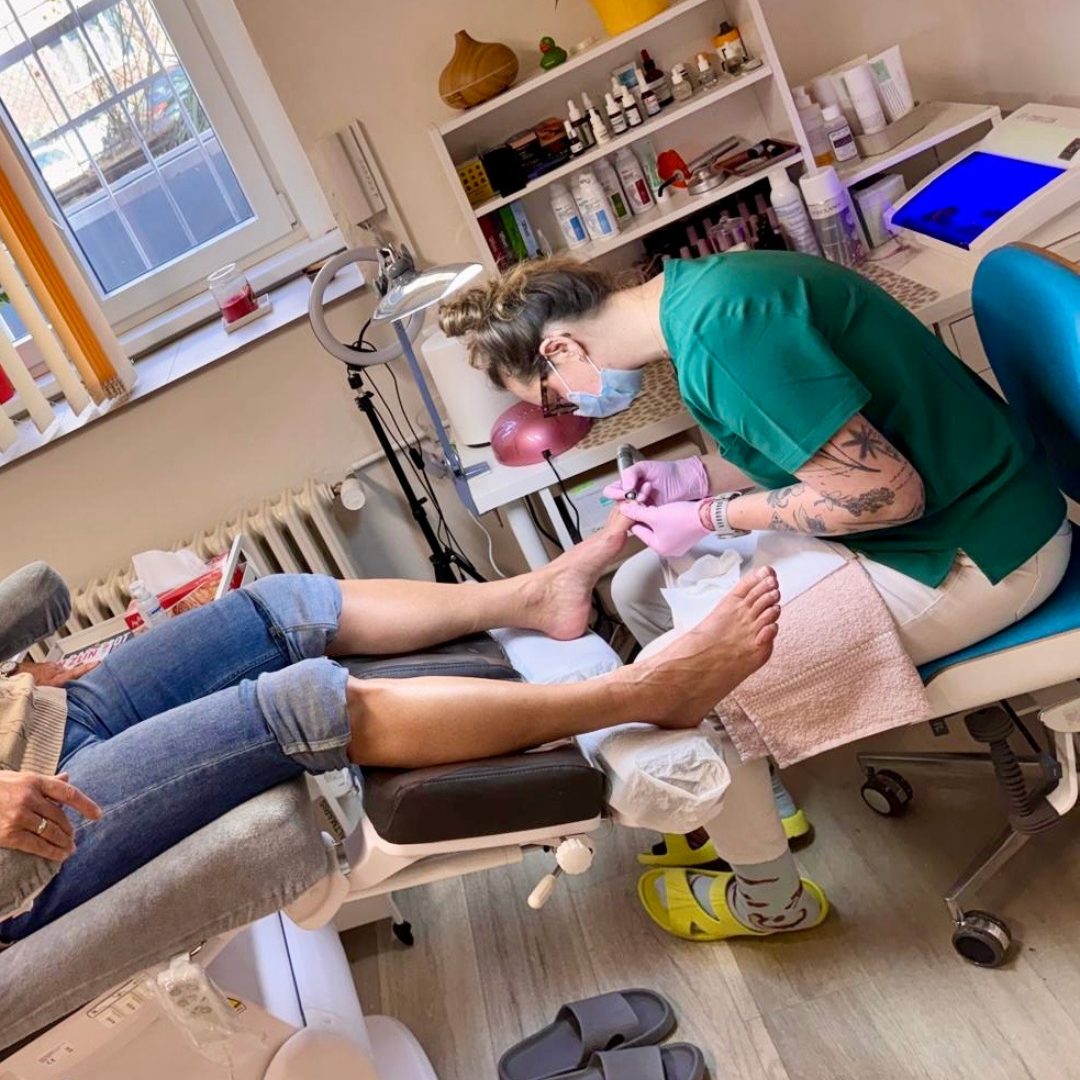 photo: Kateřina Malá
One of the most common reasons for ingrown toenails is incorrect trimming – too rounded or cut too short. In summer, the problem often gets worse because feet naturally swell, sweat more and stay damp for longer. Combined with tight or closed footwear, this creates increased pressure on the nail, which can then start to grow in.
The basics: cut nails straight across and don’t trim the corners too short. It’s best to cut nails after washing your feet or after a short bath, when they’re slightly softened. If the problem still appears, it’s not a good idea to wait until the pain makes walking difficult – modern podology offers gentle corrective methods, such as nail braces, which help guide the nail back into proper growth.
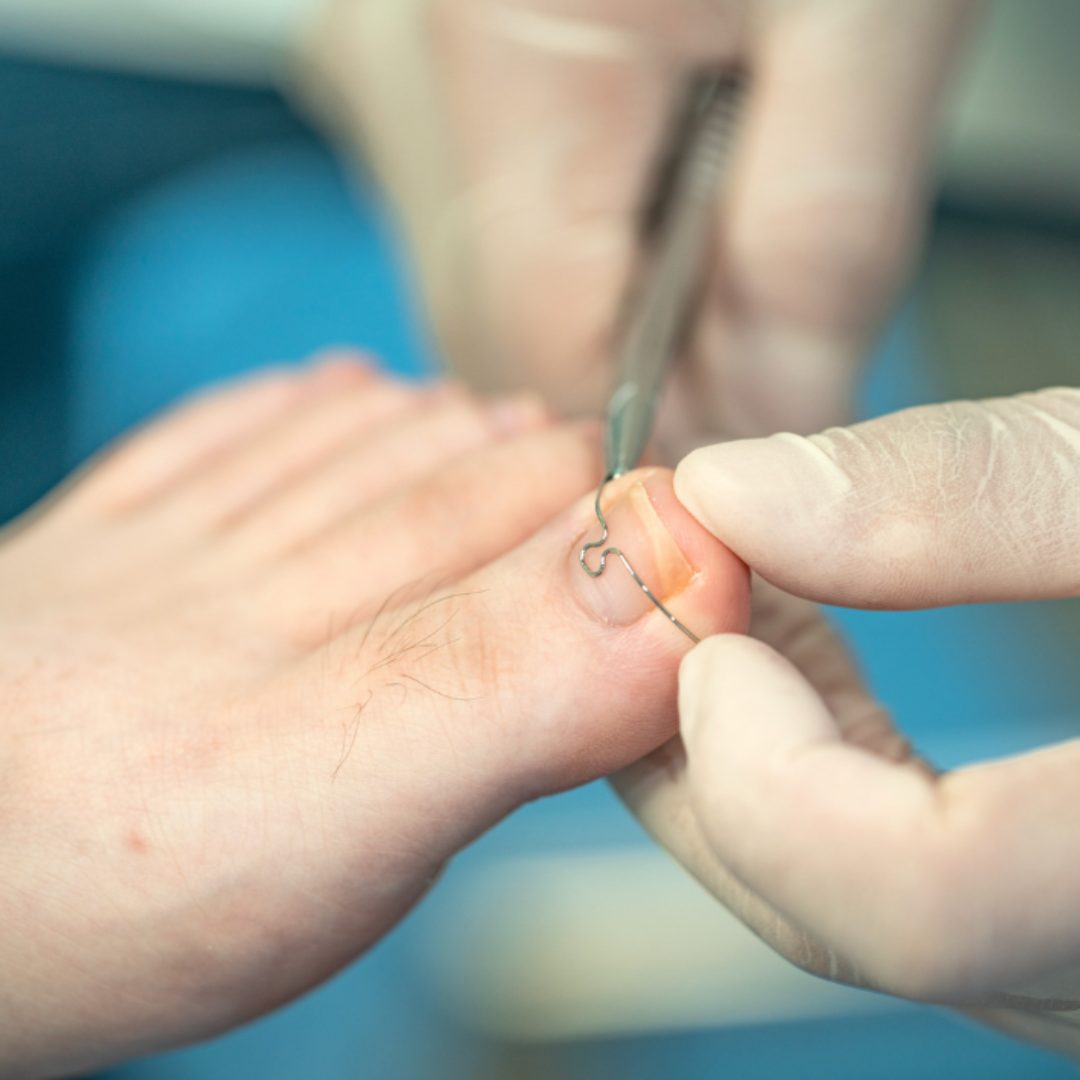 Ingrown toenails and pressure points often share the same summer culprit – swollen feet after hot days. Let’s take a closer look.
In hot weather, blood vessels naturally widen and your feet may swell slightly. You might know the feeling: shoes that fit perfectly in the morning suddenly feel tighter in the evening. Your feet can increase by several millimetres over the course of the day, and that’s exactly why pressure points form more easily in unsuitable footwear. Socks can also dig in, leaving marks around the ankles and restricting proper blood and lymph flow.
That’s why it’s best to try on new shoes in the afternoon or evening, when your feet are most loaded and at their largest. Choose footwear with plenty of room for your toes and made from flexible materials, so you stay comfortable all day – even if your feet swell a little.
Alongside choosing the right shoes, a few simple habits during the day can also help reduce swelling.
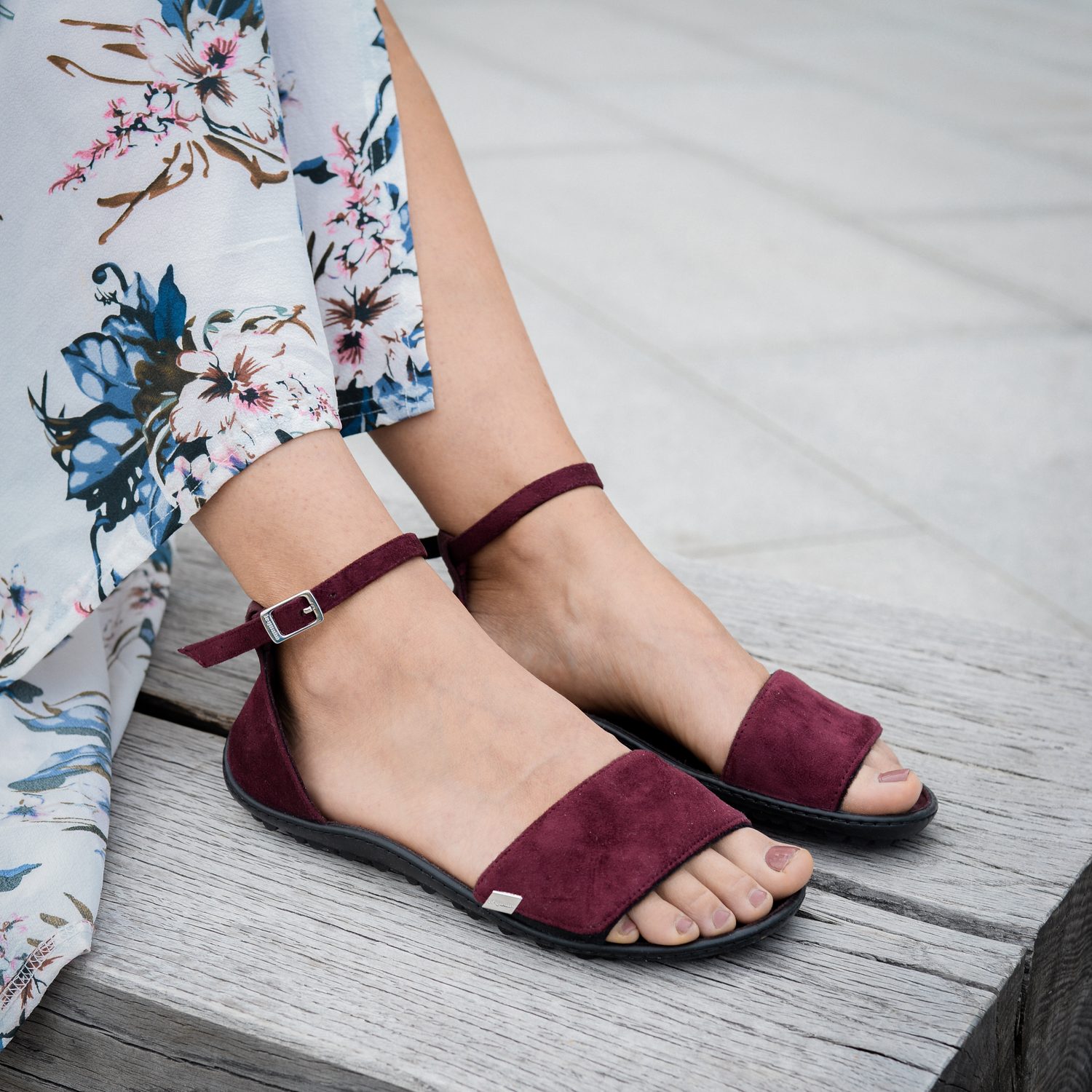
In summer, swollen feet are a common issue. It can help to drink enough fluids, move regularly, and avoid long periods of sitting or standing. If you have a desk job, try to stand up at least once an hour, take a short walk and get your legs moving. Whenever possible, elevate your feet during the day – for example, rest them on a chair opposite.
Relief can also come from a lukewarm to cooler shower from the feet up towards the calves. Avoid overly tight clothing and, if swelling is frequent, consider wearing compression knee-highs or stockings to support healthy venous return.
If swelling troubles you regularly outside the summer months too, or if it’s pronounced and painful, it’s best to consult a doctor. You can also get basic advice via the online Žilní poradna.
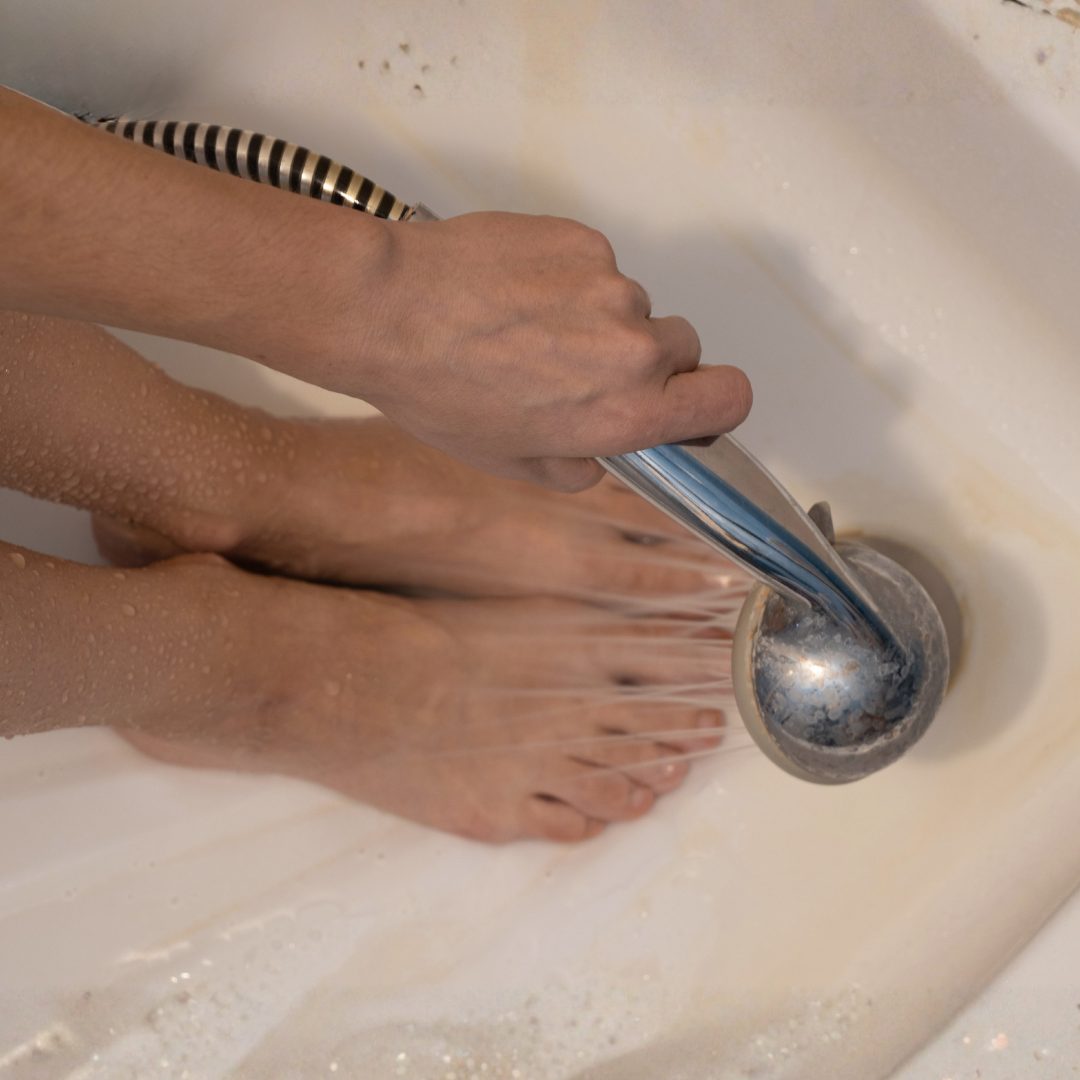
Summer is the ideal time to go barefoot – for both adults’ and children’s feet. Natural surfaces stimulate nerve endings, activate the small muscles of the foot and help improve stability as well as body awareness.
But do watch the surface. Walking on sun-heated tarmac can cause burns, and sharp stones pose an injury risk. So where is it best to go barefoot? Grass, sand or woodland paths are ideal – and the more varied the surface, the better for your feet and nervous system.
If you’re interested in how to start barefoot walking safely with children, take a look at our article Bare feet in summer: when it helps and when to reach for barefoot shoes.
Time without shoes is one of the best things we can offer our feet in summer – but we don’t go barefoot all day. So the question remains: what footwear should you choose for the rest of the day to get as close as possible to that barefoot feel?
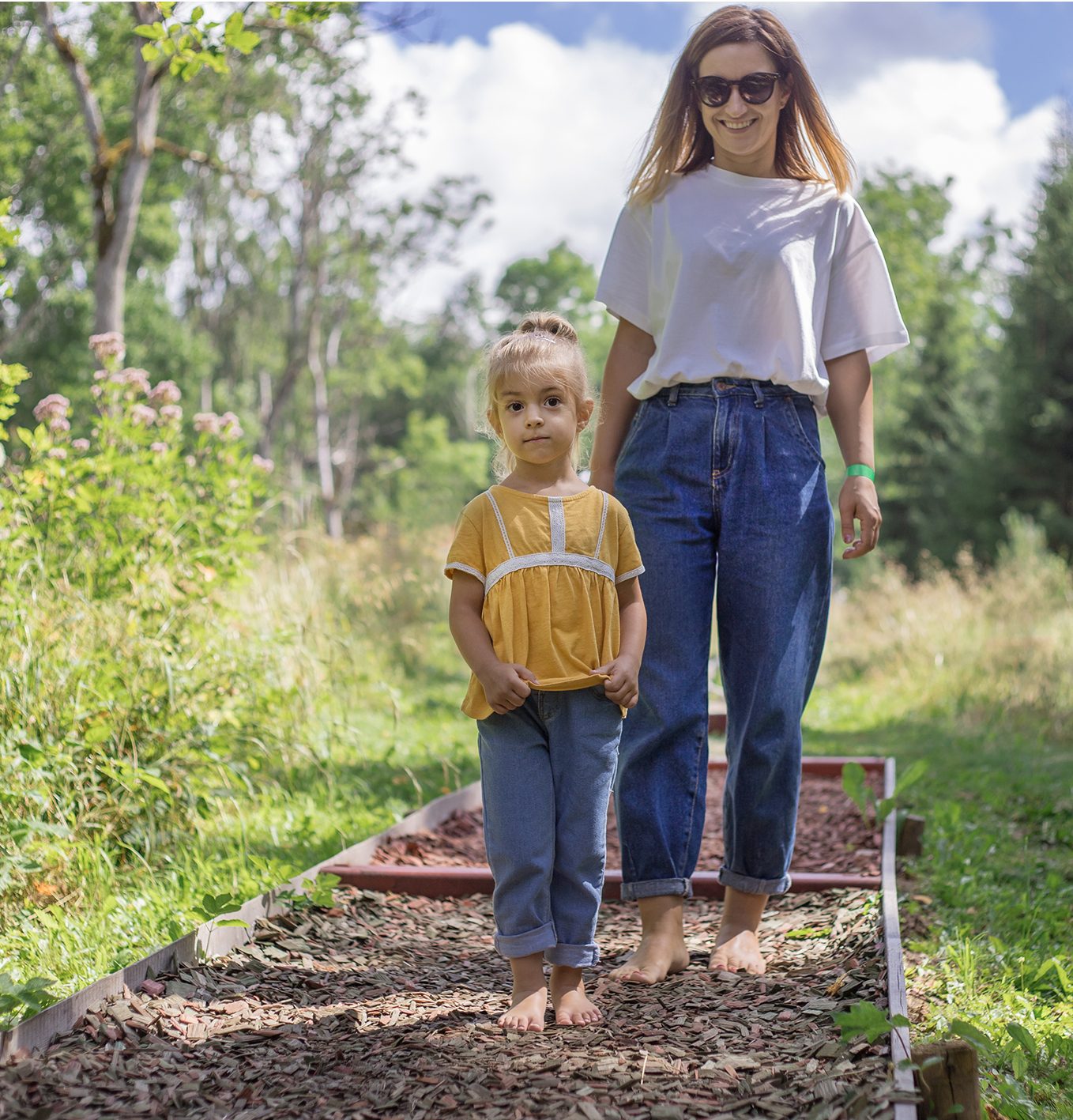
Even more important than choosing the shoe itself is choosing the right size, which helps prevent pressure points and ingrown toenails. With barefoot shoes, you need to allow for a so-called toe allowance – extra space at the front of the shoe so your toes have room and can work naturally as you walk. How to measure your foot correctly and how much allowance to choose is explained in our article How to measure your foot properly – and why barefoot shoes need extra allowance.
Even though slides and flip-flops are a summer symbol, wearing them all day can overload your feet. Your toes have to grip the footwear constantly, which changes your walking pattern – toes subconsciously curl, which can lead to fatigue in the small foot muscles or cause pressure points and blisters. For longer wear, we recommend choosing sandals with an ankle or heel strap instead, which stay securely on your foot and don’t make your toes work so hard.
In summer, your feet will feel best in breathable barefoot footwear: there’s more space, your feet “breathe” better and sweat less. That creates a more comfortable environment, reducing the risk of fungal issues and nail problems, while allowing your feet to move naturally and freely.
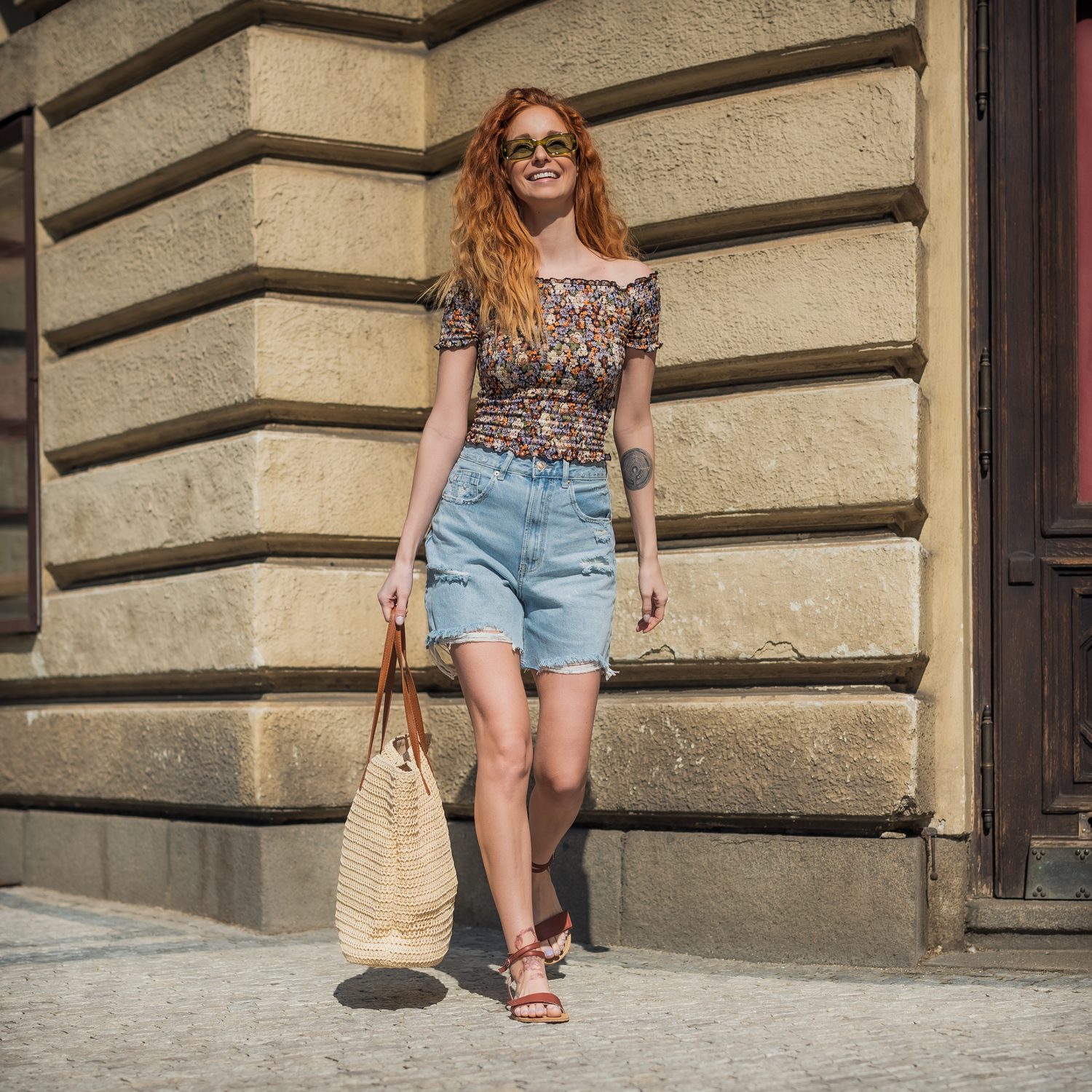
Alongside foot-care advice, Kateřina also shared specific shoe models that she personally wears in summer and recommends.
“In summer, I most often choose the KOS or VERONA sandals from GROUNDIES,” says Kateřina. GROUDIES KOS are leather unisex sandals with a thin, flexible sole and adjustable straps over the instep and around the heel, so they’re easy to adapt to your foot shape. They come in stylish black or cognac, so you can choose what best suits your wardrobe.
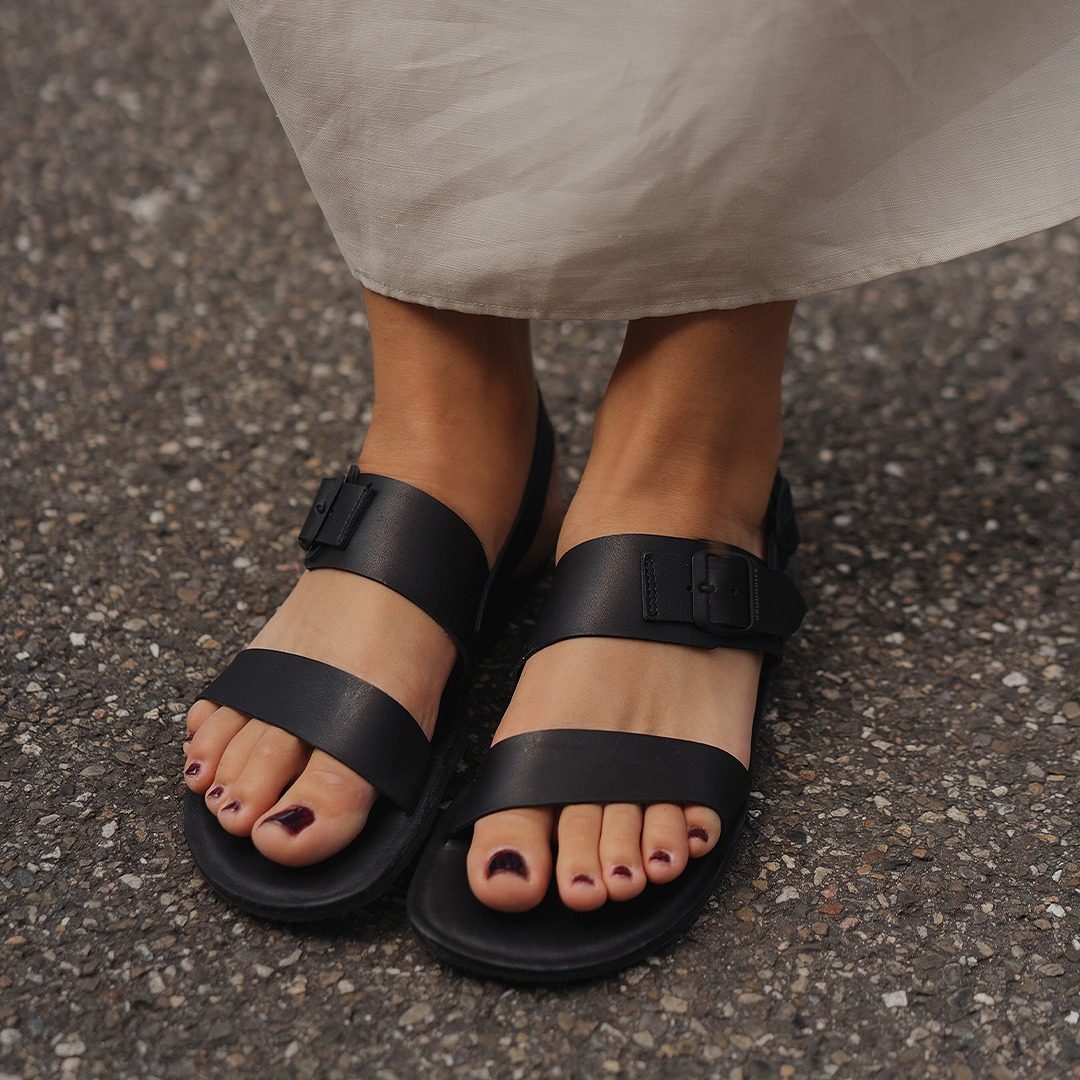
GROUNDIES VERONA are elegant barefoot sandals in smooth or vegan leather, with a minimalist design that pairs easily with a summer wardrobe. Soft, stretchy heel straps hold the foot beautifully. Thanks to the comfortable material, they’re ideal for summer days, city walks and all-day wear.
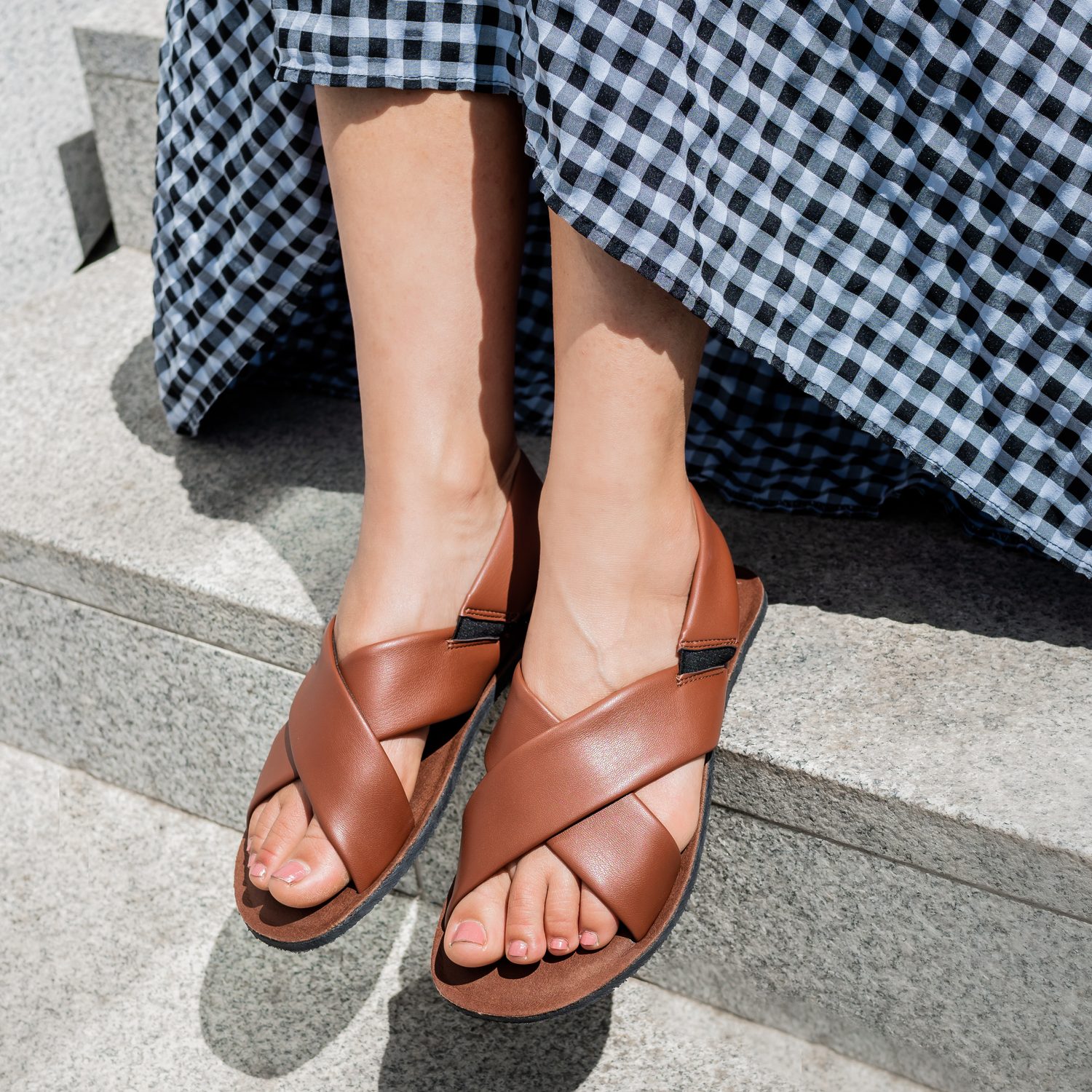
On hot days when she wants a closed but still comfortable shoe, she reaches for LEGUANO AMALFI – women’s barefoot trainers made from soft, breathable textile decorated with delicate lace, with a thin flexible sole. Thanks to their elegant look, they’re suitable for work and everyday wear – and they’re machine-washable too.
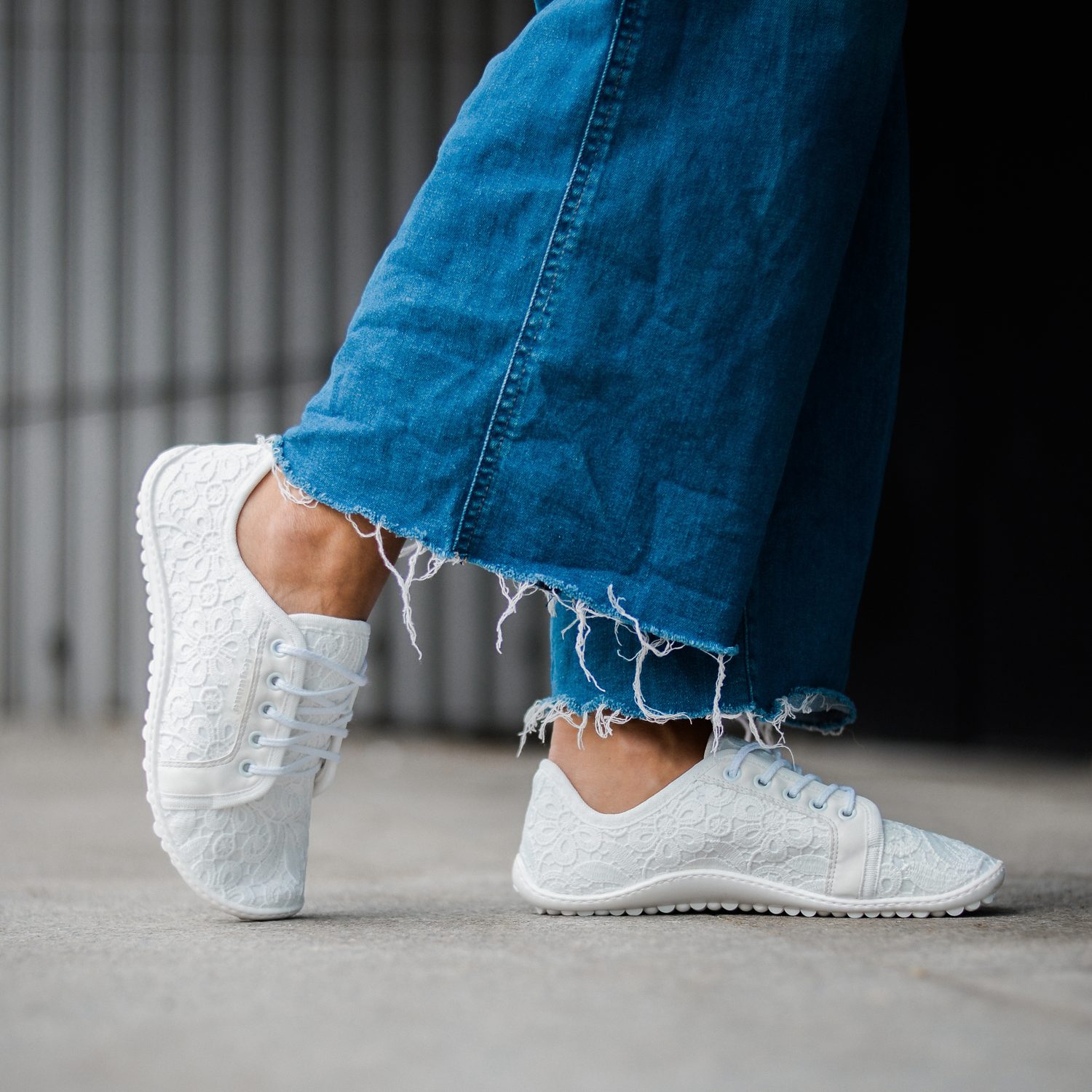
And if some summer days are cooler or rain is on the way, she puts on RAYVE RIO. The Rio model is made from suede leather and is a unisex city trainer available in a range of stylish colour options, so everyone can choose to suit their taste. Thanks to the soft insole, they’re also suitable for barefoot beginners.
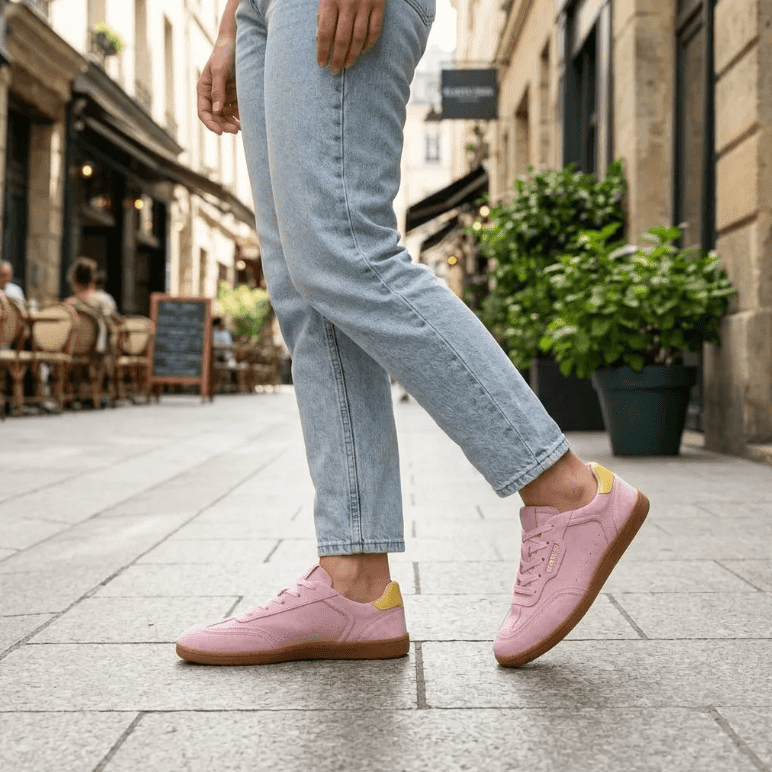
Beautiful, healthy feet in summer come down to three simple principles: regular hygiene, suitable footwear and timely preventive care from a specialist. Regular checks and treatment help prevent issues before they start, keeping your feet healthy and pain-free in the long run.
Summer gives your feet a freedom they often don’t get for the rest of the year – open shoes, going barefoot, more outdoor movement. But with a few small habits and a bit of attention, that freedom can benefit your feet rather than backfire. Listen to your feet: if something rubs or hurts when you walk, it’s not a normal part of summer – it’s a sign that it’s time to give them more care, or to see a specialist. Your feet will reward you with light, pain-free walking all year round.
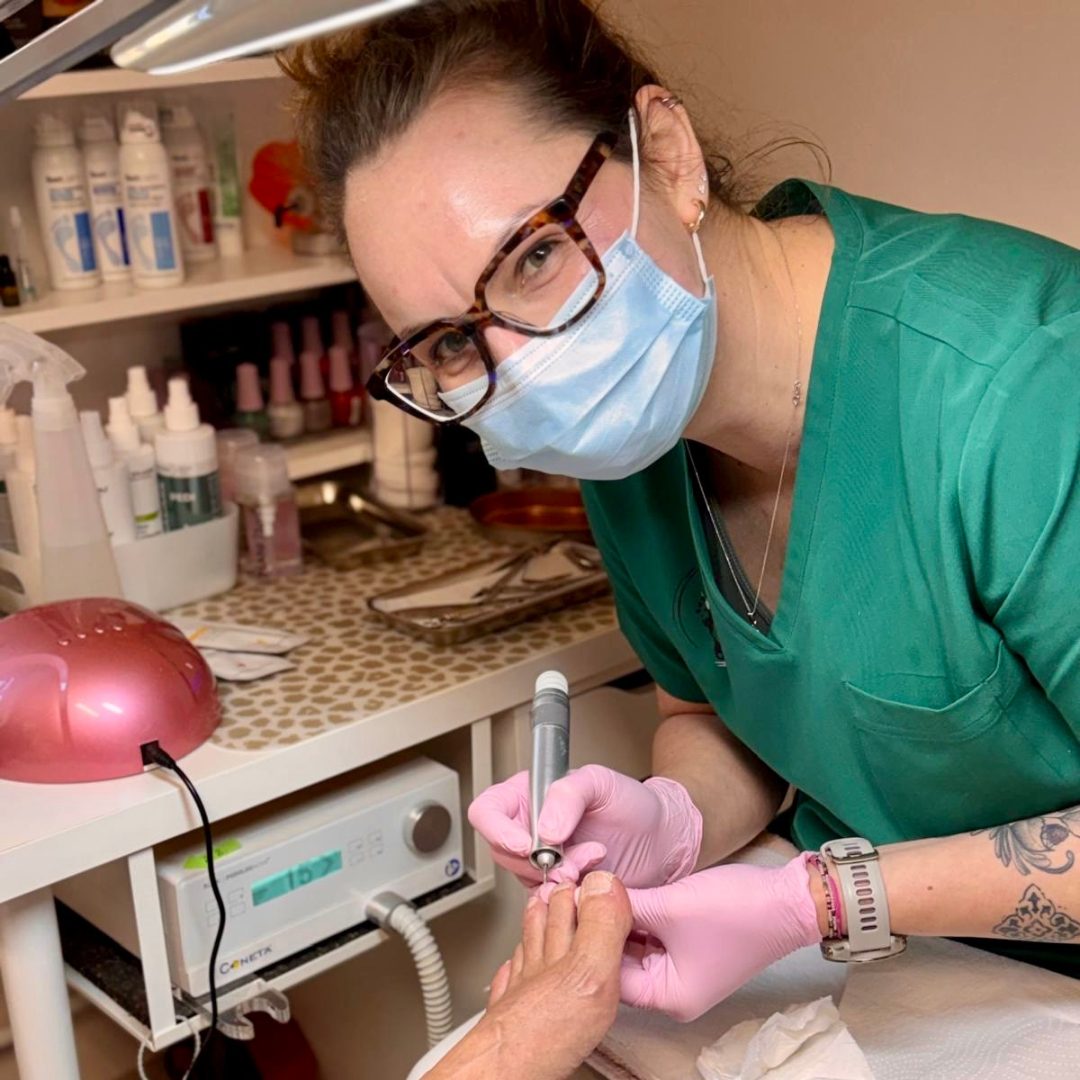 photo: Kateřina Malá
This article was created in collaboration with Bc. Kateřina Malá. Kateřina is a podology specialist focusing on preventive foot care – medical pedicures, care for ingrown and fungal nails, and advice on choosing suitable footwear or insoles. She takes a holistic view of the feet, and long-term results come from combining professional care with the client’s active approach. What she enjoys most about her work is the moment a client leaves not only with relief after treatment, but also with the confidence that they know how to care for their feet at home. You can find out more about Kateřina on her Instagram @nohy_sobe.


You are currently on www.premiumbarefoot.co.uk


 £ - EN
 Čeština
 English (US)
 Slovenčina
 Magyar
 български
 Polski
 Dansk
Dansk
 Nederlands
 Svenska
 Suomi
Suomi
 Español
 Français
 Slovenščina
 Română
 Português
 Deutsch (DE)
 Deutsch (AT)
 Deutsch (CH)


