We’ll be happy to help via online chat or at: orders@premiumbarefoot.com

Children Barefoot Selecting and Maintaining Barefoot Shoes Walking, Movement and Health
Find out why barefoot shoes are a great choice for PE, how to choose them properly, and which brands fit children’s feet best. A practical guide for parents.
PE is one of the few school activities that gives children a bit of movement. But! At a time when their feet are developing intensively, the wrong shoes can contribute to fallen arches, poor toe alignment and even back pain.
Children’s physiotherapist Bc. Hana Tonarová answered a question many parents ask: are barefoot shoes the ideal choice for PE, and what should you watch out for when choosing them?
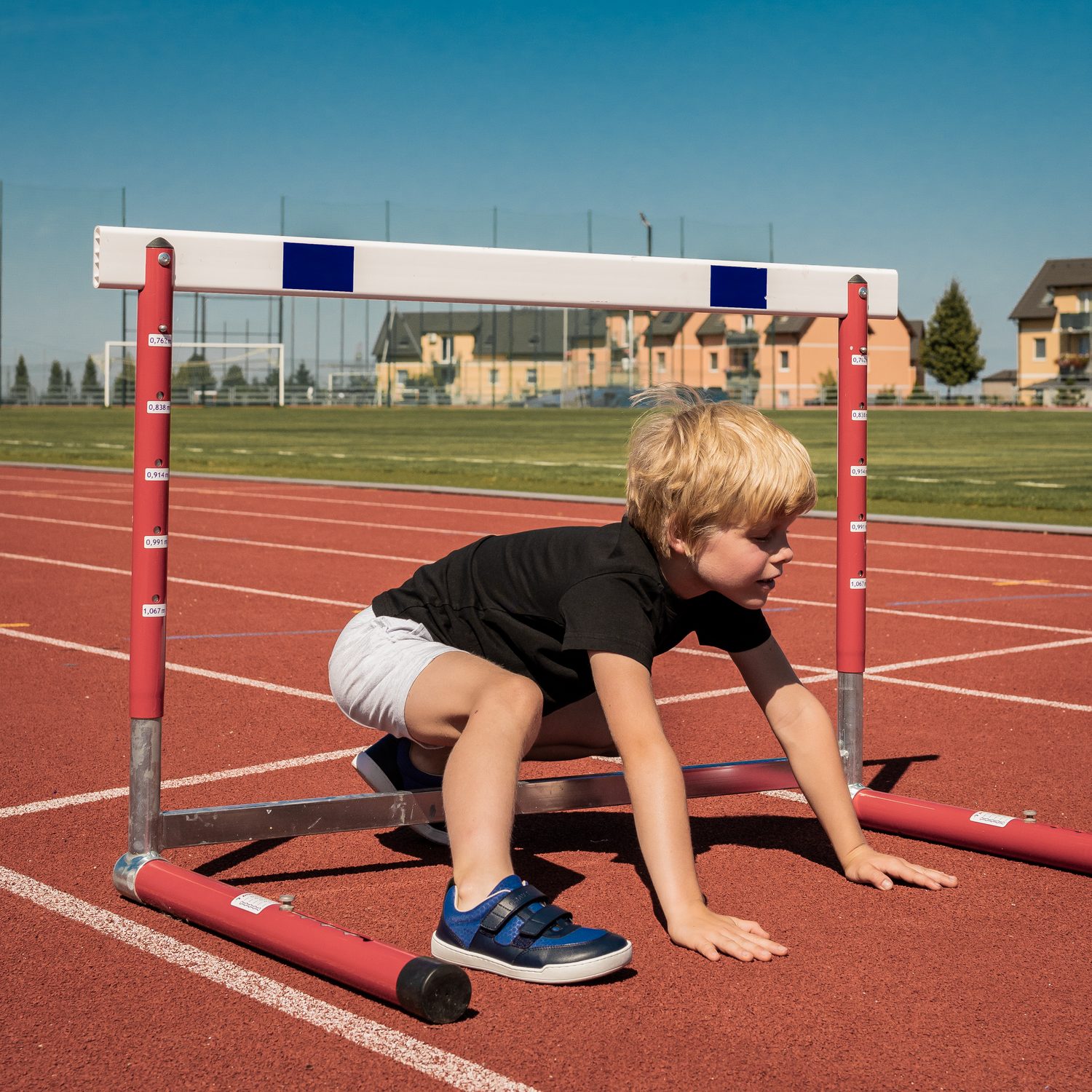
School sports halls have their rules – and healthy development of a child’s foot has its own rules too.
„If we focus specifically on school PE, it is (or should be) a well-rounded movement activity: running, jumping, games, simple strength or coordination elements. In this context, you don’t need specialised shoes for a specific sport.
On the contrary – the right footwear for school PE should be as versatile as possible: light, comfortable, flexible and respectful of the anatomy of a child’s foot. And that’s exactly what well-fitting barefoot footwear delivers,“ says children’s physiotherapist Hana Tonarová.

Here’s a list of the most important things the ideal PE shoes (aka plimsolls) should have:
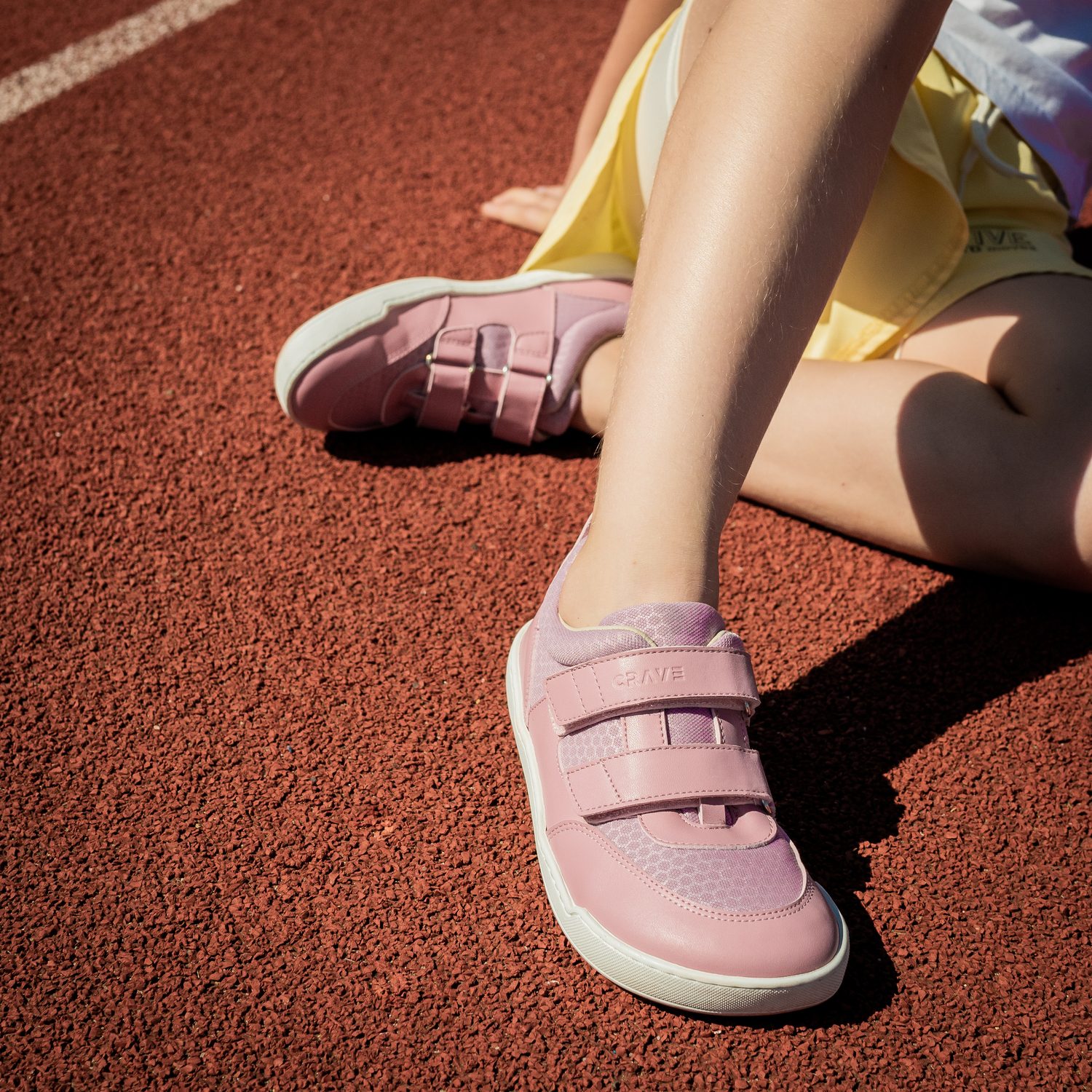
Barefoot footwear supports healthy foot development by letting the foot work naturally. And PE is exactly when feet are used the most – running, jumping, balancing, changing direction.
So why choose something that lets the body move as if barefoot, instead of classic stiff plimsolls or cushioned trainers?
naBOSo tip: PODCAST: Bc. Hana Tonarová: Children, sport and healthy movement from a physiotherapist’s perspective
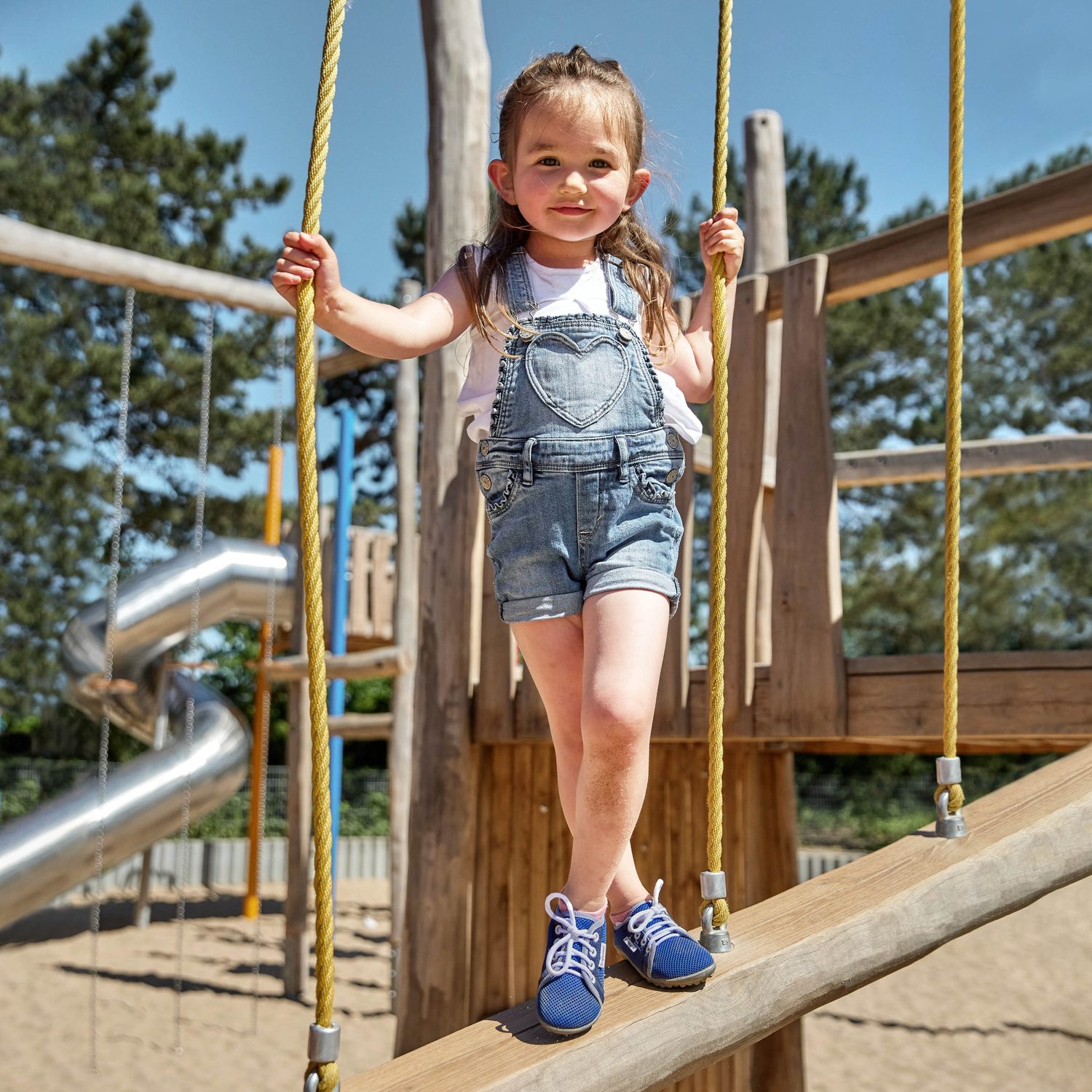
Choosing PE shoes definitely isn’t just about the brand. Measuring and trying them on matters most. Here are our tips to make it easier:
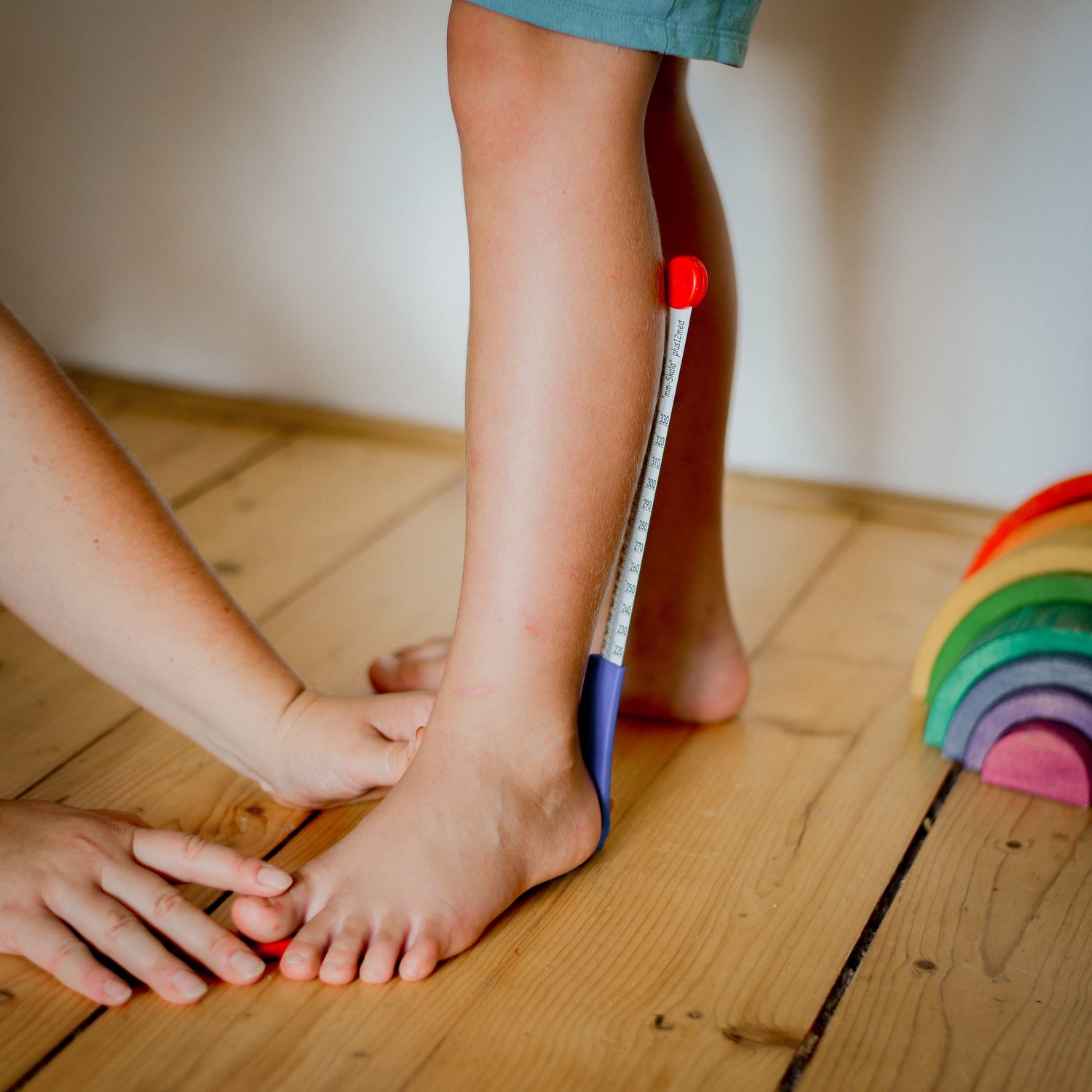
When choosing footwear, it’s important to measure your child’s foot while standing, both length and width. Ideally, measure in the evening, when the foot is naturally a bit more spread after a full day. Take a look at our complete guide to measuring children’s feet.
Don’t forget to allow for growing room. For children’s shoes it should be roughly 9–12 mm. With sports shoes, remember to factor in space for socks too, as they can affect how the size feels.
It’s a good idea to have a separate pair of shoes intended only for PE. This helps them last longer and also meets the school’s hygiene and practical requirements.
If you’re not sure what to choose, pop into one of our shops. We’ll be happy to help with measuring and choosing the right model for your child’s foot shape and needs.
Choosing the right footwear for PE isn’t only about the type of shoe, but also your child’s overall health and the amount and nature of the load.
Don’t underestimate how your child feels either. If they repeatedly say the shoes pinch, their feet hurt, or they don’t feel stable, it makes sense to look for a more suitable option.
„And of course, if a child has orthopaedic or functional issues (e.g. significantly valgus ankles, toes turning in or out, recurring leg pain), it’s always appropriate to consult a specialist. In some cases, the ideal solution may be a custom-made insole – even in a barefoot shoe, as long as it’s well adapted and the shoe has enough space for it,“ emphasises Hana Tonarová.
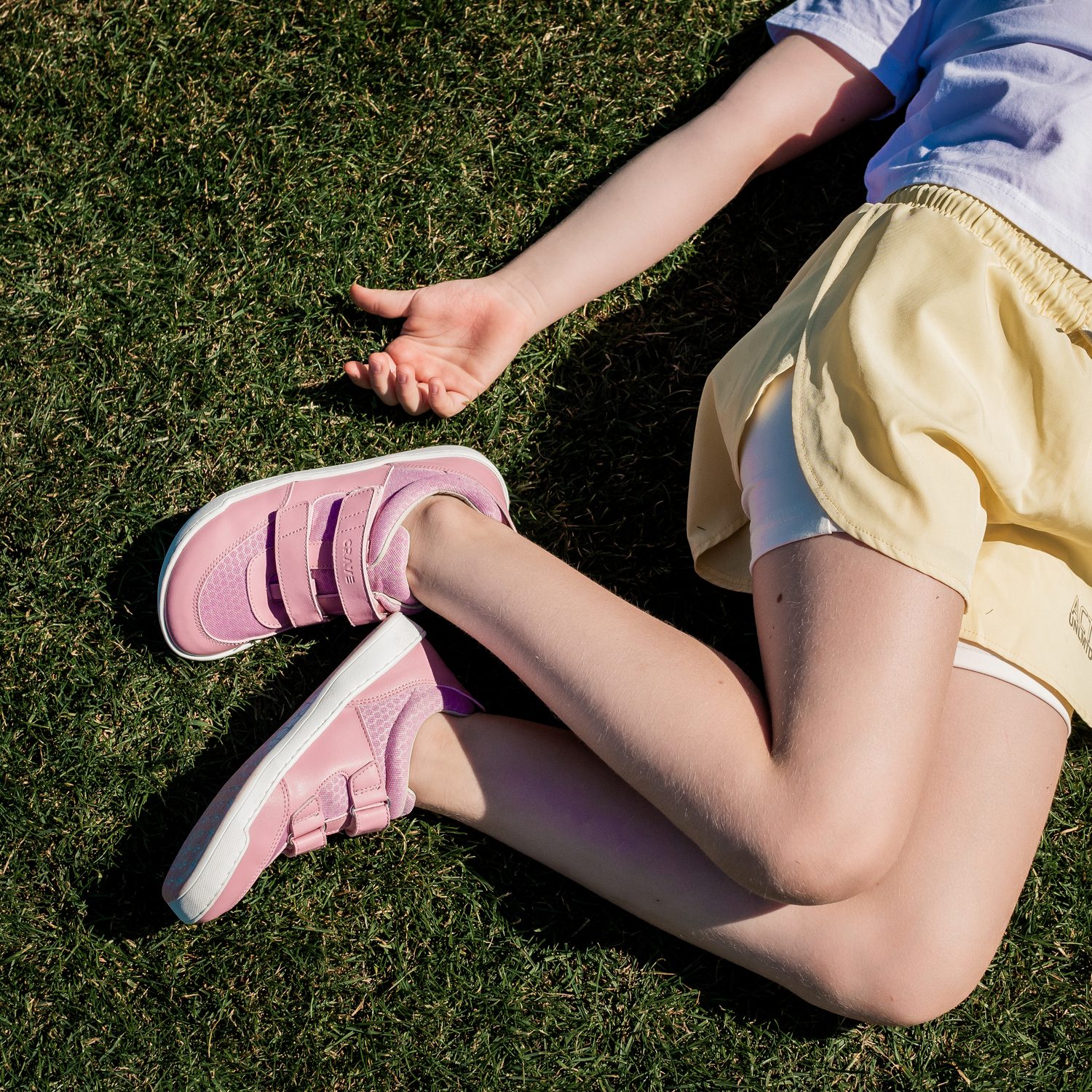
What else should guide your choice? Some schools have modern sprung floors, others have hard parquet or concrete. But it’s not just about the surface; the teacher’s approach and the intensity of training matter too. If children are doing sport for fun, playing games and moving naturally, barefoot footwear is usually more than enough.
„Once sport starts to become specialised – when performance, time or technical execution begins to matter – it may be time to reach for footwear designed for that particular sport,“ recommends Hana Tonarová.
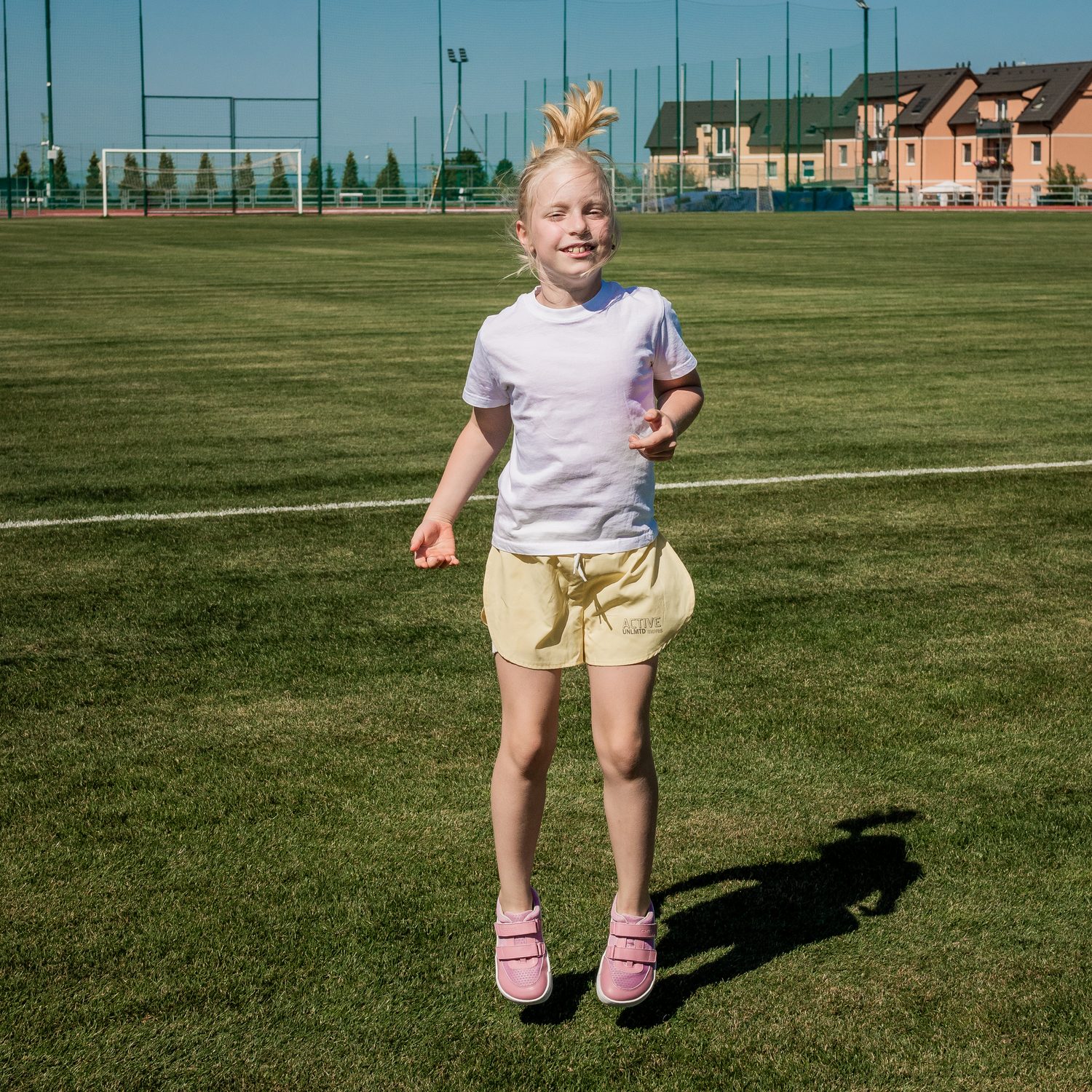
Rayve offers models suitable for little ones, schoolchildren and teenagers. Their trainers have a grippy sole, a mesh or textile upper, and a modern design that older children especially will appreciate. They’re more durable and can handle rougher wear. A great choice for children looking for a stylish, functional shoe for average to wider feet.
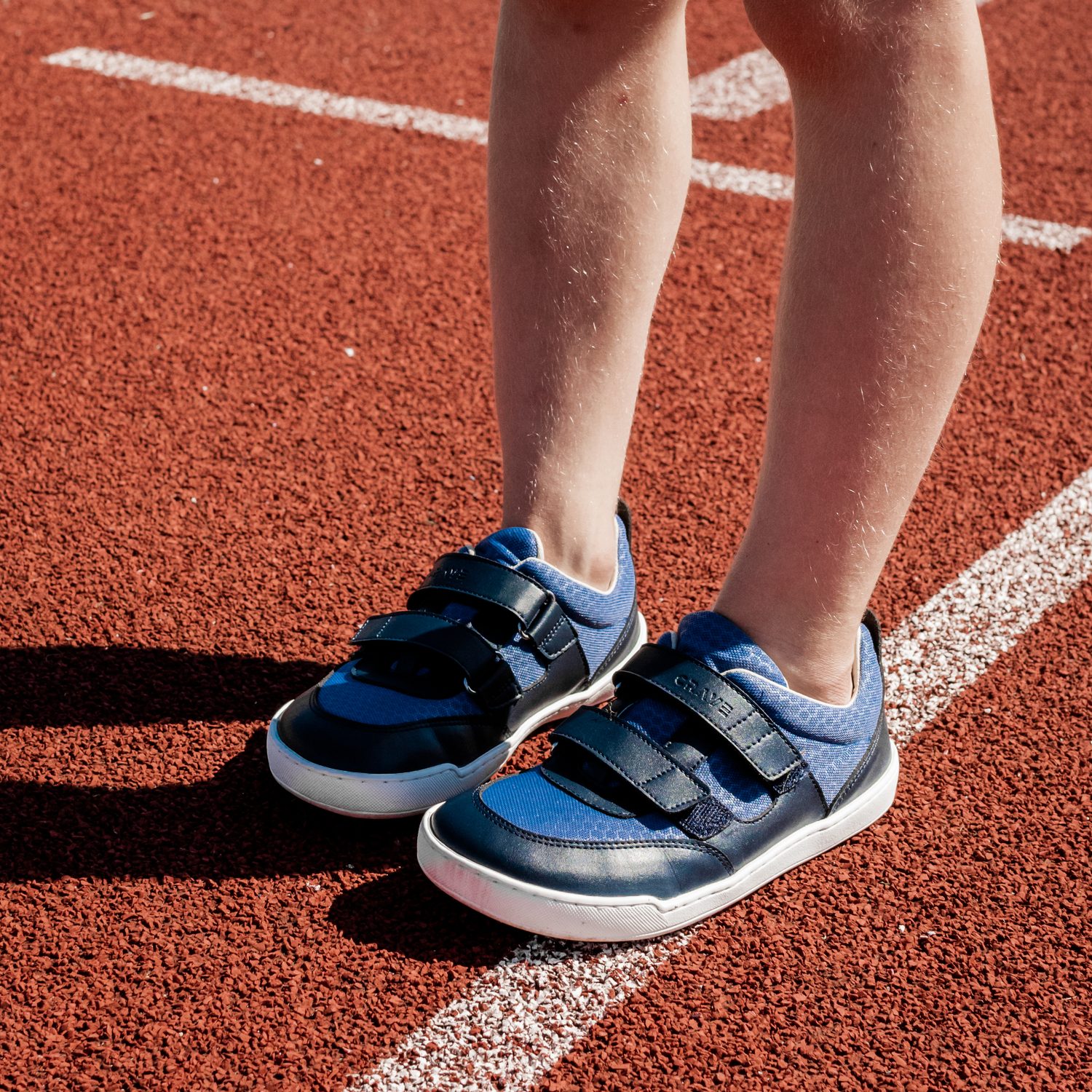
Joma offers lightweight sporty barefoot shoes for children who are always on the go. They’re comfortable, adapt well to the foot, and thanks to breathable materials they’re pleasant to wear all day. They’re great for school, the playground and sport. They suit children with average-width to narrower feet who want comfortable shoes with a sporty look.
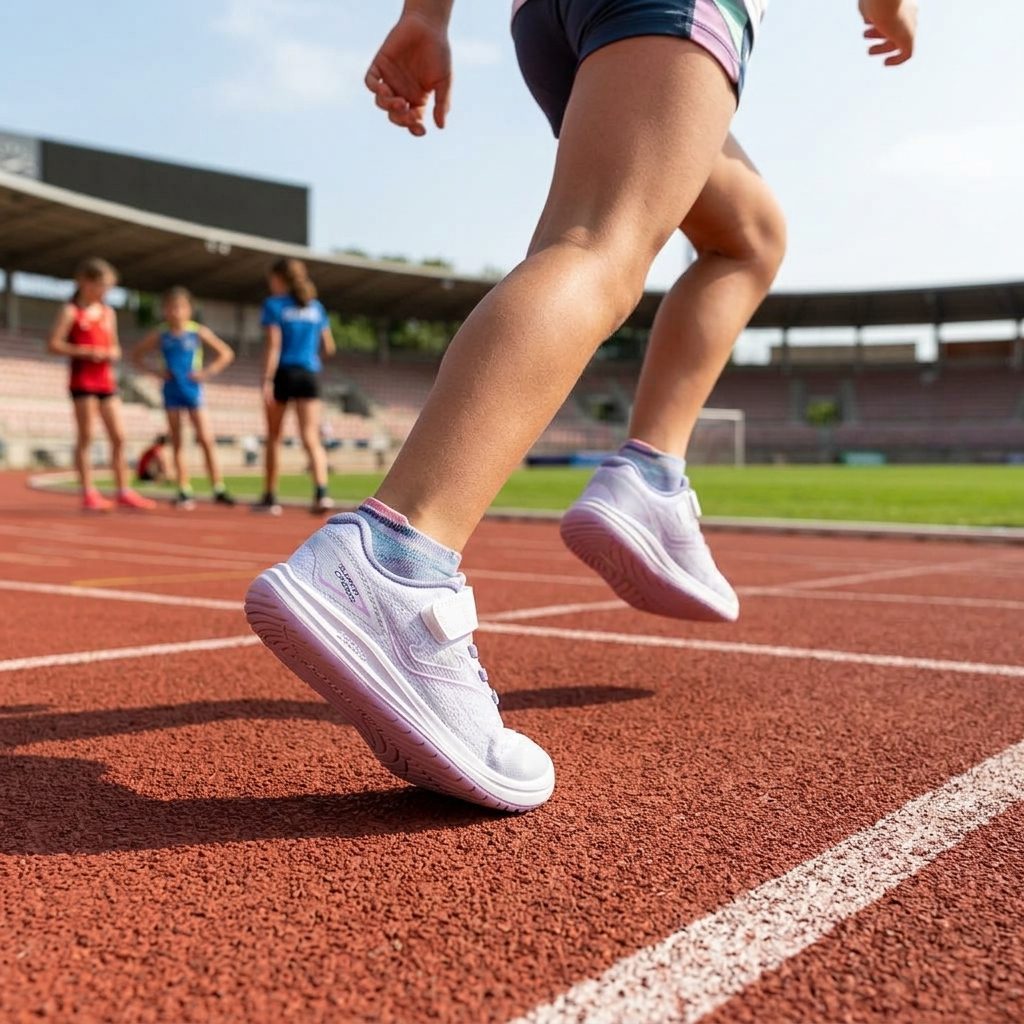
Leguano shoes are literally ‘like barefoot’. Exceptionally flexible, with a thin sole and an ideal shape for average and narrower feet. The breathable mesh adapts beautifully to the foot. As a parent, you’ll also appreciate that you can wash them in the washing machine.
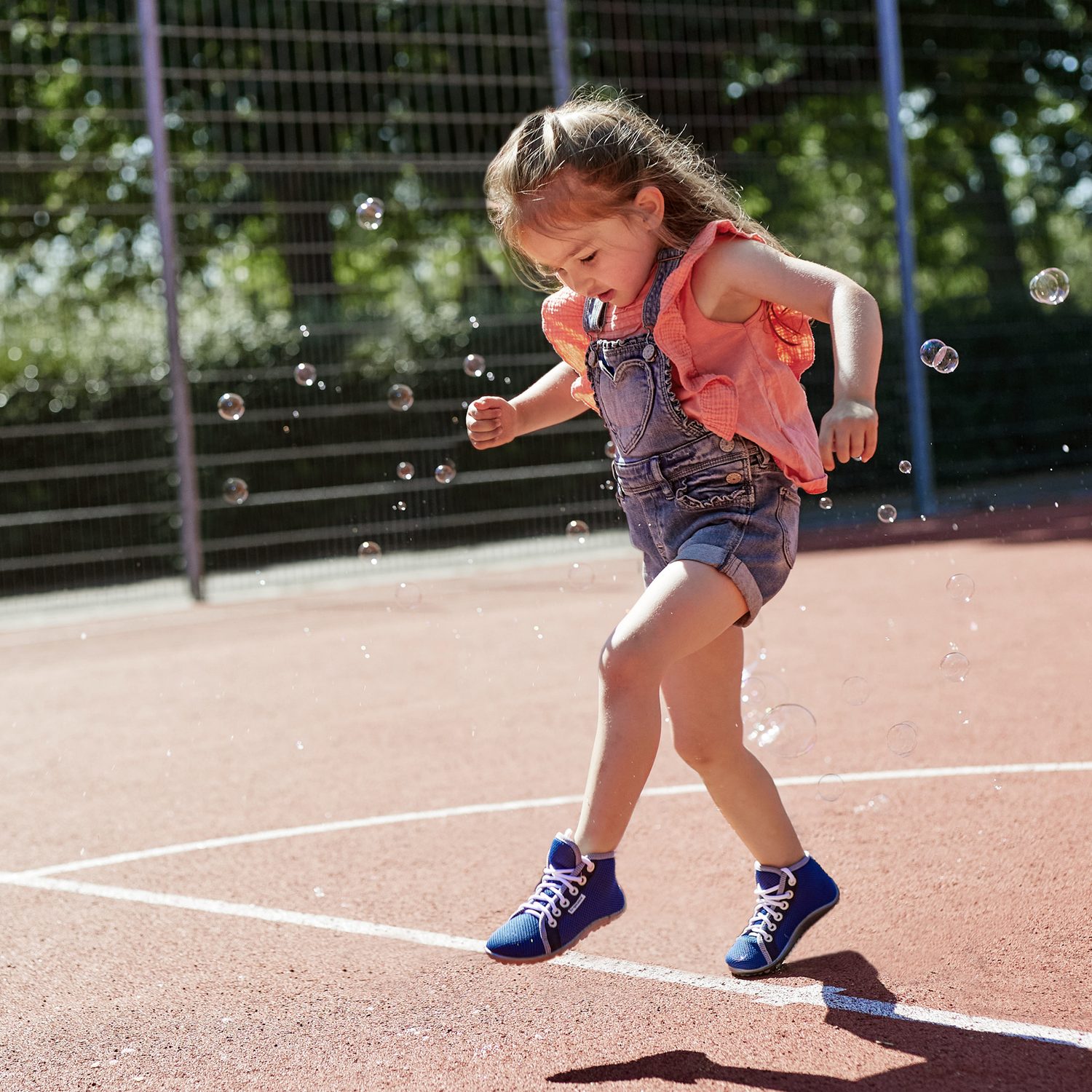
Froddo offers versatile canvas shoes and trainers that can work brilliantly as lightweight footwear for school activities too. If you’re looking for durable shoes at a good price, these models are well worth considering. They tend to suit average to wider feet.
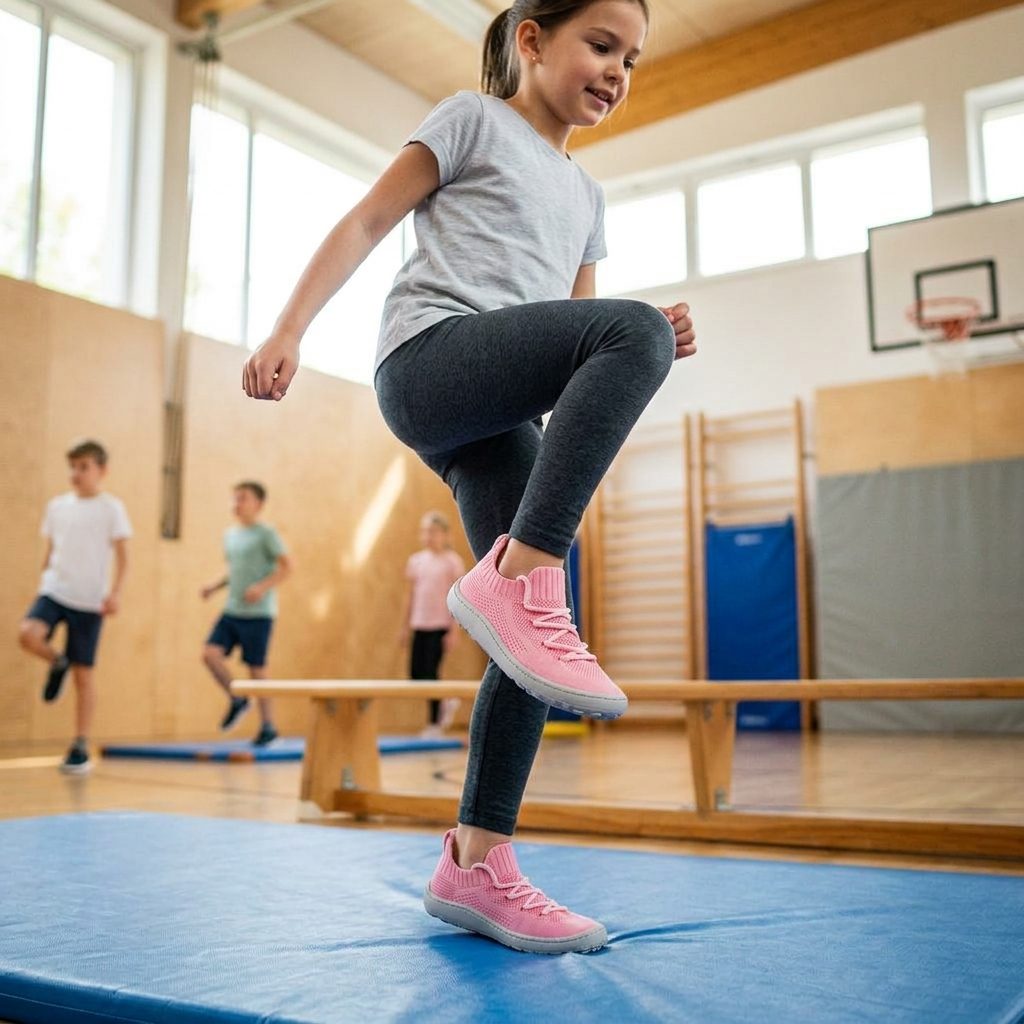
Healthy development of children’s feet is the foundation not only for school PE, but above all for life. Barefoot shoes allow natural movement, support good posture, strengthen the muscles in the feet and help prevent future problems.
Take a look at our range of barefoot shoes for PE and give your child the best. And if you’re not sure, we’ll be happy to help you choose – in person, by phone or online.
This article was created in collaboration with children’s physiotherapist Hana Tonarová.
What else might interest you on this topic?


You are currently on www.premiumbarefoot.co.uk


 £ - EN
 Čeština
 English (US)
 Slovenčina
 Magyar
 български
 Polski
 Dansk
Dansk
 Nederlands
 Svenska
 Suomi
Suomi
 Español
 Français
 Slovenščina
 Română
 Português
 Deutsch (DE)
 Deutsch (AT)
 Deutsch (CH)


