We’ll be happy to help via online chat or at: orders@premiumbarefoot.com

Children Barefoot Walking, Movement and Health
Scientific studies confirm that barefoot footwear supports healthy development of children’s feet – strengthening muscles, the arch and natural movement.
You’ll definitely know this situation. You’re standing at the playground, your child is running around in barefoot shoes – and suddenly you hear from a granny or a friend: “In those shoes? That foot needs proper support!” Or an even worse version – a similar comment comes from a doctor at a routine check-up.
The worry that children’s feet need a firm shoe with support for proper development is one of the most widespread myths about children’s footwear. That’s why we teamed up with physiotherapist Michael Tichov from FyzioGO to take a closer look at what science actually says about barefoot shoes for children.
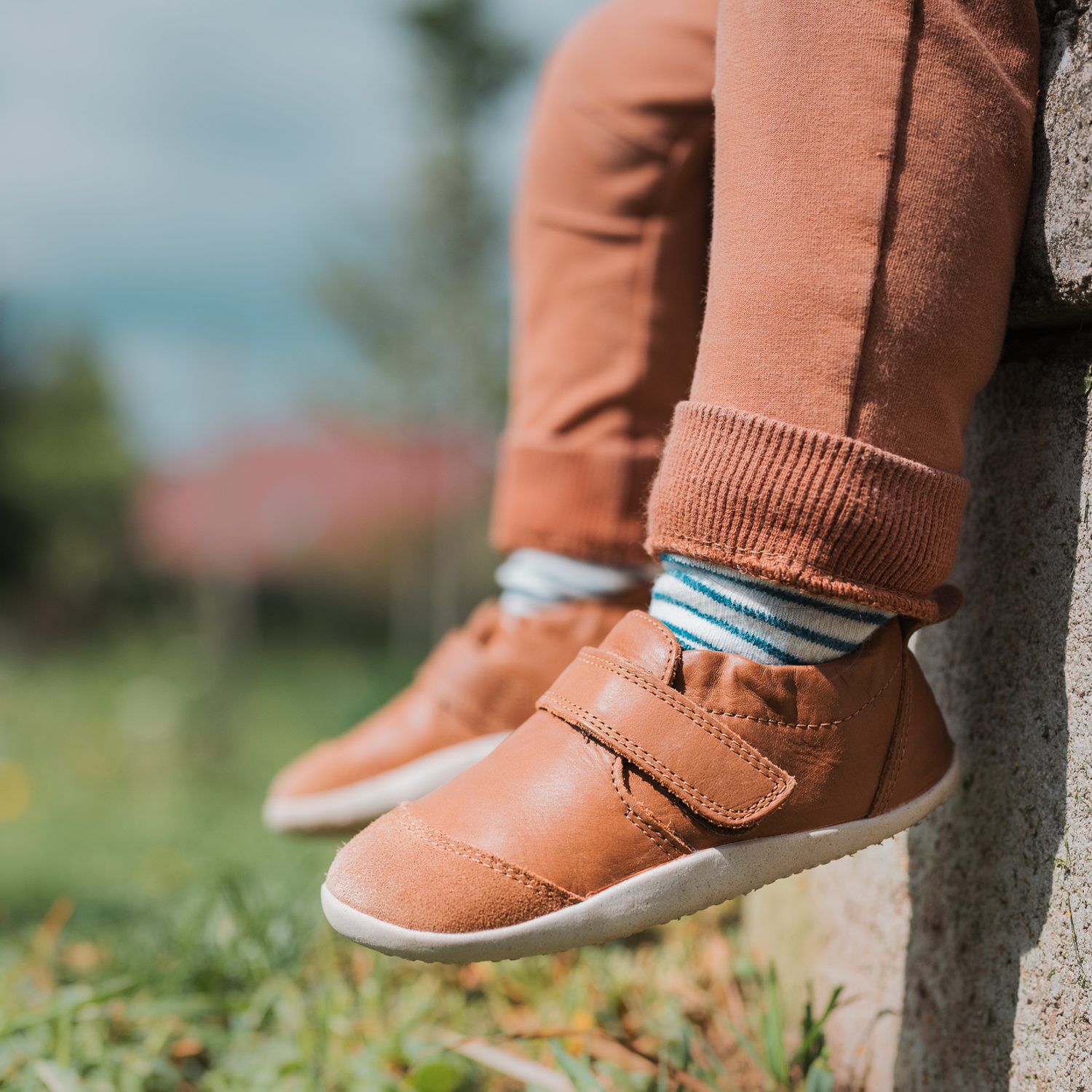
Despite the availability of expert articles confirming the positive effects of wearing barefoot footwear not only for adults but especially for children, we still come across negative or neutral opinions. “Unfortunately, in practice I often see parents coming in worried because someone told them barefoot shoes are harmful,” explains physiotherapist Michael Tichov. “Yet the scientific evidence clearly shows the opposite – that for healthy development of children’s feet, the best thing is movement that’s as natural as possible.”
Let’s take a look together at what scientific studies really say about barefoot shoes for children.
Barefoot shoes aren’t some invention of the last few years, as some people might think. If we look back at professional sources from a time when many readers of this article weren’t even born yet, we find the following recommendations for children’s footwear:
Source: Staheli LT. Shoes for children: a review. Pediatrics. 1991; 88(2):371-5.
This is a shared consensus of US paediatricians published in the prestigious journal of the American Academy of Pediatrics. This statement from 1991 can be considered timeless information, and it’s also supported by research findings on the effects of barefoot shoes from recent years.
One of the most common arguments against barefoot shoes is the claim that children’s feet need firm support for healthy development. However, a large study from 1992 disproved this argument. Researchers observed 2,300 children and compared the prevalence of flat feet depending on what footwear they used over the years.
The results were clear: the children who spent most of their time barefoot came out best. Second were children in open footwear, and the worst outcomes were in the group that wore closed footwear most of the time.
Source: Rao, U. B., & Joseph, B. (1992). The influence of footwear on the prevalence of flat foot. A survey of 2300 children. The Journal of Bone & Joint Surgery British Volume, 74(4), 525-527.
“This study clearly showed that natural, unrestricted movement is best for foot development,” Michael Tichov comments on the results. “The foot doesn’t need artificial support – quite the opposite: it needs freedom so it can strengthen naturally and develop properly.”
Another common argument from opponents of barefoot shoes is the claim that these shoes aren’t suitable for urban environments full of concrete, paving and hard floors. But a 2024 study brought surprising results.
Researchers followed early primary-school-age children who wore barefoot shoes daily at school – exactly on the hard surfaces that parents worry about. After a period of time, they measured the size and strength of the intrinsic foot muscles and the condition of the foot arch.
The result? Children in barefoot shoes had stronger foot muscles and better arches than children in conventional footwear. And that was despite walking mostly on the hard surfaces of school corridors and classrooms.
Source: Fong Yan, A., Quinlan, S., & Cheung, R. T. (2024). Minimalist school shoes improve intrinsic foot muscle size, strength, and arch integrity among primary school students. Journal of Sports Sciences, 42(12), 1157-1163.
“From my personal experience, I can confirm that this really does happen,” Michael Tichov adds. “I see it not only in my own children, who’ve worn barefoot shoes since they were little, but also in clients whose children I’ve recommended barefoot footwear for.”
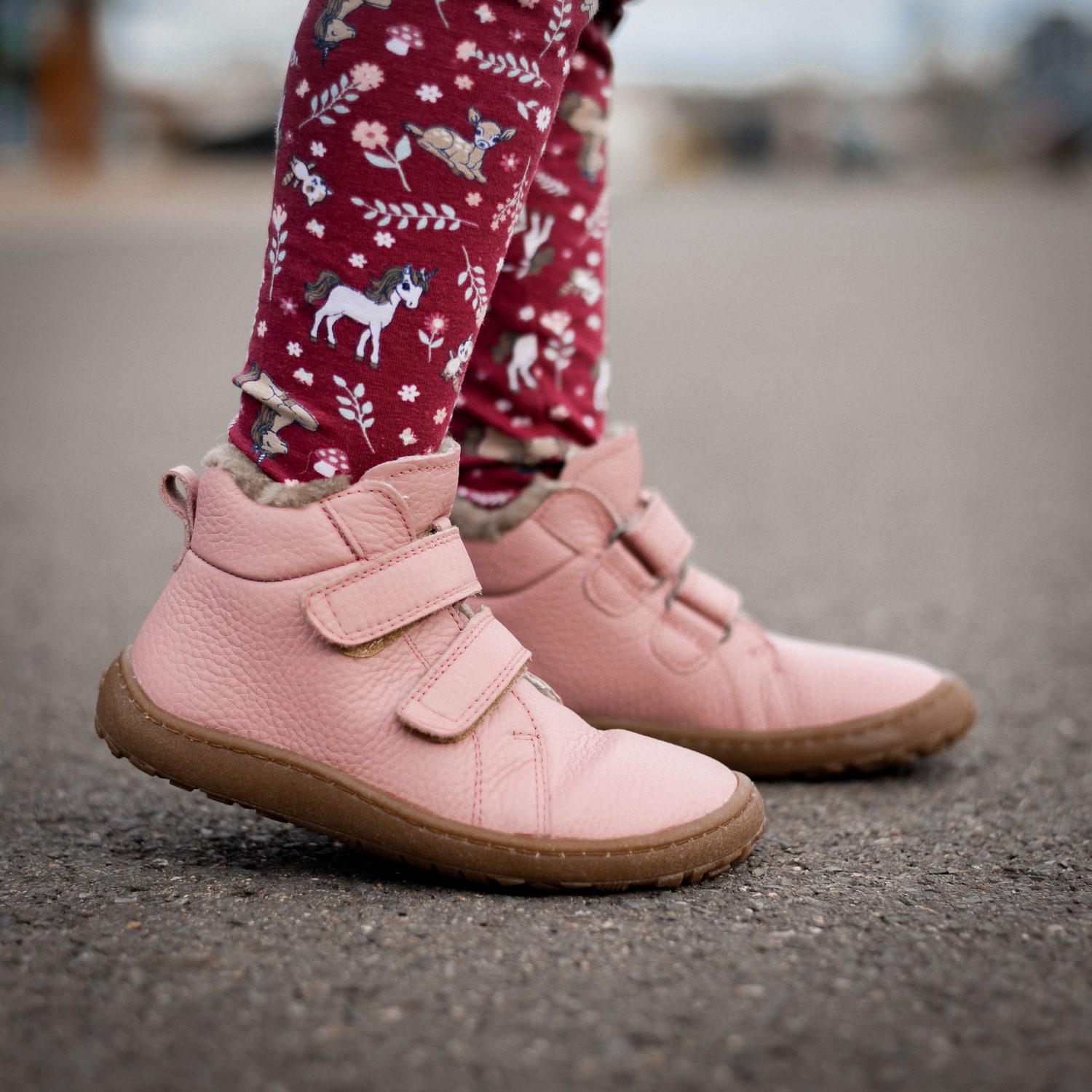
The way a child learns to walk and run in early childhood influences their movement for life. And this is where the type of shoes they wear matters.
Studies show a clear difference: children who grew up in barefoot shoes or barefoot tend to run with a forefoot or midfoot strike. By contrast, children in stiff, cushioned shoes often land on the heel – a less efficient running pattern that places more strain on the whole body.
Differences are visible in walking too. Children in barefoot shoes take shorter steps, land more lightly and roll through the foot more smoothly. They also show unwanted knee hyperextension far less often.
Source: Hollander K, Riebe D, Campe S, Braumann KM, Zech A. Effects of footwear on treadmill running biomechanics in preadolescent children. Gait Posture. 2014; 40(3):381-5.
It may seem like a small detail, but these movement patterns stay with a child for life and influence the health of the entire musculoskeletal system.
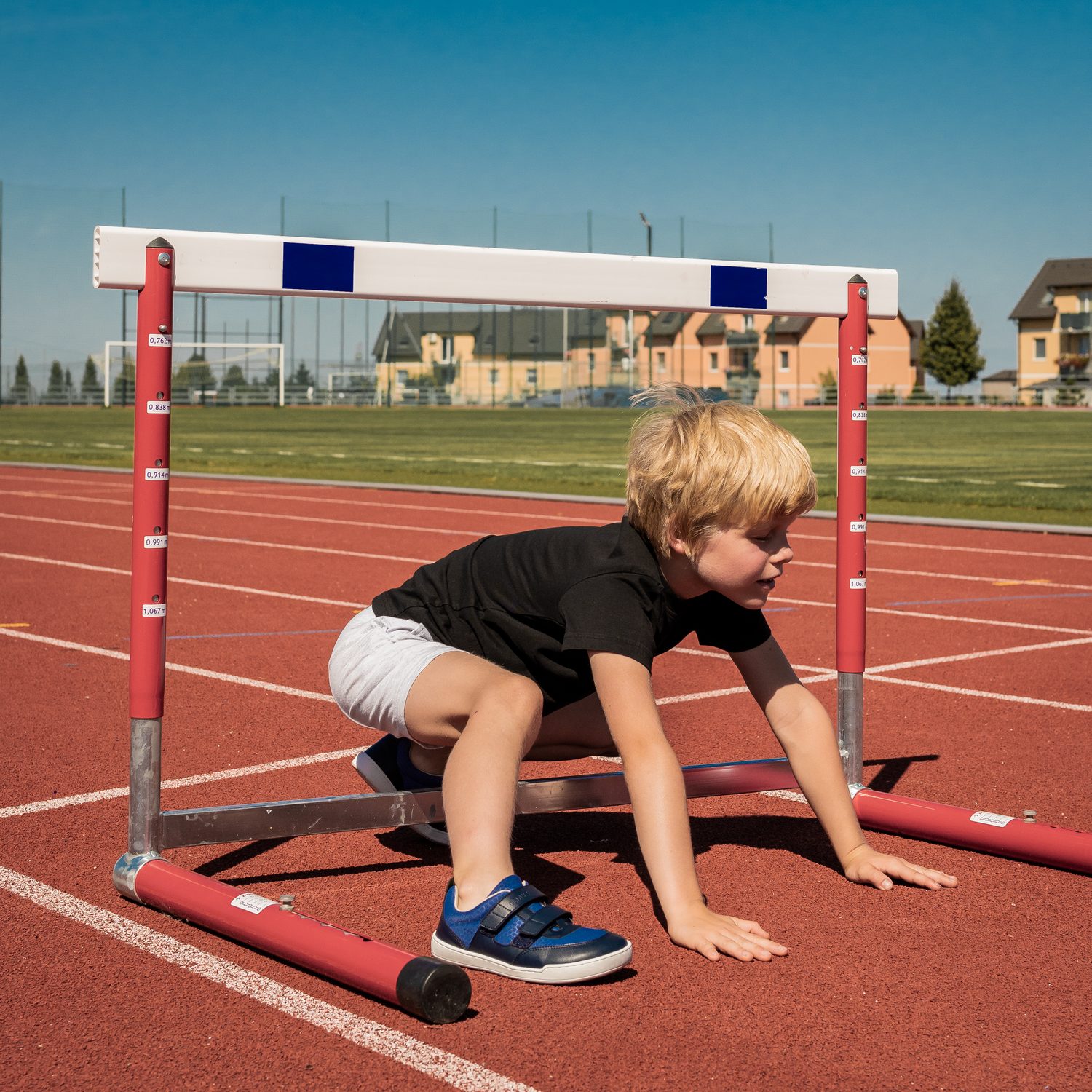
We already know that walking barefoot is ideal for foot development – it supports natural muscle strengthening, proper arch formation and healthy movement patterns. But in today’s urban environment, full of sharp objects, dirt and unpleasant surfaces, it simply isn’t possible everywhere.
That’s why barefoot shoes exist. And research brings great news: studies comparing walking mechanics in toddlers and older children have found that walking in barefoot shoes is practically identical to walking barefoot. That means a child in barefoot shoes gets the same developmental benefits as they would from walking barefoot.
Sources: Williams, C., Kolic, J., Wu, W., & Paterson, K. (2021). Soft soled footwear has limited impact on toddler gait. PLoS One, 16(5), e0251175. | Wolf S, Simon J, Patikas D, Schuster W, Armbrust P, Doderlein L. Foot motion in children shoes: a comparison of barefoot walking with shod walking in conventional and flexible shoes. Gait Posture. 2008; 27(1):51-9.
“Barefoot shoes are essentially just protection that lets the foot work completely naturally,” Michael Tichov sums up. “So a child can enjoy the benefits of barefoot walking even in a city environment.”
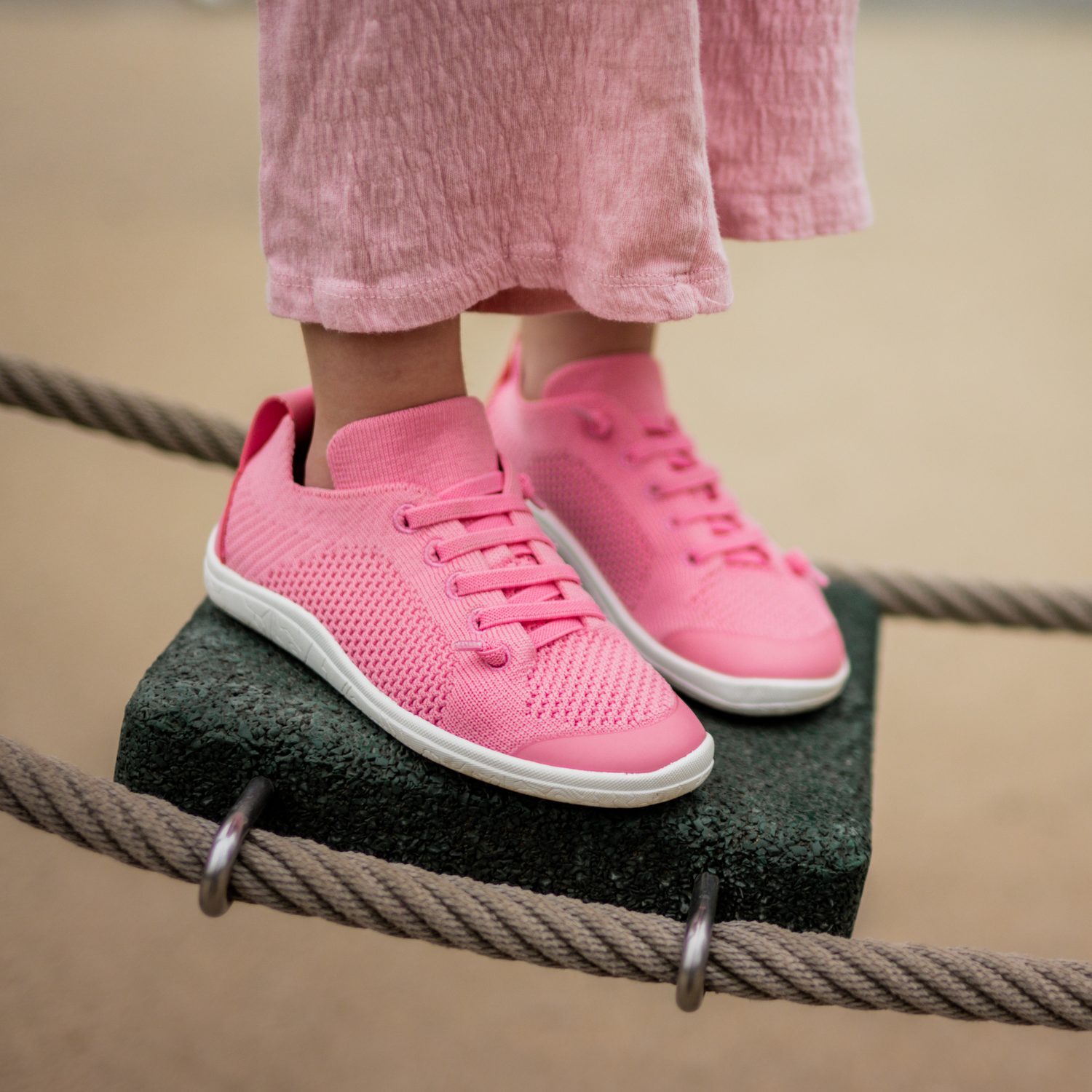
Now you know what to say. Barefoot isn’t a fashion fad or a dangerous experiment on children’s feet. It’s an evidence-based approach supported by expert studies for more than thirty years.
“The data speaks for itself,” physiotherapist Michael Tichov concludes. “Barefoot shoes not only don’t cause harm, they actively support healthy development of children’s feet – from strengthening the foot muscles and shaping the arch properly to building natural movement patterns.”
It’s never too late to give your feet more freedom. Just as with children barefoot footwear also supports natural movement in adults, strengthens the foot muscles and reduces strain on the joints. Many people say that transitioning to barefoot shoes gave them a completely different feeling when walking – lightness, stability and more confidence in every step.
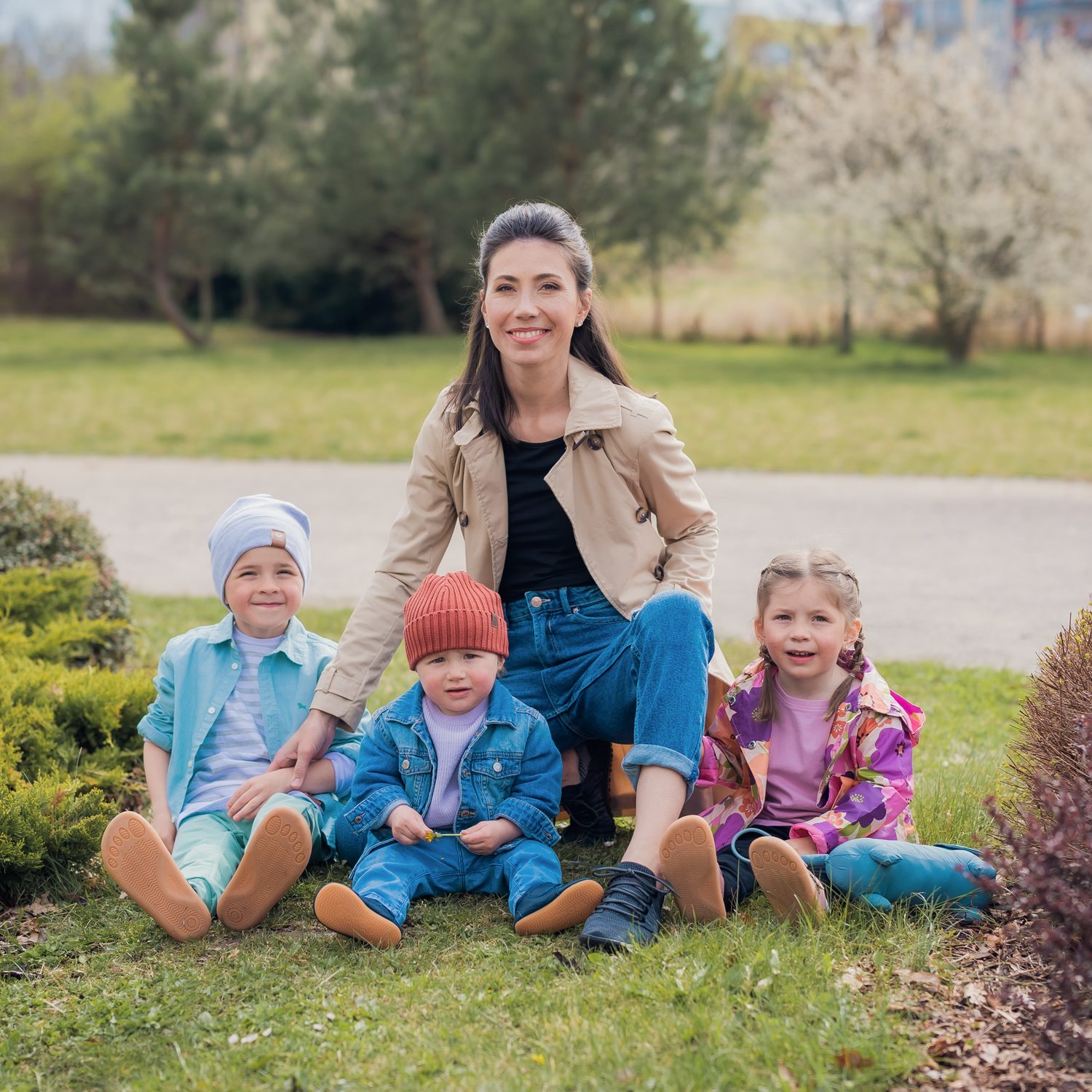
Article author: Mgr. Michael Tichov
An active sportsperson and physiotherapist who lives by the motto “a healthy mind in a healthy body”. His focus is on physical exercise, whether that’s sports training or therapeutic exercise aimed at helping people get rid of chronic pain. You can find more physio tips on FyzioGo’s Instagram.


You are currently on www.premiumbarefoot.co.uk


 £ - EN
 Čeština
 English (US)
 Slovenčina
 Magyar
 български
 Polski
 Dansk
Dansk
 Nederlands
 Svenska
 Suomi
Suomi
 Español
 Français
 Slovenščina
 Română
 Português
 Deutsch (DE)
 Deutsch (AT)
 Deutsch (CH)

