We’ll be happy to help via online chat or at: orders@premiumbarefoot.com

For your feet to carry you safely and pain-free for years to come, they need regular care. Try these simple foot and arch exercises to help.
Most of us take good care of our shoes because we want them to last. But we should also look after our feet, which carry us around all day. That’s the only way they’ll stay strong well into older age — and won’t start hurting.
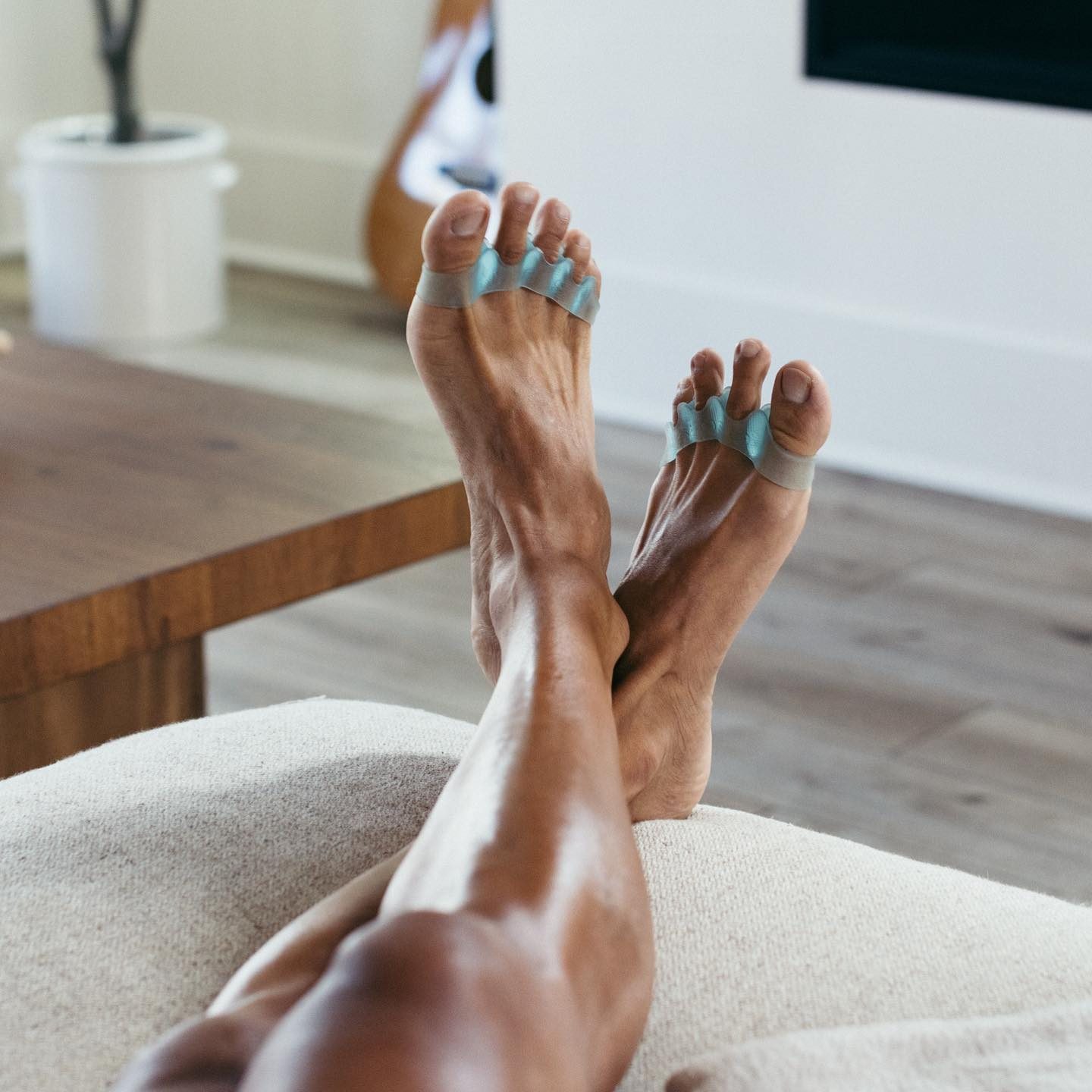
Your feet support your body all day long and form the foundation of your overall posture. Their structure is fairly complex and includes not only countless bones and joints, but also muscles and ligaments, which provide support and stability every day.
They help you walk, run and climb, and they keep you balanced when you’re standing still. But feet are also a sensory organ. Through them, your brain receives information about your body position and about the ground, you’re moving on.
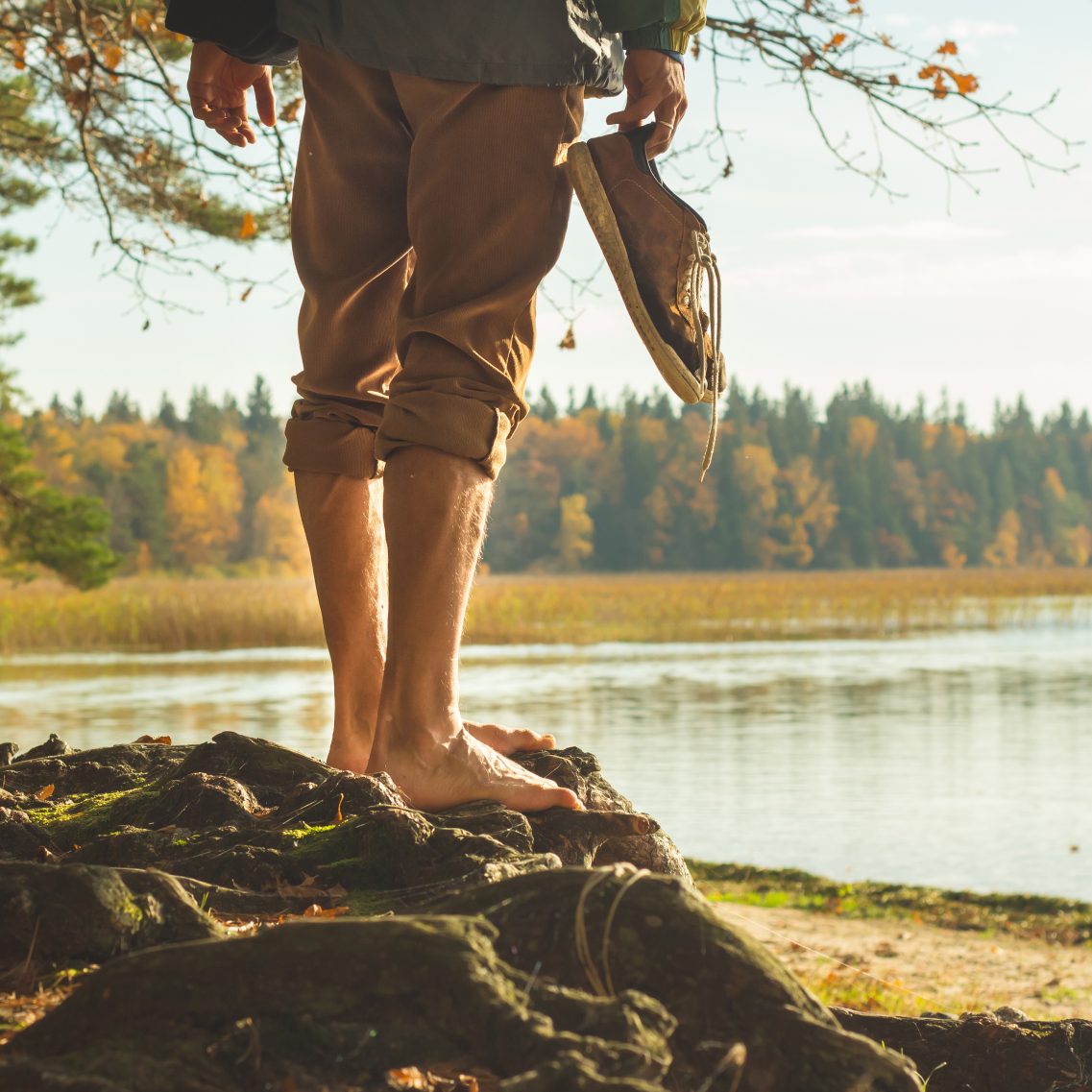
Unfortunately, it’s true that a modern lifestyle, which tends to be quite sedentary, doesn’t do our feet many favours. And the fact that we usually squeeze our feet into narrow shoes with soles, which restrict natural movement, certainly doesn’t help.
Feet aren’t weaklings that need ‘support’ in the form of tight, rigid shoes that also clamp down around the ankles. Quite the opposite. They just need a little wake-up call. So give them at least a few moments of barefoot walking (for example, on grass in summer) and don’t forget to strengthen and stretch them regularly.
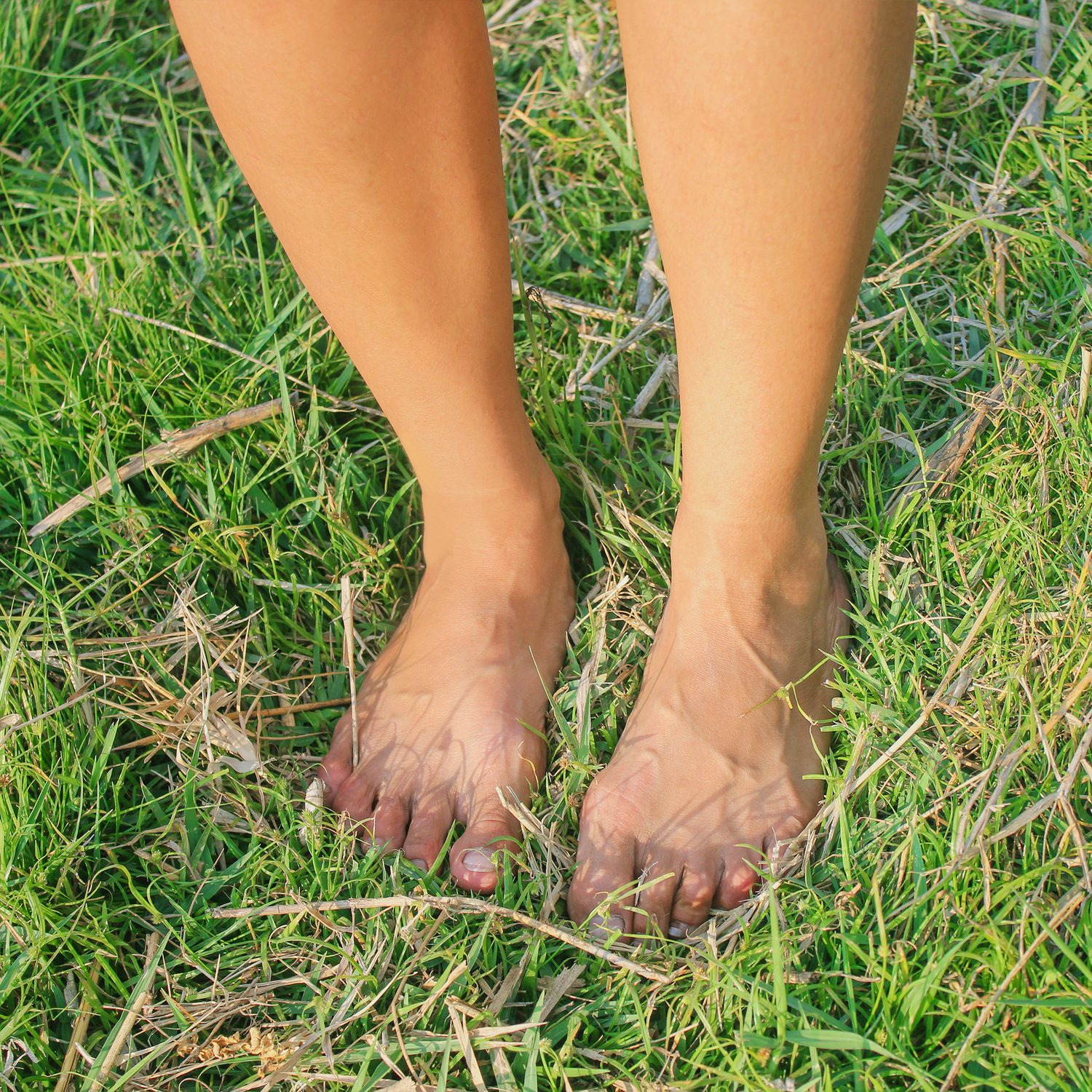
As we mentioned above, conventional shoes restrict the feet. That’s also why the foot is often a bit ‘switched off’ and needs some practice to wake up from a long sleep and get back into good shape. In practice, it often looks like this: when you buy your first barefoot shoes, wearing them can feel like a bit of a shock at first. All of a sudden, your feet can feel every stimulus that used to be muted.
But if you give them a little time, they’ll gain the stability and strength needed to support the arch, as well as the flexibility to respond properly to the ground. The absolute basics are to get the whole foot moving and activate all the muscles, tendons and joints.
You can also read more in the article How to transition to barefoot shoes without problems or pain.
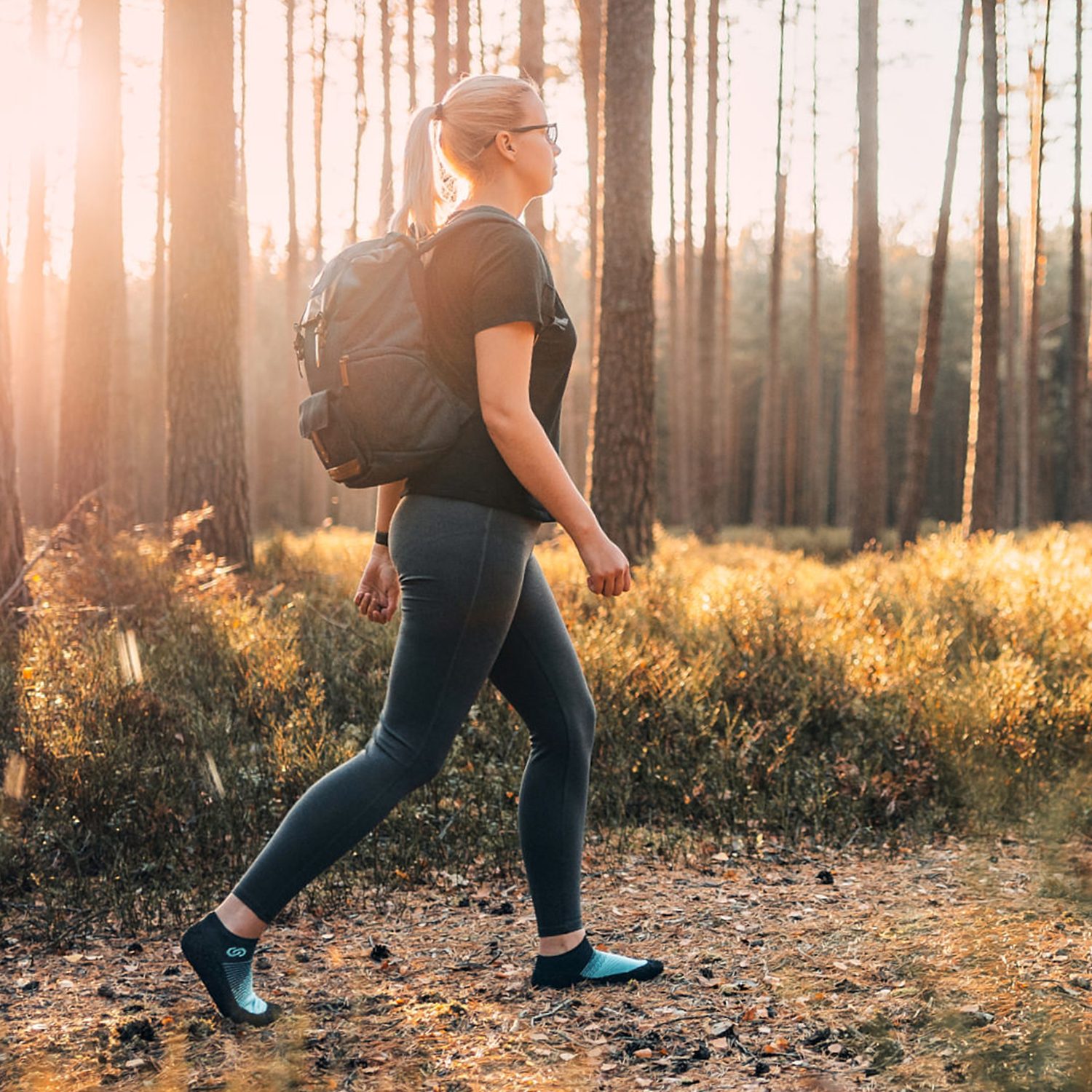
Only when your ankle has enough mobility, can your foot land properly. Simple exercises that help include ankle circles, tilting the foot in all directions to your maximum range, and the classic ‘toes up–toes down’ movement you’ll probably remember from PE at school.
Another very effective option is alternating a ballet plié and relevé, although it’s a bit more challenging for balance. You stand with your whole feet on the floor, bend your knees and lift your heels (so you’re on tiptoes with bent knees). Then straighten your knees, hold the calf raise for a moment, and finally return to the starting position.
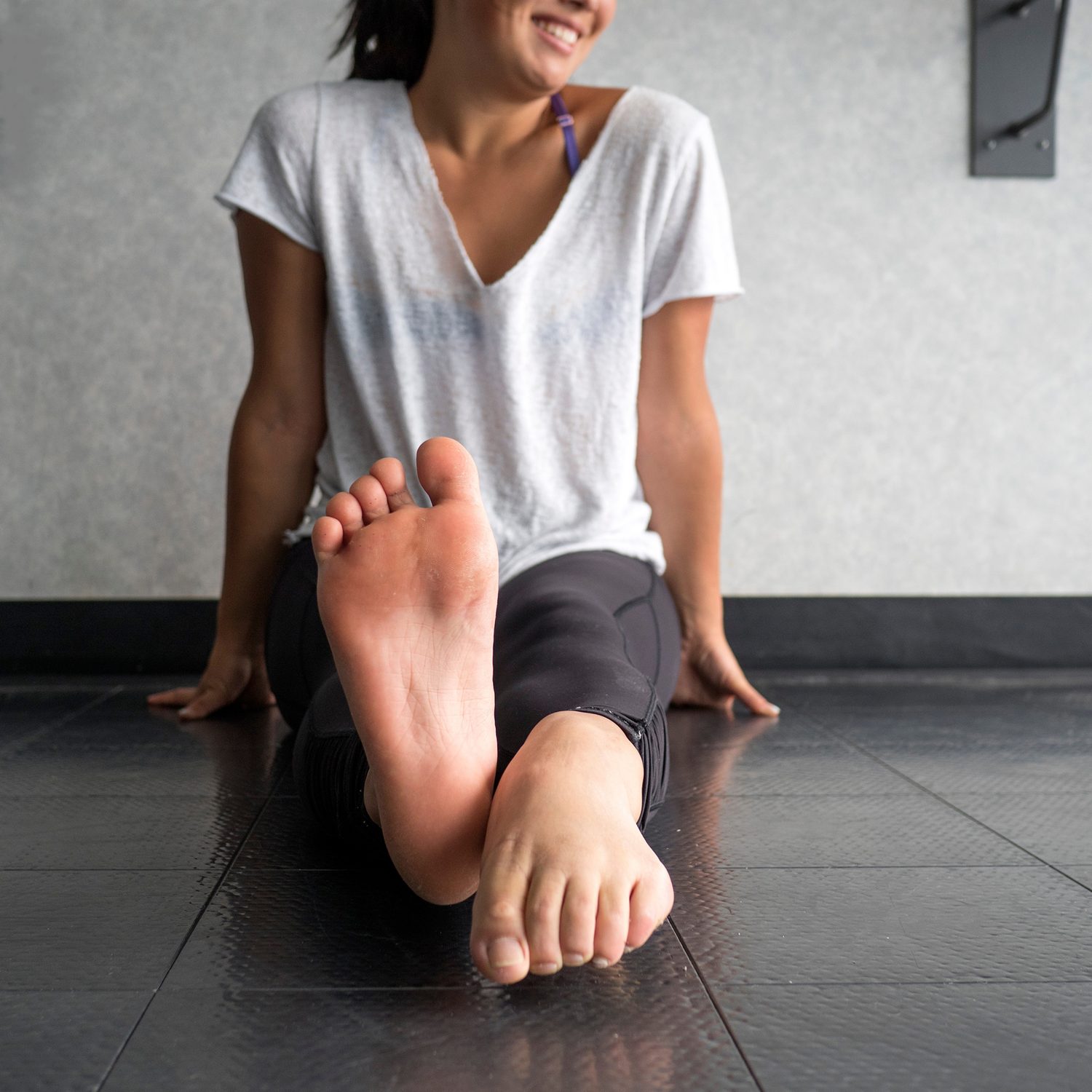
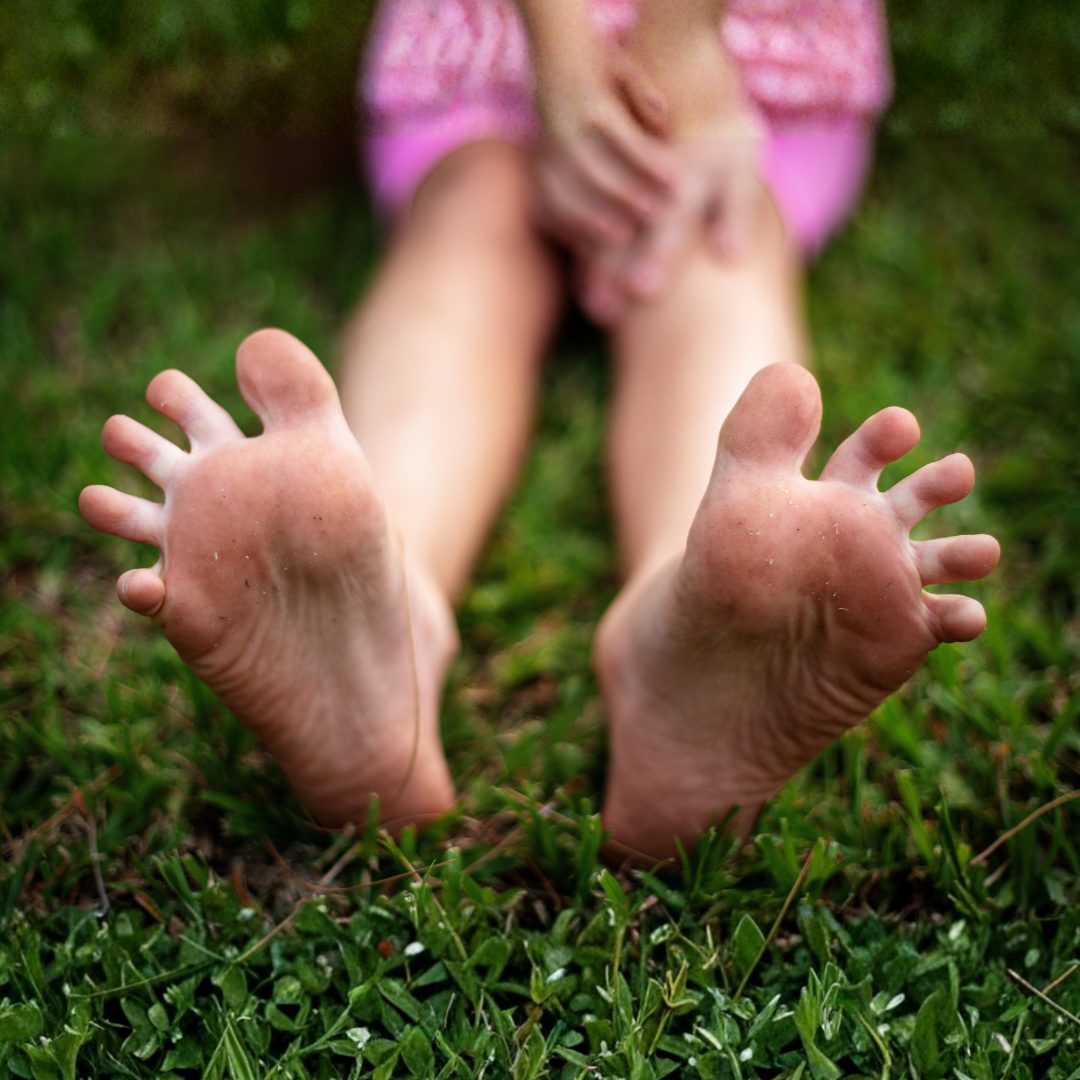
Once your ankles and toes feel more mobile and relaxed, you can move on to strengthening the foot as a whole.
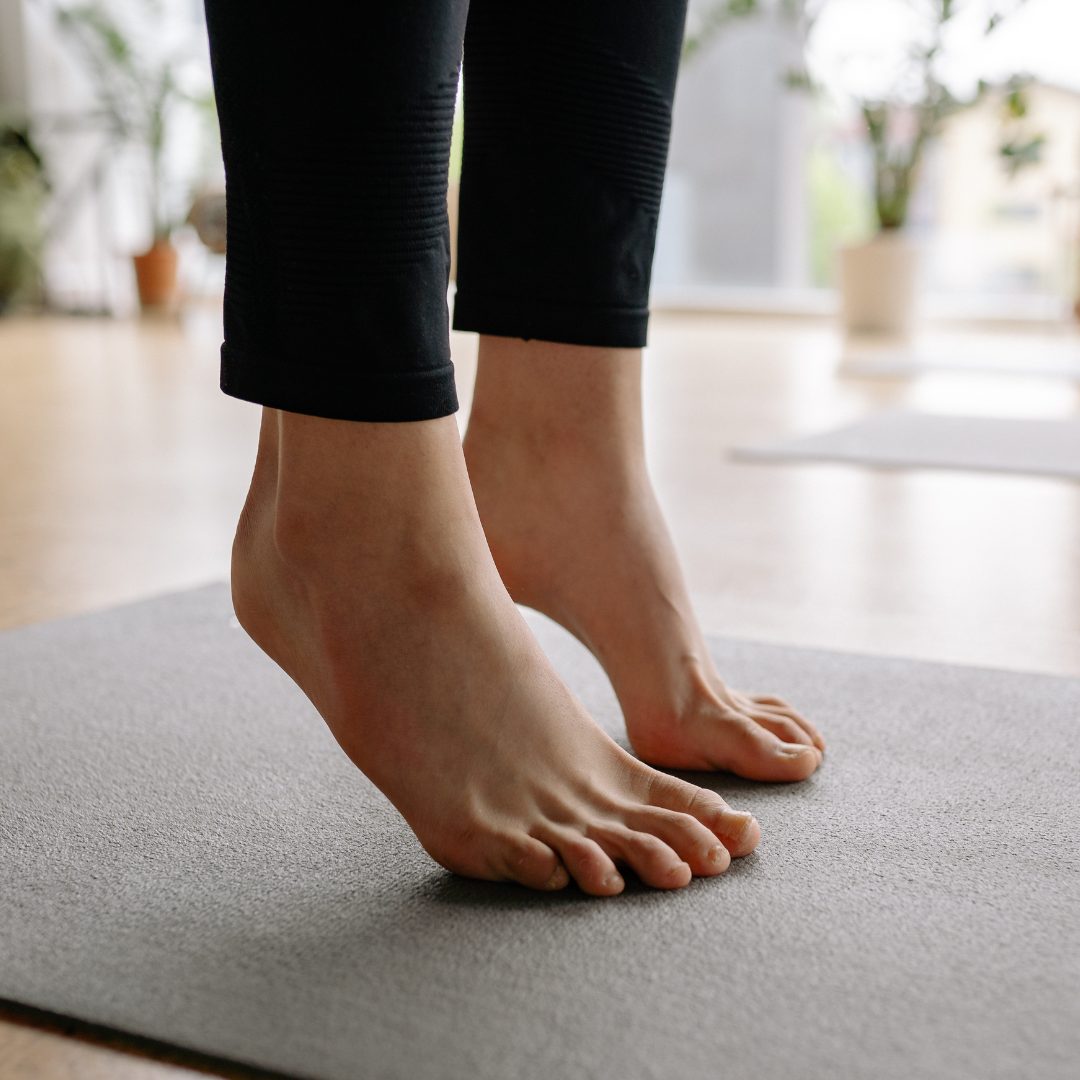
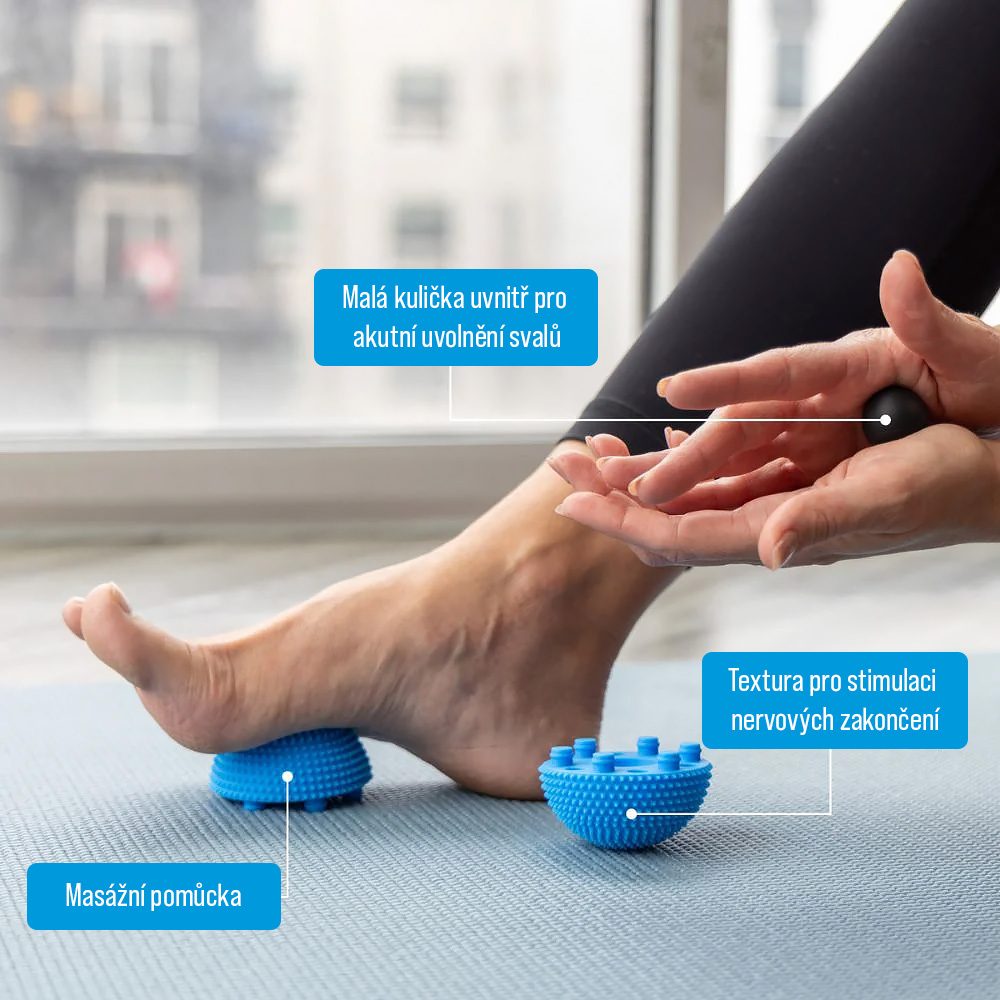
A really pleasant way to make foot exercises more enjoyable is to use a massage ball or a massage mat. It can help you increase muscle flexibility, improve overall mobility and support healthy blood flow in the feet.
It’s ideal to start with something softer first (for example, a foam ball) and gradually work up to something firmer, such as a golf ball. First, place it under your toes and press into it for a moment, then roll it under the middle of the foot, and finally under the heel. The advantage of this exercise is that it activates not only the whole sole of the foot, but also the heel and the transverse arch. You can also work underused foot muscles with other sensorimotor tools.
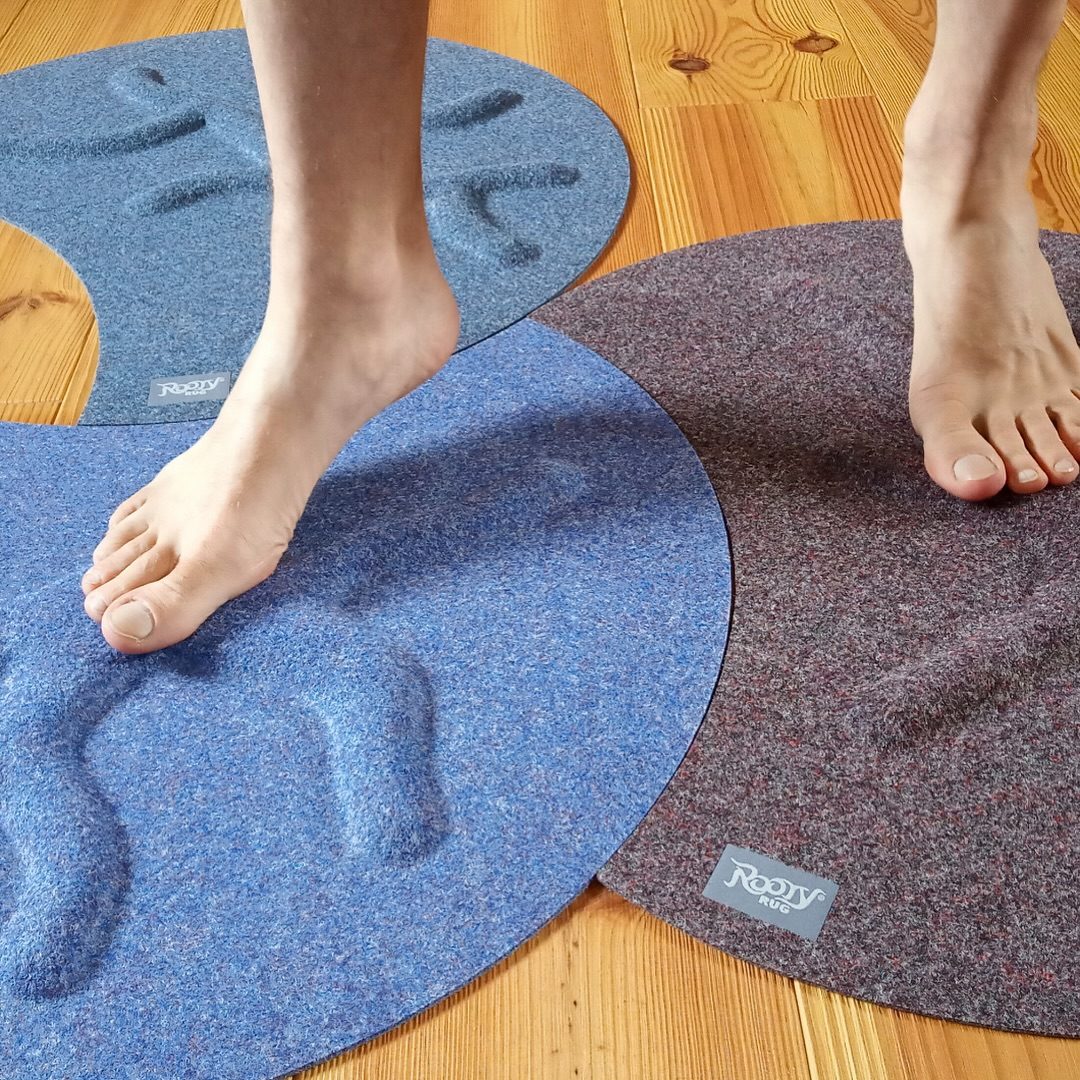
A valuable helper for strengthening and relaxing your feet is the range of tools from NABOSO. Stimulating socks and shoe insoles designed for all-day wear help support blood flow in the feet and stimulate peripheral nerves. Toe spacers help restore the foot’s natural shape and support improved balance, stability, walking and posture. What’s more, they’re suitable for all-day wear too. And the Neuro Ball massage ball helps release stiff areas of the feet after a long day on them.
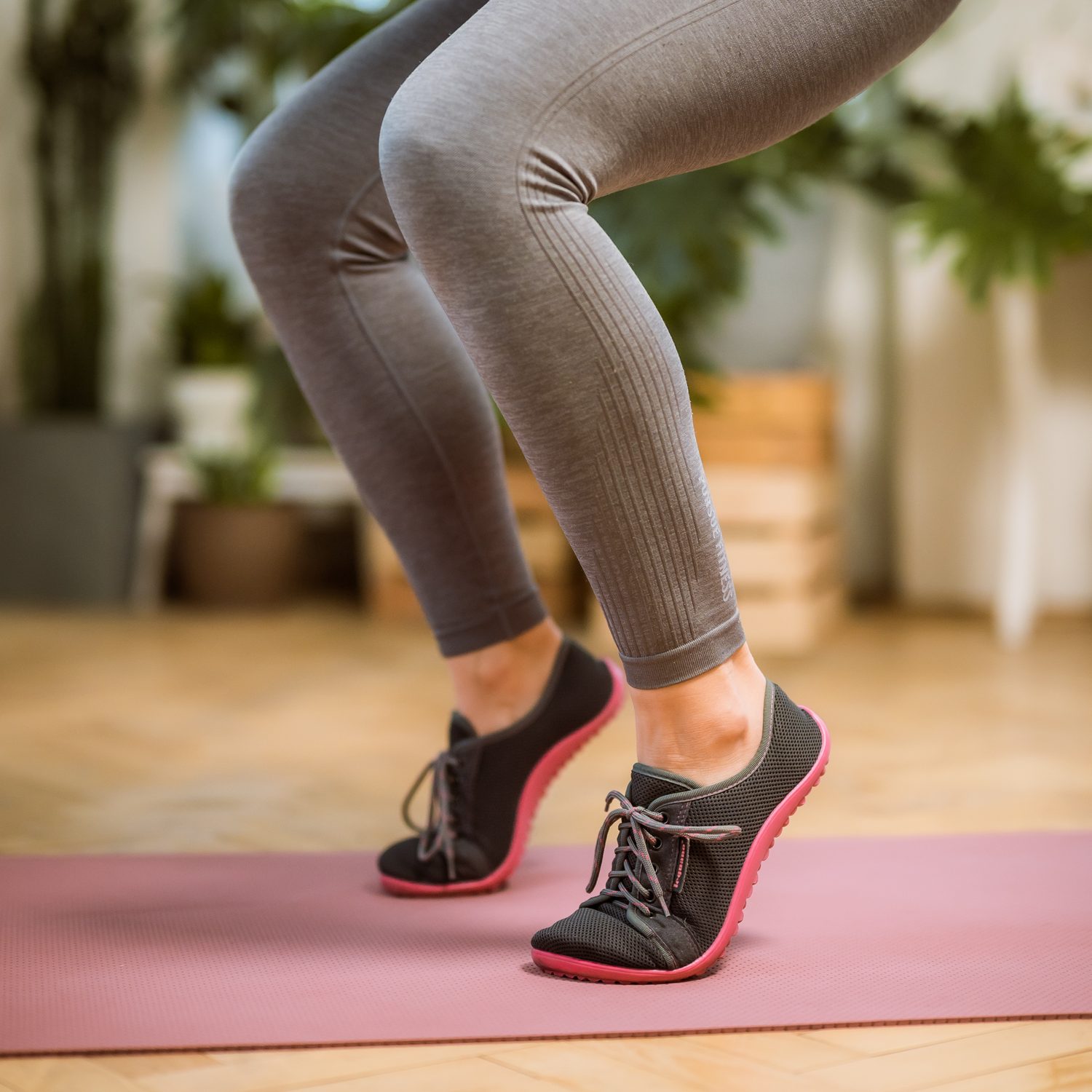
Strength training is a discipline where footwork really matters. So it would be a shame to trap your feet in tight footwear. During these exercises, you should feel your arch, distribute your weight between the heel, the joint under the big toe and the joint under the little toe (the so-called tripod foot), and keep your feet active overall. That’s exactly why barefoot shoes — or going completely barefoot — work so well here. You can train the tripod foot in pretty much any exercise where you’re standing: squats, step-ups and step-downs, reverse lunges, or even deadlifts.
A lot has been written about the benefits of cold exposure. Alternating warm and cold showers can have benefits not only for the body overall, but also specifically for your feet. It can have a positive effect on nerve activity as well as capillary blood flow. It’s recommended to shower your legs once a day at least from the knees down (or higher, if you feel up to it). First, rinse them for 15–20 seconds with warm water, then for 15–20 seconds with cold water. Repeat this 3–7 times, always finishing with cold water.

Just like with any other exercise, the same rule applies here: consistent effort brings results. So if you’re only just starting to strengthen your feet, don’t be discouraged if it doesn’t go as smoothly as you’d like straight away. The muscles in your feet simply need time to switch on. But if you give them that time, you’ll soon be able to enjoy your first progress.
What else might interest you on this topic?


You are currently on www.premiumbarefoot.co.uk


 £ - EN
 Čeština
 English (US)
 Slovenčina
 Magyar
 български
 Polski
 Dansk
Dansk
 Nederlands
 Svenska
 Suomi
Suomi
 Español
 Français
 Slovenščina
 Română
 Português
 Deutsch (DE)
 Deutsch (AT)
 Deutsch (CH)

