We’ll be happy to help via online chat or at: orders@premiumbarefoot.com

Discover the causes, symptoms and treatment options for hallux valgus (a bunion). Learn effective strategies to ease pain and improve foot health.
‘I’ve got halluxes.’ Yes — we all have them. The question is: what condition are they in? Almost every adult has heard of the diagnosis hallux valgus. It’s a term used not only by the general public and in magazines, but also by professionals. Your big toes are the most important toes on your feet. They help stabilise the foot and support balance throughout the body, but above all they’re crucial for push-off when you walk. In this article, you’ll learn everything you need to know about this condition.

Article contents:
A diagnosis of hallux valgus is one of the most common orthopaedic deformities, seen not only in orthopaedic clinics, but also by physiotherapists, podiatrists… and even by staff in naBOSo shops.
A bunion doesn’t affect only the big toe itself, as some people mistakenly believe. It’s a complex, progressive static deformity of the forefoot, where the first metatarsal rotates inwards, shifts outwards away from the other bones, the proximal (closer to the body / closer to the ankle) phalanx of the big toe deviates inwards, and the whole toe can also rotate onto its outer edge.
There are also changes at the muscular level. The flexors (benders) and extensors (straighteners) of the big toe shift laterally (towards the other toes) and over time they shorten.
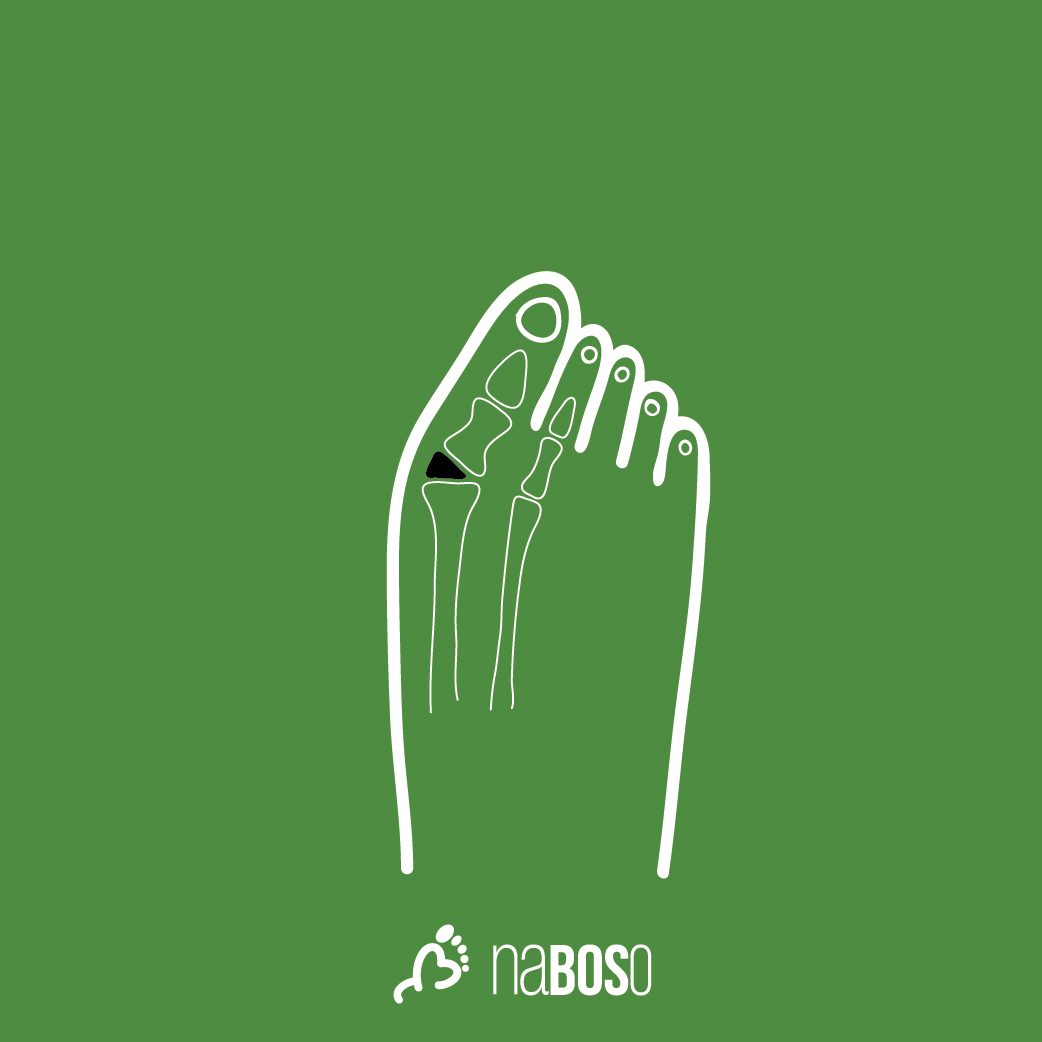
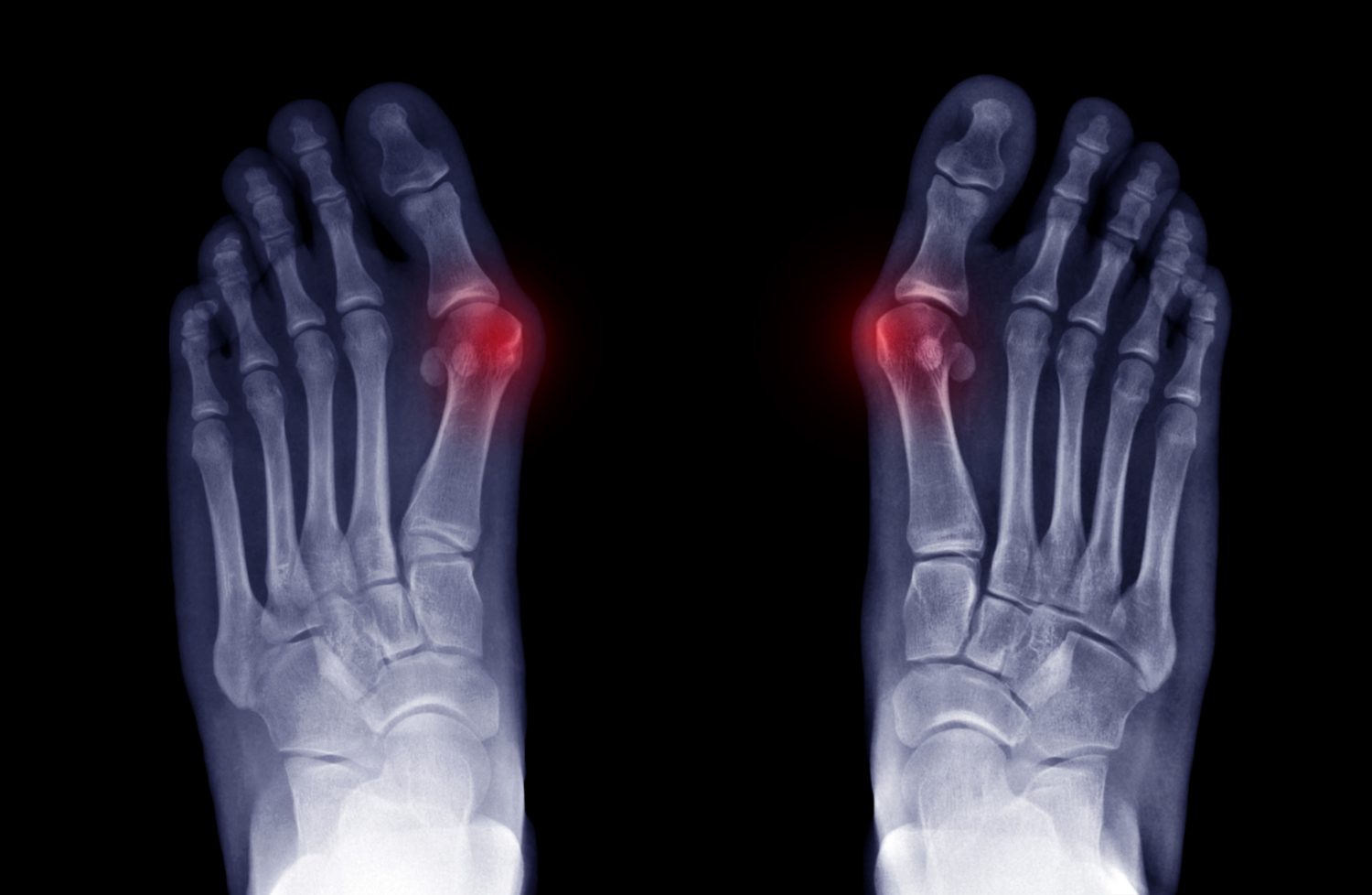
In the area of the head of the first metatarsal (the first metatarsal bone), a so-called bunion forms — a bony exostosis (outgrowth). Inflammation often occurs here too, which can be painful; the skin around the joint is red and often warm.
Arthritic changes are also commonly present, and in some cases osteophytes (bony growths directly in the joint). Both issues can lead to further complications over time, such as hallux limitus or rigidus (restricted big toe mobility, complete stiffness of the big toe).
The base joint of the big toe is where two arches of the foot meet — the longitudinal and transverse arches. Without good contact and support against the ground here, we don’t have strong ‘pillars’ for the arches of the feet either. Hallux valgus rarely appears on its own. In most cases, we find other associated issues such as a collapsed transverse arch, deformities of the other toes, or abnormal hindfoot alignment.
The overall condition of the forefoot also determines how pressure is distributed. In the vast majority of hallux valgus cases, the base joint of the big toe is offloaded, and sometimes it loses support completely. Pressure then shifts under the heads of the other metatarsal bones, where callus and even keratosis very often develop; corns can appear too, and the area is painful.
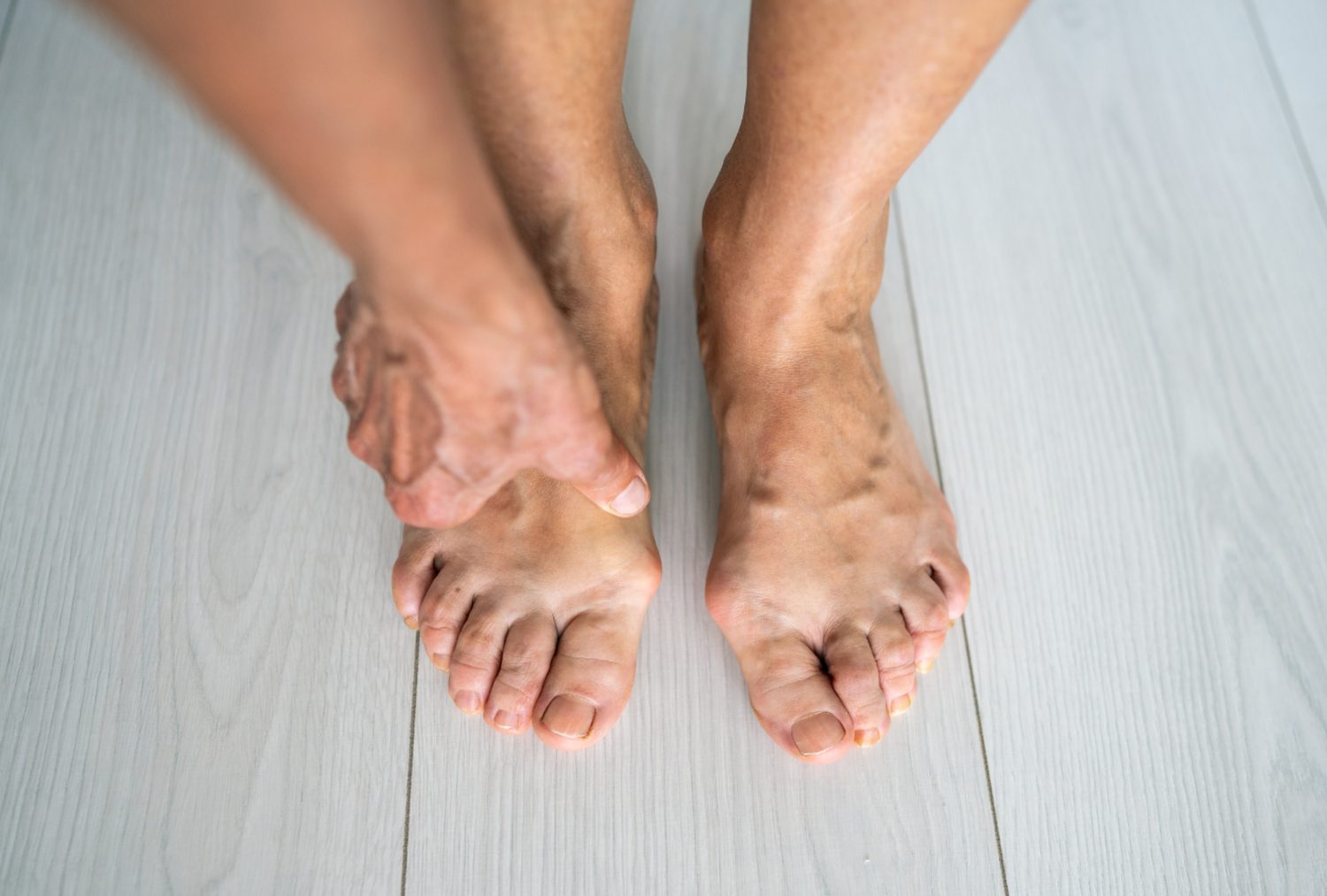
According to the literature, the physiological position of the big toe is considered to be between nine degrees of valgus and varus (deviation inwards and outwards). The joint surfaces aren’t perfectly flat but slightly rounded, so movement into valgus and varus is relatively easy — and even physiological. In certain movements, these deviations are completely natural, and without them we wouldn’t be able to function.
As well as how the structures are positioned relative to each other, we’re interested in muscle function and range of motion. Muscles should be strong enough, and ranges should be ‘just right’. We don’t want to see either hypermobility or restricted movement. For walking, at least 30 degrees of big toe dorsiflexion (lifting the big toe) is considered physiological. If this is missing, the foot looks for compensatory movement patterns, which can contribute to deformities.
A pathological position and insufficient big toe function affect the whole body — and conversely, the alignment of body segments affects the position of the foot and big toe.
‘My grandma had them, my mum has them, and my sister has them too. I don’t have them yet, but I’m worried I’ll inherit them.’ Yes — that’s a sentence I hear in clinic often, in many different versions. Genetics plays a very significant role, not only in this diagnosis.
It’s not that you inherit hallux valgus itself, but you inherit a predisposition to the condition. The shape and size of bones — including joint surfaces — are genetically determined. The quality of ligaments and soft tissues may also be affected.
Among these factors, which we can influence only minimally, is the finding of so-called Morton’s toe, where the first metatarsal is shorter than the second. This affects foot biomechanics too: good support through the big toe joint is lacking, and push-off is often led not through the big toe but through the second toe.
As compensation, the toes may turn outwards, and pressure points or keratosis can develop around the head of the big toe on the outer side.
Then there are direct influences — poorly chosen footwear, but also socks. These two aspects aren’t the primary cause of the deformity, but they shouldn’t be overlooked.
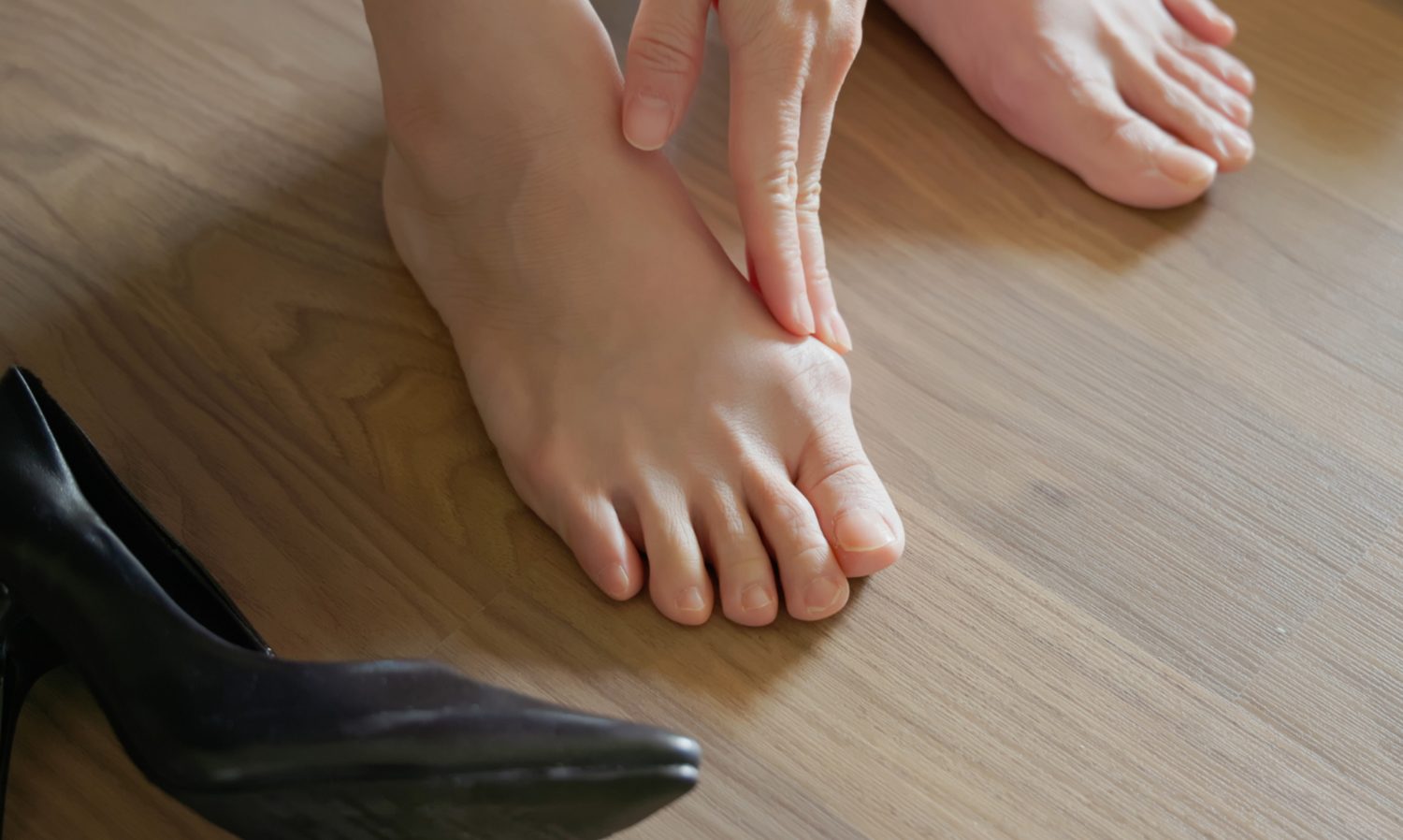
Last but not least, we mustn’t forget indirect influences, such as a lowered longitudinal arch, forefoot alignment, metabolic and rheumatic diseases. Traumatic changes also fall into this category.
Conservative therapy doesn’t always take a truly comprehensive approach. Often, the therapist focuses only on the foot (from the ankle down); in worse cases, they address only the big toe area. Therapy depends on the overall condition and degree of deformity, based on the nature of the individual client’s difficulties. As you’ve already learned, this is a wide-ranging issue with no instant fix.
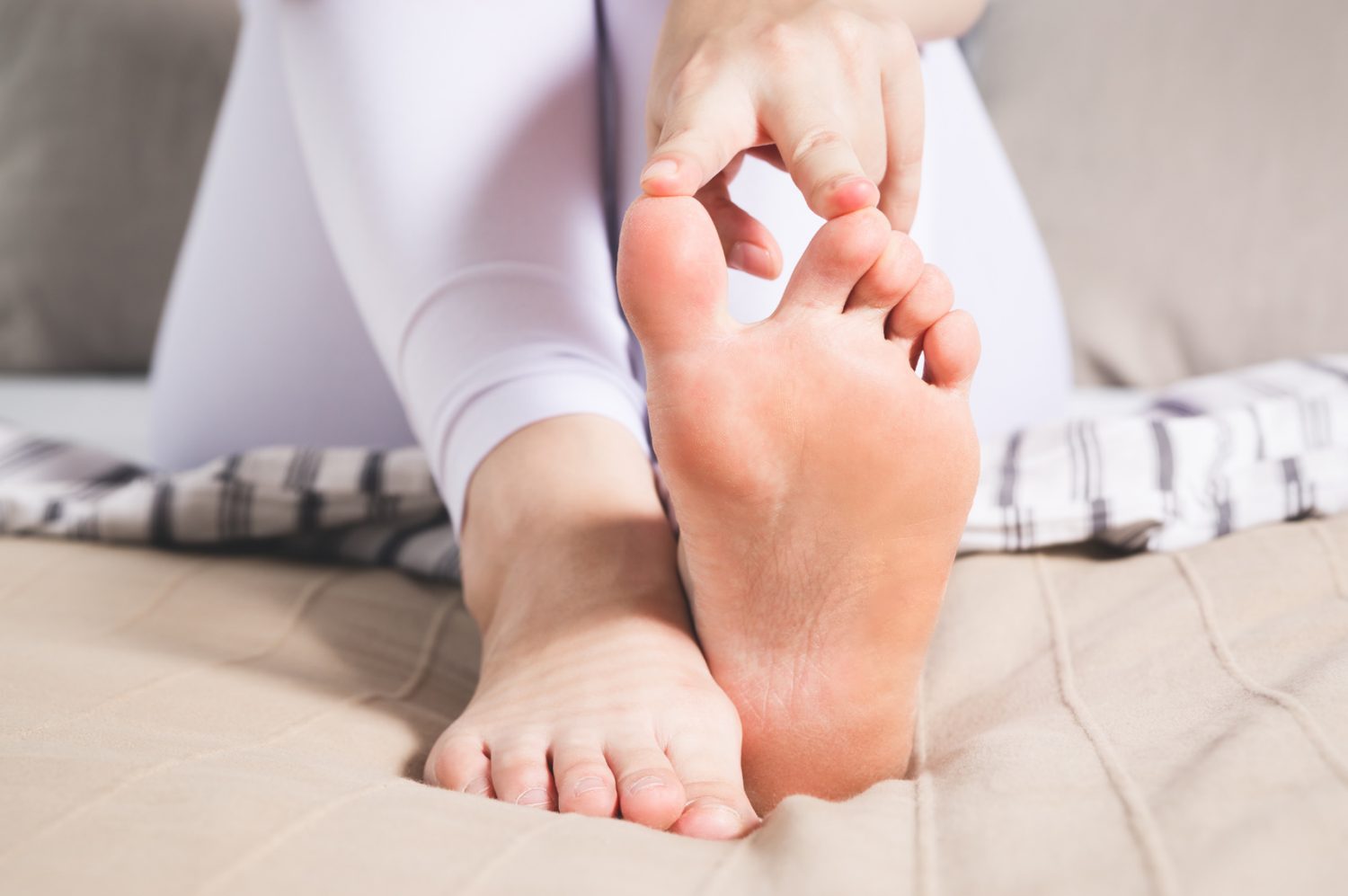
Exercise should focus on the entire lower limb. Soft-tissue and mobilisation techniques are used for the forefoot, as well as the rest of the foot.
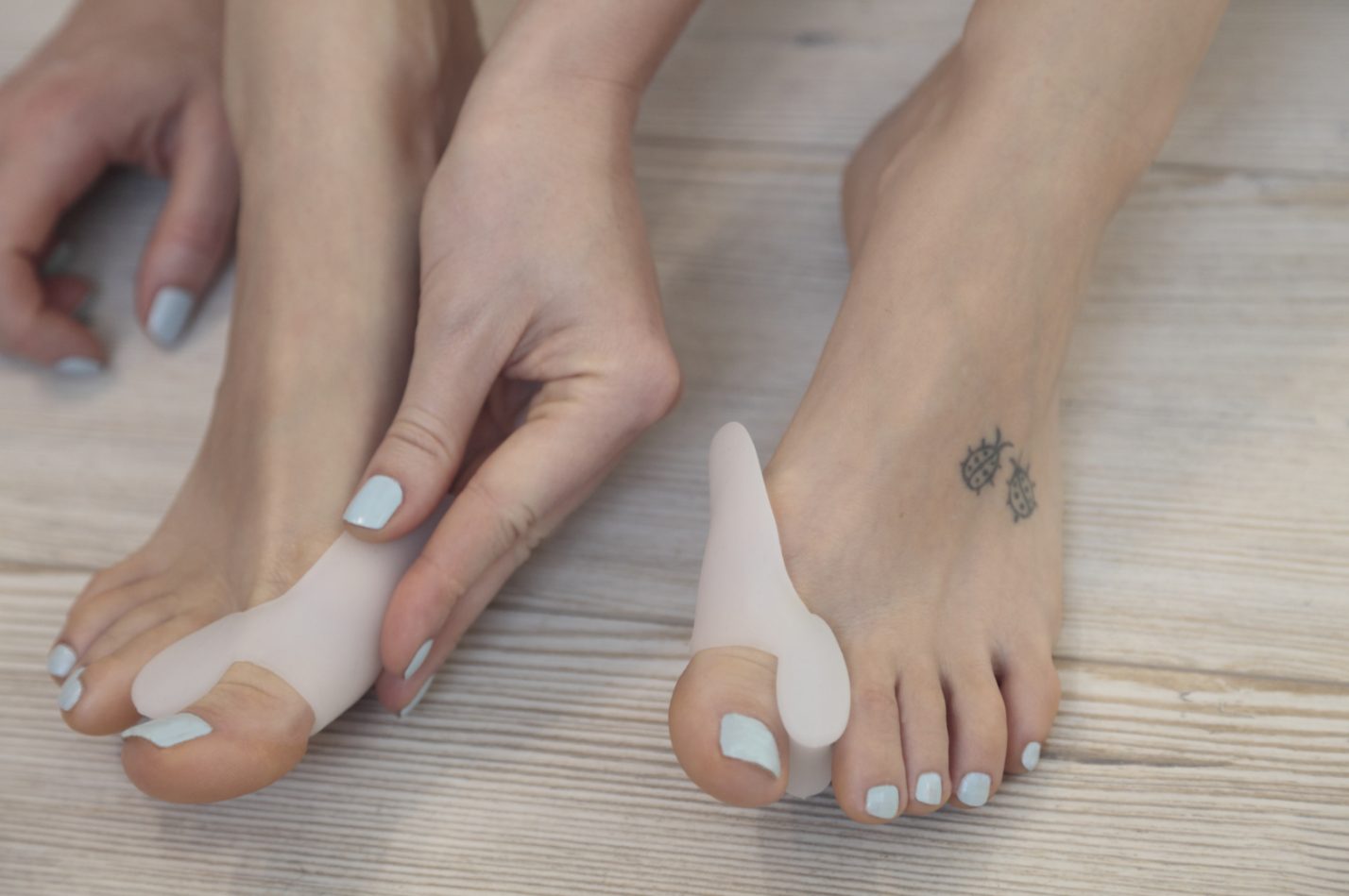
You can use passive correctors made from soft silicone. Some podologists make custom correctors. These correctors can also be used while walking.
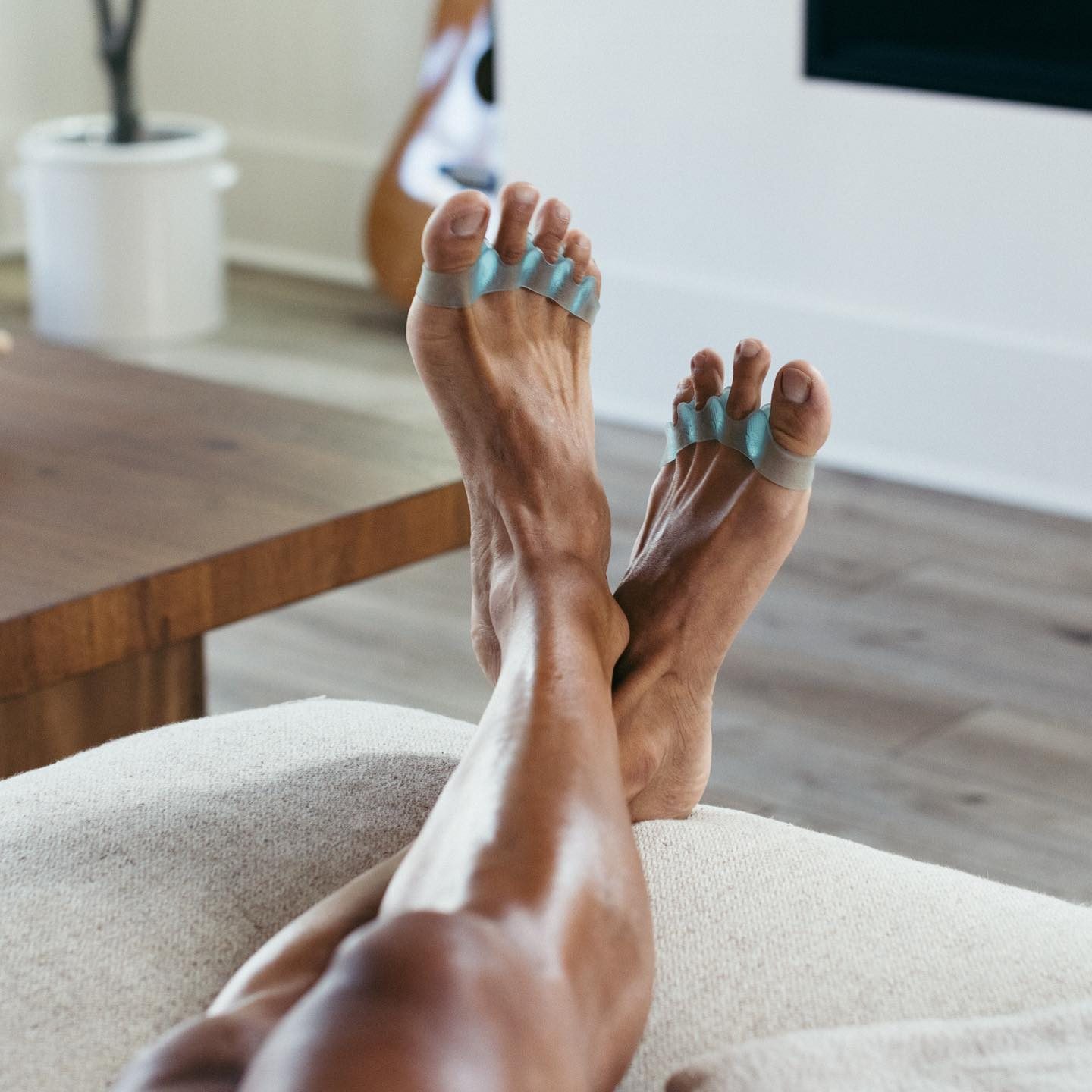
There are also night splints, which can be painful and uncomfortable and are intended only for use at rest. A similar principle is used by adjustment socks, worn for relaxation; they can help release the forefoot and even the whole foot.
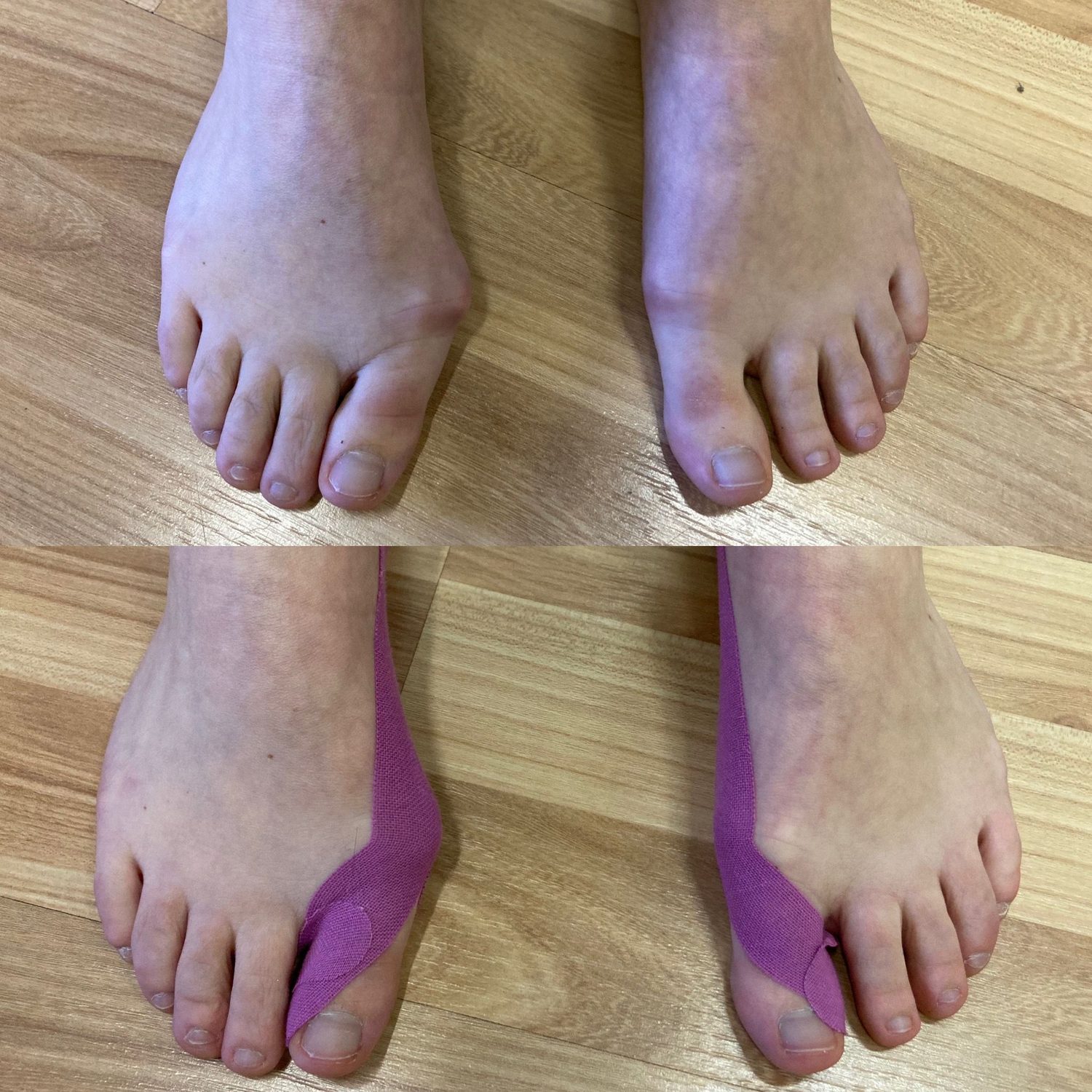
Kinesiology tape helps keep the big toe in a more centred position, even while walking. Special-material socks have also appeared on the market, with a similar function to tape. They’re available from selected podologists.
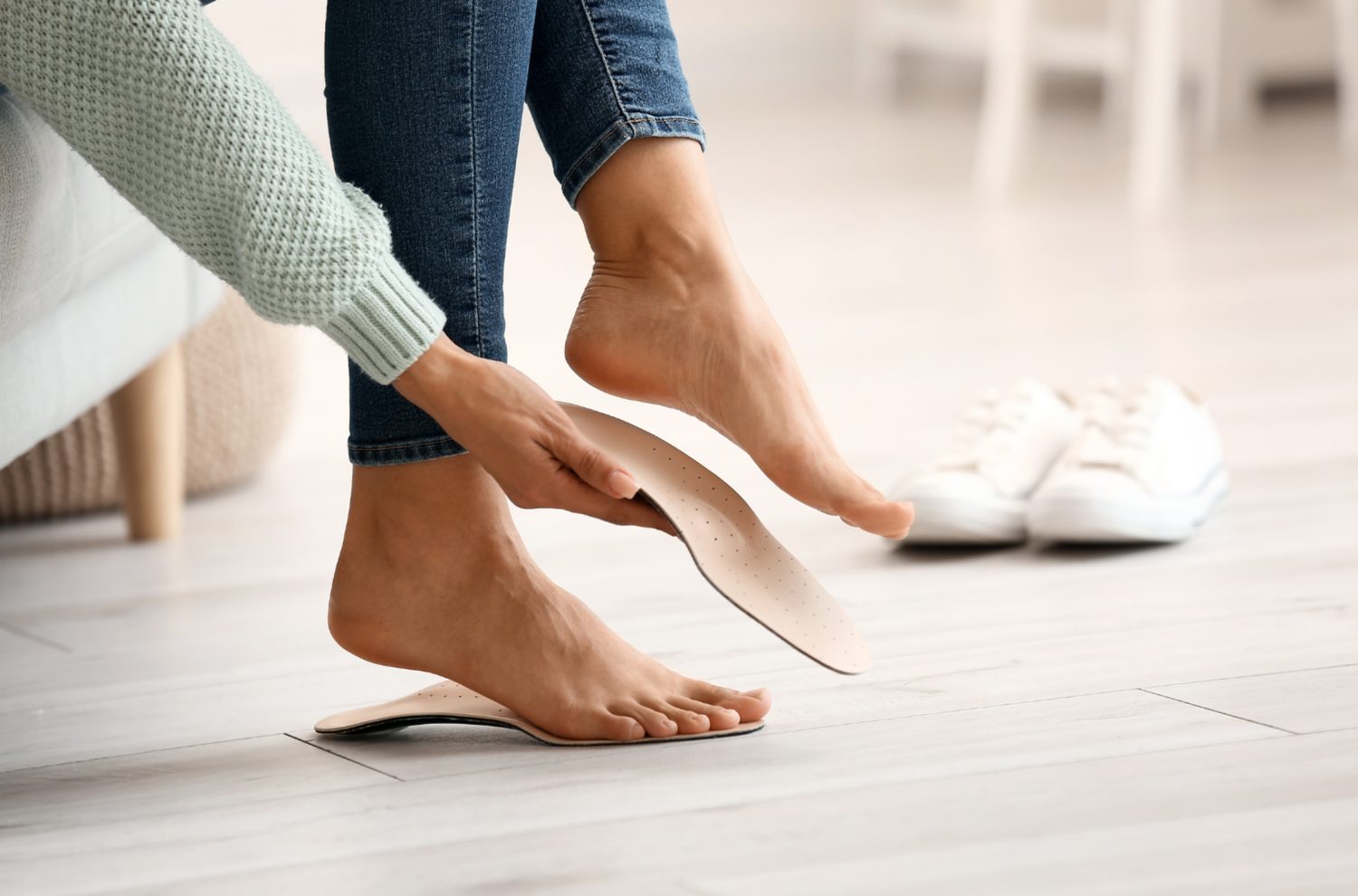
Finally, orthotic insoles can help too — adjusted specifically to your individual foot. You can listen to a PODCAST: Bc. Edita Prošková: Insoles and other compensatory aids about insoles.
By a custom-made insole, we mean an insert for your shoe that’s selected according to the proportions of your foot and then further adjusted under your foot. Corrections have their own principles, and only very rarely are both insoles corrected in exactly the same way.
Surgery has its place too, but before any procedure it’s a good idea to complete well-planned, targeted rehabilitation. More than 100 different surgical approaches have been described. The four most common are: soft-tissue procedures, osteotomies, resection arthroplasties and arthrodeses.
The aim of surgery is to position the big toe as well as possible for both support and dynamic movement. Another goal is to reduce pain and make it possible to ‘fit into’ shoes. After surgery, recovery should in any case be guided by a physiotherapist.
Unfortunately, in many cases the problem recurs, because surgery doesn’t address the cause — and rehabilitation is often not even recommended.
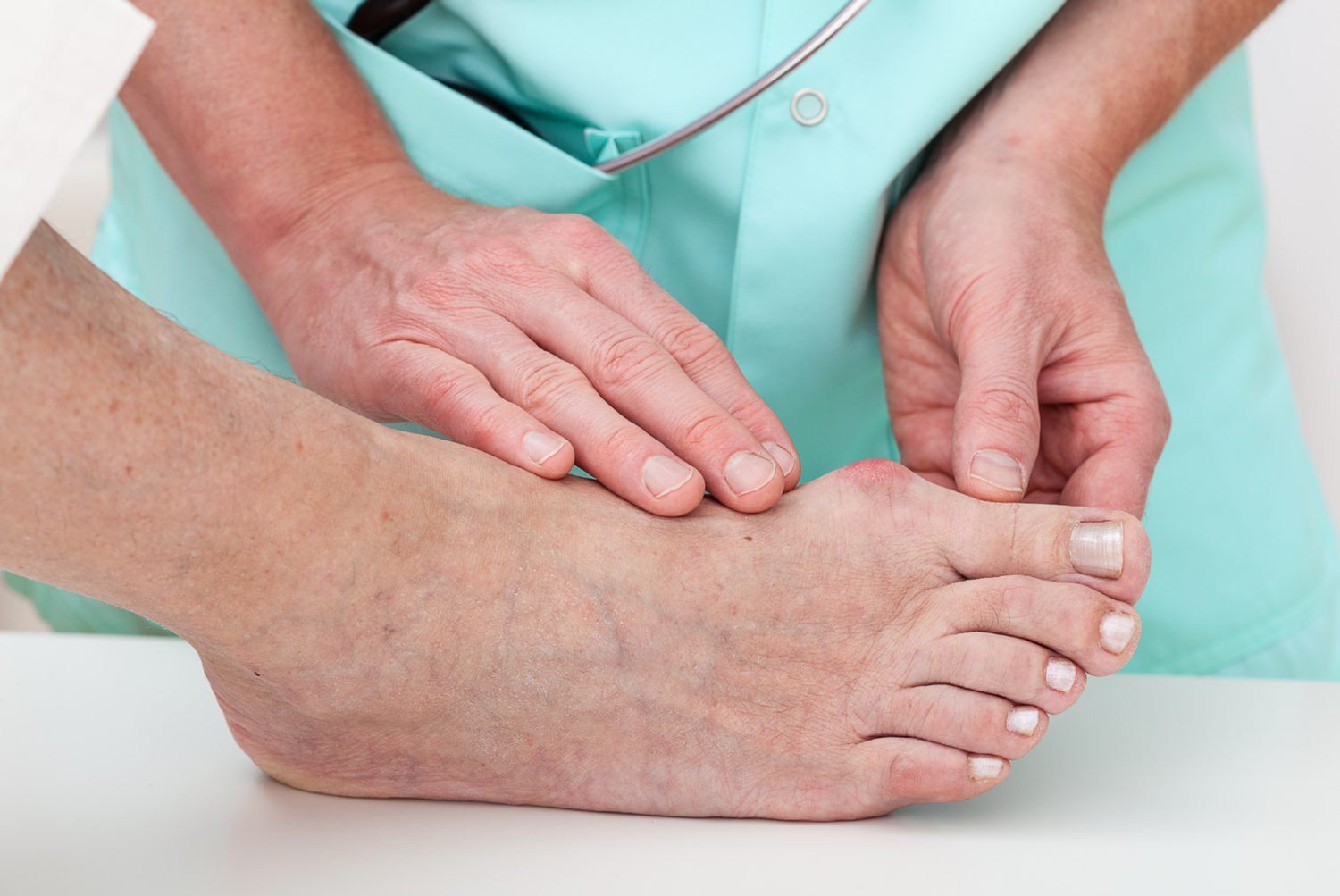
Prevention is very important — as with everything. What can you do for your feet? First of all, a preventive check-up with a podiatrist is a good idea. They’ll examine your feet and point out any shortcomings you can then work on together.
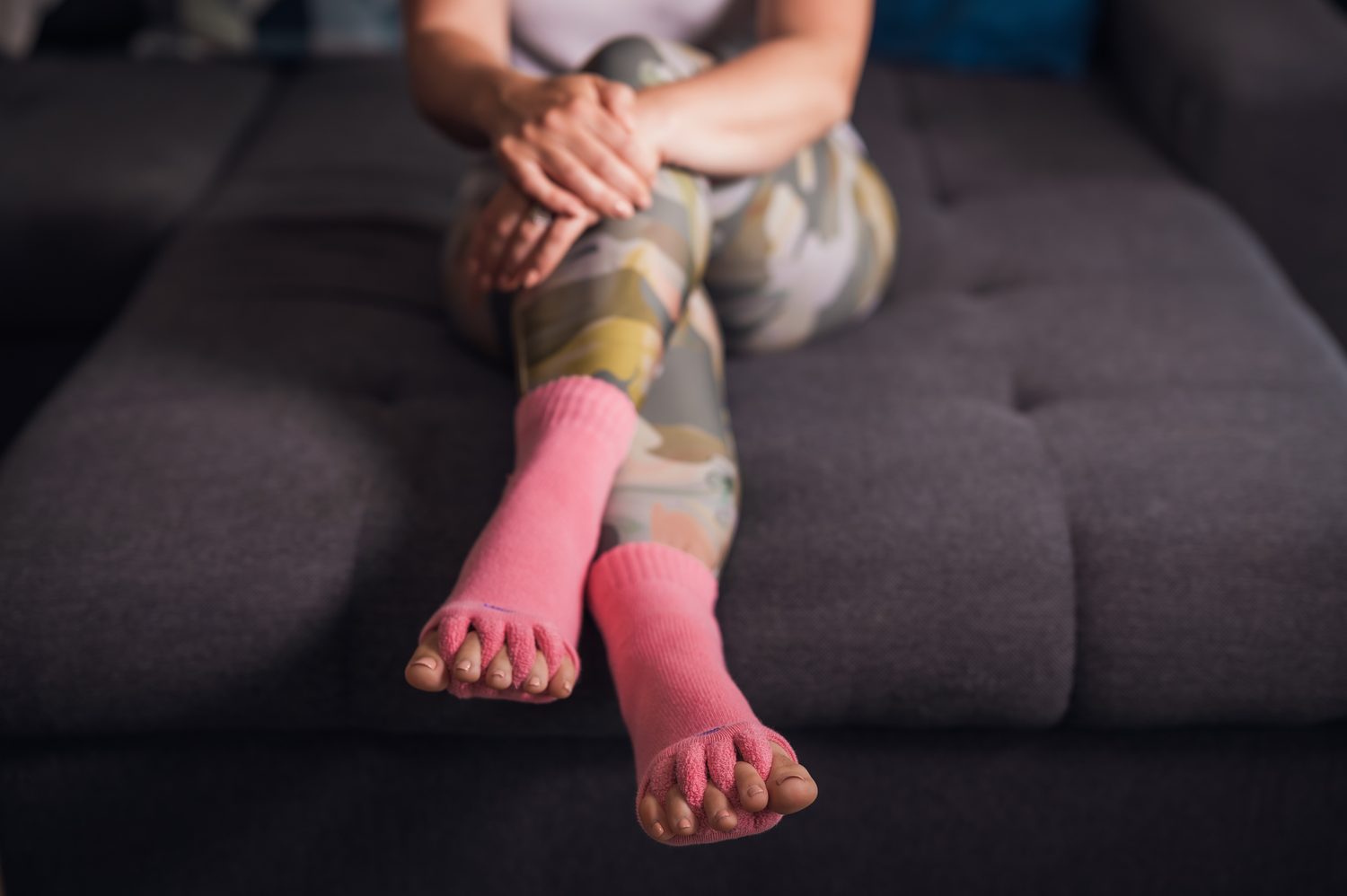
A great helper is the adjustment socks mentioned above. These are socks with toe spacers. Once you put them on, the soft tissues between the toes, on the instep and in the rest of the foot begin to release.
They can help with various types of foot pain — from heel pain and arch pain to the toes themselves. However, be careful: they’re intended for relaxation, not for walking.
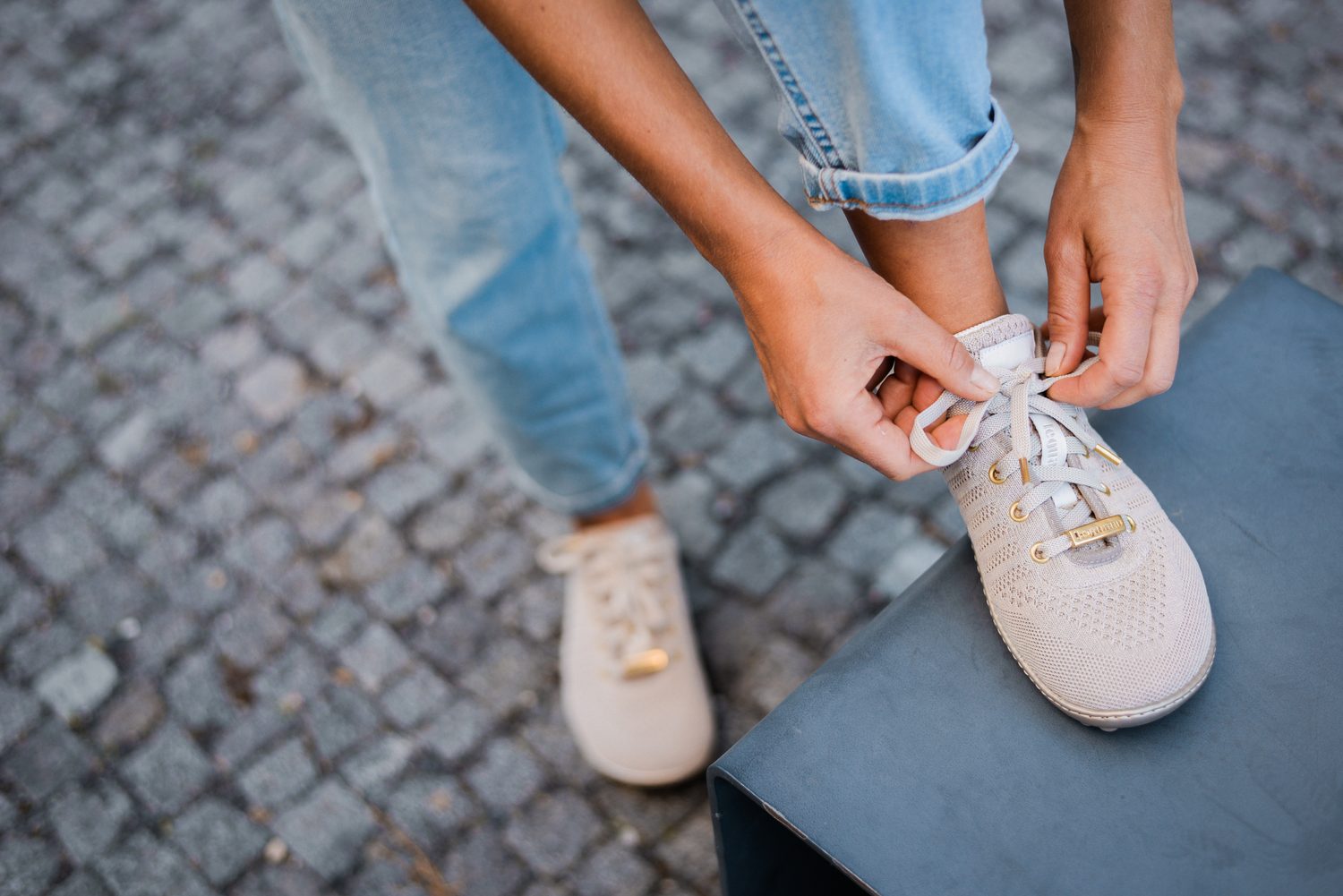
Suitable footwear is an essential part of preventing many deformities. Shoes should follow the shape of your foot. They should be long and wide enough. They should fit perfectly across the instep and heel. Some people prefer a thicker sole, others a thinner one. In general, the sole should be flexible in all directions, including torsion.
In selected cases, a firmer sole may be more suitable — that’s something to discuss with a specialist for your specific situation. Shoes shouldn’t have a drop or a heel. Don’t forget socks either. Socks that are too narrow, compressive or poorly shaped won’t do your feet any favours.
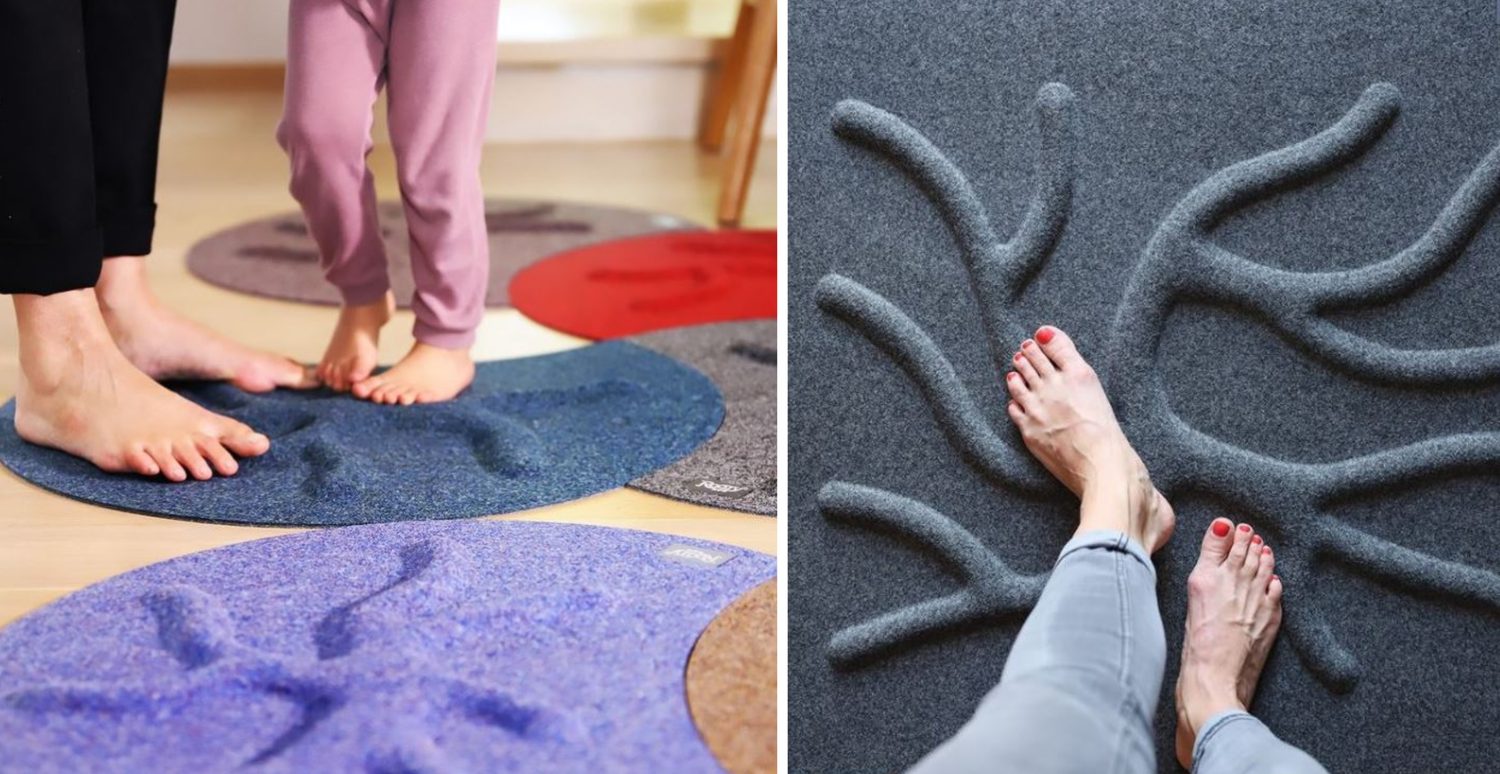
Stay active. Walk barefoot as much as possible on varied terrain. Toughen up your feet — not only in terms of temperature, but also in terms of sensory input. At first, even grass can feel uncomfortable for some people. Over time your feet will adapt, and you can swap grass for pebbles, sand, or small stones. You can practise toe yoga, do self-massage of the soles… or book a massage.
Don’t forget regular pedicure care either: removing hard skin, moisturising the skin, and nail care.
If you’re not sure about the condition of your feet, don’t be afraid to turn to professionals. Prevention matters too, and in many cases an early visit could have addressed a worsening situation. If you let problems progress too far, structural changes may become irreversible.

 This article was created in collaboration with Bc. Edita Prošková, who works with acquired and congenital foot conditions in both children and adults. Through exercise and podiatric aids, she helps restore impaired foot function, which affects the condition of the entire musculoskeletal system.
Edita Prošková – physiotherapist, podologist on Facebook and Instagram


You are currently on www.premiumbarefoot.co.uk


 £ - EN
 Čeština
 Magyar
 Slovenščina
 Română
 български
 English (US)
 Slovenčina
 Polski
 Dansk
 Nederlands
 Svenska
 Suomi
 Español
 Français
 Português
 Deutsch (DE)
 Deutsch (AT)
 Deutsch (CH)

