We’ll be happy to help via online chat or at: orders@premiumbarefoot.com

Give your feet some relief during pregnancy. Choose suitable footwear, do the right exercises and focus on prevention. You can continue wearing barefoot shoes, too.
Pregnancy is a time in a woman’s life when everything can change dynamically from one day to the next. These changes also affect your feet, which form the foundation of the human body. They are linked to the correct activation of the deep stabilising system of the spine. Muscle chains begin in the feet and determine the alignment of the entire lower limb, including the pelvis, and influence posture. That’s why it’s worth paying attention to your feet during pregnancy.
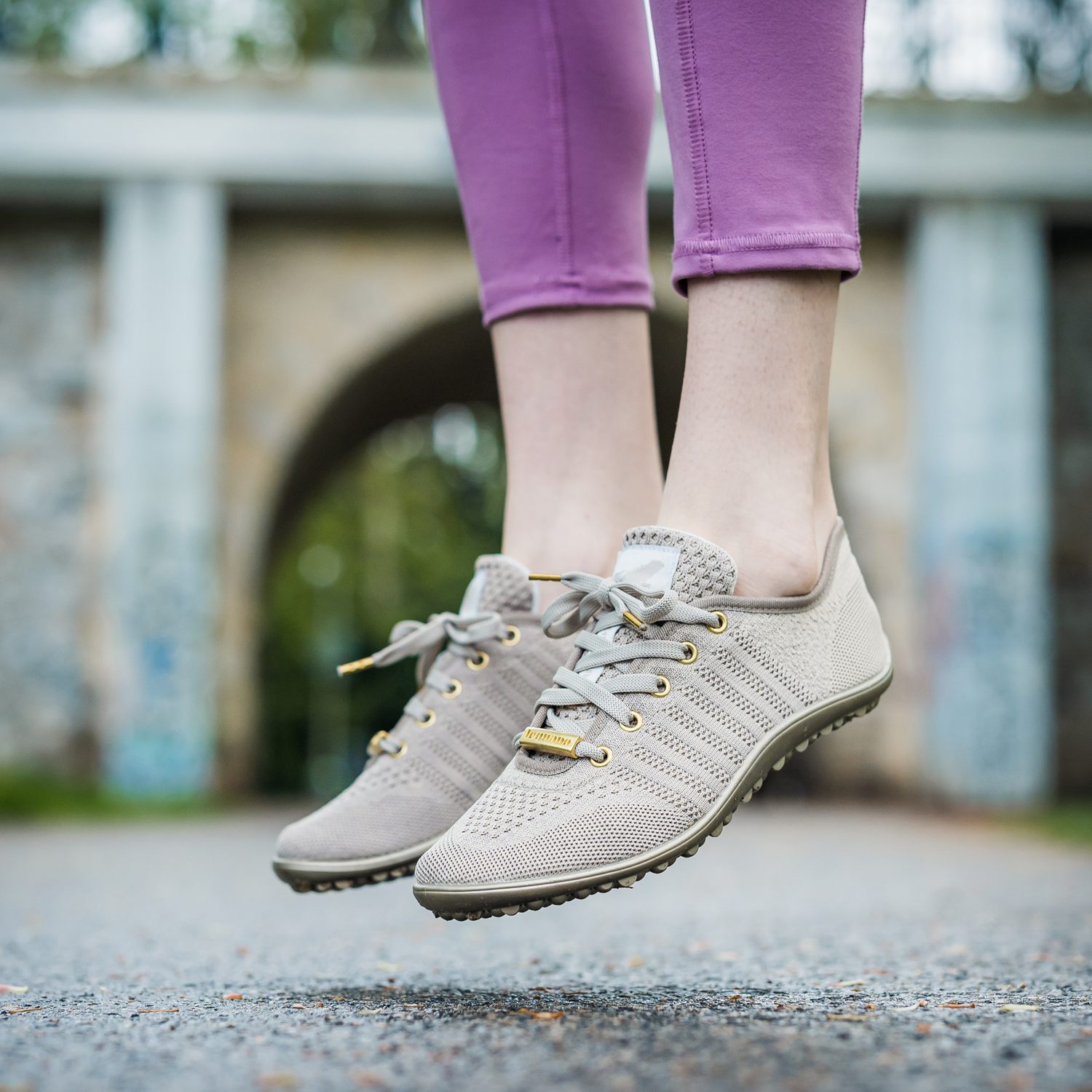
During pregnancy, a woman’s body has to respond to increased load. This is due to weight gain, a growing bump and increased blood circulation. Your centre of gravity shifts and movement patterns change.
The hormone relaxin plays a major role, as it loosens ligaments – especially around the pelvic girdle. Hormone levels also affect the feet, and the plantar fascia can become overloaded.
In clinic, women often say that during pregnancy or after giving birth their feet have got bigger – both in length and width. The most common pregnancy-related issues in the feet are heel pain and pain in the transverse arch around the head of the second metatarsal bone.
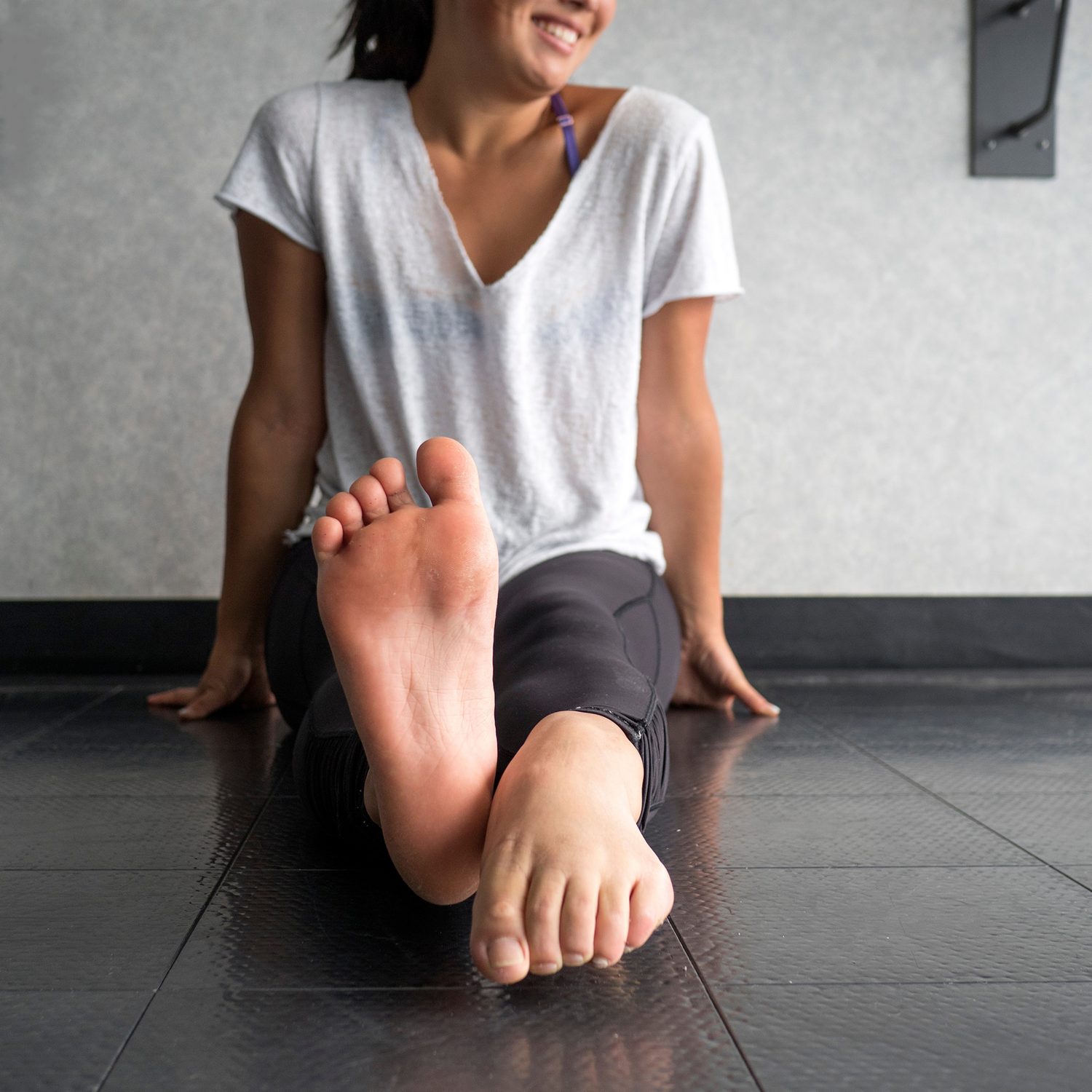
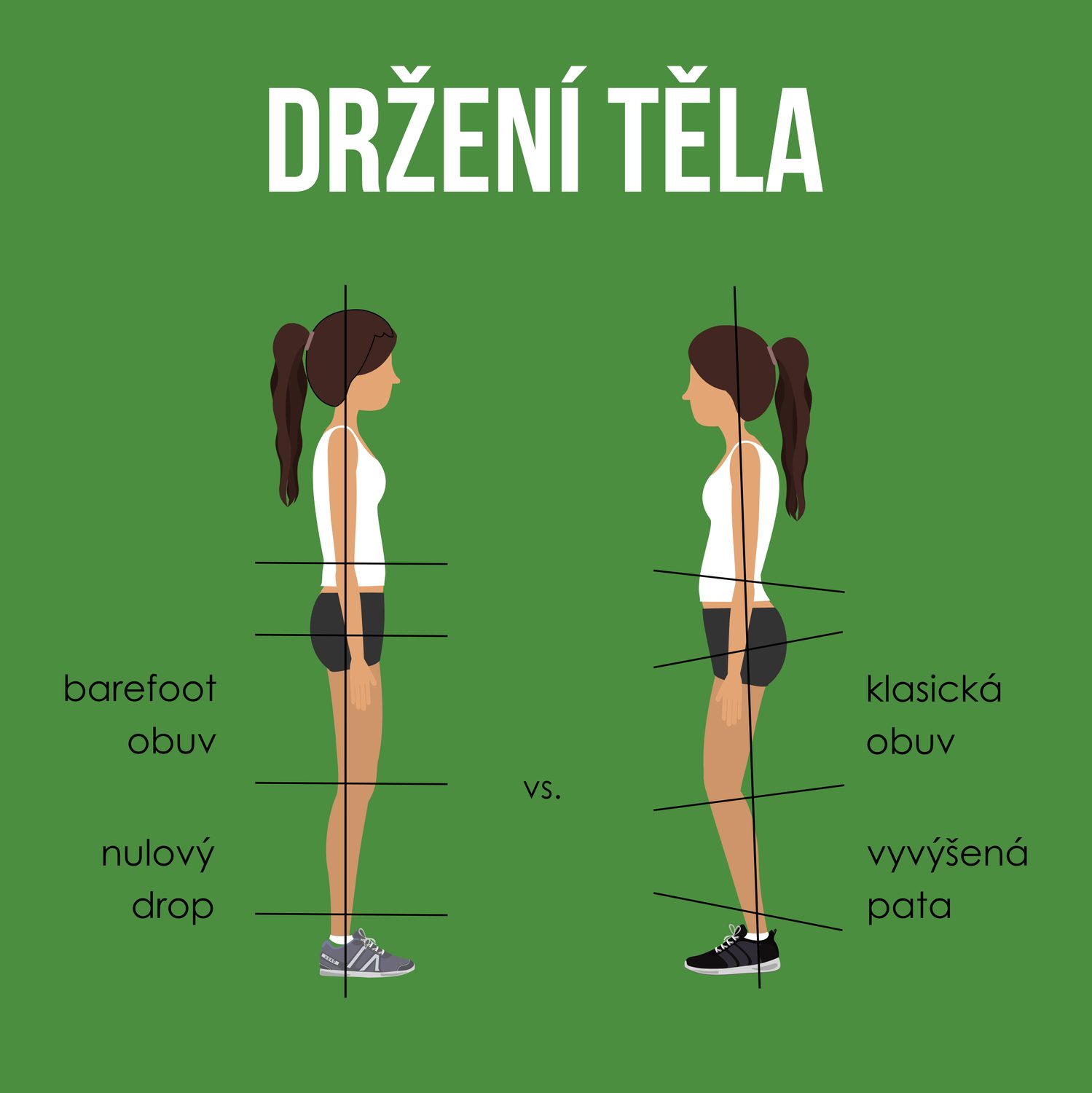
Good support and push-off from an active foot are important for an upright posture and carrying your body in vertical alignment.
You should be aware of how you stand. Ideally, position your feet so you can distribute your weight evenly across a four-point support. These points are under the base joint of the big toe, the little toe, and the inner and outer parts of the heel.
In pregnant women, we often see a lack of active support through the toes. This affects the position of the pelvis, which tips backwards and can cause increased arching in the lower back.

On the other hand, if you use your toes for support and push-off, it helps stabilise the ankle and optimises the tone and alignment of the entire lower limb. The pelvic girdle becomes more centred, the spine straightens, and the deep stabilising system of the spine engages effectively (especially the inner pelvic muscles, lower abdomen and diaphragm). The uterus begins to centre, and the baby receives an impulse to settle into an optimal position.
Walking during pregnancy should start with a gentle landing – not a sharp heel strike, but more of a whole-foot contact. Your feet should stay responsive and work properly. That means support and push-off through the toes, with a shorter, softer step.
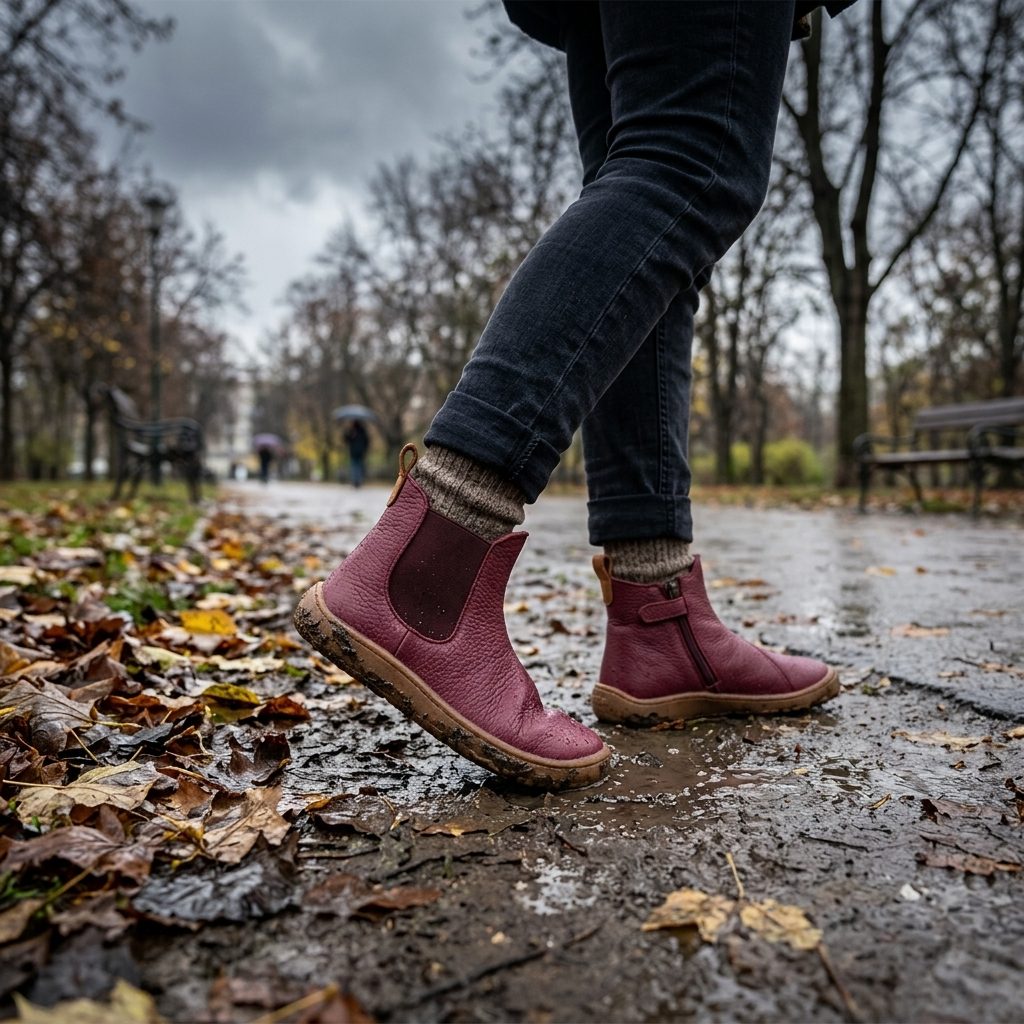
Walking barefoot is very beneficial during pregnancy. Your feet have plenty of space and stimulation. Walking barefoot is natural for the body; it connects you with the ground and helps you feel grounded. Walking should be mindful and in an environment where there’s no risk of injury.
For prevention and as a helpful tool against swelling, try so-called vascular exercises – elevating the lower limbs into a raised position.

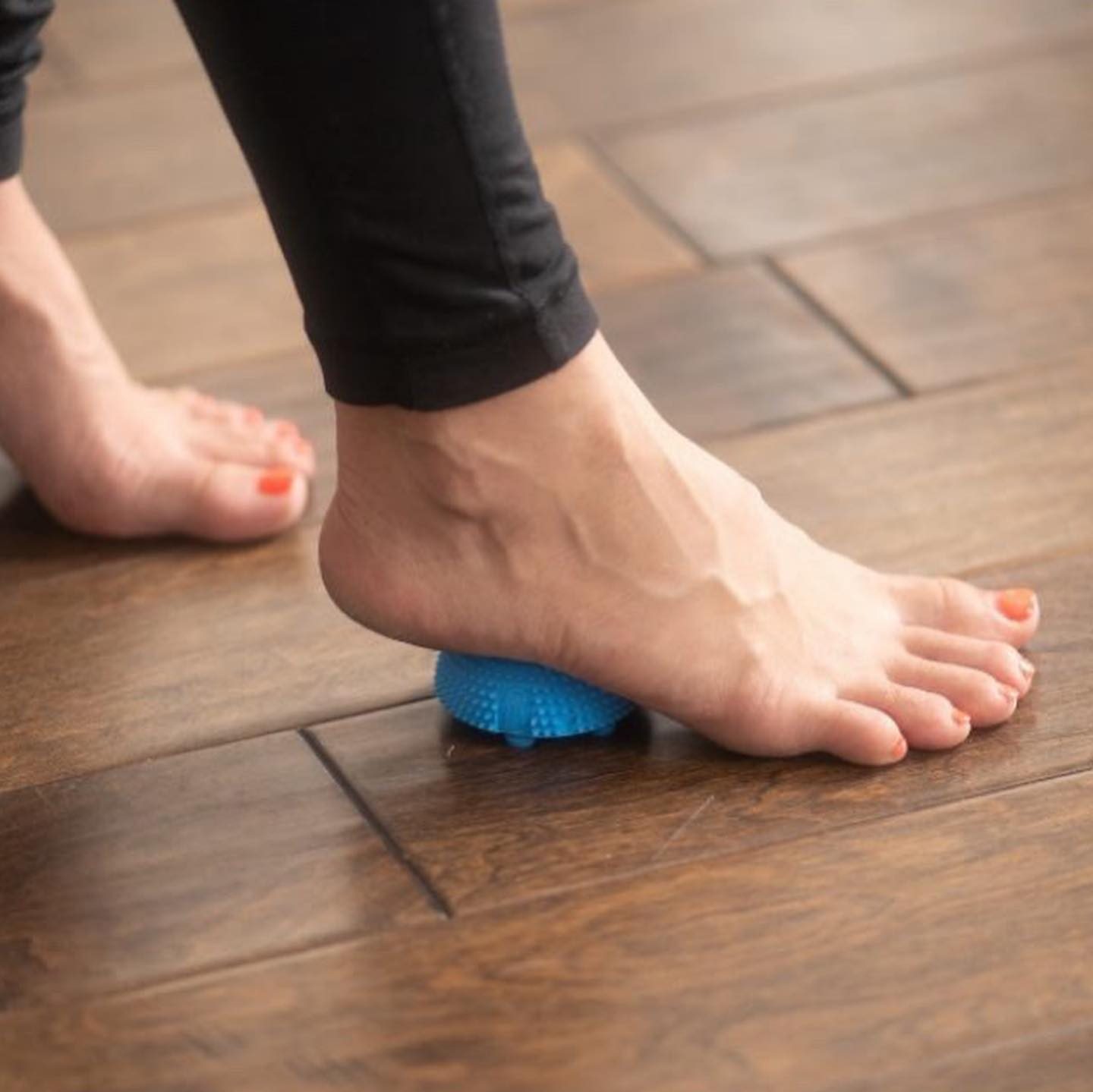
For foot exercises at home, well-chosen tools can be a great option. For releasing the feet, the Neuro Ball is excellent, for example. You can use it as a massage ball, or split it into two half-domes and gently release stiff areas of the feet with them. However, for pregnant women we do not recommend massage around the ankles due to reflex zones linked to the reproductive organs and uterus.
When choosing footwear, you should consider the following five attributes – the correct length and width with appropriate allowance, the shape of your foot, instep height, and the dimensions of the ankle and heel (for example, a small heel and narrow ankle).
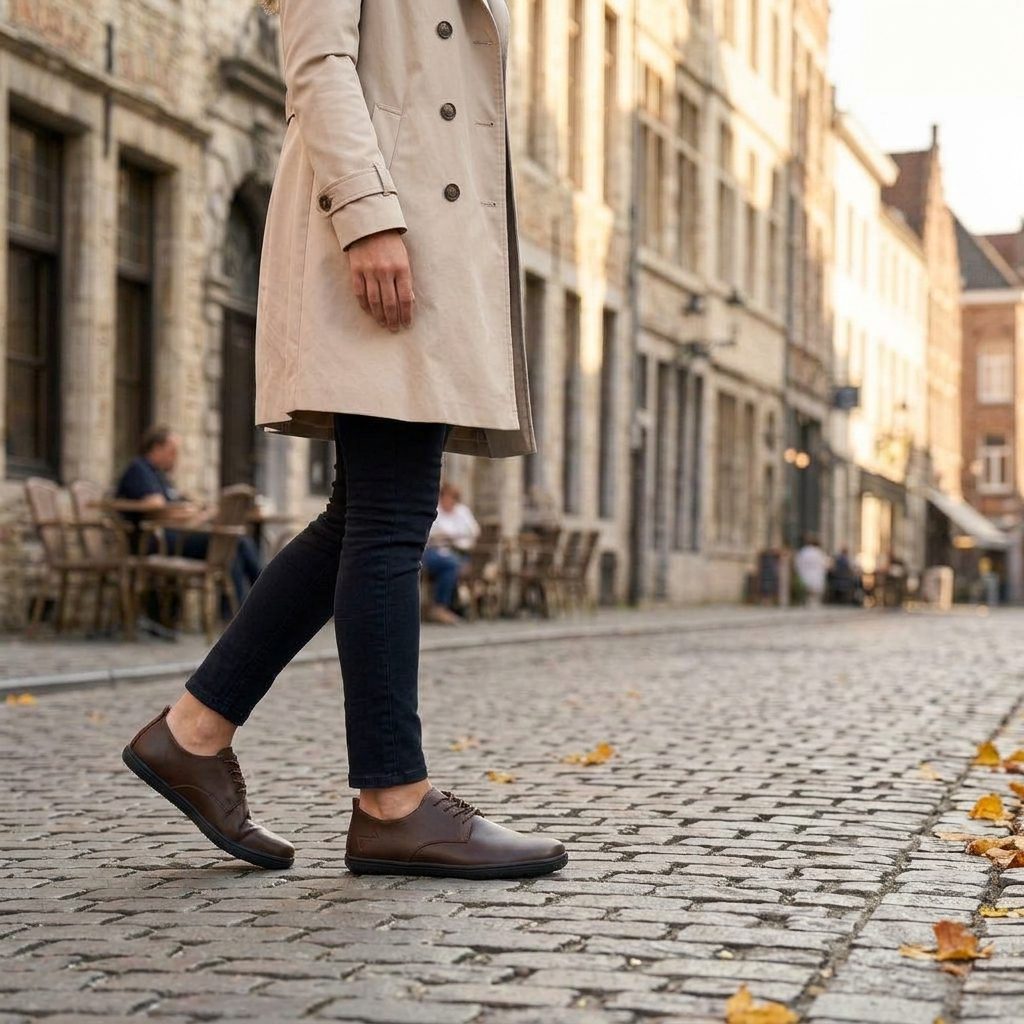
Pregnancy is not a contraindication for wearing barefoot shoes. If you were used to wearing barefoot footwear before becoming pregnant, there’s no reason to stop during pregnancy. However, take extra care if you experience significant weight gain or severe swelling in the lower limbs. Any swelling should definitely be discussed with your doctor.
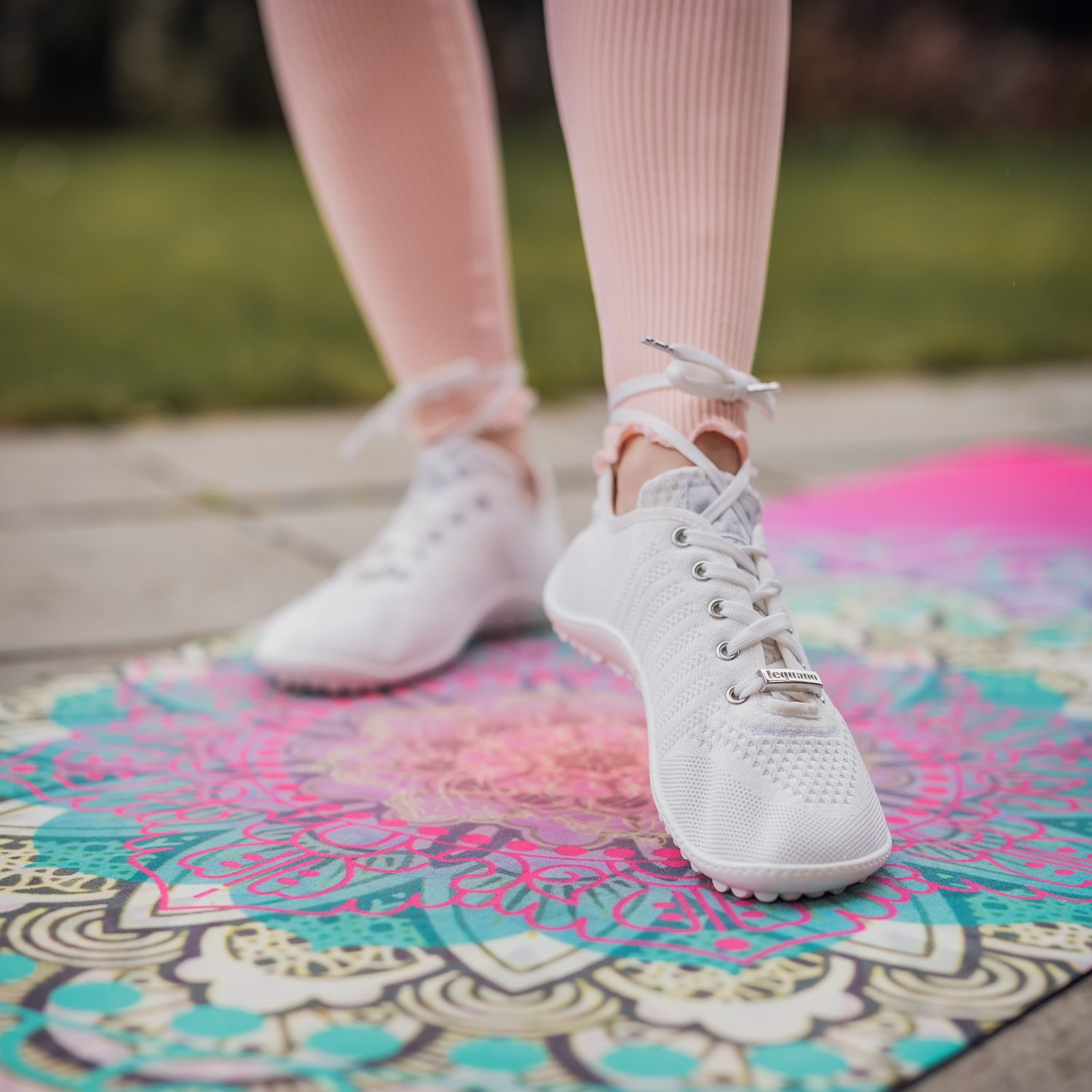
If you’d like to start wearing barefoot shoes for the first time during pregnancy, I recommend consulting a physiotherapist, who can assess how well your feet function and your level of physical activity. It’s also important to find footwear with a properly shaped toe box – i.e. an anatomical shape – that respects the shape of your foot.
A physiotherapist can also recommend exercises based on your current needs. They’ll teach you how to stimulate your feet appropriately and, if needed, may use kinesiology taping methods.
Walking in barefoot shoes can also be done as mindful exercise. That means fully focusing on your landing technique, roll-through and push-off, in a suitable environment – both in nature and in the city.
From the perspective of foot function, smooth, flat surfaces (e.g. shopping centres) are not ideal. For someone with reduced shock-absorbing function in the foot, hard surfaces can also be challenging.
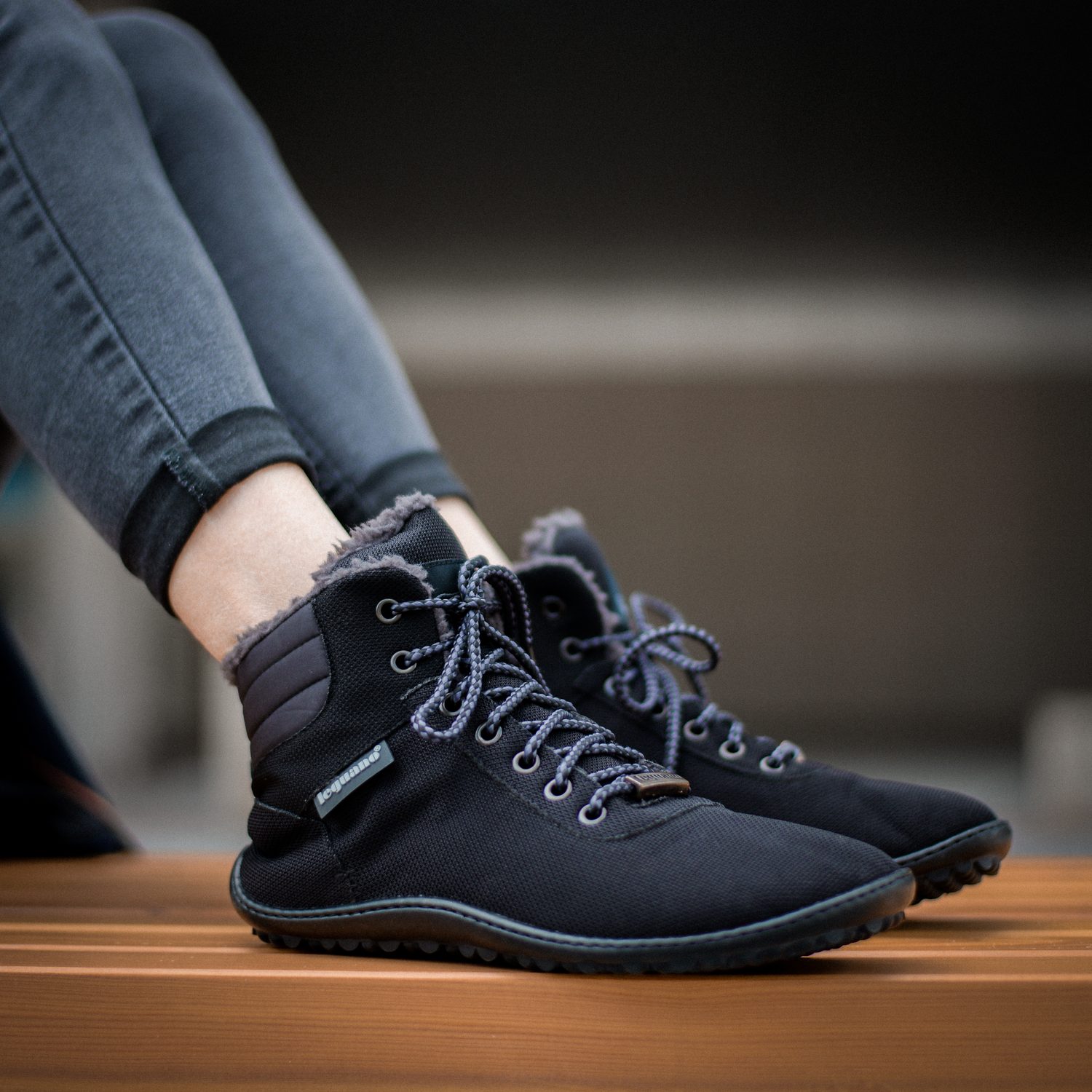
Foot care during pregnancy shouldn’t be overlooked – after all, it brings many benefits. Alongside an active approach to exercise, natural barefoot movement on varied ground, or well-chosen footwear, you can also include foot massages. By exercising your feet during pregnancy, you can influence pelvic floor muscle tension, spinal alignment and improve your breathing pattern.
Article author: Mgr. Lucie Kinclová, Ph.D. (Barefootcoaching)
Lucie Kinclová is a physiotherapist specialising in children’s feet, a child’s psychomotor development and podology. She is also the author of the e-book O dětských nožičkách. You can follow her as Barefootcoaching on Facebook.


You are currently on www.premiumbarefoot.co.uk


 £ - EN
 Čeština
 English (US)
 Slovenčina
 Magyar
 български
 Polski
 Dansk
Dansk
 Nederlands
 Svenska
 Suomi
Suomi
 Español
 Français
 Slovenščina
 Română
 Português
 Deutsch (DE)
 Deutsch (AT)
 Deutsch (CH)


