We’ll be happy to help via online chat or at: orders@premiumbarefoot.com

Would you like to exercise regularly but don’t know how to begin? Sport can easily become part of your life. We’ll guide you through a few simple steps to get started safely.
Sport has always been part of human life — it just wasn’t always called that. Hunting mammoths, running from wild animals, walking dozens of kilometres while gathering fruit and herbs, or even fighting for power or land. All of that falls into the category of “sports” that, over thousands of years, evolved into Olympic disciplines. And now we mostly just watch them on telly. Isn’t that a shame?
The age of flashing screens doesn’t exactly encourage movement, so natural everyday activity is slowly turning into “a hobby”. But if the headline of this article caught your eye, you’re probably already on the right path to rediscovering a love of movement — because that desire is sleeping in every one of us. Let yourself be motivated and guided to the starting line of a journey towards regular, healthy movement that refreshes both body and mind. Let’s get started.
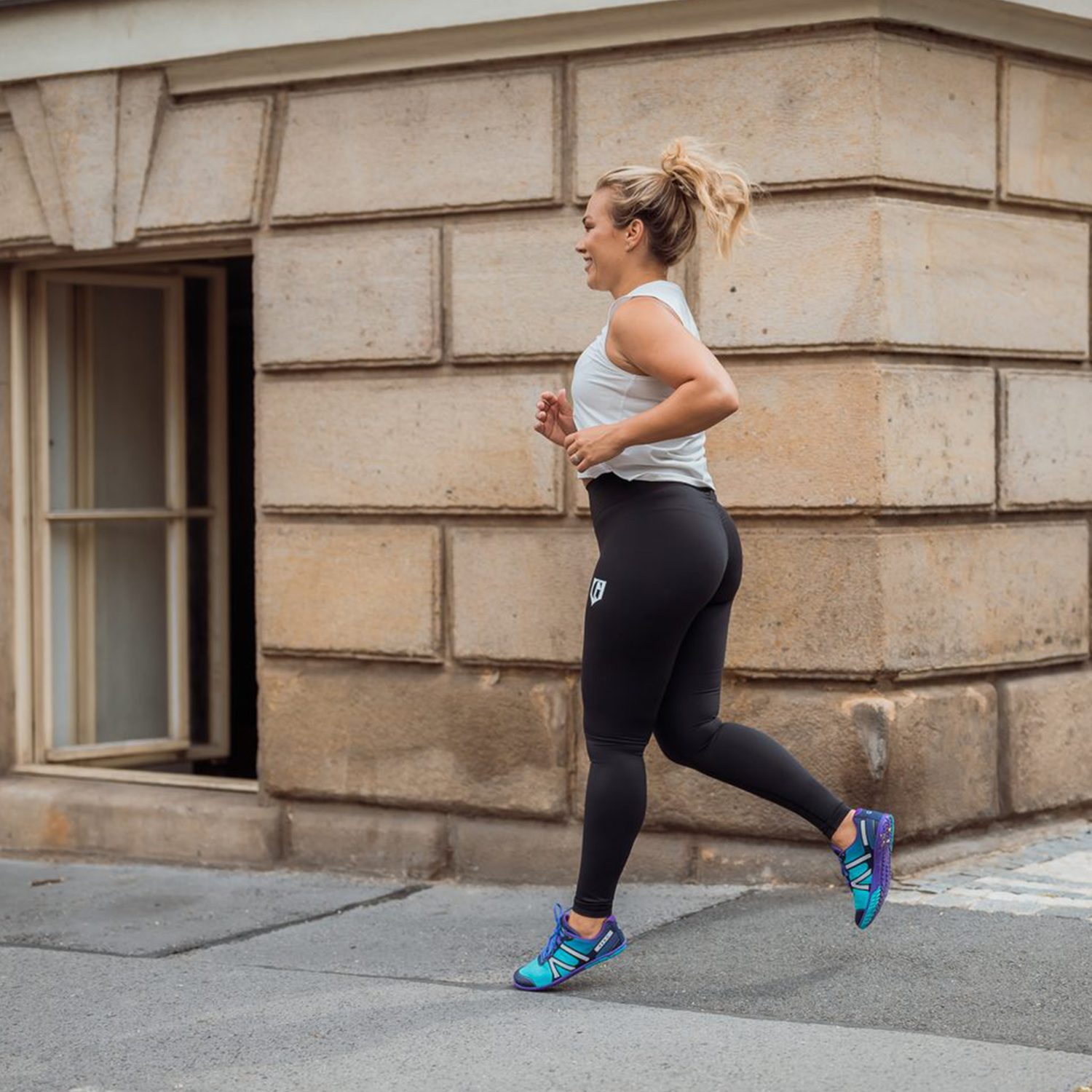
Joy and mental wellbeing – these are the main rewards that regular movement brings. More specifically, it’s down to endorphins. Endorphins, also known as the “happy hormone”, lift your mood — and your brain releases them after muscular effort.
On top of that, movement reduces stress and improves concentration. When you’re exercising, you’re not thinking about everyday worries — you’re focusing on yourself and the movements your body is making.
Mental wellbeing is one thing, but movement also has plenty of health benefits:
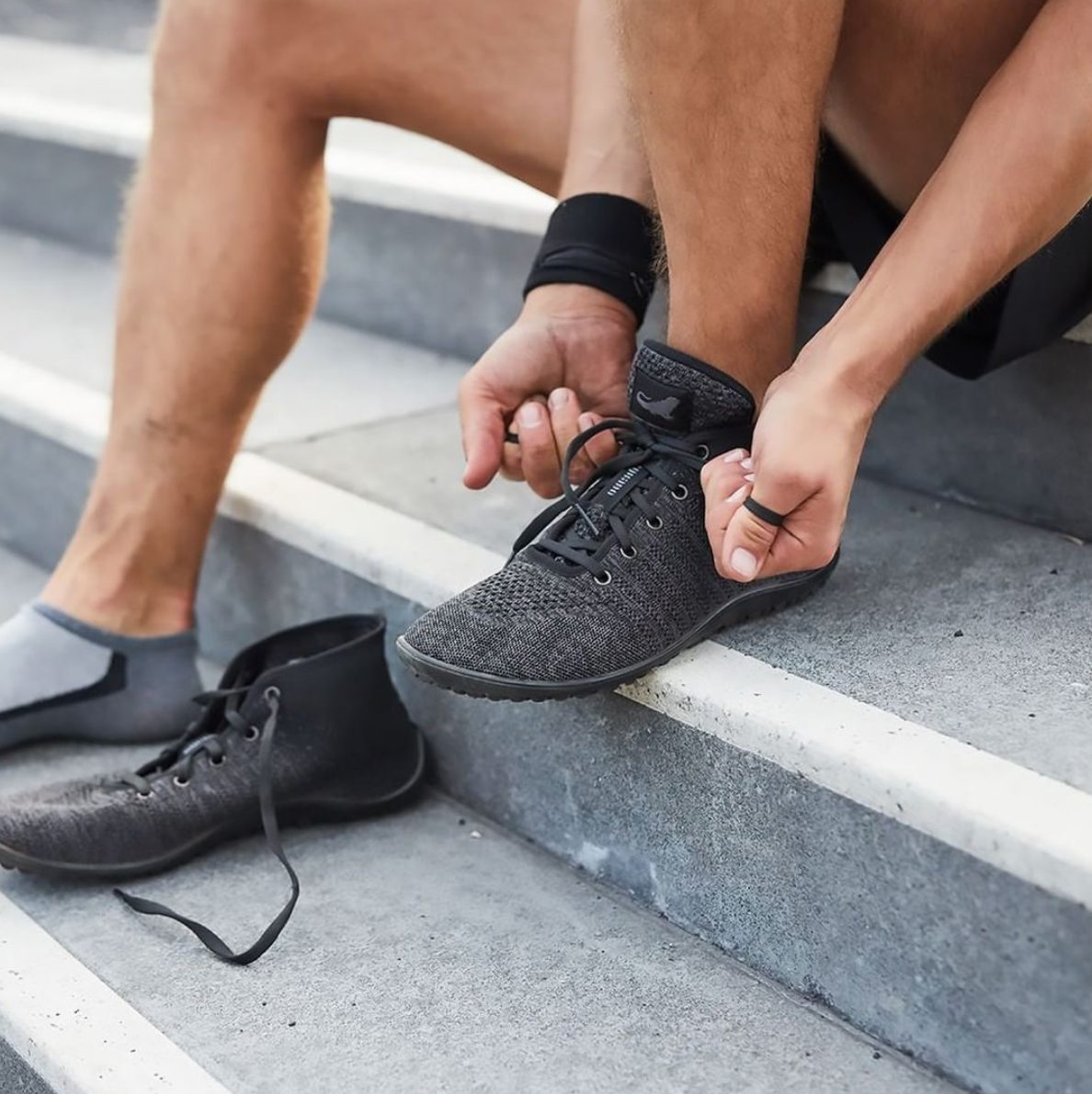
Right now. It’s never too late to start moving — you just need to choose the right kind of activity. Whether you’re 16, 45 or 70, go for it. The key is to consider your current fitness level and start slowly. Even with walking — just a few minutes a day. Over time, you can increase the duration, extend the distance, or pick up the pace, as your body allows.
A great way to begin is to try to be more active during everyday tasks. What does that mean in practice? Start by walking more. Swap the lift for the stairs. Walk to a shop that’s a bit further away. Do you commute by public transport? Get off one stop (and later maybe two) earlier and walk the rest. Morning walks work wonders. Even these seemingly small changes can make a noticeable difference to your fitness. You don’t need to run a marathon — and you don’t even need to run at all; it’s enough to start slowly and simply by walking more often.
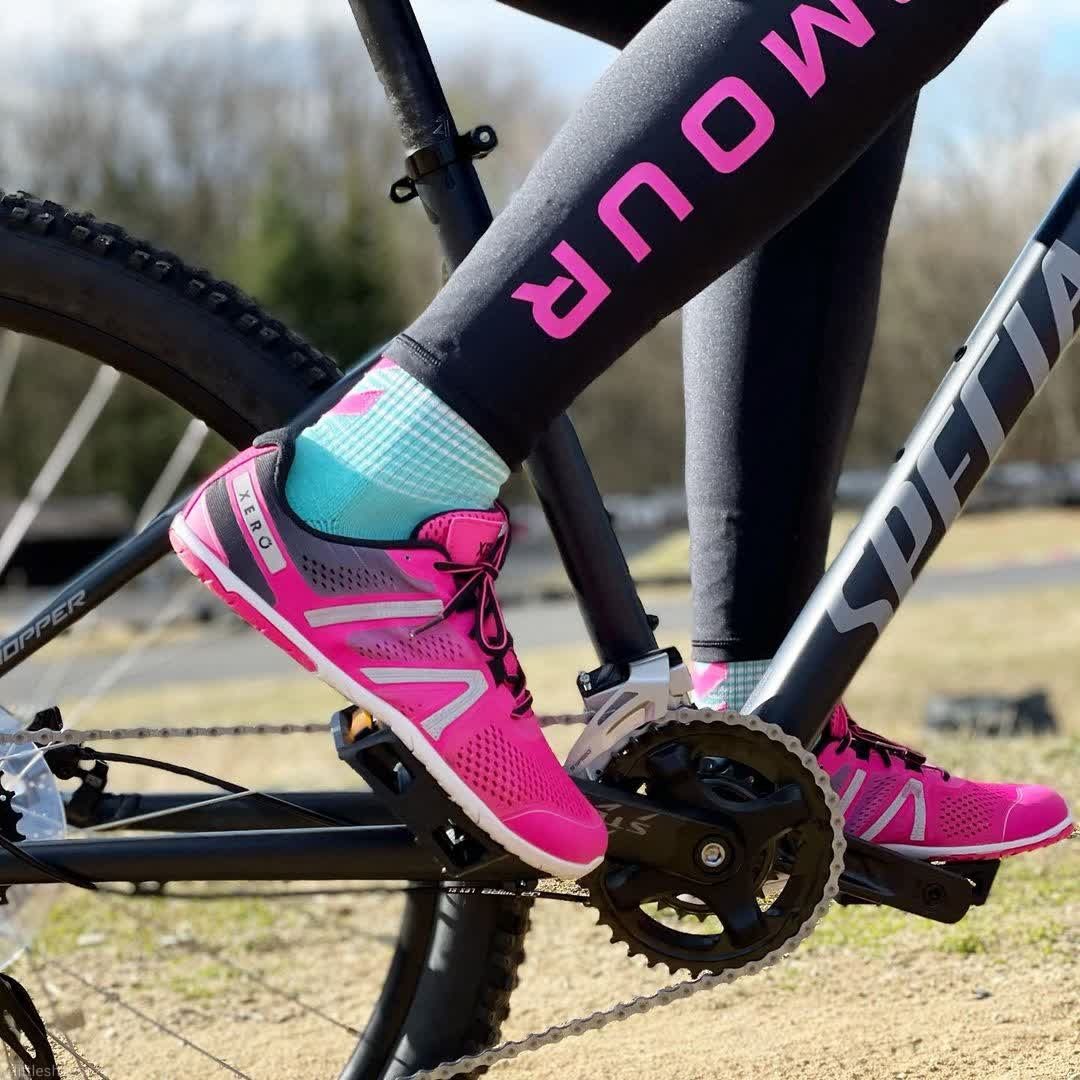
Choose a sport that feels right for you, that you’ll enjoy and genuinely look forward to. If running appeals to you, give it a go. If you prefer tennis, find a partner and get started. Whether it’s cycling, volleyball, football tennis, swimming… or honestly anything at all — don’t be afraid to try. Whatever you choose, remember that consistency is the foundation. Ideally, exercise regularly — at least three times a week.
If you’re not sure which activity to choose — especially with regard to your health or any limitations — talk it through with your GP or visit a physiotherapist. It’s absolutely nothing to be embarrassed about — quite the opposite. They may point you in the right direction and advise you how to do it safely, without hurting yourself.

Together with the Prague physiotherapy centre KINISI we’ve put together a few basic tips on how to start exercising without harming your body. Because it’s not exactly a great idea to decide to start running and then do a marathon a week later. Not even a month later — and maybe not even a year later.
At the beginning, it’s important to assess your physical capabilities and your overall condition. If you have old injuries, congenital anatomical differences, or pain in your musculoskeletal system, it’s a good idea to consult a physiotherapist. They can help you choose a suitable sport and advise you how to do your chosen activity correctly, taking your health into account.
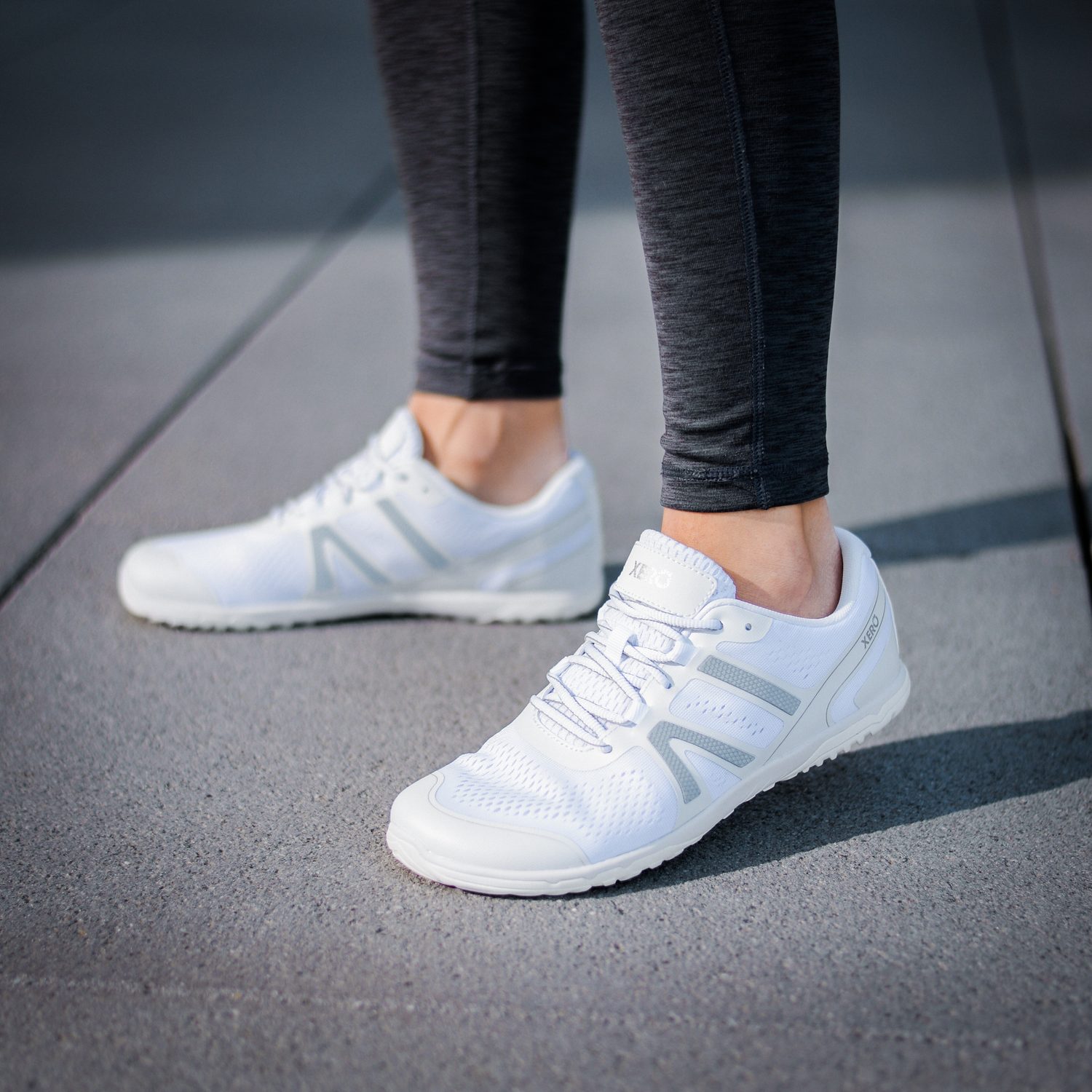
Sports activities can be divided into countless categories. Broadly speaking, we can choose between aerobic and anaerobic activities. Then it’s up to you to decide which path is right for you:
With aerobic exercise, the activity is done at a comfortable pace, ideally for a longer period, at a lower intensity with a slightly elevated heart rate. How can you tell? Simply: you can still talk and breathe through your nose while exercising. Your muscles use oxygen and your body burns fat. So it’s an ideal route towards that number on the scales you’re aiming for.
This could be (brisk) walking, cycling, running, swimming, or even yoga or bodyweight strength training.
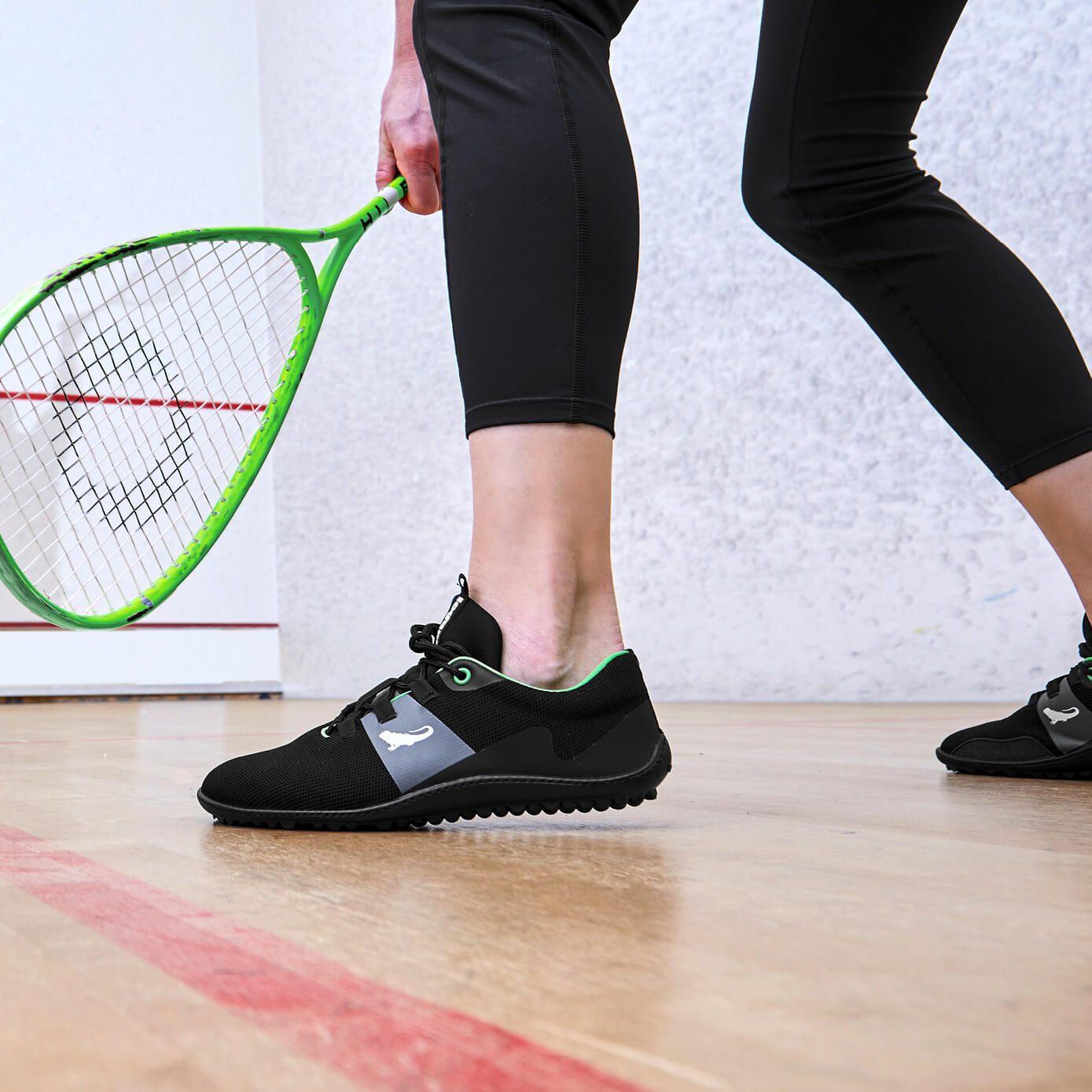
With anaerobic exercise, you go all out. It’s performed at high intensity, for a short time and at a high heart rate (up to two minutes). It’s mainly used to build strength, speed, muscle mass and improve performance.
Examples include sprints, HIIT or Tabata — where you repeatedly go full effort for 20 seconds and rest for 10 seconds.
So. Clear on the difference? Whichever you choose, there are a few general recommendations to keep in mind — not only when you’re starting out (with any sport), but also during every training session:
Learn the basic exercise techniques and breathing in advance before you jump in. Good technique is the essence of success — it’s the route to feeling good after exercise and a way to prevent pain or even injury. Ask more experienced friends or trainers to show you how. If you’re unsure about anything, we recommend visiting a physiotherapy centre.
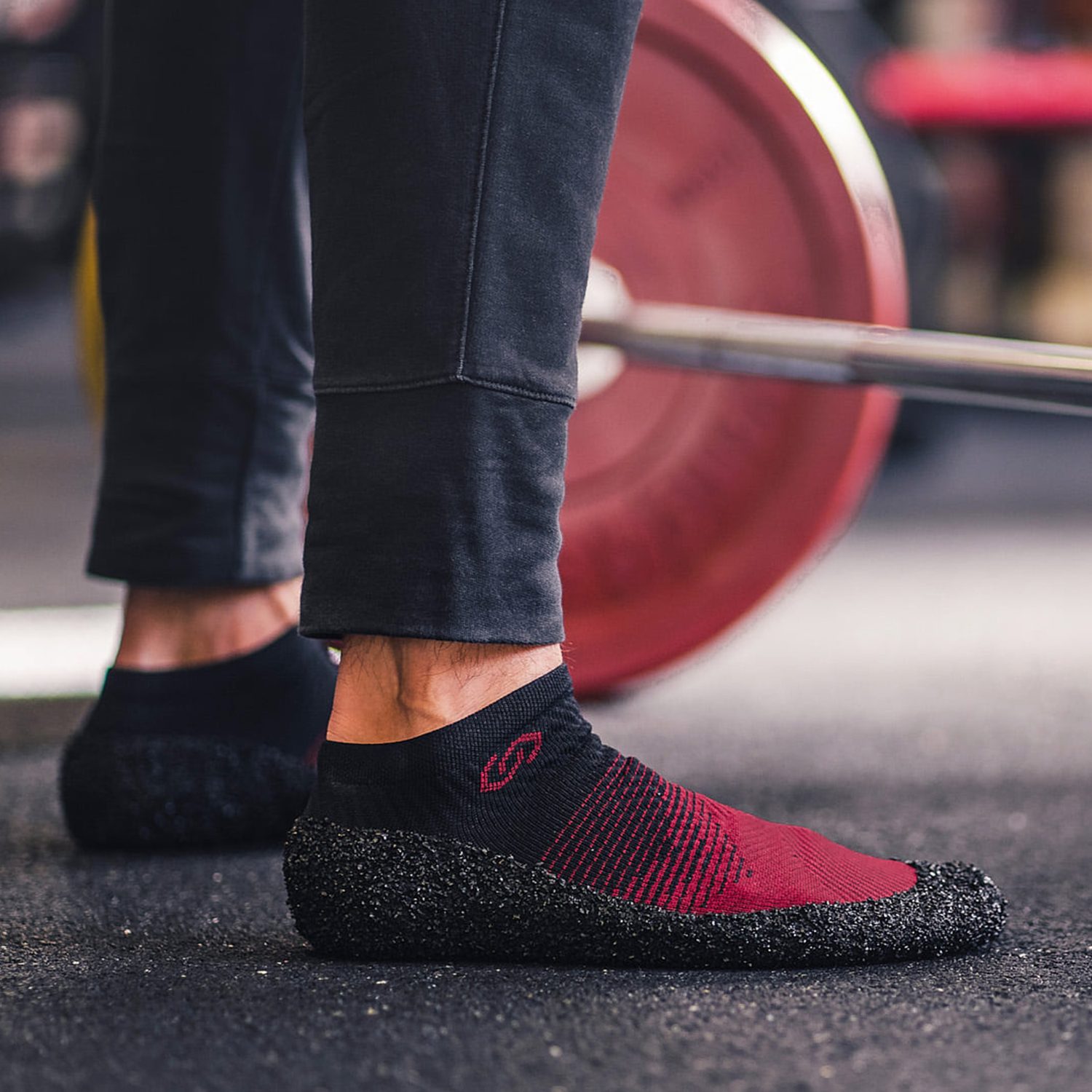
It sounds like PE at primary school, but it’s an important first step. Before your body goes full throttle, it should warm up and increase blood flow to the muscles: warming up increases energy absorption and makes muscles more resistant to damage. This helps prevent unpleasant soreness or injuries. A warm-up tunes your body for movement, prepares the muscular system, loosens and mobilises joints, and increases the supply of oxygen and nutrients to the muscles.
How? Give yourself 5–8 minutes of running drills, a spin on an exercise bike, or dynamic stretching. Whatever you choose, it’s important to follow a few principles of a proper warm-up:
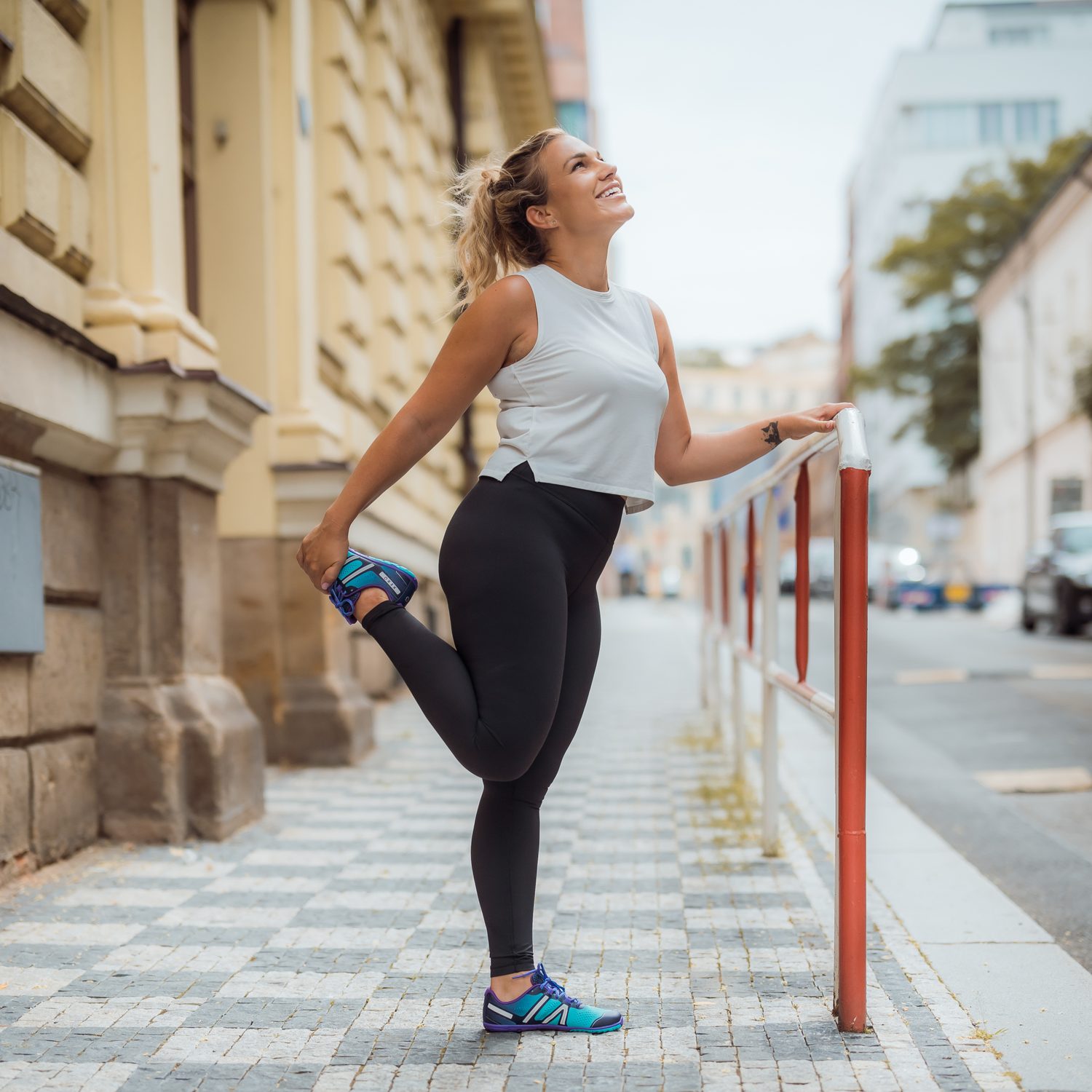
Breathing and proper movement technique go hand in hand. Correct breathing oxygenates your muscles and helps your body work more efficiently. It’s especially important to focus on your breath when you’re just starting out, so your body gets used to both the movement and the breathing that goes with it. Your body will develop a breathing pattern and later you won’t need to think about it so much.
A very general rule is:
Breathing through your nose is important, or at least inhaling through the nose and exhaling through the mouth. Avoid shallow breathing and holding your breath. Every sport requires slightly different breath work. The same applies here as with technique – read up, ask questions, and pay attention to your breathing and movement during the activity.
For a proper breathing pattern, it’s important to understand diaphragmatic breathing and the physiological function of the deep stabilisation system (the diaphragm, pelvic floor muscles, and deep abdominal and back muscles). The diaphragm is the main inhalation muscle and works like a piston. With correct diaphragmatic breathing, the diaphragm moves down, the lower ribs expand, and intra-abdominal pressure increases. The breath reaches the groin area and pelvis, forwards into the abdomen, to the sides and also backwards. The cooperation of all muscles in the deep stabilisation system is always important.
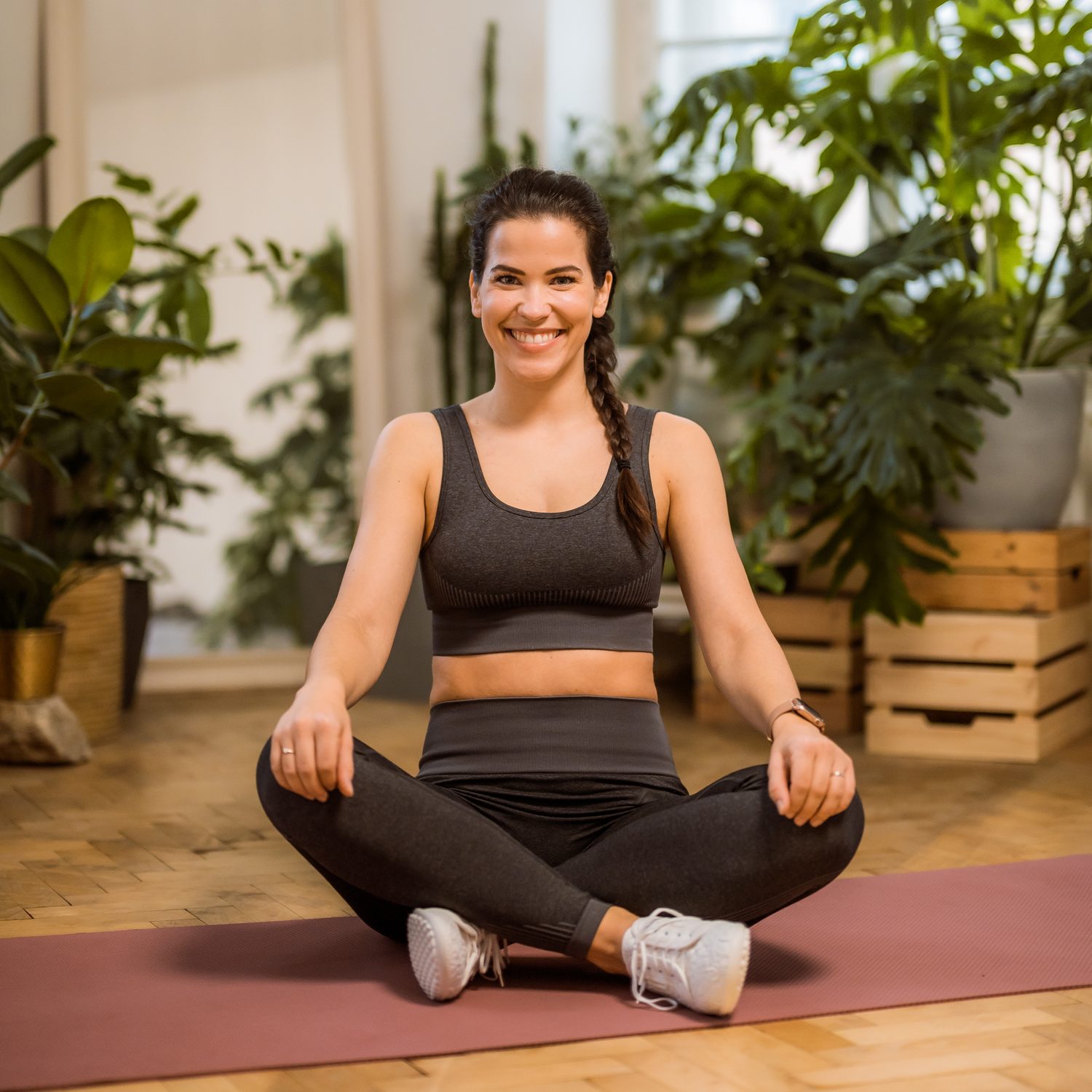
Saving the best for last. Don’t forget to stretch after every workout and training session. Give your body time to come down from the effort and return to normal mode. The ideal time is around 10–15 minutes. It’s important to stretch mainly the muscles you used during the activity and to release them. This increases their elasticity. In the stretched muscle you should feel light tension, a gentle pull (but not pain). Flexibility improves by repeating the stretch several times.
When stretching, work from top to bottom. Start with your neck, then shoulders, arms, wrists, chest, back, abdominal muscles, hips, thighs and down to your calves. This post-workout stretching supports faster muscle recovery.
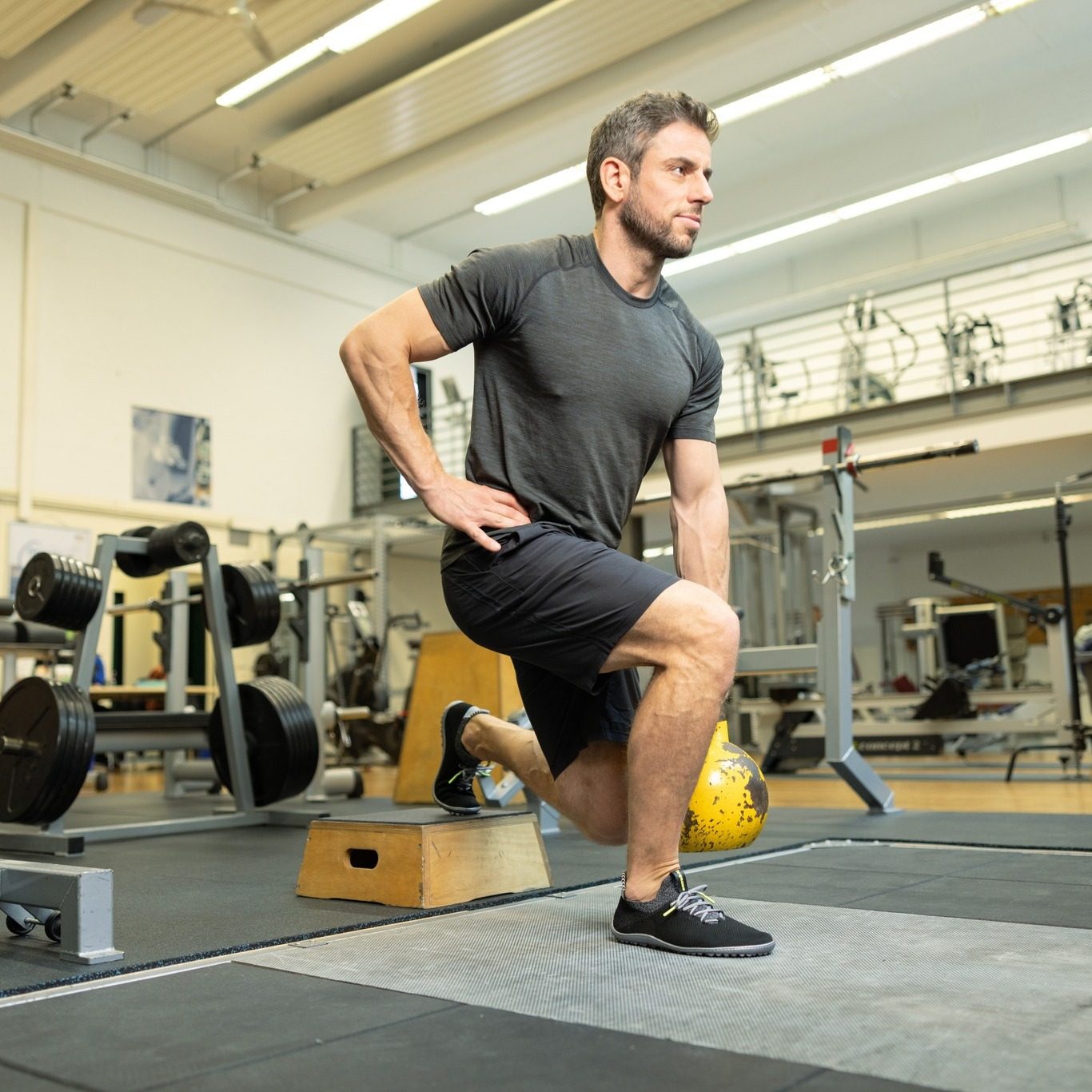
Dynamic stretching is ideal for warming up the body before sport. It’s an active, controlled movement where muscles move from a neutral position to the end range of motion and back again. The movement should be similar to the activity you’re preparing for, and it’s done at least 10 times in a row at a moderate speed. For running, this could be heel flicks or alternating jumps with knees driving forwards.
Dynamic stretching has a positive effect on coordination and strength and supports joint flexibility. So: if you haven’t been warming up before exercise, we believe that after this thorough summary you’ll think twice next time.
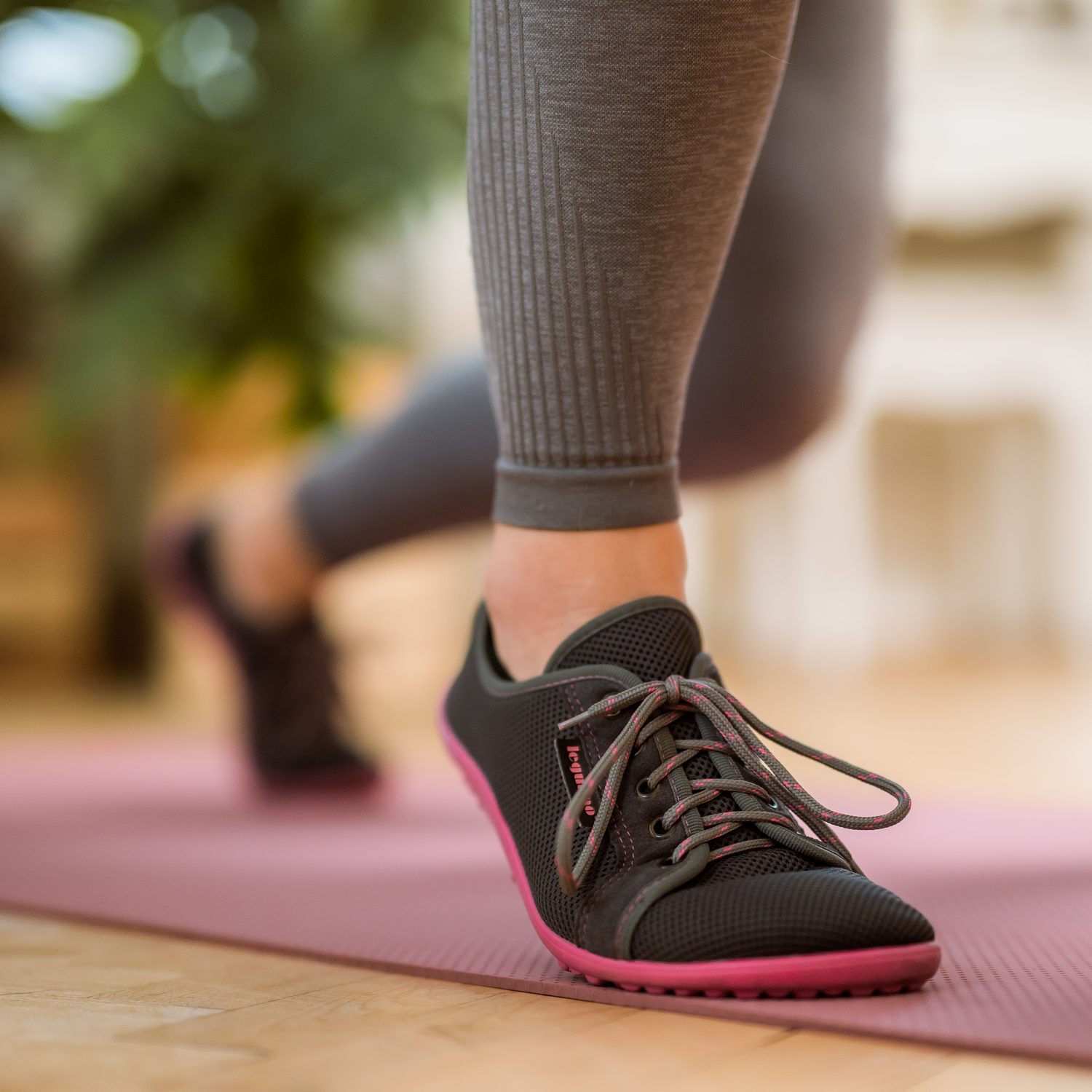
Static stretching, on the other hand, is a slow stretch to the limit of the muscle’s tolerance, holding the position for 15–30 seconds. You only need to do each stretch once — but properly, and for the recommended time. This type is ideal after training, when it helps the worked muscles recover faster. It’s also used to increase range of motion. After finishing your activity, it’s good to stretch the most used muscles (while your body is still warm).
For a full-body stretch, it’s recommended to do static stretching once more one to two hours after training, stretching the whole body gradually from head to toe.
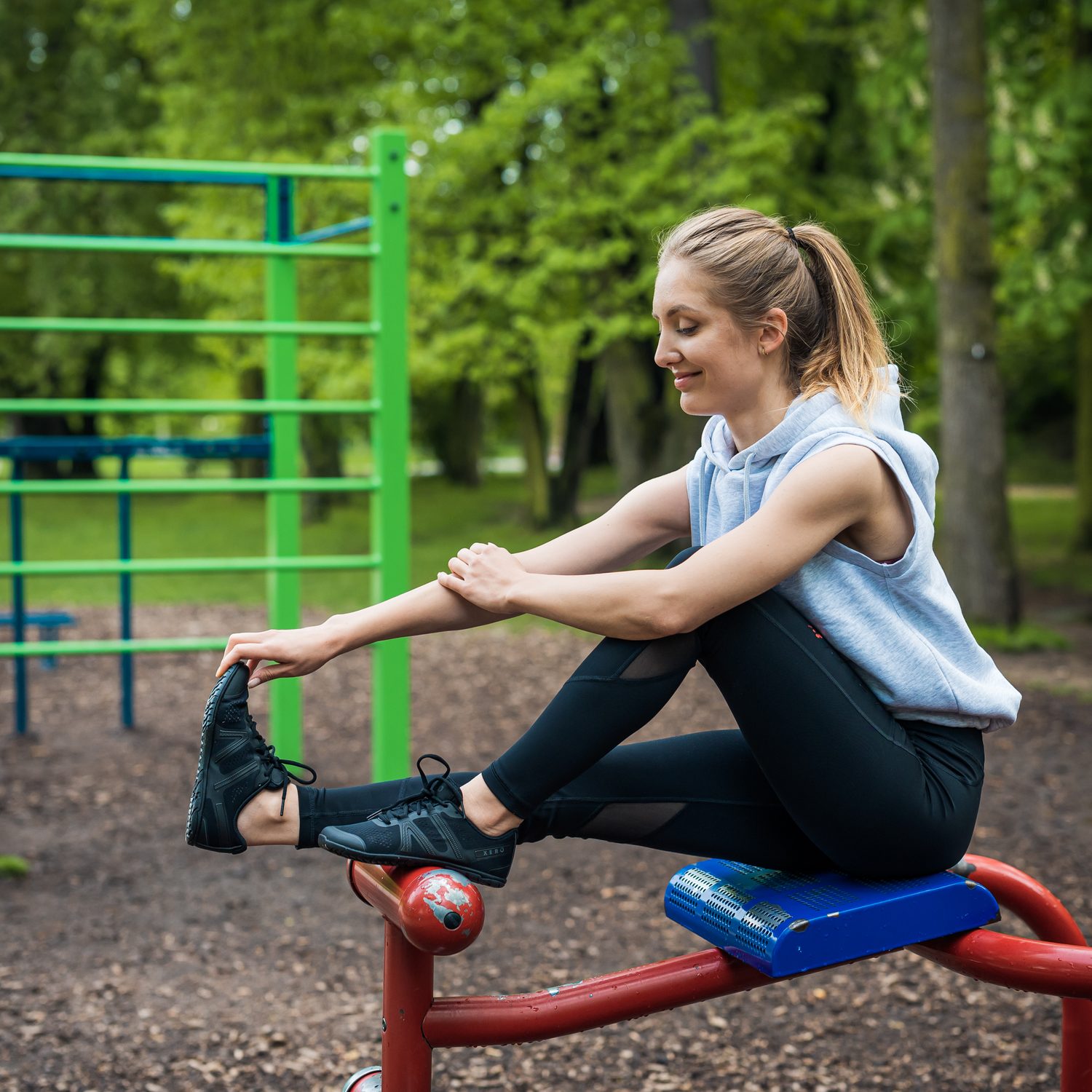
Consistency is the foundation of success. The first step is to start. What will really test your determination is sticking with it and being consistent. Your reward will be results you’ll soon notice — and not just you. Make time for your sporting passion at least 3x a week. It works well to block out a regular time slot long-term, ideally on the same days and at the same times. In other words: build a habit. Over time, your body will start craving exercise on its own.
But be careful: if your body is telling you it’s tired, listen — don’t force it. Workouts like that often end in injury.
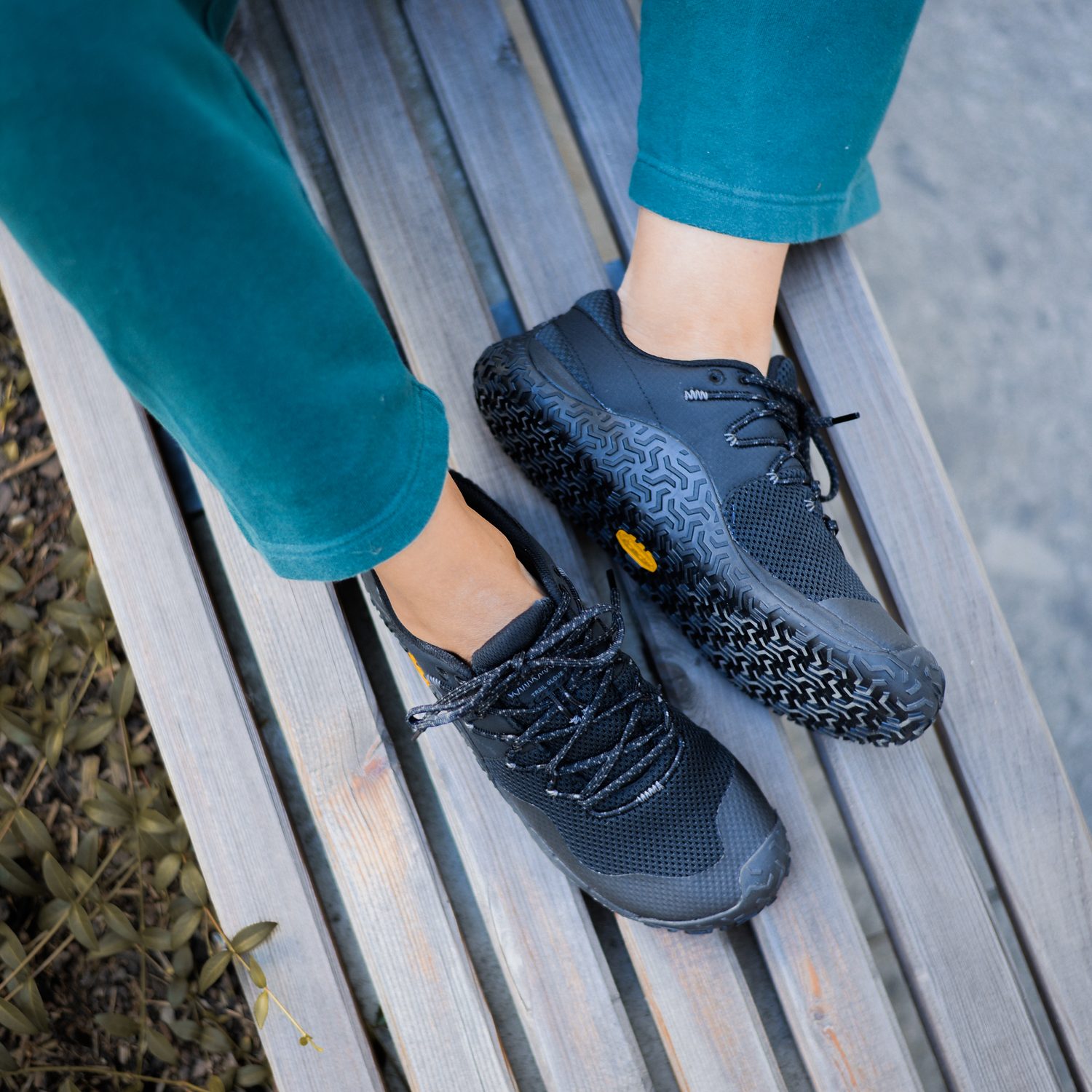
Don’t go too hard too soon. Not when you’re starting out — and not at the start of each individual session either. Your body will make it very clear over the next few days. That’s when you hear yourself saying things like – “Blimey, I really went for it yesterday and today I can barely move.” So… let’s not do that.
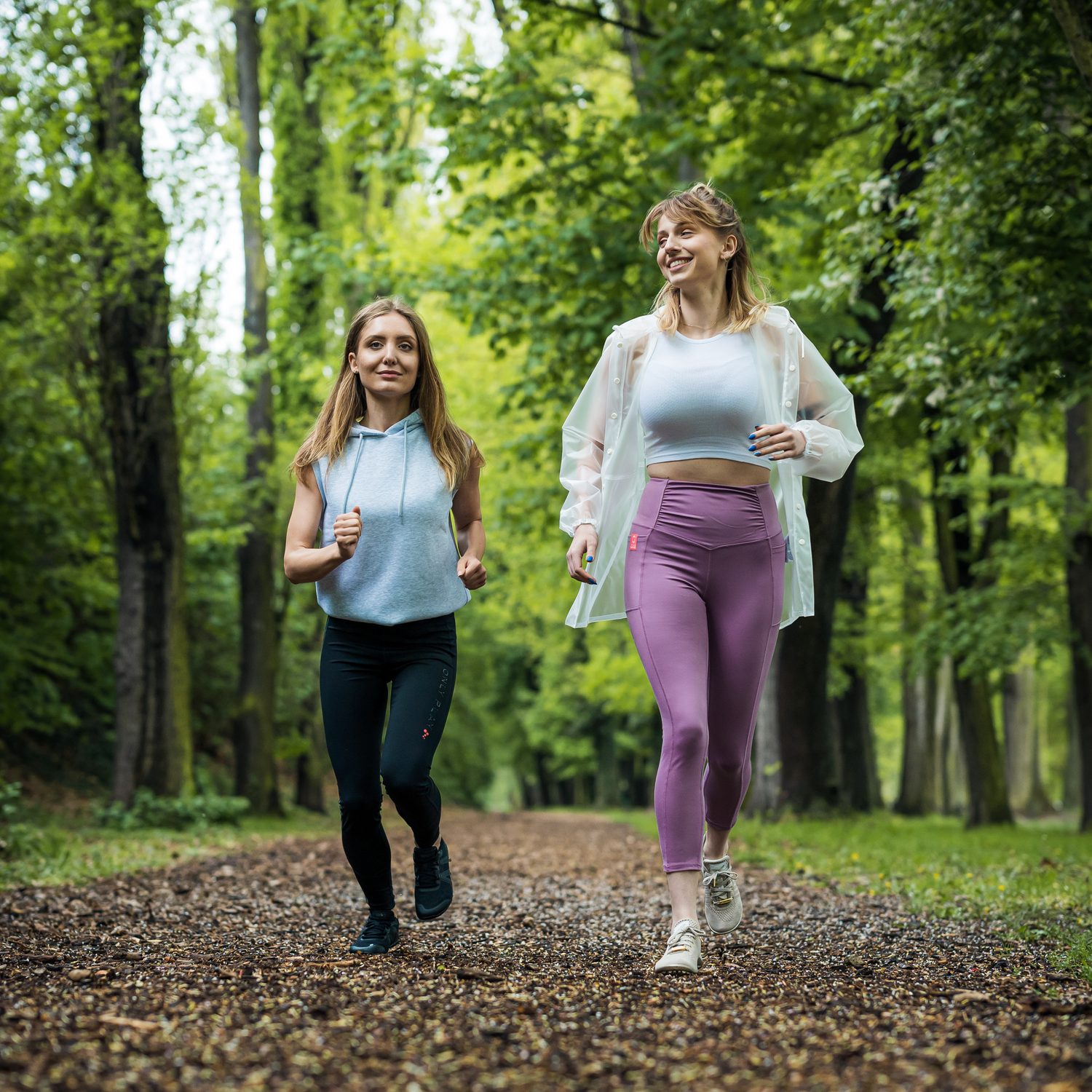
Don’t cut corners when it comes to yourself. Quality kit won’t just make you happier while exercising — it can help you achieve better results and may also influence how well you perform movements. Of course, it depends on the sport. Choosing running shoes is different from choosing a badminton shuttlecock.
Technical sports clothing is a topic in its own right. There are loads of options designed for specific sports. It depends on your budget and how demanding the activity is. You could start with a visit to Decathlon, where you’ll find knowledgeable staff, equipment for most sports and affordable prices.
Our tip: Interested in exercising in barefoot shoes? We’ve written more about it in the article Running and barefoot: A return to natural movement. And if you need help choosing the right sports footwear, this article will guide you: Running showdown: Barefoot versus conventional sports shoes.
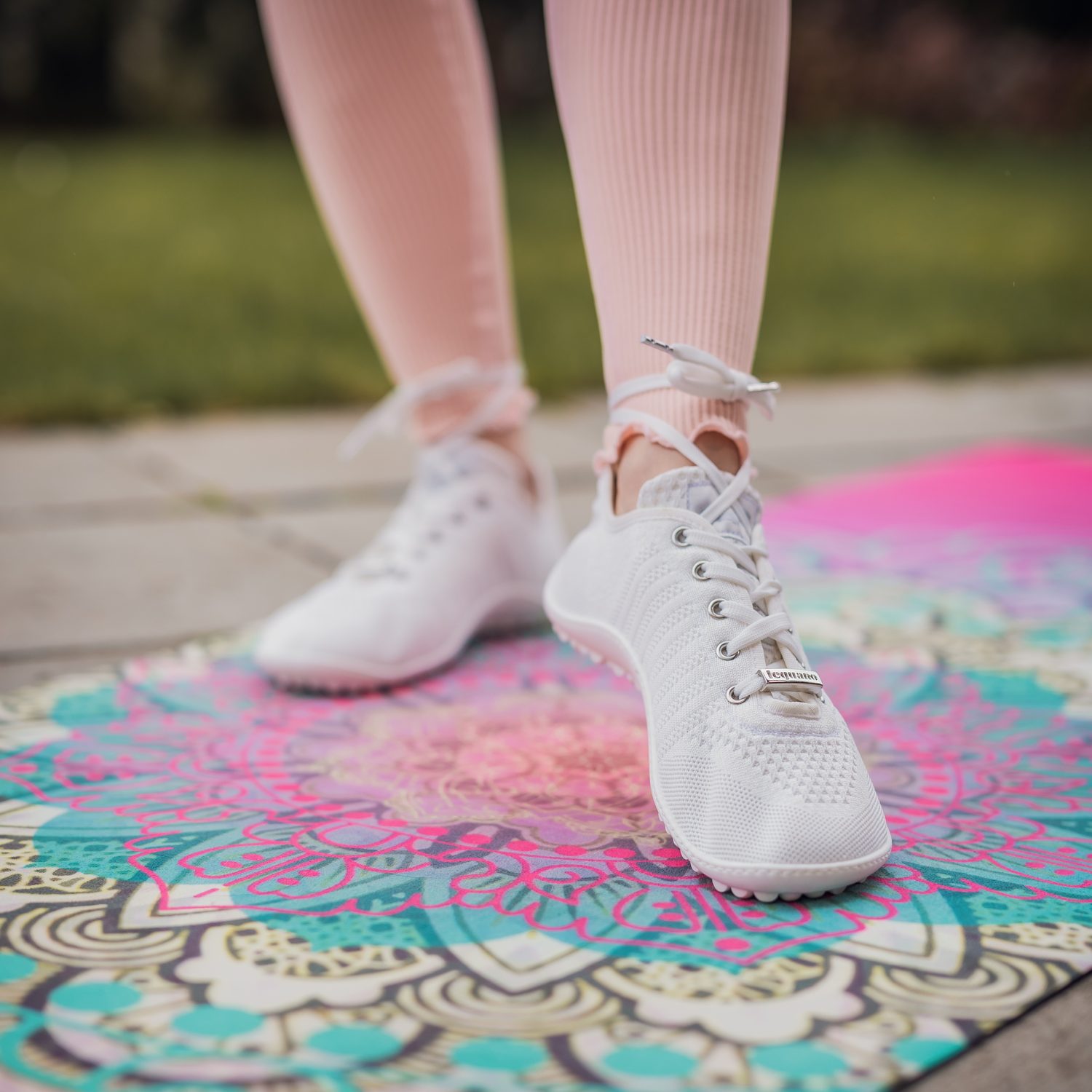
Exactly — no more “but”. You already know that consistency is the foundation of success. So how do you keep the habit going and not give up after a few weeks? You’ll need willpower and motivation. It’s easy to slip back, because the world offers plenty of tempting alternatives — like lying on the sofa watching a series with a bag of crisps. And yes, after a few weeks that choice will show too. It’s just that exercise tends to bring more flattering changes.
A few tips from us for staying motivated:
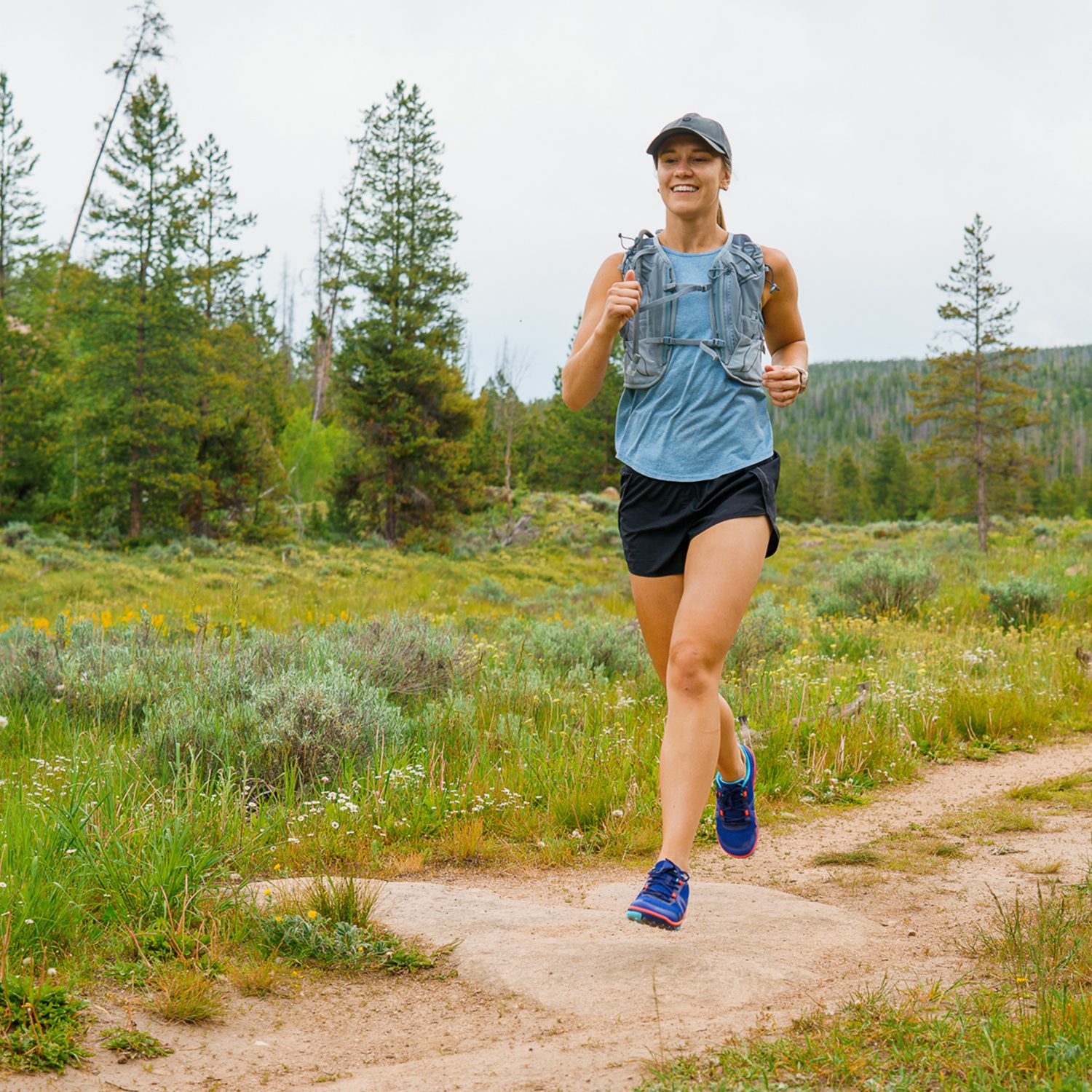
You might think that if you exercise regularly, you’ll automatically lose excess weight, be fit, healthy and happy. Yes, regular movement does point you in that direction. But it’s only one of several steps on the path to a healthy lifestyle. Movement is just as important as quality sleep, a balanced diet, self-love and an overall balanced way of living.
Be yourself and make time for you. Look for your way back to yourself through natural routes. Give your body regular movement and a healthy lifestyle — and it will repay you with health, wellbeing and contentment. Live your life lightly, fully, and ideally naBOSo.


You are currently on www.premiumbarefoot.co.uk


 £ - EN
 Čeština
 English (US)
 Slovenčina
 Magyar
 български
 Polski
 Dansk
Dansk
 Nederlands
 Svenska
 Suomi
Suomi
 Español
 Français
 Slovenščina
 Română
 Português
 Deutsch (DE)
 Deutsch (AT)
 Deutsch (CH)

