We’ll be happy to help via online chat or at: orders@premiumbarefoot.com

Stories and Brands Walking, Movement and Health
Do barefoot shoes even make sense for a multi-day trek? Nikola went to find out first-hand — a spontaneous trip to Tenerife, an overly heavy rucksack and surprises she didn’t see coming.
What happens when you spontaneously decide in November to fly out for a 100-kilometre walk? Can you really reach Tenerife’s highest peak, Pico de Teide, without a permit? And is it even a good idea to do it in barefoot shoes?
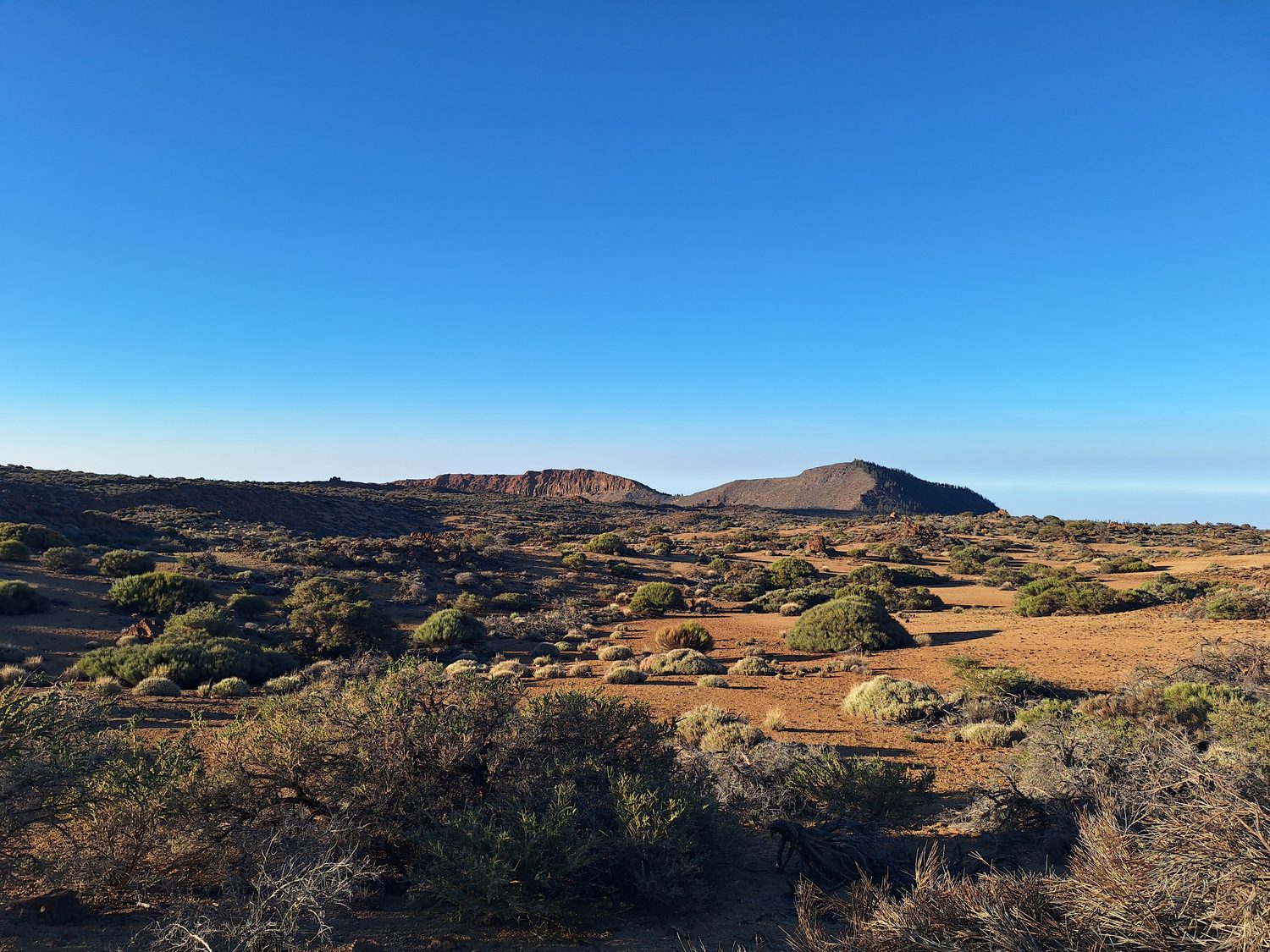
For the last few years, walking in our hills and bigger mountains has been one of my favourite things to do. For some unknown reason, putting myself through a brutal climb with the promise of views and (most importantly) food feels like time well spent. Sometimes I think I could spend a holiday doing something other than walking somewhere. Maybe I could just lie in a resort and turn over on a sun lounger every half hour. The problem is that food — whether it’s what you pull out of your rucksack or something bought with a high-altitude mark-up — simply tastes best after you’ve nearly died a few times.
With that philosophy, and one week of annual leave that had to be used up, I ended up more or less by accident on the GR 131 in Tenerife. I was looking forward to climbing Spain’s highest mountain, paella, sunny weather and good people. In the end, though, everything turned out a bit differently…
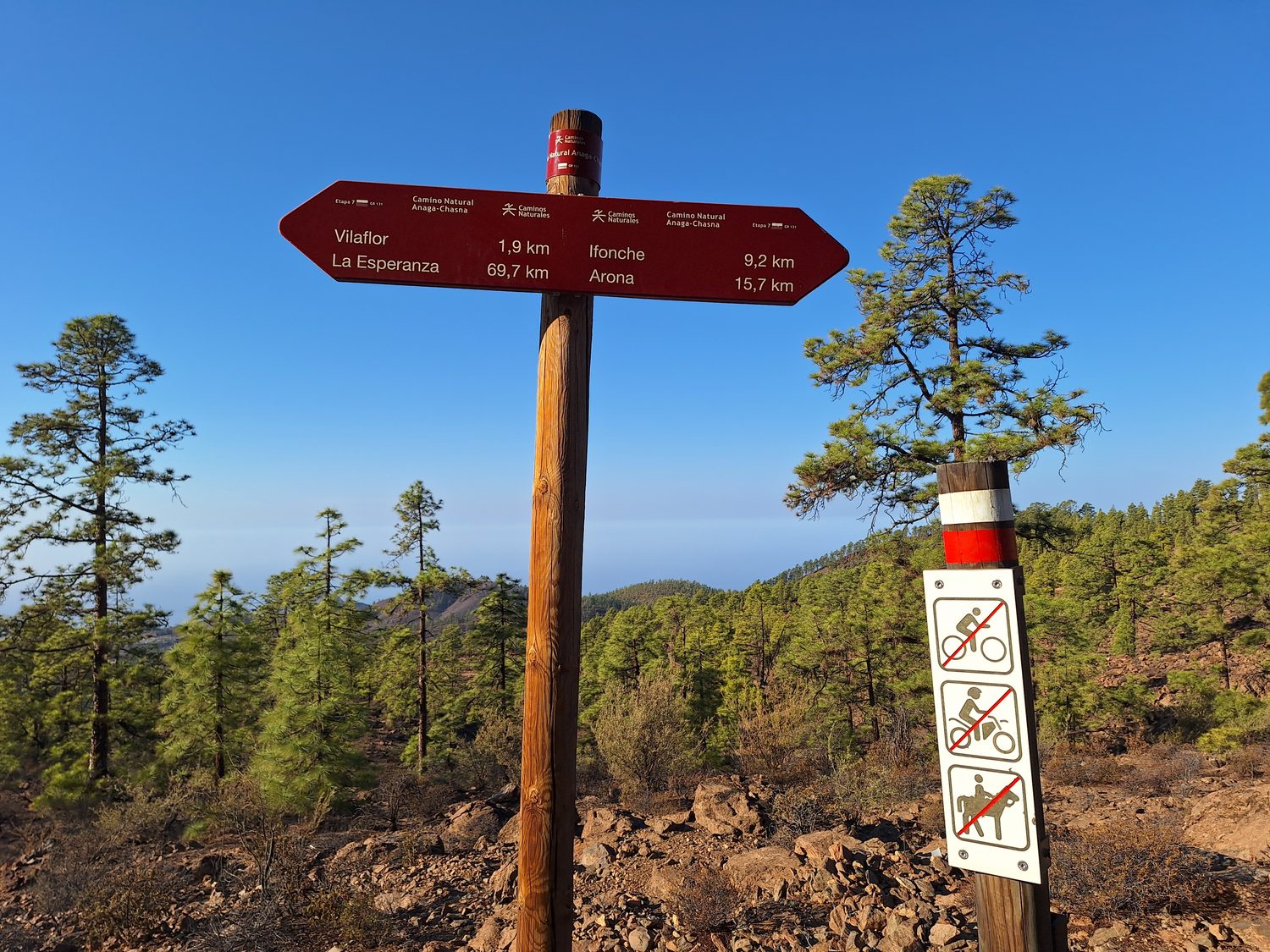
You can travel to Tenerife all year round, but during our winter it’s ideal for hiking. Temperatures are a comfortable twenty-something degrees, which also means you don’t have to carry as much water on your back.
If you’ve got the same set of quirks as me — a love of mountains and a love of barefoot shoes — sooner or later you’ll run into the question of what on earth you’re meant to wear in the mountains, when everyone keeps telling you that you need a sturdy boot.
When I was packing for the GR 131, I decided I’d just take them. The idea of walking in stiff boots genuinely terrified me. To be clear: over the last fifteen years I’ve tried various well-known stiff hiking boots — and with every single pair I ended up with blisters sooner or later. After crossing the Low Tatras, I even left one pair by the bins at the end of the trek.
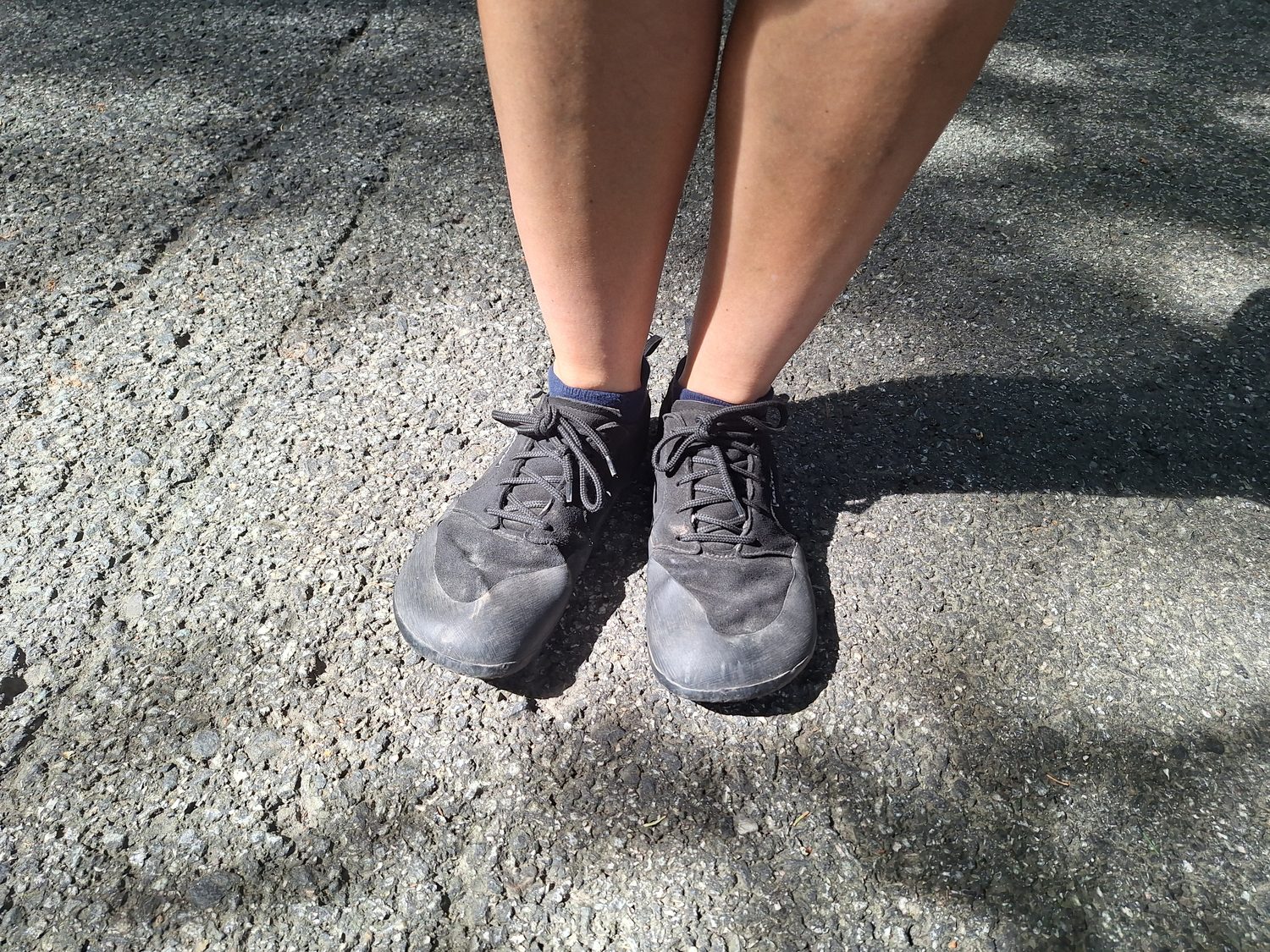
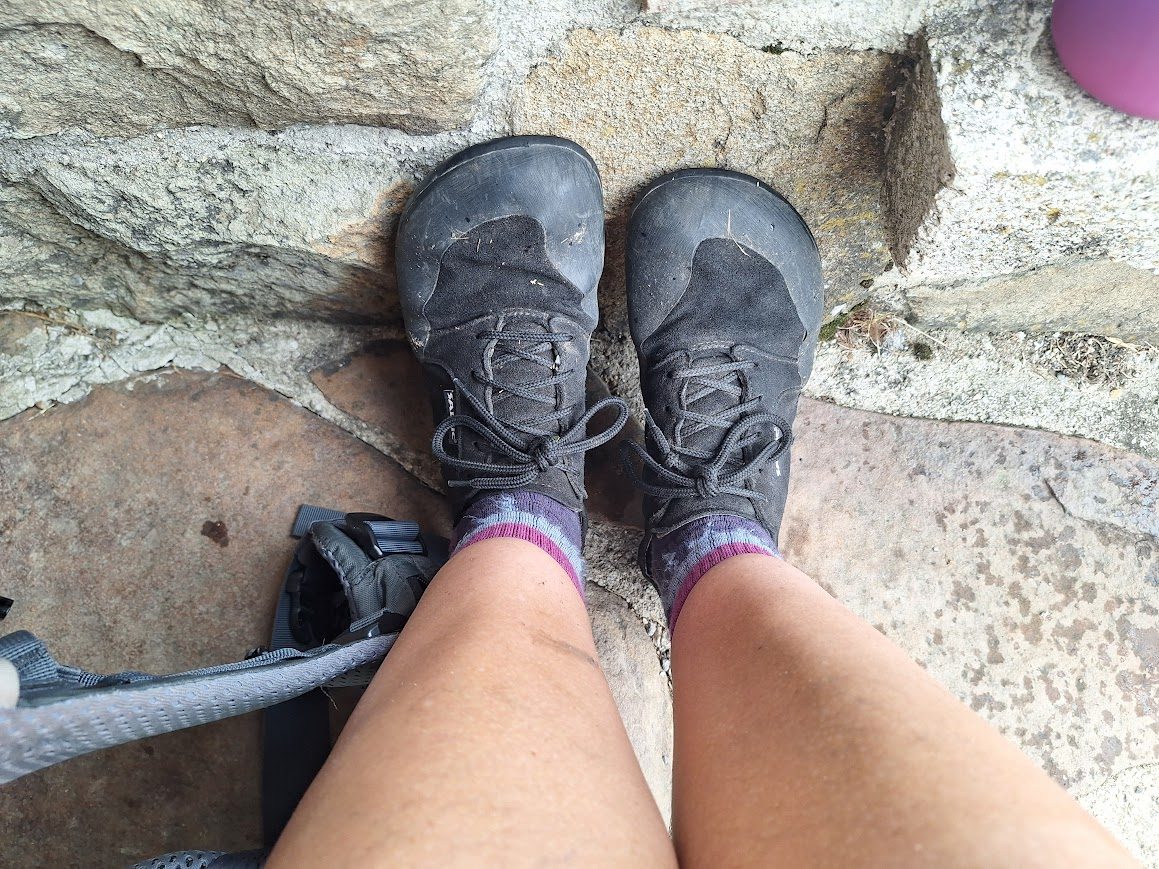
My personal audition for trail shoes was won by SALTIC OUTDOOR FLAT. Out of all the more sporty barefoot options on our market, they were the most comfortable for me. From previous trips I also knew they don’t rub anywhere, they’re durable thanks to the big rubber rand and they can handle a bit of drizzle. I’d worn them on day hikes and it was always fine. This was the first time I knew I had serious elevation gain ahead of me and roughly 100 kilometres.
Temperatures range from properly summery to genuinely wintry. The closer you get to Spain’s highest mountain, the lower it gets — dropping below freezing. So you need to pack things that seem pointless at first glance… like gloves. Clothing-wise, I pack everything from shorts to a down jacket.
Camping is tolerated outside the national park, so I pack a tent, sleeping mat and sleeping bag. A stove and a few days’ worth of food are a must. It’s also an island with limited water, so I mentally prepare myself for carrying more on my back. Of course, trekking poles, a first-aid kit and wet wipes can’t be missing either. All in all, it comes to 12 kg.
After landing, I head to the north of the island and check into the cheapest hostel. Unfortunately, even “the cheapest” here means 800 Kč. I spend the whole next morning hunting down a gas canister. I ride local public transport all over the city, and just as I’m resigning myself to going full Reese Witherspoon in Wild, a Decathlon assistant sends me to another shop called Merlin — where they actually have canisters. My lucky break is also my bad luck: only the 500 g one. There’s now not even room in my rucksack for a paper tissue, and I take the bus to the start of the route.
I decided to start in La Esperanza, but you can also set off from Arona or extend the route however you like. When I finally set off with great ceremony, it’s already after midday. Impatient and excited, I sweat my way up the first climb — and the weight of my rucksack is an unpleasant surprise. As soon as I slip into the forest, I meet three people, and then nobody. I’d imagined it would be busier. The wind worries me… branches are bending, and I’m desperately scanning for somewhere I could pitch my tent. As so many times before, mapy.cz saves me. I find a shelter and head for it.
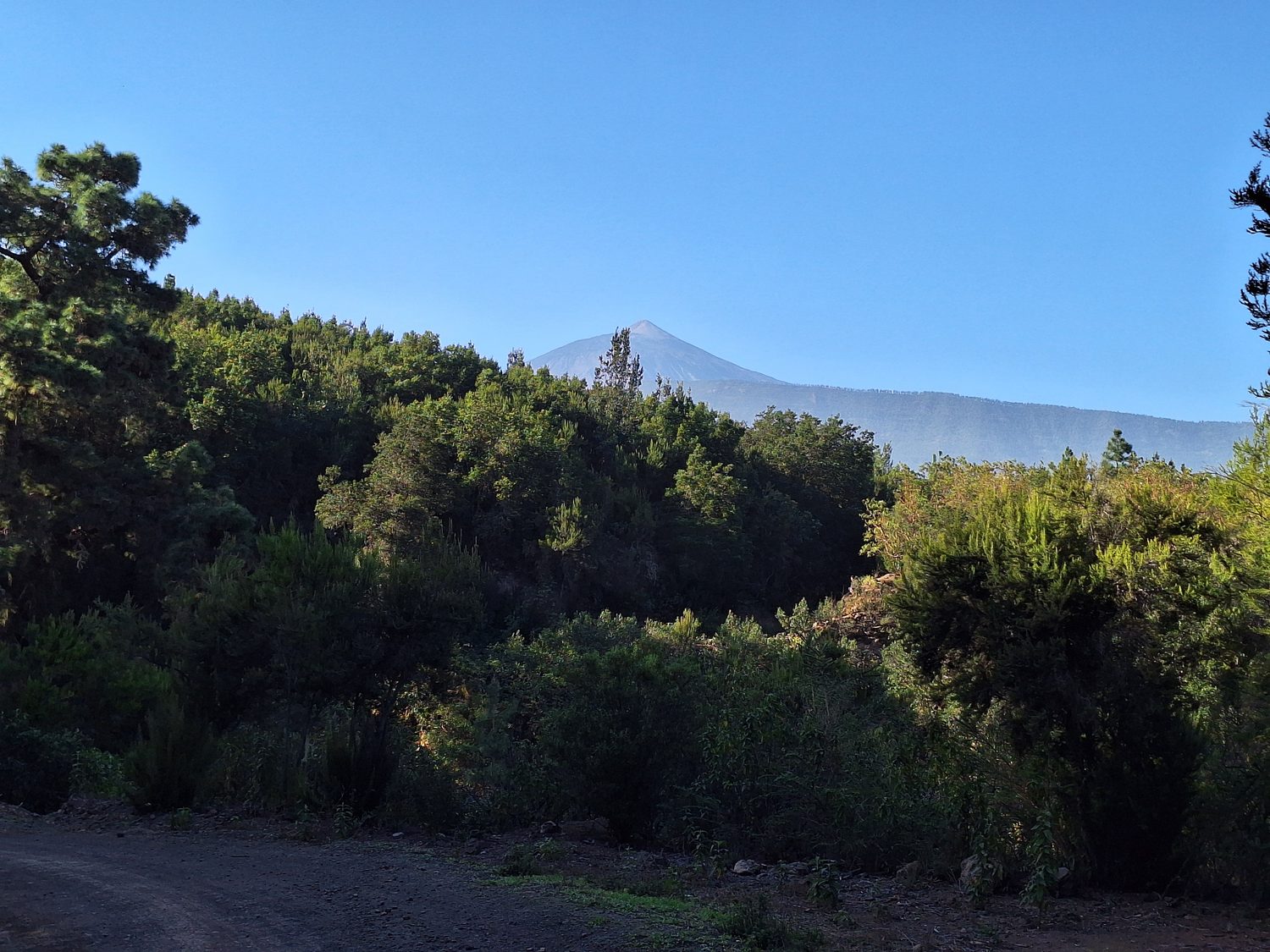
There’s one thing I haven’t admitted to you yet. This trip was a challenge for me. Not because I was going alone, but because I’d decided to sleep outside alone. For years it scared me and held me back. Now I somehow felt the time had come to break the spell.
When I arrive at the shelter, I find two lads there. Where do you think they’re from? Of course — they’re Czech. I’ll admit without torture that I’m quite glad — also because this shelter actually has a roof. I postpone my bravery badge to the next night. In the morning there’s no sign of the wind, we say goodbye and each head in the opposite direction. Today my goal is water 20 km away.
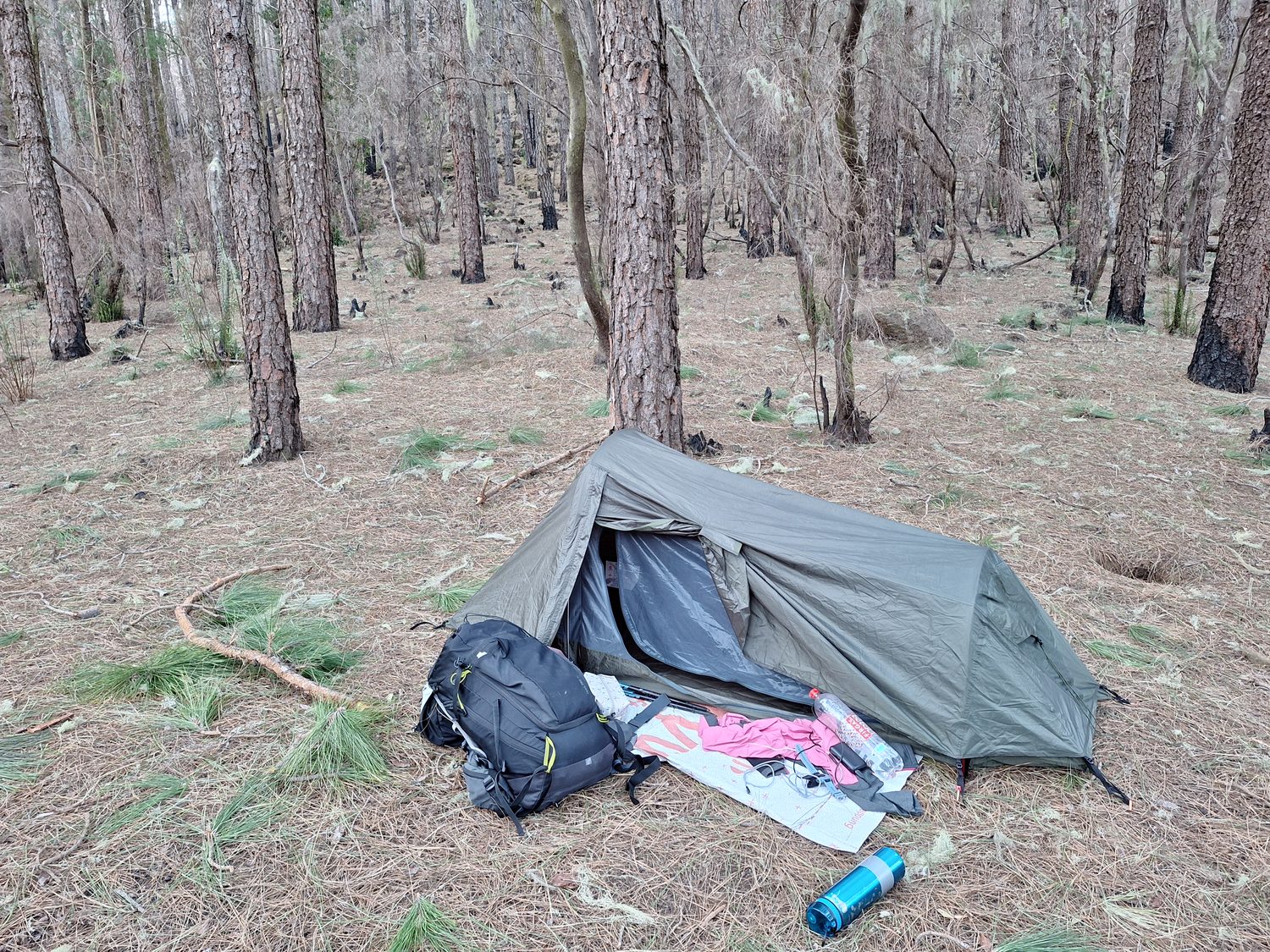
All day I walk through forest. First I climb 800 metres of elevation, only to descend it all again. In my Saltics, I’m striding along beautifully. Teide appears now and then, but it’s still a fair way off. Once again I meet only a handful of people and enjoy the time in the woods. By the time I reach the water, it’s already getting dark. I quickly pitch my tent and cook dinner. Paradoxically, I feel safer a little way from the shelter, where nobody can see me. Around seven in the evening I lie down, and I’ve got about twelve hours ahead of me in my coffin-shaped tent. The forest itself doesn’t scare me — and I force the other fears down. What else can I do in this situation? Of course I wake up at every suspicious sound = every sound, but luckily I’m tired, so I sleep relatively well given the conditions.
On day three, proud as anything that I survived, I set off again. The path starts out fairly level, then the endless climb begins. When I reach a restaurant on the edge of the national park, I refuel with a steak and dessert. I’m torn about what to do next… In the end, on a friend’s recommendation, I decide to continue even though I know camping is forbidden there. My goal is the Montana Blanca cave.
The scenery shifts into an almost lunar landscape, and once again there’s almost nobody around. I tell myself there’ll definitely be someone in the emergency shelter. There wasn’t. I arrive almost in the dark, search for the place for a while — it’s quite hidden and, honestly… pretty creepy. Seeing two silhouettes moving around somewhere above me in the mountains doesn’t exactly help me relax either. I don’t pitch my tent, because I can’t find a single spider here. It’s windy and quite cold. Today I really appreciate my down sleeping bag. With a plan to get up at 2 a.m. and set off at 3 for sunrise on Teide, I go to sleep. Or at least I try to — but sleep doesn’t come, and I run into a strange problem. It’s unbelievably quiet. So quiet I can hear a hair turning inside my hood and my heart pounding. I drift in and out, and at 2 a.m. I sit up like a zombie and cook porridge.
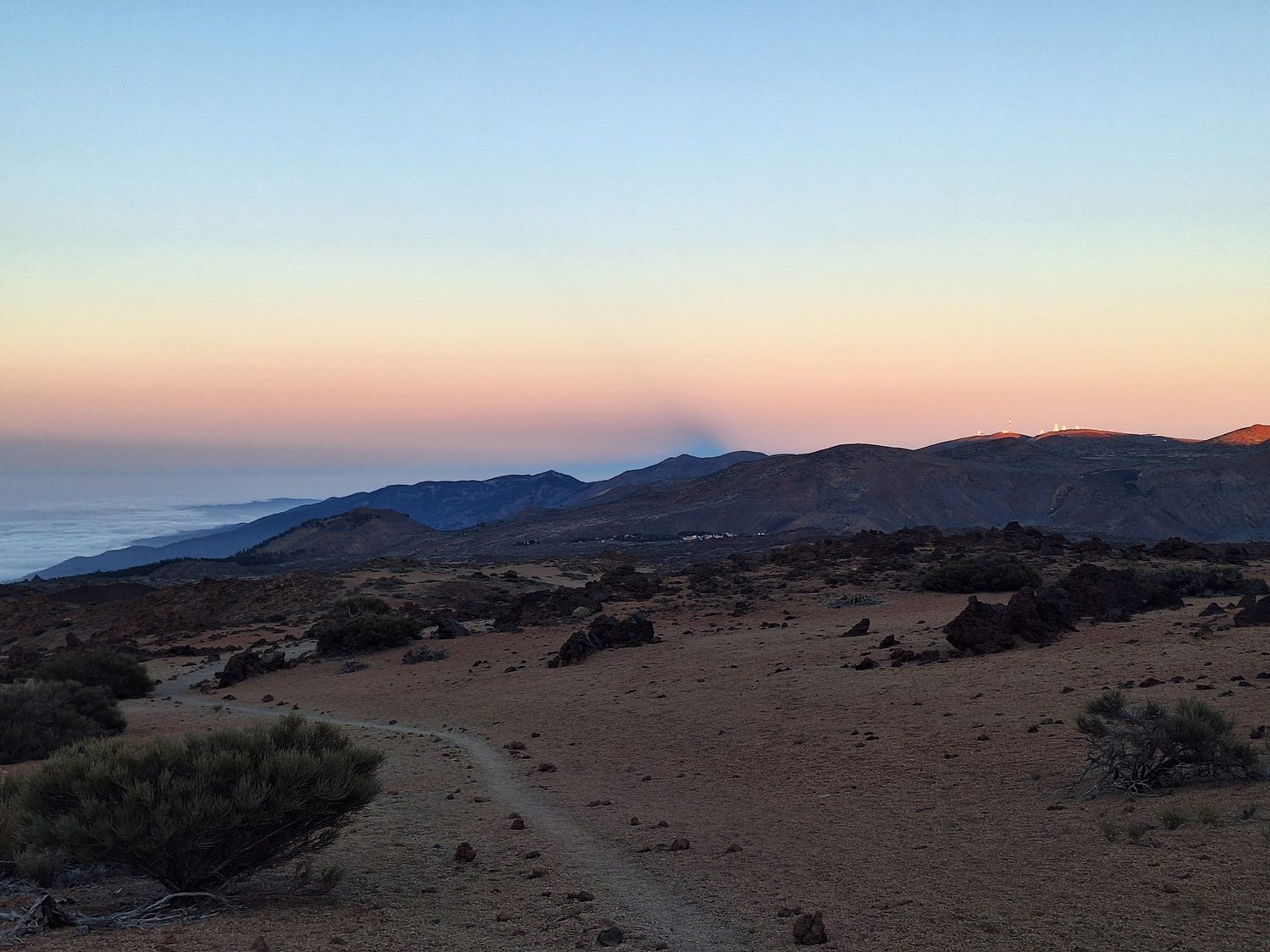
Before I even set off, I hear footsteps and voices from other eager hikers. After a half-sleepless night, I gather every last bit of strength and go too. The climb is gentle at first. It’s dark, but the moon and a sky full of stars light the way. I have to say, it felt almost magical. I’m snapped out of my daydreaming by park rangers. Based on the “wise” advice online saying nobody checks permits for sunrise, I hadn’t exactly stressed about getting one. Well… they do check. A young Spaniard lets me register on the website and I think that’s that. But he also checks everyone’s gear. I’ve got everything he can think of… until he looks at my shoes. I have a feeling he won’t be thrilled. But it never occurred to me he’d tell me he can’t let me go up because of them. I’m standing there as if someone’s tipped a bucket of cold water over me! I try everything from the rational approach (“I know how to walk in these”) to puppy eyes, but nothing works. Even though I’m close to tears, he won’t see them from me.
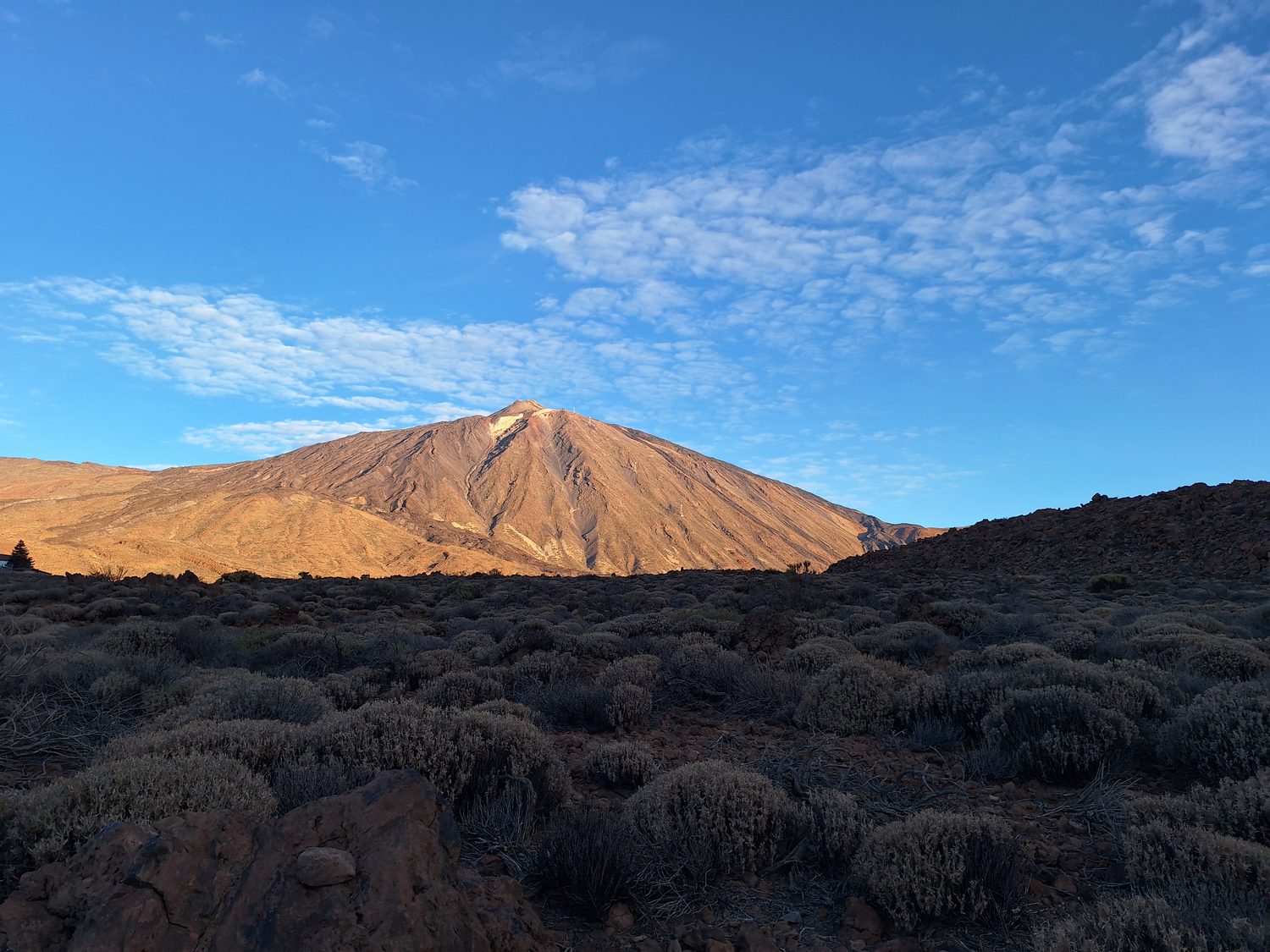
I start getting cold because I’ve been standing there for a while, so I have no choice but to come up with an alternative plan. I have to backtrack a bit and then rejoin the GR 131. On the way down I pass people heading up, and my heart is pounding with frustration. I stop for a moment and look up. I love watching the starry sky, and I decide I’ll at least enjoy this unexpected night walk. I march and march, I’m still freezing, but I’ve got nothing else left to put on. After twelve kilometres I reach a visitor centre with a restaurant and a hotel. In my head I’m hoping for coffee and breakfast — it’s nearly eight and the sun is starting to show. I walk into the hotel, but they turn me away straight away, saying they only cook for guests. That really winds me up. So instead of eggs, I have a flapjack for my second breakfast of the day. Outside, with frozen fingers, I warm up a heat pad and book accommodation in Vilaflor, 13 km away. I throw the route into the map and set off on the shortest way — which, of course, is uphill.
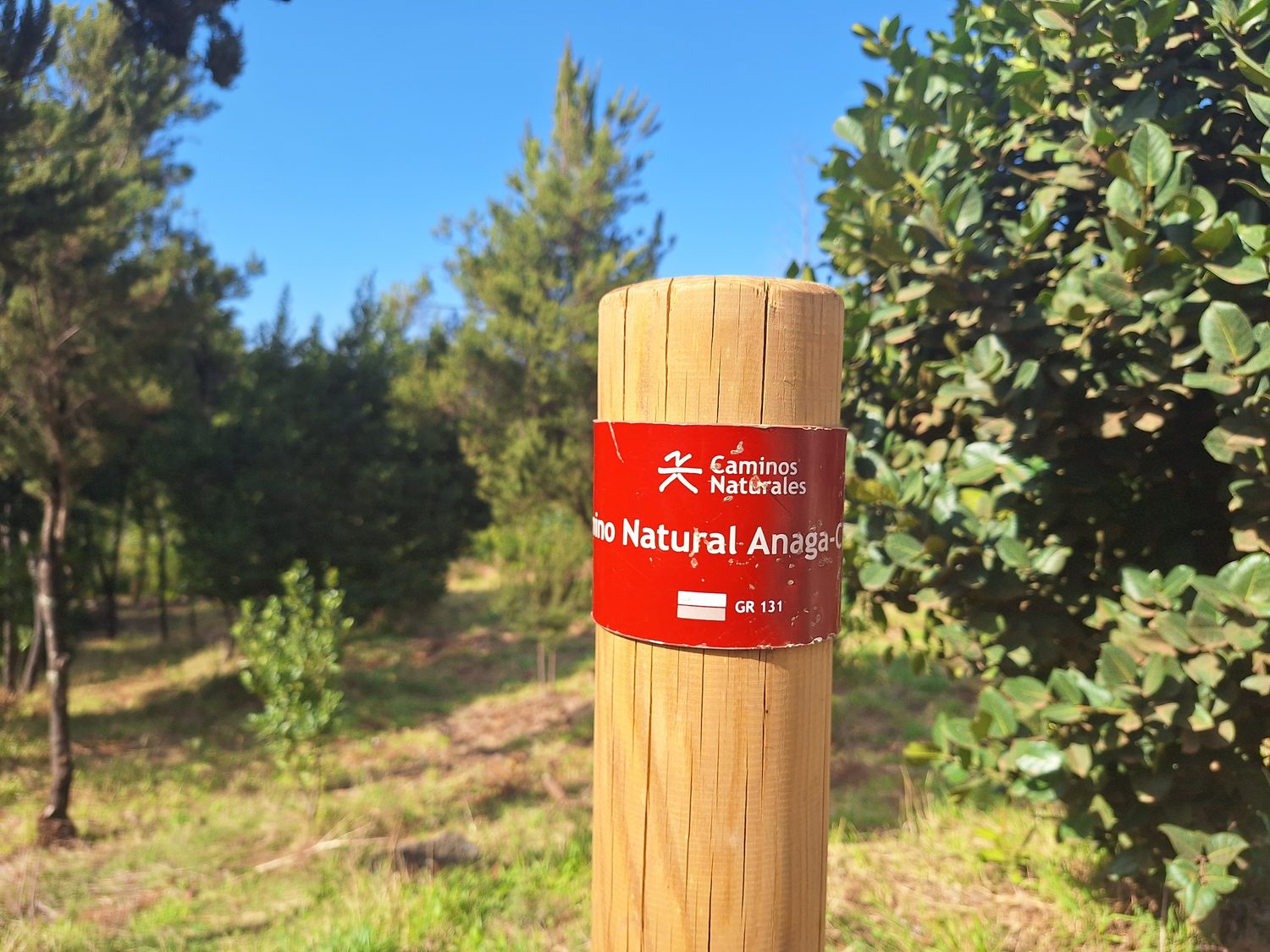
Luckily, the sun finally starts to warm things up. When I plug my phone into my power bank, I realise it isn’t charging at all. My battery shows 15%, and I take my headphones out. It dawns on me that if the ranger had let me go up to the summit of Teide, it would have meant spending another night outside — and without a phone. Maybe it actually worked out for the best. At that point I still don’t realise what kind of route I’ve set myself up for. When I quickly looked it up, I didn’t notice that one section is only shown as a dashed line — meaning unmarked. It’s a rocky downhill path with no waymarks, just the occasional worn trail… and sometimes nothing at all. So I keep pulling out my phone to check I’m still going the right way. When I finally reach the main road, I breathe a sigh of relief. The last challenge is the stone steps on the descent into the town of Vilaflor. By then my tired feet are protesting, and the thin sole doesn’t exactly help — but all I have to do is remember the blister across my entire heel on the way to Santiago, and suddenly it feels easier. I think that’s quite enough for today. As soon as I reach my accommodation, my phone gives up. Tired and hungry, I head to the first pub for a proper meal.
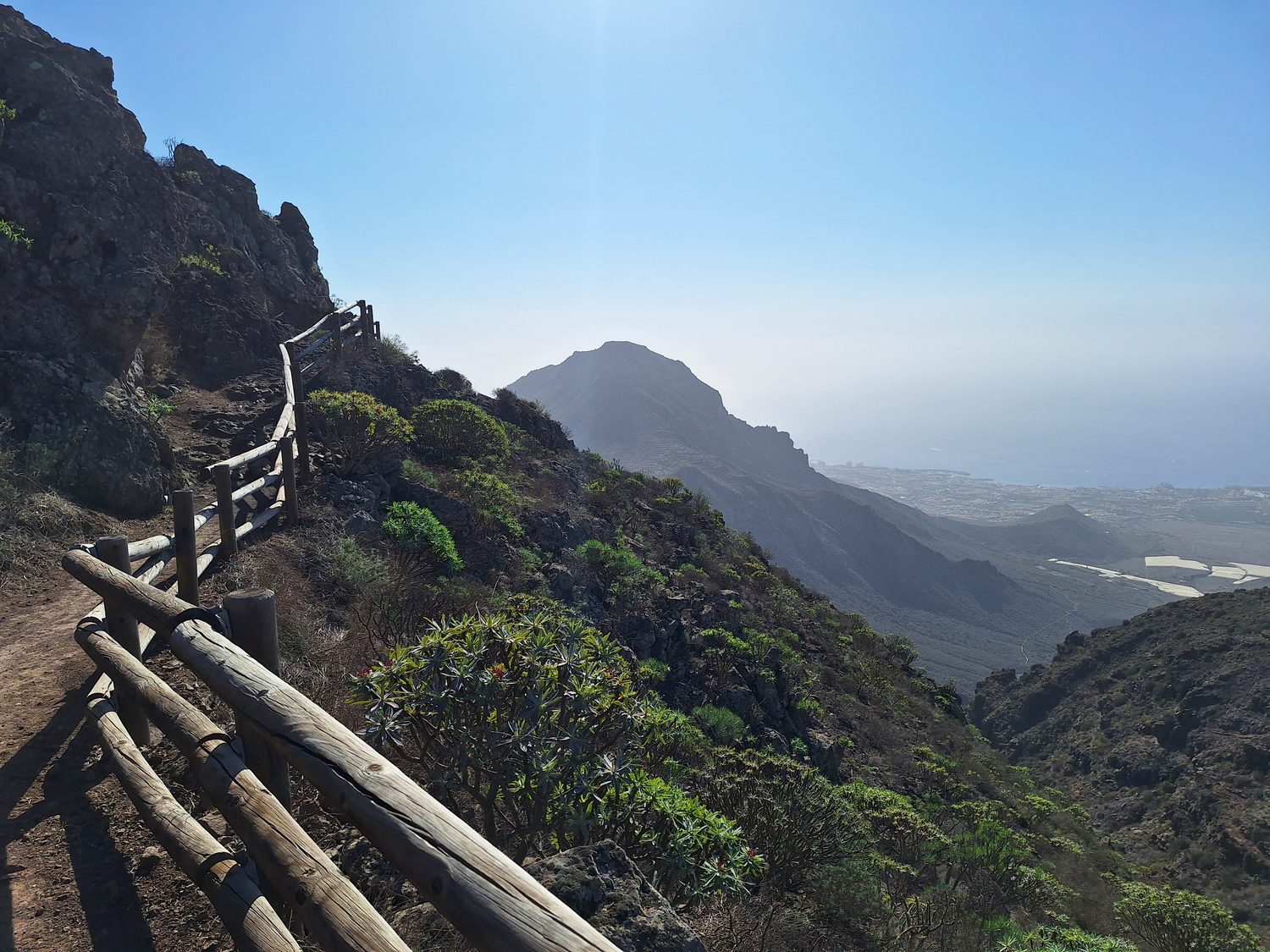
On the last day, I’ve only got 18 km left to Arona. The route starts through forest, where I don’t meet anyone. Then it descends towards the coast, and I soak up the beautiful views. From there I can take the bus to Los Christianos, where I’ve got an Airbnb for two nights. I want to rest before flying home and catch a bit of sun.
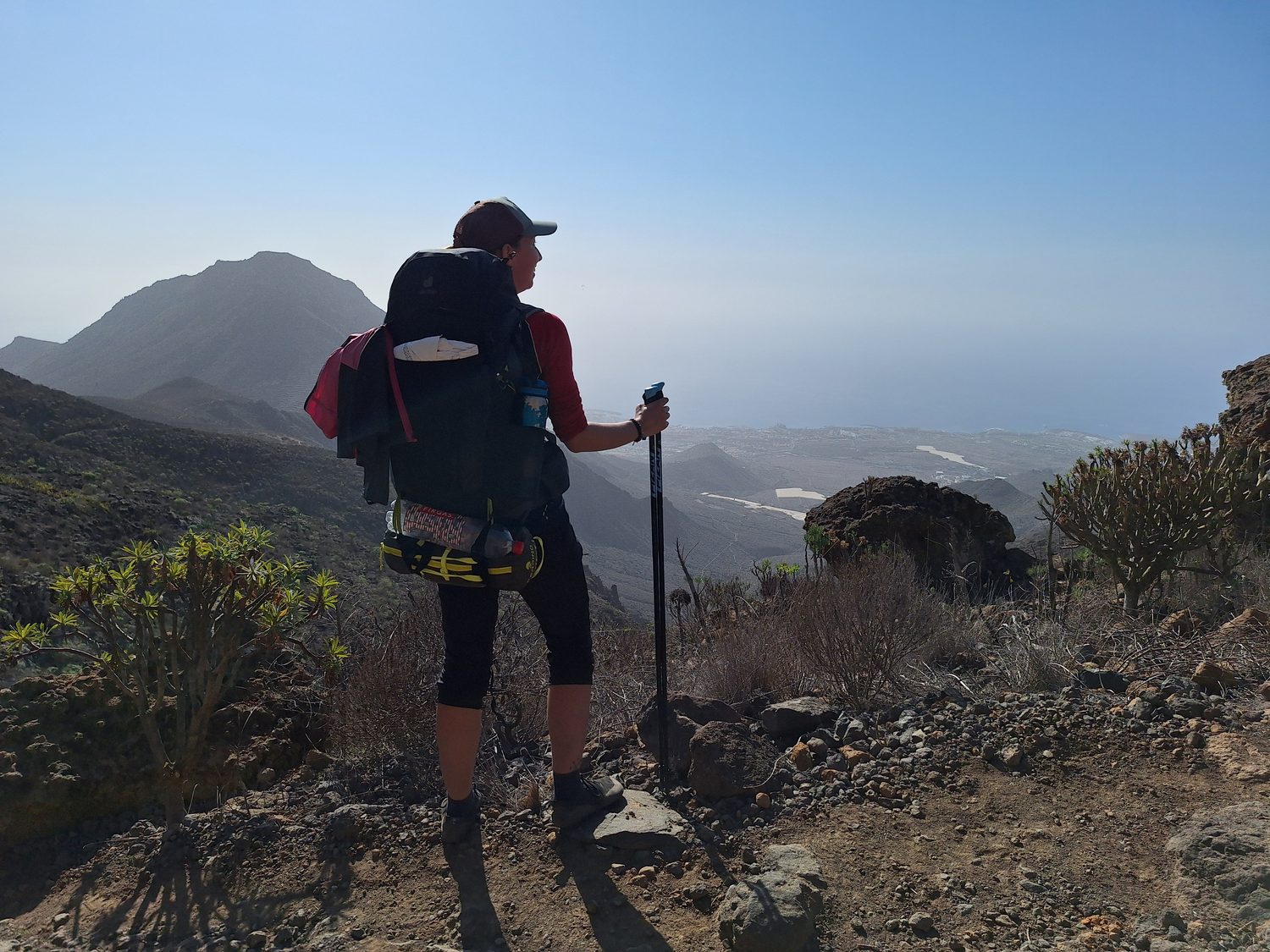
I finished happy, with no blisters and all my toenails intact. The shoes also look — after a proper clean — almost like new. But so I’m not only praising them: the last two days of the trek were very rocky, and with a thin sole it was occasionally a bit annoying. You can reduce this by putting an insole in the shoe (the manufacturer sells one). That makes the shoe more supportive. The upper stayed untouched after all those kilometres.
Looking back a few months later, and a bit wiser from other crossings, I’d pack less clothing: two pairs of trousers are enough, and so are socks. I wouldn’t recommend a tent that looks like a coffin. It’s unbelievably impractical — you can’t even sit up in it, let alone get changed. And it’s also obvious at first glance that there’s only one person inside. When sleeping outside, I learned to trick my over-alert senses with earplugs and an eye mask. Give it a go — it’s brilliant! Don’t worry, the sound of a chainsaw will definitely wake you up anyway.
And what about the other things I’d planned? As for paella, I went to countless restaurants, but nowhere would make it for one person. And when it comes to people, I was surprised by how empty the whole trail was, so I didn’t come away with any new friendships. But I did come away with loads of experiences, my bravery badge ticked off, and a sunburnt bum. Tell me — you won’t get an adventure like that in a hotel complex.
If you’d like to read more factual information about crossing Tenerife, here’s an article.
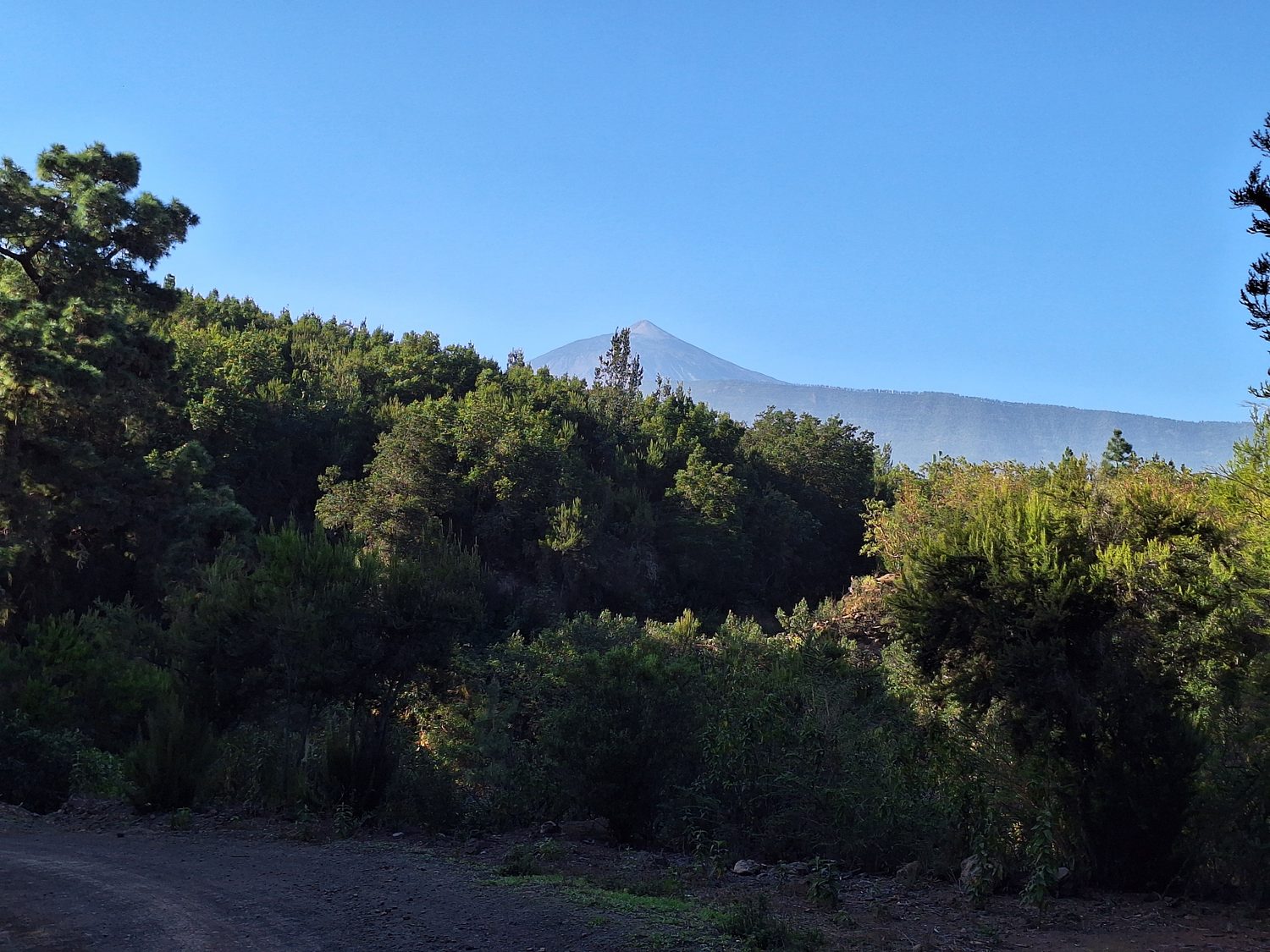
The article and photos are by Nikola Cejnarová — a nurse with a love of travelling, mountains and coffee. You’ll find her either somewhere up a hill, or on Instagram.


You are currently on www.premiumbarefoot.co.uk


 £ - EN
 Čeština
 English (US)
 Slovenčina
 Magyar
 български
 Polski
 Dansk
Dansk
 Nederlands
 Svenska
 Suomi
Suomi
 Español
 Français
 Slovenščina
 Română
 Português
 Deutsch (DE)
 Deutsch (AT)
 Deutsch (CH)


