We’ll be happy to help via online chat or at: orders@premiumbarefoot.com

Children Barefoot Selection and Care of Barefoot Shoes
How do you choose children’s indoor slippers in the right size? We’ll show you how to measure your child’s foot at home and what to watch out for when choosing barefoot slippers.
Choosing children’s indoor slippers often comes down to colour, a cute pattern or a low price. The actual size, shape and toe room get pushed aside – even though children spend several hours a day in them. Together with movement instructor Klára Rampáčková, who visits nurseries across the Czech Republic as part of her preventive programme Healthy Step Forward, we took a closer look at why the choice matters more than it seems, and what to pay attention to.
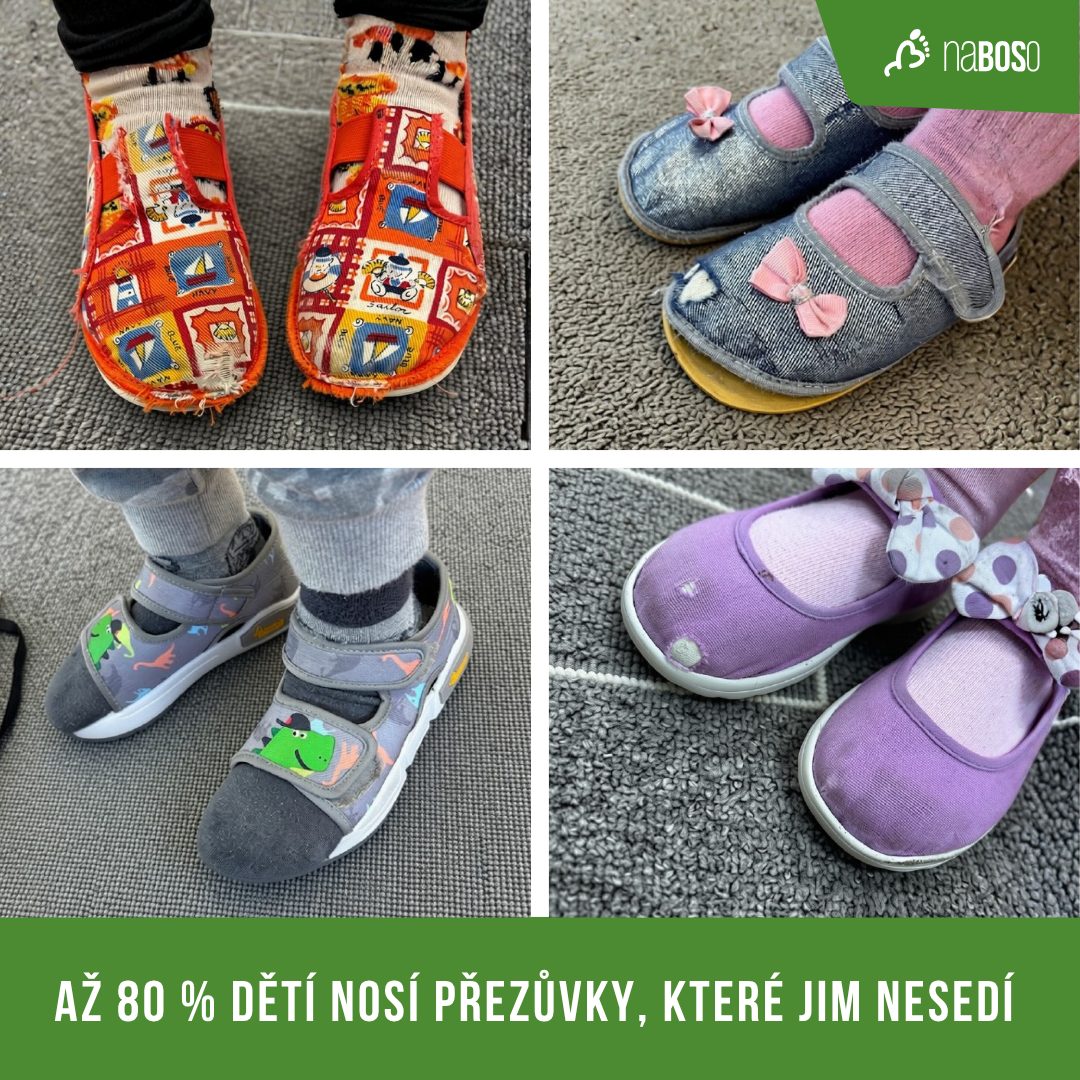
During her nursery visits, Rampáčková observes children’s movement patterns, posture and foot function – and part of that is often checking the footwear they wear in the classroom. From her own practice, she feels confident estimating that she sees poorly fitting slippers in up to 80% of children. As she adds: ‘This isn’t the result of an expert study, but my repeated observation’ from the nurseries she visits.
Most commonly, she finds that a child has slippers that are completely tight, with no allowance for growth. But the opposite extreme can be a problem too – when the slippers are far too big.
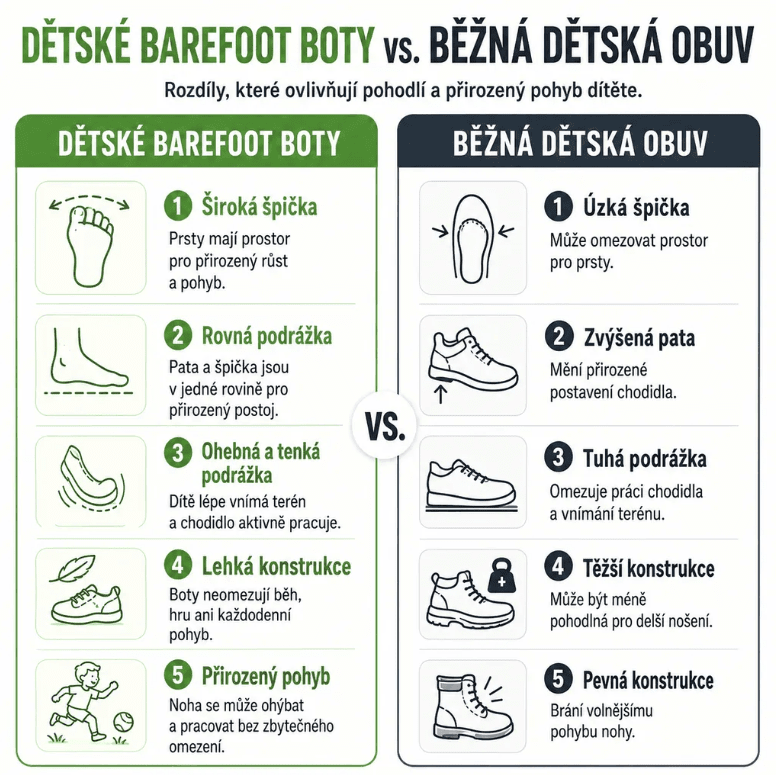
A child’s foot is still developing, so poorly fitting slippers aren’t just about comfort. Slippers that are too small or too narrow squeeze the toes and limit their natural movement; worn long-term, they create unsuitable conditions for healthy foot function and may contribute to toe alignment issues.
But the opposite can be an issue as well. Parents sometimes choose a bigger size hoping they’ll last longer – but then the slippers don’t stay on the foot, slipping off at the heel and the foot slides around inside. The child unconsciously grips with their toes or changes the way they walk so the slippers don’t fall off. Walking becomes less stable and the child trips more often.
So how do you choose the right slippers – ones that protect your child’s feet without restricting them? Ideally, they should:
The so-called toe allowance is important too – the extra space between the longest toe and the end of the slipper. For nursery children it’s usually around 7 to 12 mm, depending on age, stability and the shoe design.
Lightweight, breathable slippers with a reasonably flexible sole are a good choice. Rampáčková, on the other hand, doesn’t recommend soft ‘plush’ slippers where the foot isn’t held well and tends to sweat more, nor models with a heel or a narrow toe box. Trainers are also common in nurseries – but as all-day indoor footwear, she says they’re not ideal, especially if they’re heavy, not very flexible and not breathable.
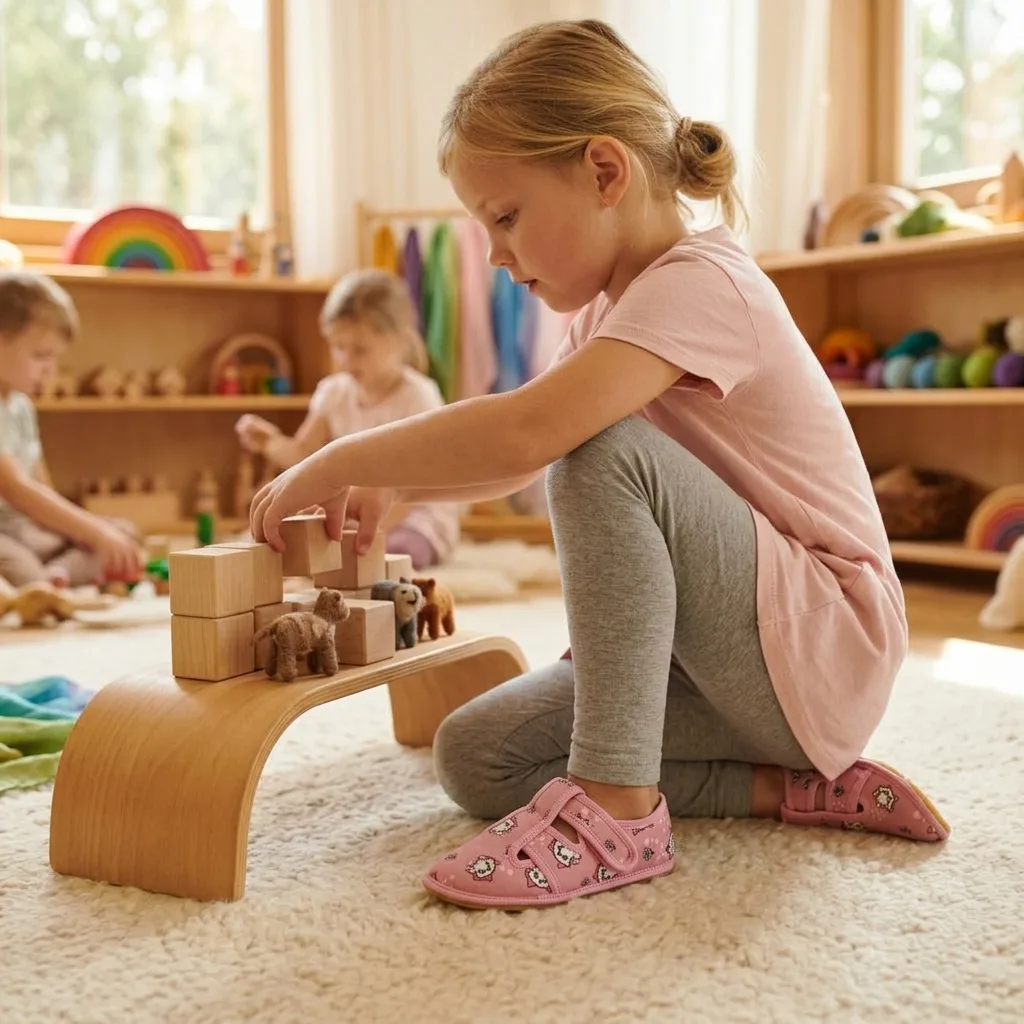
Parents are taking more and more interest in children’s footwear, so barefoot slippers and models with a roomy, anatomically shaped toe box are becoming more common in nurseries. Many parents choose them believing they’re automatically the best option for a child’s feet.
But even barefoot slippers still need to meet everything mentioned above – they must match the foot’s length, width and shape, as well as the height of the instep. The label ‘barefoot’ doesn’t guarantee anything on its own; what matters is whether they fit your child well and allow natural, confident movement.
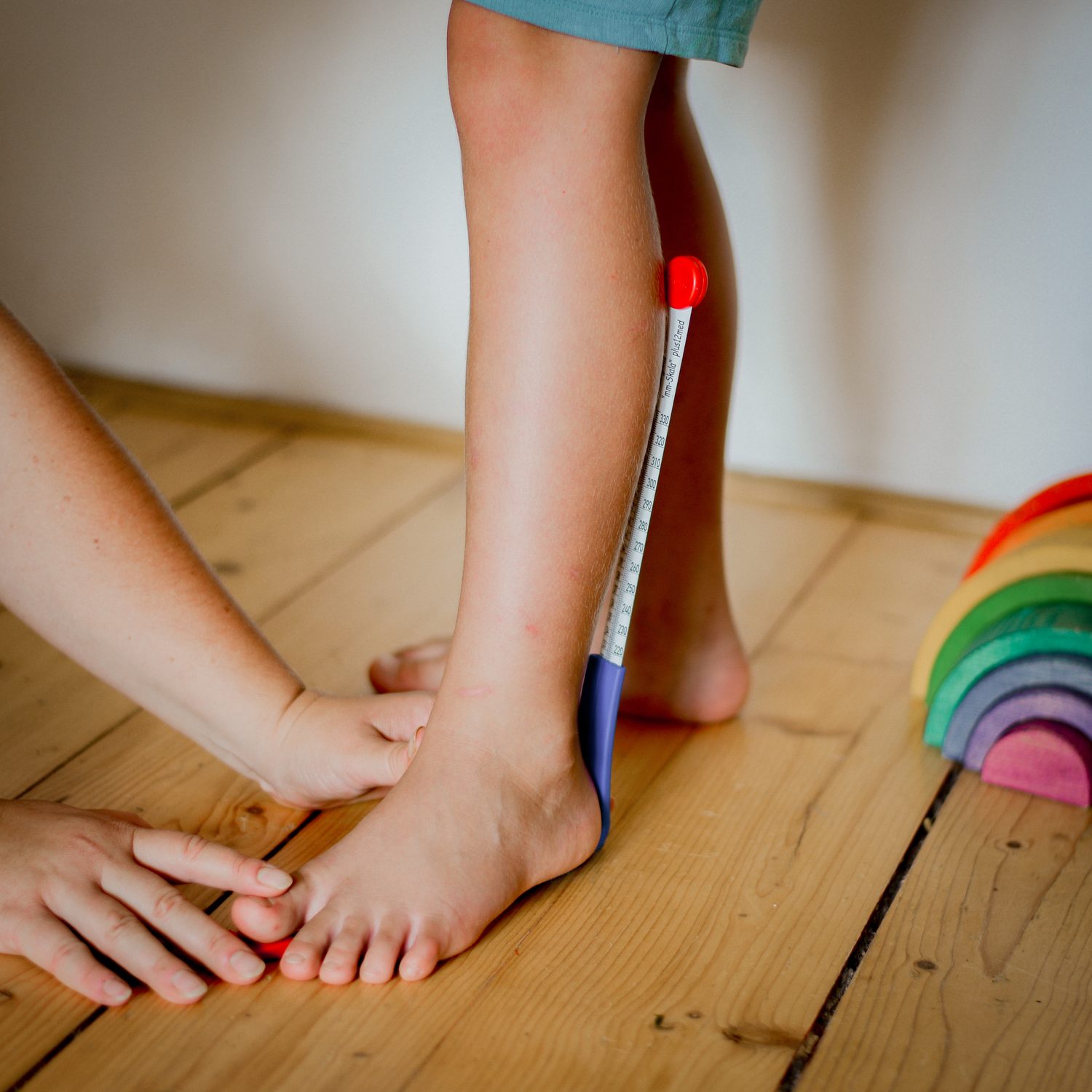
Accurate measuring is the foundation – you don’t buy shoes by age or last year’s size, but by the current length and width of the foot. Here’s how:
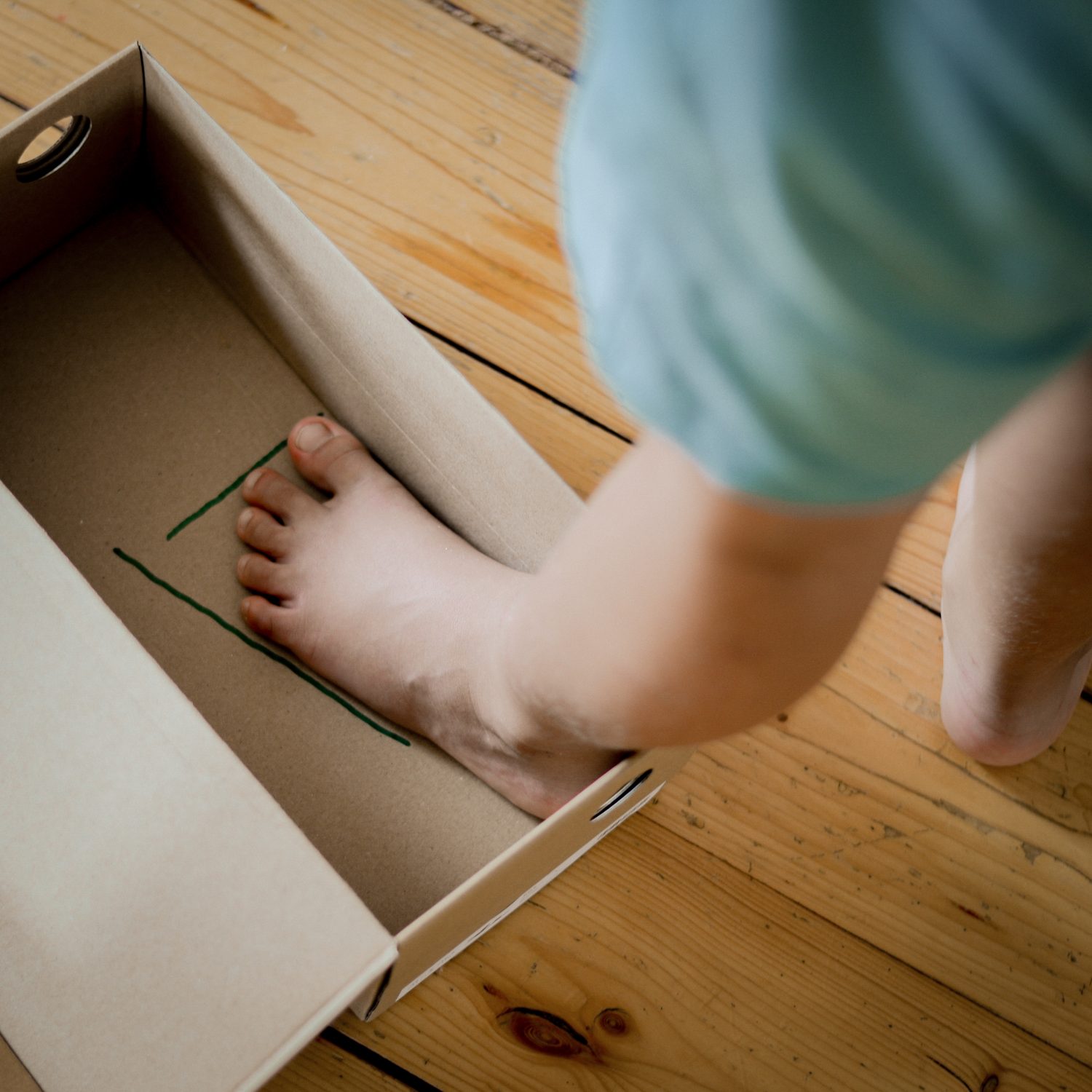
For pre-school children, re-measure their feet roughly every two to three months, because at this age they grow unevenly. You’ll find a detailed guide with more tips in the article Measuring children’s feet.
Still not sure? The most reliable option is still a visit to a specialist shop for children’s footwear, where they’ll measure the foot and help you choose the right shape and size.
If you’d like to try barefoot slippers, here’s a tip straight from us at naBOSo: children’s slippers from the Czech brand RAYVE.
RAYVE slippers have a reinforced heel counter, a wide toe box and an anatomical shape. They fasten with Velcro for easy independent putting-on, and they fit children with a narrower foot, a higher instep and a narrow heel well. They’re also available in playful designs with unicorns, cats or cars.
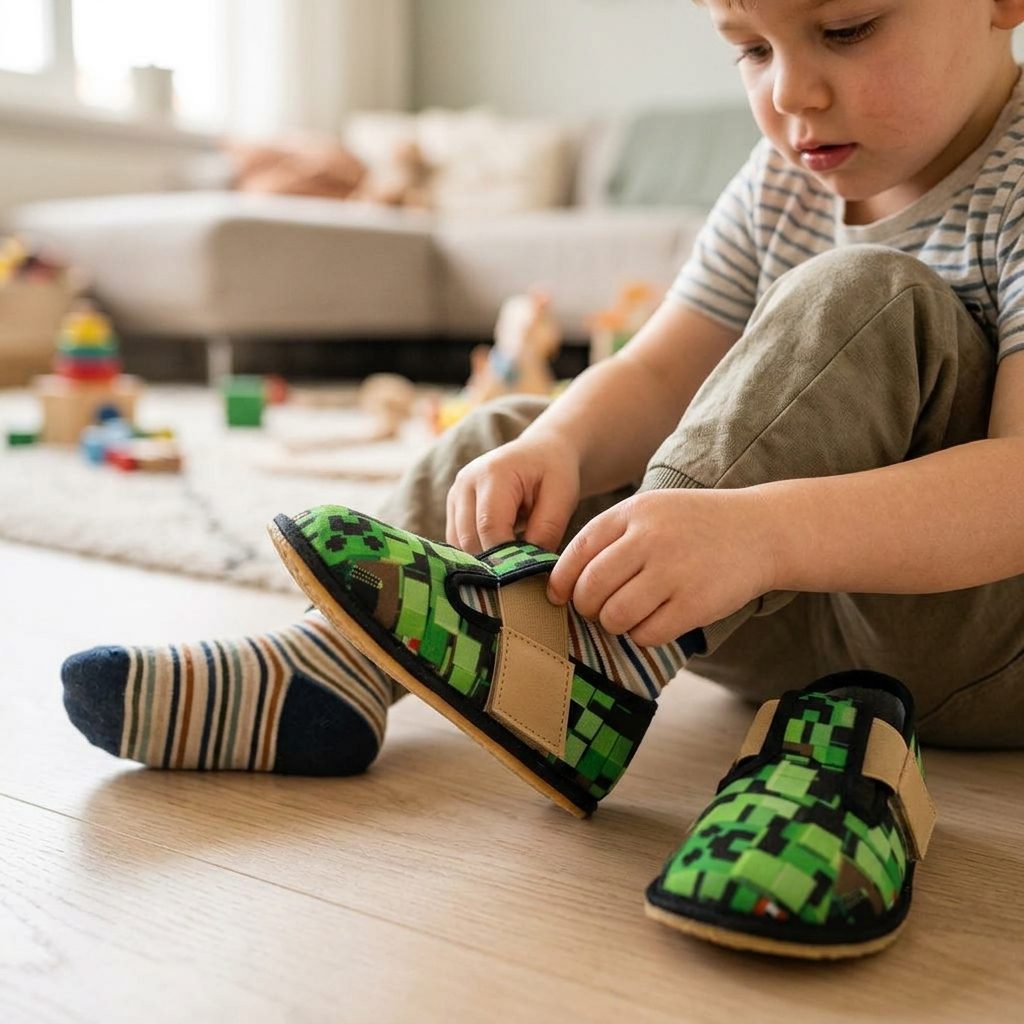
For children with a typically high instep, there are the classic RAYVE SLIPPERS with a textile Velcro strap. The RAYVE SLIPPERS ELASTIC model also has a wide sewn-in elastic across the instep combined with Velcro, so it adapts better to feet with both a lower and a higher instep.
A new addition from RAYVE is the JOY slipper, designed for children with wider feet. They also have a durable toe bumper and a cup sole, so they stand up better to scuffing and everyday wear. The slippers come in several colour options with different picture designs, so there’s something for every child.
But the same advice from Klára Rampáčková applies here too: what always matters most is how a specific pair fits your child’s specific foot – ideally confirmed by measuring or trying them on.
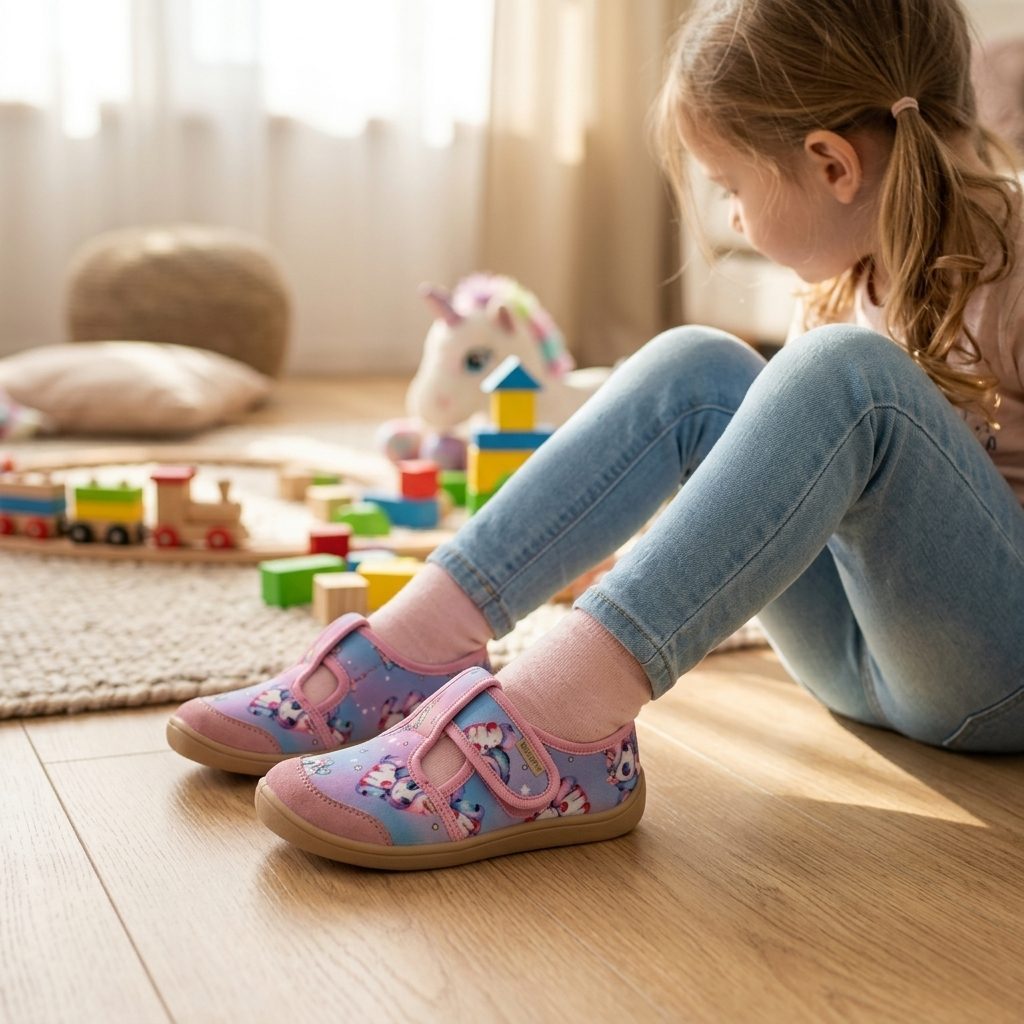
Your child wears slippers every day for long hours, so they deserve the same attention as outdoor shoes. The surest approach is still to measure their feet and try the slippers on with your child, rather than relying on a guess based on age or the size printed on the box. The right size and shape aren’t an extra detail – they’re the foundation for healthy foot development.
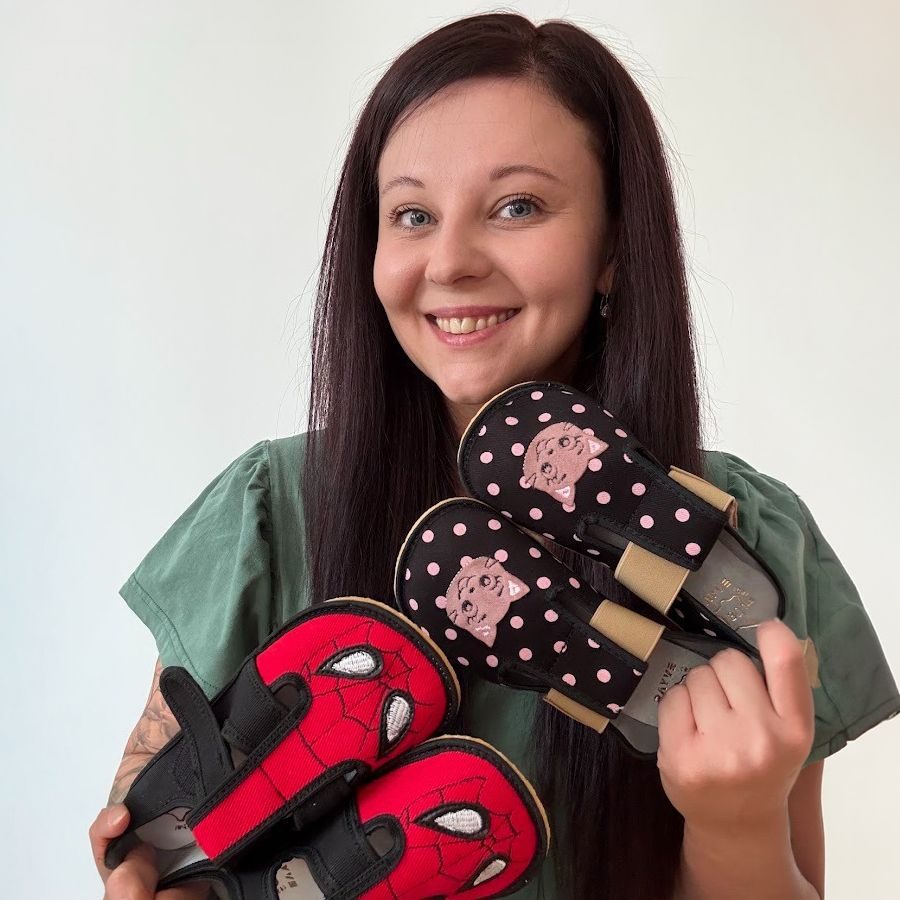
This article was created in collaboration with Klára Rampáčková, a movement instructor specialising in pre-school and younger primary-school children. She is the author of the preventive programme Healthy Step Forward, through which she visits schools across the Czech Republic, and under the brand Instruktorka pohybu she focuses on raising awareness around children’s movement, posture and foot function.


You are currently on www.premiumbarefoot.co.uk


 £ - EN
 Čeština
 English (US)
 Slovenčina
 Magyar
 български
 Polski
 Dansk
Dansk
 Nederlands
 Svenska
 Suomi
Suomi
 Español
 Français
 Slovenščina
 Română
 Português
 Deutsch (DE)
 Deutsch (AT)
 Deutsch (CH)


