We’ll be happy to help via online chat or at: orders@premiumbarefoot.com

Children Barefoot Walking, Movement and Health
Find out how gross and fine motor skills shape your child’s development — from big movements to small tasks like holding a pencil.
This article was created in collaboration with Babyknihy.cz as a PR piece.
A motor skill is, simply put, an action that involves using your child’s muscles. Gross motor skills are the bigger movements your child makes with their arms, legs, feet or whole body, while fine motor skills are smaller actions that require dexterity. When your child picks things up, holds a pencil between their finger and thumb, or wiggles their toes in the sand, they’re using fine motor skills.
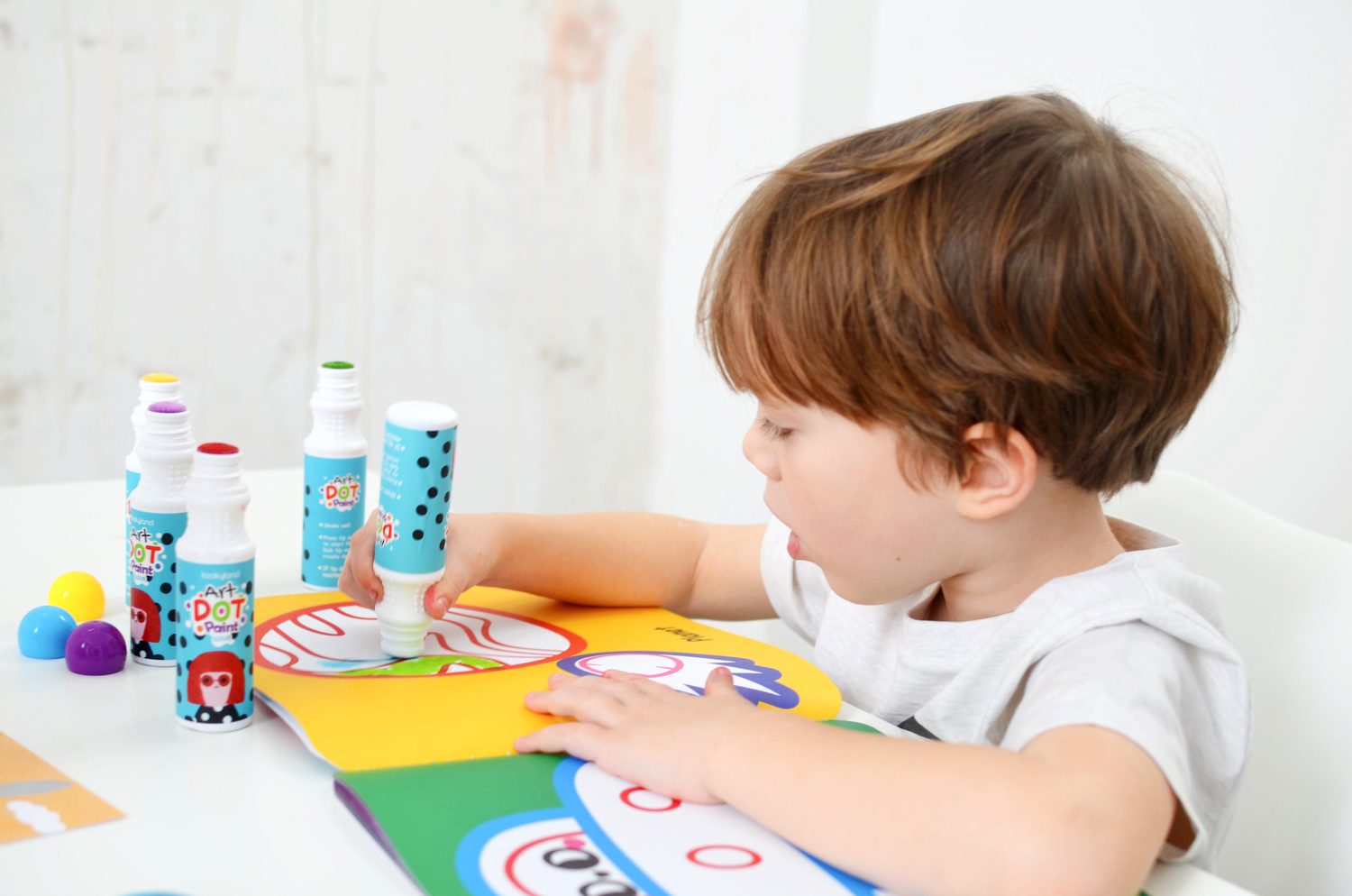
These skills are often used together. For example, a child uses gross motor skills to lift a hairbrush, but fine motor skills to grip it properly in their hand.
Here, we’ll focus on fine motor skills in pre-school children and younger primary school pupils. Developing these skills is crucial before starting school, because well-developed fine motor skills make schoolwork easier for children.
In the following paragraphs, we’ll look at the key skills needed at school, different activities that help develop them, and practical tips for parents.
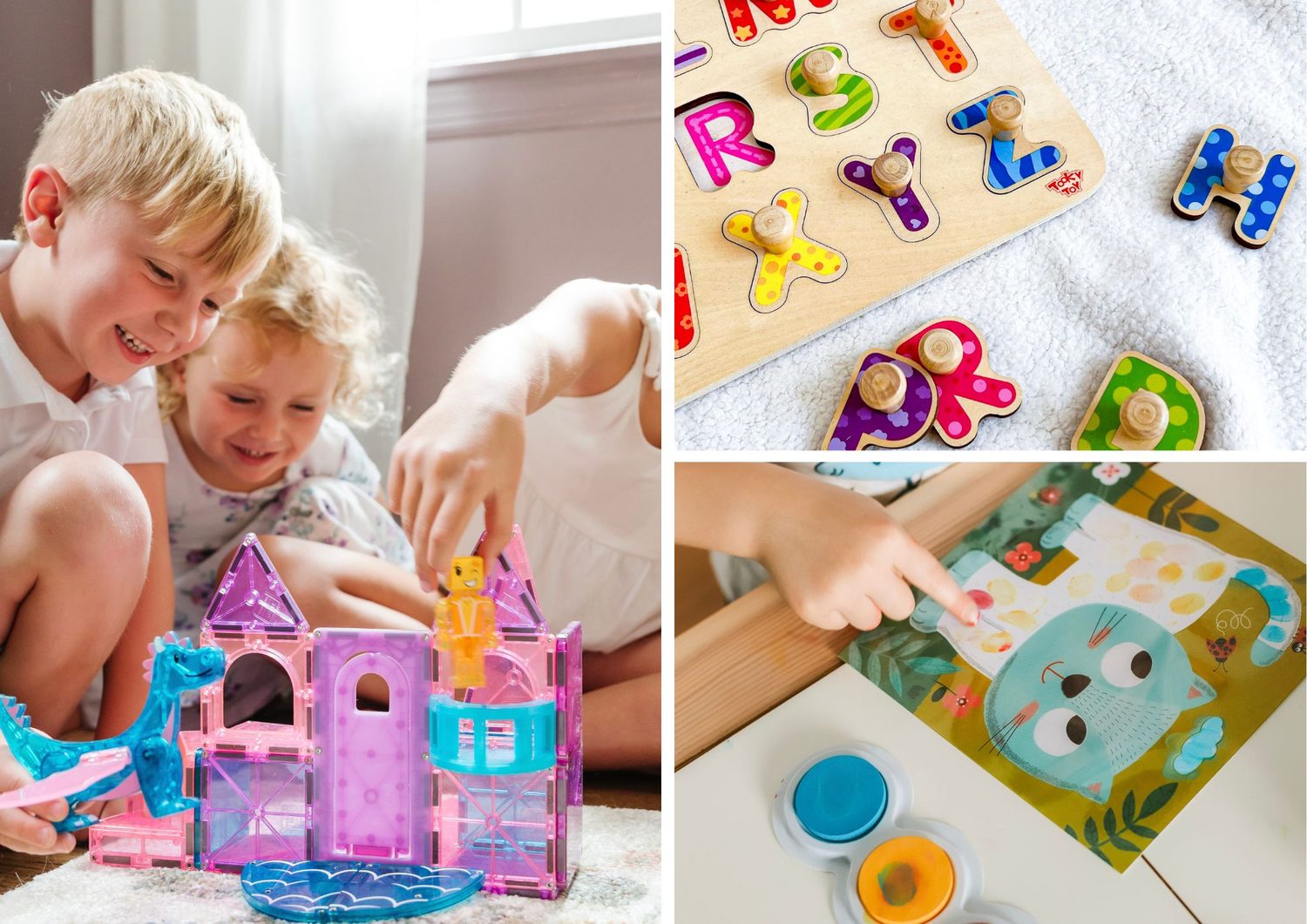
Fine motor skills are key to children’s success in the school environment. These skills involve precise movements of the small muscles in the hands and fingers, which are essential for a wide range of school tasks. A lack of fine motor skills can lead to difficulties in many aspects of learning and day-to-day functioning at school.
Children spend a large part of the school day doing fine motor activities. Studies have found that pupils spend 37.1 to 60.2% of the school day carrying out tasks that require fine motor skills. Fine motor skills include tasks such as handwriting, cutting, handling paper, using glue, opening and closing bottles, using a computer, and much more.
Developing fine motor skills is essential for independence and effective day-to-day functioning at school. Children who struggle in this area may find everyday tasks difficult, such as writing, colouring, getting dressed, eating and managing personal hygiene.
One effective method for developing fine motor skills is ‘Finger Aerobics’. These exercises help warm up the hands before writing and improve sensorimotor awareness and hand control (so it’s ideal to do a quick finger warm-up before homework). Here are a few examples:
For more tips, you can watch the video tutorial.

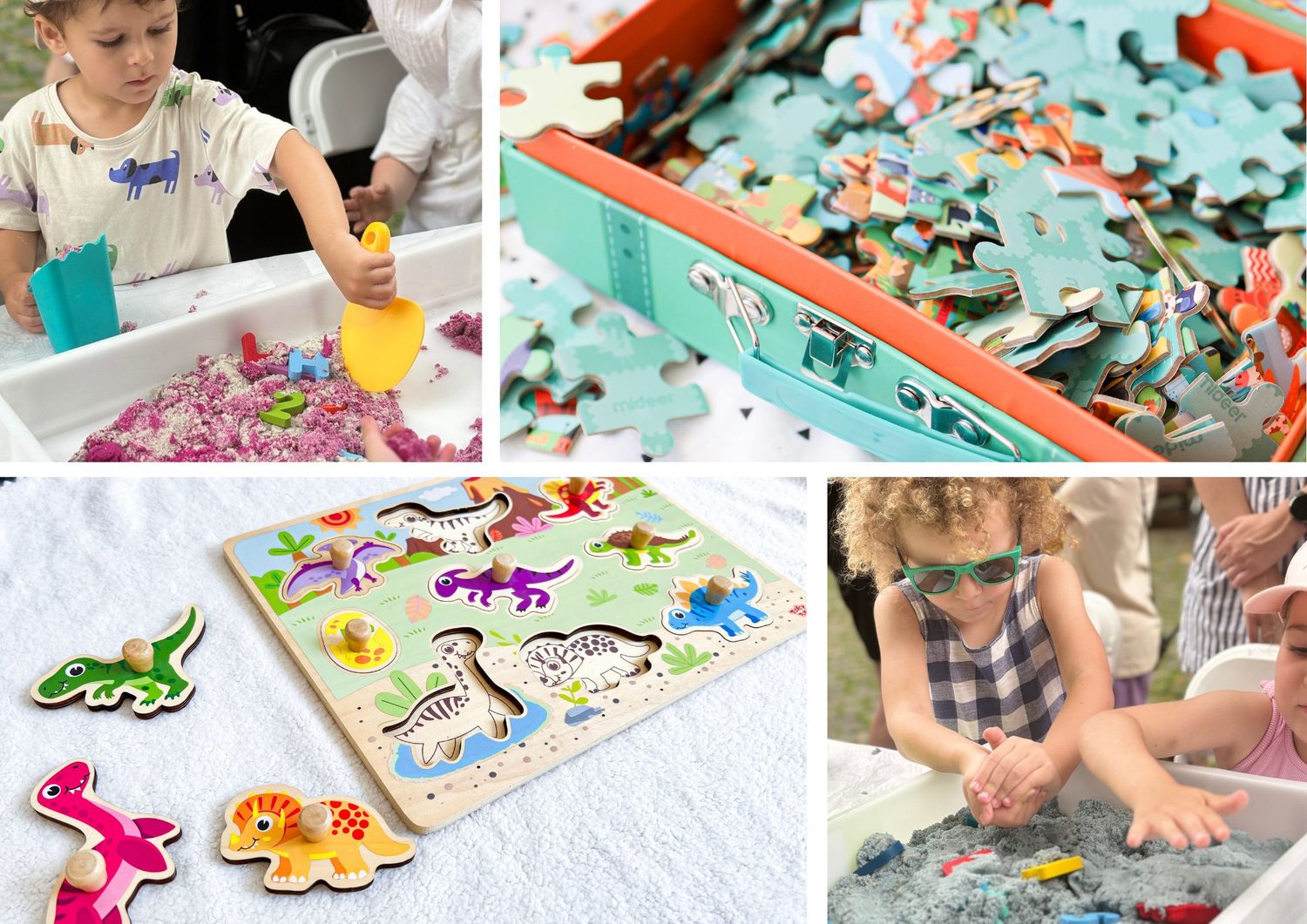
Games and toys that support fine motor skills give children a fun and effective way to develop these abilities. The following section takes a closer look at different games and toys that can help children build fine motor skills.
Construction sets and blocks
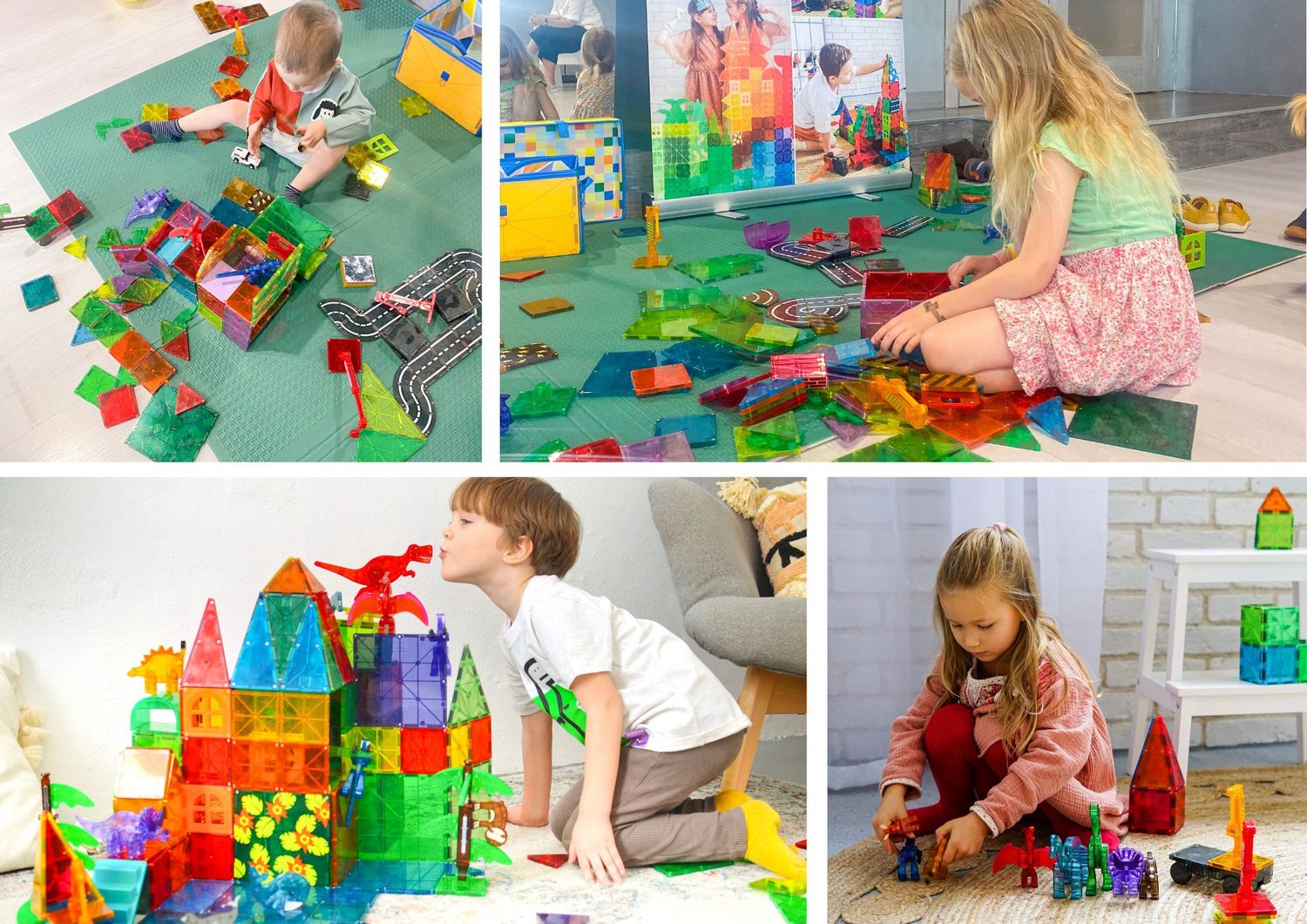
Building sets such as MAGNA-TILES, LEGO or other construction sets encourage children to handle small pieces and assemble them into different shapes and structures, which requires precise finger and hand movements. These activities help improve spatial awareness, hand–eye coordination and finger dexterity. Building sets also support creativity and logical thinking.
Playdough and modelling
Working with playdough or modelling clay is another great way to develop fine motor skills. Children can knead, roll, shape and cut out different forms, which strengthens hand muscles and improves coordination.
Playdough also supports creativity and can be used to create all sorts of artworks or models. Modelling materials such as kinetic sand or clay offer similar benefits.
These materials provide different textures and ways to manipulate them, which can be very stimulating and fun for children.
Threading beads
Threading small beads onto a thread or string encourages precise movements and concentration. This process requires careful, accurate actions that improve finger dexterity and coordination.
Jigsaws
Handling small pieces and placing them in the right spots requires precision and coordination. Jigsaws also support logical thinking and problem-solving skills.
Interactive and electronic toys
Interactive toys that involve pressing buttons, turning dials or manipulating small parts can also help develop fine motor skills. These toys often combine learning with play, which can be highly motivating for children.
Electronic games and apps that require touch controls can also contribute to fine motor development. For example, games where children move objects or trace paths on the screen can improve hand–eye coordination and fine motor skills.
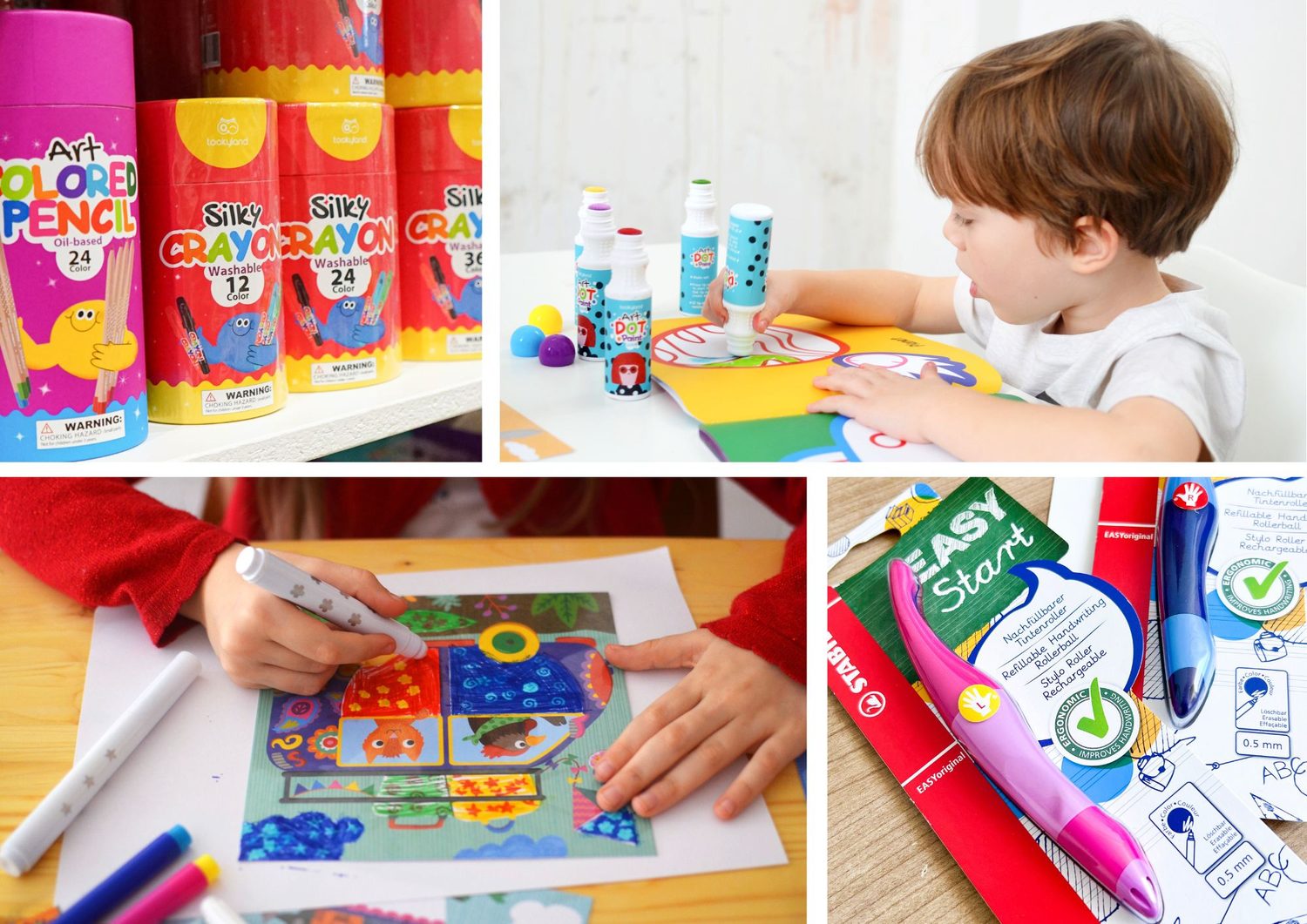
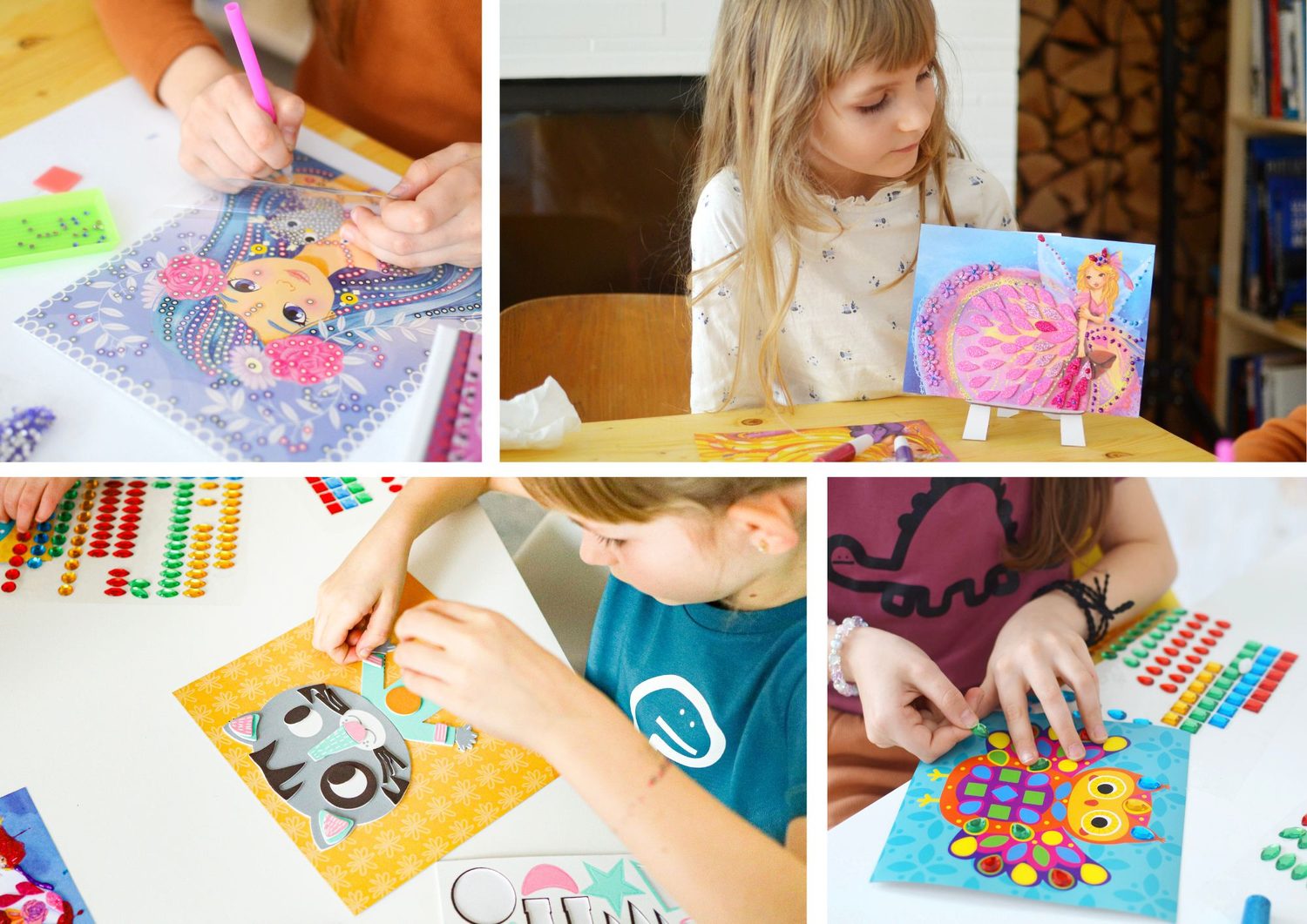
Creative activities not only strengthen the small muscles in the hands and fingers, but also support creativity, imagination and concentration. Creative projects allow children to express themselves and explore their artistic abilities, while also refining their motor coordination and dexterity.
The following activities are a great way to involve children in fun, developmentally beneficial tasks.
Drawing, painting and cutting
Handling pencils, paintbrushes, scissors and glue requires precise movements and coordination. These activities also encourage creativity and can be very relaxing and therapeutic.
Making collages or paper crafts
Children can cut, glue and fold different materials, which supports fine motor skills while giving plenty of room for creative expression.
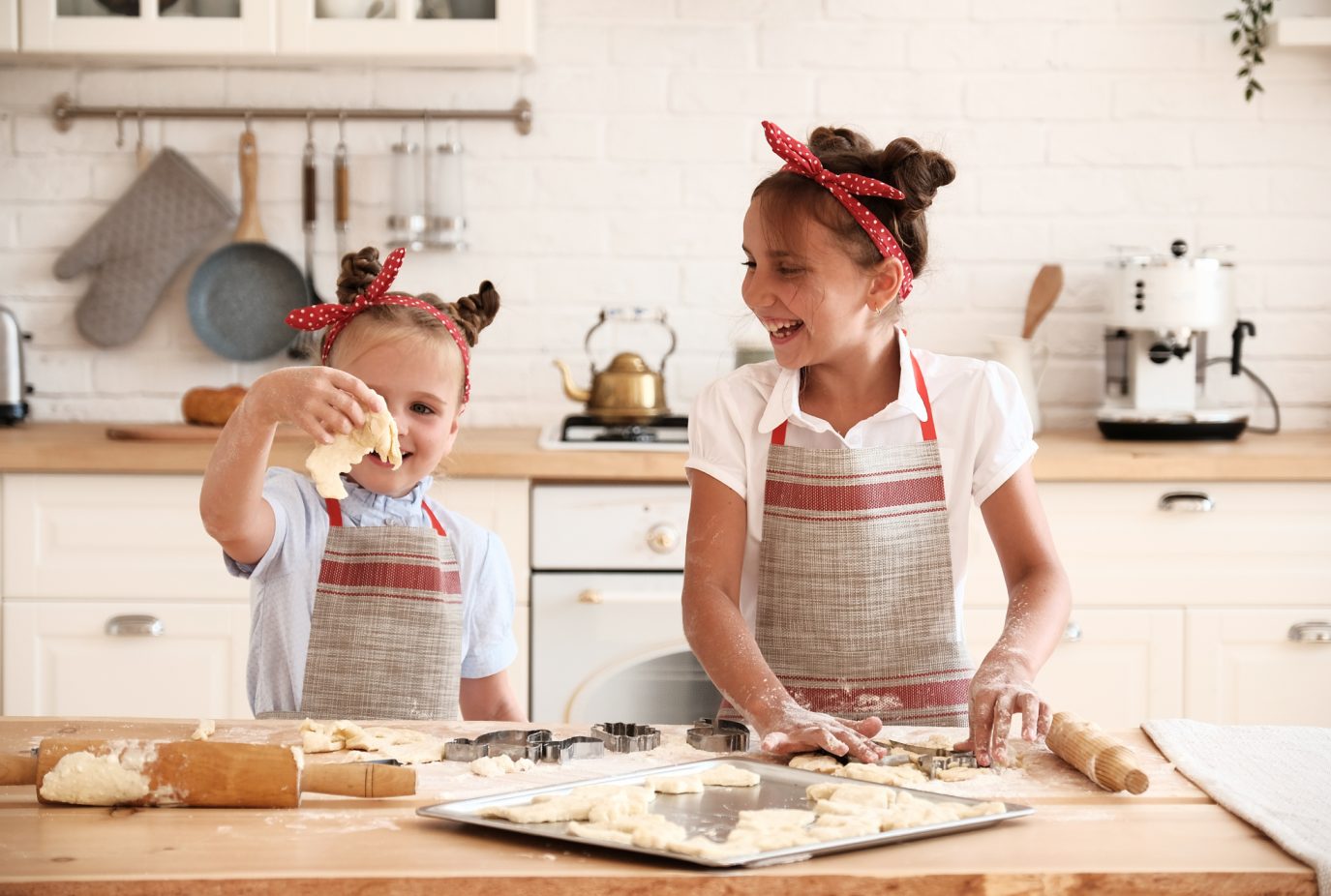
Getting children involved in everyday tasks can also make a big difference to fine motor development. Here are a few examples:
Developing fine motor skills is essential for children’s success in the school environment and for everyday independence. Putting the activities and strategies above into practice can make a real difference to their progress and support your child’s overall development.
As a parent, it’s worth paying attention to your child’s needs and giving them suitable tools and opportunities to build these skills.
Investing in fine motor development pays off not only at school, but also later in life. By encouraging and supporting children in these activities, we create strong foundations for future success and overall wellbeing.


You are currently on www.premiumbarefoot.co.uk


 £ - EN
 Čeština
 English (US)
 Slovenčina
 Magyar
 български
 Polski
 Dansk
Dansk
 Nederlands
 Svenska
 Suomi
Suomi
 Español
 Français
 Slovenščina
 Română
 Português
 Deutsch (DE)
 Deutsch (AT)
 Deutsch (CH)

