We’ll be happy to help via online chat or at: orders@premiumbarefoot.com

How can you prepare your child for nursery so that morning drop-offs don’t turn into tearful dramas? We’ll share tried-and-tested tips for both preparation and settling in.
I’m mum to four-year-old Sárinka and six-year-old Samík. Out of all the options, I chose a traditional state nursery with mixed-age classes. I paid a lot of attention to preparing for this important step in my children’s lives, and I’d love to share how it all went—so that nursery can become a place your children look forward to too: new friends and new experiences.
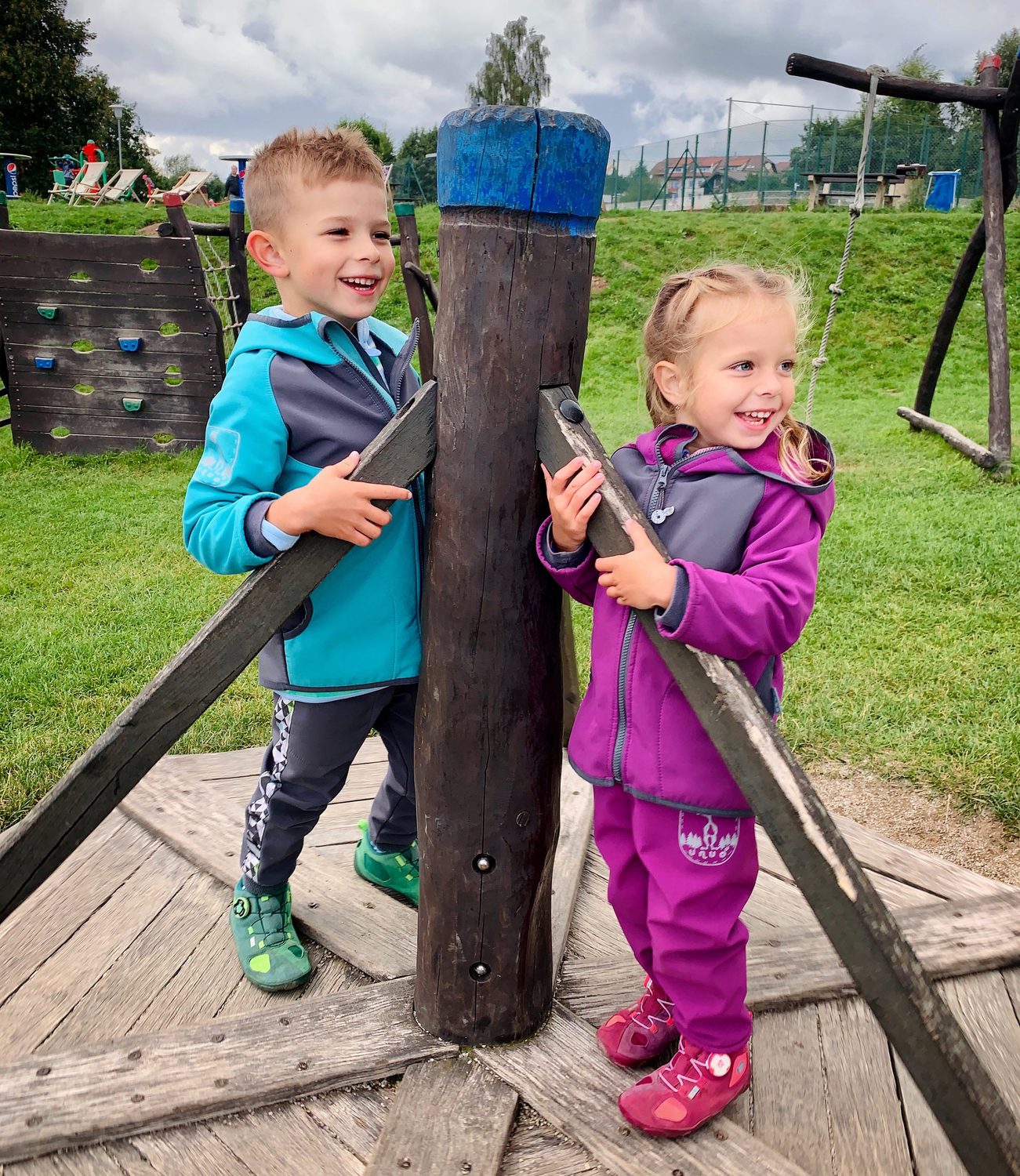
It’s important to talk to children about nursery in a positive, realistic way, and to avoid that classic parent “nursery scare tactic”, so they don’t start seeing it negatively or feel afraid to go.
Before and during the nursery year, what worked well for me was acting out certain situations with Samík using Lego. We played “nursery” with the little figures, copied the nursery day routine, and I even made up different scenarios. Then we worked through them through role play (for example: someone takes my toy, I can’t do up my coat, a friend hit me, I miss Mum/Dad …).
When preparing for nursery, children’s books on this topic can be a huge help. They make it easier for children to imagine what’s waiting for them at nursery—and even after they start, they’ll often ask for these stories again because they like seeing situations they know so well from nursery.

What definitely makes nursery easier for children is how independent they are: being able to get dressed and put their shoes on with a bit of help, eat by themselves, use the toilet, wash their hands with soap, use a tissue, tidy up toys after playing… Of course, the teachers are happy to help with everything, but the more independent and self-reliant a child is, the more confident they’ll feel—and they’ll be less likely to end up in situations where they feel incapable.
You can also make getting dressed and putting shoes on easier by choosing the right clothing and footwear.

What parents tend to worry about most is the morning drop-off at nursery, which can sometimes come with tears and children not wanting to go. Children often try to persuade you to let them stay at home. From experience, my advice is: don’t do it (everyone told me that too, but I felt like I knew best). Children remember it very well. Samík tried it again a few times later and would say: “But remember when I cried loads once and you let me stay at home.”
One tip for children who cry: don’t carry them into nursery and don’t cuddle them in the cloakroom by picking them up. It becomes much harder for them to separate from you. Instead, take them by the hand, or kneel down to their level and give them a hug.
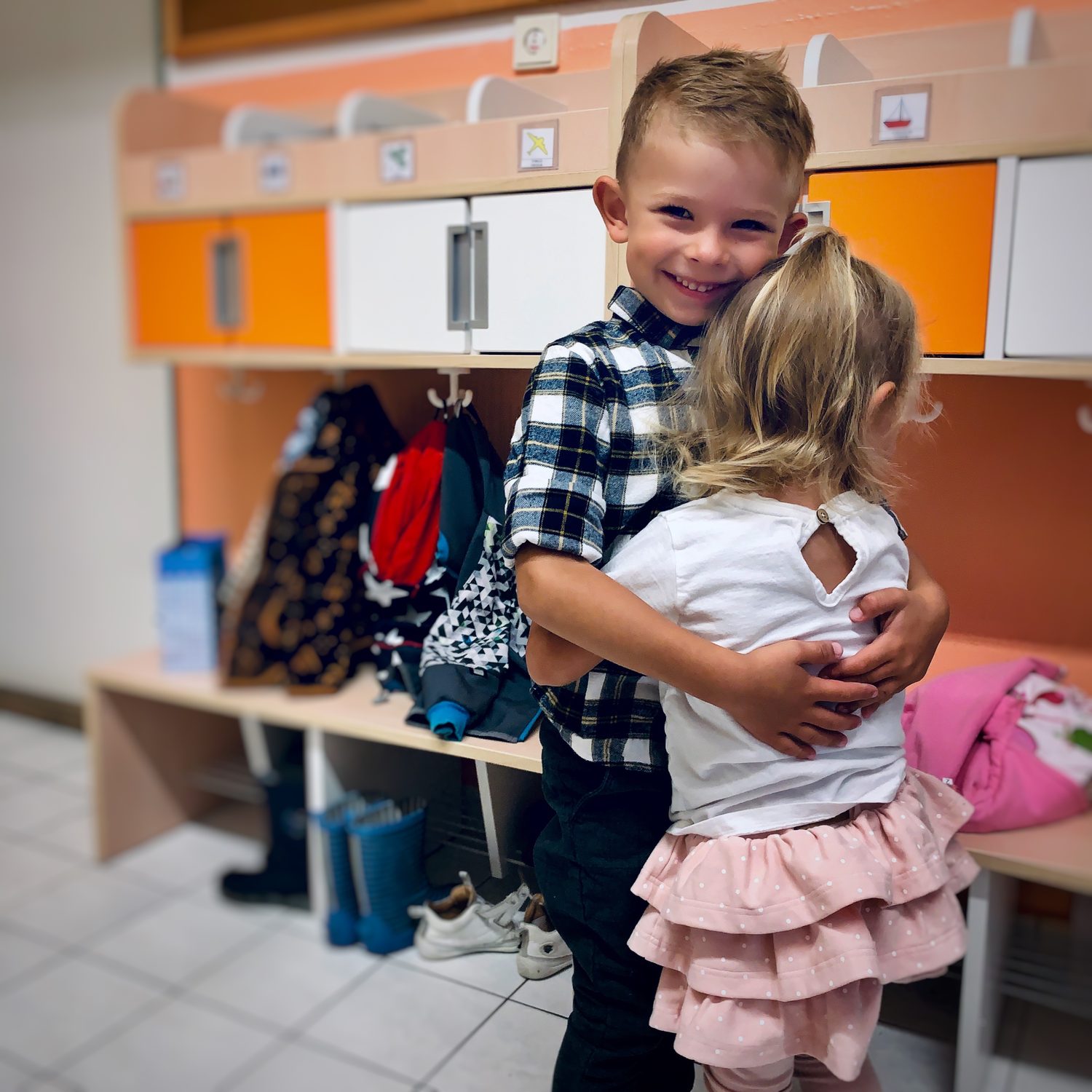
For us, settling in went without any major issues. But because last year lots of mums reached out to me who weren’t so lucky, I asked my followers for help and put together a few tips that can support children—although in most cases, time is the biggest help:
Children cry because you are the most precious thing in their life, and when they leave for nursery they’re afraid of losing you. Be understanding and try to comfort them.

When we got home, Samík was always thrilled to be back with his toys and would usually go straight off to play, which I was happy about. What I liked less was that he started taking out some of his frustrations on Sárinka, which he hadn’t done before. Most of the time it was a reaction to something that had happened at nursery.
I always repeated to him that if someone does something he doesn’t like, he needs to speak up straight away and make it clear he doesn’t like it. He picked up lots of not-so-nice things from children at nursery (backchat, provoking, pulling faces) and then tried to use them at home too—which was a real test of patience for all of us.
You need to get used to the fact that once your child starts nursery, they’ll be influenced by people other than you—and that’s simply part of life.
Children keep their emotions under control at nursery, and when they come home—to a familiar environment, to safety—they let those emotions out. That can be tough for everyone. A few times it happened that the children argued already in the cloakroom or in the car, talked back, or simply didn’t listen. It hurt, and sometimes I had to take a moment to process it—but it’s important not to take it personally and to tell yourself: “It’s just a phase.”

Lucie @schoolofmylife
First and foremost, mum to two young children: Samuel (6) and Sára (4). I graduated from the Faculty of Education at Charles University, and my education strongly influences the content I create on social media and on my blog, where I’ve been active since Samík was born.


You are currently on www.premiumbarefoot.co.uk


 £ - EN
 Čeština
 English (US)
 Slovenčina
 Magyar
 български
 Polski
 Dansk
Dansk
 Nederlands
 Svenska
 Suomi
Suomi
 Español
 Français
 Slovenščina
 Română
 Português
 Deutsch (DE)
 Deutsch (AT)
 Deutsch (CH)

