We’ll be happy to help via online chat or at: orders@premiumbarefoot.com

Starting nursery is a big change not just for your child, but for the whole family. How can you prepare so this step into the unknown brings as little stress as possible?
A child starting nursery school is one of the biggest changes in a person’s life, even if it might not look like it at first glance. For the first time, they’re leaving the safety of the family and stepping into an institution where, in all likelihood, they’ll function right up until retirement. This transition is often complicated and demanding. But there are plenty of ways to make it easier. Yes—especially for us parents.

Up until the moment they start nursery, a child has usually spent most of their time with mum, dad, other relatives, and friends with children of a similar age. Then suddenly they’re in a classroom without you, with unfamiliar teachers, and alongside up to 27 other children. All at once, there are lots of tasks, routines to follow—and even if the teachers are wonderful (and in most cases they truly are), awkward situations can happen that simply can’t be prevented, no matter how hard everyone tries.
After all, 28 children come from 28 families with 28 different parenting styles, and a sensible shared compromise has to be found—otherwise no nursery class could function. At the same time, there are huge differences between children: not only in age, but also in skills, intellect, knowledge, personality, and temperament. The mix can be lively, and you can never prepare perfectly. Still, there are things we as parents can influence to make the start easier for our child.

Although it might seem that once your child starts nursery you’ll be pushed into the background in their eyes, that’s not the case. Your child has their closest, most intimate relationship with you—and it’s important to keep deepening it. Reassure them that even when they’re at nursery, they’re still loved; that you care about them more than anything in the world. As much as your child needs. For some, hearing it once a week is enough; for others, it’s a hundred times a day. But we must provide that comfort.
You’re still the safe harbour your child always returns to. In a well-functioning family, it’s exactly this sense of safety that helps the most.
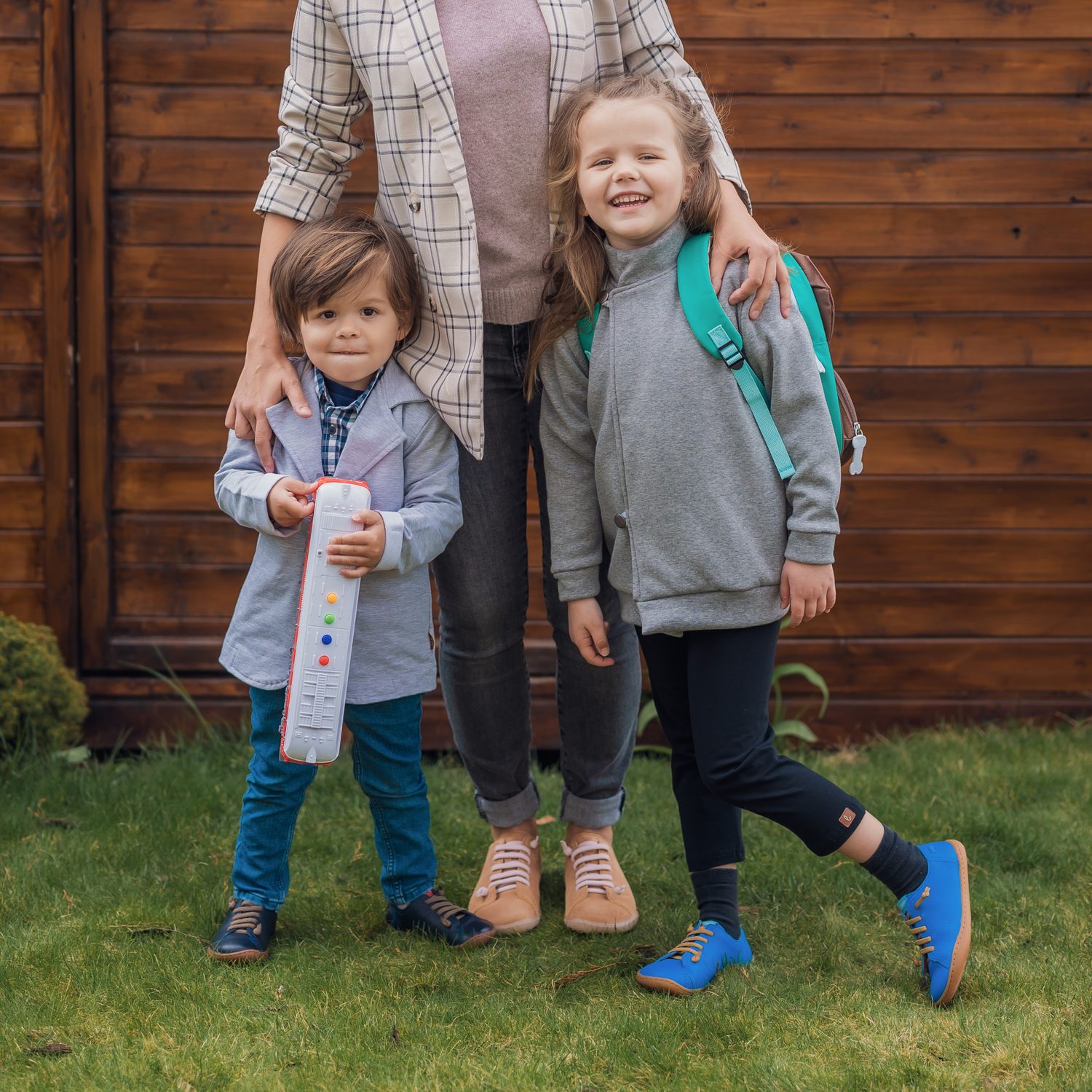
My daughter started nursery in September when she was three. It was really interesting to watch everything from a different perspective than as a teacher. Let’s look at a few principles that help and work regardless of what your child is like.
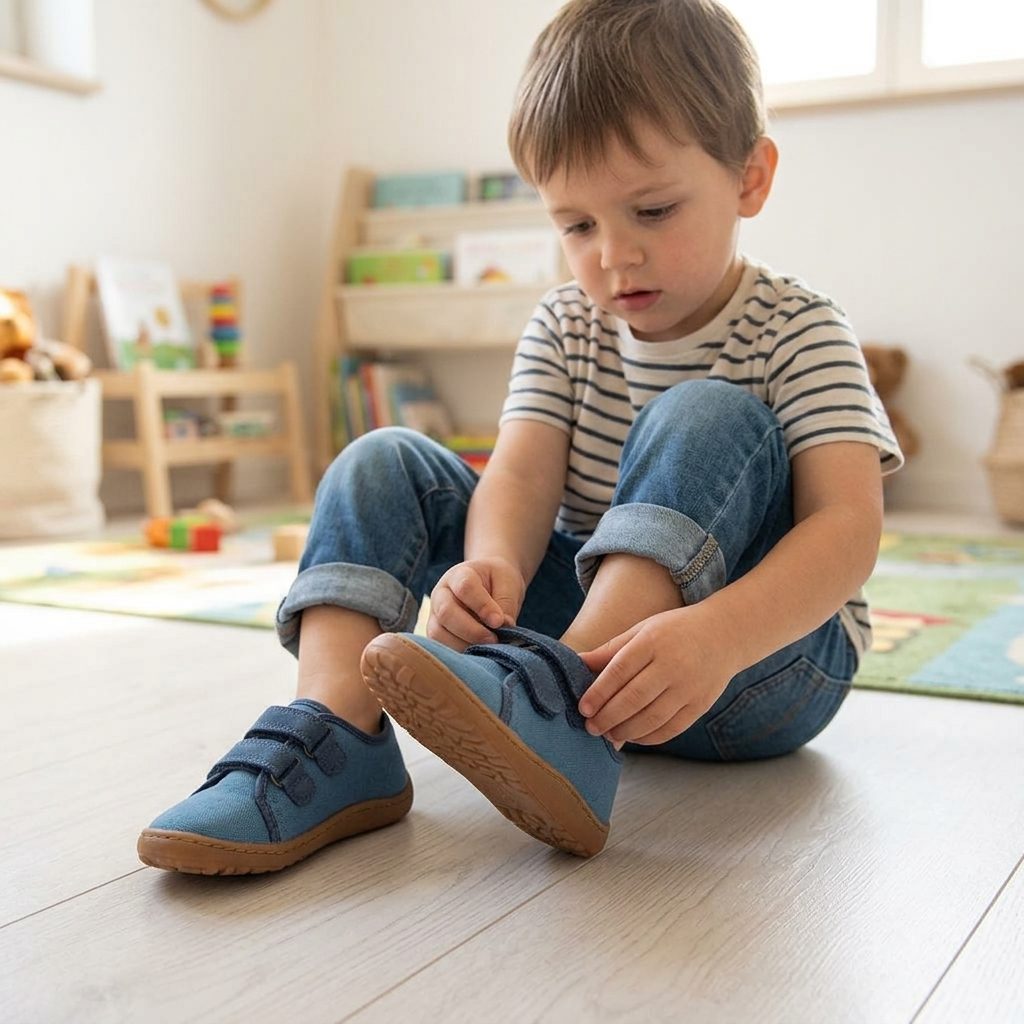
The classic dilemma starts with choosing the nursery itself. Research shows the most common deciding factor is distance. But my question as a teacher is: do I want a nursery that’s close, or one that’s high quality? Of course, it’s possible the closest one is also excellent—but statistically, it’s less likely. And yes, we’re talking about places where there’s any choice at all. If there’s only one nursery within a twenty-kilometre radius, then it’s the obvious choice regardless of anything else.
The best indicator, as always, is a recommendation. Friends, relatives, neighbours—anyone with real experience. And that doesn’t lie. Ever. If five people independently tell you a particular nursery is great, then it very, very, very probably is.
My personal tips that help with decision-making:

Personally, I’ve only ever worked in state nurseries, but that doesn’t mean I’m fundamentally against alternative or private nurseries.
With alternative approaches (e.g. Montessori, Waldorf, Začít spolu) I do see one big issue—these institutions are also philosophies. Montessori education, for example, emphasises natural materials. But putting your child in a Montessori nursery just because it’s fashionable right now, while everything at home is plastic, feels a bit like posturing. Likewise, the teachers may not be genuinely aligned with the philosophy.
With private nurseries, the issue is that they aren’t supervised by the state (they typically don’t fall under the Czech School Inspectorate), and my purely personal experience is that children are simply being looked after there. A private nursery may offer a smaller group, but ask about how your child will be educated.
A downside of state nurseries, on the other hand, is often the large number of children. Where there are positives, there are always negatives too. It’s up to me as a parent to decide which factor matters most in the choice.
A nursery is primarily an educational institution, not a babysitting corner. That’s something everyone needs to be clear about: do I want my child supervised, or do I want them to be properly educated?
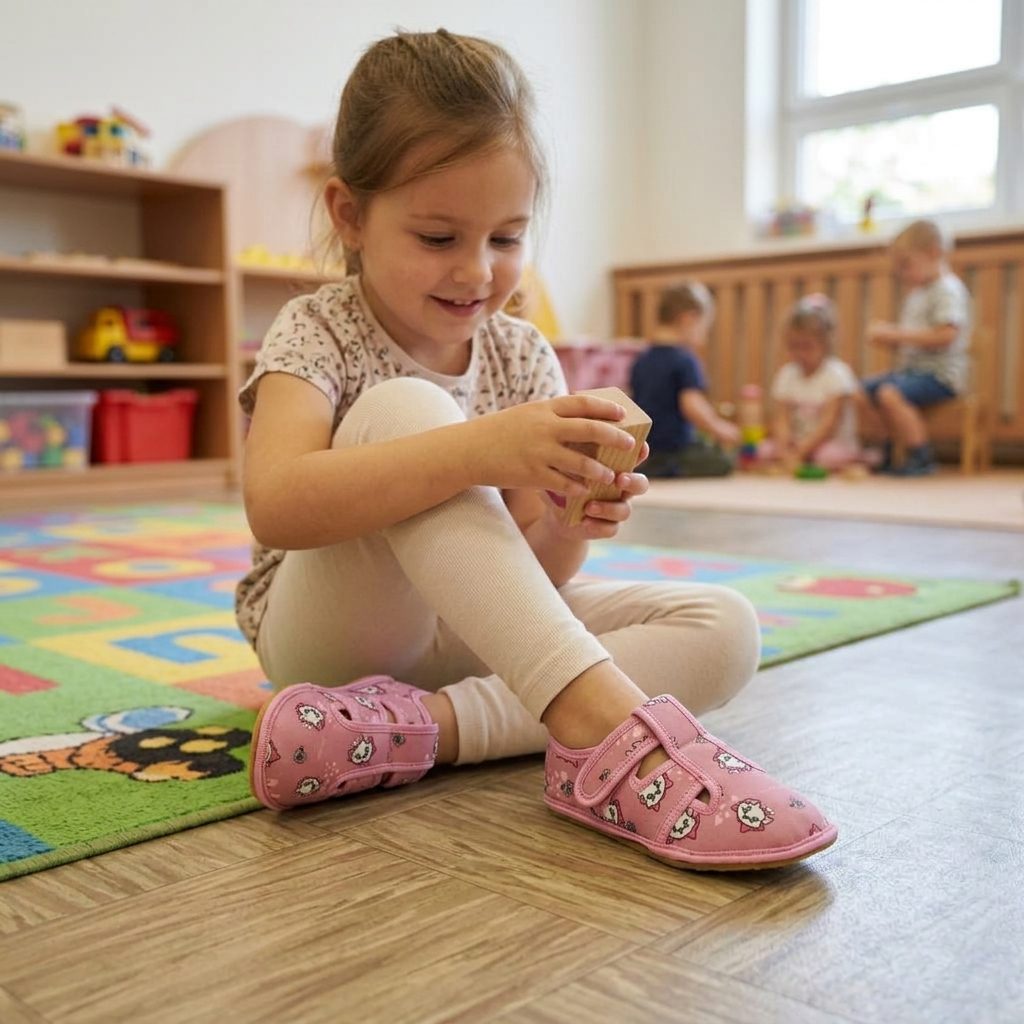
When children start nursery, they experience enormous stress—which makes perfect sense. It’s like when we start a new job. And we chose it ourselves, we know what we’re getting into, and our emotional skills are undeniably more developed—yet it can still be quite demanding. But there are small things that can significantly reduce stress.
If your child can manage basic self-care (eating, the toilet, getting dressed), they’re not dependent on others’ help. It boosts their self-worth and autonomy and keeps them out of situations where they can’t do something, can’t cope, and have to wait for help.
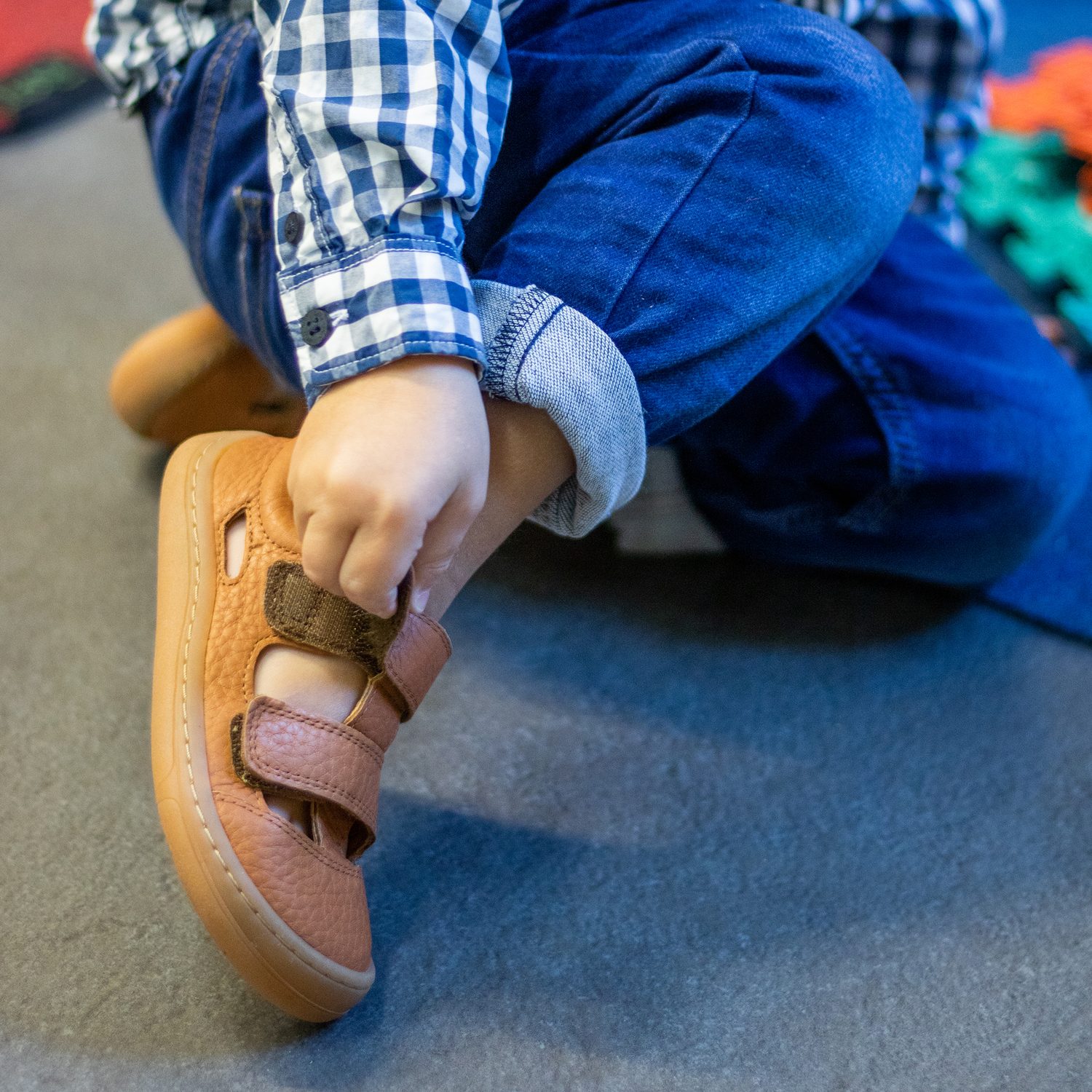
Clothes your child can put on by themselves and that are practical. An all-in-one suit is great for comfort, but going for a wee becomes a nightmare. Laces and fingered gloves are also strongly not recommended (see the previous section). Don’t worry about style—focus on practicality and function, and make sure your child can really throw themselves into play without fear of being told off for getting dirty.
Regularity is one of the key psychological traits of a pre-school child. That’s why the daily routine at nursery is the same each day. It creates a sense of safety because your child knows what will happen. The same applies at home—for example, going to bed at the same time, getting up at the same time.
Closely linked to that are rituals (even something like Večerníček). These are daily moments that repeat, and they help your child understand the flow of the day, because time is very relative for them. It’s also something they can look forward to. For example, when everything has gone well at nursery, I always carry my daughter home on my shoulders.

Before they start, you need to talk about nursery and go and see it. You can even make a visual plan of the day—arrive, get changed in the cloakroom, play, snack time, play again, go outside, lunch, and then home. Above all, motivate your child (but don’t bribe them), describe everything, explain, and talk.
Have a look at everything you can (cloakroom, classroom, equipment…), because every place has its own atmosphere. And since an institution is made up of people, meet them. Don’t ask whether they cook healthy food (every nursery in the Czech Republic cooks healthy food), but what values the nursery develops in children, and what they focus on in education. It’s hard for a layperson, I know—but we want to go deeper here.

My child is already three, they didn’t get a nursery place, and that’s fine? It shouldn’t be.
In my experience, founders (but be careful—this can vary dramatically from place to place; I’m describing the situation in Plzeň) often play dumb and rely on parents not having the information or knowing their options. And in reality, they often don’t. So, see the paragraph above and call the headteacher first. If there’s no place, then straight to the founder.
And one important thing—admissions to nursery are based on system coefficients awarded, for example, for the child’s age, place of residence, siblings already at the nursery, and so on. So the nursery leadership actually has no influence over admissions. The system ranks the accepted children and that’s it. If we ended up below the cut-off line, we can still get in because someone won’t start at all, someone moves away, etc., and my child moves up the list. But if they’re three and still below the line even at the end of August, then again—see above.

In my practice, hundreds of children have passed through my hands—and without exception, every single one eventually came to love nursery. The beginnings can be tough, but everything is temporary, and ‘I don’t want to go to nursery’ soon turns into ‘I don’t want to leave nursery’. Truly. And it happens much sooner than you think. Turn your patience, kindness, and empathy up to the maximum, and trust that together with your little one, you’ll manage it.
 Mgr. Ondřej Koželuh
He is completing a PhD in General Pedagogy, teaches future nursery teachers at the University of West Bohemia in Plzeň, and taught in a nursery for five years. Author of the book Učitelem ve školce. He runs educational seminars for parents and teachers.
Where will your next steps take you:


You are currently on www.premiumbarefoot.co.uk


 £ - EN
 Čeština
 English (US)
 Slovenčina
 Magyar
 български
 Polski
 Dansk
Dansk
 Nederlands
 Svenska
 Suomi
Suomi
 Español
 Français
 Slovenščina
 Română
 Português
 Deutsch (DE)
 Deutsch (AT)
 Deutsch (CH)


