We’ll be happy to help via online chat or at: orders@premiumbarefoot.com

Barefoot shoes: facts versus myths. Read our article and find out what the real pros and cons of barefoot shoes are.
Few types of footwear are surrounded by as many myths and half-truths as barefoot shoes. Whether you dip into online discussions or chat in everyday life, sooner or later you’ll probably hear that barefoot shoes are ugly, expensive, don’t last and make your feet hurt.
But is any of that actually true – or are these myths mostly spread by people who’ve never even tried them? That’s exactly what we’re shining a light on in today’s article.

Online discussions are full of arguments that the foot needs plenty of support and an anatomically shaped sole to maintain a healthy arch. These theories are backed up by shoes with orthopaedic insoles, a reinforced heel and arch support.
But it’s important to realise that the foot is naturally designed for natural movement without excessive support.
On the contrary, shoes with shaped soles and raised heels can lead to changes in overall posture, overload joints and muscles and paradoxically weaken the feet.
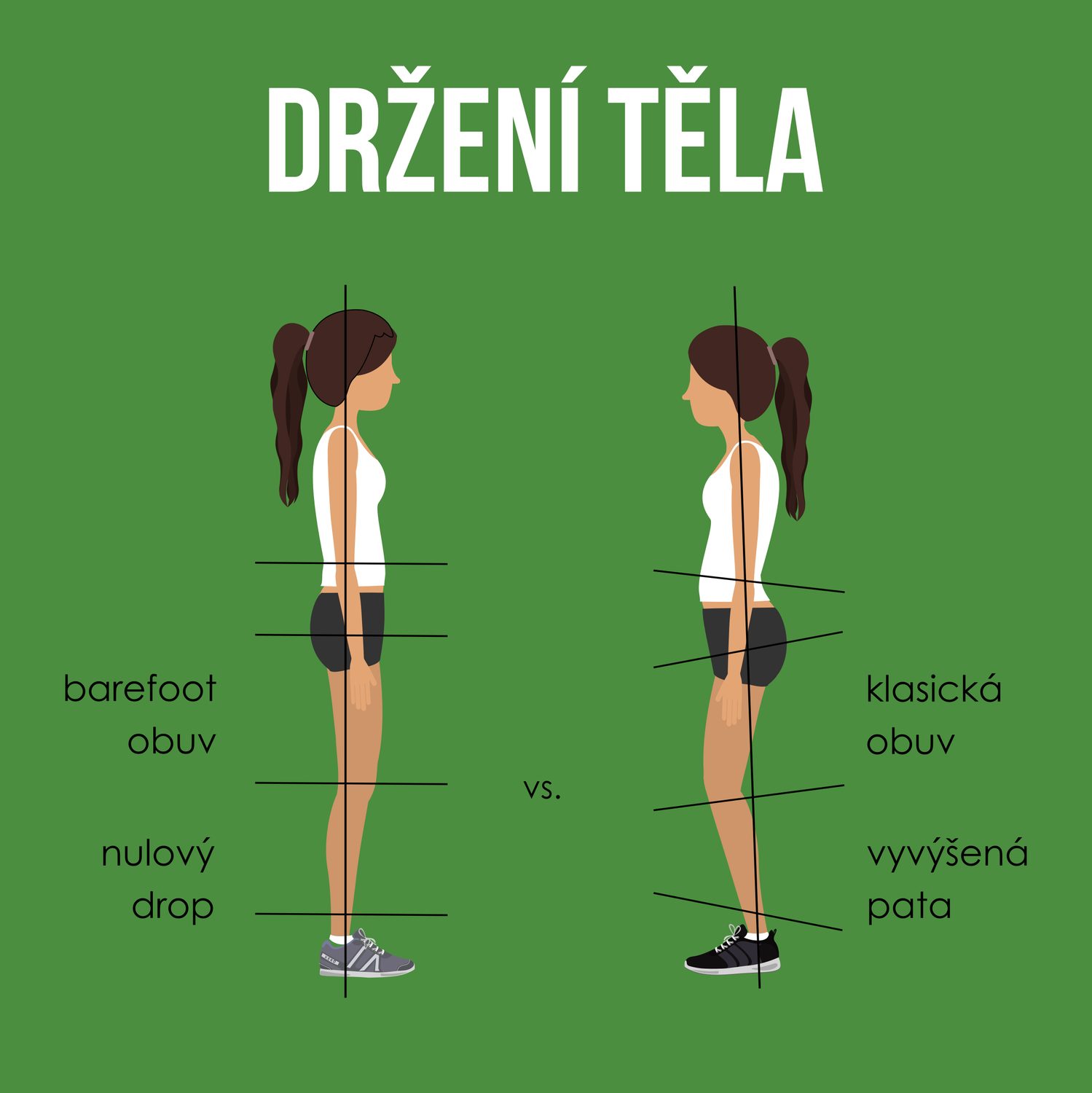
Barefoot shoes, on the other hand, give you room for natural toe movement and engagement of the whole foot, which helps strengthen the muscles and tendons that support the arch.
Studies have shown that wearing barefoot shoes can help reduce pain and improve function in people with flat feet.
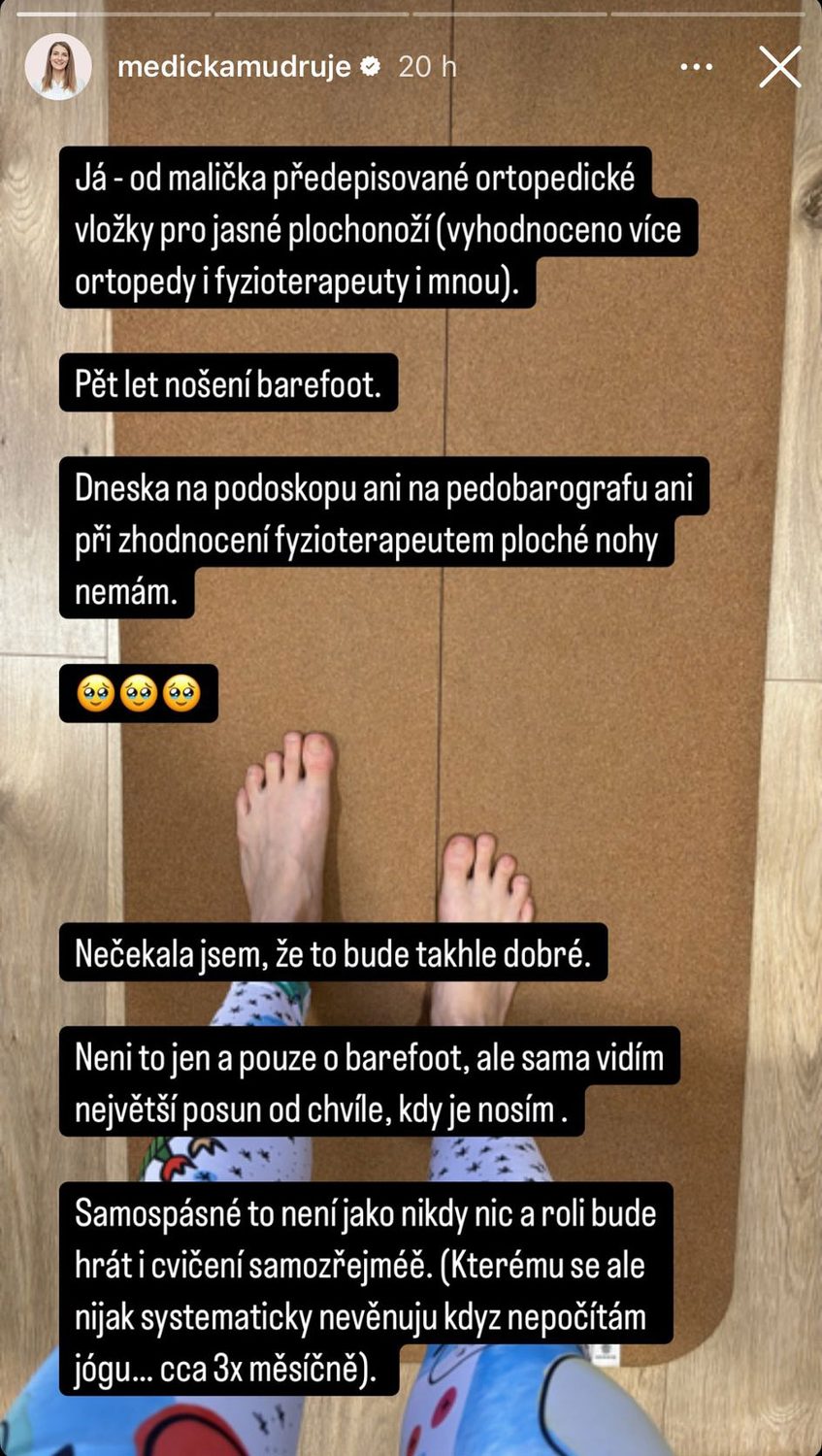
It’s important to emphasise that the transition to barefoot shoes should be gradual, so your feet can get used to a new way of walking.
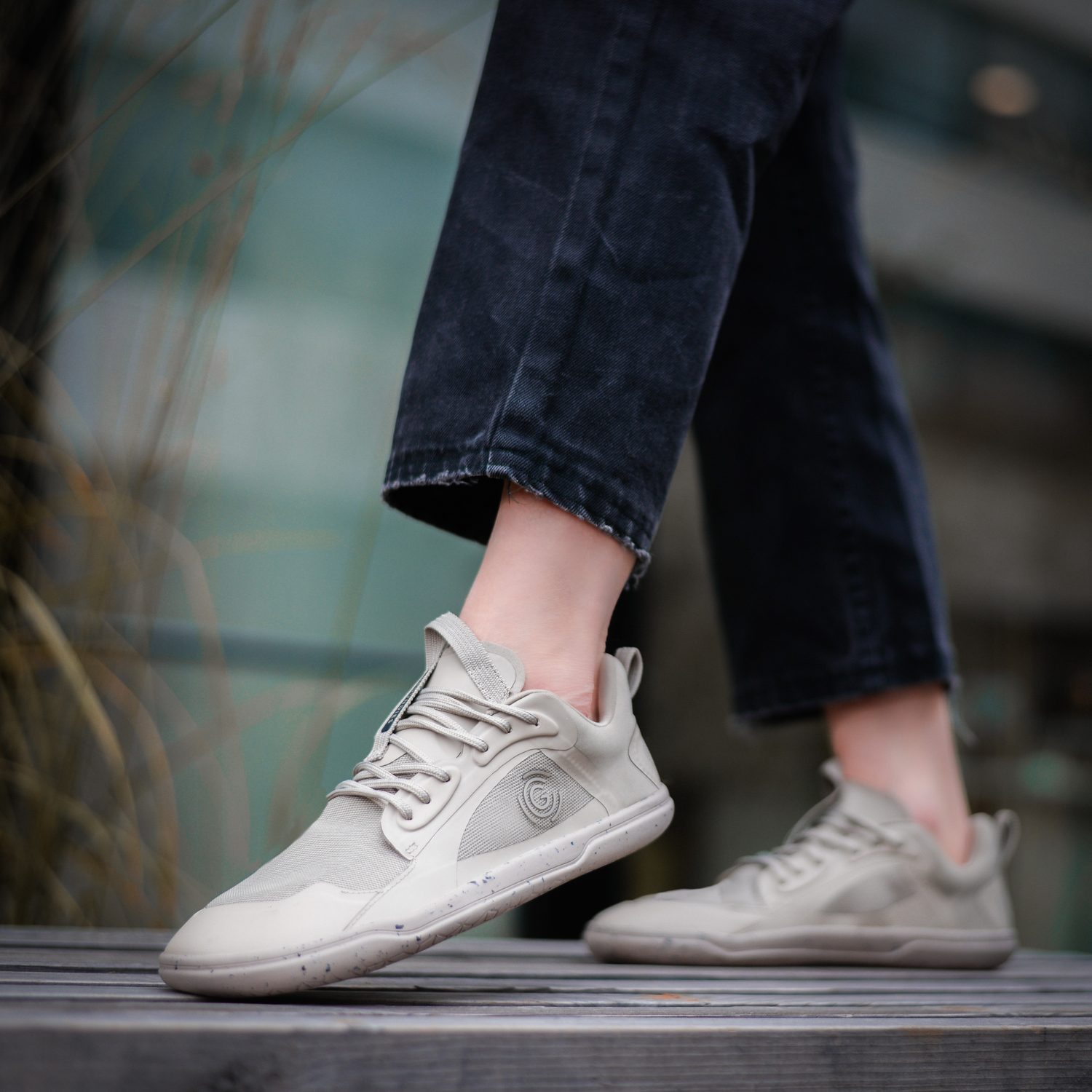
With a quality barefoot shoe that offers enough protection and support for your feet, you can comfortably walk on pretty much any surface – whether it’s paving stones, tarmac or gravel.
And honestly – when was the last time you walked on a perfectly even pavement?
What matters is getting used to barefoot-style walking and learning how to walk properly. That means using all your toes, landing on the front of the foot and avoiding heavy heel strikes. Done right, barefoot shoes are absolutely suitable for the city too.
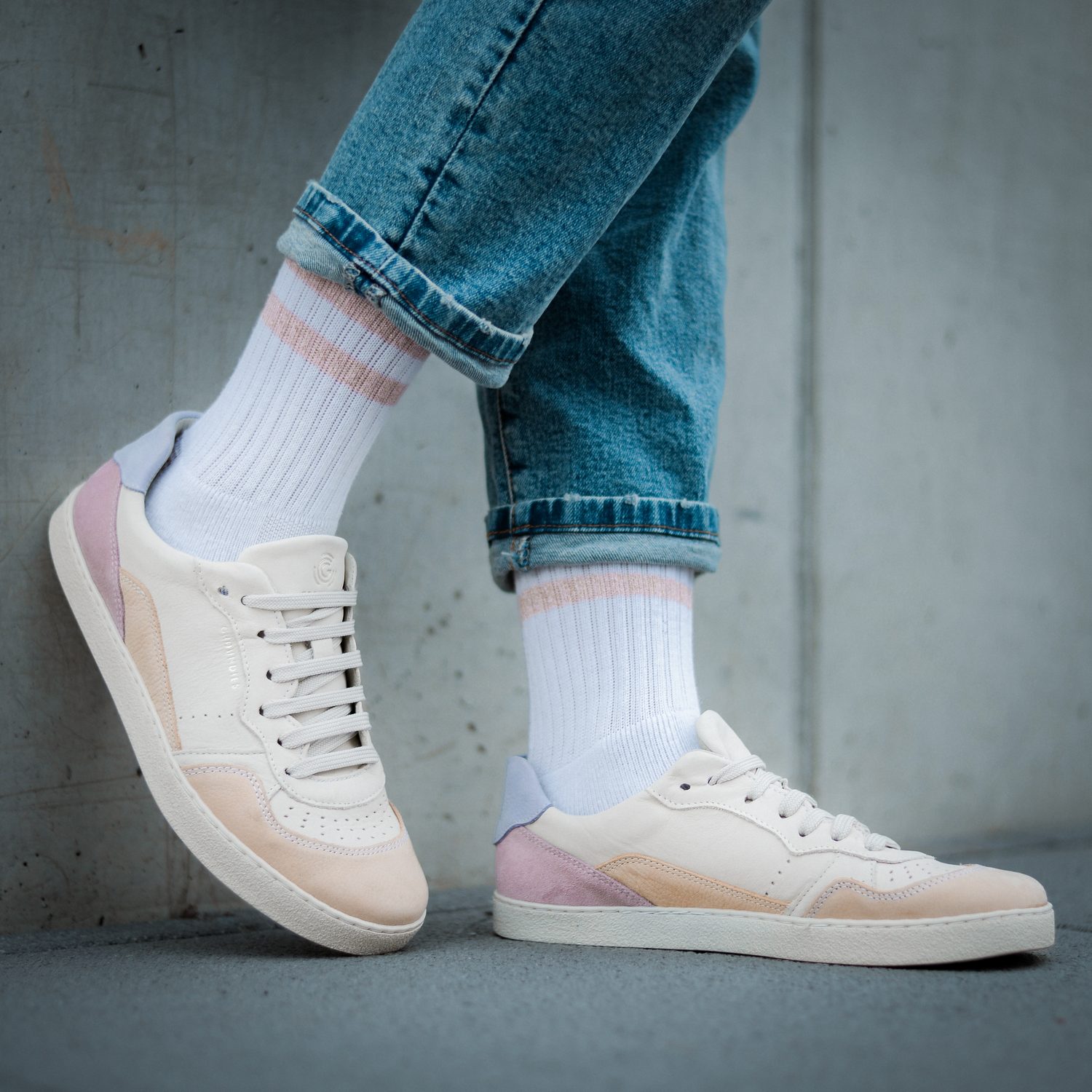
What are the benefits of walking in barefoot shoes in the city?
Of course, it’s important to choose quality barefoot shoes made from breathable materials and offering enough protection from sharp objects.
For barefoot beginners, we recommend models with a cushioned insole.
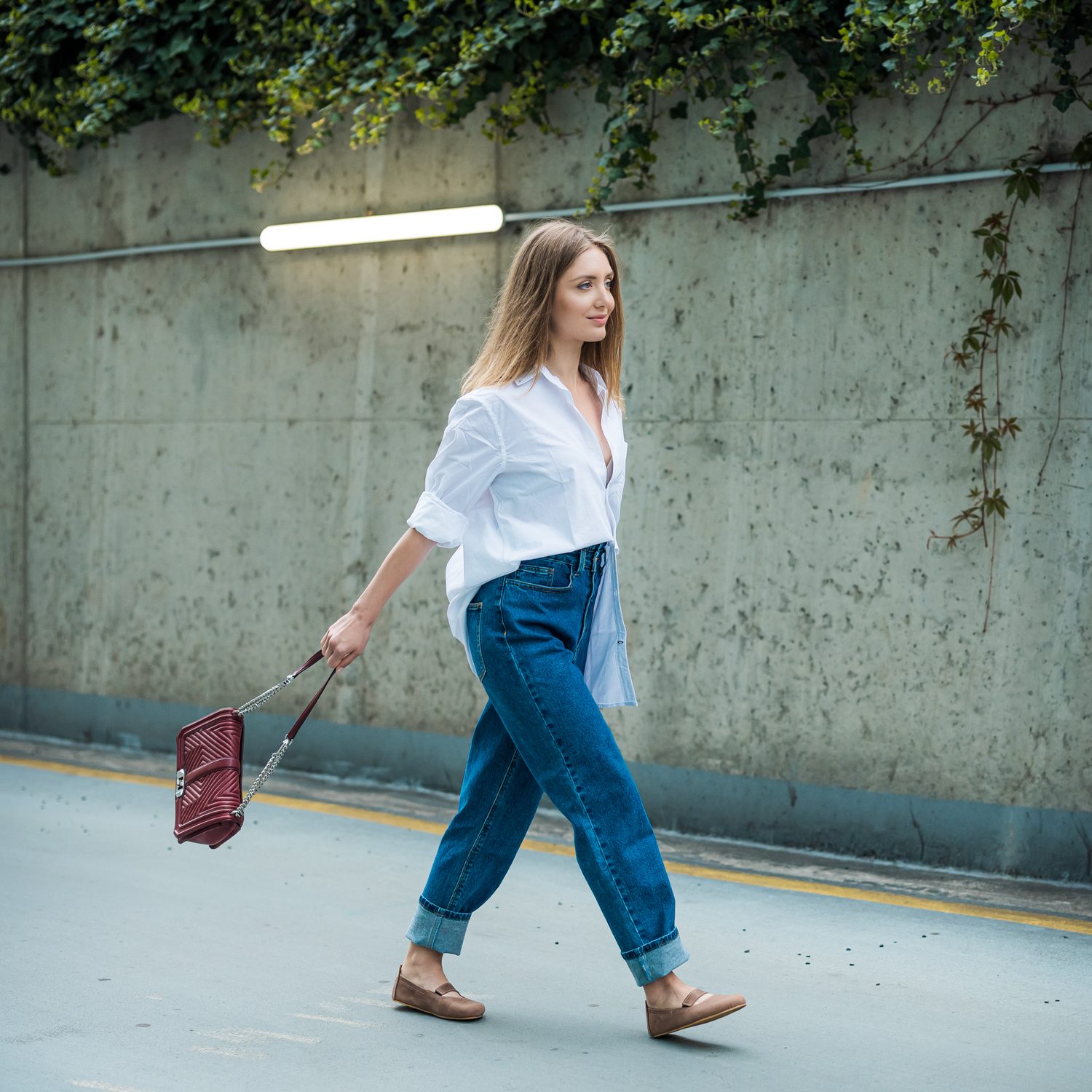
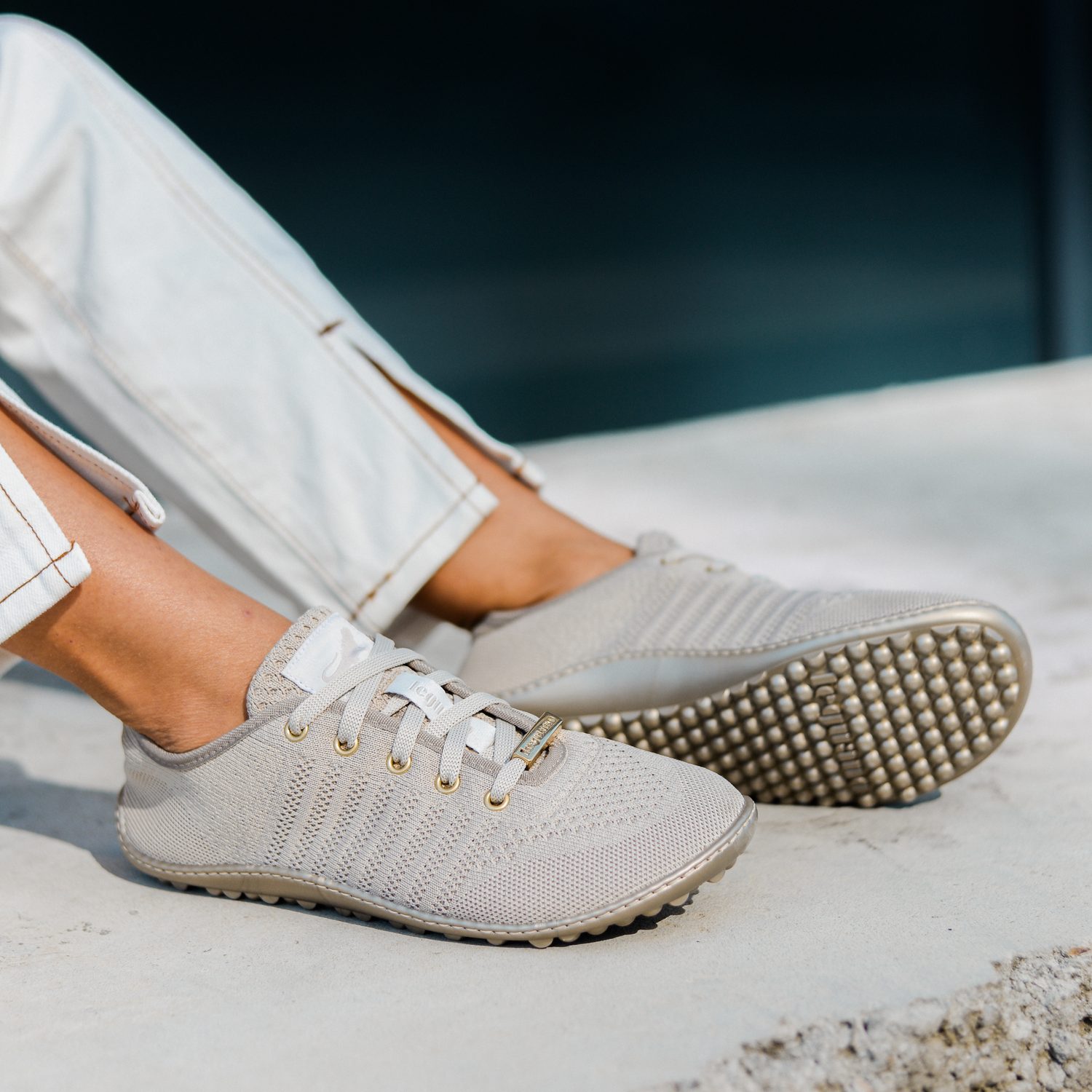
Today, you’ll find a wide range of barefoot shoes from reputable brands, offering modern, stylish options for men, women and children.
They come in different styles, colours, shapes and materials, so there’s something to suit everyone’s taste.

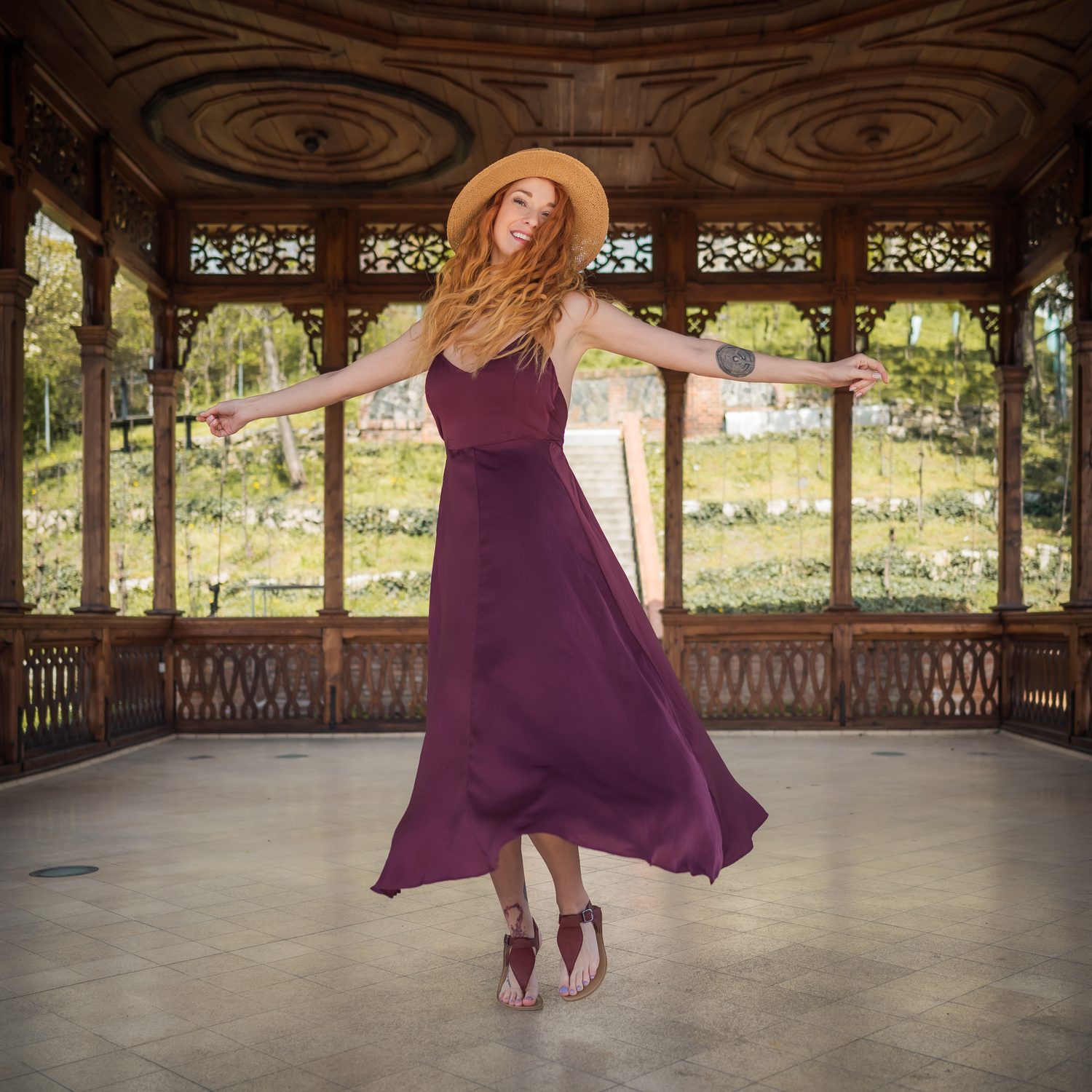
Whether you prefer a casual look, an elegant style or sports footwear, there are barefoot shoes that will complement your outfit while keeping your feet comfortable. It’s not just classic trainers either – you’ll also find sandals, ballet flats, ankle boots, smart shoes or even knee-high boots.
Barefoot shoes are becoming a fully-fledged alternative to conventional footwear that meets both functional and aesthetic needs.
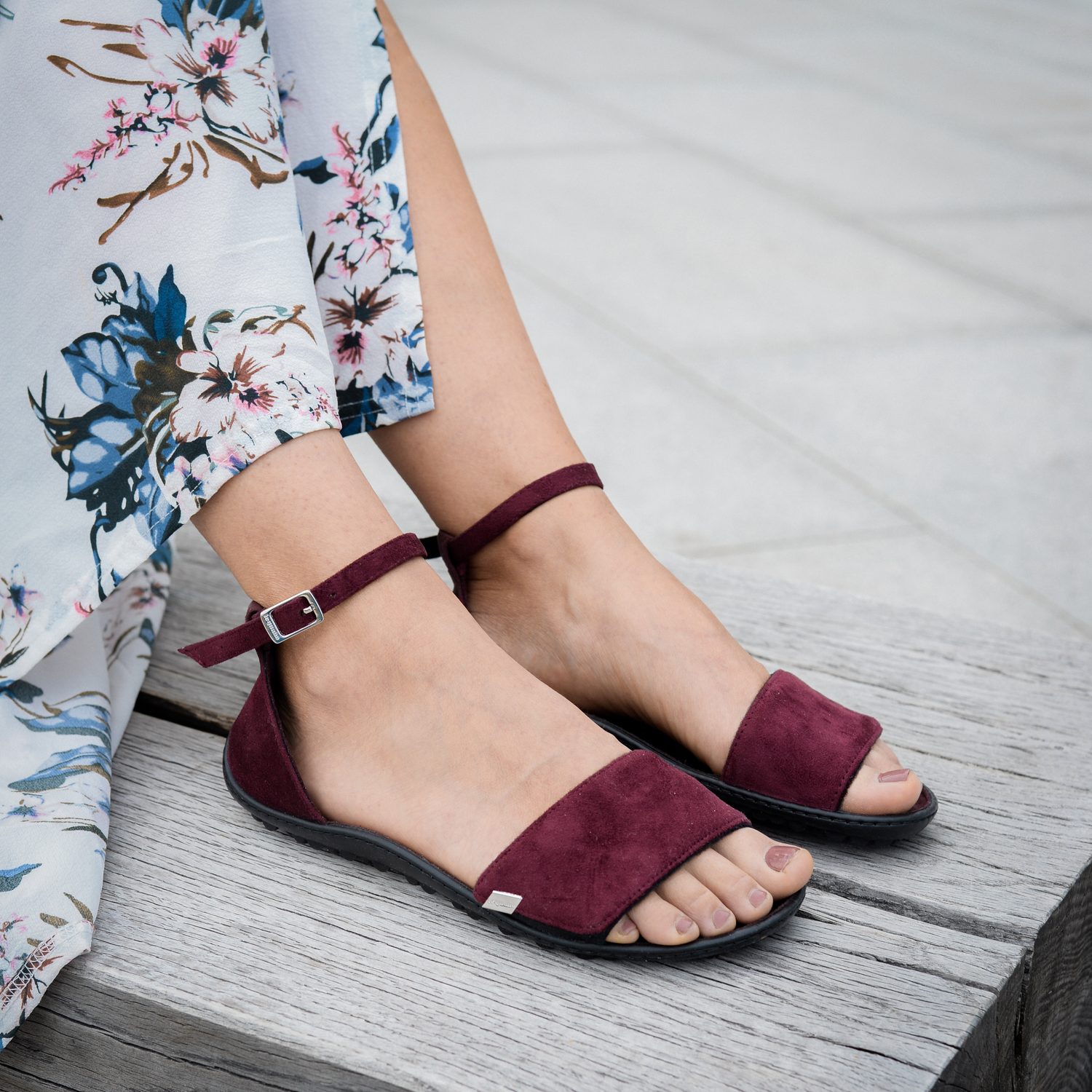
Many people worry that the thin sole of barefoot shoes is poor quality, slips easily on smoother surfaces and wears through quickly. But thin soles are a deliberate design choice, allowing the foot to adapt naturally to the ground and engage fully while walking. This helps strengthen the muscles and tendons in the foot and improves overall stability.
That said, soles are made from sufficiently high-quality materials – not only to last a good amount of time, but also to resist cuts and punctures.
Of course, sole quality varies depending on the manufacturer and the type of shoe. The key is to choose shoes based on the terrain you’ll be walking on most often – tougher terrain calls for a more robust sole.
One reason for possible initial discomfort is using all the muscles and tendons in the foot, which are often weakened by conventional shoes – and many people simply don’t use them much.
However, it’s important to understand that this is a natural adaptation process. Just like training any other muscle group, the muscles in your feet will strengthen over time and the discomfort will ease. What’s more, proper walking technique in barefoot shoes plays a key role in preventing pain.
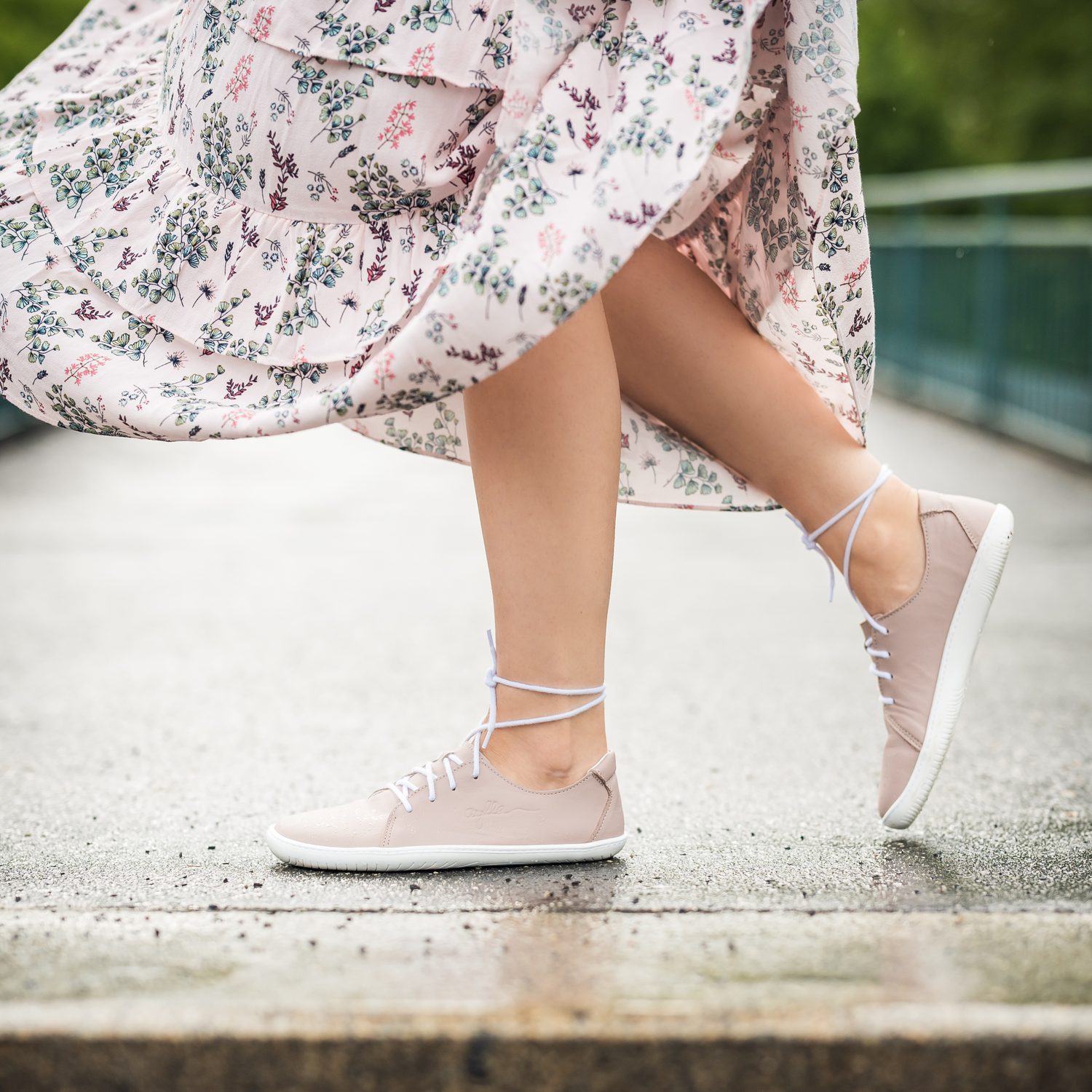
When walking in barefoot shoes, it’s important to:
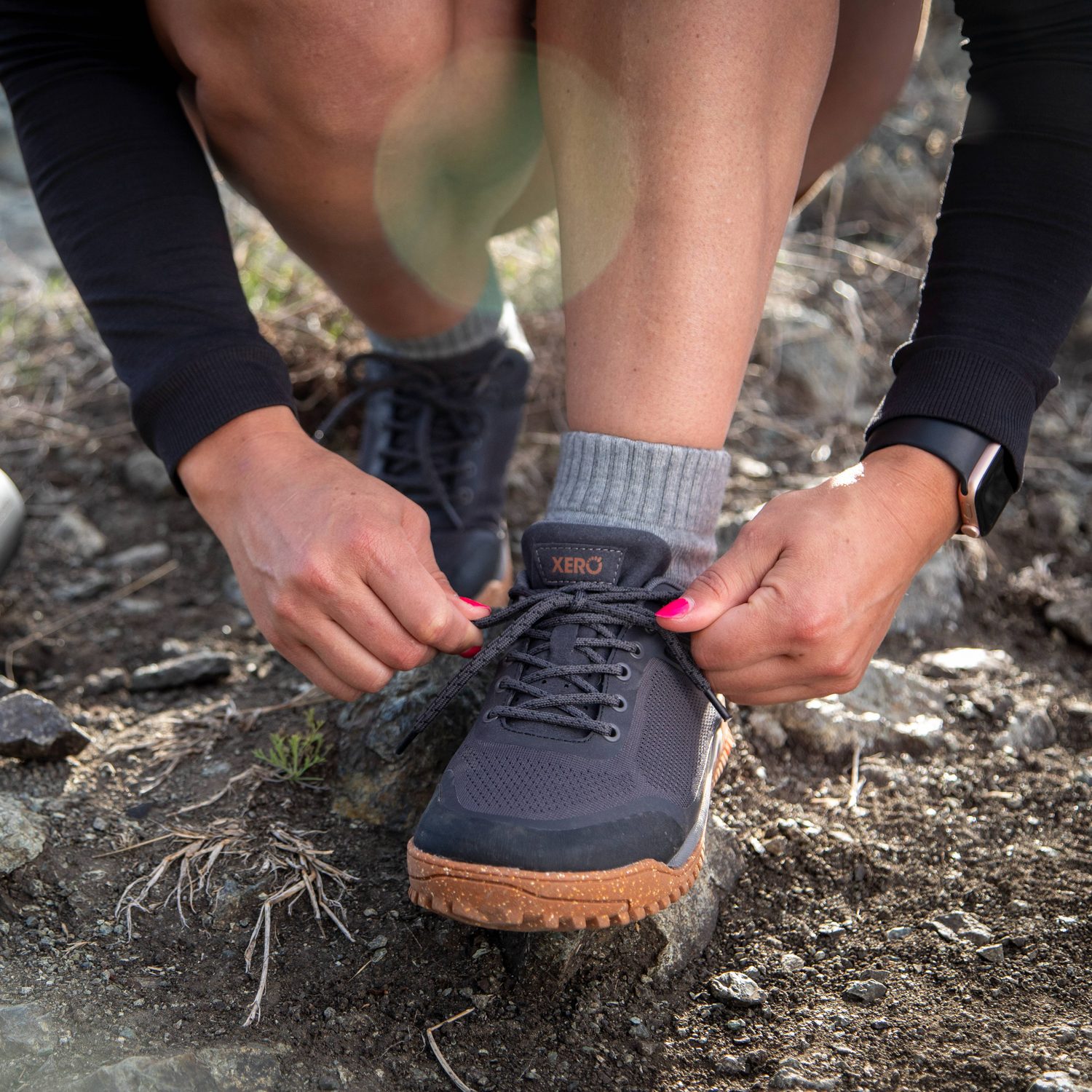
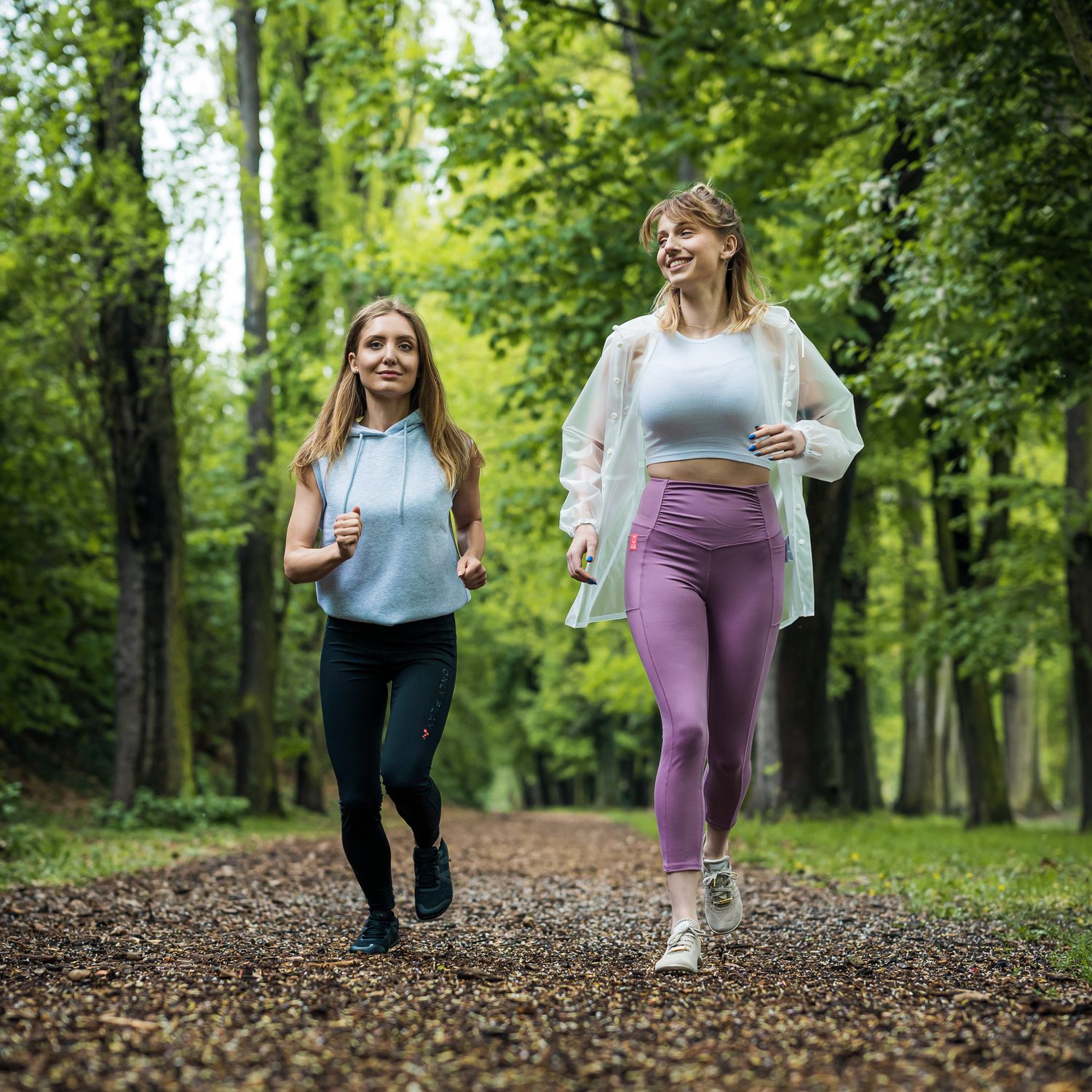
Barefoot shoes are becoming an increasingly popular choice for sporting activities. They offer a range of advantages over conventional sports shoes.
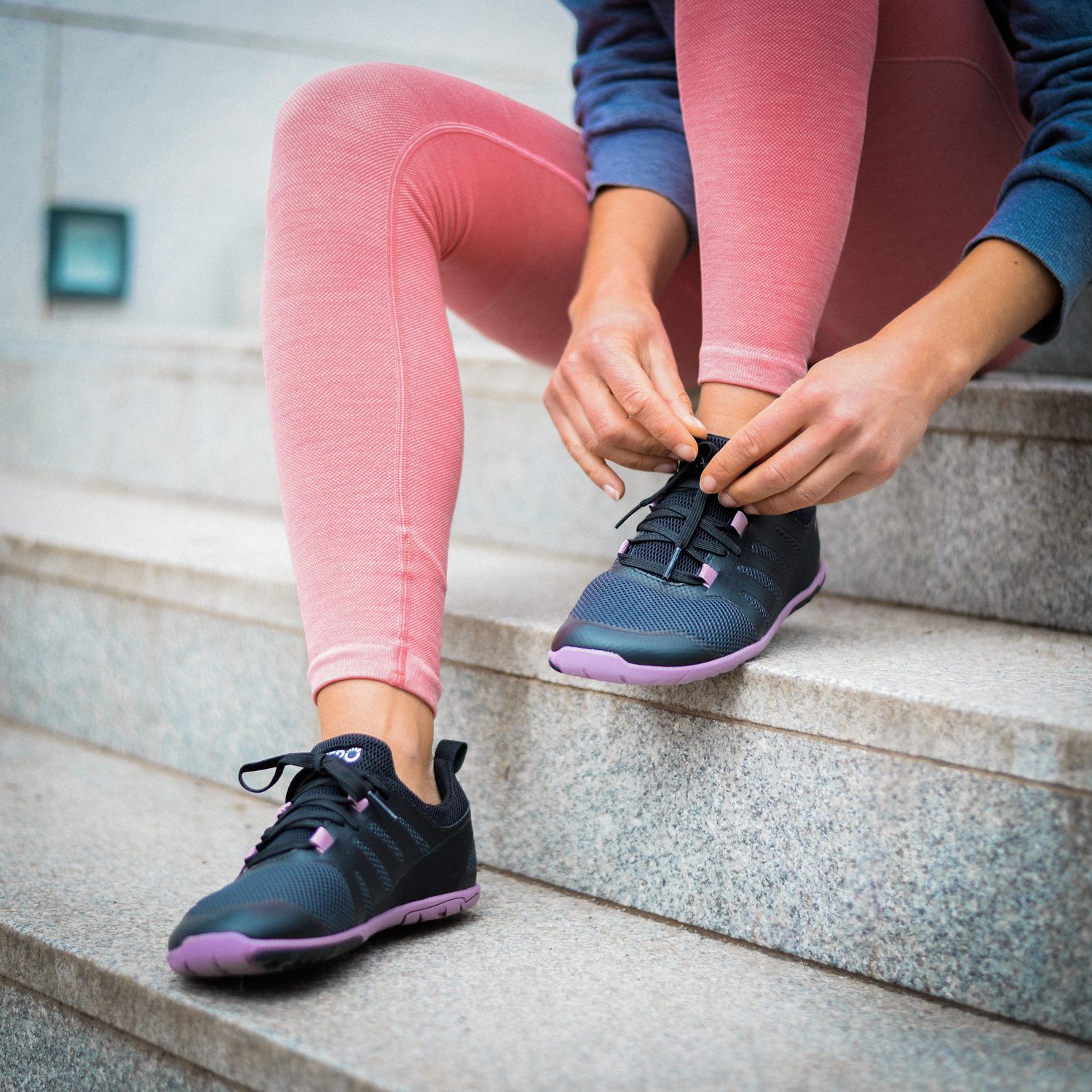
When buying, choose the right barefoot footwear for your sport. There’s a wide selection of barefoot shoes designed for specific activities such as running, hiking or yoga.
Even more importantly, don’t take brand-new barefoot shoes straight out on a hike or a marathon on day one. As we’ve mentioned several times, your feet simply need time to adapt – otherwise there’s a risk of injury.
Although barefoot shoes offer many benefits for foot health and the body as a whole, unfortunately they aren’t suitable for absolutely everyone or in every situation. There are times when it’s better to choose a different type of footwear. These include lower-limb injuries, congenital foot deformities, and certain chronic conditions such as erysipelas, diabetes or neuropathy. In these cases, we recommend discussing the transition to barefoot shoes first with a physiotherapist or podiatrist.

For safety reasons, barefoot shoes are also not suitable for certain jobs, for example in construction or agriculture.
Even though barefoot shoes aren’t suitable for everyone and in every situation, in most cases they’re a healthier and more comfortable alternative to conventional footwear. When choosing barefoot shoes, it’s important to pick a quality model with a durable sole and the right construction. It’s also important to learn how to walk properly.
Walking barefoot is a path towards a more natural, healthier lifestyle. Give your feet the freedom and comfort they deserve.


You are currently on www.premiumbarefoot.co.uk


 £ - EN
 Čeština
 English (US)
 Slovenčina
 Magyar
 български
 Polski
 Dansk
Dansk
 Nederlands
 Svenska
 Suomi
Suomi
 Español
 Français
 Slovenščina
 Română
 Português
 Deutsch (DE)
 Deutsch (AT)
 Deutsch (CH)


