We’ll be happy to help via online chat or at: orders@premiumbarefoot.com

Struggling with hallux valgus? Find out when barefoot shoes may help, why foot freedom matters, and how to transition to barefoot safely.
A bunion (hallux valgus), besides genetic predisposition, is often the result of wearing unsuitable footwear that restricts the natural movement of the toes and deforms the foot.
Barefoot shoes support a healthier alignment of the whole foot, including the toes, provide more freedom, and may therefore help ease pain or prevent the deformity from worsening. That’s why many people with bunions look for solutions in this type of footwear.
But are barefoot shoes really suitable for those who are already dealing with bunions? Find out when, how and why barefoot footwear can help with bunions — and when it may be better to choose shoes with firmer support instead.
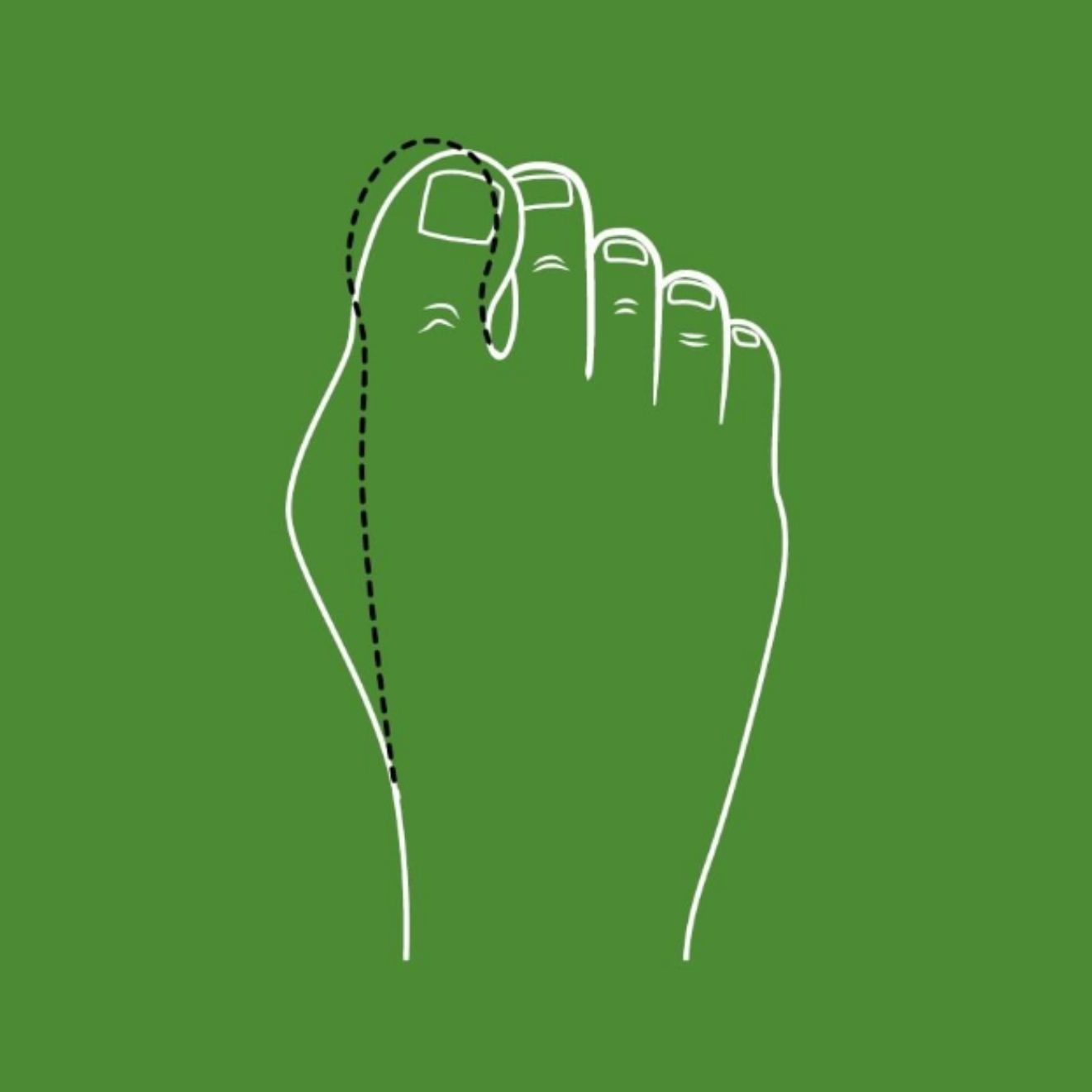
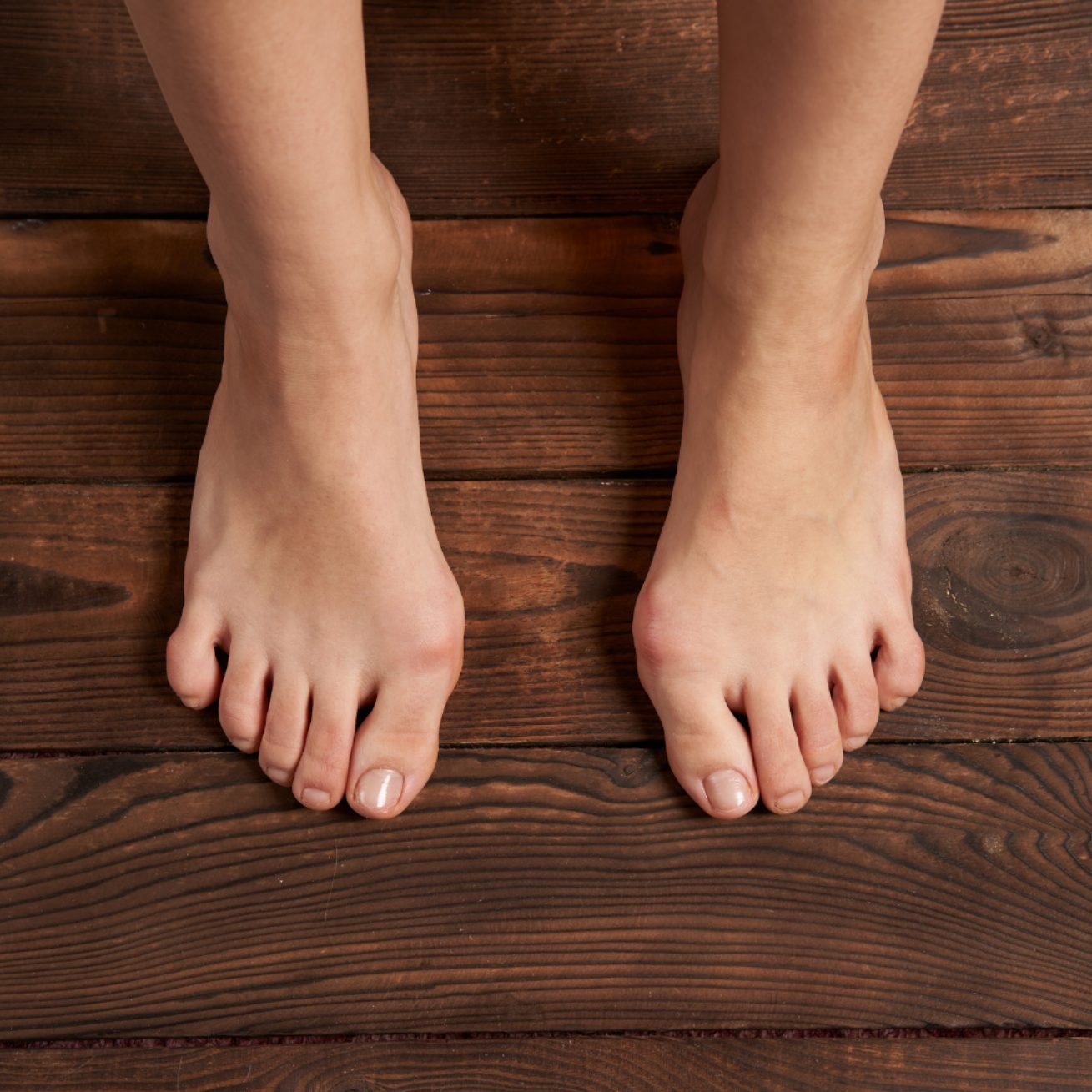
Hallux valgus (a bunion) is a foot deformity where the big toe deviates towards the other toes and the head of the first metatarsal bone protrudes to the side. It’s a complex deformity: the bones not only shift and angle, but also rotate. In more advanced stages it can cause pain, reduced mobility and poorer stability when walking.
A bunion can have various causes, such as hereditary tendencies or poor posture.
External factors include, alongside long periods of standing and incorrect movement patterns, above all wearing unsuitable footwear — both in childhood and adulthood.
Barefoot footwear can, first and foremost, provide effective relief for people with bunions by offering more room for the toes and reducing pressure on the big toe joints.
With regular wear, barefoot shoes also encourage natural foot movement, which may help prevent the deformity from worsening and support the desired strengthening of the foot muscles.
On the other hand: a sole that’s too thin or extremely flexible may not provide enough support for everyone. This can lead to overload and a worsening of the deformity.
The key is to listen to your body and consult a specialist about your footwear choice (a physiotherapist, orthopaedic specialist or podiatrist), who can recommend not only suitable shoes but also other aids and treatment approaches.
If you’re dealing with hallux valgus, barefoot shoes can be part of the solution. They offer many benefits that may ease the uncomfortable symptoms associated with bunions and support the overall health of your feet.
Conventional shoes often squeeze the toes and deform the foot, which can make hallux valgus worse. Barefoot footwear, by contrast, respects the natural shape of the foot thanks to a wide toe box that gives your toes plenty of space and doesn’t restrict the position of the big toe.
This eliminates unnecessary pressure on the joints, helps prevent the deformity from worsening, and supports proper foot function. Better blood circulation and a freer toe position may also contribute to reduced pain and improved recovery.
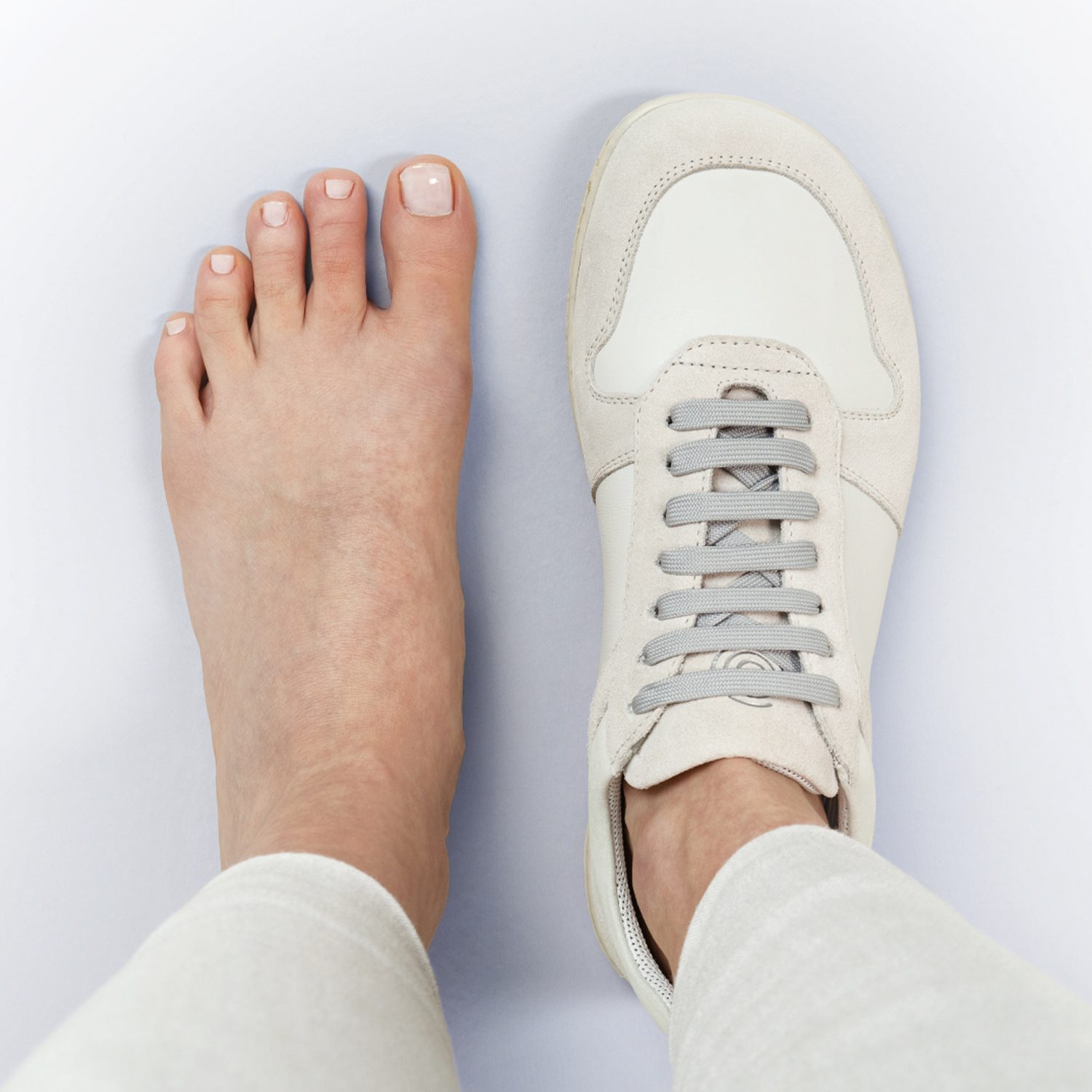
In everyday shoes, the toes are often inactive and weakened, which reduces foot stability. Barefoot shoes encourage their natural movement and strengthen the foot, which reduces strain on the big toe and improves balance when walking.
Thanks to the thin sole of barefoot shoes, your foot is in closer contact with the ground, improving proprioception — your ability to sense the surface under your feet. This leads to more efficient movement, a lower risk of missteps, and overall better control of body stability.
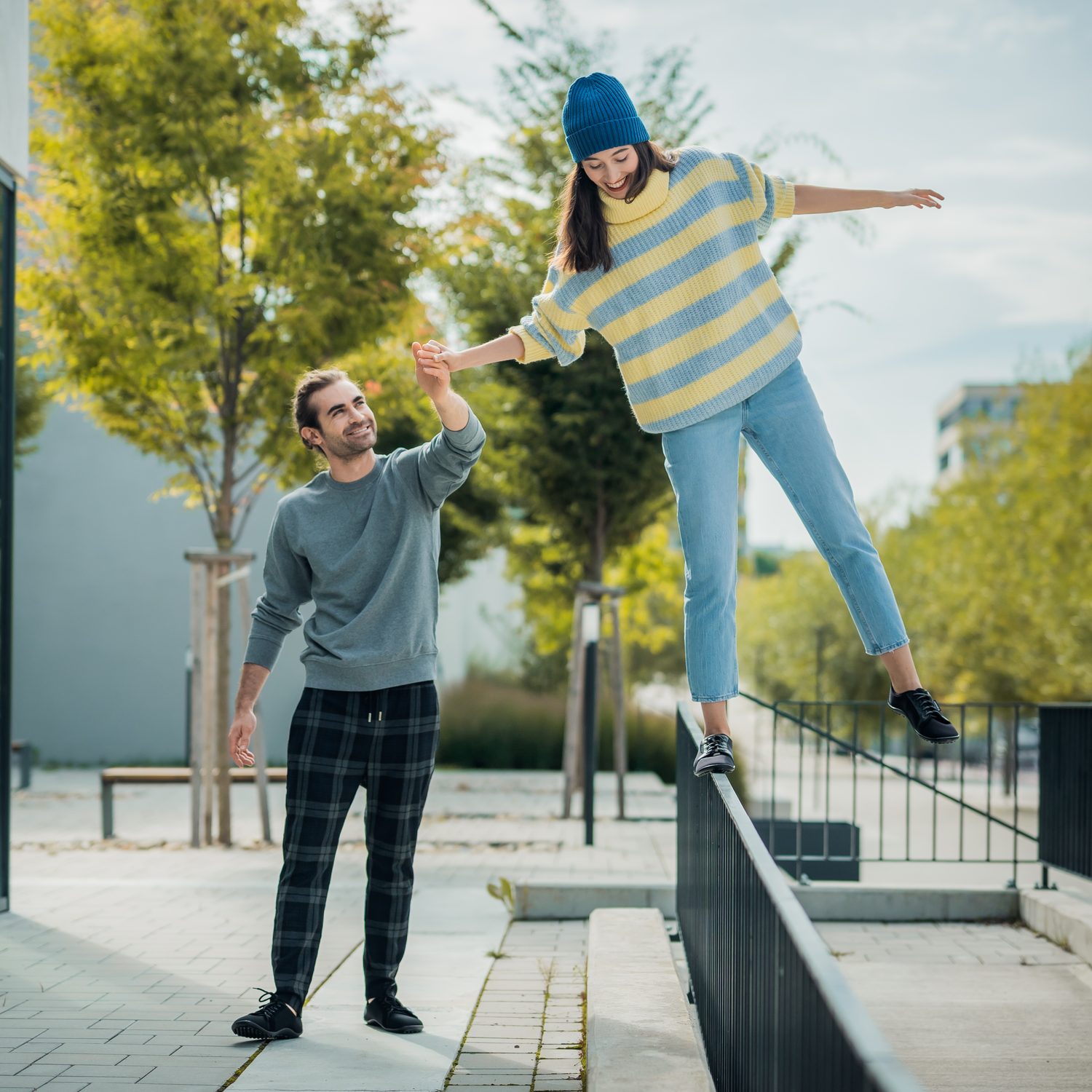
Weak foot muscles contribute to further deformities. Barefoot shoes support the natural activity of the foot muscles. Strong feet often mean less pain and healthier feet.
When your feet engage more during walking, joint overload is reduced and overall movement biomechanics improve.
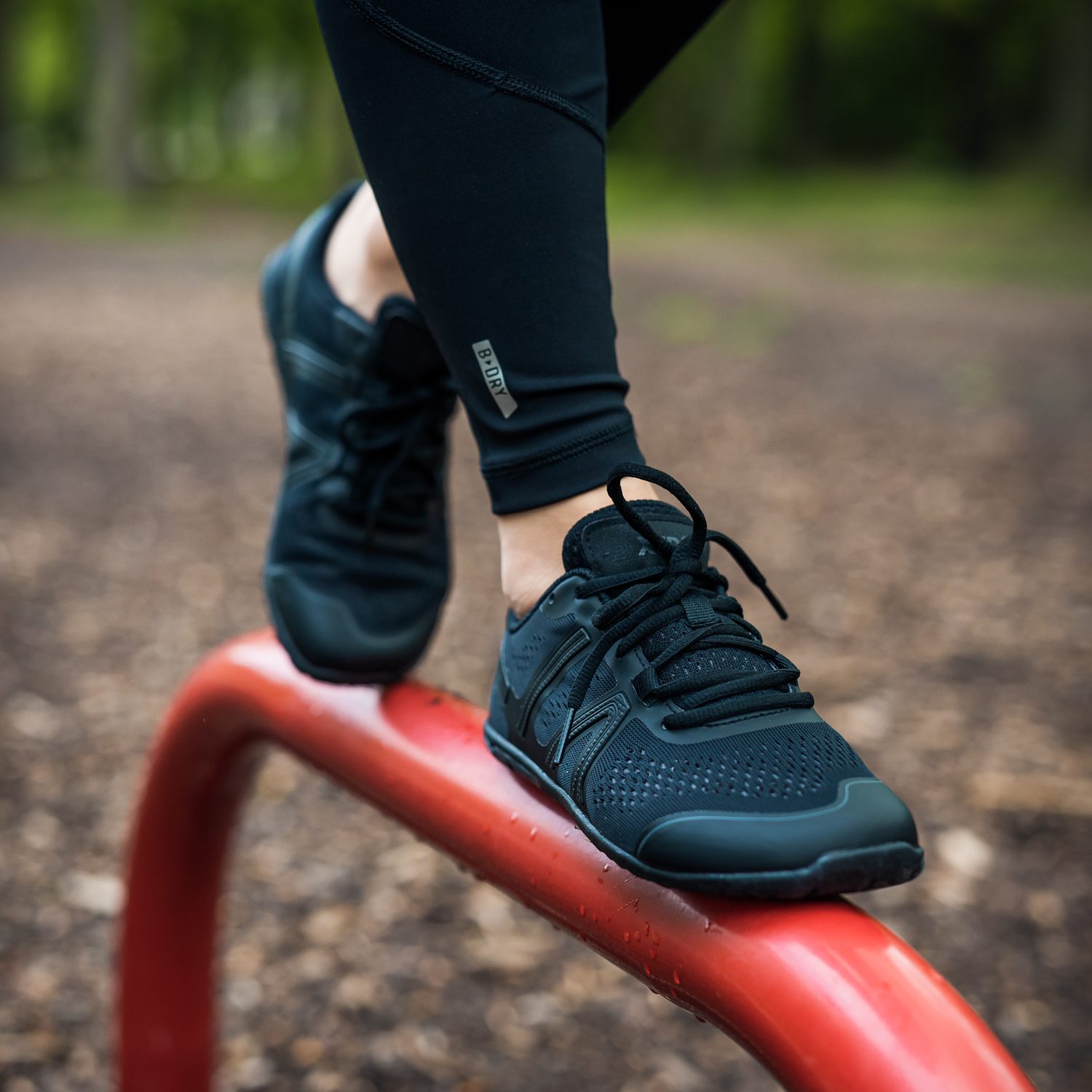
Heavily cushioned shoes change the way you walk and can load the knees and hips in an unfavourable way. Barefoot footwear eliminates this issue.
Walking returns to a more natural pattern, joints are under less strain, and your weight is naturally distributed across the whole foot.
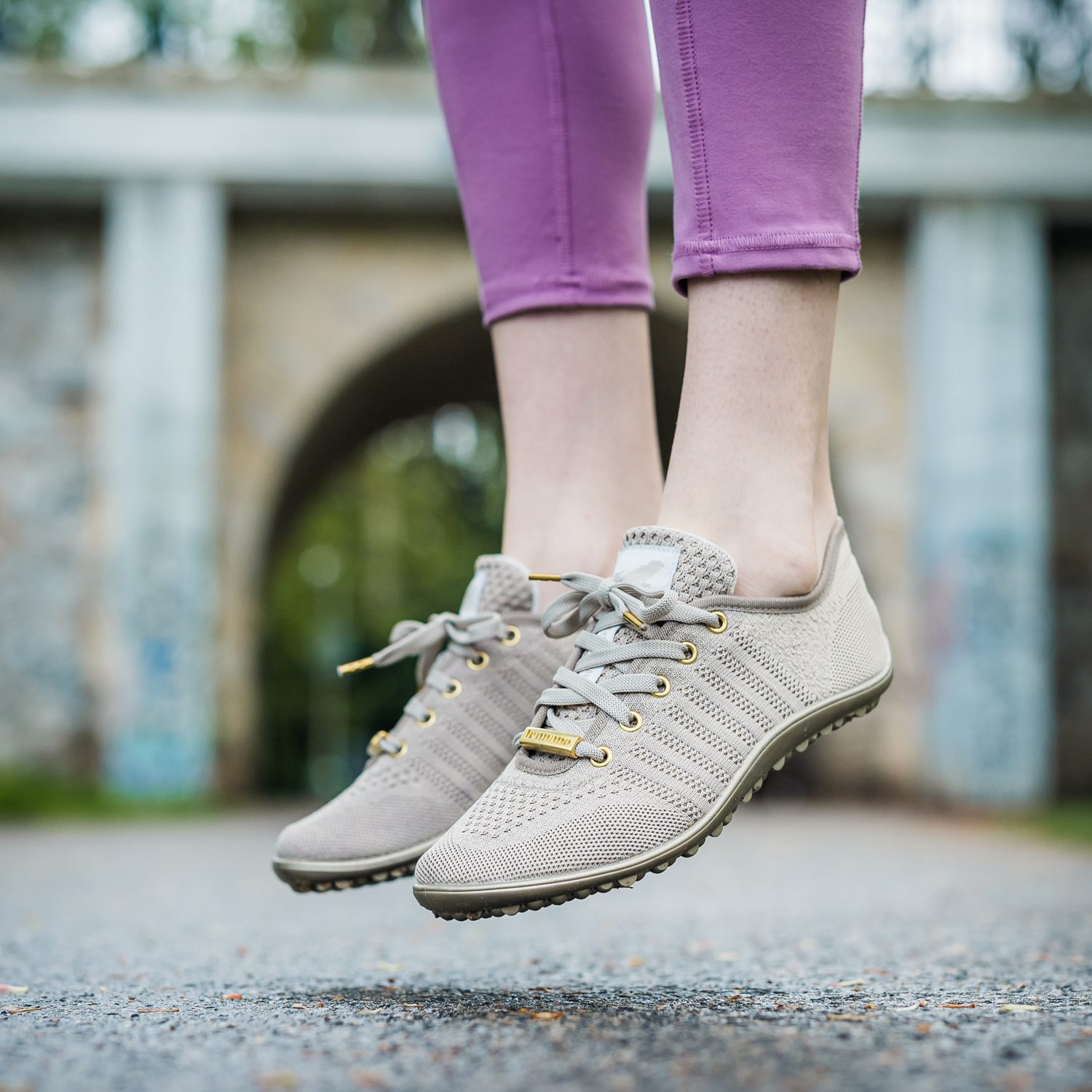
Alongside bunions, poor footwear can cause other issues too — hammer toes, collapsed arches or back pain. Barefoot shoes can help prevent these problems.
They help maintain a healthy arch, improve posture, and reduce the risk of pressure points and blisters.
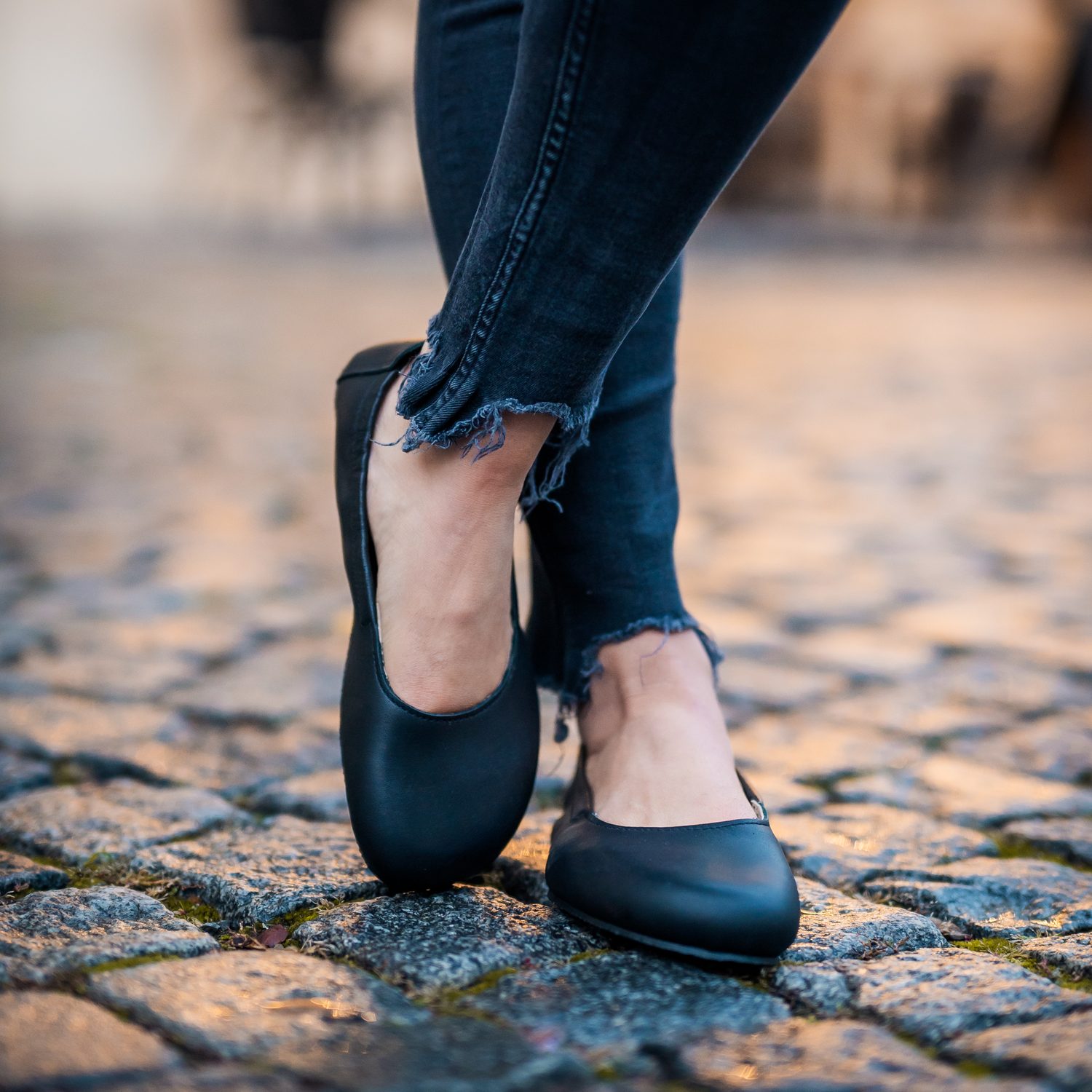
Consult a specialist and do targeted exercises
Strengthening the foot muscles and improving toe alignment helps reduce the risk of overload and worsening hallux valgus. That’s why, before you start wearing barefoot shoes, it’s recommended to consult a physiotherapist — or an orthopaedic specialist or podiatrist — who will assess the condition of your feet and recommend suitable exercises.
Choose the right barefoot footwear
When choosing barefoot shoes, it’s important they have an anatomically shaped wide toe box that allows free toe movement and prevents further compression of the big toe. If you experience pain or have unstable feet, choose models with a firmer sole and mild support to provide stability when walking.
Transition gradually and use proper walking technique
Your transition to barefoot footwear should be gradual so your feet can adapt to a new way of walking. Start with short intervals and slowly increase your wearing time. Pay attention to proper walking technique — good posture, a shorter stride, landing on the whole heel pad, and pushing off through the toes.
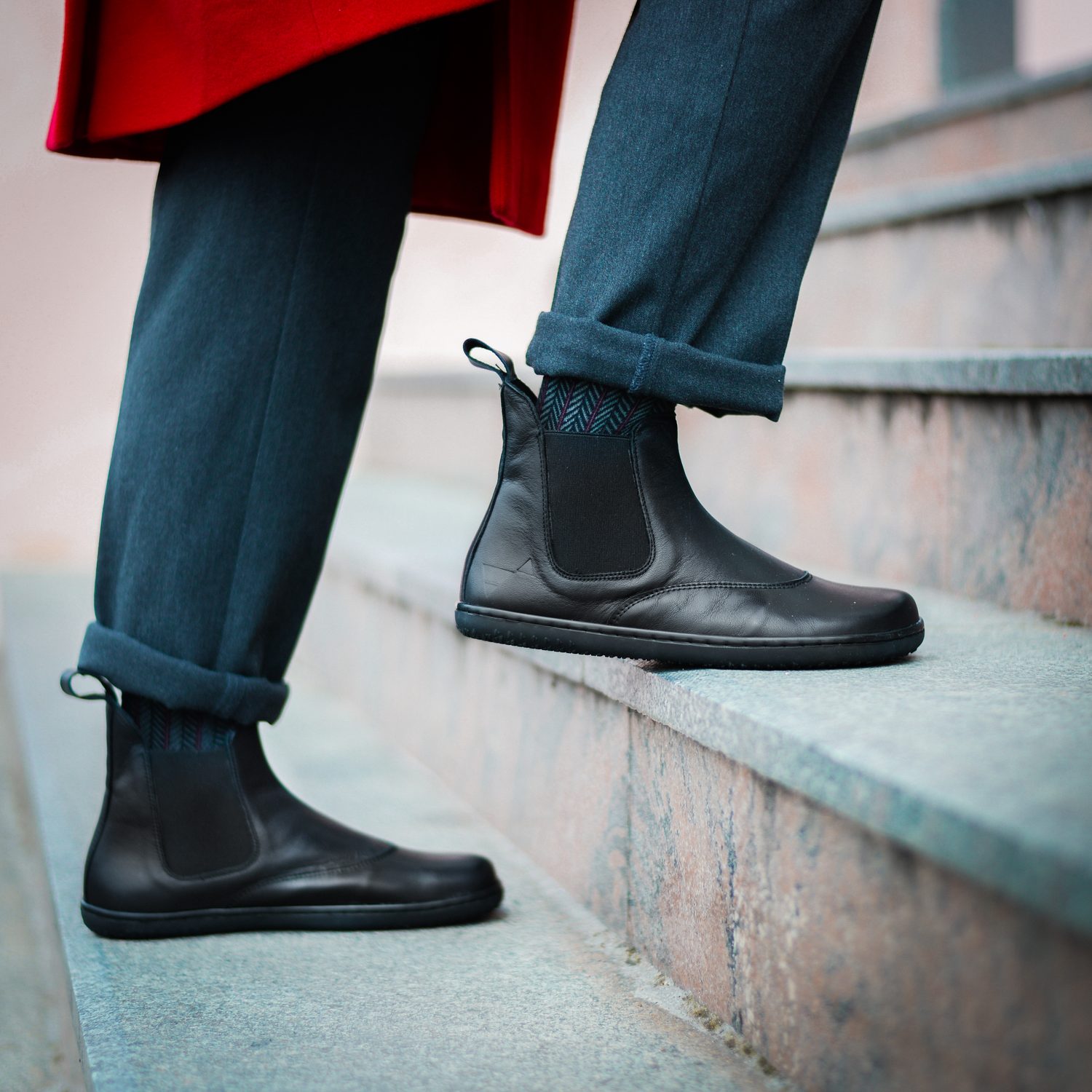
Although barefoot footwear can bring many benefits, it isn’t a universal solution for everyone.
If you have hallux valgus or other specific foot issues, it’s important to seek advice from a specialist, who can help you choose footwear suited to your individual needs and the condition of your feet.
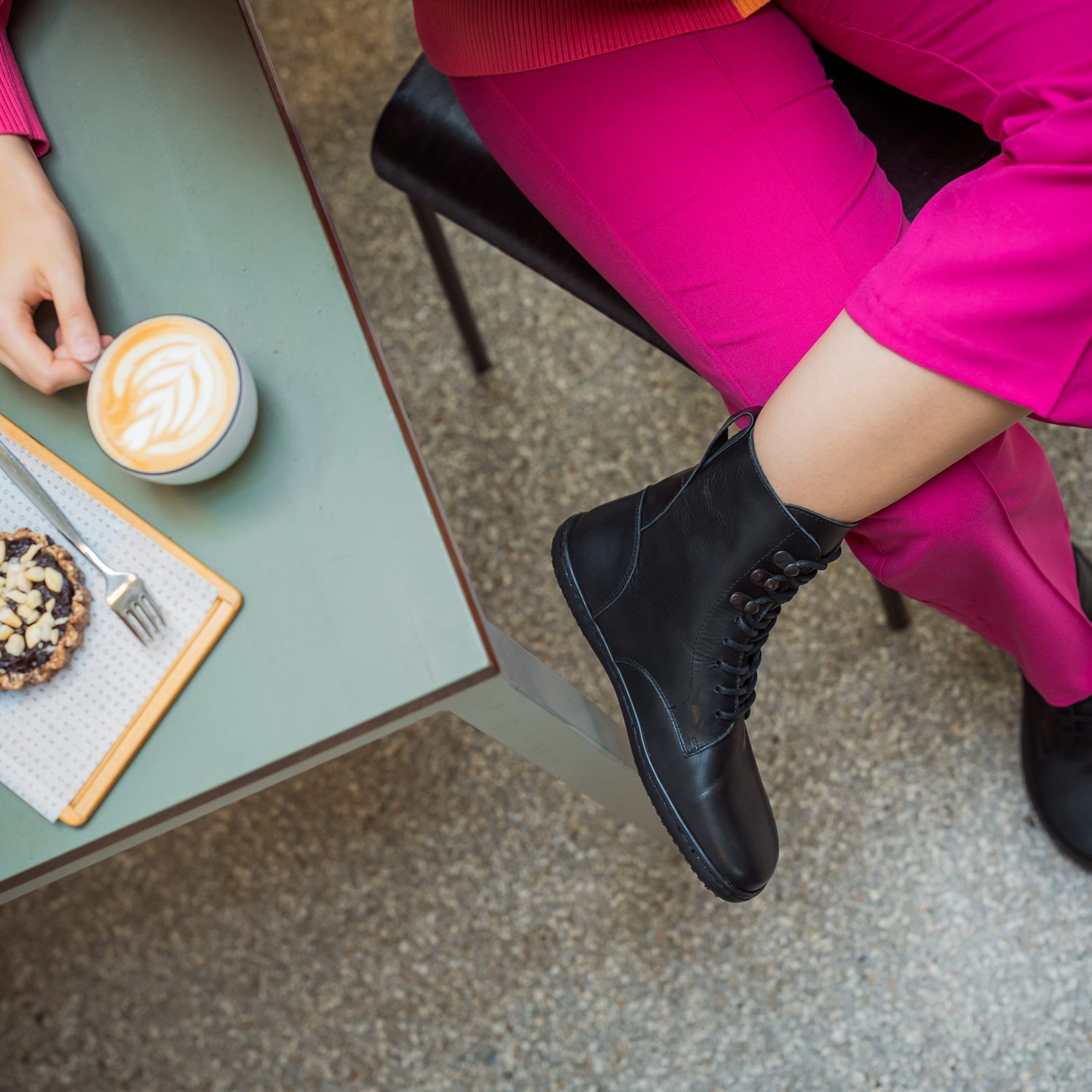
Walking in barefoot shoes combined with targeted exercises can be an effective way to ease bunion symptoms and support natural foot movement in the long term.
However, it’s important to approach the transition to barefoot footwear gradually and tailor it to your individual needs — especially if you already have bunions.
This article was created in collaboration with Bc. Edita Prošková — a podologist who works with acquired and congenital foot conditions in both children and adults. Through exercises and podiatric aids, she helps restore impaired foot function, which affects the condition of the entire musculoskeletal system.
This article was created in collaboration with Bc. Edita Prošková — a podologist who works with acquired and congenital foot conditions in both children and adults. Through exercises and podiatric aids, she helps restore impaired foot function, which affects the condition of the entire musculoskeletal system.


You are currently on www.premiumbarefoot.co.uk


 £ - EN
 Čeština
 English (US)
 Slovenčina
 Magyar
 български
 Polski
 Dansk
Dansk
 Nederlands
 Svenska
 Suomi
Suomi
 Español
 Français
 Slovenščina
 Română
 Português
 Deutsch (DE)
 Deutsch (AT)
 Deutsch (CH)

