We’ll be happy to help via online chat or at: orders@premiumbarefoot.com

We asked Xero Shoes founder Steven Sashen about the brand’s history and where it is today. You’ll love the story of a brand that was, in a way, created by accident.
Xero Shoes exists thanks to a stroke of luck. Steven Sashen, an enthusiastic runner and Masters All-American sprint title holder, suffered frequent injuries. The book Born to Run led him to barefoot running with a group of barefoot enthusiasts. To protect his feet off-road, he made himself Huarache barefoot sandals in 2009 – and they later changed the future not only for him, but for millions of natural-movement fans around the world. Have you ever bought shoes from a maker who hopes they’ll last you almost forever?

‘Xero Shoes has been connected with naBOSo right from the very beginning – since 2015. We were looking for barefoot performance sandals and found Xero. Over time they started adding performance models and now casual ones too; I believe that in a few years they’ll be a leader in the barefoot category,’ says Andy Součková, who also interviewed Steven. Xero is a best-seller mainly thanks to the technology, the fit, and how well you can adjust them. ‘In the performance category, they have no competition. I’ve tried all the barefoot running shoes – and Xero are top. I’m sure it’s because Steven makes them as if he were making them for himself,’ she adds.
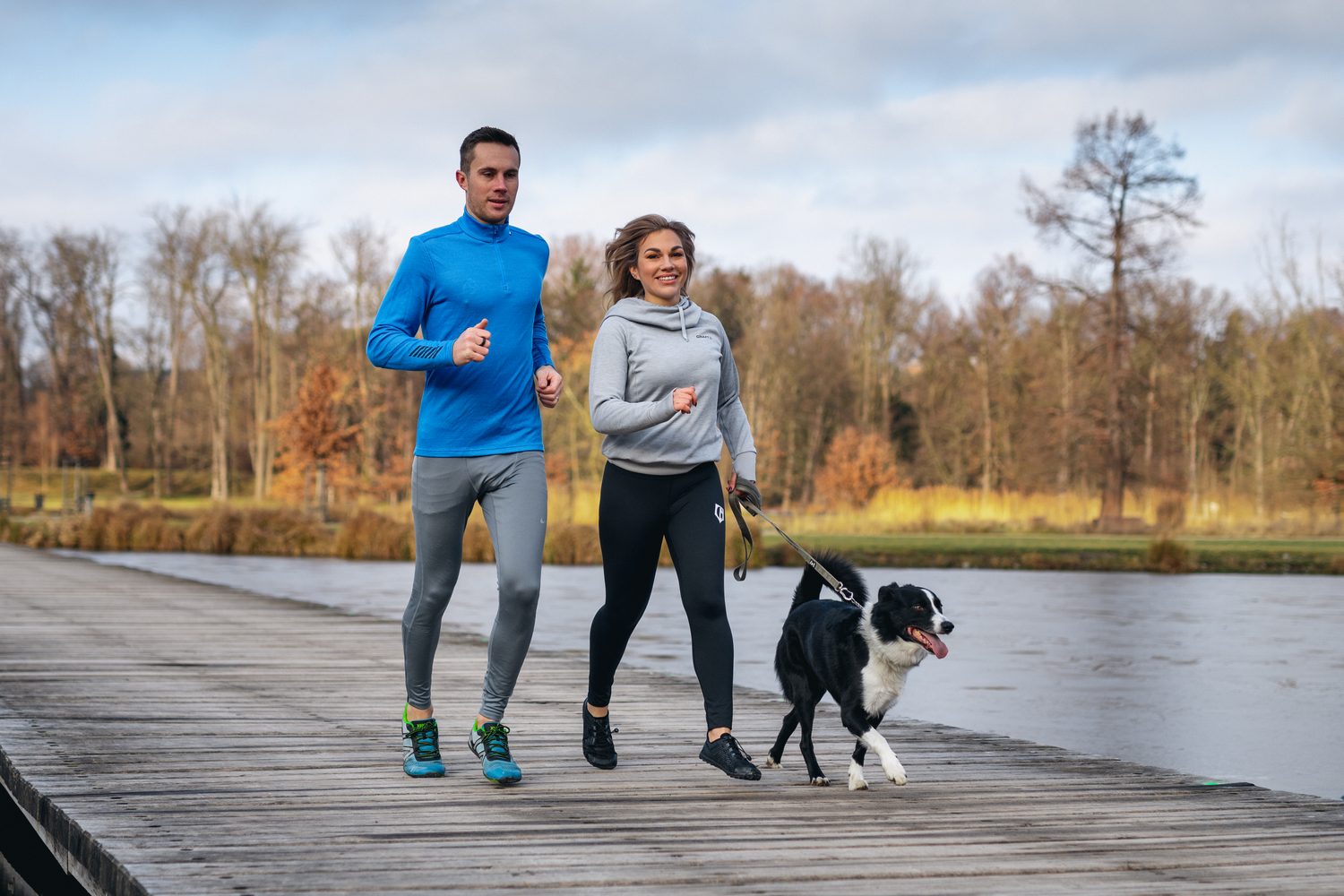
In 2007, when I was 45, I returned to sprinting after a 30-year break. For the next two years, I suffered frequent injuries. A world champion runner suggested I try running barefoot and gave me a copy of Born to Run. I read it in one sitting, joined a group of barefoot runners, and for the first time ran without cushioned shoes with a raised heel or arch support.
I discovered I had poor technique. Modern running shoes had been hiding the problem. Barefoot, on the other hand, I could fix it easily because ‘bad’ running hurt – but when I ran properly, I felt great.
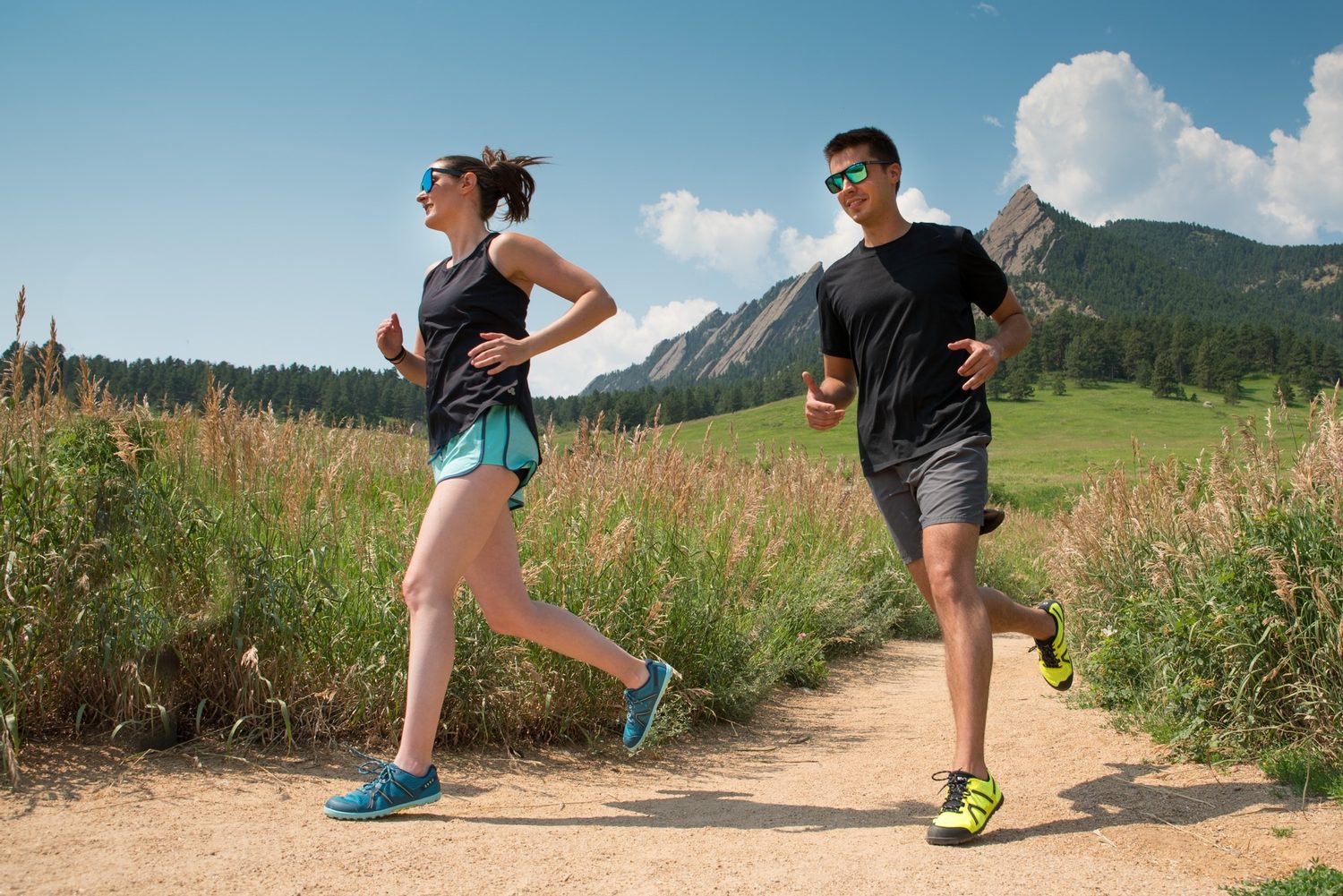
I got rid of my injuries, got faster, and earned the Masters All-American sprint title. I’m among the fastest Americans in my age group. I wanted to feel the experience of walking barefoot with every step… At the same time, I wanted a bit of protection for my feet, and I definitely didn’t want to argue with restaurant owners about whether it was legal to eat there barefoot.
I started making minimalist sandals, which a few months after founding Xero Shoes we began selling as a DIY sandal-making kit.
I still wear minimalist footwear today – or I go barefoot even more often, because it feels fantastic. Once you discover natural movement without arch support, a raised heel, foam cushioning that stops you feeling and responding to the ground, without a stiff sole and a toe box that squashes your toes, you can’t just go back to conventional shoes. You feel bad in them because they are bad.

In 2009 I couldn’t open my own shop, because the only minimalist shoes on the market were FiveFingers – and they didn’t fit me. I actually founded Xero Shoes by accident.
I knew about the Tarahumara people and the Huarache sandals they ran in. When I wanted to make my own sandals inspired by theirs, I had enough material left over for another three or four pairs. I gave one pair to my wife and another to local barefoot runners. Then more people asked me for pairs, so I bought more materials and we held meet-ups where we made the shoes.
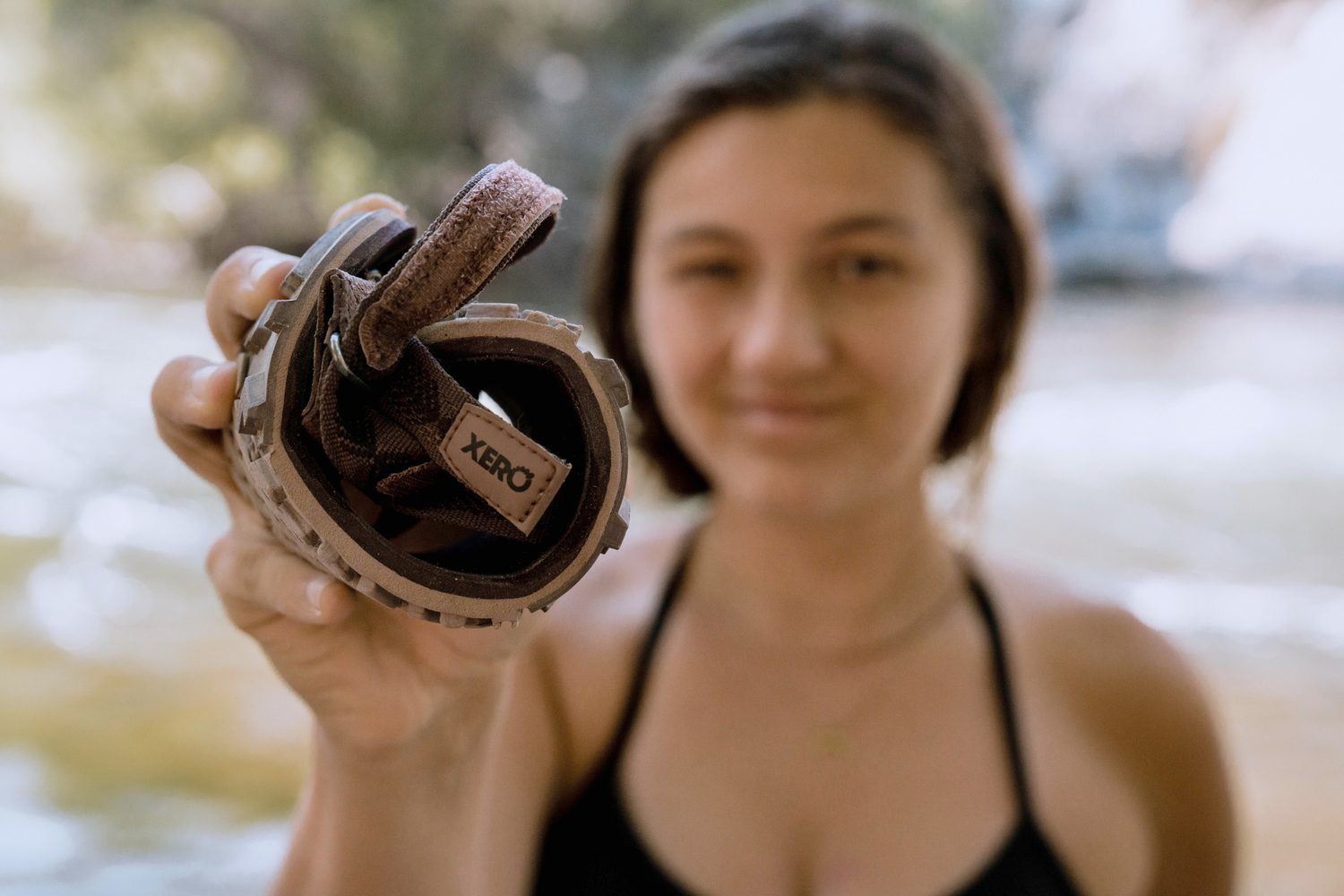
A few months later, Michael Sandler, a running coach specialising in barefoot running, told me: ‘I’ve got a book deal for Barefoot Running. If you turned your hobby into a business and had a website, I could include you in the book.’ I’d built hundreds of websites myself, so it felt like a great opportunity.
I rushed home and told my wife. She thought it was a terrible idea and a waste of time. She tried to talk me out of it – and I agreed with her. When she went to bed, I built the website.

At first, she just didn’t get it. She liked hiking, but running wasn’t her thing. Even though she enjoyed Born to Run, barefoot shoes didn’t interest her – nor did walking barefoot. But she decided to try the sandals I made for her, and on her very first walk she was surprised to feel how hard she was striking her heels with every step.
She realised that wasn’t right, and over the next two weeks she changed the way she walked. She started walking more lightly – quieter and softer. One day she put on ‘healthy sandals’ from another brand, and after just a few steps she noticed it wasn’t the same. She missed the connection to the ground and the freedom of movement. She threw those sandals away and went back to her homemade Huarache sandals.
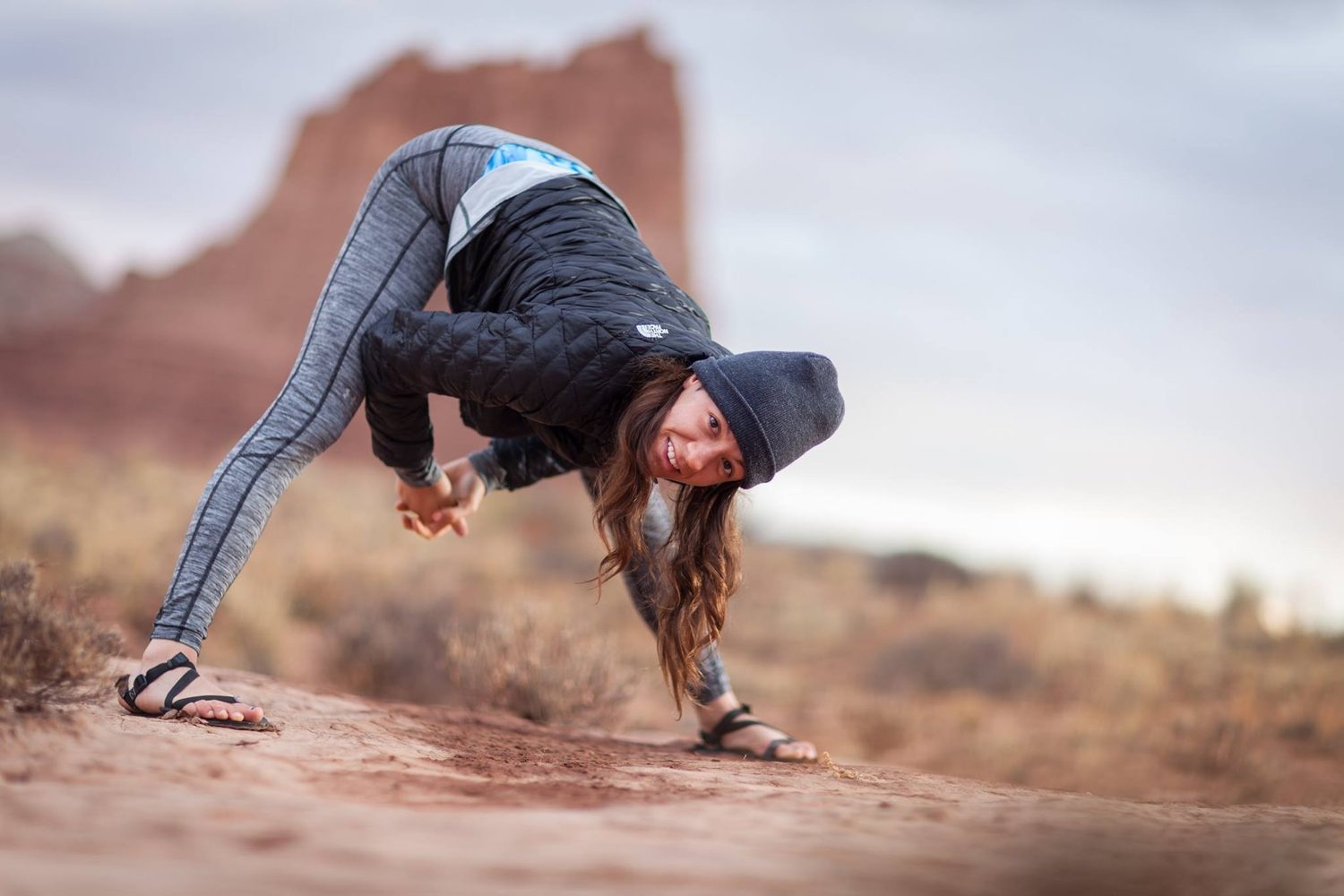
Our first product was a DIY sandal-making kit. A quick aside: in Spanish, huarache means sandal. In most Spanish-speaking countries, the word is used for woven leather sandals, not the Tarahumara footwear. But the Westerners who first encountered the Tarahumara didn’t know that. So in the barefoot running community, Huarache became known as ‘running sandals’.
If we look at the history of footwear, similar shoes appeared in different cultures as far back as 10,000 years ago. It’s not that surprising: a simple design – something that protects the foot and is attached to the foot in some way. Simple.
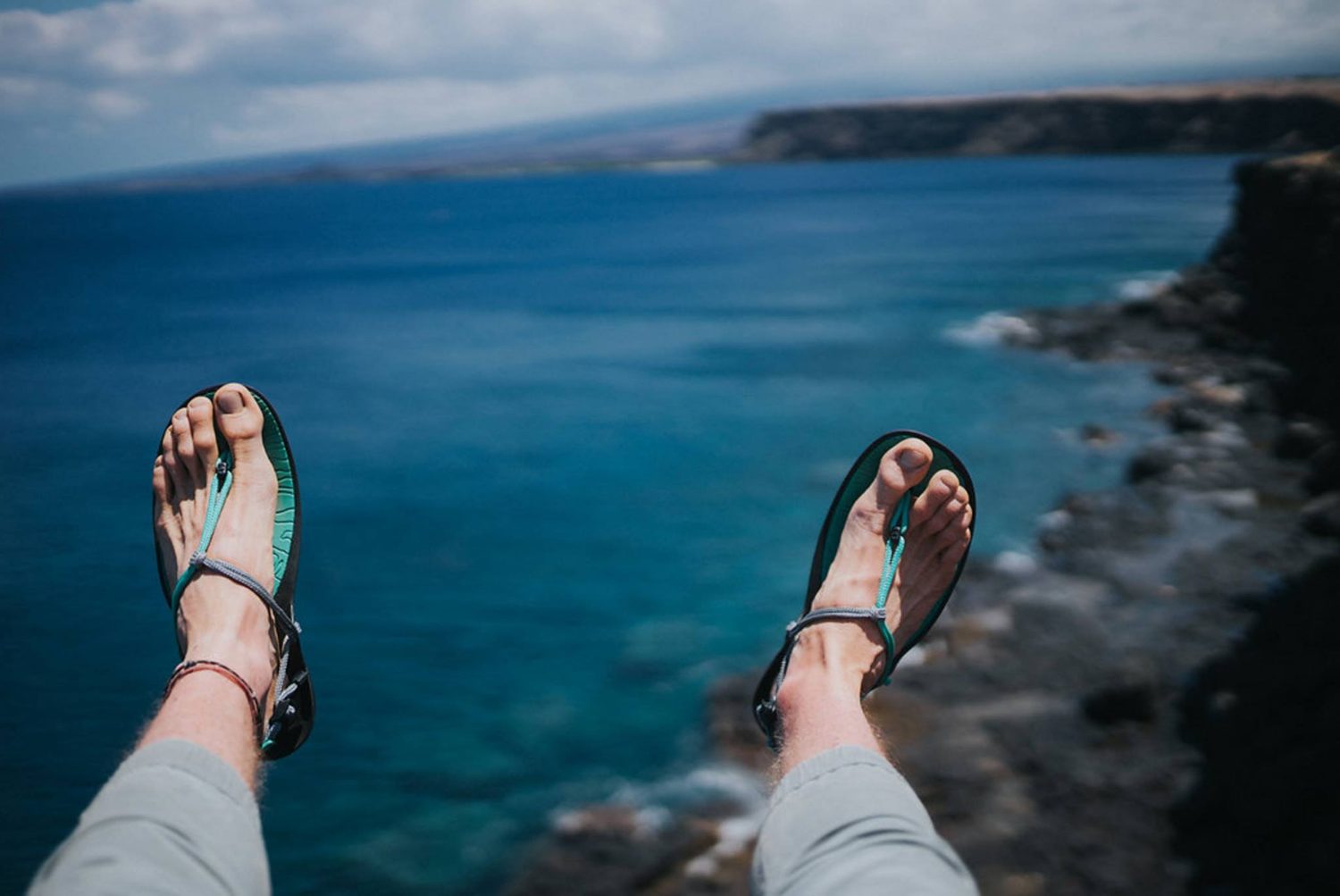
But back to the connection.
When we showed people our DIY kits, most of them loved them and enjoyed what I call the ‘superpower of being able to make your own footwear’. But some people said: ‘The concept is great, but I don’t want to make the shoes myself.’
So for years I worked on a ready-made version of the same sandal. Luckily, around that time footwear designer Dennis Driscoll joined us – he’d spent nearly 40 years making shoes. Together we made the first ‘ready-made’ Huarache-style sandals, similar to our current model GENESIS.
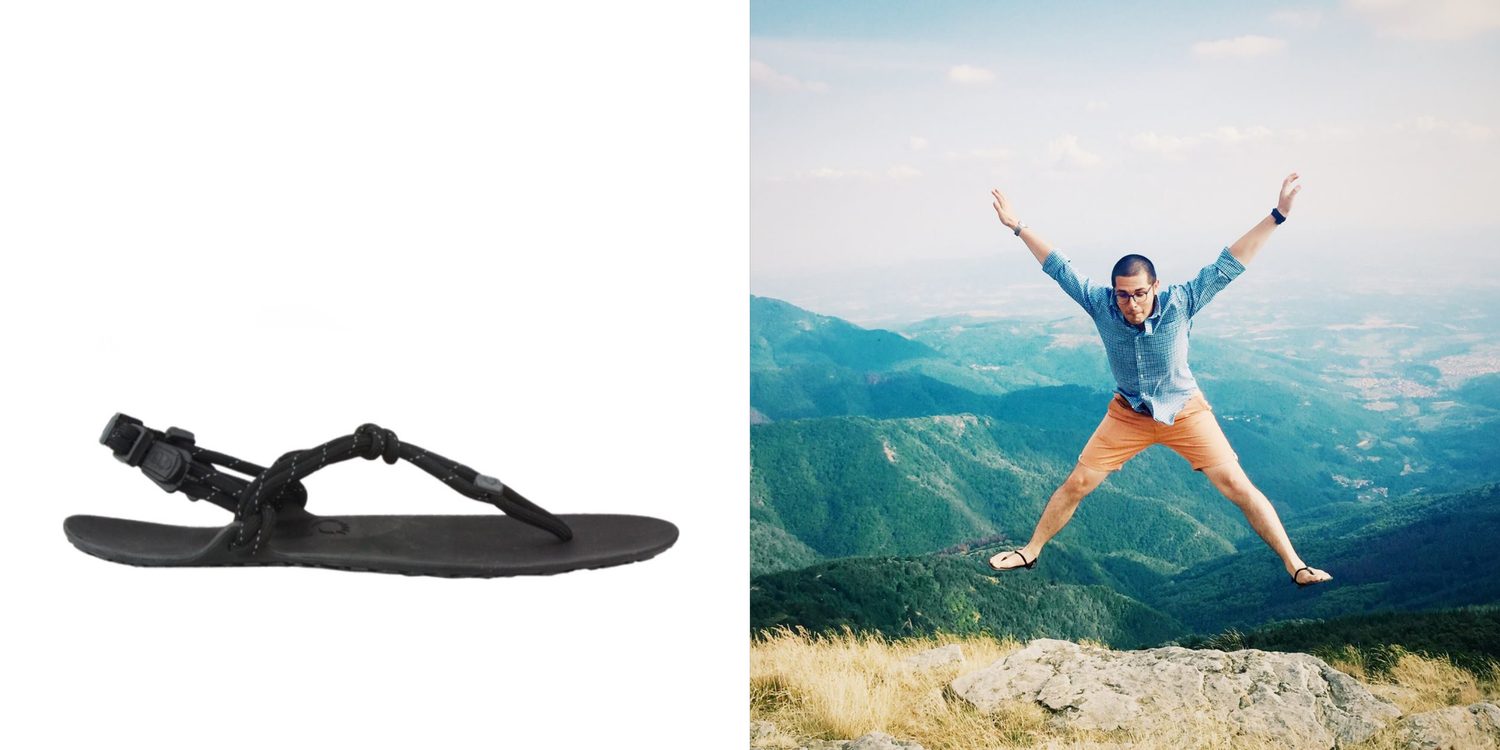
Then other customers got in touch saying they needed more protection off-road. So we came up with the Cloud sandals, which include a thin layer of BareFoam™ for exactly those situations.
| You can read this and other interesting interviews & tips in the digital edition of BAREFOOT magazine. The printed edition will be waiting for you in our shops – or in your next order. |
We believe in authentic sustainability. We don’t do anything that – at least in our view – doesn’t genuinely add value. We won’t do any greenwashing. We won’t pretend, for marketing reasons, that we care about the environment if we don’t. In other words, most of what people consider ‘sustainable’ simply isn’t. Harvard Business, for example, wrote about it in The Myth of Sustainable Fashion.
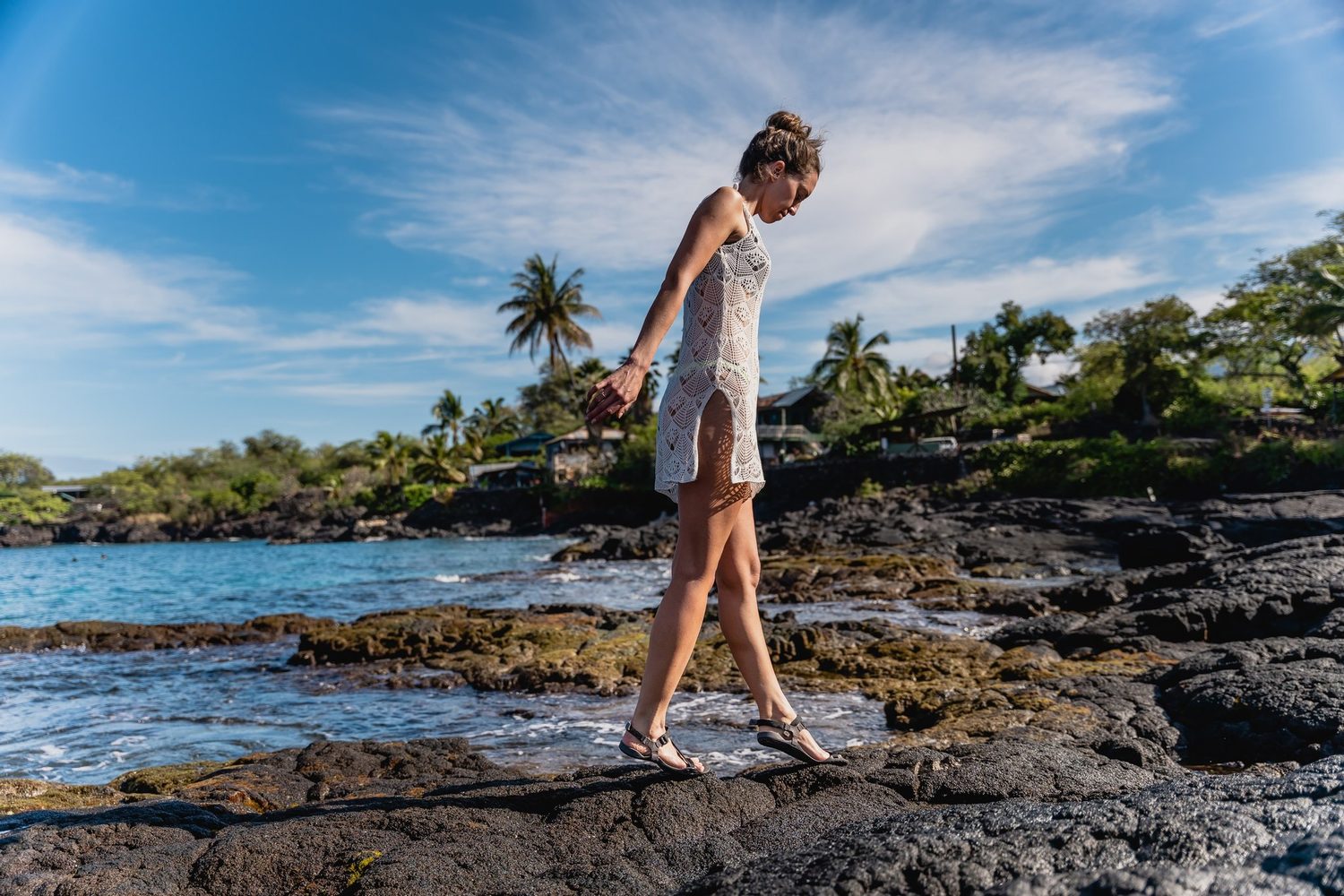

All minimalist footwear is challenging for different reasons, because you can’t hide mistakes anywhere. For example, when we were developing our FeelTrue® rubber outsoles, the first batch didn’t have consistent weight and the surface was blotchy. The reason was that outsole manufacturers never had to worry about things like that, because outsoles are usually glued to a midsole anyway.
It’s also difficult to attach straps securely and comfortably to a sandal that doesn’t have a thick sole or multiple layers of material you can sandwich them between.
With shoes, the hardest part is the fit. I like to say I could take three people with the same feet, put them in the same shoes – and I’d get three different opinions on whether they fit or not. It comes down to preference.
Feet also come in different sizes, shapes and widths. We want our shoes to fit a higher percentage of people than is typical for big footwear brands, but it’s not possible to make a shoe that’s perfect for everyone.
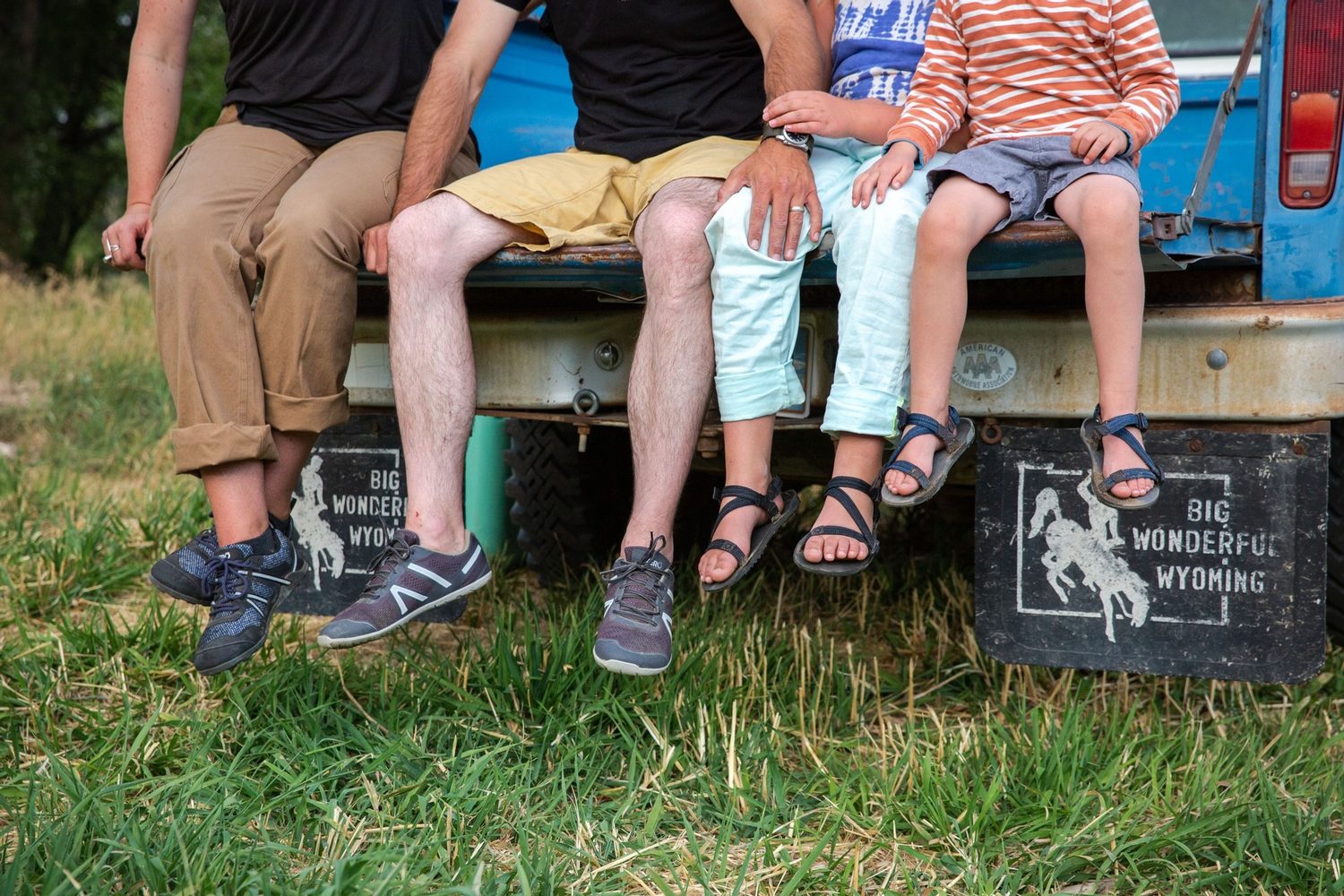
Developing our DIY kit didn’t actually take any time. Back when making shoes was just a hobby for me, I found a source for Vibram soles and the local hardware shop had great cord. We still sell the kit today – including an upgraded version with our FeelTrue® soles.
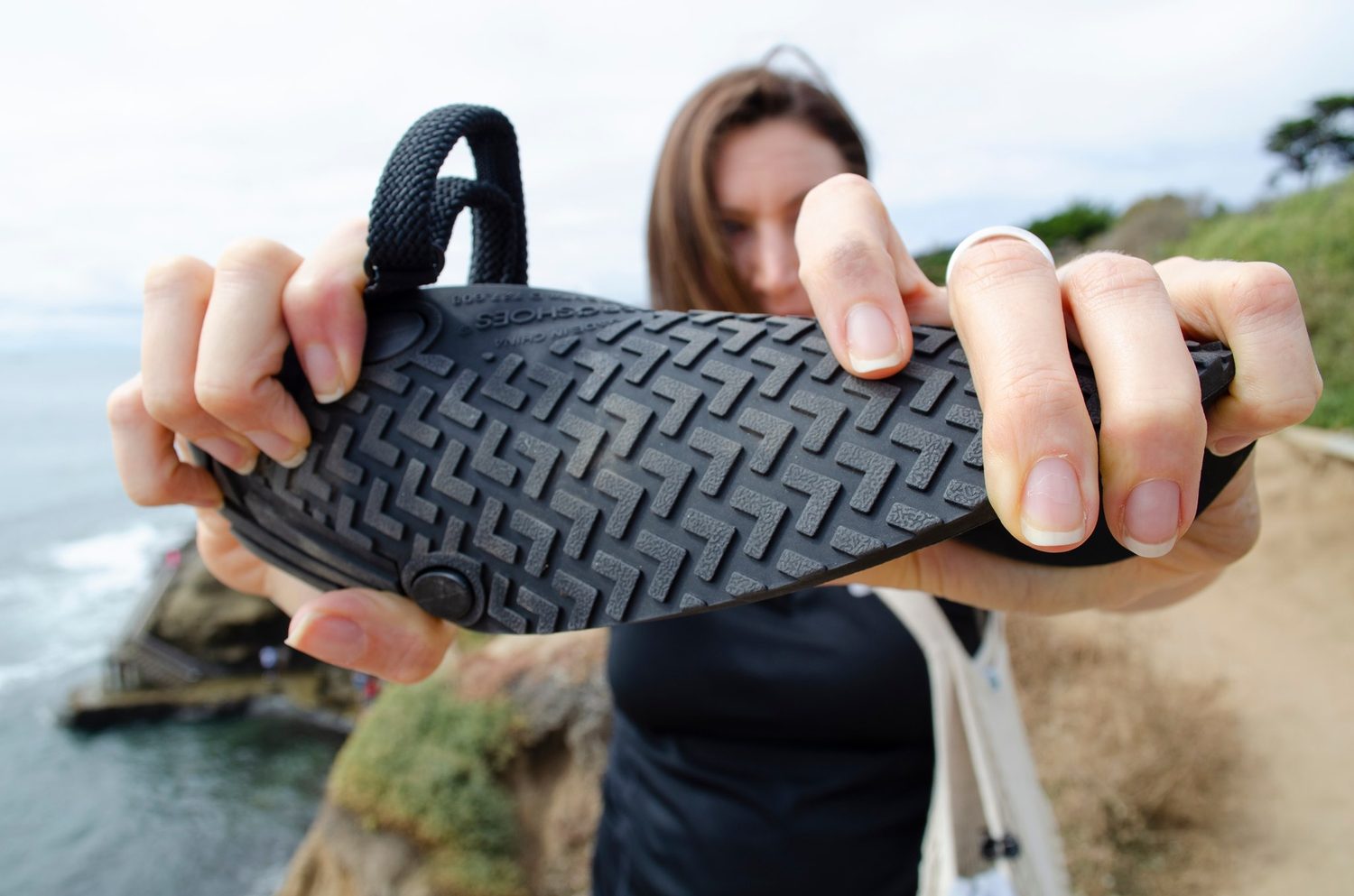
Our first ‘ready-made’ sandals took more than a year to develop. We called them VENTURE. Since then, we’ve improved their design and lacing system, which we patented, and today they’re called GENESIS.
I describe myself as a sprinter, not a runner. In outdoor competitions I race the 100 metres; indoors it’s 50 and 60 metres. As I said, I’m among the top Masters All-American athletes. Sprinting – and sprint training – is very important to me.
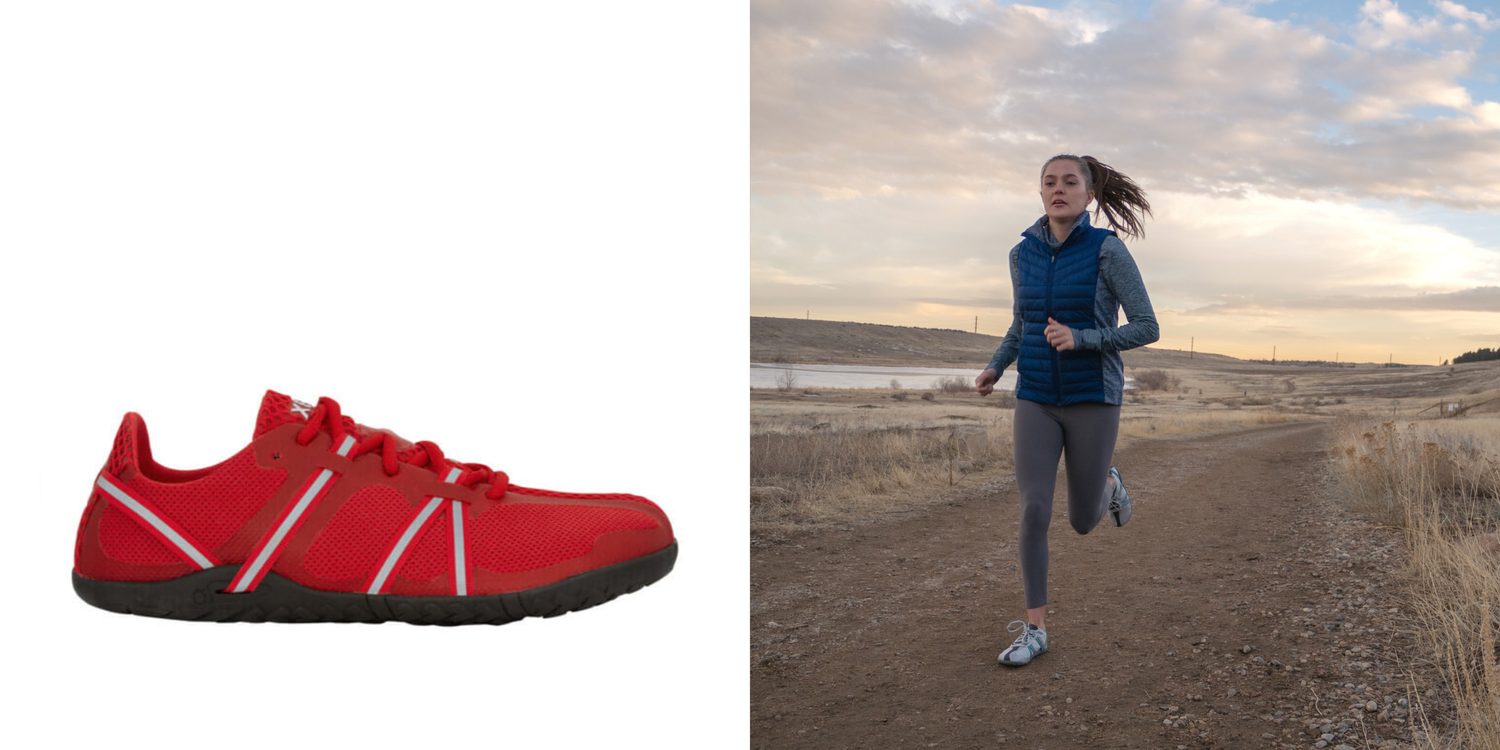
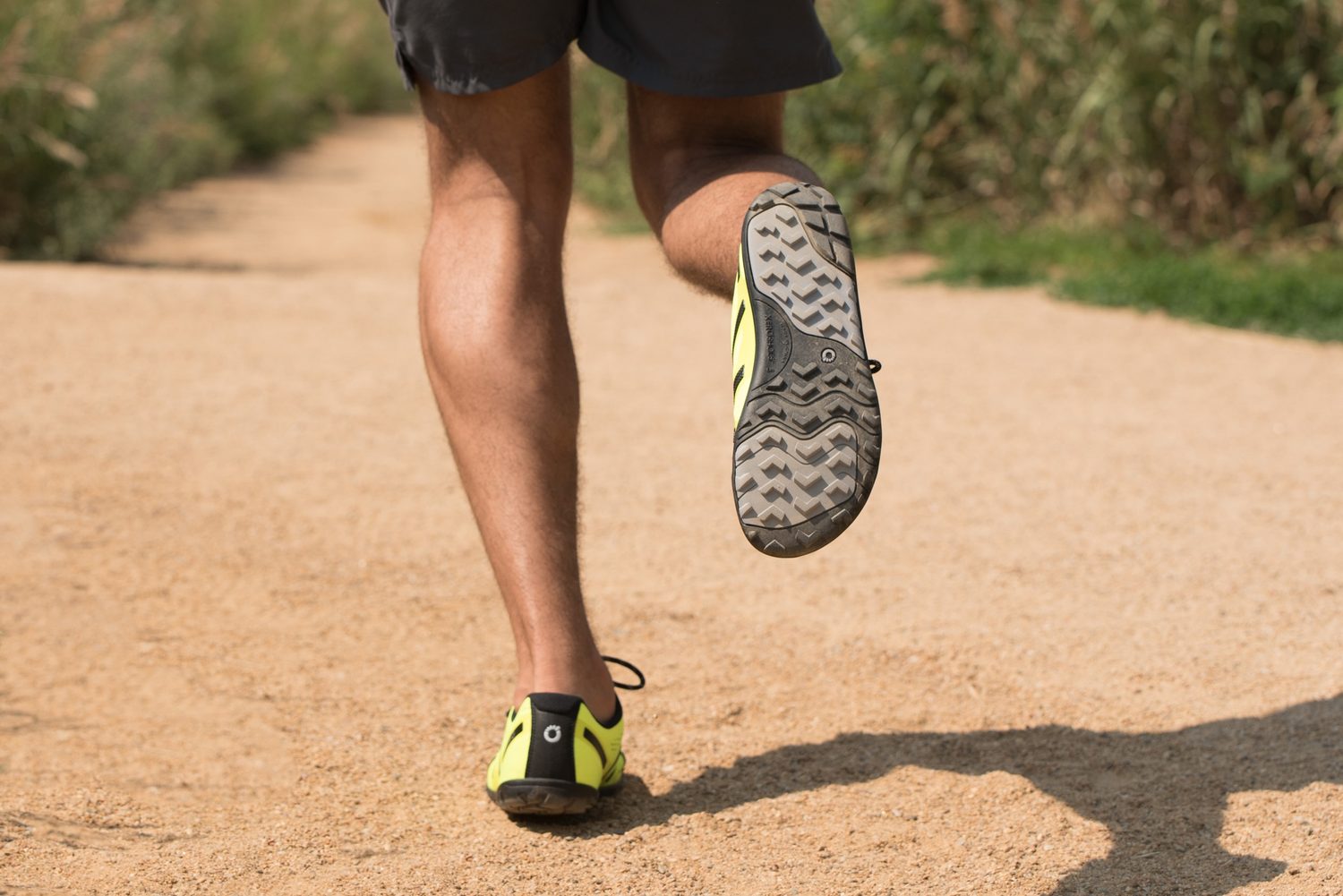
I usually warm up barefoot. For training and races I wear SPEED FORCE.
Explore your movement habits and try to change them. For example, I noticed that when I pull on my trousers, I always start with my left leg. Now I do it the other way round – whenever I can, I start with my right leg. It might sound silly, but it trains your brain.
Or you can focus on how you fold your arms. Which arm is on top? Try it the other way round and keep doing it until you forget how you used to do it. It took me several years.
Anything that disrupts the usual neural pathways – and helps create new ones – can be useful.

Absolutely. Since the beginning, I’ve created hundreds of educational videos. I have my own podcast called The MOVEMENT, where I talk about the benefits of natural movement and barefoot shoes, bust myths about what we need in order to walk, run, hike, exercise and spend our free time actively – and how we can do all of that in a fun and effective way. I also have many friends among researchers around the world, and I speak with them often.
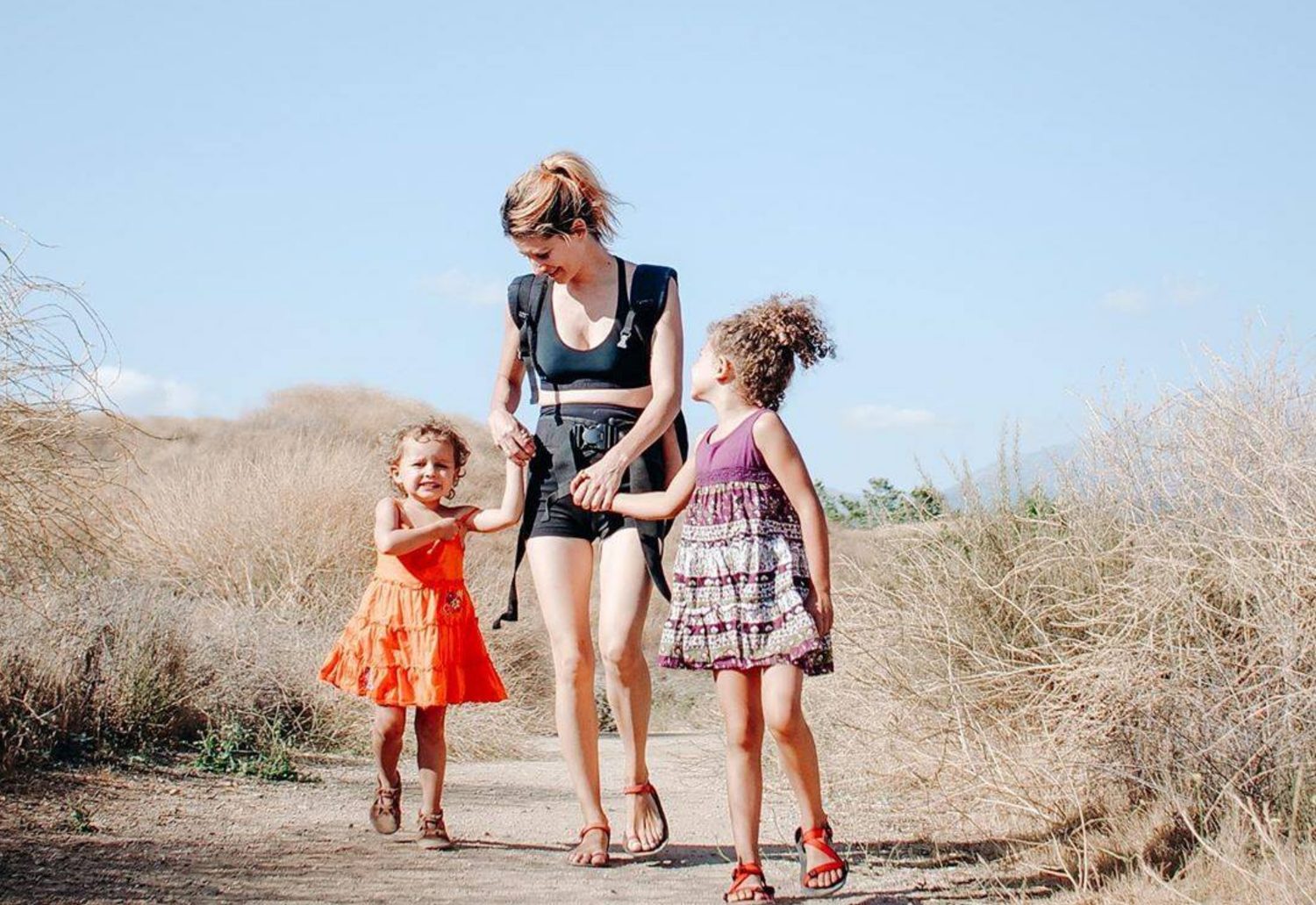
It’s not so much that Xero will change your life, but rather the changes that come from using your feet naturally and correctly. Xero Shoes simply helps you do that. Feet are the foundation. We don’t just have them to support our whole body during any activity. They also send sensory feedback to the spinal cord and brain, which then uses that information to give commands for proper movement – whether that’s walking, running, cycling and so on.
All of these movements start in the feet, which give us balance, agility and mobility. For optimal performance, it’s enough for our feet to do what they were designed to do – bend, stretch and sense the world. That’s why our company is called Feel The World. That’s why they need to be flexible, strong and responsive.

I haven’t analysed countries, but I’ve noticed that Europe generally accepts and understands the importance of natural movement and minimalist footwear more. I think there are two reasons.
First, Europeans have a longer tradition of shoes designed for natural movement. For example, Birkenstock started making shoes before the United States even existed. Even though it’s not exactly minimalist footwear – the sole is much thicker and stiffer than I’d like – it’s heading in the right direction.

The second reason is that big shoe companies made a concerted effort to discredit natural movement and minimalist/barefoot shoes in America – which didn’t happen elsewhere in the world.
At the same time, I know that per capita, the Czech Republic has more barefoot shops than anywhere else in the world. So the Czechs are the smartest. That’s one reason we have our main European office here.
Dr Emily Splichal created a foot stimulation technology she called Naboso. Her company sells various products that use that technology: shoe insoles, yoga mats, and so on. When we started selling her insoles, customers asked us: ‘But what if I wear sandals? I can’t put insoles into sandals.’
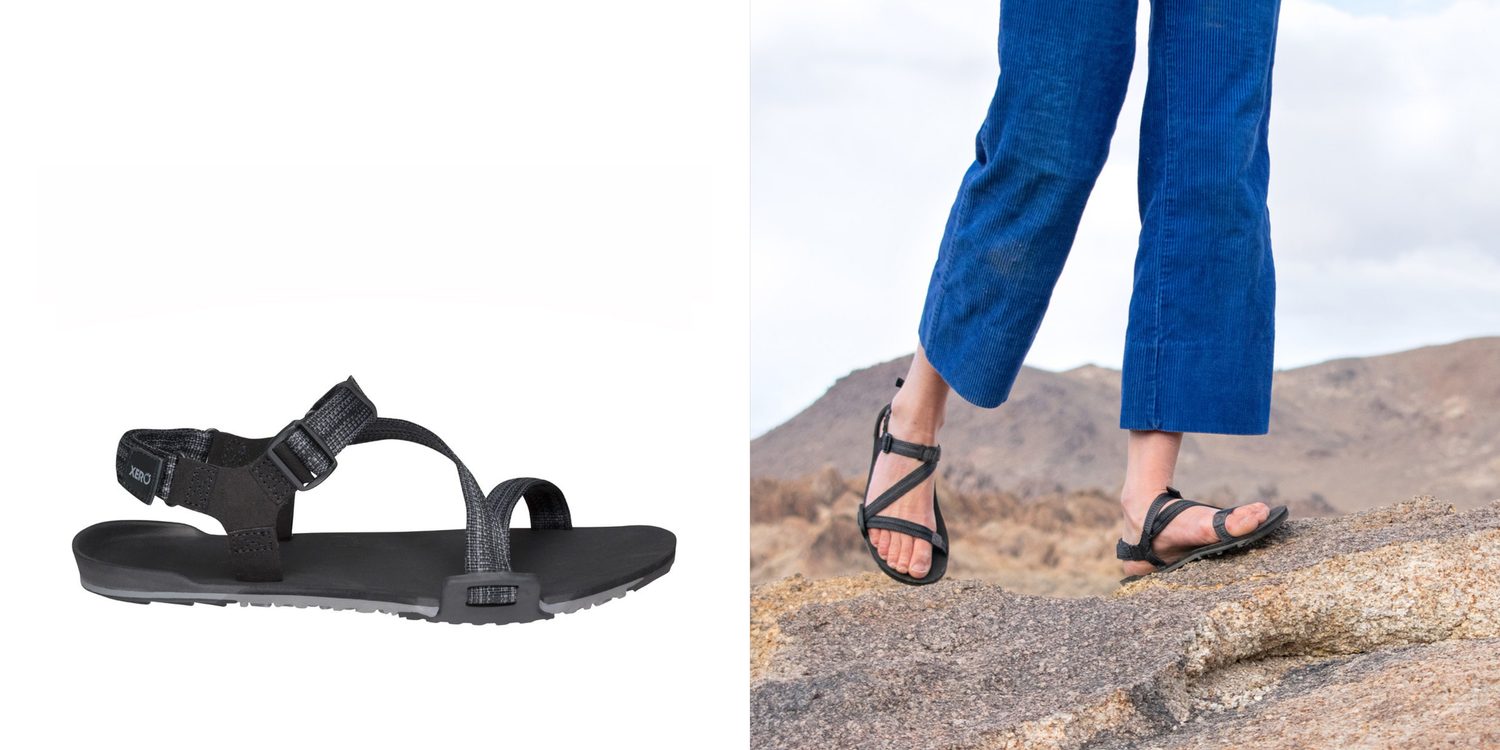
So we took our best-selling performance sandal Z-TRAIL and replaced the BareFoam™ footbed with material from Naboso.
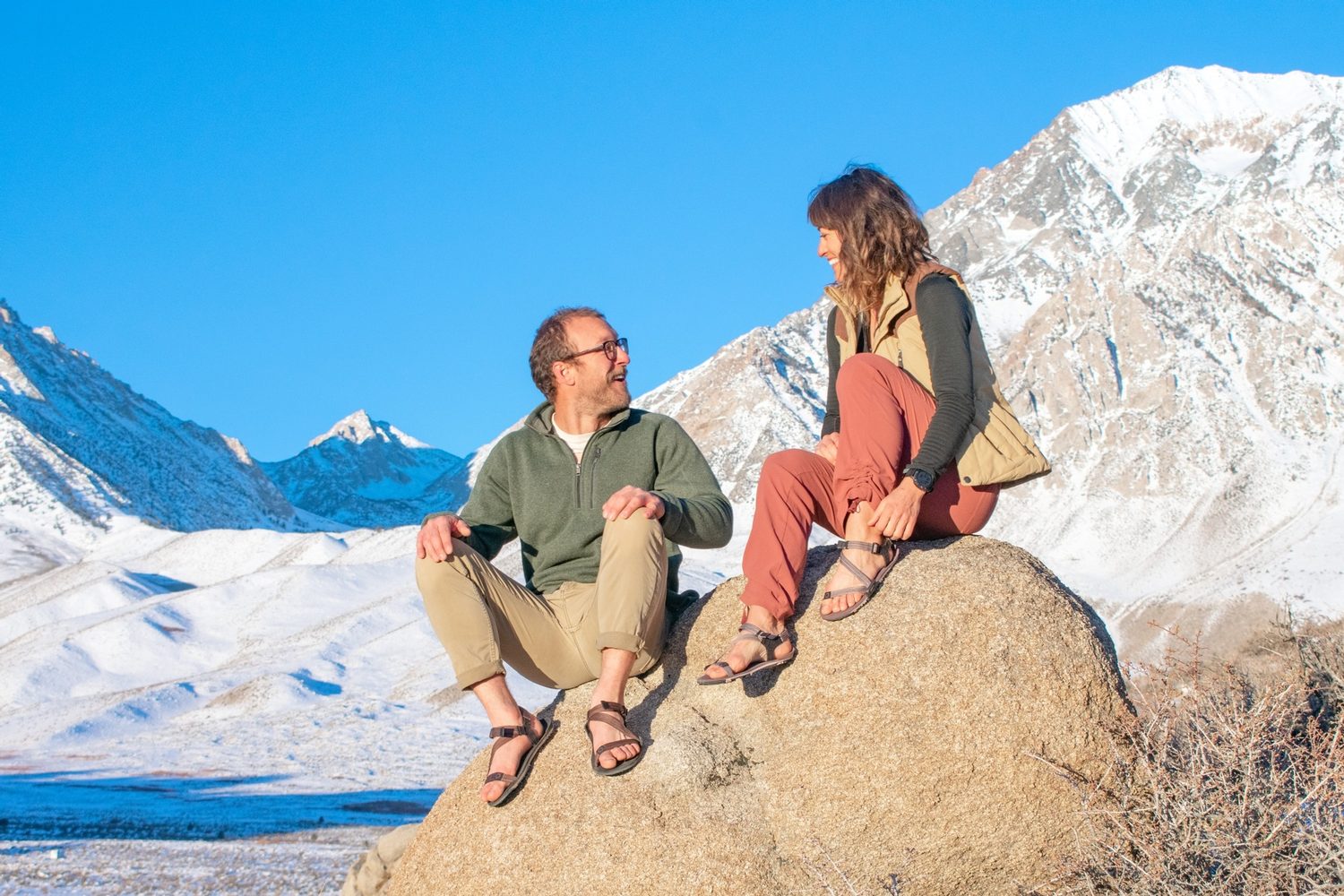
My passion is primarily natural movement. And shoes are the best way to promote the importance of natural movement. I’ve tried every pair of shoes and sandals we make, but I don’t own them all. When I’m not barefoot, I wear SPEED FORCE, Z-TRAIL or GENESIS.
Some people think I choose footwear based on the weather, but I can wear sandals even during a Colorado winter. I’ve tried some competitors’ shoes too, but I don’t own any.
The road to success is bumpy, and it doesn’t always lead where you want it to. If we’d done something differently, it might have taken us down a dead end. So I can’t think of anything we could have changed that would have guaranteed a better outcome.
Honestly – when we look at what we’ve achieved, and the number of people around the world we’ve helped live a happier and healthier life, we’re simply thrilled and grateful… and we’re looking forward to helping more and more.
Where will your next steps take you?


You are currently on www.premiumbarefoot.co.uk


 £ - EN
 Čeština
 Magyar
 Slovenščina
 Română
 български
 English (US)
 Slovenčina
 Polski
 Dansk
 Nederlands
 Svenska
 Suomi
 Español
 Français
 Português
 Deutsch (DE)
 Deutsch (AT)
 Deutsch (CH)

