We’ll be happy to help via online chat or at: orders@premiumbarefoot.com

Stories and Brands Walking, Movement and Health
Read our interview with Vlaďka Botlíková, a healthy movement instructor. She’ll show you how to get rid of pain (not only) in your feet and enjoy a healthy body and a light step again.
A smiling, active woman, traveller, creator of online exercise programmes, instructor of in-person healthy movement courses and, last but not least, a lover of barefoot walking and barefoot trails. Vlaďka was one of the very first naBOSo customers and has stayed loyal ever since. Her journey to barefoot shoes is similar to Andrea Součková’s – health issues that these comfortable shoes helped resolve.
Yes, I first taught at FTVS and for more than 28 years now I’ve been teaching at CTU in Prague. I teach health-focused exercise for students with back pain, practical group exercise sessions with patients for future physiotherapists, and also “Healthy Back” classes for teachers, staff and University of the Third Age students at CTU.
Alongside that, I run seminars for the public focused on improving back and foot health. There wasn’t really a single “turning point” – I’m still at CTU, I just now devote more time to adults and seniors, and after the Covid experience I also focus more on creating online courses.
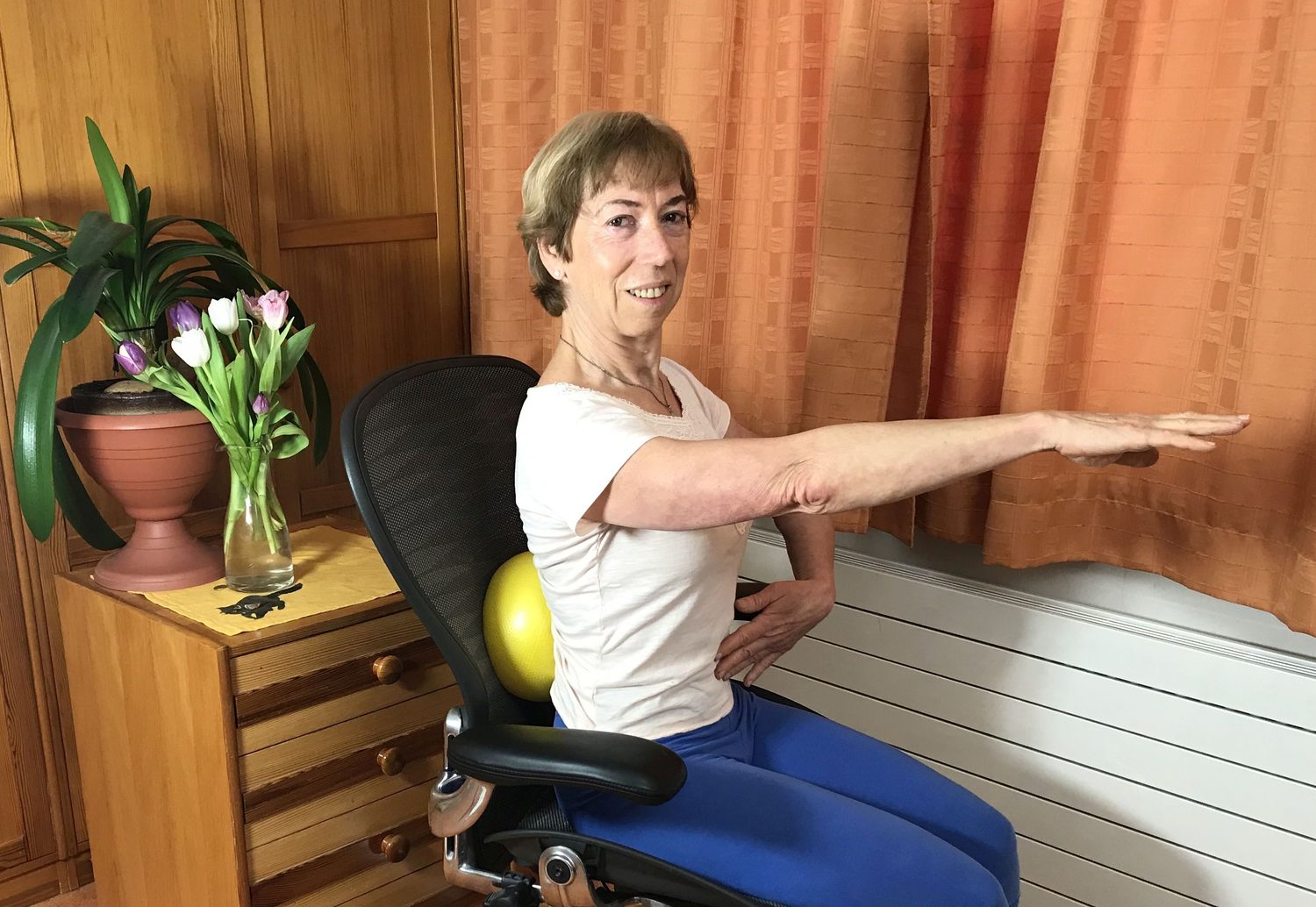
People who come to my regular classes include active individuals who have either had an injury and can’t fully return to sport yet, or who suffer from acute or chronic pain in the musculoskeletal system; younger people mainly due to sedentary jobs, and older people also as a result of age.
Or they want to avoid all that and come to exercise preventatively. In one-day intensive seminars and online courses, I teach those who already have bigger issues – whether with their back or their feet – and want to “put out the fire” quickly. And also those who simply like learning something new so nothing hurts.
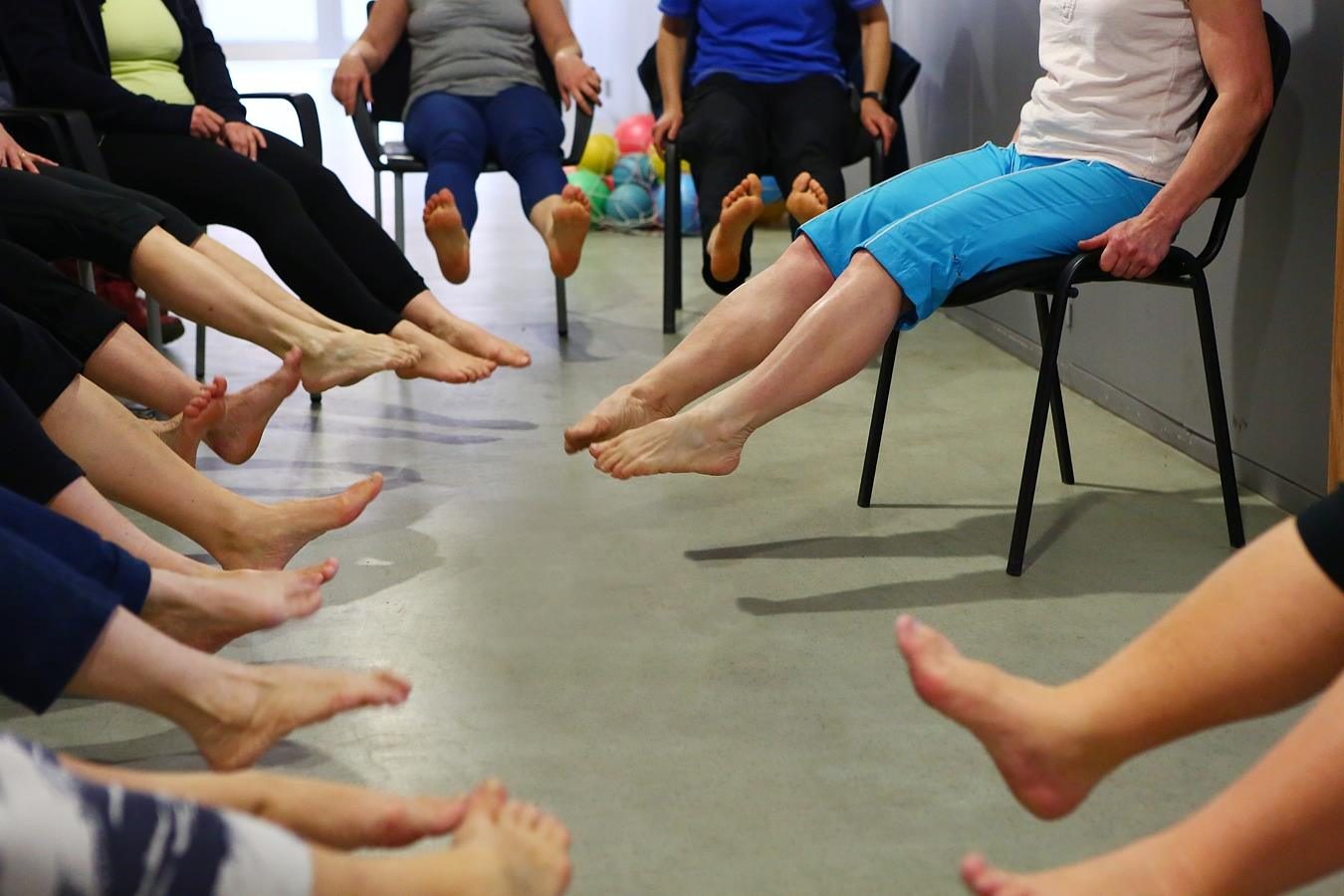
In the live regular exercise course, over three months (12 one-hour sessions), participants gain a set of tried-and-tested exercises suitable for everyday self-care: release exercises to wake up in the morning, a short stretching routine, simple strengthening exercises that effectively engage the whole body, plus bonus exercises to improve coordination or balance.
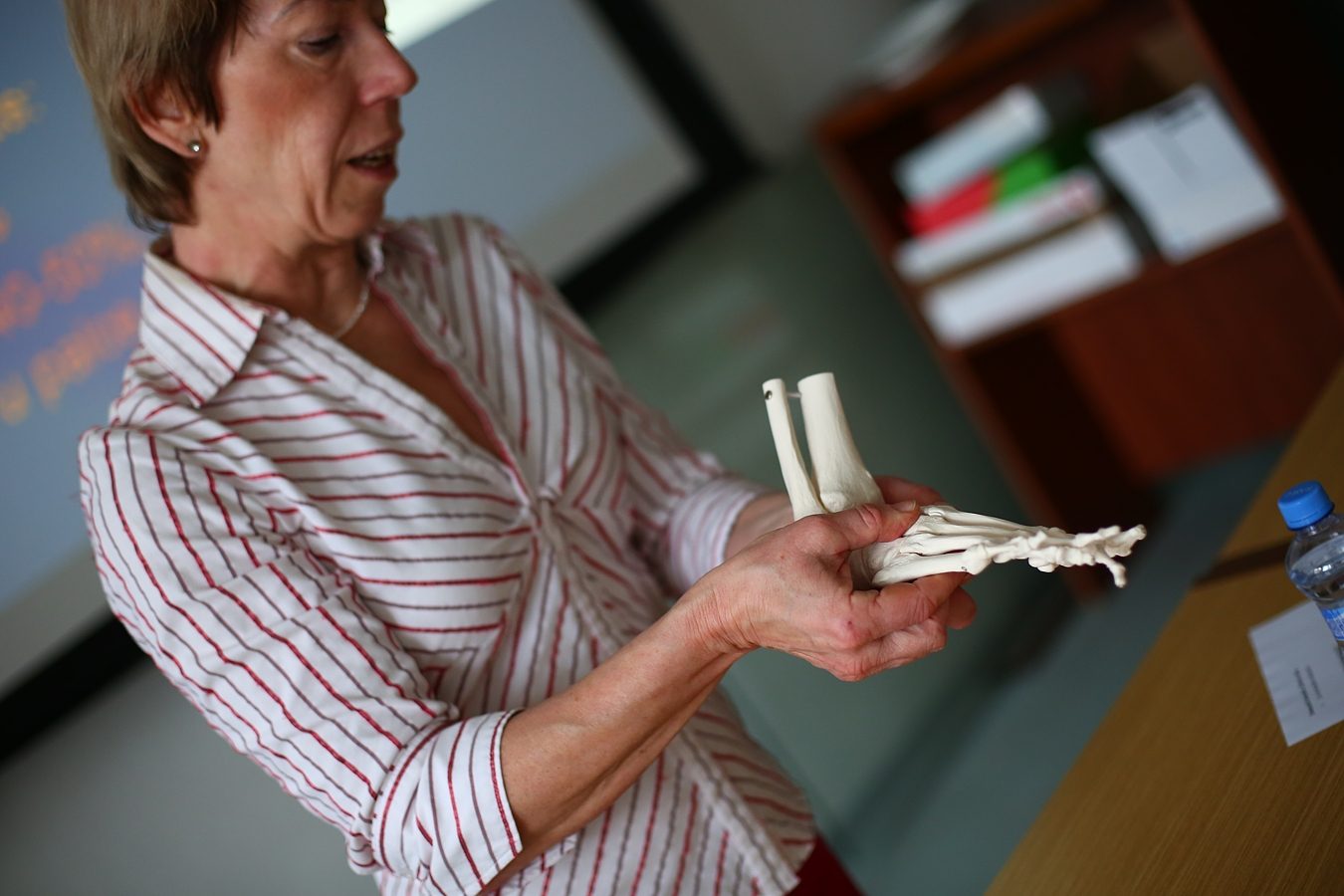
In one-day seminars focused on feet and legs, clients try out a wide range of (often unusual) tools for pain relief, learn tips for warming up the feet, and exercises to improve the condition of sore soles and deformed toes. Clients can also find everything clearly laid out in the online course Exercises for Feet, including detailed guidance for self-assessing your feet.
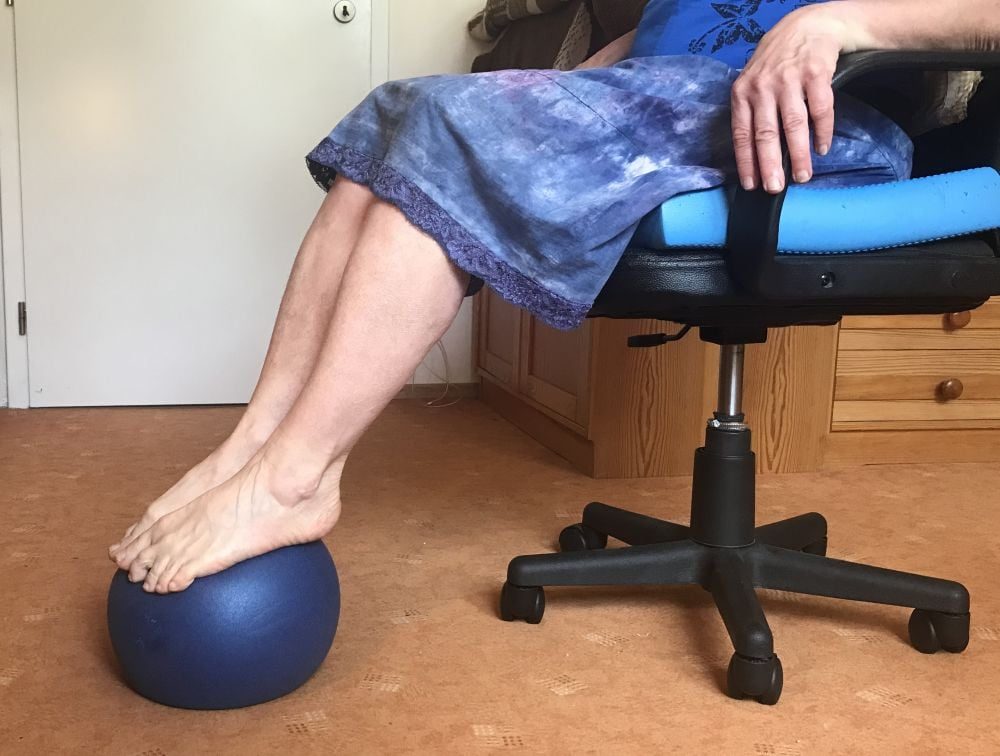
I really love a simple exercise to stimulate the feet while working seated. Under my desk I always have an overball, and whenever my feet get a bit bored or I need to activate my back and body after being bent over, I place one or both feet on the ball. I try to shape the sole to the surface of the overball, then I try to grip it between both feet.
Or I press into it: sometimes I push my instep into the ball and stretch it out, other times I press my toes into the ball and stretch the sole and Achilles, while the other foot holds the ball in place so it doesn’t roll away… basically, my feet play with the ball for a while.
For years I led health-focused exercise classes for students aimed at improving back and foot health. Some of them now have children of their own and came to me for a consultation with them. When it kept happening, I thought I’d film all the tips and exercises with children and create a clear, structured course for other curious little explorers and their parents too.
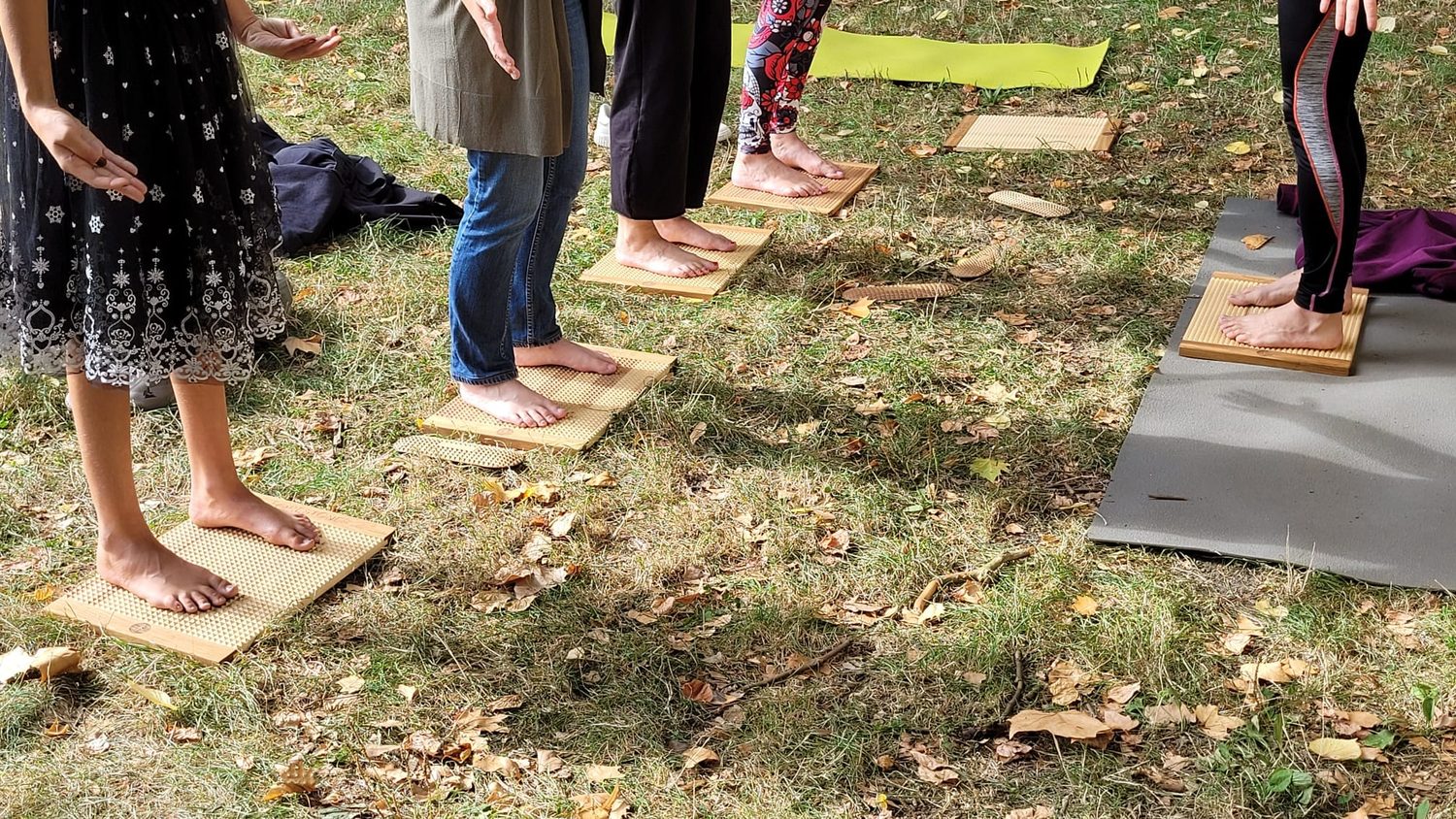
Yes, I use them all the time! It’s a daily, deeply ingrained and joyful practice. Every morning I start my day in the bathroom on one of the mats; at the moment I’m enjoying the wooden pyramids from FORESTONES. And when I need to wake up faster, massage balls – for example the NABOSO NEURO BALL – get the feet going perfectly.
At my seminars, I have an enormous number of tools. Participants can try everything throughout the day and experience almost intoxicating sensations from awakened feet.
I follow new developments in the field and try everything on myself straight away. First I discovered interesting five-finger shoes in Prague – that’s more than 12 years ago now – with a thin Vibram sole, and they fit me brilliantly. I was very happy with them; a real revolution compared to conventional shoes. But you couldn’t wear socks in them. Then, in a tucked-away shop, they sold hand-stitched, slightly rough-around-the-edges shoes with no heel – it was the first Ahinsa model. So you could wear them with socks in colder weather. I tried those immediately too; I still have them as a rarity. The next attempt soon after was Vivo shoes from naBOSo.
After my beginnings with five-finger shoes, I was thrilled when, in 2015, I suddenly saw a new barefoot shoe shop in Prague 6. I walked straight in and met enthusiasts on a similar wavelength. They even had five-finger socks for my shoes. Since then, I’ve really enjoyed working with naBOSo.
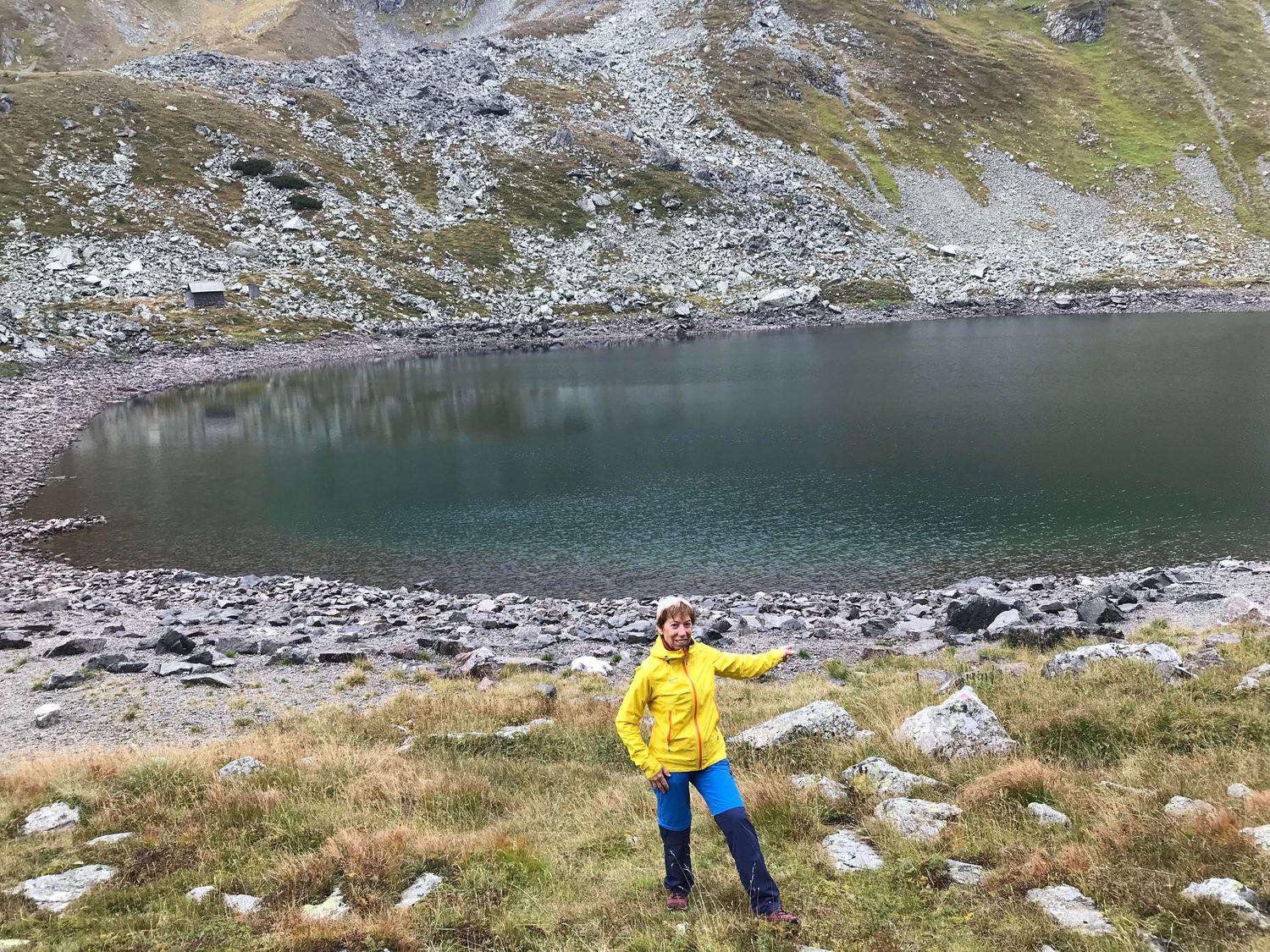
Barefoot walking and the transition to alternative footwear (barefoot and five-finger shoes) significantly changed how I perceive my feet – for the better. I use this footwear mainly for walking in nature, especially in mountainous terrain. Since then, I haven’t been injured either.

I don’t see the move away from pointy, heeled shoes towards shoes with space for the feet and toes as a fashion trend, but as a return to normal. Finally, a solution for those whose shoes have pinched their whole life, but who were willing to put up with it because of a fashion “dictate”. Now, thankfully, they have broader options: they can choose not only from many barefoot shoes, but even among “classic footwear” they can find more suitable shapes.
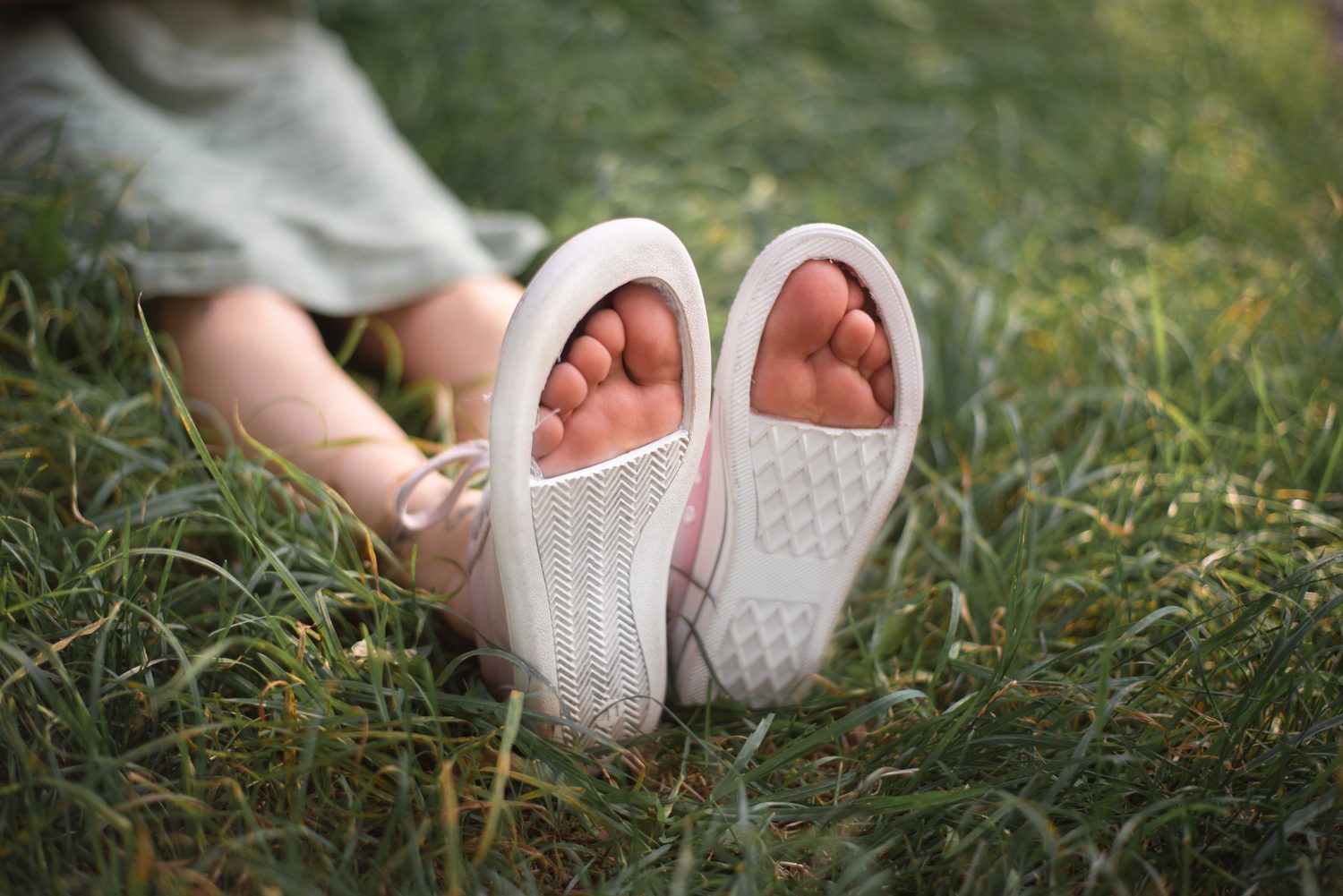
Yes, you can – but with certain recommendations. Healthy children’s and young people’s feet usually manage the transition to barefoot footwear immediately and without problems.
Those with health issues and foot pain (for example due to fallen arches, bunions, etc., usually older people) need to train their feet a little before switching. That means mobilising the toes and exercising the muscles in the sole, so their feet can then handle the natural load of walking in barefoot shoes without overload. For prepared feet, switching can bring many benefits.
For people with diabetes and neuropathy, barefoot shoes are not suitable; a consultation with a doctor is definitely necessary.
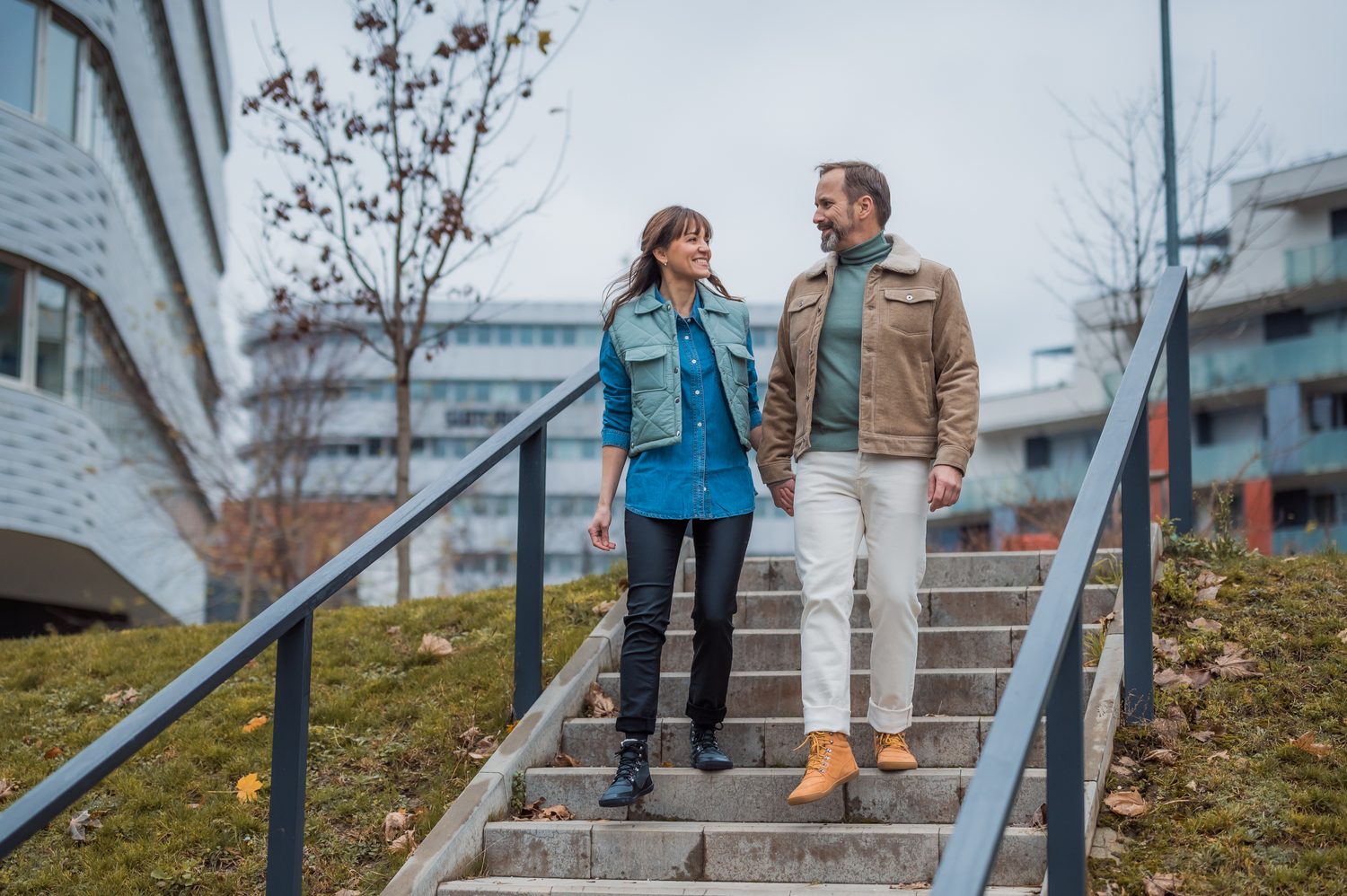
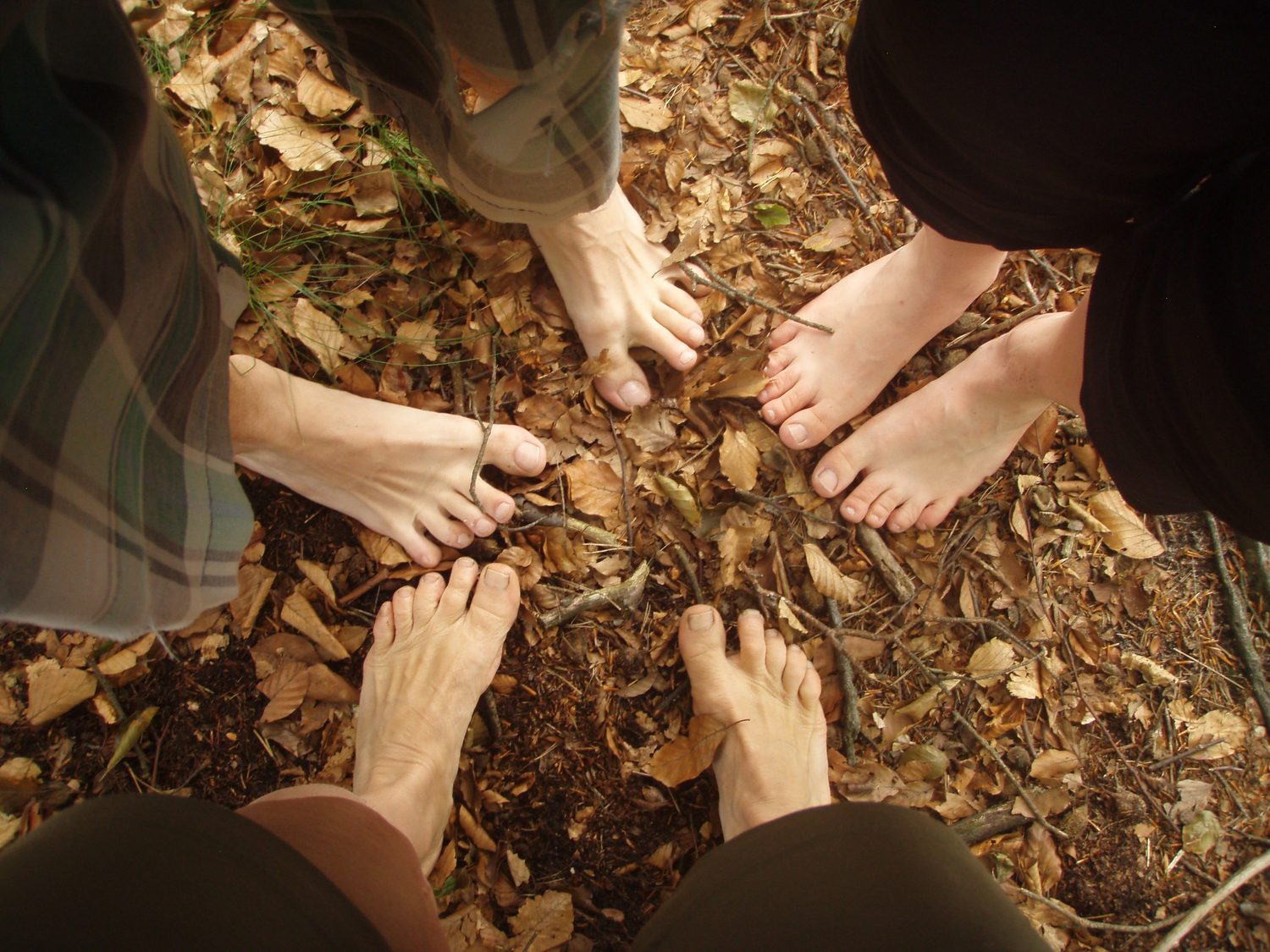
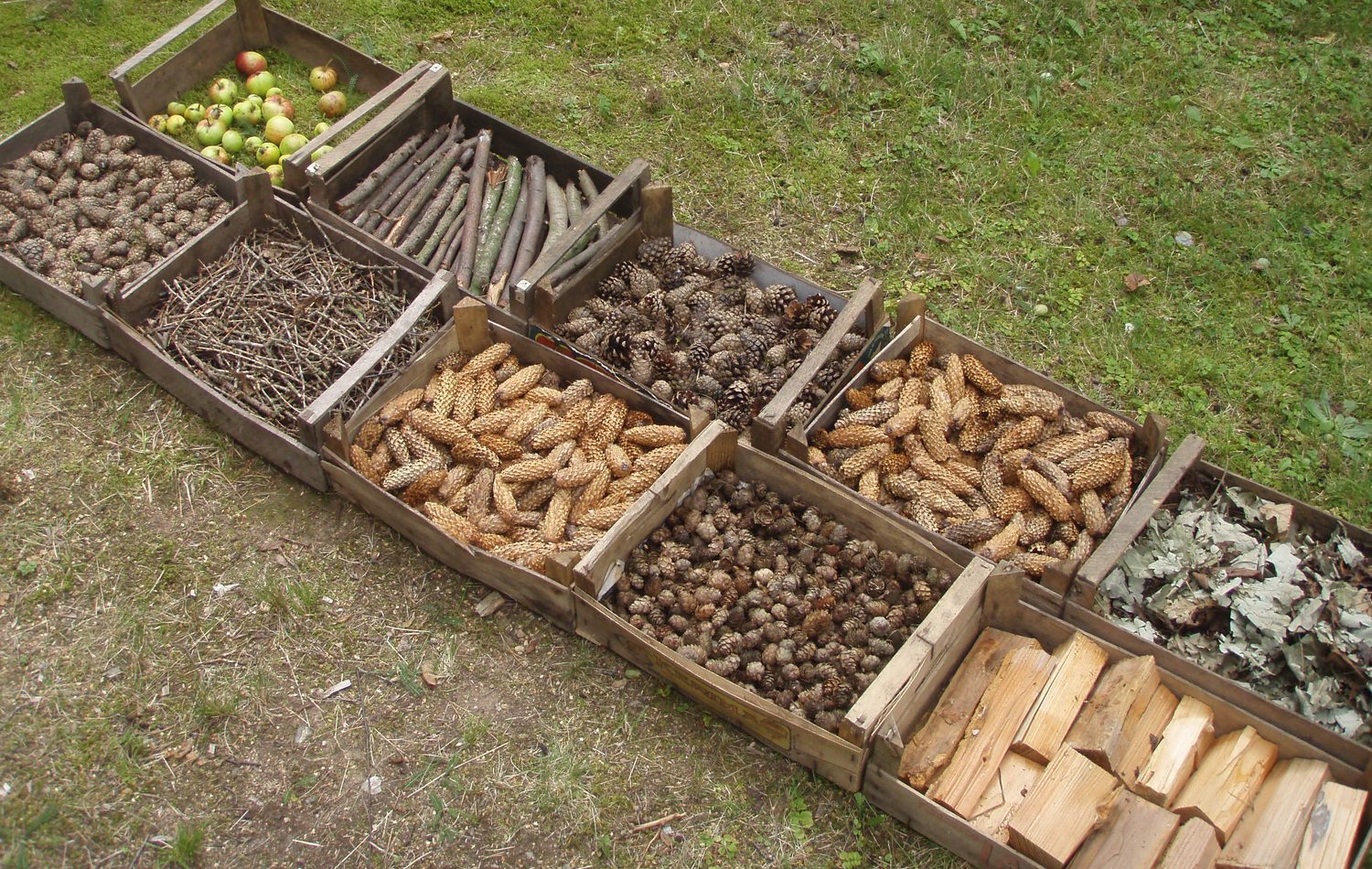
If I come across a trail somewhere, I’m very happy to “taste” it with my feet straight away and check how my soles feel on it and what they find there. When a section of the trail surprises me unexpectedly, it always makes me happy.
At my little cottage I have my own trail – compact and quick to move around, feel free to take inspiration!
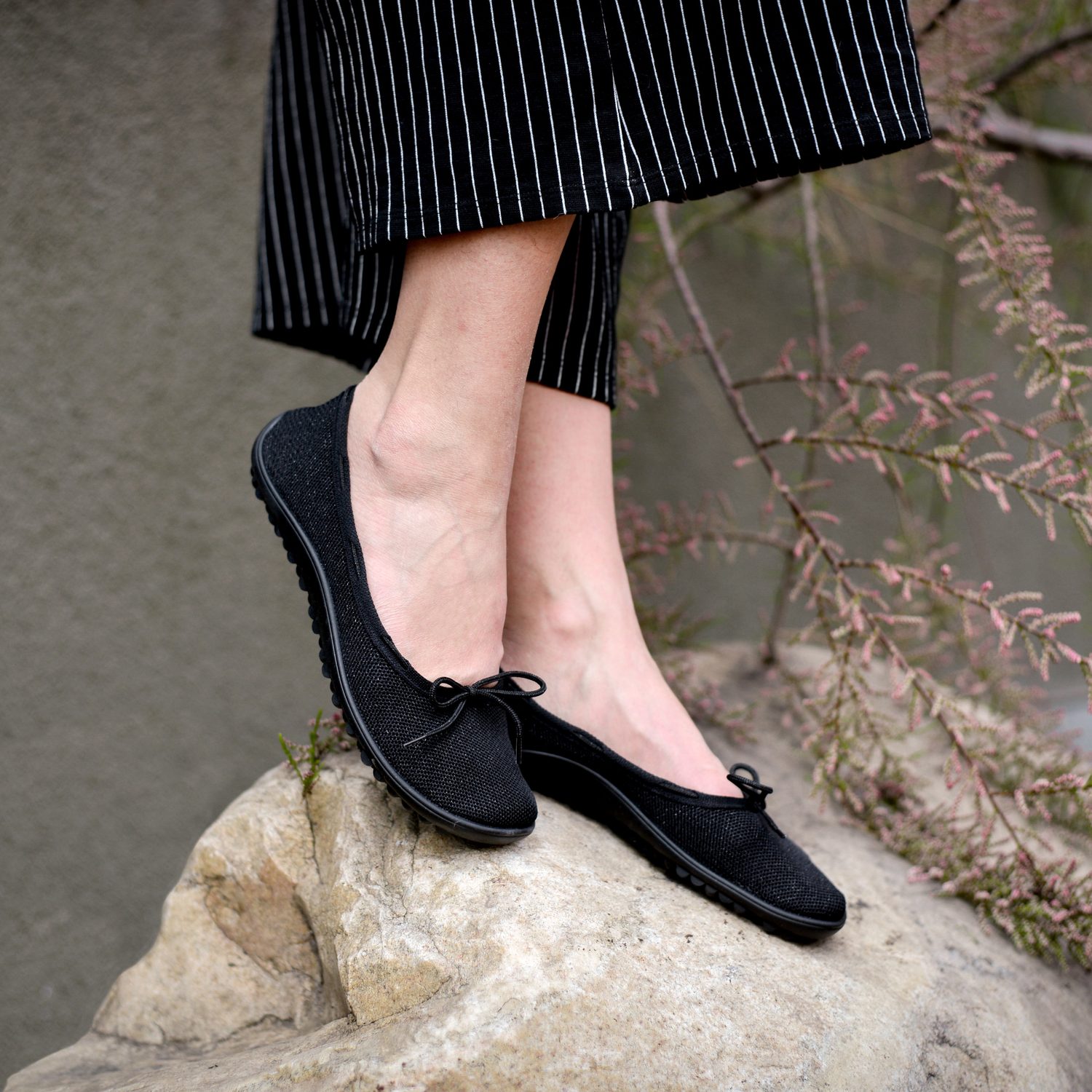
I really like wearing my black Leguano ballet flats LEGUANO STYLE TANGO, because they go with absolutely every dress I own, and with trousers too. Simply put – when I don’t know what to wear, they solve it instantly. I’ll go anywhere in them around the city: I slip them on quickly when I’m rushing to work, I’ll take them to the theatre, and they easily handle a walk around Prague too.
For cycling, I most like slipping into MERRELL VAPOR GLOVE 4. They’re lightweight, flexible and sit beautifully on the pedal. I can spread my toes nicely, so when I push, I have good support to distribute the movement across the whole sole, and my feet respond perfectly in them.
Only take care of the parts of your body you want to keep healthy! P.S. If you want to spend the rest of your life lying down, then you don’t really need your legs anyway. :)
PaedDr. Vladana Botlíková, CSc.
Trainer and healthy movement instructor. I’m the author of online courses for adults and children. I pass on to my clients the art of self-treatment through movement. I’ll teach you how to get rid of pain (not only) in your feet and enjoy a healthy body and a light step again.


You are currently on www.premiumbarefoot.co.uk


 £ - EN
 Čeština
 Magyar
 Slovenščina
 Română
 български
 English (US)
 Slovenčina
 Polski
 Dansk
 Nederlands
 Svenska
 Suomi
 Español
 Français
 Português
 Deutsch (DE)
 Deutsch (AT)
 Deutsch (CH)

