
 £ - EN
 Čeština
 Magyar
 Slovenščina
 Română
 български
 English (US)
 Slovenčina
 Polski
 Dansk
 Nederlands
 Svenska
 Suomi
 Español
 Français
 Português
 Deutsch (DE)
 Deutsch (AT)
 Deutsch (CH)


Great shoes, I’m absolutely thrilled with them.


Baby Bare Shoes
More from this brand


Extremely flexible and comfortable all-leather barefoot ankle boots lined with warm fleece and featuring a breathable water-repellent membrane to keep your child's feet dry and warm even on cold winter days. The thin flexible rubber sole supports proper posture and natural foot development.
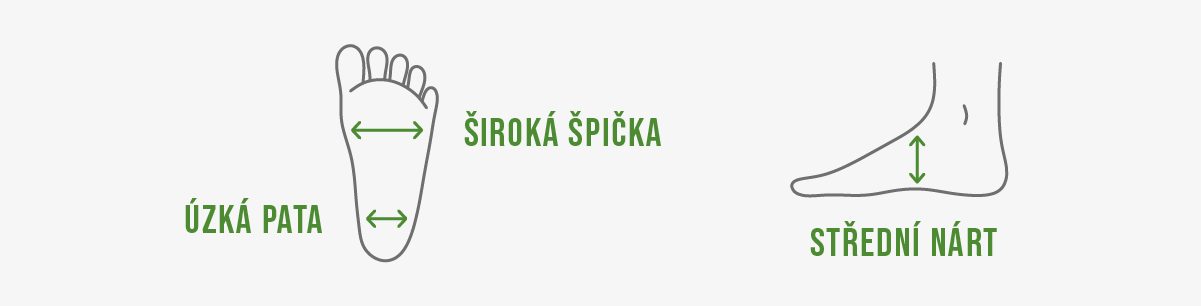
The boot tongue is made from breathable fabric with PU coating to ensure water resistance. The velcro fastening makes putting shoes on much easier and allows proper adjustment around the ankle and instep. These boots fit best on children with medium and lower insteps.
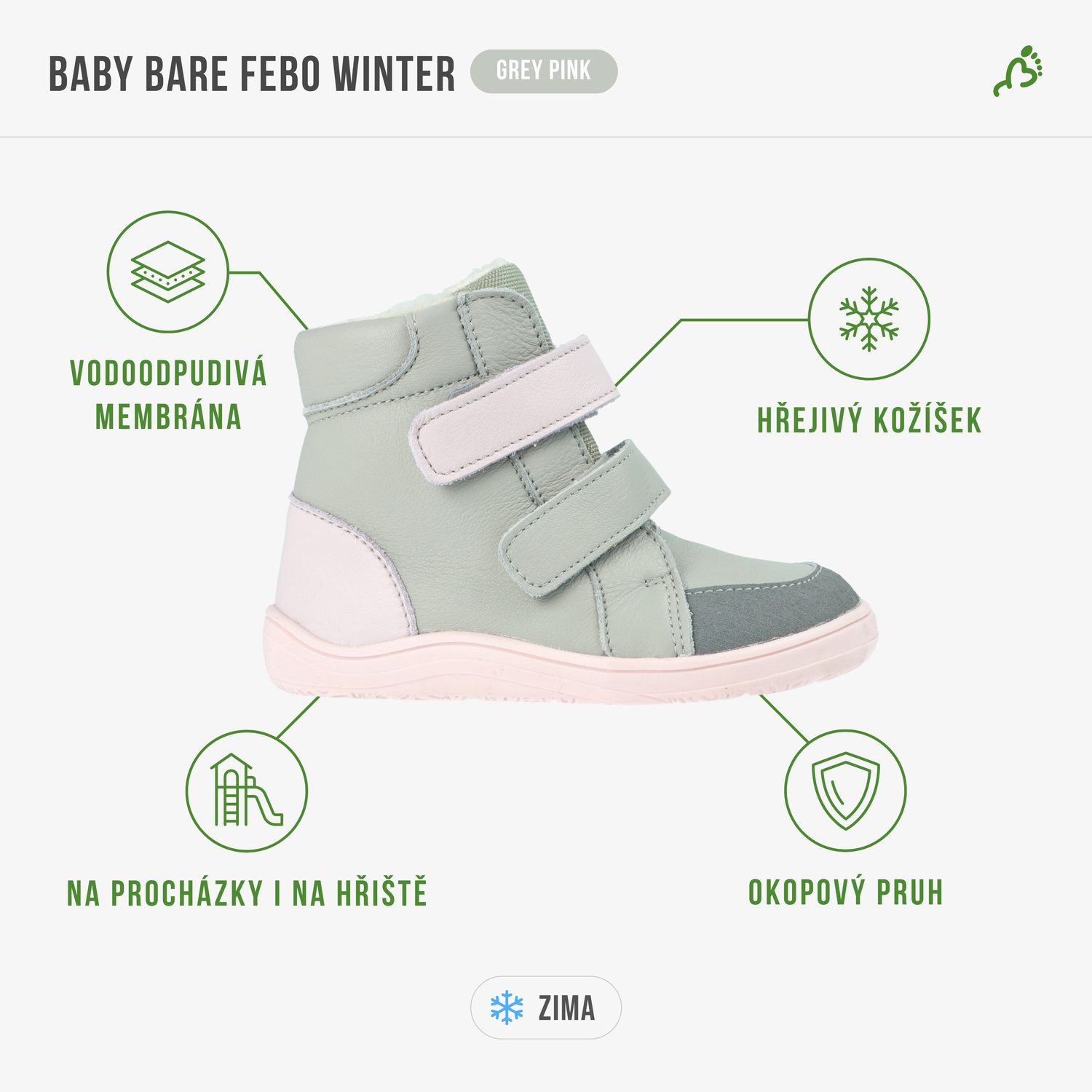
Extremely flexible and comfortable higher full-leather barefoot boots insulated with warm fur lining and featuring a breathable water-repellent membrane will keep your feet dry and warm even on cold winter days. Their thin flexible rubber sole supports proper posture and natural foot development.
The boot tongue is made from breathable fabric with PU coating, which ensures water repellency. The velcro fastening makes putting them on very easy and allows proper adjustment around the ankle and instep. These boots fit best on feet with medium and lower insteps.
 No breaking in
comfortable from the first wear
 Wide toe box
room for your toes to spread
 Light and flexible
your feet work naturally
 Zero drop
heel and toes on one level
 They are sooo
irresistibly comfortable
Didn't find your answer? We're happy to help.
 Customer service is here to help
Barefoot shoes have a flexible and very thin sole (usually 3 to 7 mm), which may make you think the cold from the ground will get through. Once you have your barefoot shoes and have learned to walk properly in them, your feet regain their natural ability to regulate temperature and you certainly will not be cold on a walk.
When you walk, the muscles of the foot are much more active thanks to the roomy shoes and can move freely. This stimulates circulation, the foot is well supplied with blood and becomes its own source of heat.
Of course, if you stand still for a long time, your feet may get cold – just as in any other shoes. In barefoot shoes, though, you only need to wiggle your toes a little for your feet and legs to warm up quickly.
You need to measure both of your child’s feet, as they are not necessarily the same size. You can measure them with the PLUS12 measuring gauge or with the help of a box. Measure the length of the foot from the longest toe to the edge of the middle of the heel. Measure the width at the widest point (behind the toes), at right angles to the axis of the foot.
To choose the right size, you need to know the length and width of the little foot as precisely as possible, ideally the height of the instep too, and you must not forget the toe allowance. For beginner walkers we choose an allowance of 8 to 10 mm, for more experienced walkers up to 12 mm. It always depends on the child’s abilities and on how their whole body moves when walking.
In width, choose a shoe that is 2 to 3 mm wider than the foot, and for winter shoes add another millimetre or two.
A child’s foot grows quite quickly, so measure it regularly to make sure the shoes do not start to pinch.
The younger the child, the faster their feet grow. When walking, the foot needs about 4 mm of space in front of the toes. So if the allowance in length is 4 mm or less, it is time for new shoes.
For toddlers, we re-measure the feet every month, for preschool children every two months and for schoolchildren once every three months. That may sound frequent, but toe deformities caused by shoes that are too small or badly chosen are common even at preschool age – so prevent them.
 Customer service








You are currently on www.premiumbarefoot.co.uk
Enter your email, spin the wheel and we will send your prize to your inbox too.
We have also sent the code to your email. Valid until .
No worries, you have one more try.
No worries, try again next time. Meanwhile we will send you news and offers by email.
